Health Care > ESSAY > Healthcare Systems (Public Hospitals in Australia) (All)
Healthcare Systems (Public Hospitals in Australia)
Document Content and Description Below
Last updated: 4 years ago
Preview 1 out of 5 pages
Instant download

Buy this Document to get the Full Access Instantly
Provided by Students Who Aced it
We Verify Document Content to Gurantee Accuracy
Reviews( 0 )
Document information
Connected school, study & course
About the document
Uploaded On
Jan 09, 2021
Number of pages
5
Written in
All

Additional information
This document has been written for:
Uploaded
Jan 09, 2021
Downloads
0
Views
126
Topic Tags
Recommended For You
Get more on ESSAY »
E book Intelligent Systems in Healthcare and Disease Identific...
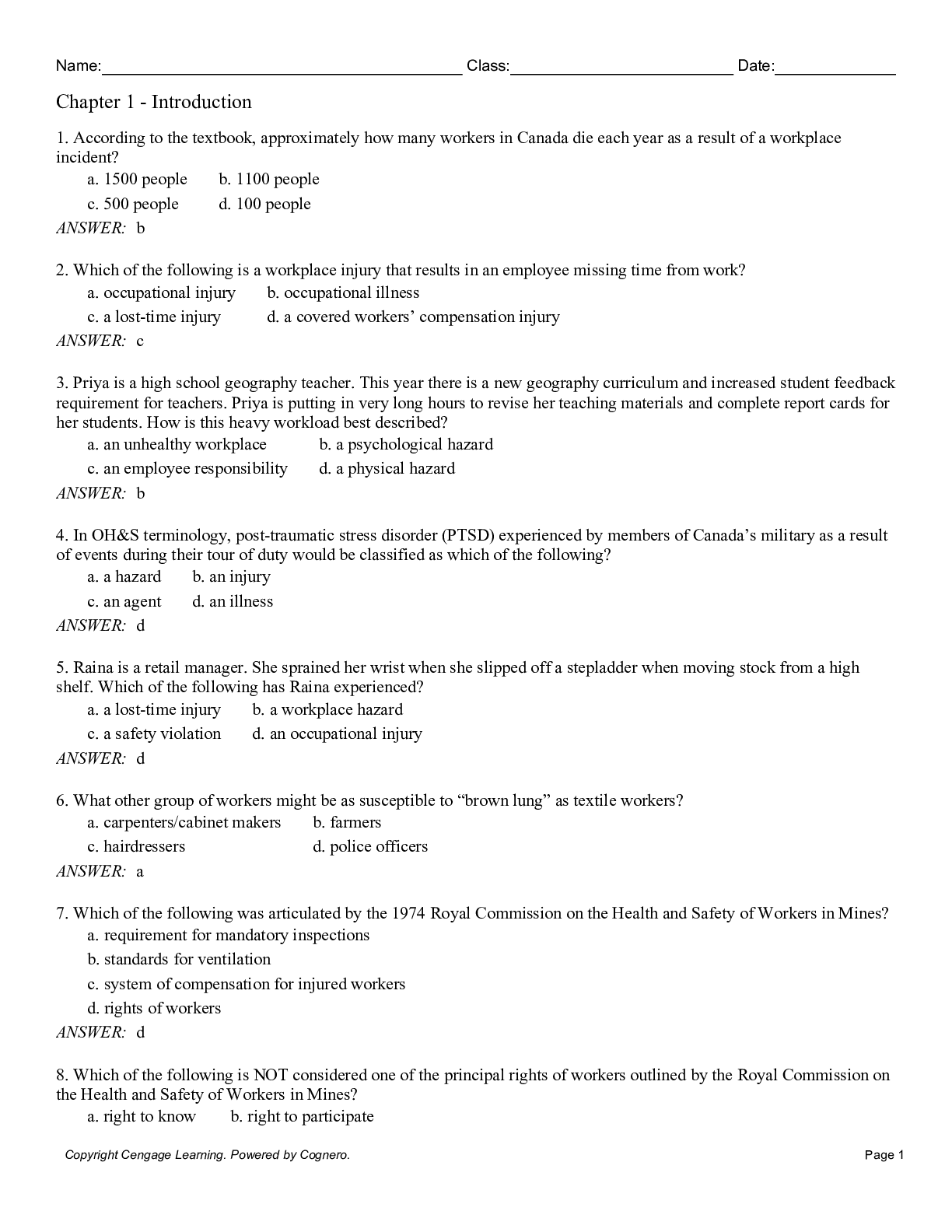
Management of Occupational Health and Safety 8th Edition by Ke...

Test Bank for Death and Dying, Life and Living, 8th Edition by...

Test Bank For Management of Occupational Health and Safety 8th...
Test Bank for Management Of Occupational Health And Safety, 8t...

TEST BANK For Connect Core Concepts in Health, BIG, BOUND Edit...

eBook Organizational Behavior in Health Care 4th Edition by Na...
TEST BANK for Growth and Development Across the Lifespan 2nd E...

eBook Exercise Physiology Theory and Application to Fitness an...
E BOOK Health Informatics and Technological Solutions for Coro...

Solutions Manual Introduction to Health Care 6th Edition By Le...
SOLUTIONS MANUAL for Anatomy & Physiology: An Integrative Appr...

NREMT EMR Exam Prep / NREMT Exam Questions and Answers/Explain...
UF PHA6936 FINAL EXAM PREP FINAL EXAM FORENSIC SCIENCE, FORE...

Instructor Manual Understanding Nutrition 16th Edition By Elli...