Education > QUESTIONS & ANSWERS > FTCE Exceptional Student Education K12 (Competency 3) Questions and Answers (All)
FTCE Exceptional Student Education K12 (Competency 3) Questions and Answers
Document Content and Description Below
Last updated: 3 years ago
Preview 1 out of 6 pages
Instant download
.png)
Buy this Document to get the Full Access Instantly
Provided by Students Who Aced it
We Verify Document Content to Gurantee Accuracy
Reviews( 0 )
Document information
Connected school, study & course
About the document
Uploaded On
Oct 20, 2022
Number of pages
6
Written in
All

Additional information
This document has been written for:
Uploaded
Oct 20, 2022
Downloads
0
Views
167
Topic Tags
Related Subjects & Courses
Explore similar study resources and related concepts.
Recommended For You
Get more on QUESTIONS & ANSWERS »
Reading Writing and Learning in ESL A Resource Book for Teachi...
![Preview of [SOLUTIONS MANUAL] for Reading Writing and Learning in ESL A Resource Book for Teaching K-](https://scholarfriends.com/storage/Solutions Manual for Reading, Writing, and Learning in ESL A Resource Book for Teaching K-12 Multilingual Learners, 8th edition By Suzanne F.png)
[SOLUTIONS MANUAL] for Reading Writing and Learning in ESL A R...
[TEST BANK] for Reading, Writing and Learning in ESL A Resourc...
Test Bank For Successful Writing at Work 12th Edition by Phili...


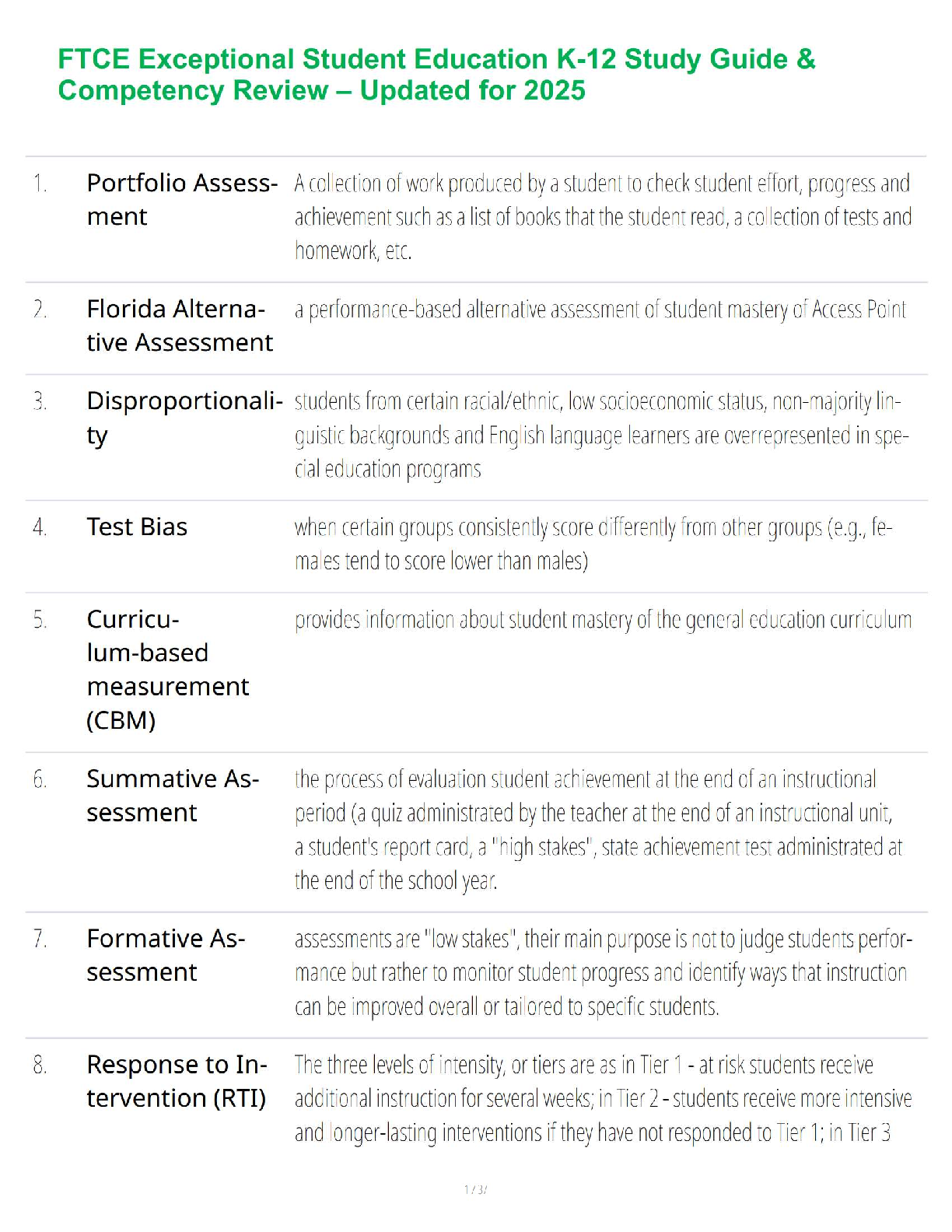
FTCE Exceptional Student Education K-12 Study Guide & Competen...
Chamberlain College of Nursing - NR 602 NRWeek 1-2 quiz review...
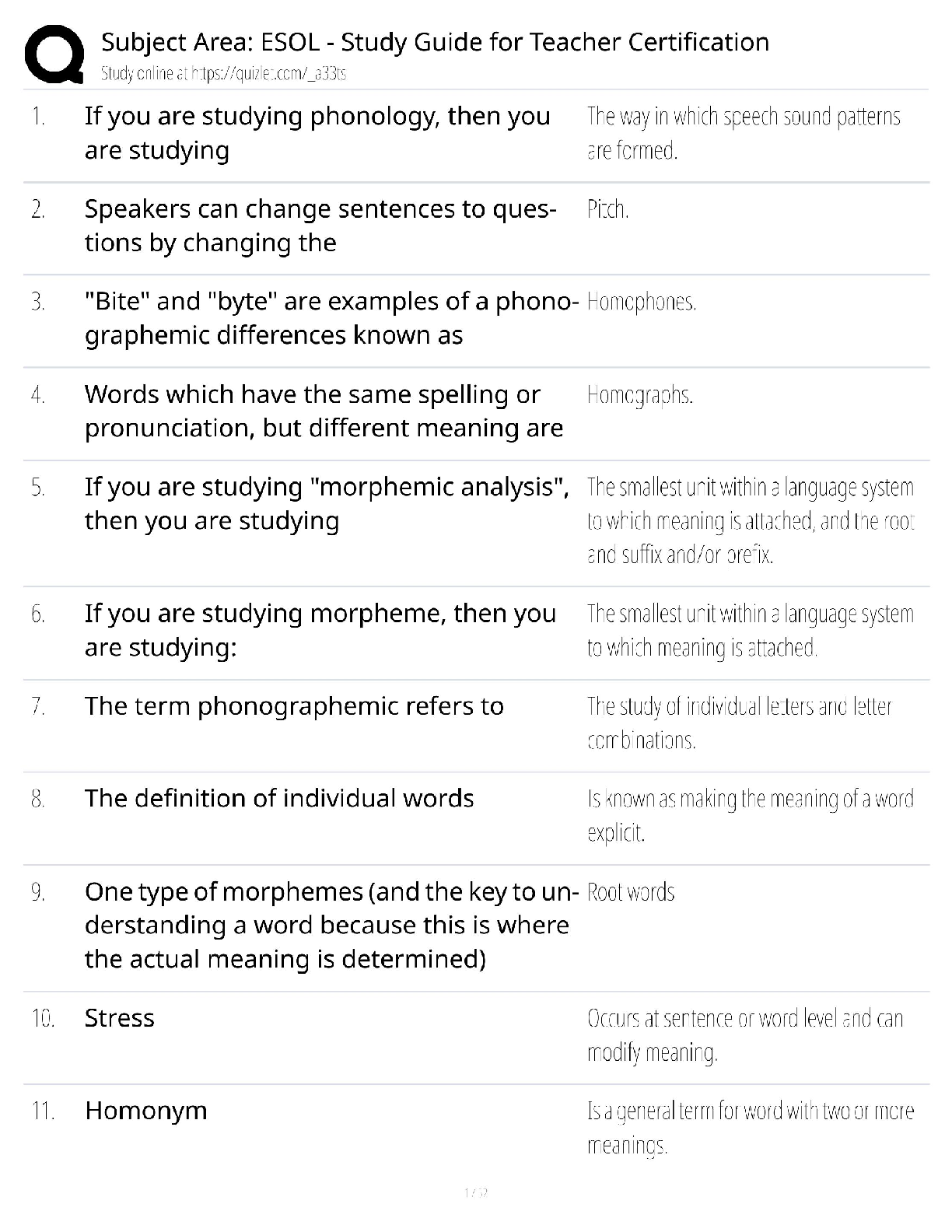
ESOL Subject Area / Teacher Certification Study Guide / Florid...
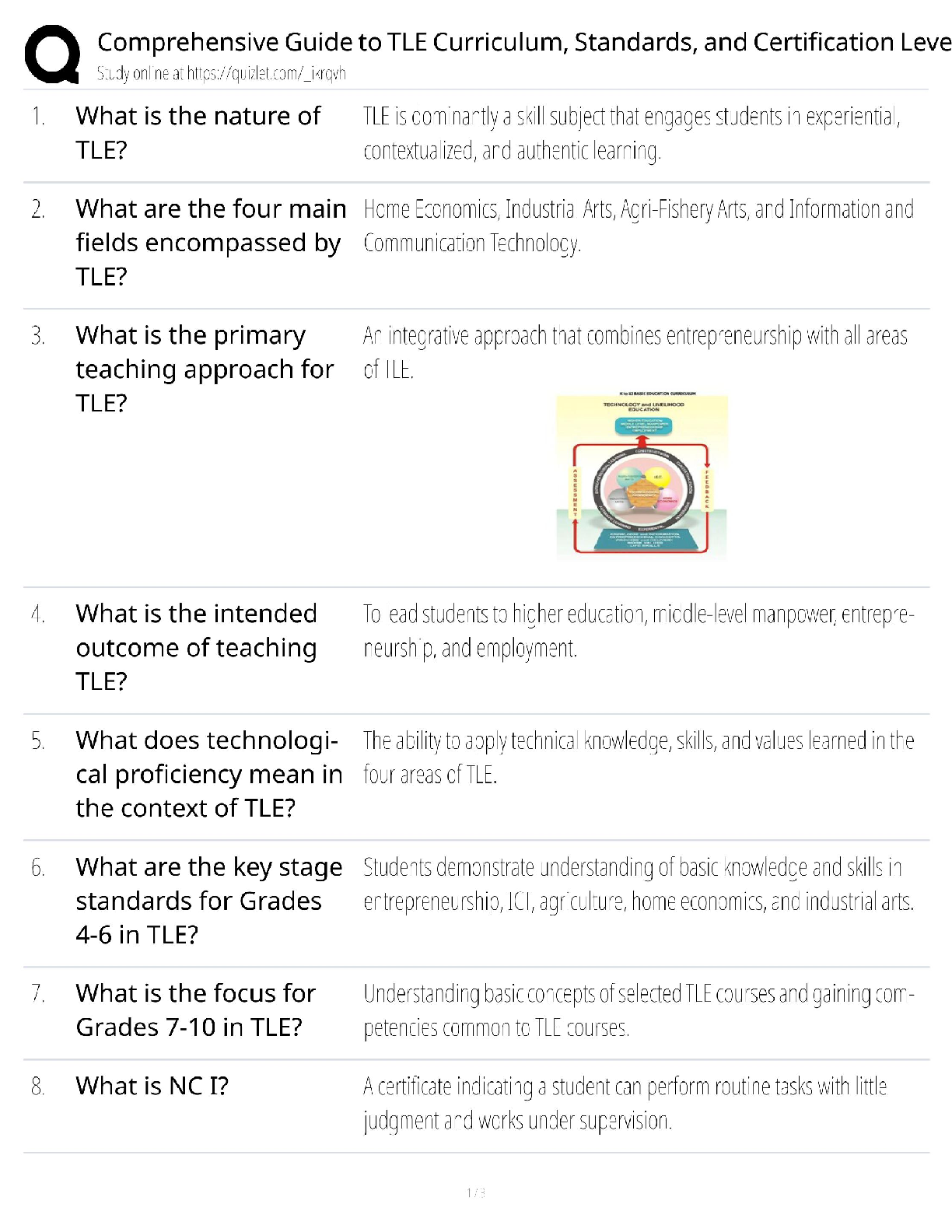
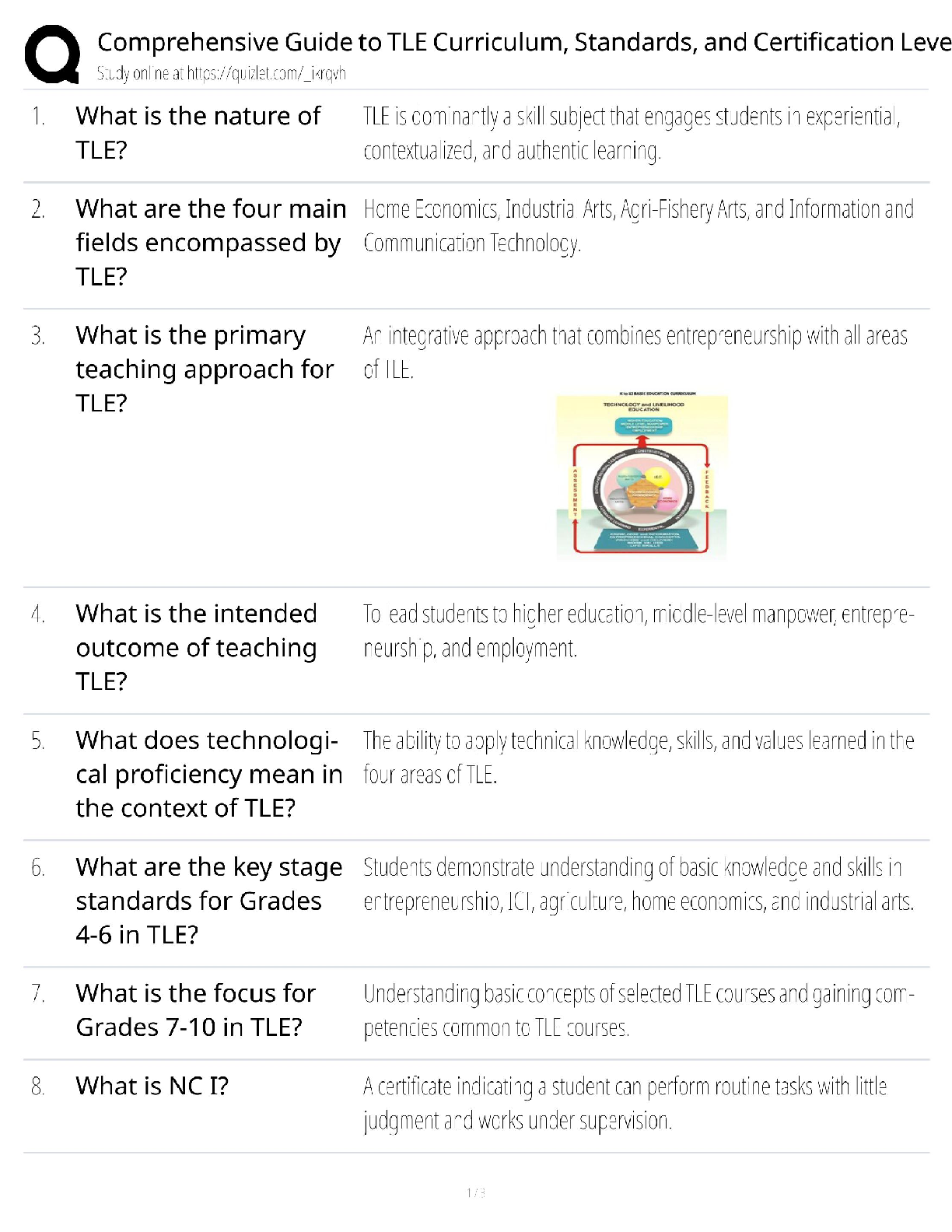
TLE Curriculum Guide / Standards & Certification Levels / 2025...
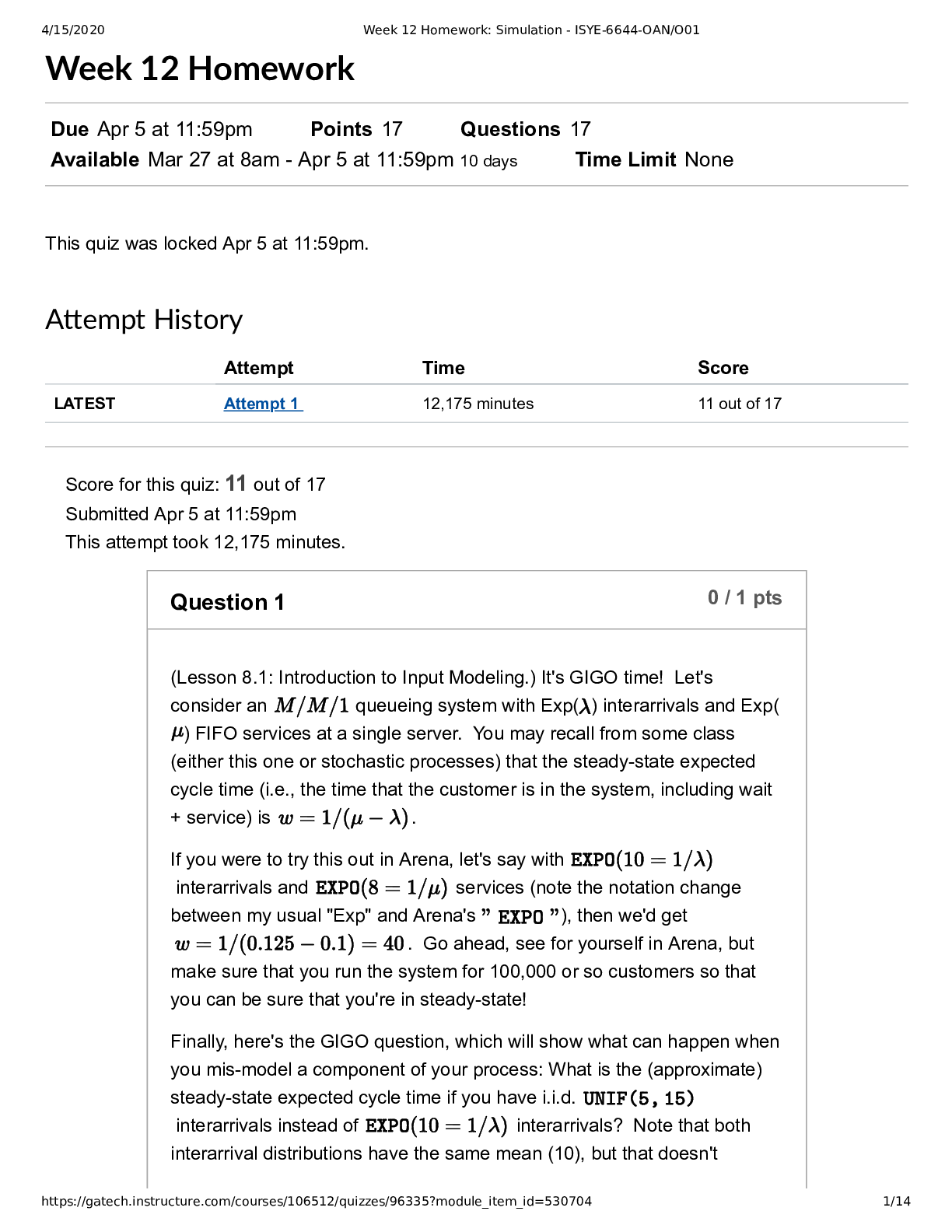
Georgia Institute Of Technology - ISYE 6644 / ISYE6644 Week 12...
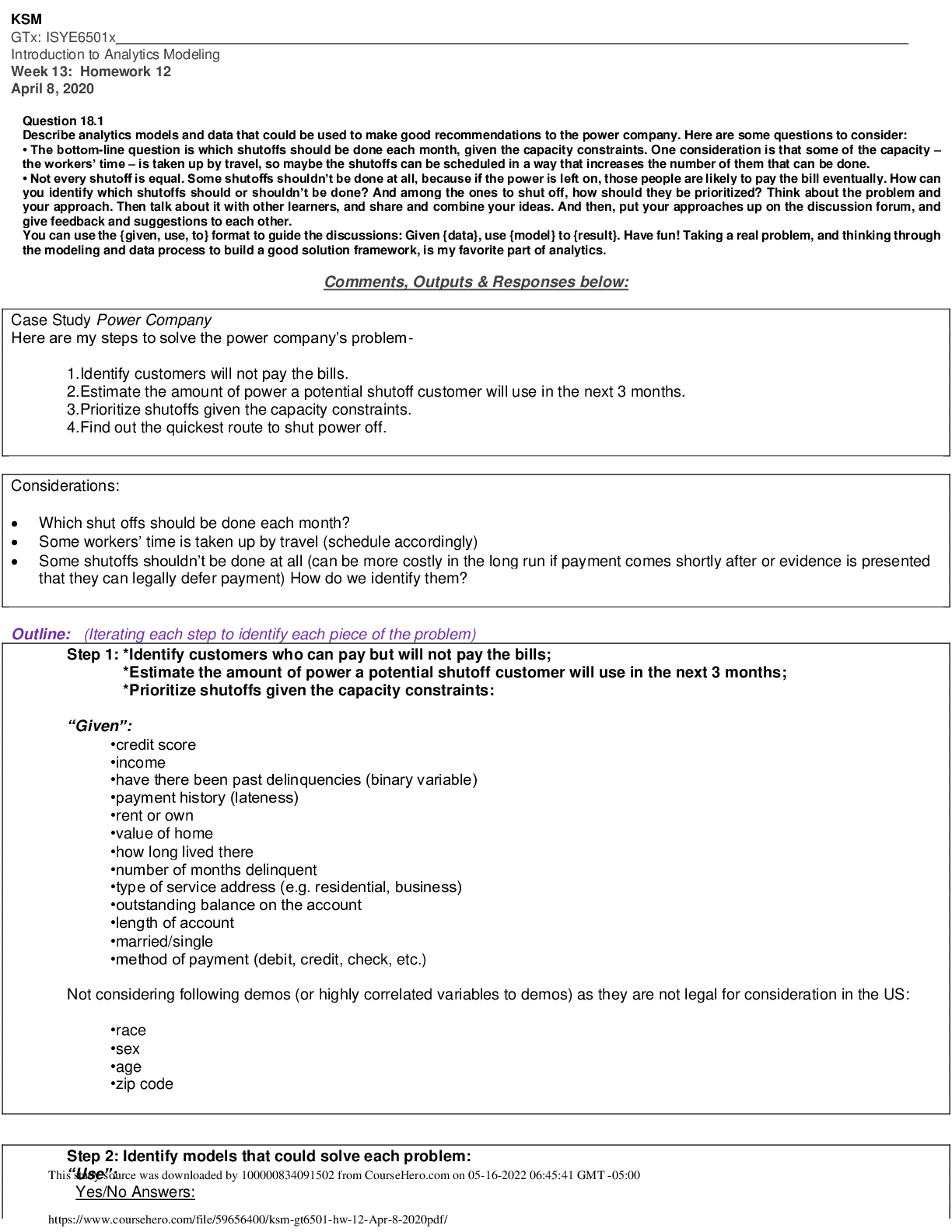
KSM GTx: ISYE6501x Introduction to Analytics Modeling Week 13:...


NUR 2115 / NUR2115 Fundamentals of Professional Nursing Exam...