BioChemistry > EXAM > BI/CH421 Biochemistry I Exam 1 10/03/2016 | DOWNLOAD SOLVED EXAM FOR QUALITY SCORE (All)
BI/CH421 Biochemistry I Exam 1 10/03/2016 | DOWNLOAD SOLVED EXAM FOR QUALITY SCORE
Document Content and Description Below
Last updated: 4 years ago
Preview 1 out of 12 pages
Instant download

Buy this Document to get the Full Access Instantly
Provided by Students Who Aced it
We Verify Document Content to Gurantee Accuracy
Reviews( 0 )
Document information
Connected school, study & course
About the document
Uploaded On
Oct 28, 2022
Number of pages
12
Written in
All

Additional information
This document has been written for:
Uploaded
Oct 28, 2022
Downloads
0
Views
76
Topic Tags
Recommended For You
Get more on EXAM »
BI/CH421 Biochemistry EXAM 1 10/01/2018 | DOWNLOAD SOLVED EX...

BI/CH421 Biochemistry Exam 1 10/02/2017 | SOLVED EXAM, DOWNLO...
NUR 2356 - NUR2356 Multidimensional Care I Final exam Review /...

TEST BANK for Biochemistry 10th Edition by Berg,Gregory Gatto...

Harper's Illustrated Biochemistry 32nd Edition, By Peter Kenne...
TEST BANK for Biochemistry A Short Course, 4e by John Tymoczko...

eBook [PDF] Metal Oxide-Based Carbon Nanocomposites for Enviro...

eBook [PDF] Harper's Illustrated Biochemistry 32nd Edition By...

Harper's Illustrated Biochemistry 32nd edition By Peter J. K...
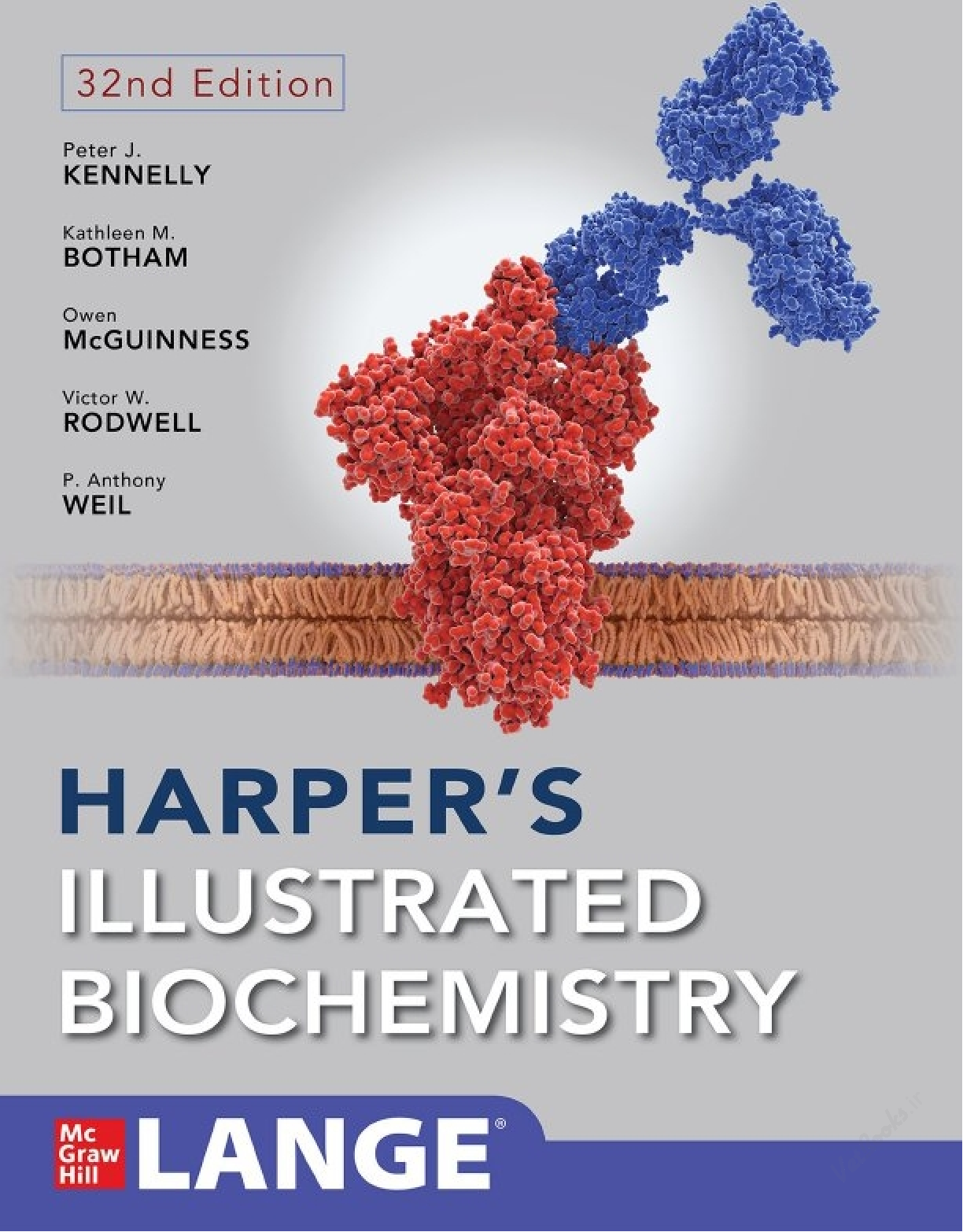
eBook Harper's Illustrated Biochemistry 32nd Edition By Peter...
.png)