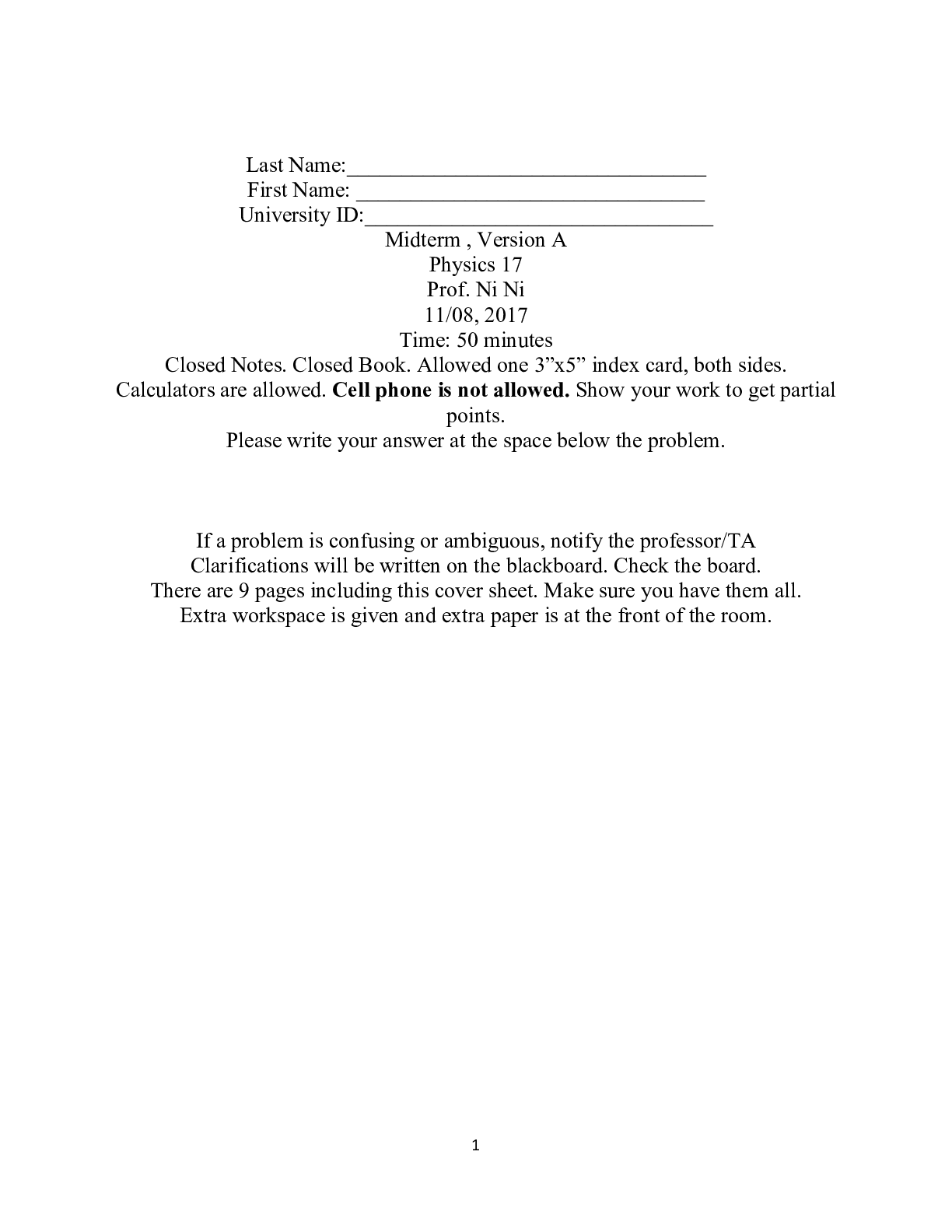
Physics > QUESTION PAPER (QP) > Physics (All)
Physics
Document Content and Description Below
Last updated: 3 years ago
Preview 1 out of 9 pages
Instant download
Buy this Document to get the Full Access Instantly
Provided by Students Who Aced it
We Verify Document Content to Gurantee Accuracy
Reviews( 0 )
Document information
Connected school, study & course
About the document
Uploaded On
Oct 31, 2022
Number of pages
9
Written in
All

Additional information
This document has been written for:
Uploaded
Oct 31, 2022
Downloads
0
Views
216
Topic Tags
Related Subjects & Courses
Explore similar study resources and related concepts.
Recommended For You
Get more on QUESTION PAPER (QP) »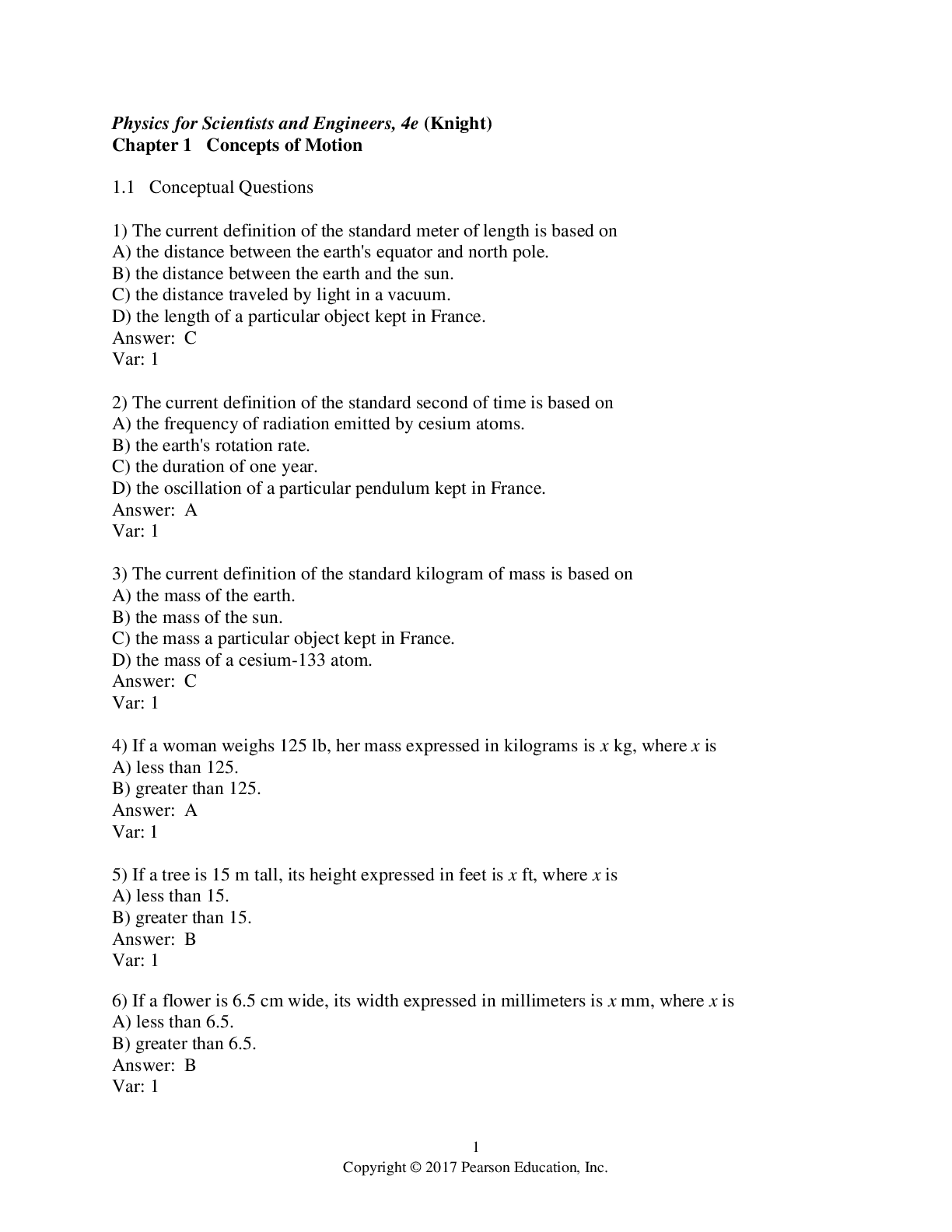
Test Bank for Physics for Scientists and Engineers A Strategic...

Plasma Physics, 2e by Richard Fitzpatrick (Solutions Manual)

College Physics, 3e Roger Freedman, Todd Ruskell, Philip Keste...
.png)
How Things Work The Physics of Everyday Life, 6e Louis Bloomfi...
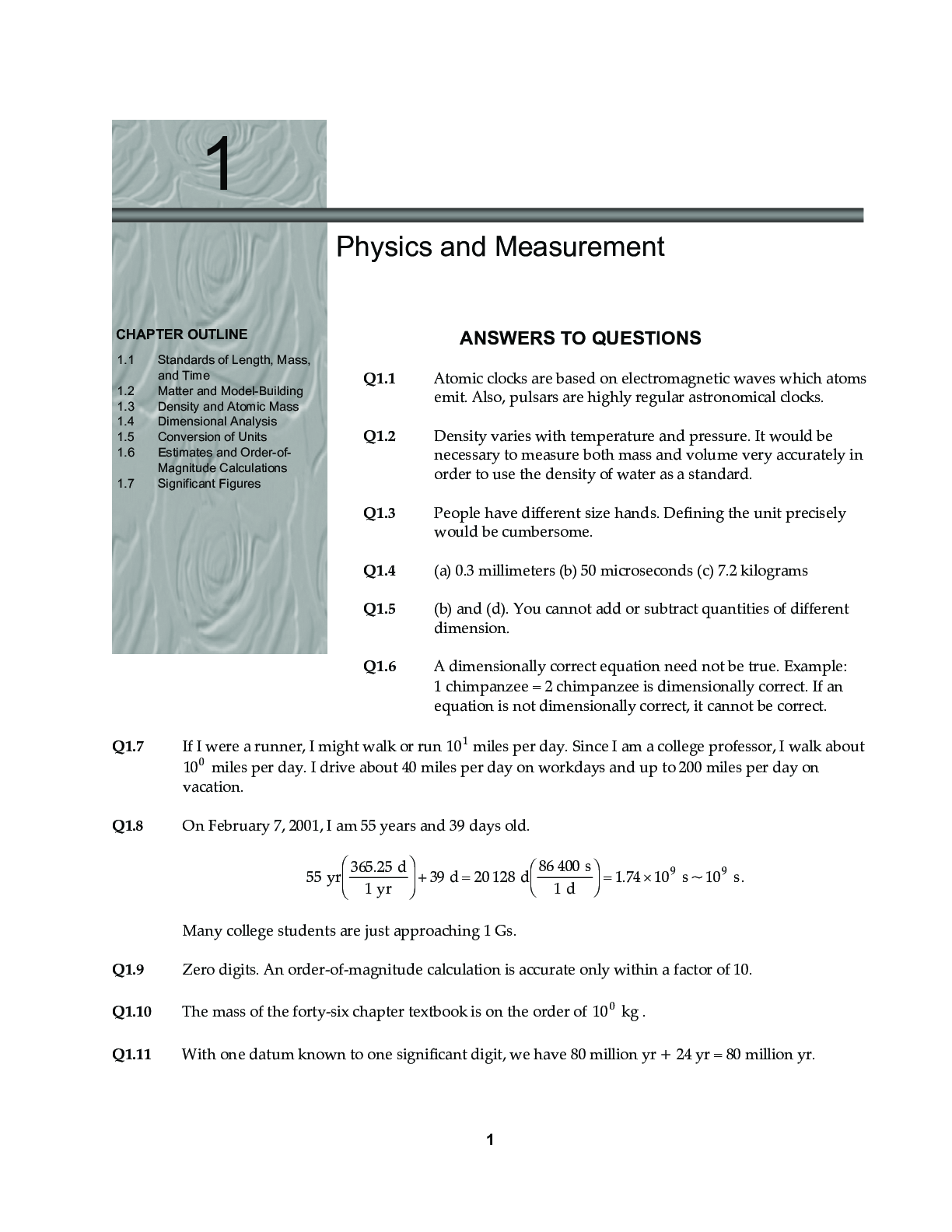
Physics for Scientists and Engineers by Raymond Serway | SOLUT...
SOLUTIONS MANUAL for Physics for Scientists and Engineers by R...
Physics for Scientists and Engineers by Raymond A. Serway | SO...
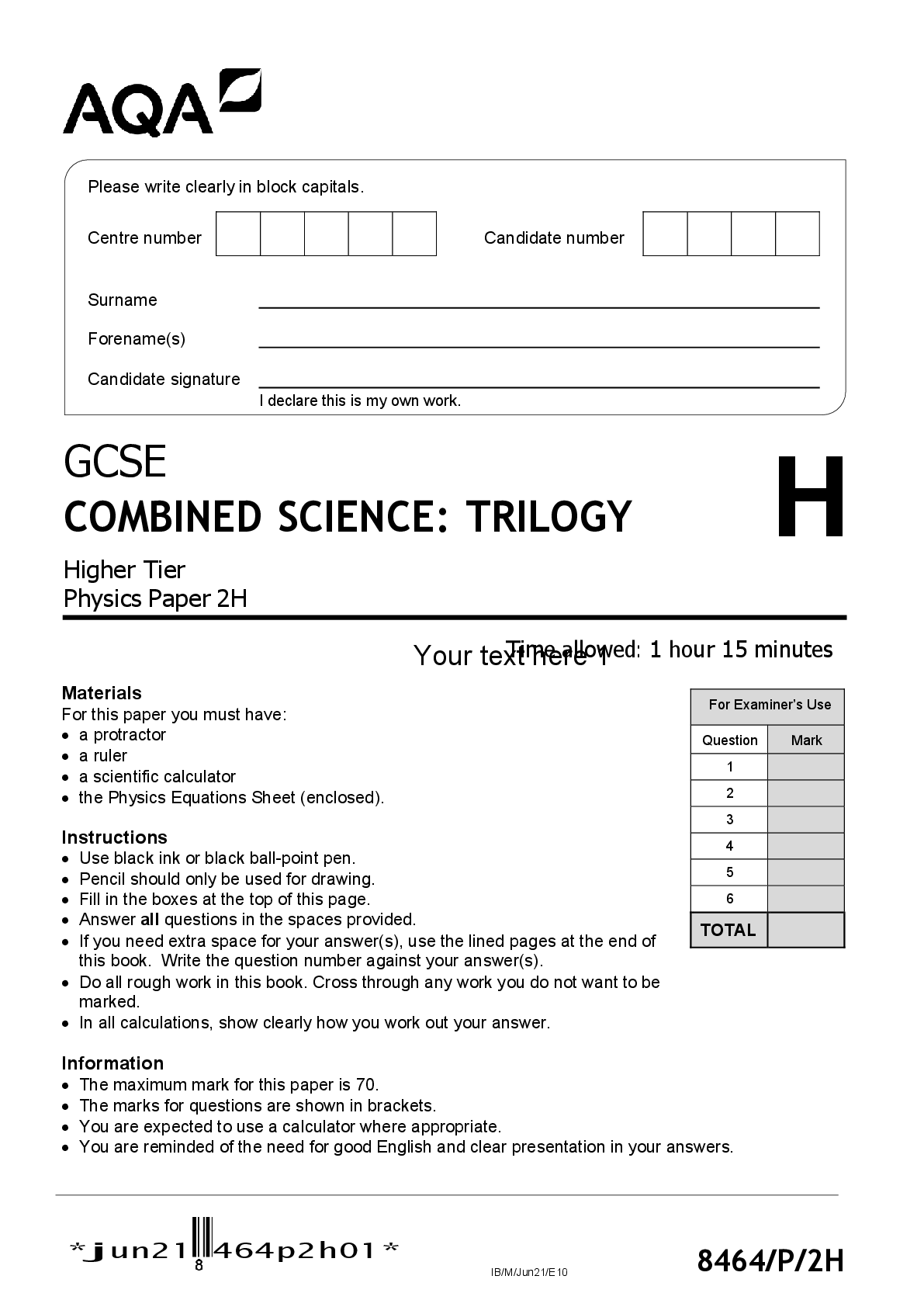
AQA Physics Paper 2H CSE COMBINED SCIENCE: TRILOGY Higher Tier

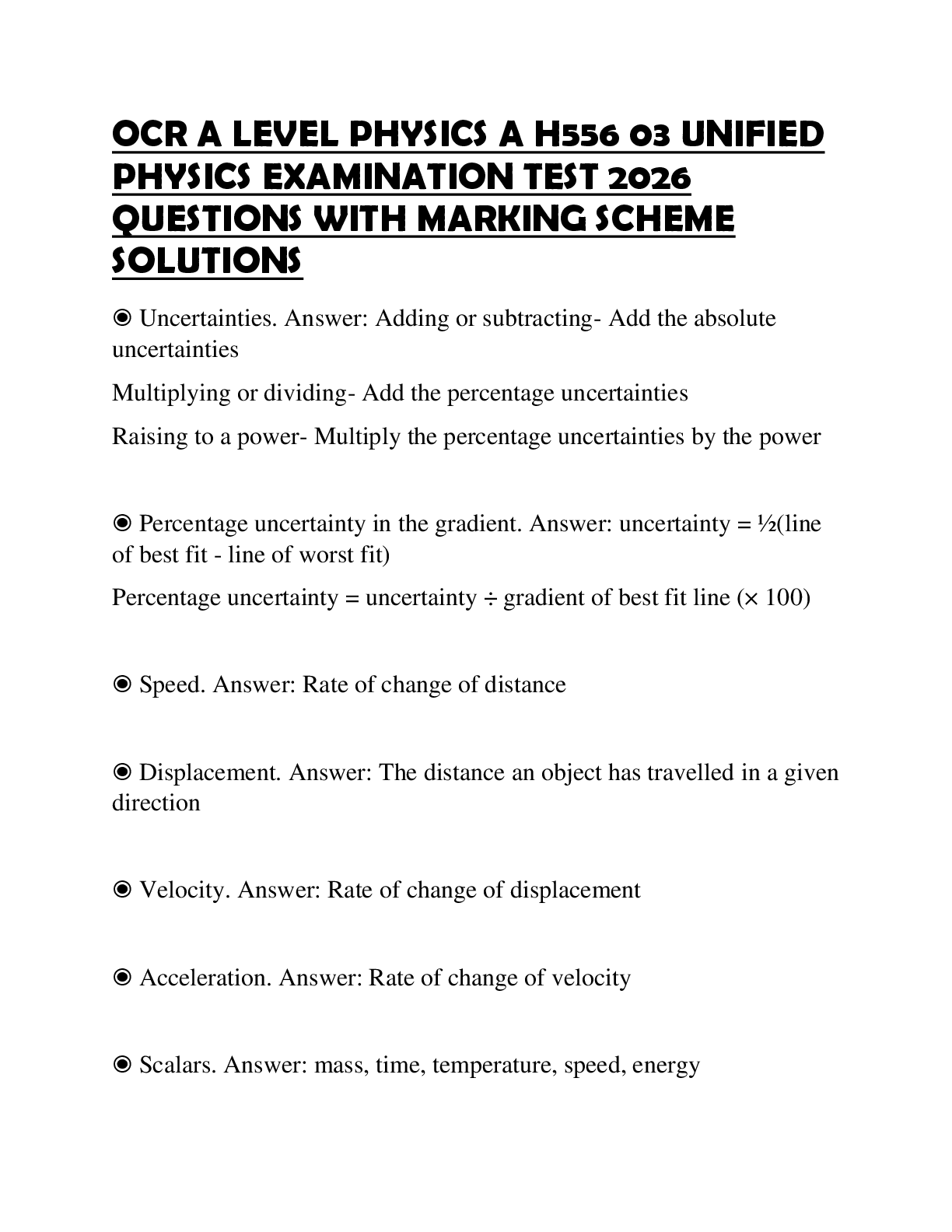
AS Level Physics H156/02 Depth in physics Interchange October...


Texas State University - PHYS 2425expertTA_HW_10 Magnetic Fiel...

STR 581 Capstone Week 6 Final Exam - STUDY GUIDE, All Correct...

TEST BANK for Principles of Human Anatomy 15th Edition by Gera...