Rasmussen College NUR NUR 2474 Pharm Module Week 10 Blueprint
Week 10 Blueprint
Prototype
Supplement
Name
Prototype
Supplement
Classifcaton
Where to fnd Informaton
Ma Huang Ephedra
(Stmulant)
Therapeutc use(
...
Rasmussen College NUR NUR 2474 Pharm Module Week 10 Blueprint
Week 10 Blueprint
Prototype
Supplement
Name
Prototype
Supplement
Classifcaton
Where to fnd Informaton
Ma Huang Ephedra
(Stmulant)
Therapeutc use(s)?
Acton?
Adverse effects?
Drug-herb interactons?
Ma-huang is a traditonal Chinese medicinal herb derived from Ephedra
sinica Stapf and other Ephedra species, used to treat asthma, nose and
lung congeston, and fever with anhidrosis. It contains 0.5–2.5% by weight
of total alkaloids, of which ephedrine accounts for 30 to 90%.
Ephedrine, a sympathomimetc amine, acts on part of the sympathetc
nervous system (SNS). The principal mechanism of acton relies on its
indirect stmulaton of the adrenergic receptor system by increasing the
actvity of norepinephrine at the postsynaptc α and β receptors.
high blood pressure, heart atacks, muscle disorders, seizures, strokes,
irregular heartbeat, loss of consciousness, and death.
cause less serious side effects including dizziness, restlessness, anxiety,
irritability, heart pounding, headache, loss of appette, nausea, vomitng,
and others.
Ma Huang or herbal supplements containing ephedrine should not be used
in small children, pregnancy or lactaton. Avoid in persons with high blood
pressure or that have any form of heart, kidney or liver disease. Do not
ingest along with caffeine or caffeine containing herbs, such as Guaraná.
Website:
htps://www.nccih.nih.
gov/health/ephedra
Garlic Cardiovascular
& Cholesterol
Therapeutc use(s)?
Acton?
Adverse effects?
Drug-herb interactons?
Garlic is most commonly used for conditons related to the heart and
blood system. These conditons include high blood pressure, high levels of
cholesterol or other fats (lipids) in the blood (hyperlipidemia), and
hardening of the arteries (atherosclerosis).
Major adverse effect! Garlic has signifcant antplatelet effects which can
increase bleeding risk when taken with antplatelet or antcoagulant drugs.
Garlic may make the actons of blood-thinning medicatons including
warfarin (Coumadin), clopidogrel (Plavix), and aspirin stronger, increasing
the risk of bleeding. Medicatons for HIV/AIDS: Garlic may lower blood
levels of protease inhibitors, medicatons used to treat people with HIV.
Website:
htps://www.nccih.nih.
gov/health/garlic
Ginkgo biloba Brain functon
and other
health
Therapeutc use(s)?
Acton?
Adverse effects?
Website:
htps://www.nccih.nih.
gov/health/ginkgo
This study source was downloaded by 100000825611411 from CourseHero.com on 10-25-2022 08:06:42 GMT -05:00
https://www.coursehero.com/file/97481844/Pharm-Module-10-Blueprint-1docx/conditons Drug-herb interactons?
Ginkgo biloba is an herb used to treat alttude sickness (preventon),
cerebral vascular insufciency, cognitve disorders, dementa,
dizziness/vertgo, intermitent claudicaton, macular
degeneraton/glaucoma, memory loss, premenstrual syndrome, SSRIinduced sexual dysfuncton, and as a vasodilator.
Mechanisms of acton may include antoxidant, neurotransmiter/receptor
modulatory, and antplatelet actvatng factor propertes.
side effects such as stomach upset, headache, dizziness, constpaton,
forceful heartbeat, and allergic skin reactons. There is some concern that
ginkgo leaf extract might increase the risk of liver and thyroid cancers.
possible interactons include: Alprazolam (Xanax). Taking ginkgo with this
drug used to relieve symptoms of anxiety might reduce the drug's
effectveness. Antcoagulants and ant-platelet drugs, herbs and
supplements.
Ginger GI health Therapeutc use(s)?
Acton?
Adverse effects?
Drug-herb interactons?
antoxidants and other nutrients in ginger may help prevent or treat
arthrits, inflammaton, and various types of infecton AND nausea
Ginger has a long reputaton as a carminatve, a substance that promotes
the eliminaton of excess gas from the digestve system, and is known to
sooth the intestnal tract. Colic and dyspepsia respond partcularly well to
ginger
Ginger can cause mild side effects including heartburn, diarrhea, burping,
and general stomach discomfort. Some women have reported more
menstrual bleeding while taking ginger.
Medicatons that slow blood clotng (Antcoagulant / Antplatelet drugs)
interacts with GINGER. Ginger might slow blood clotng. Taking ginger
along with medicatons that also slow clotng might increase the chances
of bruising and bleeding.
htps://www.nccih.nih.
gov/health/ginger
Glucosamine/
Chondroitn
Joint health Acton?
Side effects?
Adverse effects?
Drug-herb interactons?
Glucosamine and chondroitn protect cells called chondrocytes, which help
maintain cartlage structure. In theory, these supplements have the
potental to slow cartlage deterioraton in the joints, and to reduce pain in
the process.
side effects of glucosamine and chondroitn include: Nausea. Diarrhea or
constpaton. Heartburn
htps://www.nccih.nih.
gov/health/glucosamin
e-and-chondroitn-forosteoarthrits
This study source was downloaded by 100000825611411 from CourseHero.com on 10-25-2022 08:06:42 GMT -05:00
https://www.coursehero.com/file/97481844/Pharm-Module-10-Blueprint-1docx/45y
Taking glucosamine sulfate and acetaminophen together might reduce the
effectveness of both the supplement and medicaton. Warfarin (Jantoven).
Taking glucosamine alone or in combinaton with the supplement
chondroitn might increase the effects of the antcoagulant warfarin. This
can increase your risk of bleeding.
Coenzyme Q-
10
Therapeutc use(s)?
Acton?
Adverse effects?
Drug-herb interactons?
Coenzyme Q10 is most commonly used for conditons that affect the heart
such as heart failure and fluid build up in the body (congestve heart failure
or CHF), chest pain (angina), and high blood pressure. It is also used for
preventng migraine headache, Parkinson disease, and many other
conditons.
Heart conditons. CoQ10 has been shown to improve symptoms
of congestve heart failure. Although fndings are
mixed, CoQ10 might help reduce blood pressure. Some research
also suggests that when combined with other
nutrients, CoQ10 might aid recovery in people who've had bypass
and heart valve surgeries.
Diabetes. Although more studies are needed, some research
suggests that CoQ10 may help reduce low-density lipoprotein
(LDL) cholesterol and total cholesterol levels in people with
diabetes, lowering their risk of heart disease.
Parkinson's disease. Recent research suggests that even high
doses of CoQ10 don't seem to improve symptoms in people with
Parkinson's disease.
Statn-induced myopathy. Some research suggests
that CoQ10 might help ease the muscle weakness and pain
sometmes associated with taking statns.
Migraines. Some research suggests that CoQ10 might decrease
the frequency of these headaches.
Physical performance. Because CoQ10 is involved in energy
producton, it's believed that this supplement might improve your
physical performance. However, research in this area has
produced mixed results.
Upper abdominal pain
Loss of appette
Nausea and vomitng
Diarrhea
Antcoagulants. CoQ10 might make blood-thinning drugs, such as warfarin
(Jantoven), less effectve. This could increase the risk of a blood clot.
htps://www.mayoclini
c.org/drugssupplementscoenzyme-q10/art-
20362602
St. John's
Wort
Various
conditons
Serious WARNINGS!
Acton?
Adverse effects?
htps://www.nccih.nih.
gov/health/st-johnswort
This study source was downloaded by 100000825611411 from CourseHero.com on 10-25-2022 08:06:42 GMT -05:00
https://www.coursehero.com/file/97481844/Pharm-Module-10-Blueprint-1docx/Drug-herb interactons?
John's wort might cause there to be too much serotonin. This could cause
serious side effects including heart problems, shivering, nausea, headache,
and anxiety. Serotonin syndrome
sometmes seasonal affectve disorder (SAD), mild anxiety and sleep
problems.
Other side effects of St. John's wort are usually minor and uncommon.
They may include upset stomach, dry mouth, headache, fatgue, dizziness,
confusion, sexual dysfuncton, or sensitvity to sunlight.
Fish Oil Omega-3 Faty
Acids
Therapeutc use(s)?
Acton?
Adverse effects?
Drug-herb interactons?
Reduce High levels of fats called triglycerides in the blood
(hypertriglyceridemia)
side effects including belching, bad breath, heartburn, nausea, loose
stools, rash, and nosebleeds
Antcoagulant and antplatelet drugs
htps://medlineplus.go
v/druginfo/meds/a607
065.html
Green Tea Therapeutc use(s)?
Acton?
Adverse effects?
Drug-herb interactons?
green tea extract can cause stomach upset and constpaton. Green tea
extracts have been reported to cause liver and kidney problems in rare
cases.
Green tea has caffeine
Green tea is rich in polyphenolic compounds, with catechins as its major
component. Studies have shown that catechins possess diverse
pharmacological propertes that include ant-oxidatve, ant-inflammatory,
ant-carcinogenic, ant-arteriosclerotc and ant-bacterial effects.
Antcoalugants, benzos, MAOIs
htps://www.nccih.nih.
gov/health/green-tea
Cranberry Various
conditons
Therapeutc use(s)?
Acton?
Adverse effects?
Drug-herb interactons?
Cranberry is suggested for use in urinary tract infecton (UTI) preventon,
as a urinary deodorizer for incontnent patents, to treat type 2 diabetes,
chronic fatgue syndrome, scurvy, pleurisy, as a diuretc, antseptc,
antpyretc, and to treat cancer.
anisindione.
This study source was downloaded by 100000825611411 from CourseHero.com on 10-25-2022 08:06:42 GMT -05:00
https://www.coursehero.com/file/97481844/Pharm-Module-10-Blueprint-1docx/dicumarol.
warfarin.
Side effects Stomach or abdominal upset.
Diarrhea.
Kidney stones at high doses.
Increased risk of cancer oxalate uroliths in predisposed patents.
Vitamin E Therapeutc use(s)?
Acton?
Adverse effects?
Drug-herb interactons?
Vitamin E is an important vitamin required for the proper functon of many
organs in the body. It is also an antoxidant. This means it helps to slow
down processes that damage cells.
Interacton
Alkylatng agents and ant-tumor antbiotcs. There's concern
that high doses of vitamin E might affect the use of these
chemotherapy drugs.
Antcoagulants and ant-platelet drugs, herbs and
supplements. Use of vitamin E with these drugs, herbs and
supplements to reduce blood clotng might increase the risk of
bleeding.
Cytochrome P450 3A4 (CYP3A4) substrates. Use cauton when
taking vitamin E and other drugs affected by these enzymes, such
as omeprazole (Prilosec, Zegerid).
Statns and niacin. Taking vitamin E with statns or niacin, which
might beneft people with high cholesterol, could reduce niacin's
effect.
Vitamin K. Taking vitamin E with vitamin K might decrease the
effects of vitamin K.
Side effects can include nausea, diarrhea, stomach cramps, fatgue,
weakness, headache, blurred vision, rash, and bruising and bleeding.
Vitamin E is POSSIBLY UNSAFE if taken by mouth in doses greater than
1000 mg daily.
htps://medlineplus.go
v/druginfo/meds/a621
029.html
Cayenne
(pepper)-oral
Various
conditons
Therapeutc use(s)?
Acton?
Adverse effects?
Drug-herb interactons? Look for bleeding disorder interactons
relieving pain.
managing weight.
easing itching.
reducing inflammaton.
treatng colds and congeston.
protectng the nervous system.
Capsaicin produces a burning sensaton with tssues it comes into contact,
which occurs via binding to transient receptor potental vanilloid 1 (TRPV1)
receptor, an ion channel-type receptor, which can be stmulated by heat
and physical abrasion.
htps://medlineplus.go
v/druginfo/natural/945
.html
This study source was downloaded by 100000825611411 from CourseHero.com on 10-25-2022 08:06:42 GMT -05:00
https://www.coursehero.com/file/97481844/Pharm-Module-10-Blueprint-1docx/Side effects can include skin irritaton, burning, and itching.
Various
Medicatons
CHAPTER 9
Drug Therapy During Pregnancy and Breast-Feeding:
*Teratogenic Medicatons
Lehne's Pharmacology
for Nursing Care:
Pages 83-85
Drugs With Proven or Strongly Suspected Teratogenicitya
Drug Teratogenic Effect
ANTICANCER/IMMUNOSUPPRESSANT DRUGS
Cyclophosphamide CNS malformaton, secondary cancer
Methotrexate CNS and limb malformatons
Thalidomide Shortened limbs, internal organ defects
ANTISEIZURE DRUGS
Carbamazepine Neural tube defects, craniofacial defects, malformatons of
the heart, and hypospadias
Phenytoin Growth delay, CNS defects
Topiramate Growth delay, clef lip with clef palate
Valproic acid Neural tube defects, craniofacial defects, malformatons of
the heart and extremites, and hypospadias
SEX HORMONES
Androgens (e.g., danazol) Masculinizaton of the female fetus
Diethylstlbestrol Vaginal carcinoma in female offspring
Estrogens Congenital defects of female reproductve organs
ANTIMICROBIALS
Nitrofurantoin Abnormally small or absent eyes, heart defects, clef lip with
clef palate
This study source was downloaded by 100000825611411 from CourseHero.com on 10-25-2022 08:06:42 GMT -05:00
https://www.coursehero.com/file/97481844/Pharm-Module-10-Blueprint-1docx/Drugs With Proven or Strongly Suspected Teratogenicitya
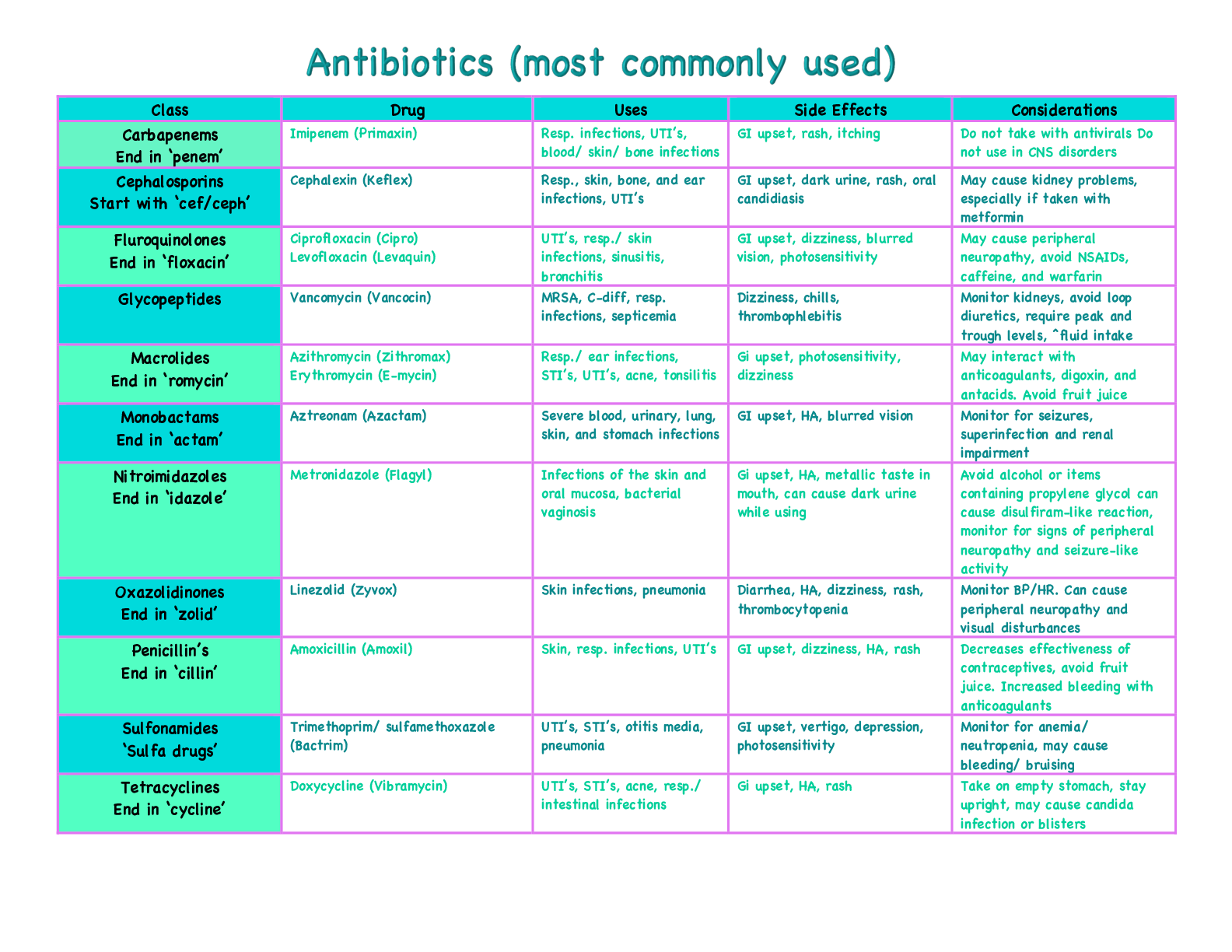
Tetracycline Tooth and bone anomalies
Trimethoprim-Sulfamethoxazole Neural tube defects, cardiovascular malformatons, clef
palate, club foot, and urinary tract abnormalites
OTHER DRUGS
Alcohol Fetal alcohol syndrome, stllbirth, spontaneous aborton,
low birth weight, intellectual disabilites
5-Alpha-reductase inhibitors (e.g.,
dutasteride, fnasteride)
Malformatons of external genitalia in males
Angiotensin-convertng enzyme inhibitors Renal failure, renal tubular dysgenesis, skull hypoplasia
(from exposure during the second and third trimesters)
Antthyroid drugs (propylthiouracil,
methimazole)
Goiter and hypothyroidism
HMG-CoA reductase inhibitors (atorvastatn,
simvastatn)
Facial malformatons and CNS anomalies, including
holoprosencephaly (single-lobed brain) and neural tube
defects
Isotretnoin and other vitamin A derivatves
(etretnate, megadoses of vitamin A)
Multple defects (CNS, craniofacial, cardiovascular, others)
Lithium Ebstein's anomaly (cardiac defects)
Nonsteroidal ant-inflammatory drugs
(NSAIDs)
Premature closure of the ductus arteriosus
[Show More]


.png)