Anatomy and Physiology - A&P 1 > QUESTIONS & ANSWERS > BIO201 Topic 15: Autonomic Nervous System[GRADED A+] (All)
BIO201 Topic 15: Autonomic Nervous System[GRADED A+]
Document Content and Description Below
Last updated: 3 years ago
Preview 1 out of 12 pages
Instant download
![Preview of BIO201 Topic 15: Autonomic Nervous System[GRADED A+]](https://scholarfriends.com/storage/15A.png)
Buy this Document to get the Full Access Instantly
Provided by Students Who Aced it
We Verify Document Content to Gurantee Accuracy
Also available in bundle (1)
Click Below to Access Bundle(s)
BIO201 EXAMS[LATEST WITH VERIFIED SOLUTIONS]
BIO201 Topic 14: The Special Senses[GRADED A+] BIO201 Topic 15: Autonomic Nervous System[GRADED A+] BIO201 Topic 16: Functional Organization of the Endocrine System[ALREADY PASSED]
By QuizMaster82 3 years ago
$19
6
Reviews( 0 )
Document information
Connected school, study & course
About the document
Uploaded On
Dec 05, 2022
Number of pages
12
Written in
All

Additional information
This document has been written for:
Uploaded
Dec 05, 2022
Downloads
0
Views
257
Topic Tags
Related Subjects & Courses
Explore similar study resources and related concepts.
Recommended For You
Get more on QUESTIONS & ANSWERS »![Preview of BIO201 Topic 2: Chemistry for Anatomy and Physiology Students[ALREADY PASSED]](https://scholarfriends.com/storage/2A.png)
BIO201 Topic 2: Chemistry for Anatomy and Physiology Students[...
![Preview of BIO201 Topic 1: Introduction to Anatomy and Physiology[ALREADY PASSED]](https://scholarfriends.com/storage/1C.png)
BIO201 Topic 1: Introduction to Anatomy and Physiology[ALREADY...
![Preview of BIO201 Topic 1: Introduction to Anatomy and Physiology[GRADED A+]](https://scholarfriends.com/storage/1B.png)
BIO201 Topic 1: Introduction to Anatomy and Physiology[GRADED...

TEST BANK FOR BIO 201 A & P 1 CUMULATIVE FINAL EXAM QUESTIONS...
 BIO201_MH_V3 Topic 11 Functional Organization of Nervous Tissue 35.png)
ANATOMY AND PHYSIOLOGY I quiz 11 (answered) / BIO201_MH_V3 T...

Straighterline, BIO201L/Anatomy and Physiology I | Lab1: Intro...

NEWEST 2023 | Straighterline | LAB QUIZZES 1-9, BIO201/Anatomy...

STRAIGHTERLINE BIO 201 ANATOMY AND PHYSIOLOGY I Topic 1 - 16 G...

Straighterline-BIO-201-MH-V3-Topic-8 Joints Quiz | 33.25 out o...

BIO 201 Exam Straighterline | Contains 110 Questions and Answe...
Test Bank for Fundamentals of Anatomy & Physiology, 11th Editi...
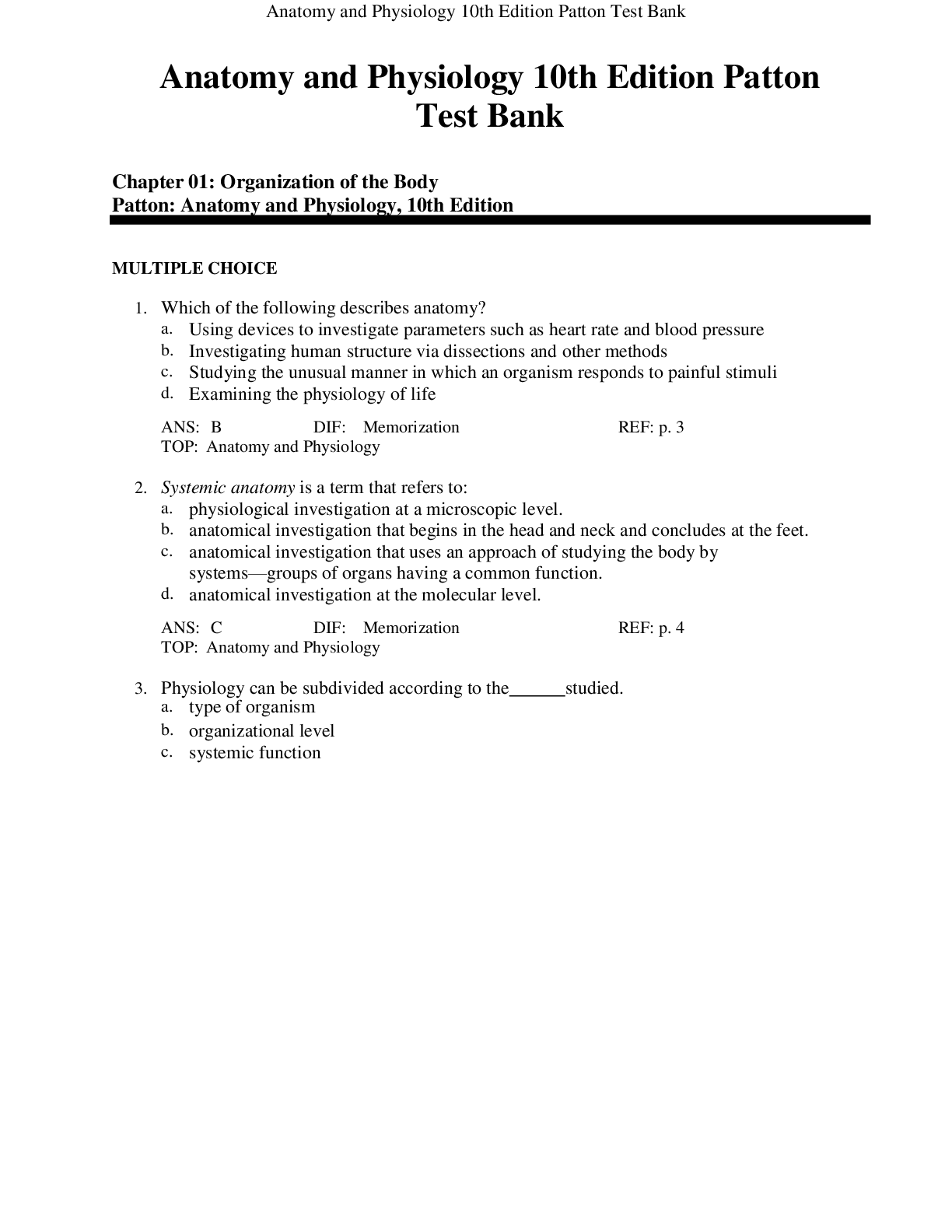
Anatomy and Physiology 10th Edition By Kevin Patton (Test Bank...
.png)
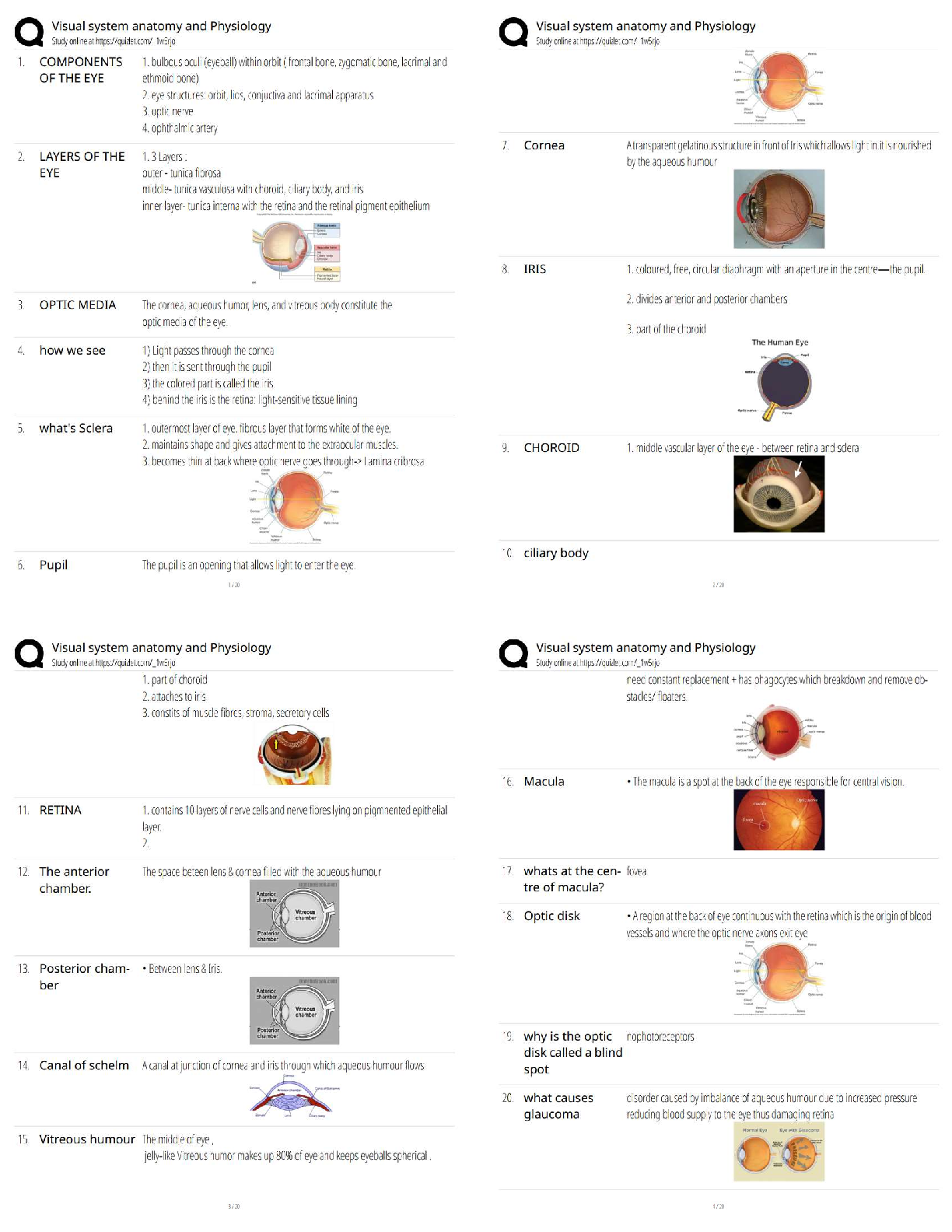

![Preview of Topic 13 Human Development, Growth and Aging[ALL ANSWERS 100% VERIFIED]](https://scholarfriends.com/storage/Topic 13 Human Development, Growth and Aging.png)
![Preview of Topic 12 Female Reproductive Systems[ ALL ANSWERS 100% VERIFIED]](https://scholarfriends.com/storage/Topic 12 Female Reproductive Systems.png)
![Preview of Topic 11 Male Reproductive Systems[ ALL ANSWERS 100% VERIFIED]](https://scholarfriends.com/storage/Topic 11 Male Reproductive Systems.png)
![Preview of Topic 10 Water, Electrolyte, and Acid–Base Balance[ ALL ANSWERS 100% VERIFIED]](https://scholarfriends.com/storage/Topic 10 Water, Electrolyte, and Acid–Base Balance.png)
![Preview of Topic 9 Urinary System[ ALL ANSWERS VERIFIED 100%]](https://scholarfriends.com/storage/Topic 9 Urinary System.png)
![Preview of Topic 8 Nutrition, Metabolism and Temperature Regulation[ ALL ANSWERS VERIFIED 100%]](https://scholarfriends.com/storage/Topic 8 Nutrition, Metabolism and Temperature Regulation.png)
![Preview of Topic 7 Digestive System[ALL ANSWERS VERIFIED 100%]](https://scholarfriends.com/storage/Topic 7 Digestive System.png)
![Preview of Topic 6 Respiratory System[ALL ANSWERS VERIFIED 100%]](https://scholarfriends.com/storage/Topic 6 Respiratory System.png)

