Mechanical Engineering > LECTURE SLIDES/NOTES > Study Guide > MECH2413 Engineering Mechanics Chapter 06: Deflection of Beams_ The geometric result o (All)
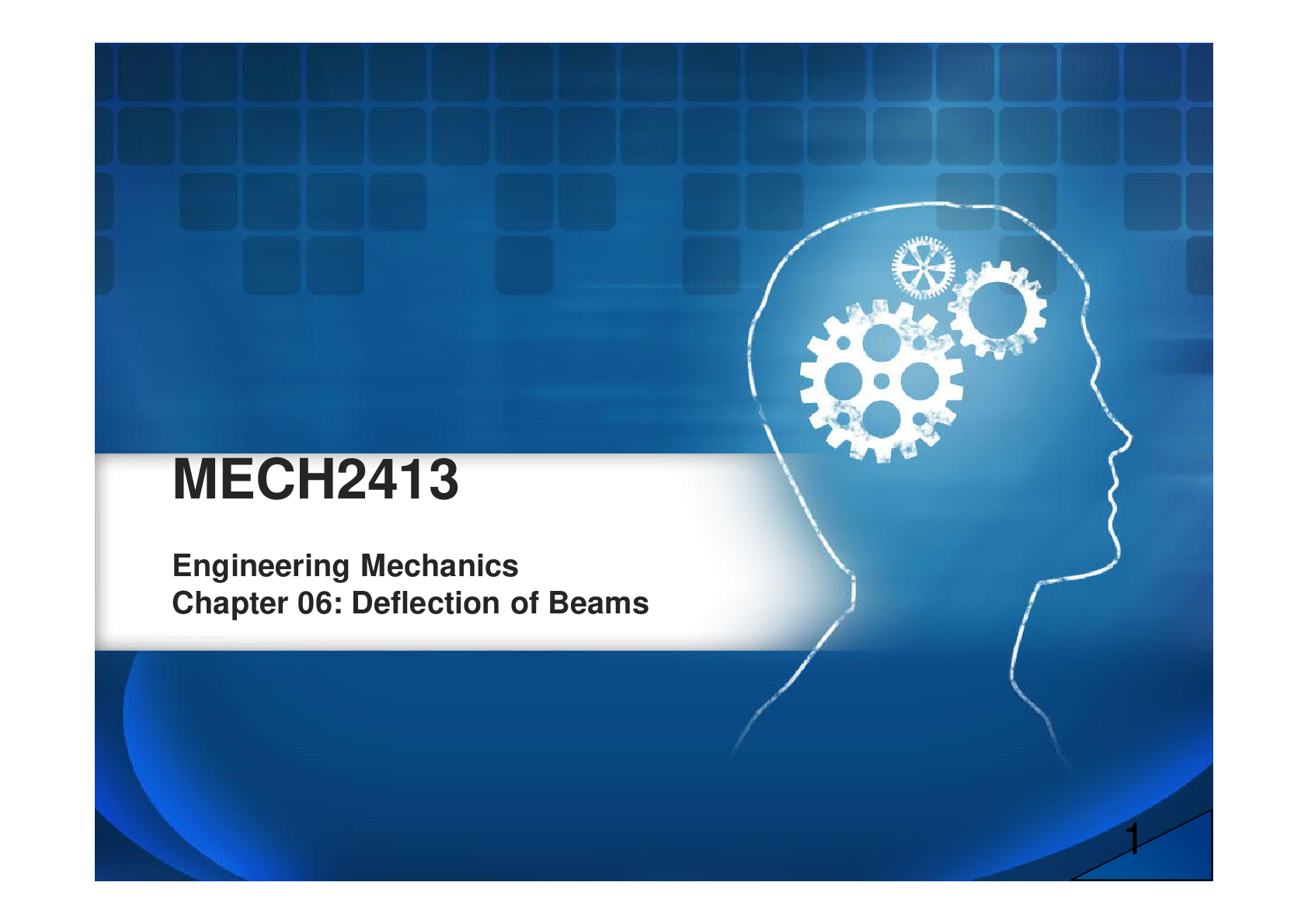
Study Guide > MECH2413 Engineering Mechanics Chapter 06: Deflection of Beams_ The geometric result of a beam being stressed
Document Content and Description Below
Last updated: 3 years ago
Preview 1 out of 24 pages
Instant download
Buy this Document to get the Full Access Instantly
Provided by Students Who Aced it
We Verify Document Content to Gurantee Accuracy
Reviews( 0 )
Document information
Connected school, study & course
About the document
Uploaded On
Jan 14, 2023
Number of pages
24
Written in
All

Additional information
This document has been written for:
Uploaded
Jan 14, 2023
Downloads
0
Views
211
Topic Tags
Recommended For You
Get more on LECTURE SLIDES/NOTES ».png)
.png)
University of Melbourne - FNCE 30002Chapter 06 - Testbank

Test Bank Personality Psychology Understanding Yourself and Ot...

TEST BANK FOR NURSING RESEARCH 9TH EDITION BY LOBIONDO-WOOD C...
.png)
Chapter 06 Recruitment- First Step in the Selection Process Te...
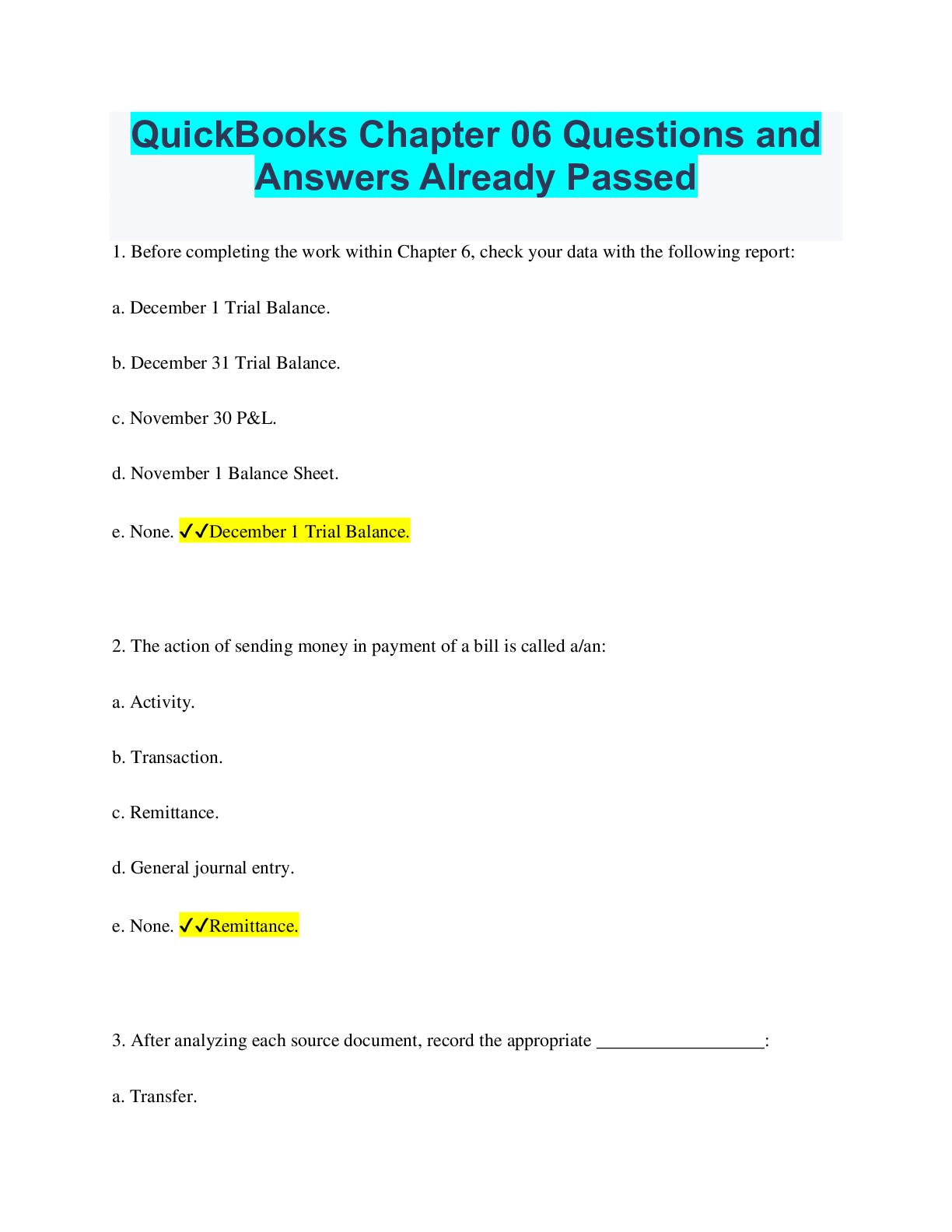
QuickBooks Chapter 06 Questions and Answers Already Passed

NURSING 2058 Chapter 06: Vitamins Schlenker & Gilbert: William...

Chapter 06 Understanding and Critically Appraising the Literat...
Chapter 06: Health Promotion for the Infant McKinney: Evolve R...

Chapter 06: Rehabilitation Concepts for Chronic and Disabling...
Chapter 06: Innate Immunity: Inflammation and Wound Healing Hu...

NUR 300 Chapter 06_ Distinguishing the RN Role from the LPN_LV...
Solution Manual for Shigley's Mechanical Engineering Design 11...

Quantum Mechanics II Advanced Topics, 2e by S. Rajasekar, R. V...

Quantum Mechanics I The Fundamentals, 2e by S. Rajasekar, R. V...