Engineering > QUESTIONS & ANSWERS > Welding questions and answers graded A (All)
Welding questions and answers graded A
Document Content and Description Below
Last updated: 3 years ago
Preview 1 out of 8 pages
Instant download
.png)
Buy this Document to get the Full Access Instantly
Provided by Students Who Aced it
We Verify Document Content to Gurantee Accuracy
Also available in bundle (1)
Click Below to Access Bundle(s)
.png)
Welding Bundled Exams Questions and Answers 100% Pass
Welding Bundled Exams Questions and Answers 100% Pass
By Nutmegs 3 years ago
$19
9
Reviews( 0 )
Document information
Connected school, study & course
About the document
Uploaded On
Feb 01, 2023
Number of pages
8
Written in
All

Additional information
This document has been written for:
Uploaded
Feb 01, 2023
Downloads
0
Views
198
Topic Tags
Related Subjects & Courses
Explore similar study resources and related concepts.
Recommended For You
Get more on QUESTIONS & ANSWERS »

Radar Systems Analysis and Design Using MATLAB, 4e by Bassem M...

Interplanetary Astrodynamics, 1st Edition by David Spencer, Da...
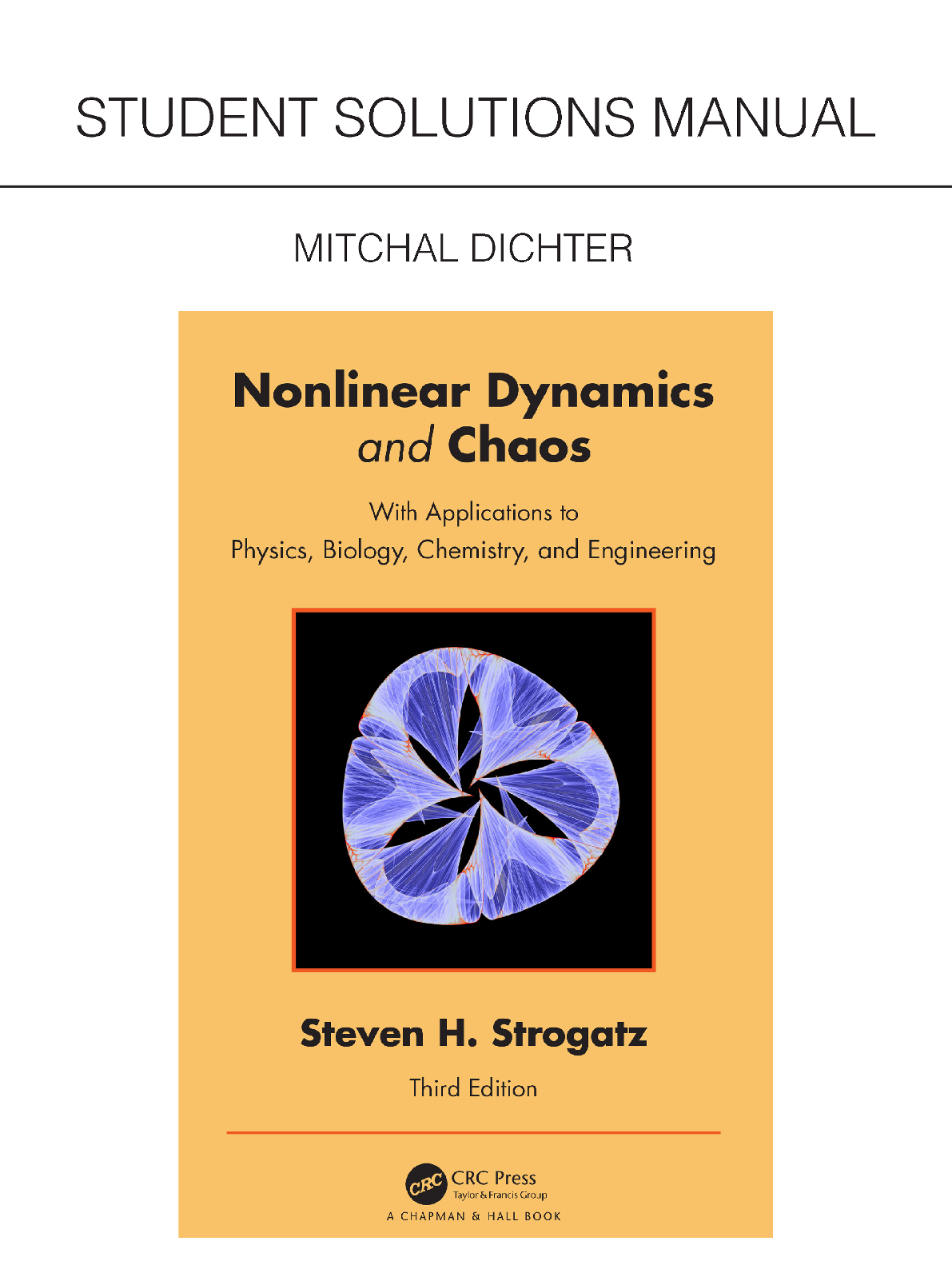
SOLUTIONS MANUAL for Non Linear Dynamics and Chaos With Applic...
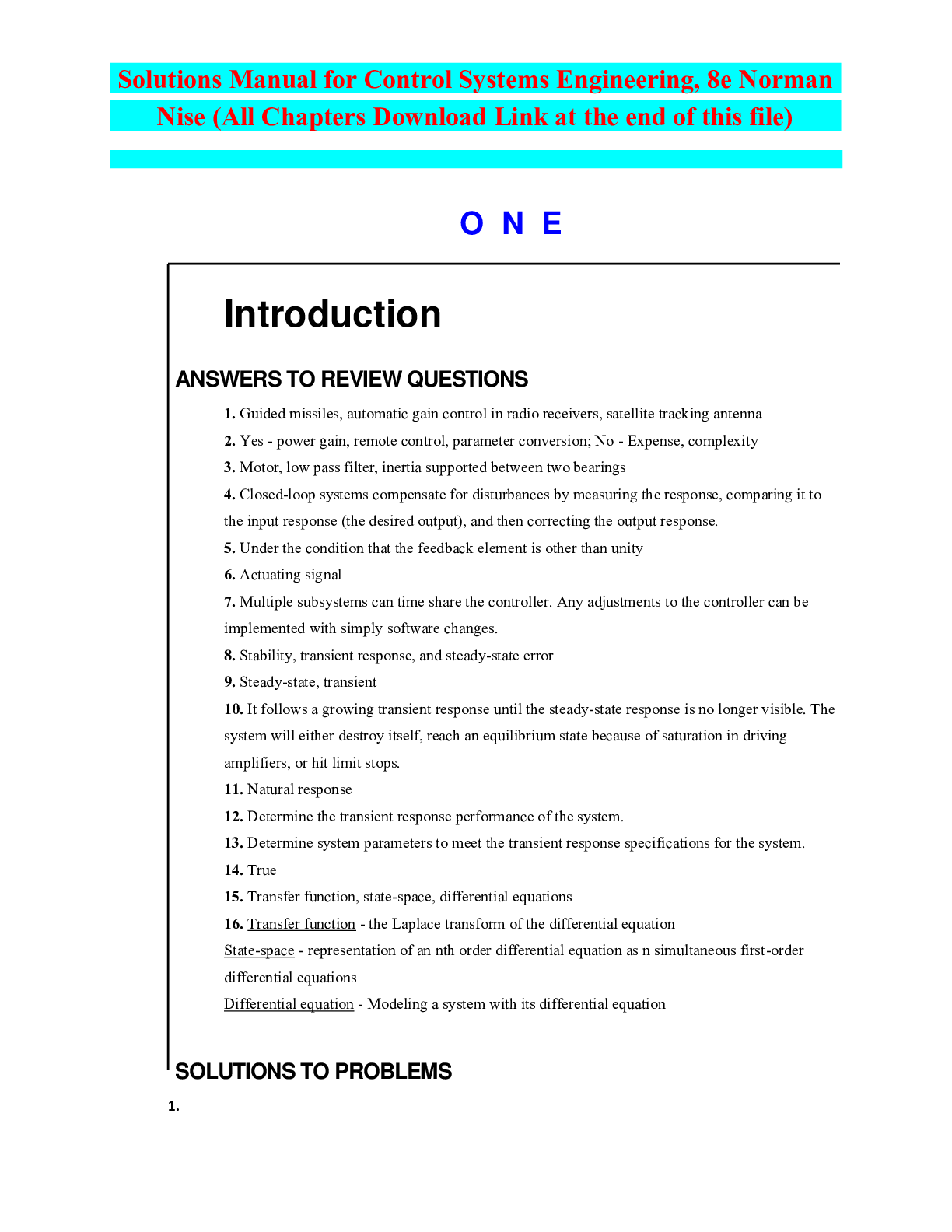
Solutions Manual for Control Systems Engineering, 8th Edition...

Power Plant Engineering, 1e by Farshid Zabihian (Solutions Man...

Undergraduate Instrumental Analysis, 8e by Thomas Bruno, James...
, 1e by Cristiane Surbeck, Jeff Kuo.png)
Site Assessment and Remediation for Environmental Engineers (F...

Physical Principles of Plasma Physics and Engineering, 3e by A...

Modeling of Dynamic Systems with Engineering Applications, 2e...
Introduction to Materials Science and Engineering, 2e by Yip-W...

Introduction to Electrochemical Science and Engineering, 2e by...

An Introduction to Sonar Systems Engineering, 2e by Lawrence Z...
, 1e by Fariborz Tayyari.png)
Cost Analysis for Engineers and Scientists (Manufacturing and...

Computer Methods in Chemical Engineering, 1e by Nayef Ghasem (...

Computational Fluid Dynamics for Mechanical Engineering, 1e by...
Basic Fracture Mechanics and its Applications, 1e by Ashok Sax...
Applied Strength of Materials, 7e by Robert Mott, Joseph Unten...

Mechanics of Materials An Integrated Learning System, 4e Timot...
.png)