Neurology > QUESTIONS & ANSWERS > PANCE Practice Exam 2 Questions and Answers Graded A+ (All)
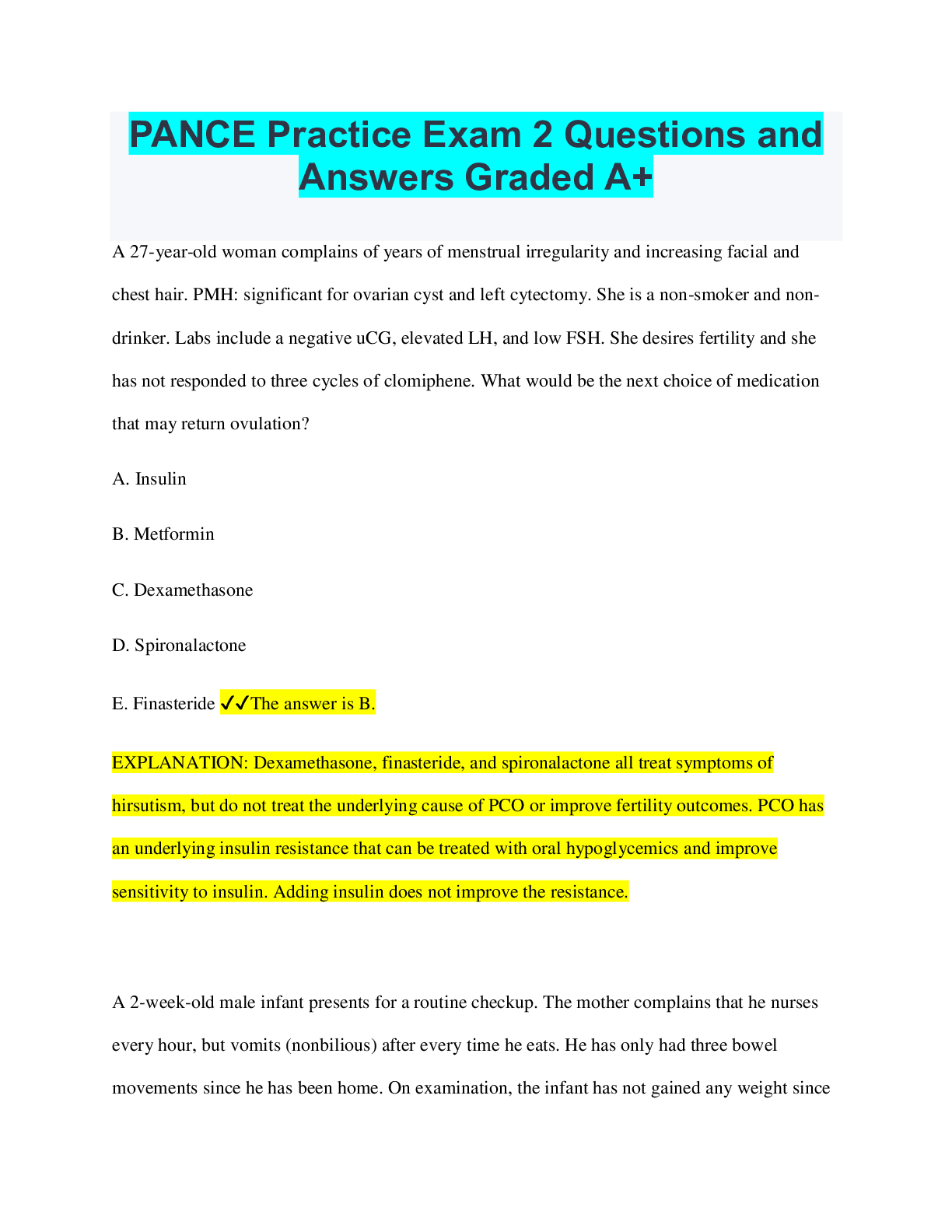
PANCE Practice Exam 2 Questions and Answers Graded A+
Document Content and Description Below
Last updated: 3 years ago
Preview 1 out of 165 pages
Instant download
Buy this Document to get the Full Access Instantly
Provided by Students Who Aced it
We Verify Document Content to Gurantee Accuracy
Also available in bundle (1)
Click Below to Access Bundle(s)

PANCE BUNDLED EXAMS QUESTIONS AND ANSWERS (2022/2023) (VERIFIED SOLUTIONS)
PANCE BUNDLED EXAMS QUESTIONS AND ANSWERS (2022/2023) (VERIFIED SOLUTIONS)
By Nutmegs 3 years ago
$20
12
Reviews( 0 )
Document information
Connected school, study & course
About the document
Uploaded On
Apr 14, 2023
Number of pages
165
Written in
All

Additional information
This document has been written for:
Uploaded
Apr 14, 2023
Downloads
0
Views
217
Topic Tags
Recommended For You
Get more on QUESTIONS & ANSWERS »


ZOO 3731 Chapter 1 through 4 Introduction to the study of Memo...

Neuroscience 6th Edition Test Bank by Purves | 100% Correct An...
Neuromuscular Fundamentals How Our Musculature is Controlled,...
Introduction to Psychological Science Integrating Behavioral,...
Fundamentals of Human Neuropsychology, 8e Bryan Kolb, Ian Whis...
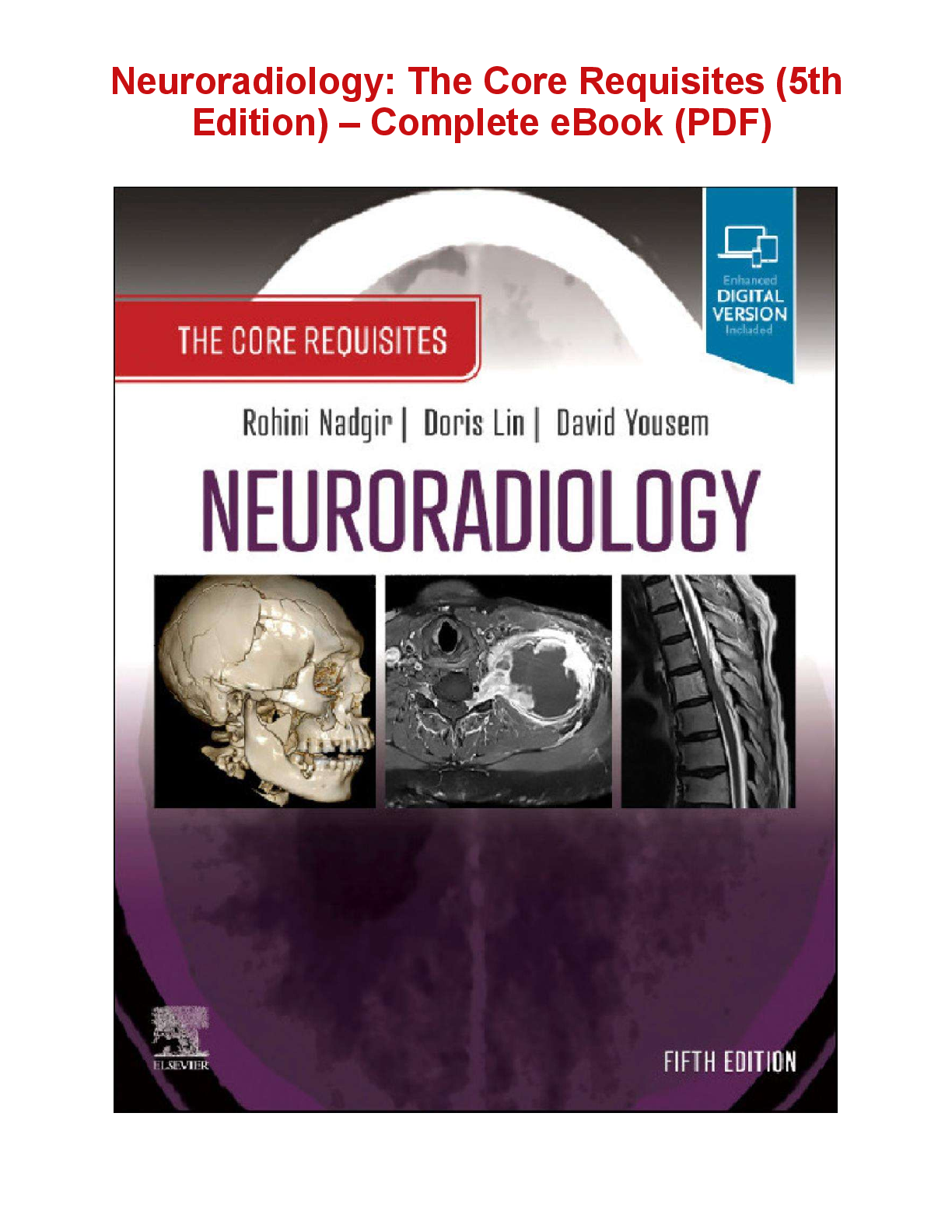
🧠 Neuroradiology: The Core Requisites (5th Edition) – Complet...
Fundamentals of Human Neuropsychology 7th Edition by Bryan Kol...
.png)