Locke + Latham Theory: why goals lead to behavior change
DEPAD Directive, Energizing, Persistence, Arousal + Discovery
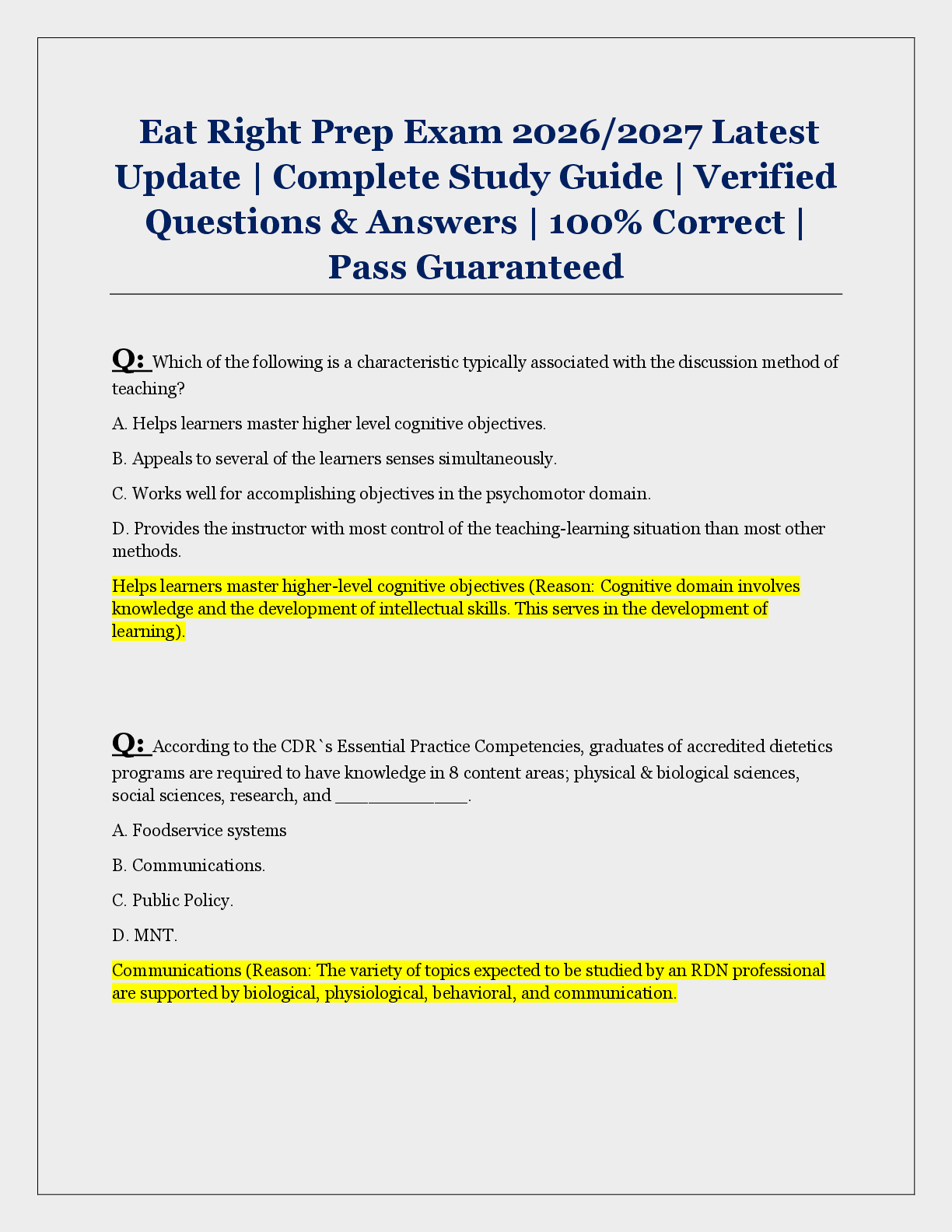
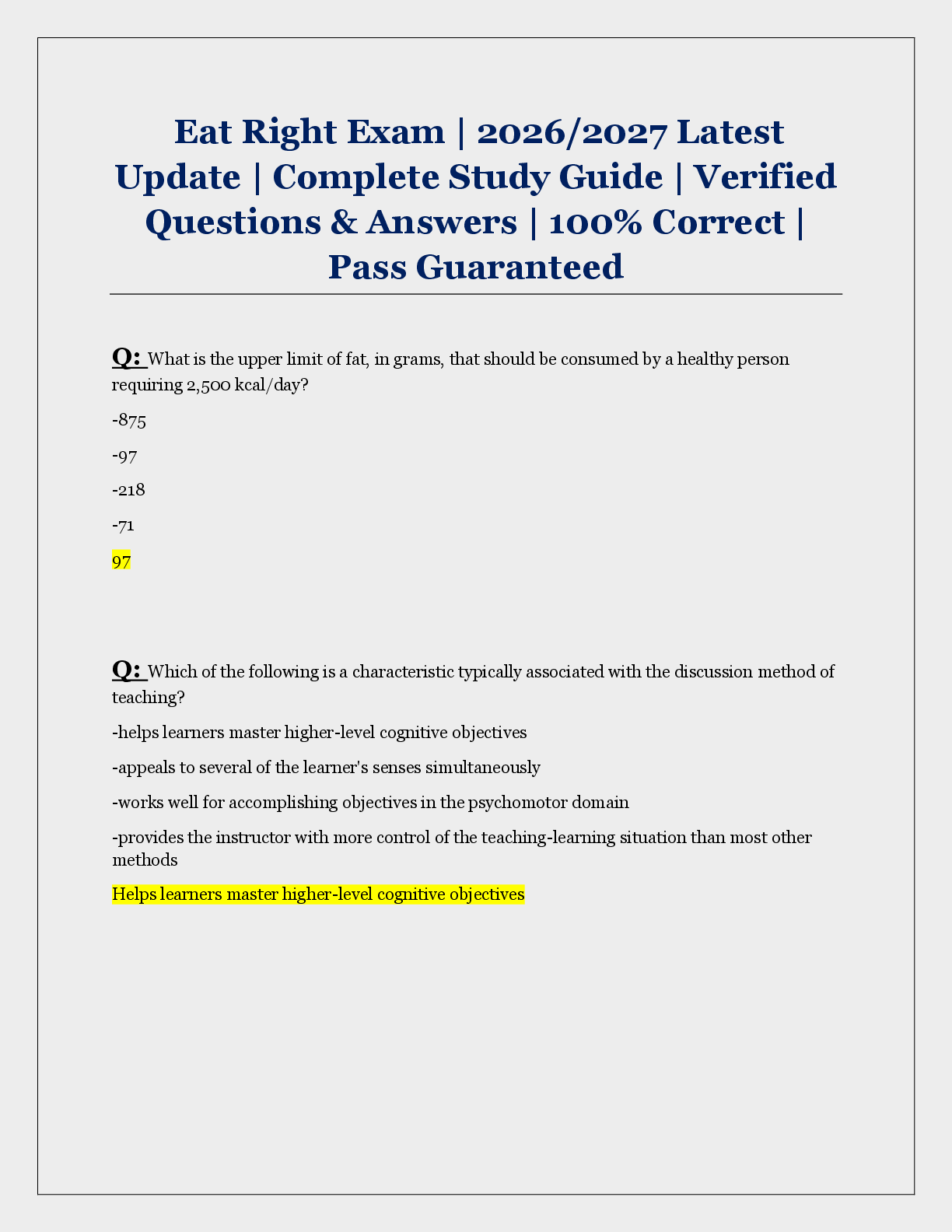
3 Key Risk factors for heart disease
high BP, high cholesterol, smoking (half of all Americans
...
Locke + Latham Theory: why goals lead to behavior change
DEPAD Directive, Energizing, Persistence, Arousal + Discovery
3 Key Risk factors for heart disease
high BP, high cholesterol, smoking (half of all Americans have at least one)
What is the "silent killer?"
high blood pressure (hypertension)
Adults who have what have a higher risk of death from heart disease?
Diabetes
5 D's of Appreciative Inquiry
Define Discover Dream Design Destiny
6 diseases/conditions associated with chronic inflammation
CAD, diabetes, obesity, arthritis, cancer, alzheimer's
Social-Cognitive Theory: human behavior is determined by 3 factors
personal, environmental, behavioral
Self-Determination Theory: 3 primary psychological needs
Autonomy, competence, relatedness
Smoking can cause what almost anywhere in the body?
cancer
Smokers are 12-13x more likely to die of what disease than non-smokers?
COPD
In the US, 7 of 10 smokers want to what?
quit
Americans are addicted to what more than any other drug?
nicotine
People with metabolic syndrome often also have what? (2)
blood clotting and low grade inflammation
3 key risk factors for heart disease
smoking, high cholesterol, high BP
What is the most common form of arthritis and how many people suffer?
osteoarthritis, over 30 million
heart-healthy changes for people with metabolic syndrome (5)
Heart healthy eating, aim for healthy weight, manage stress, physical activity, quit smoking
Largest preventable cause of death and disease in the US is what?
Tobacco use
Social Determinants of Health include (3)
exposure to crime, quality of education, socio-economic conditions
Mental Health is comprised of 3 kinds of well-being
social, psychologial, emotional
5 tips for better sleep hygiene
1. be consistent 2. bedroom quiet, dark, comfortable 3. remove electronic devices 4. avoid eating drinking 5. exercise
Sleep is necessary for proper functioning (3)
immune, endocrine, neurological
Adequate sleep is necessary to support what
metabolism of sugar
short sleeper =
less than 6 hrs/night
sleep-disordered breathing can lead to a 2-3 fold risk of
stroke + mortality
Insufficient sleep is linked to 4 chronic diseases
depression, diabetes, obesity, cardiovascular disease
Holding oneself back with self-defeating behavior and repeatedly processing feelings versus moving on require what
mental health referral
3 most common drugs involved in overdose
methadone, hydrocodone, oxycodone
side effects of opioids include
sleepiness, sweating, constipation
another class of prescription drugs involved in opioid deaths (ex. xanax)
benzodiazepines
Primary driver of endocrine stress response
HPA axis
What can affect how quickly food moves through the body?
Stress
It is responsible for fight or flight
Sympathetic Nervous System (SNS)
It facilitates recovery from SNS response
Parasympathetic Nervous System response (PNS)
Risk for what 2 conditions goes up when waist-to-hip ratio exceeds .95 for men and .85 for women
heart attack + stroke
3 important aspects of stress management
sleep, exercise, social support
all cause death, hypertension, CAD, stroke, T2D, gallbladder disease, osteoarthritis, sleep apnea, some cancers, low quality of life, mental illness, body pain are consequences of what?
obesity
Percentage of people unaware they have a substance abuse issue
95%
3 facets of life impacted by substance abuse
child abuse, teen pregnancy, crime
2 things that can reduce alcohol consumption
brief counseling, alcohol screening
Drinking too much can lead to these 3 conditions
heart disease, STDs, breast cancer
How many controllable risk factors for T1D
0
Pain, stiff all over body, fatigue, depression, anxiety, sleep problems, problems with thinking, memory and concentration
symptoms of fibromyalgia
pain/aches, stiffness, decreased range of motion, swelling
symptoms of osteoarthritis
Pain/aches in more than one joint, stiffness in more than one joint, tenderness and swelling in more than one joint, same symptom on both sides of the body, weight loss, fever, fatigue, weakness
symptoms of rheumatoid arthritis
exercise, diet, obesity, alcohol, tobacco, pre-hypertension, gestational diabetes, prediabetes, baby over 9lbs
controllable risk factors for hypertension
history of OA in another part of the body, genetics, age, women more than men, race (some Asians have lower risk)
uncontrollable risk factors for osteoarthritis
what is the one controllable risk factor for osteoarthritis
obesity
age, women more than men, no live births, early exposure to secondhand smoke
uncontrollable risk factors for rheumatoid arthritis
previous gestational diabetes, previous baby 9lbs, PCOS
controllable risk factors for gestational diabetes
obesity and tobacco use
controllable risk factors for rheumatoid arthritis
family history of T2D, 25years +, race (minorities)
uncontrollable risk factors for gestational diabetes
exercise, overweight, prediabetes, gestational diabetes, baby over 9lbs
controllable risk factors for T2D
overweight, obesity, tobacco use
controllable risk factors for osteoarthritis
family history, genetics, age, women more than men, joint injury/overuse, infections, occupation/repetition, stressful/traumatic events
uncontrollable risk factors for osteoarthritis
parent/sibling with it, 45yrs+, race (minorities)
uncontrollable risk factors for T2D
family history, genetics, age, familia hypercholesterolemia, gender (up to 55 women have lower LDL, all ages men have lower HDL)
uncontrollable risk factors for lipid abnormalities
This condition has no controllable risk factors and only one uncontrollable risk factor which is
fibromyalgia; age
family history, genetics, women and men about the same, age, black people more that white people and develop this earlier in life
uncontrollable risk factors for hypertension
parent/sibling with T2D, 45yrs+, race (minorities)
uncontrollable risk factors for prediabetes
exercise, diet, overweight, gestational diabetes, baby over 9lbs
controllable risk factors for prediabetes
Sudden numbness/weakness in face, arm, or leg (one side); sudden confusion, difficulty speaking, understanding speech; sudden trouble seeing in one or both eyes; sudden trouble walking, dizzy, loss of balance, coordination; sudden severe headache with no known cause
symptoms of a stroke
chest pain/discomfort; weakness, lightheaded, cold sweat; pain/discomfort in arms/shoulder; shortness of breath; in women nausea
symptoms of a heart attack
family history, genetics, increased risk with age, #1 killer for african americans, hispanic/latino, american indian, AK natives
uncontrollable risk factors for heart disease
#1 and #2 killers of asian americans and pacific islanders
1. cancer 2. heart disease
parent/sibling with this disease, age (child, teen, YA), race (af-am, latino/hispanic)
uncontrollable risk factors for T1D
frequent urination at night, thirst, weight loss without trying, very hungry, blurry vision, numb/tingling hands or feet, very tired, dry skin, sores heal slowly, more infections than usual, nausea, vomiting, stomach pains
symptoms of T2D
exercise, diet, obesity, alcohol, tobacco, hypertension, T2D, dyslipidemia
controllable risk factors for heart disease
exercise, diet, obesity, alcohol, tobacco, hypertension, T2D
controllable risk factors for stroke
exercise, diet, obesity, tobacco use
controllable risk factors for lipid abnormalities
family history, genetics, increased risk with age, women more than men (birth control/pregnancy), sickle cell, race (minorities)
uncontrollable risk factors for stroke
Black people are at a 2x higher risk for this disease and more likely to die from it
stroke
inactivity, obesity, prehypertension, high fasting BG level or history of diabets, PCOS, high triglycerides/low HDL, waist circumference, insulin resistance
controllable risk factors for metabolic syndrome
parents/siblings with diabetes, genetics, age, women more than men, Mexican-Americans have the highest rate (then blacks, then whites), on drugs/meds to treat symptoms, joint injury/overuse
uncontrollable risk factors for metabolic syndrome
Adults with diabetes, high blood pressure, or both have a higher risk of developing this. Approximately 1 of 3 adults with diabetes and 1 of 5 adults with high blood pressure have this.
chronic kidney disease
About 60% of people who have diabetes also have
high blood pressure
9/10 americans will develop it during their lifetime and compared to whites, blacks develop it earlier in life
high blood pressure
7th leading cause of death, 30 million people have it and 1 in 4 don't know, #1 cause of kidney failure
diabetes
84.1 million people have this (more than 1 in 3) and 90% don't know they have it.
prediabetes
in the US whites are more likely to develop this than african americans
T1D
tobacco use can cause (3)
heart disease, cancer, stroke
a condition in which a waxy substance called plaque builds up inside the arteries that supply blood to the heart
ischemic heart disease
Dysmetabolic syndrome, Hypertriglyceridemic waist, Insulin resistance syndrome, Obesity syndrome, Syndrome X are all other name for what
metabolic syndrome
BMI and waist circumference are not
diagnostic tools for disease risks
American Diabetes Association suggests what regarding vegetables?
Fill half your plate with non-starchy vegetables
DASH diet sodium and potassium recommendations
2300mg max, 1500mg for quicker/more significant BP-lowering results, 4700mg potassium per day
What does all of these: Keep your temperature normal; Lubricate and cushion joints; Protect your spinal cord and other sensitive tissues; Get rid of wastes through urination, perspiration, and bowel movements
Water
Adequate _________ is necessary to Fight off infection, Support the metabolism of sugar to prevent diabetes, Perform well in school
Work effectively and safely
sleep
Insufficient ________ and _______ disorders are associated with: Heart disease, High blood pressure, Obesity, Diabetes, All-cause mortality
sleep, sleep
Social Learning Theory
Theory that people learn from one another, via observation, imitation, and modeling. Why in coaching we encourage clients to find role models.
Self-Efficacy Theory
Self-efficacy can be a predictor of whether a person will succeed at making a change. "Whether you think you can, or you think you can't-you're right." - Henry Ford
3 Ds of Precontemplation
Don't know how, Demoralized, Defensive
Techniques for Precontemplation Stage
Non-judgementally validate not wanting to change, encourage exploration, reinforce personal autonomy
Techniques for Contemplation Stage
Explore ambivalence, explore best experiences and strengths, ID clear vision
Techniques for Preparation Stage
Develop strategies to navigate barriers, experiment with possible solutions and approaches, brainstorm
Techniques for Action Stage
Continue tying strengths and values to stay on track, positively reframe setbacks ("tries" not "failures")
Techniques for Maintenance Stage
Set new related goal/ challenge, revisit and reconnect to strengths, vision and values, explore lapses/relapses, positively reframe setbacks.
Key Points of Contemplation
Considering, ambivalence, "I may" within six months
Key Points of Preparation
strong motivation, "I will," within one month
Key Points of Action
in process of doing, experimenting, learning, "I am," lasts at least six months
Key Points of Maintenance
Has been doing for 6+ months, "I still am!" May need new challenge
Key points of relapse and termination
These WILL happen; part of stages and growth. Explore all sides and learn from it; reframe.
Social determinants for health-related issues include:
socioeconomic status, transportation, housing, access to services, discrimination by social grouping, social or work-related stressors
5 Key areas/determinants of health
Economic Stability
Education
Social and Community Context
Health and Health Care
Neighborhood and Built Environment
Side effects of prescription opioids
Tolerance, Physical dependence, Increased sensitivity to pain, Constipation
Nausea, vomiting, and dry mouth, Sleepiness and dizziness, Confusion, Depression, Low levels of testosterone that can result in lower sex drive, energy, and strength, Itching and sweating
Common Benzodiazepines
Xanax, Valium, Ativan, also called Lorazepam
What criteria makes a quality wellness vision?
Grounded (building on current success)
Bold (stretching the status quo)
Desired (what people truly want)
Palpable (as if they were already true)
Participatory (involving many stakeholders)
3 strategies used in coaching to help strengthen a client's commitment to action
[Show More]