Marketing > A-Level Question Paper > CHAPTER 17 MARKETING QUESTIONS AND ANSWERS (All)
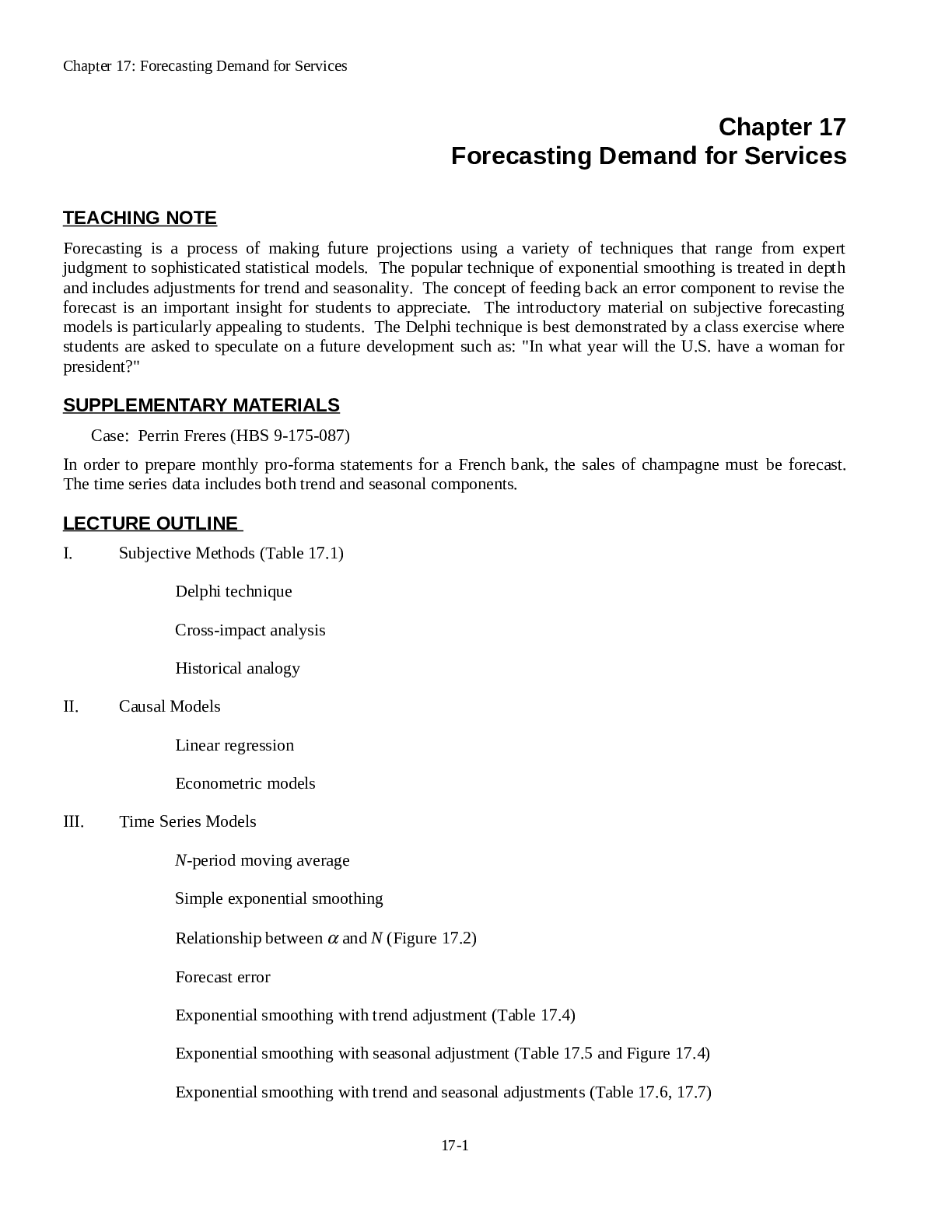
CHAPTER 17 MARKETING QUESTIONS AND ANSWERS
Document Content and Description Below
Last updated: 2 years ago
Preview 1 out of 8 pages
Instant download
Buy this Document to get the Full Access Instantly
Provided by Students Who Aced it
We Verify Document Content to Gurantee Accuracy
Reviews( 0 )
Document information
Connected school, study & course
About the document
Uploaded On
Jan 23, 2024
Number of pages
8
Written in
All

Additional information
This document has been written for:
Uploaded
Jan 23, 2024
Downloads
0
Views
55
Document Keyword Tags
Recommended For You
Get more on A-Level Question Paper »
TEST BANK & INSTRUCTOR'S MANUAL for Marketing Strategy Based o...
Clinical Nursing Judgment Study Guide for Medical-Surgical Nur...
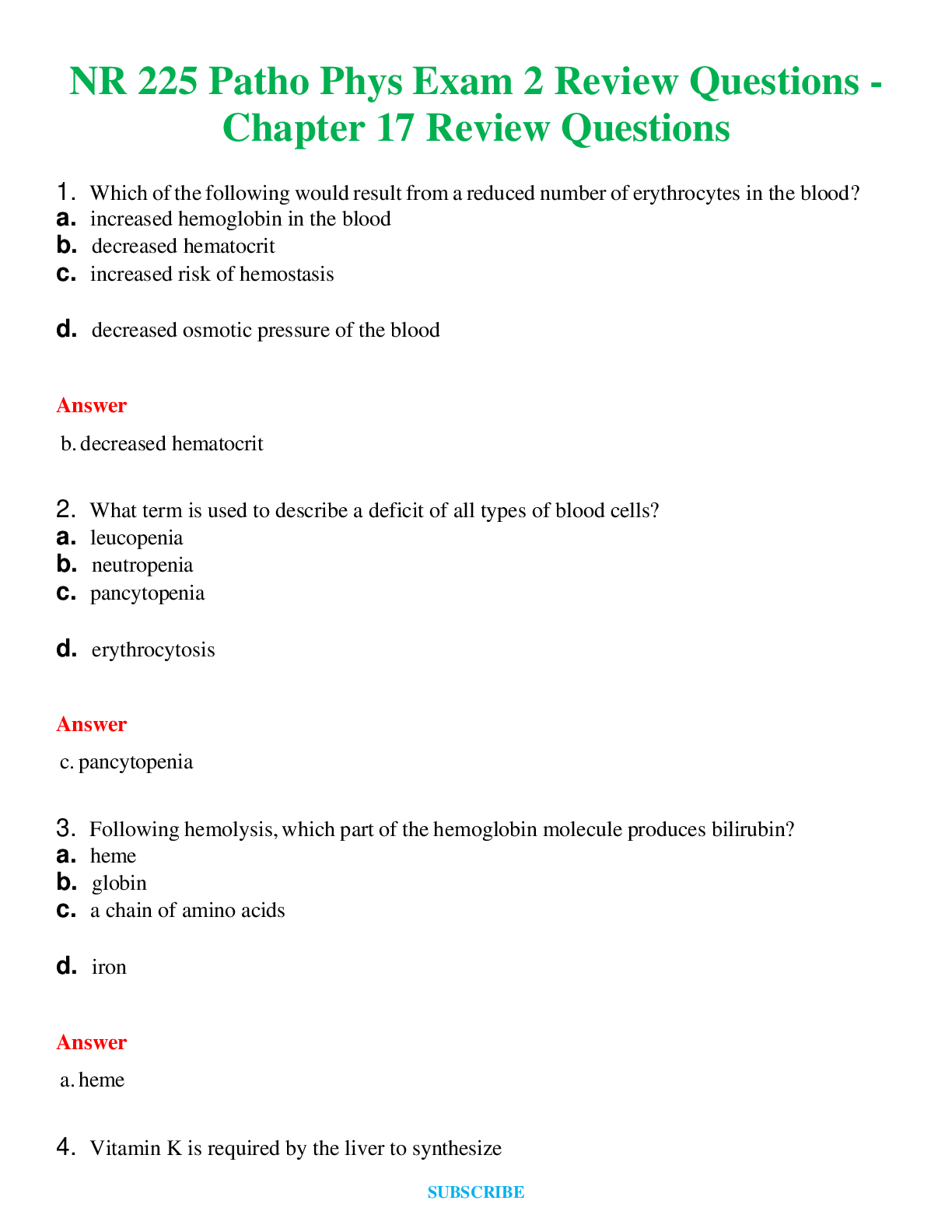
NR 225 Patho Phys Exam 2 Review Questions - Chapter 17 Review...
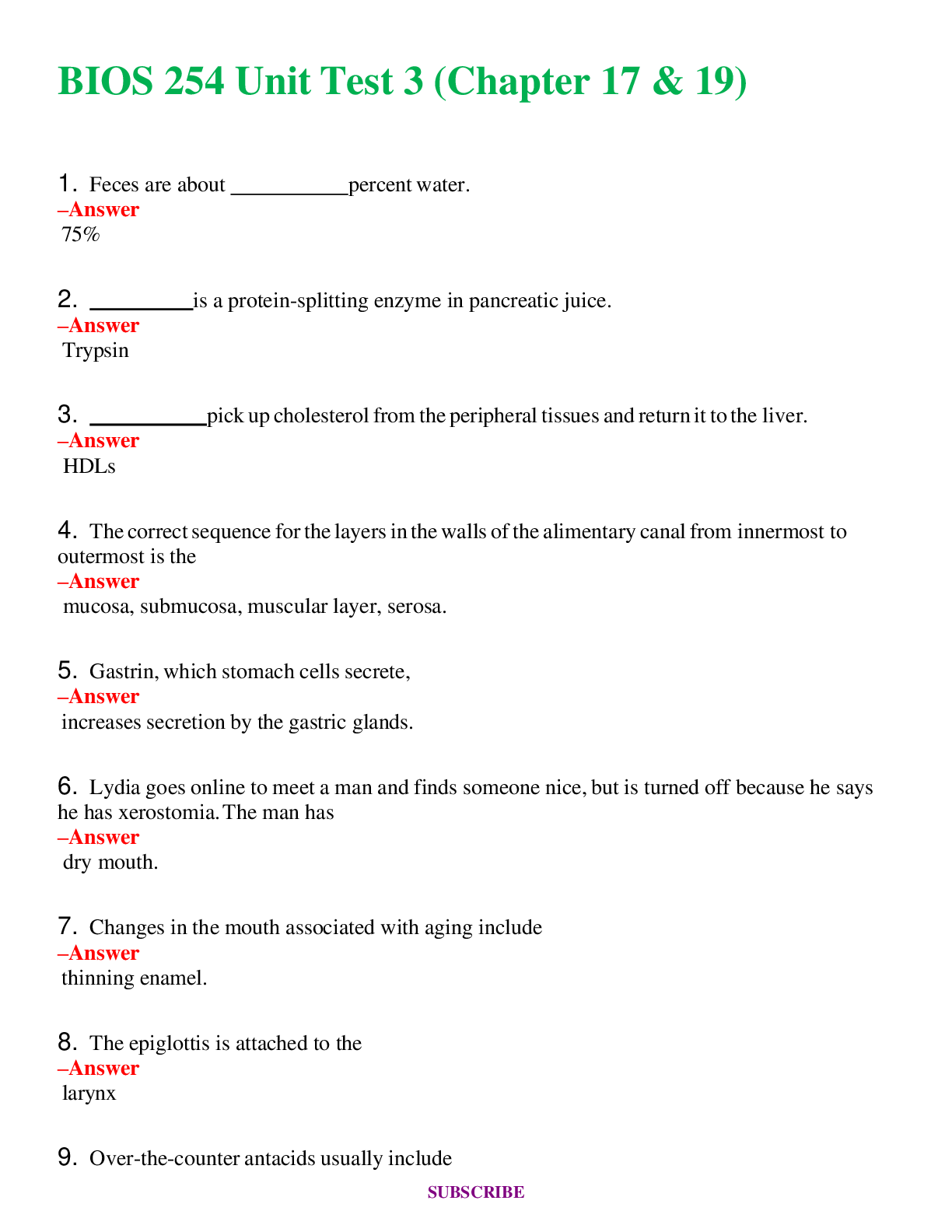
BIOS 254 Unit Test 3 (Chapter 17 & 19) Questions and Answer...
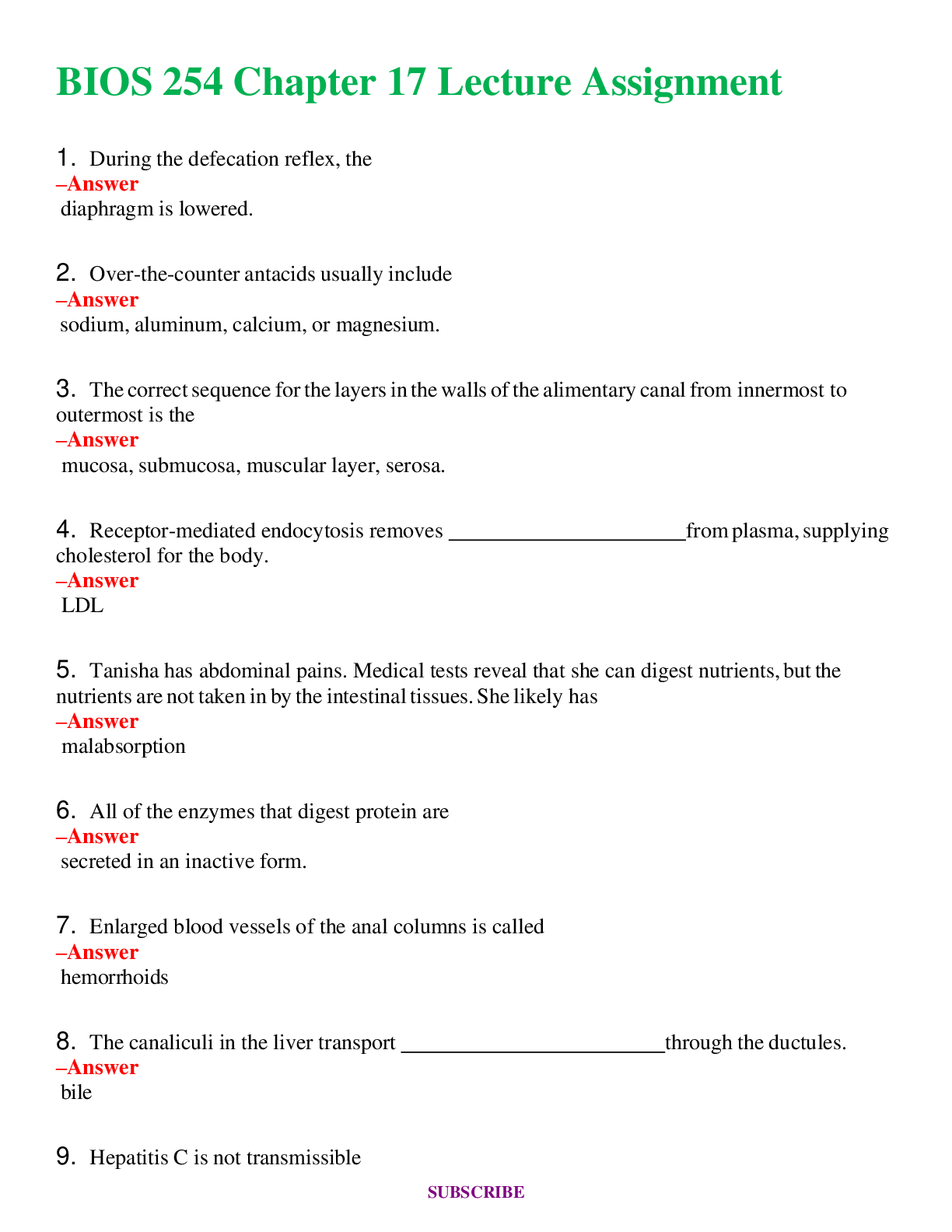
BIOS 254 Chapter 17 Lecture Assignment Questions and Answer...
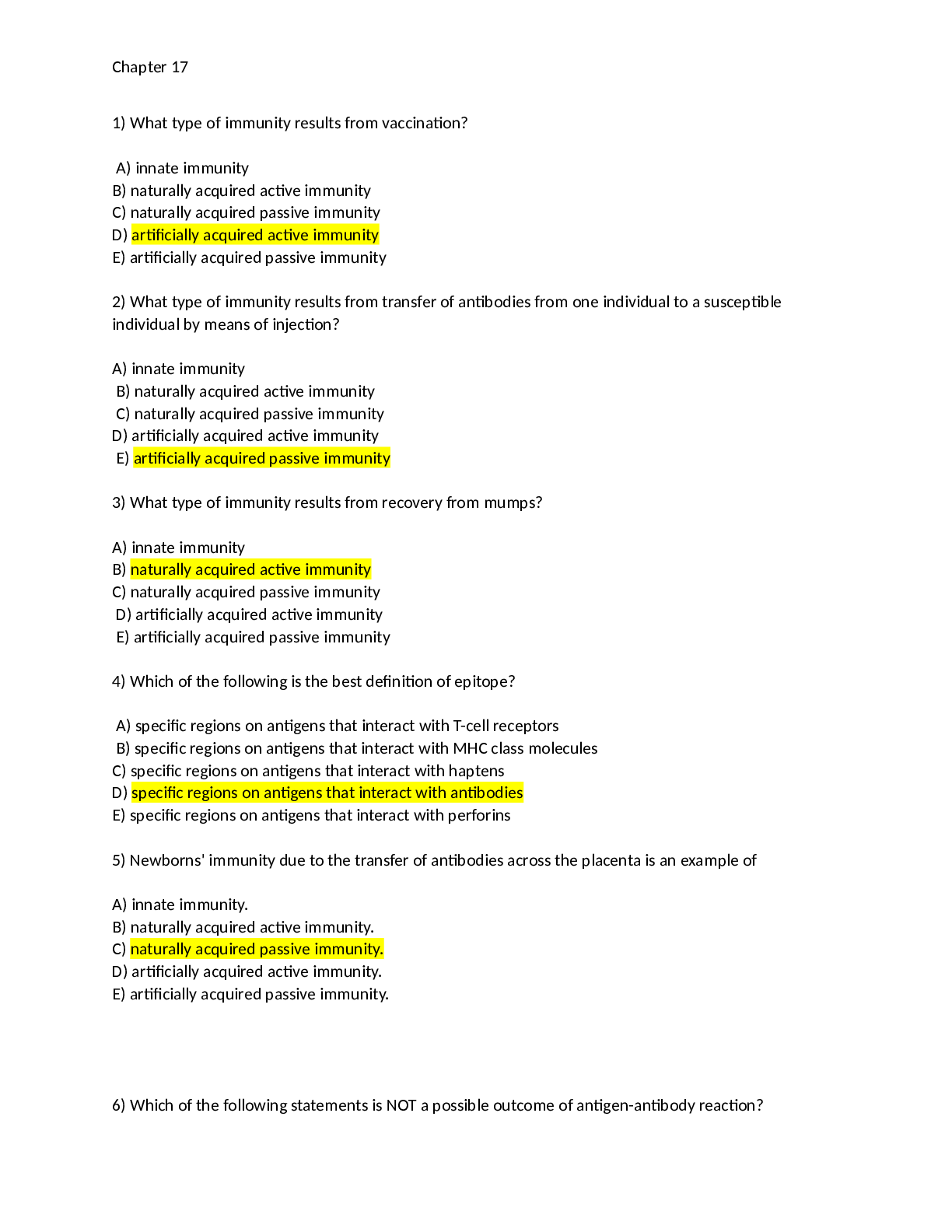
Sophia Milestone Adult Nursing (NUR 105) Med Surg test Latest...

Chamberlain College of Nursing NR508 test bank pharmacology >...
Maternal-Newborn & Women’s Health Nursing Chapter 17 / Review...
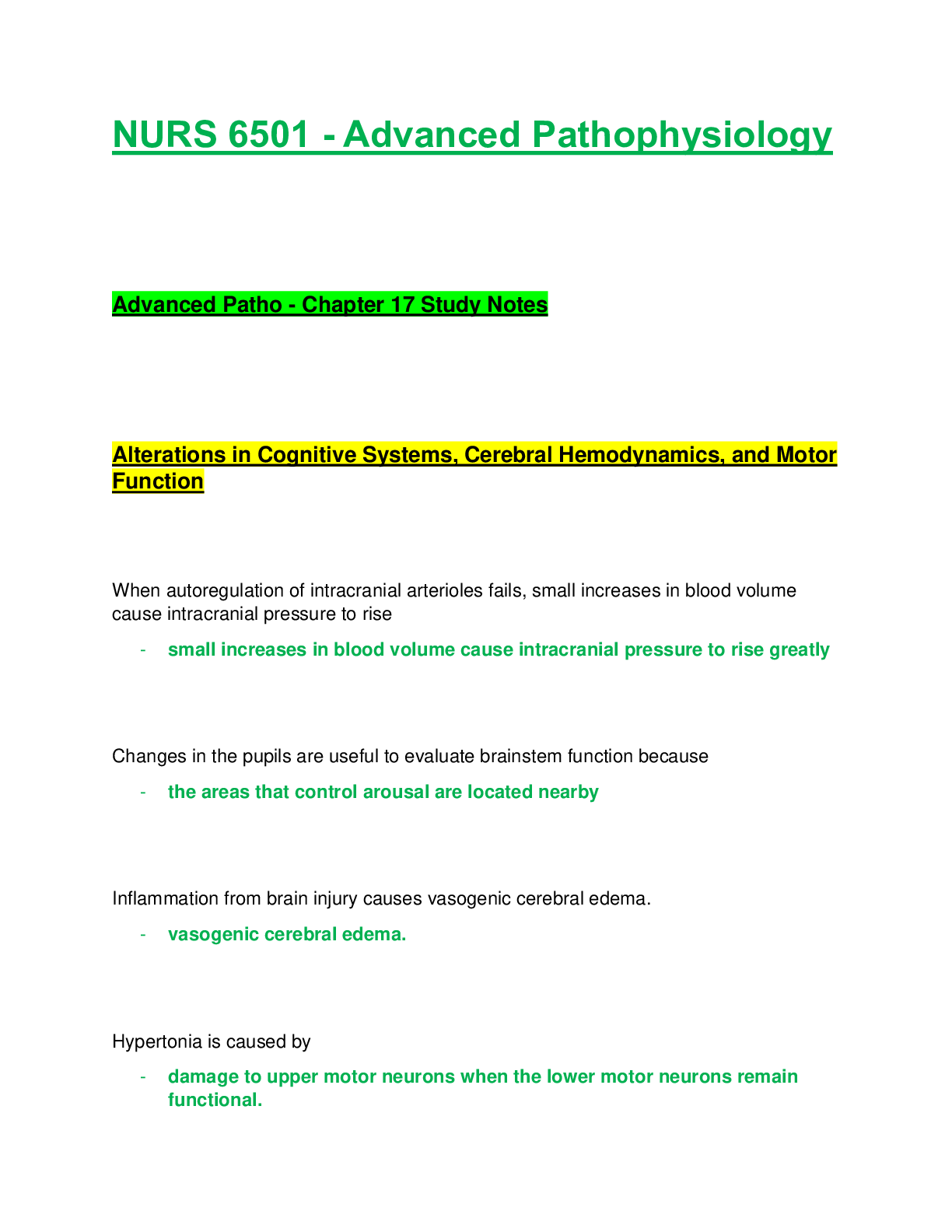
NURS 6501 / NURS6501: Advanced Pathophysiology - Chapter 17 St...

NR566 / NR 566: Advanced Pharmacology for Care of the Family W...

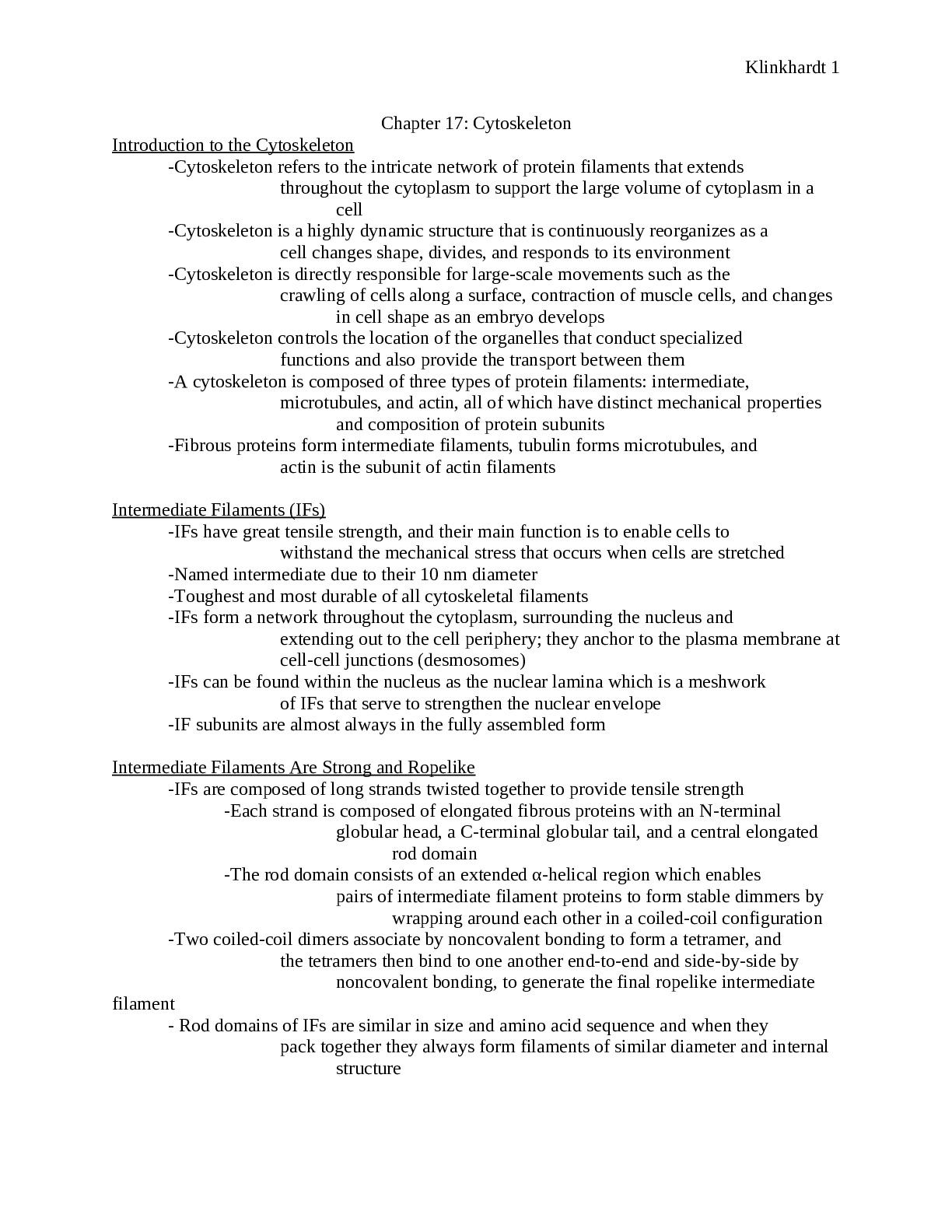
Chapter 17: Cytoskeleton Southern Methodist University - BIOLO...