Louisiana State University - KIN 4512An-Essay-on-Dramatic-Poesy 1
Document Content and Description Below
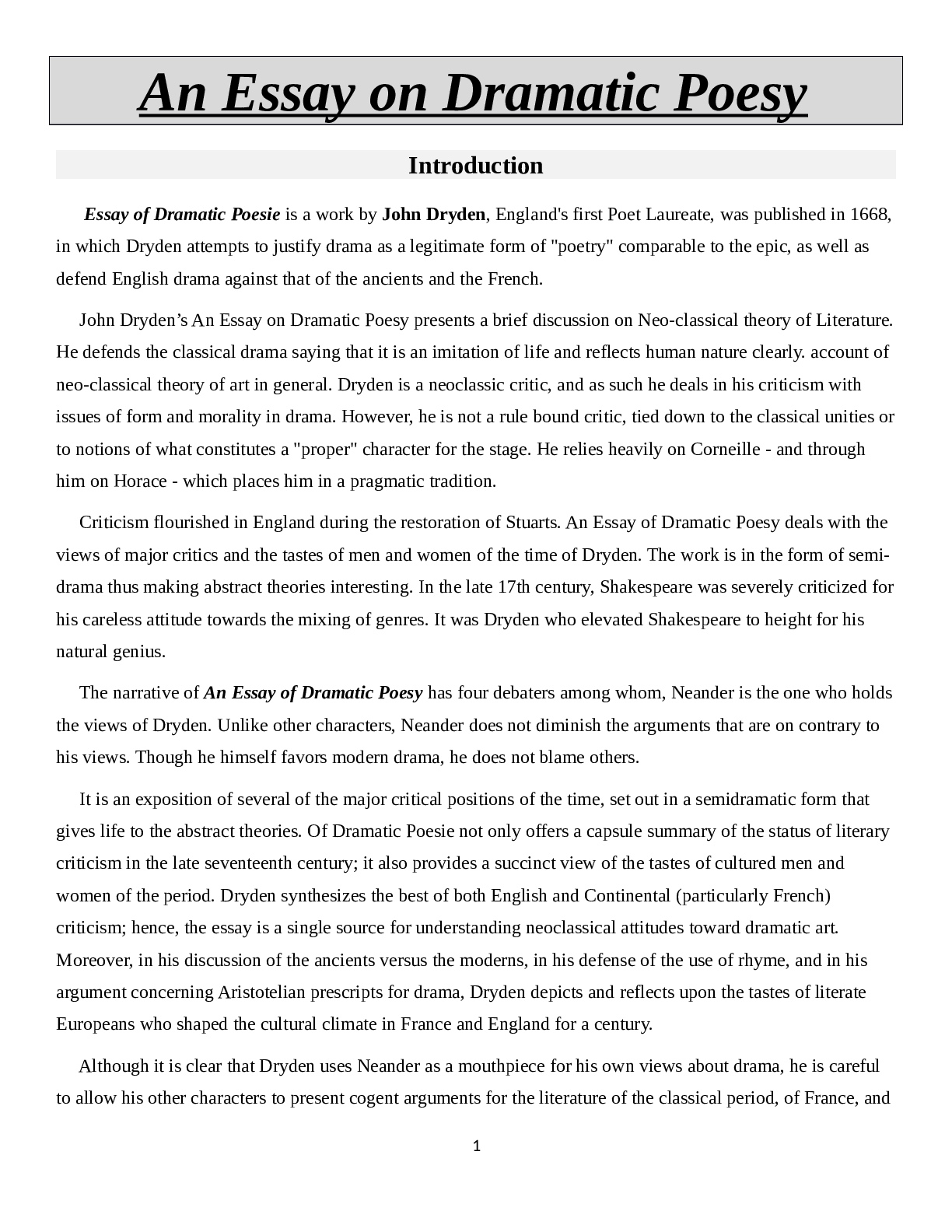
An Essay on Dramatic Poesy
Introduction
Essay of Dramatic Poesie is a work by John Dryden, England's first Poet Laureate, was published in 1668,
in which Dryden attempts to justify drama as a legitimate form of "poetr
...
[Show More]
Last updated: 8 months ago
Preview 1 out of 15 pages
Instant download
Buy this Document to get the Full Access Instantly
Provided by Students Who Aced it
We Verify Document Content to Gurantee Accuracy
Reviews( 0 )
Document information
Connected school, study & course
About the document
Uploaded On
Mar 29, 2021
Number of pages
15
Written in
All

Additional information
This document has been written for:
Uploaded
Mar 29, 2021
Downloads
0
Views
175
Topic Tags
Recommended For You
Get more on ESSAY »
$25
169 Pages
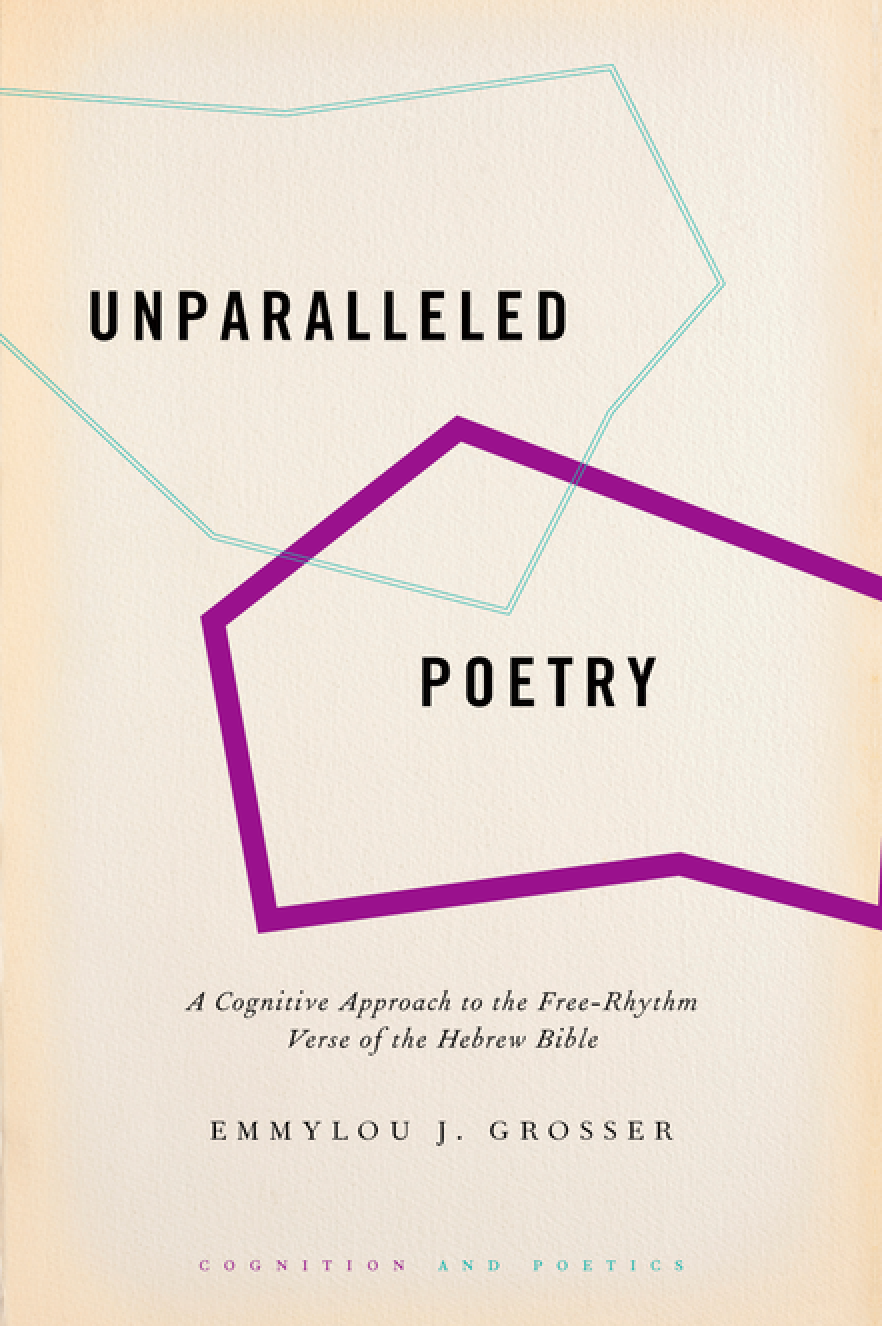
eBook Experimental American Poetry and the New Organic Form BY...
$25
281 Pages
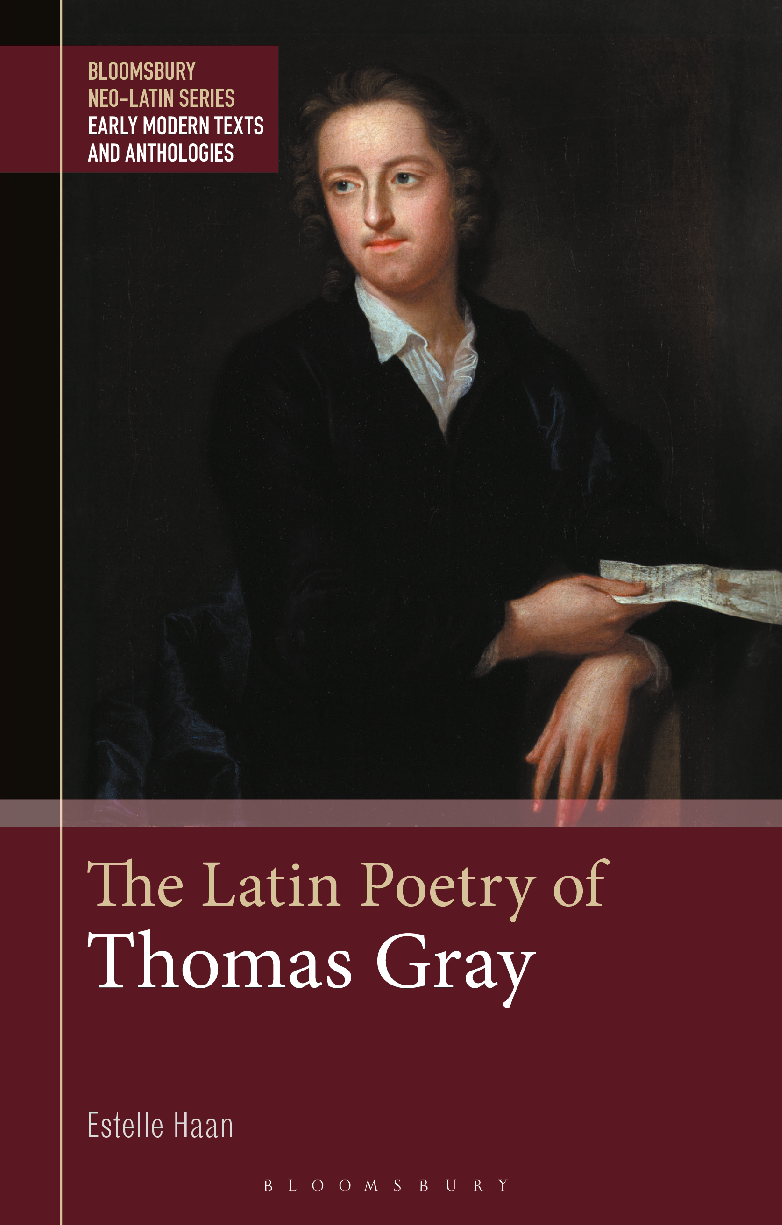
eBook The Latin Poetry of Thomas Gray BY Thomas Gray, Estelle...
$25
361 Pages
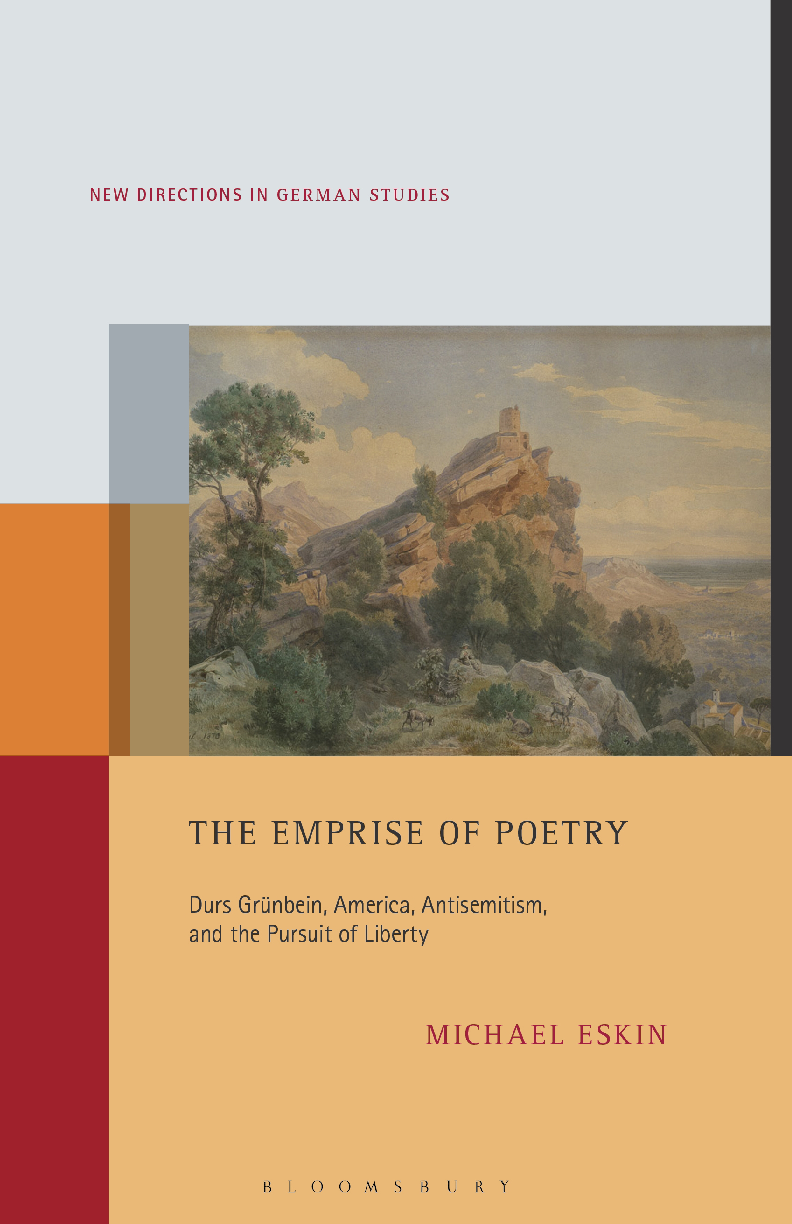
eBook The Emprise of Poetry Durs Grünbein, America, Antisemiti...
$25
345 Pages
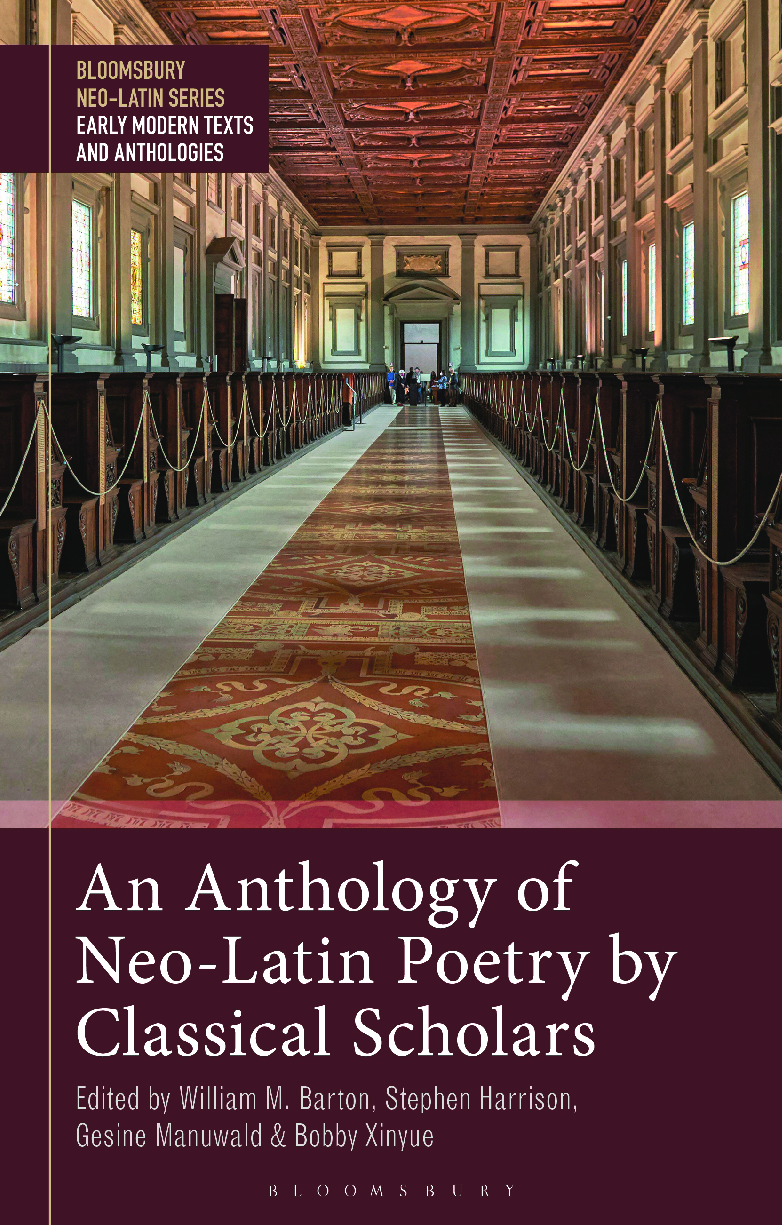
eBook An Anthology of Neo-Latin Poetry by Classical Scholars V...

$29
884 Pages
eBook San Fransicko Why Progressives Ruin Cities 1st Edition B...
$30
484 Pages
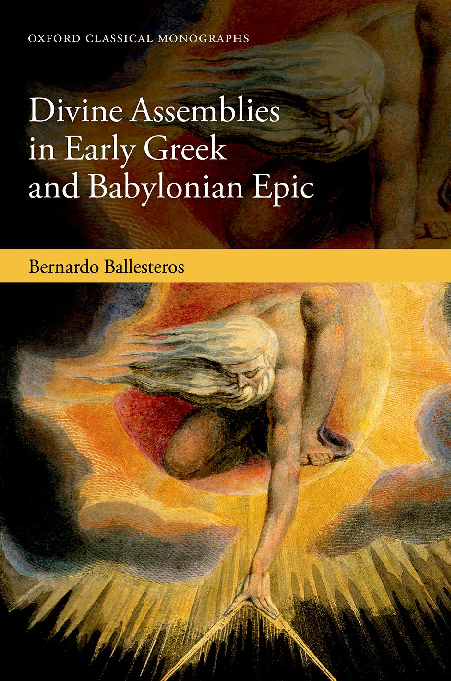
eBook Divine Assemblies in Early Greek and Babylonian Epic 1st...
$30
785 Pages
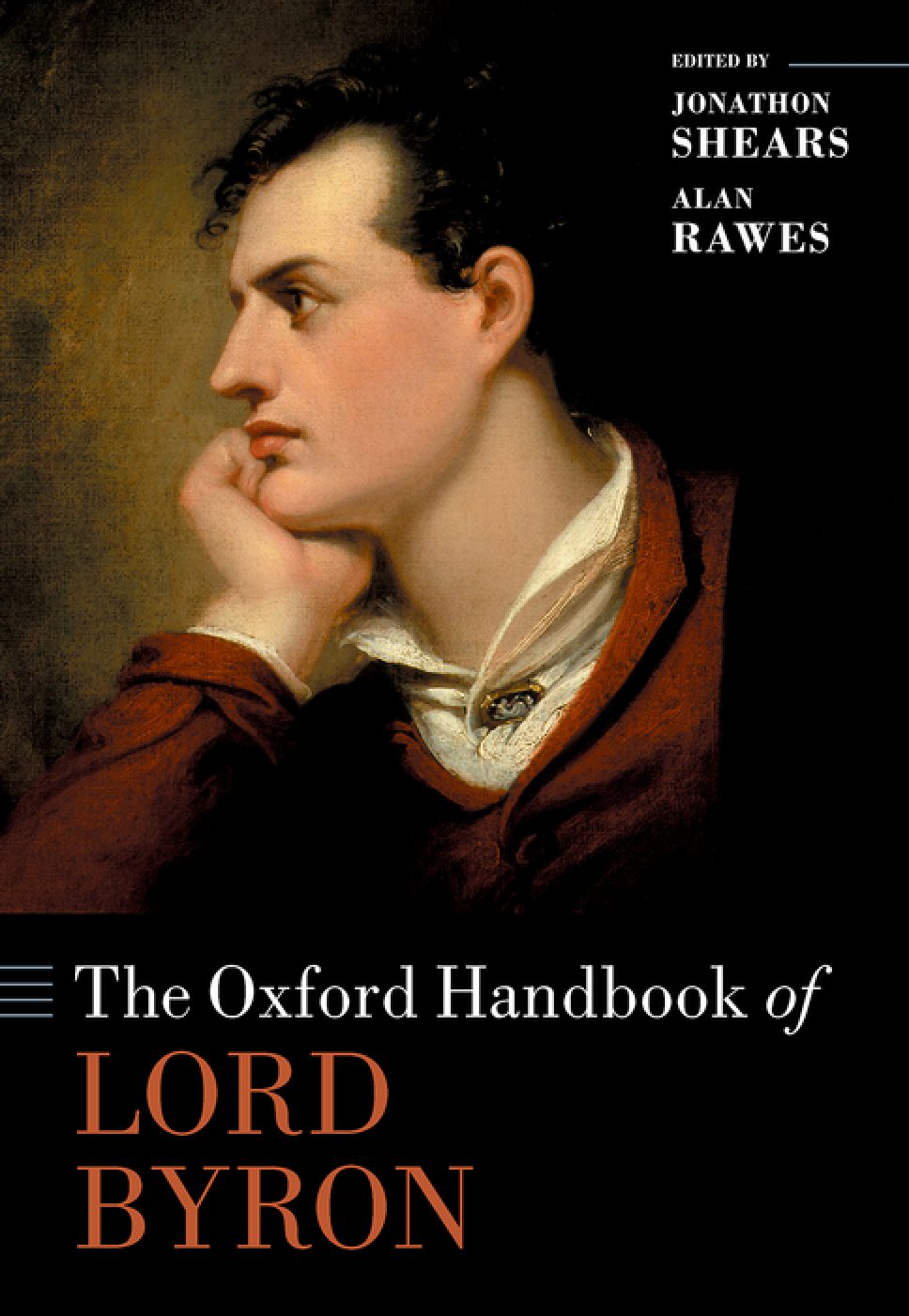
eBook The Oxford Handbook of Lord Byron, 1st edition Oxford Ha...
$30
209 Pages
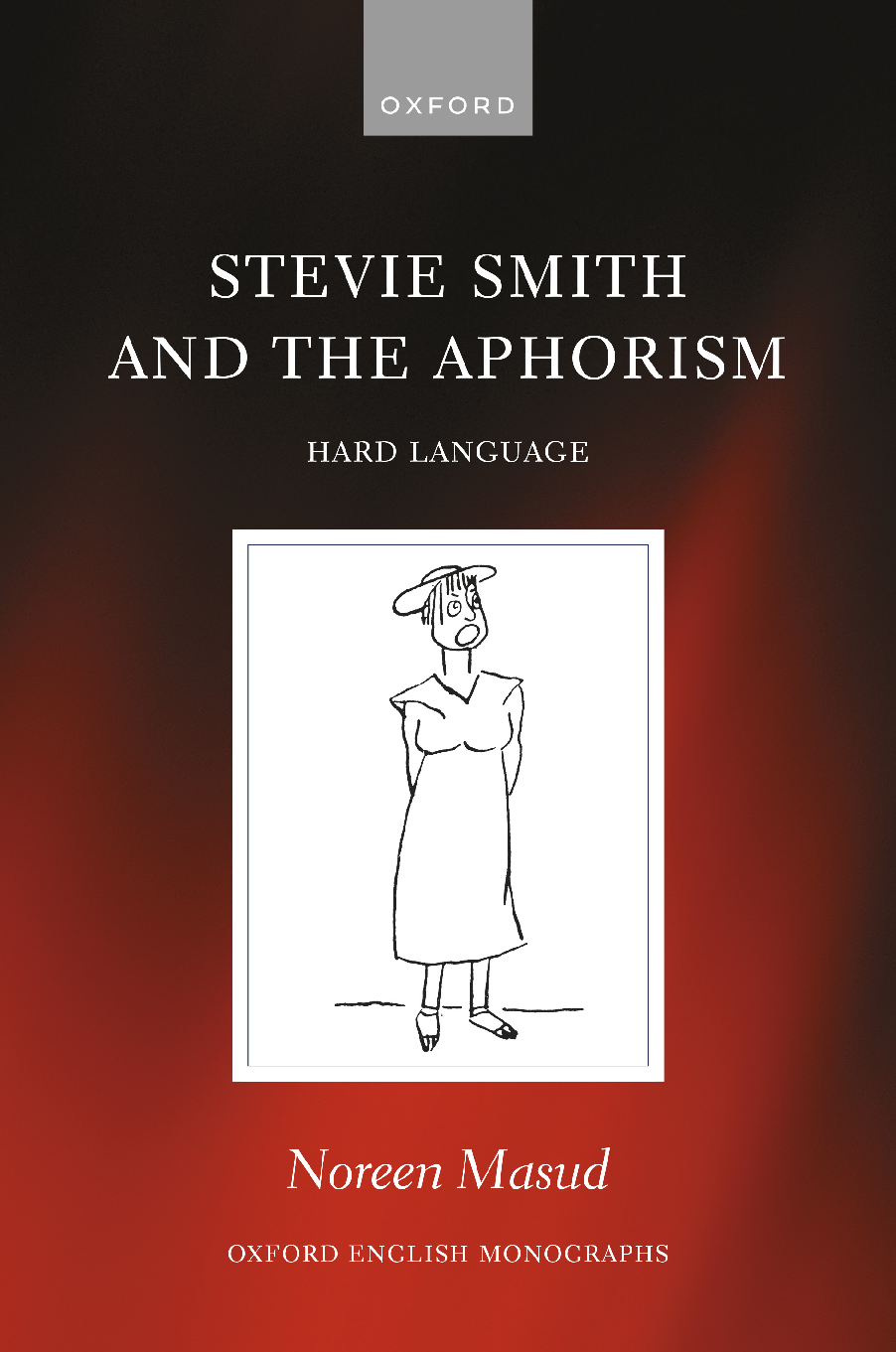
eBook Stevie Smith and the Aphorism, Hard Language, Oxford Eng...


$15
8 Pages
NUR PEDIATRIC ATI peds EXAM GUIDE 100% CORRECT 101 0UT OF 101...
$20
362 Pages
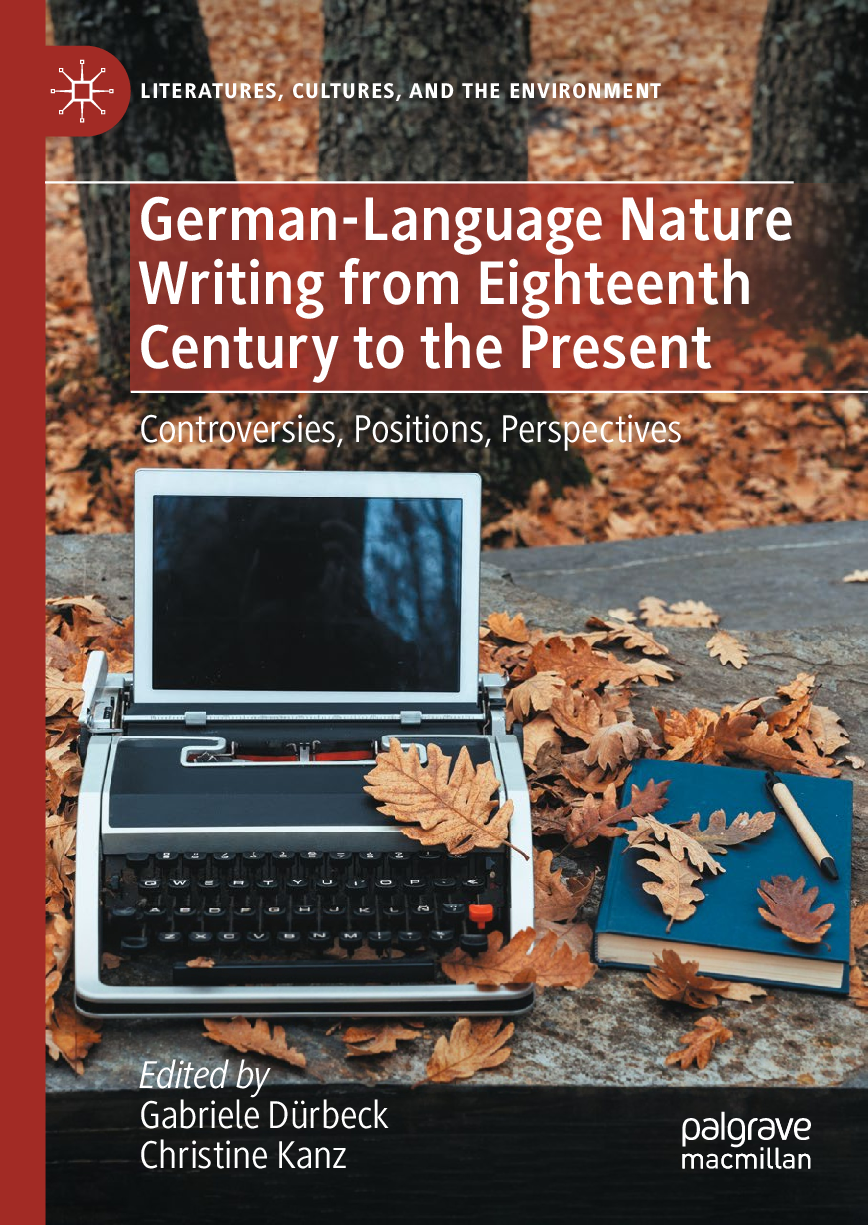
German-Language Nature Writing from Eighteenth Century to th...
More related documents below