NURSING > EXAM > NUR 300 Chapter 12_ Critical and Diagnostic Thinking for Better Clinical Judgment - Galen College. (All)
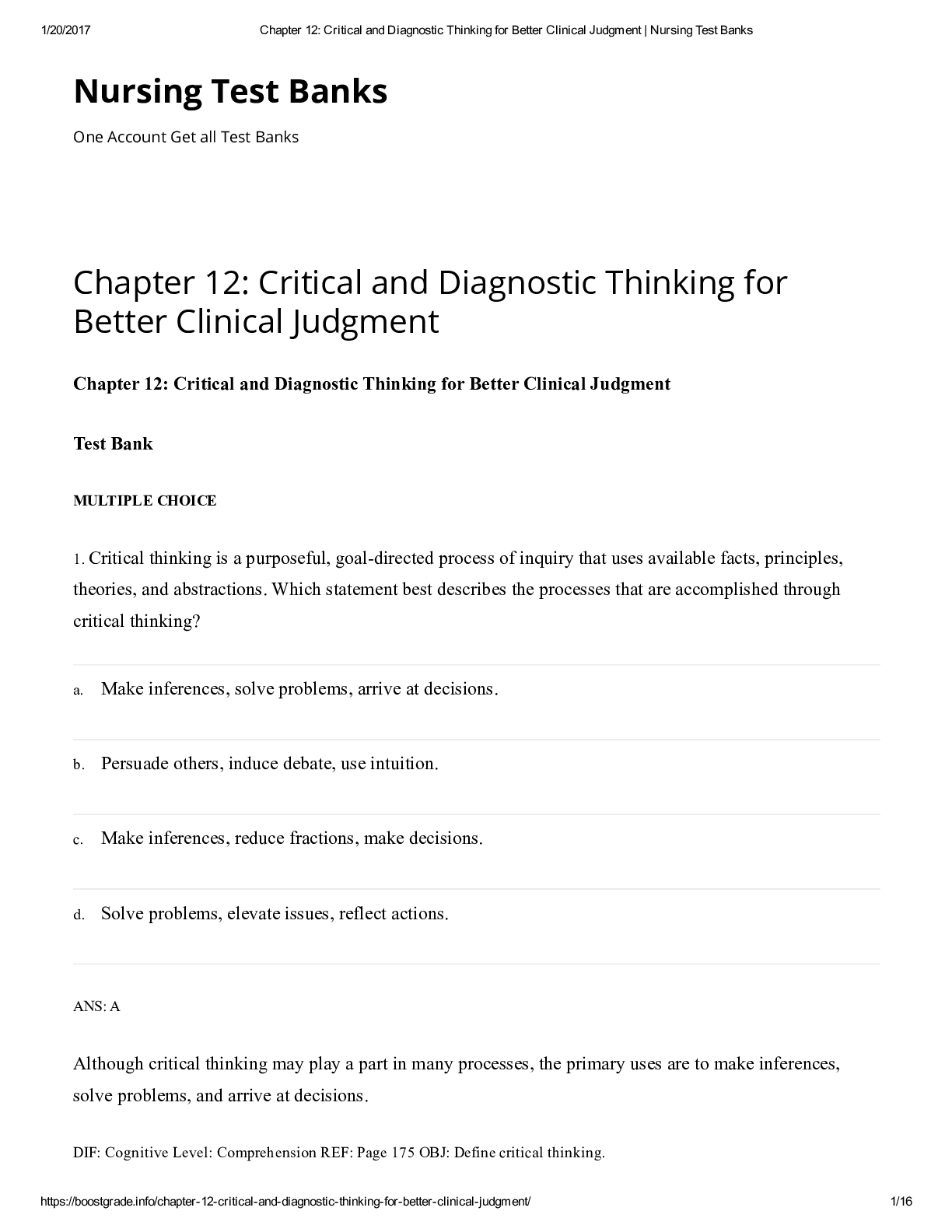
NUR 300 Chapter 12_ Critical and Diagnostic Thinking for Better Clinical Judgment - Galen College.
Document Content and Description Below
Last updated: 3 years ago
Preview 1 out of 16 pages
Instant download
Buy this Document to get the Full Access Instantly
Provided by Students Who Aced it
We Verify Document Content to Gurantee Accuracy
Reviews( 0 )
Document information
Connected school, study & course
About the document
Uploaded On
May 24, 2020
Number of pages
16
Written in
All

Additional information
This document has been written for:
Uploaded
May 24, 2020
Downloads
0
Views
109
Topic Tags
Recommended For You
Get more on EXAM »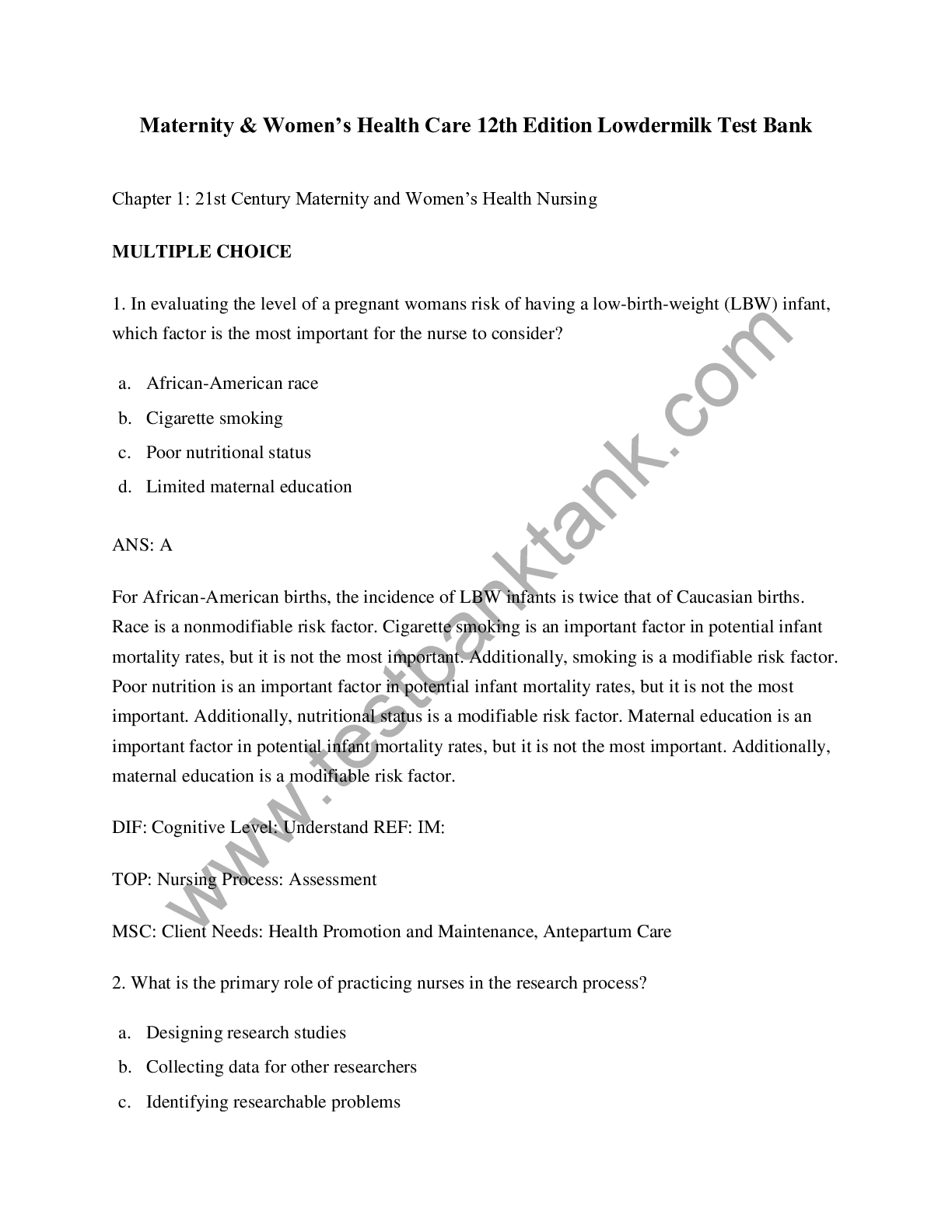
NUR 300WI Lowdermilk: Maternity and Women's Health Care 12th E...

NUR 3355NUR 300WI Maternity & Womens Health Care 12th Edition...
NUR 300WIMaternity and Womens Health Care 12th Edition Lowderm...
NUR 300WI Maternity & Women’s Health Care 12th Edition Lowderm...
NUR 300WI Lowdermilk: Maternity and Women's Health Care 12th E...
NUR 300WIMaternity and Womens Health Care 12th Edition Lowderm...

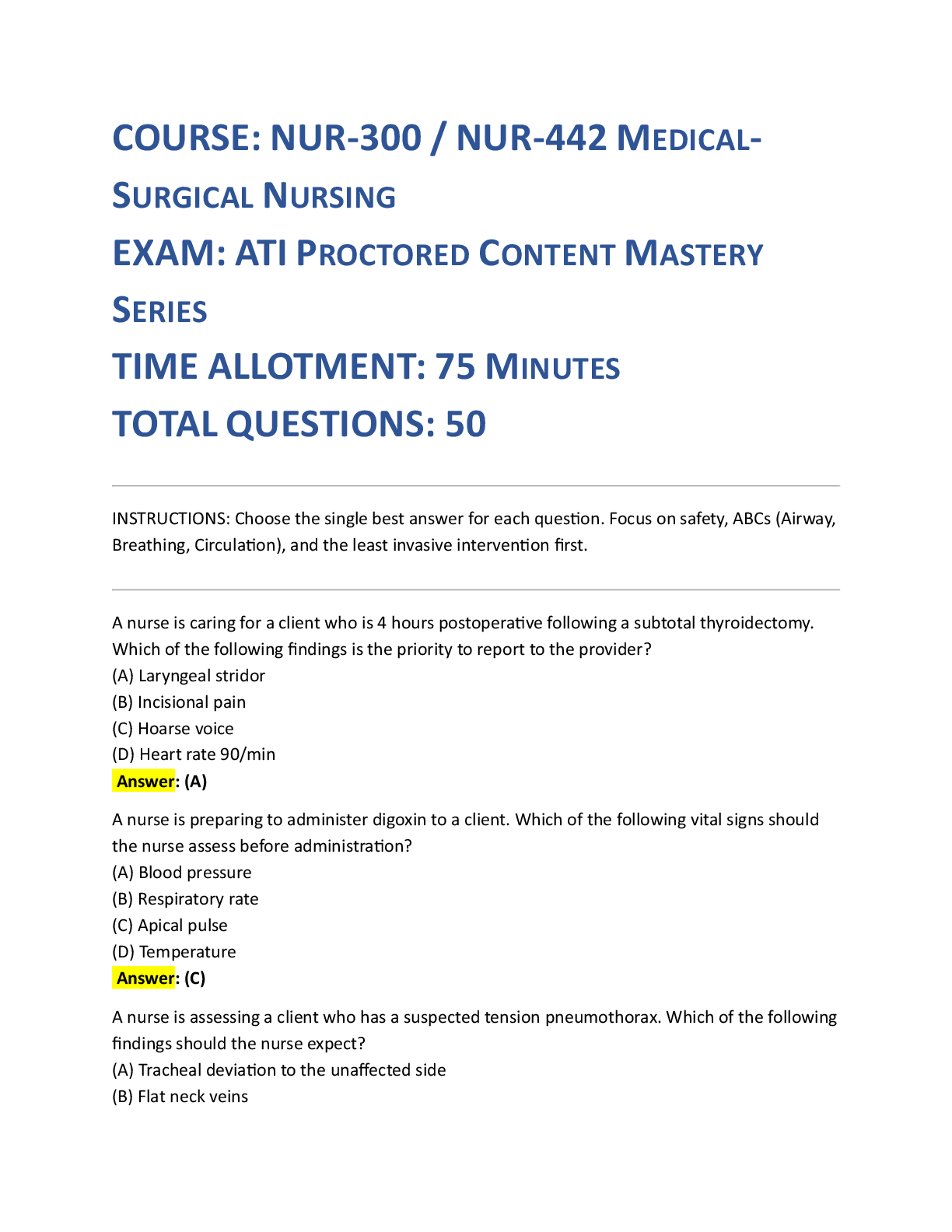
NUR-300 / NUR-442 MEDICAL SURGICAL NURSING EXAM: ATI PROCTORE...
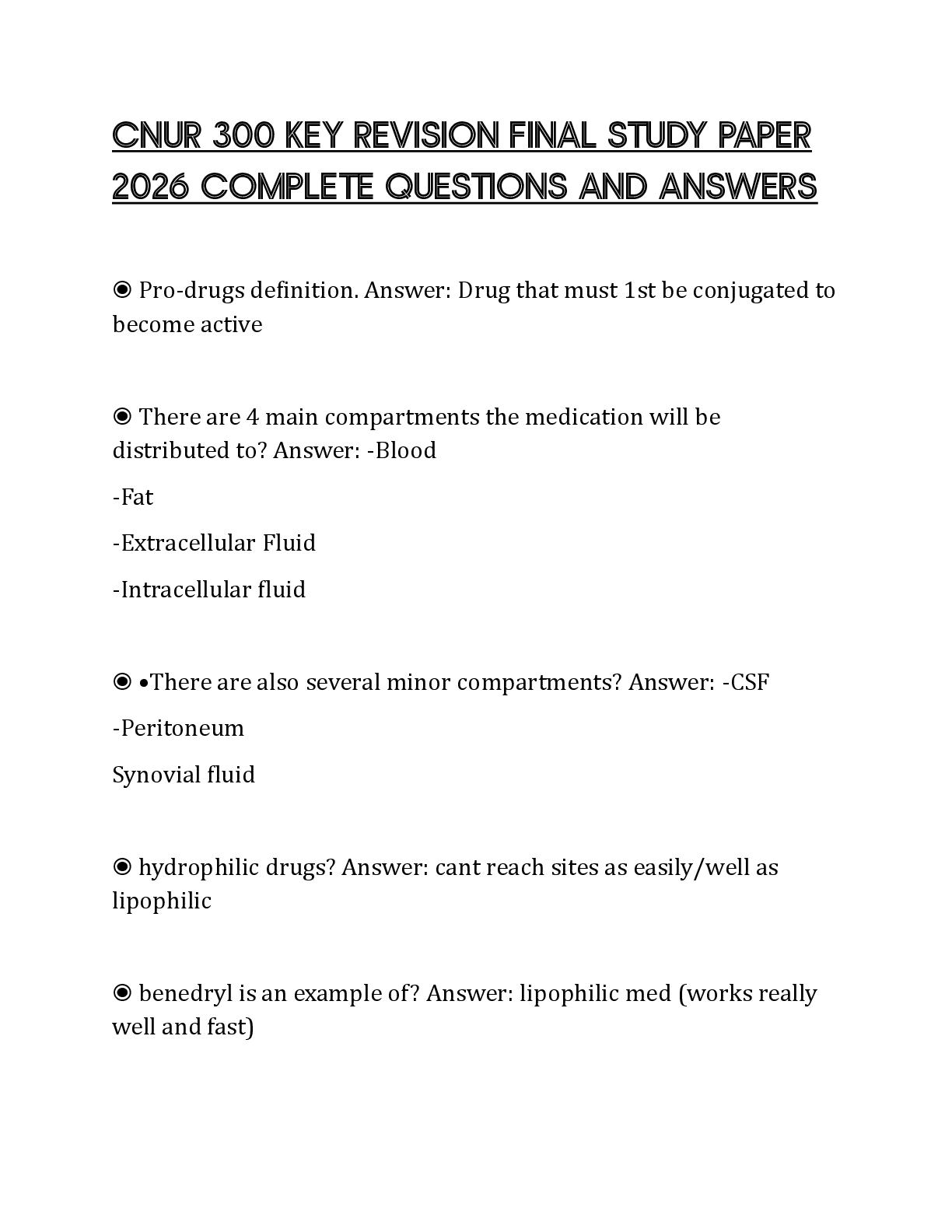
CNUR 300 KEY REVISION FINAL STUDY PAPER 2026 COMPLETE QUESTION...
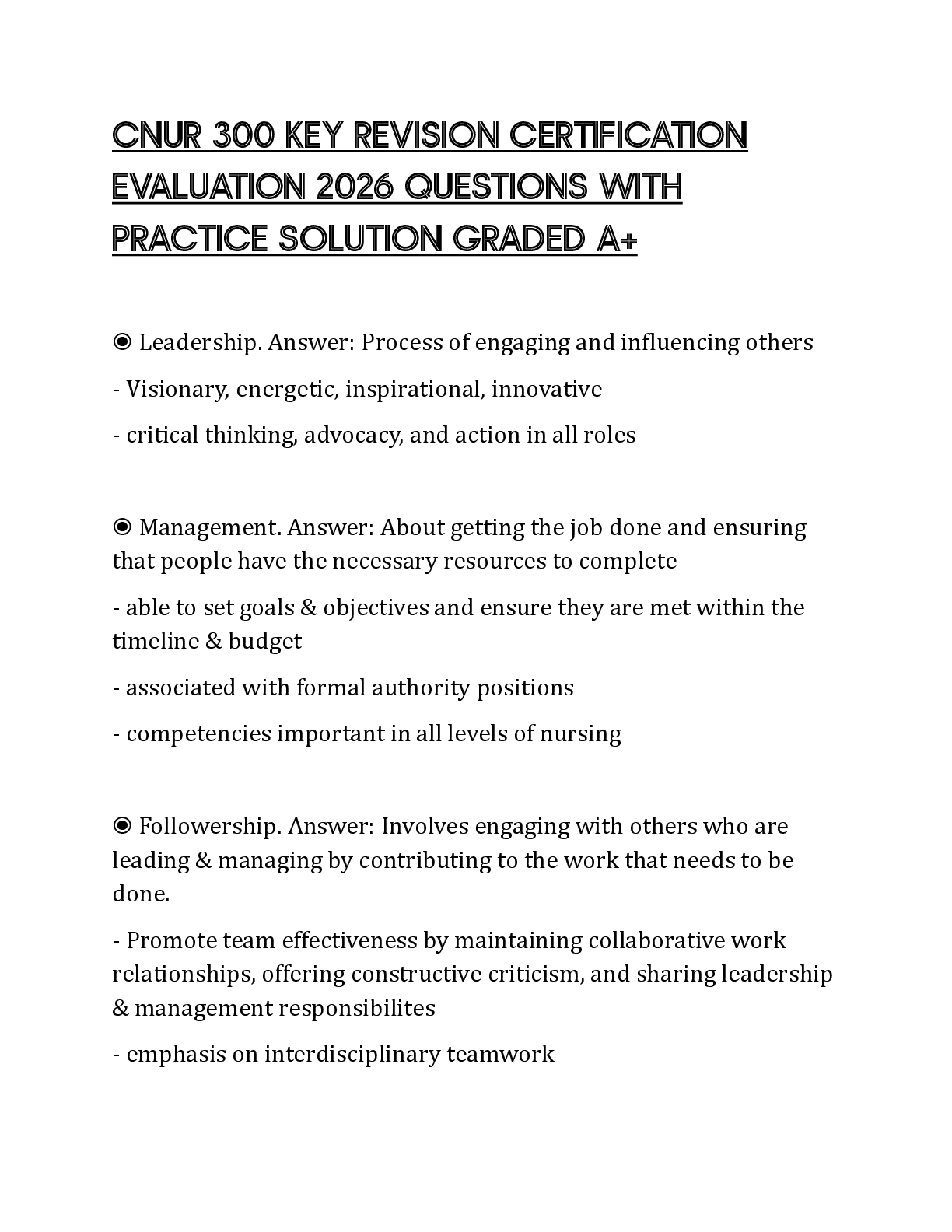
CNUR 300 KEY REVISION CERTIFICATION EVALUATION 2026 QUESTIONS...

NUR 300 Chapter 14_ Communicating With Patients and Co-Workers...
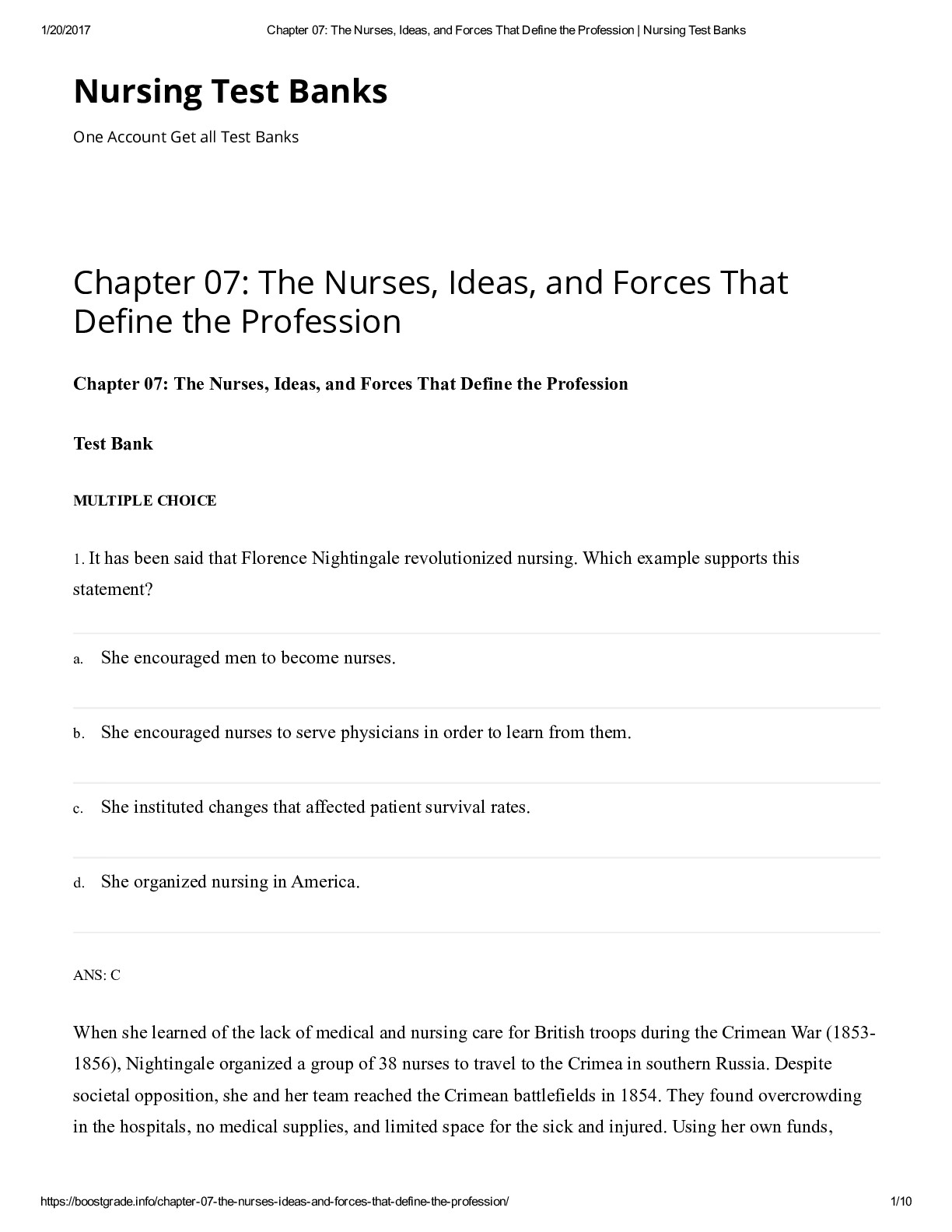
NUR 300 Chapter 07_ The Nurses, Ideas, and Forces That Define...
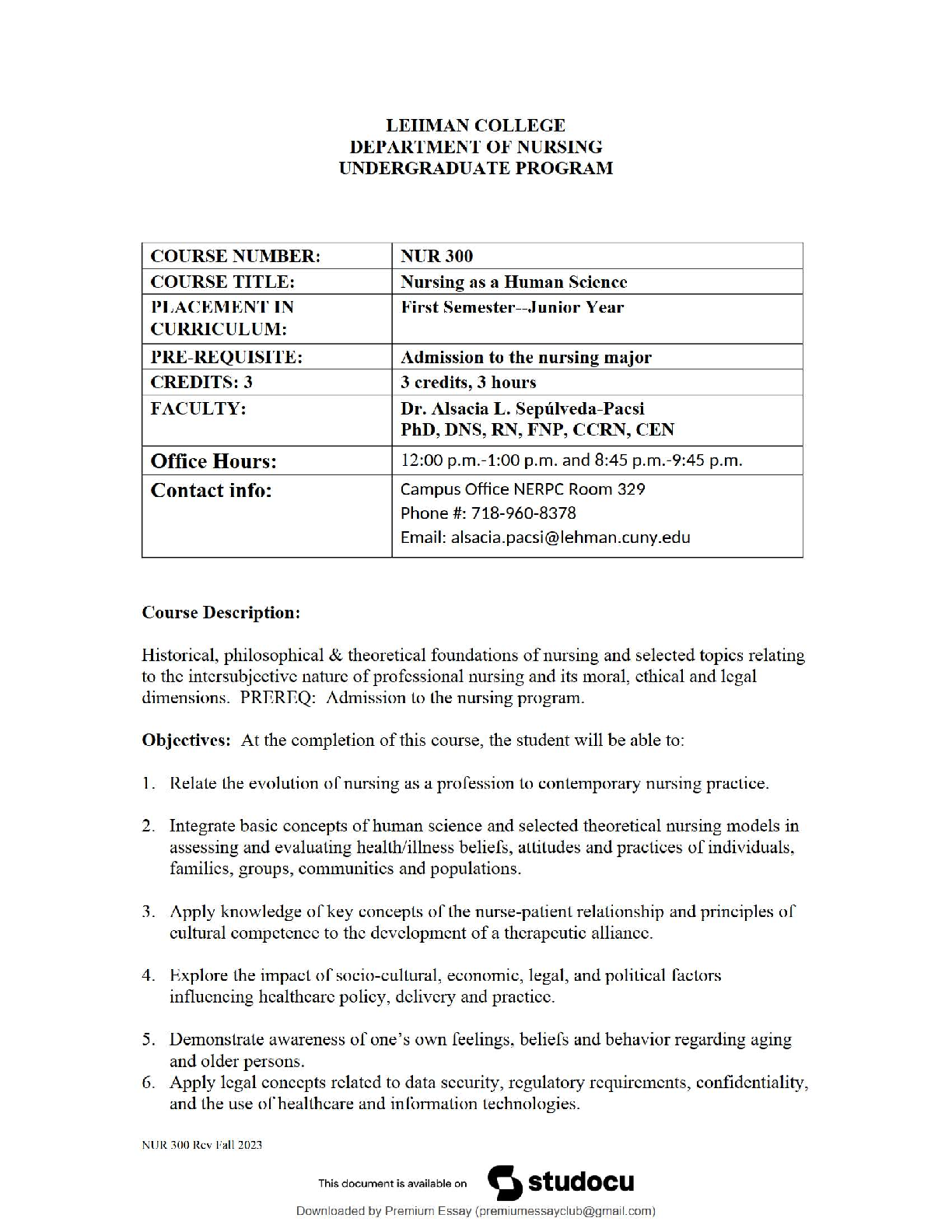
NUR 300 Final Exam Study Guide – Nursing as a Human Science No...
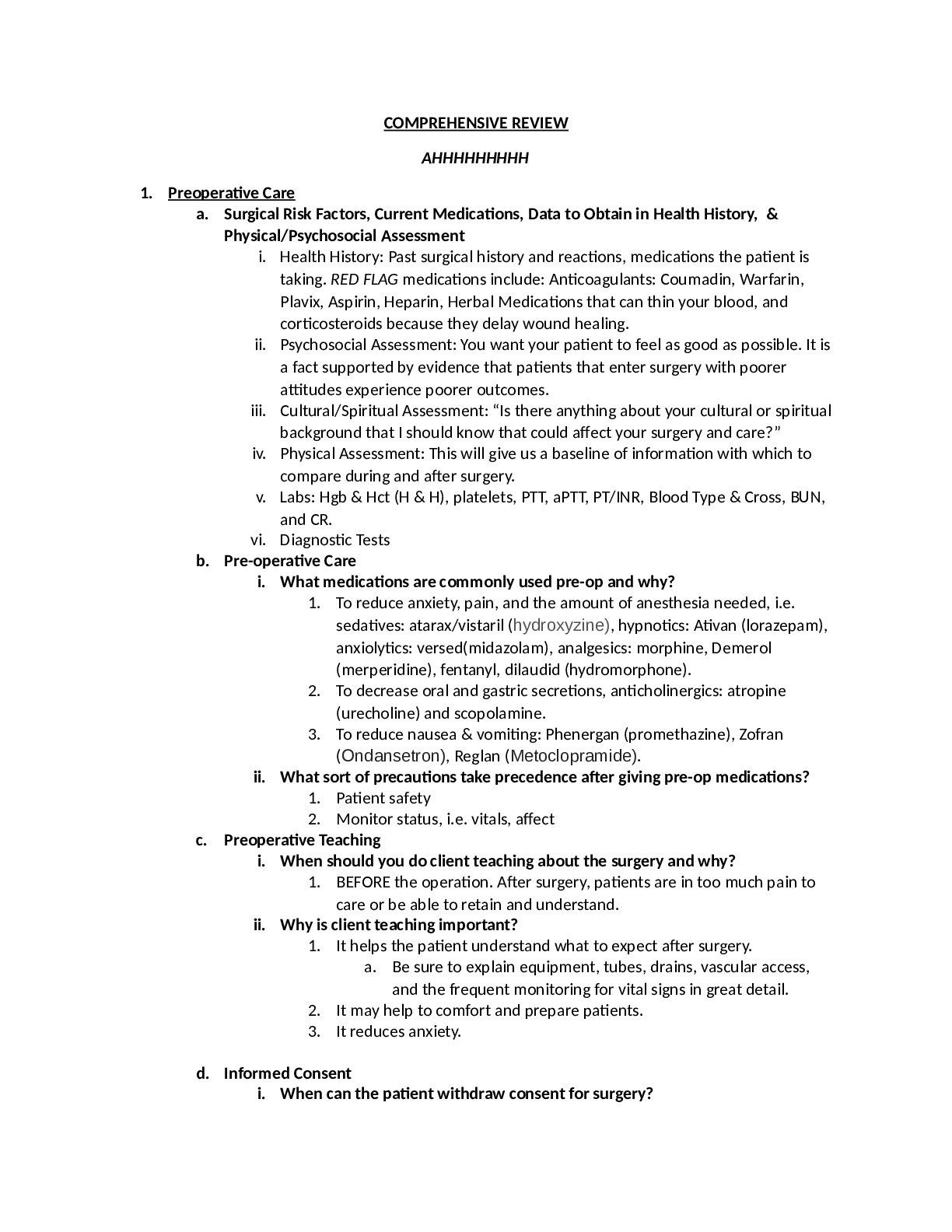

NUR 300/NUR 300 - Med Surg Final Exam Study Guide/NUR 300/NUR...

ATI proctored exam | Quinnipiac University - NUR 300/400 | Gra...
Central Michigan University NUR 300WIc20-25.Conception and Fet...


 – Chamberlain College of Nursing.png)
 – Chamberlain College of Nursing.png)