Biology > QUESTIONS & ANSWERS > Arizona State University BIO 302 Fall 2019 Exam I All Cancer (All)
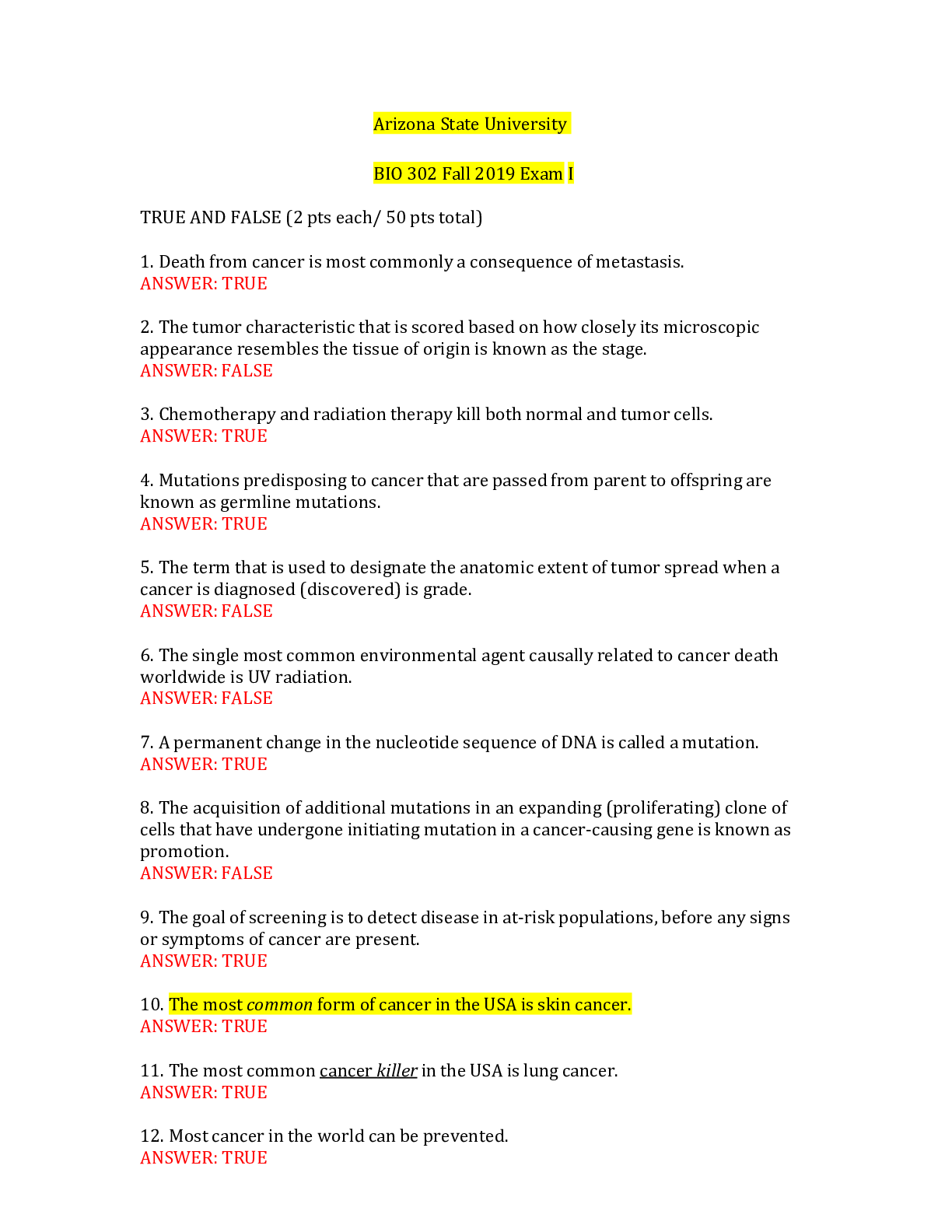
Arizona State University BIO 302 Fall 2019 Exam I All Cancer
Document Content and Description Below
Last updated: 4 years ago
Preview 1 out of 107 pages
Instant download
Buy this Document to get the Full Access Instantly
Provided by Students Who Aced it
We Verify Document Content to Gurantee Accuracy
Reviews( 0 )
Document information
Connected school, study & course
About the document
Uploaded On
Apr 08, 2021
Number of pages
107
Written in
All

Additional information
This document has been written for:
Uploaded
Apr 08, 2021
Downloads
0
Views
160
Topic Tags
Recommended For You
Get more on QUESTIONS & ANSWERS »
Arizona State University BIO 302 Fall 2019 Exam I All Cancer
 Correct Study Guide, Download to Score A.png)
Arizona State University - BIO 302 Cancer Study Guide Exam 3 F...
 Correct Study Guide, Download to Score A.png)
Arizona State University - BIO 302, 2021 Exam I ALL CANCER (La...
 Correct Study Guide, Download to Score A.png)
Arizona State University - BIO 302 Exam 3 Final Questions and...

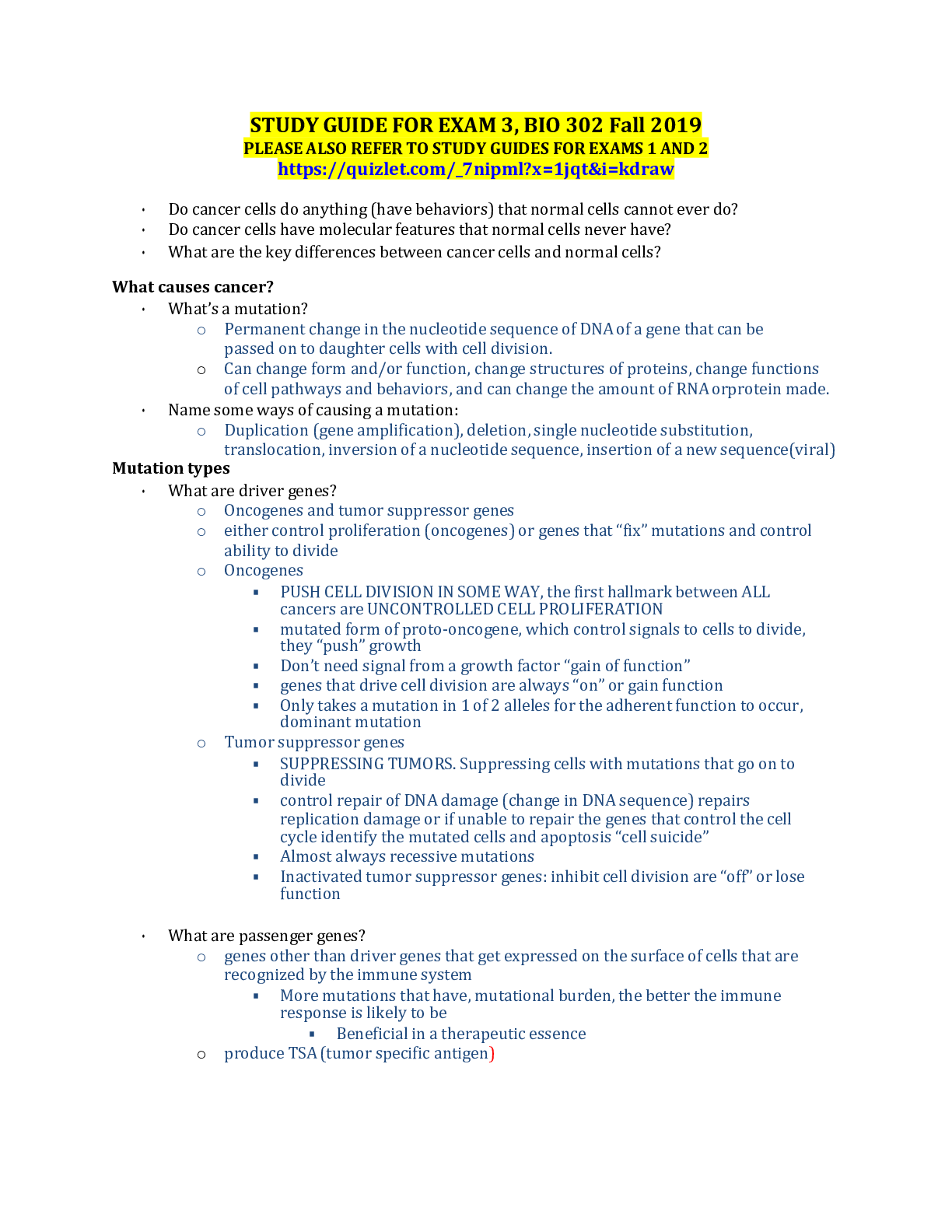
STUDY GUIDE FOR EXAM 3, BIO 302 Fall 2019 PLEASE ALSO REFER TO...

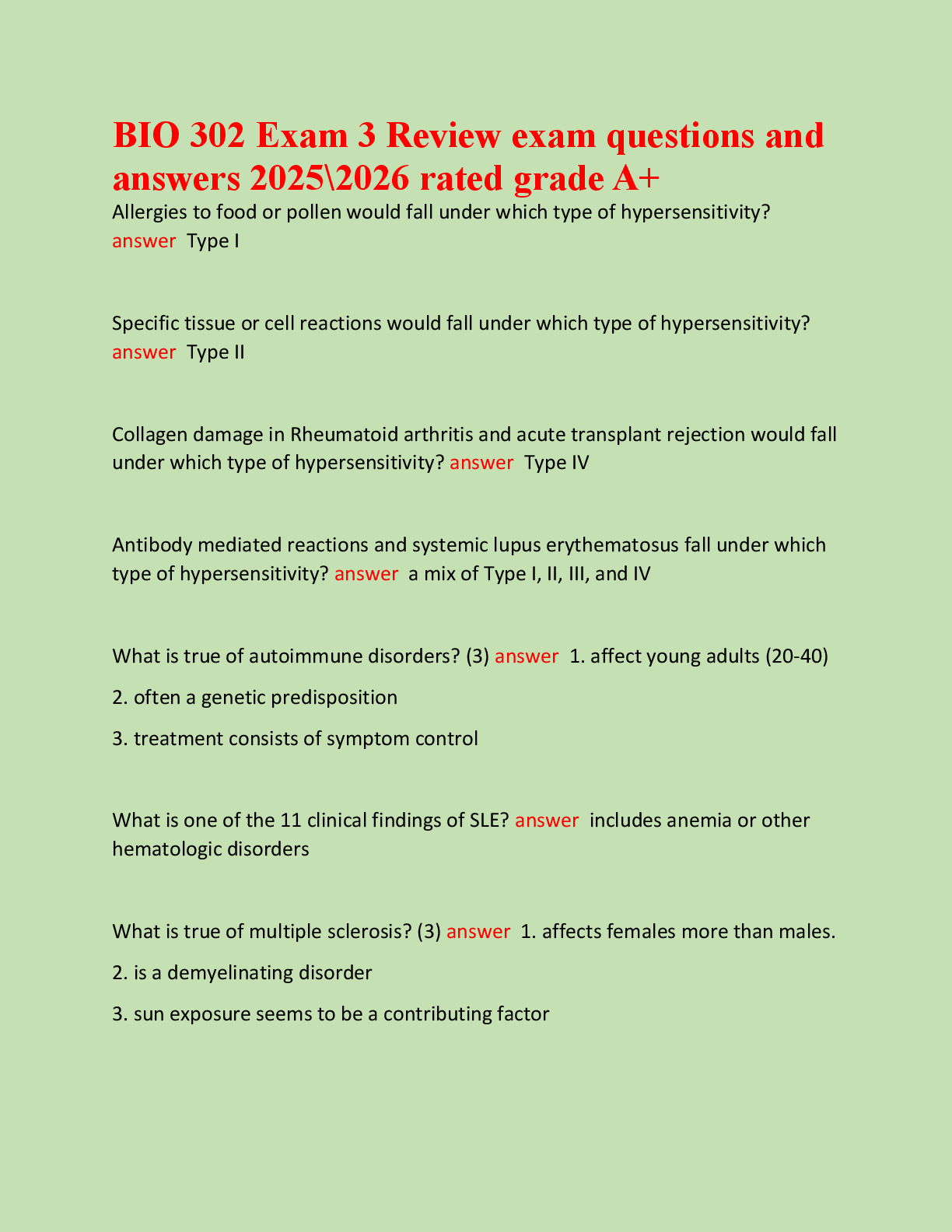
BIO 302 Exam 3 Review exam questions and answers 2025\2026 ra...
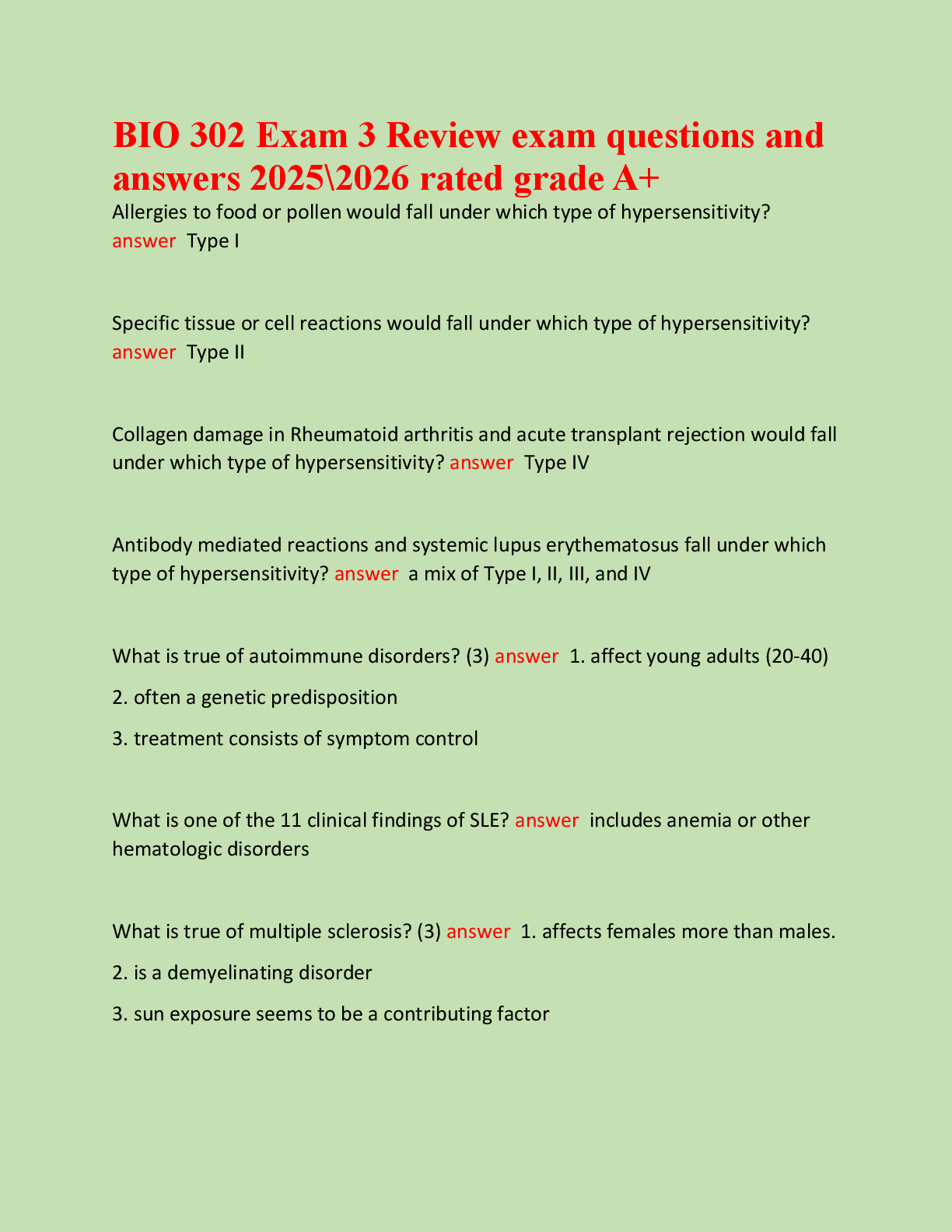
BIO 302 Exam 3 Review exam questions and answers 2025\2026 ra...

Test Bank for Biology The Core 3rd Edition By Eric Simon (All...

Test Bank for Biology (2024 Release) By Sylvia Mader, Michael...
Test Bank for Biofluid Mechanics An Introduction to Fluid Mech...
SC 900 Microsoft Exam Updated Practice Questions in June 2026...
SC 200 Microsoft Exam Updated Practice Questions in June 2026...
BUSINESS 520 Directed Study 3 Chapter 1-9 Strayer University,...
LING 200: Introduction to Linguistic Thought Homework #6: Soci...
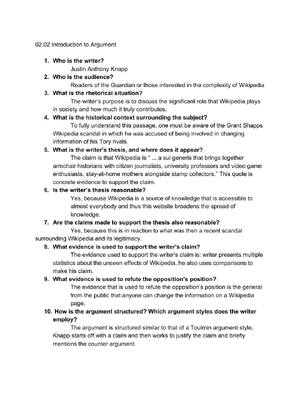
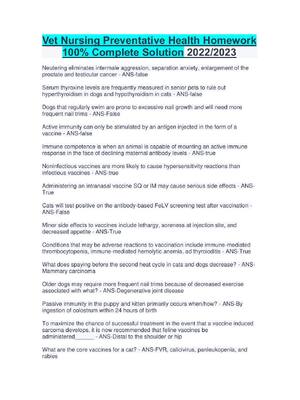
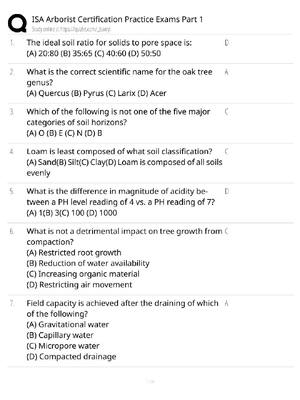
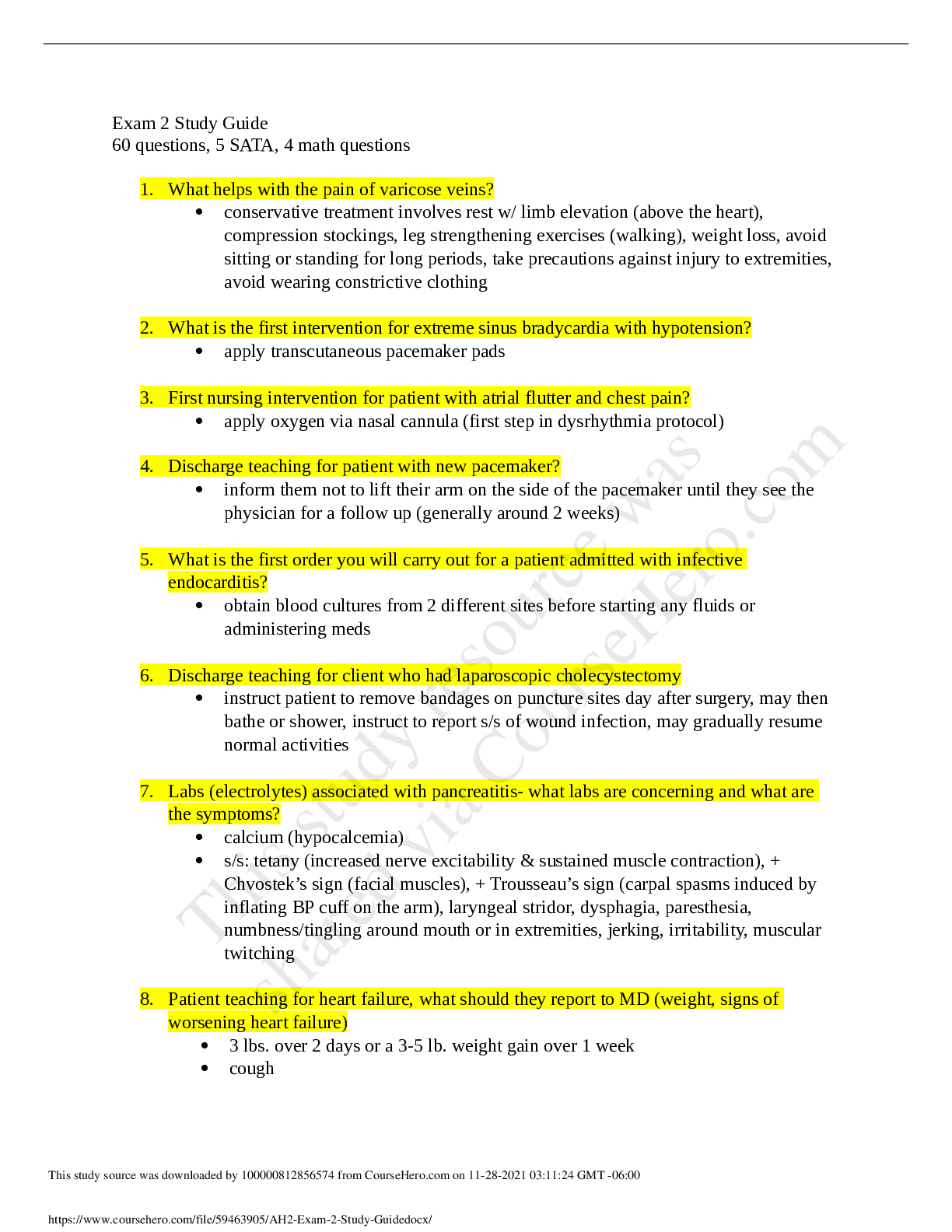
.png)


.png)
.png)