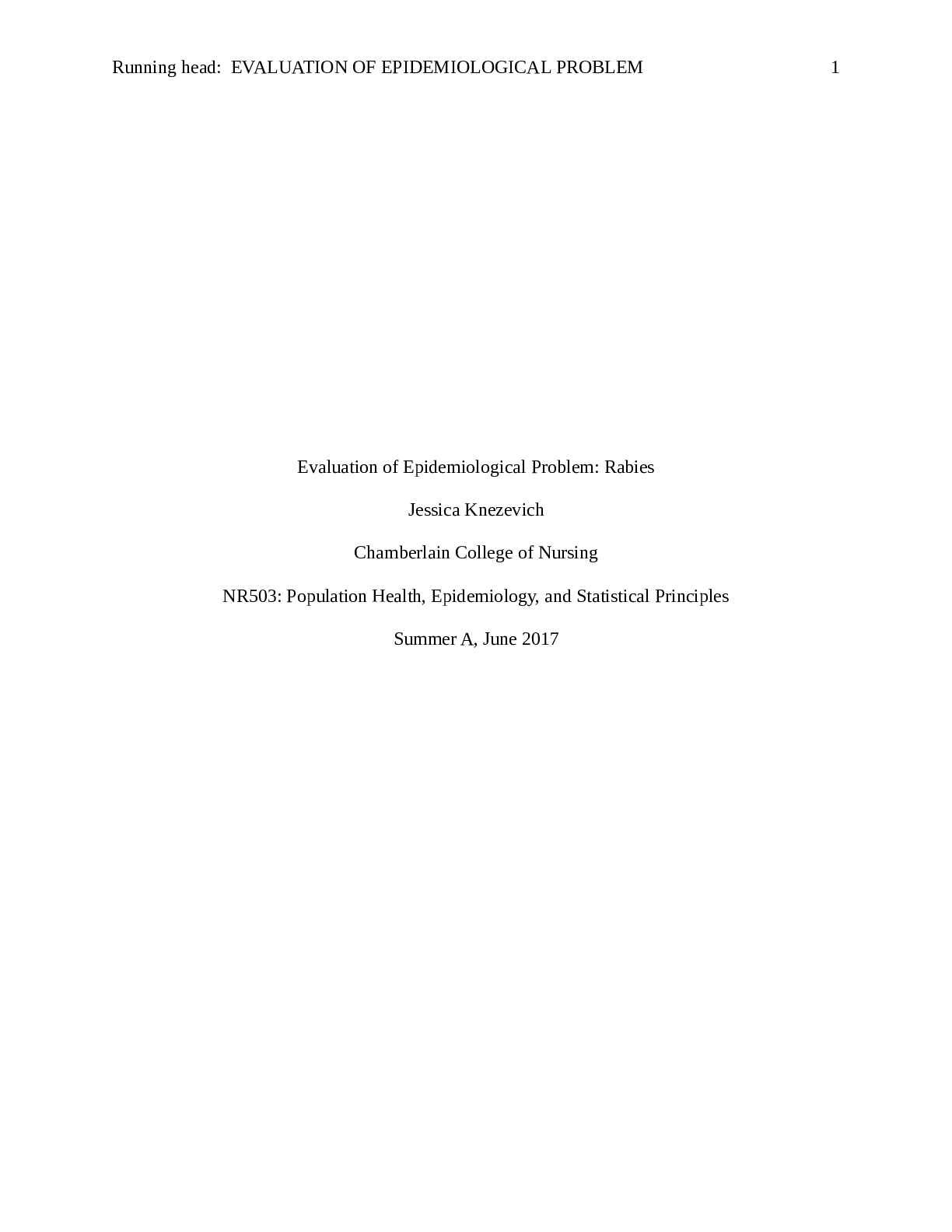
English > ESSAY > University of Illinois, Chicago - ENGL 161Final_Draft_WP_1_-_Annotated_Bibliography (All)
University of Illinois, Chicago - ENGL 161Final_Draft_WP_1_-_Annotated_Bibliography
Document Content and Description Below
Last updated: 3 years ago
Preview 1 out of 4 pages
Instant download
Buy this Document to get the Full Access Instantly
Provided by Students Who Aced it
We Verify Document Content to Gurantee Accuracy
Reviews( 0 )
Document information
Connected school, study & course
About the document
Uploaded On
Apr 10, 2021
Number of pages
4
Written in
All

Additional information
This document has been written for:
Uploaded
Apr 10, 2021
Downloads
0
Views
147
Topic Tags
Recommended For You
Get more on ESSAY » Block 1 to 7.png)
PPME Block 1-7 - Primary Professional Military Education (Enli...

Identifying the Problem and Asking the Question: Inquiries, In...

ATI TEAS 7 ENGLISH & LANGUAGE USAGE LATEST VERSION 37 QUESTION...

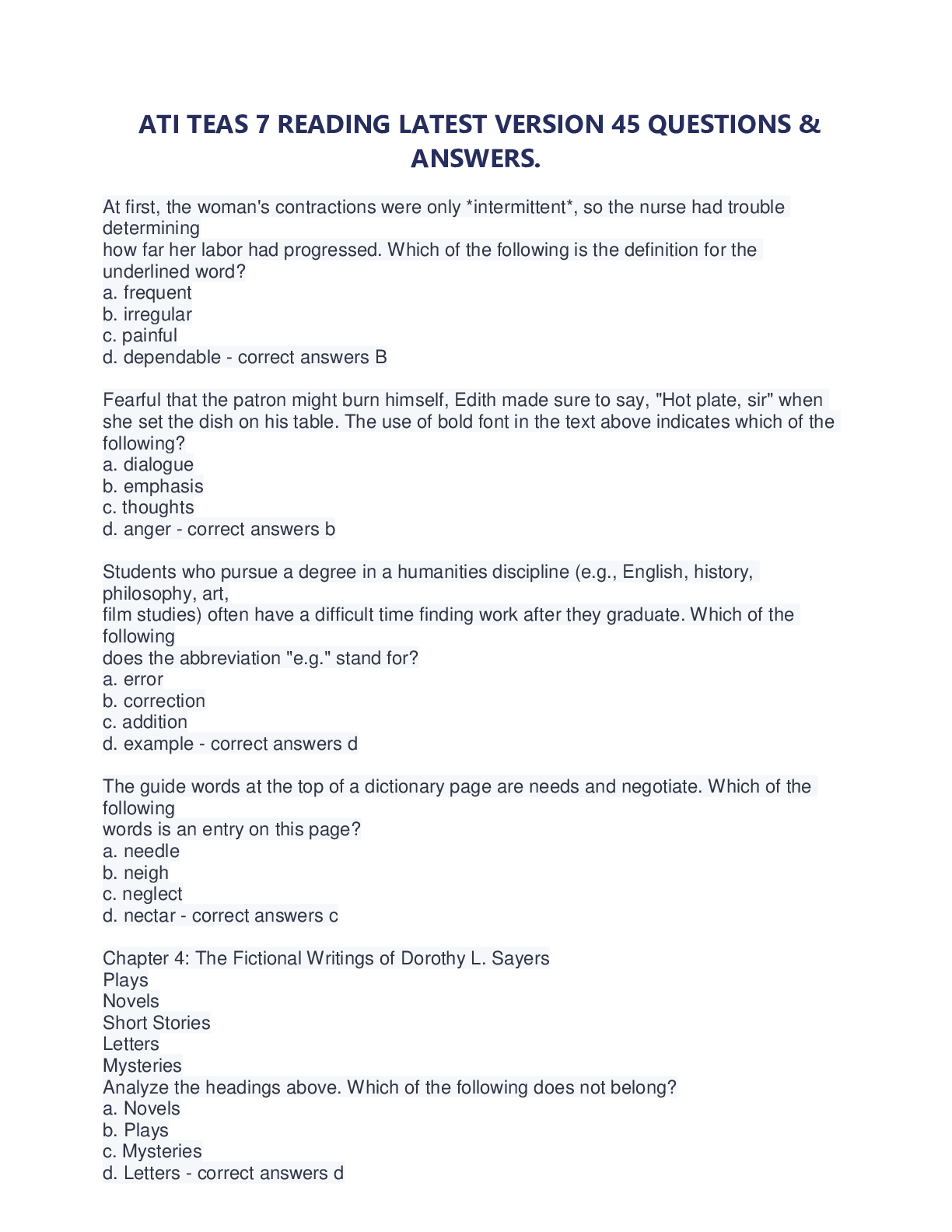
2023/2024 ATI TEAS 7 READING LATEST VERSION 45 QUESTIONS & ANS...
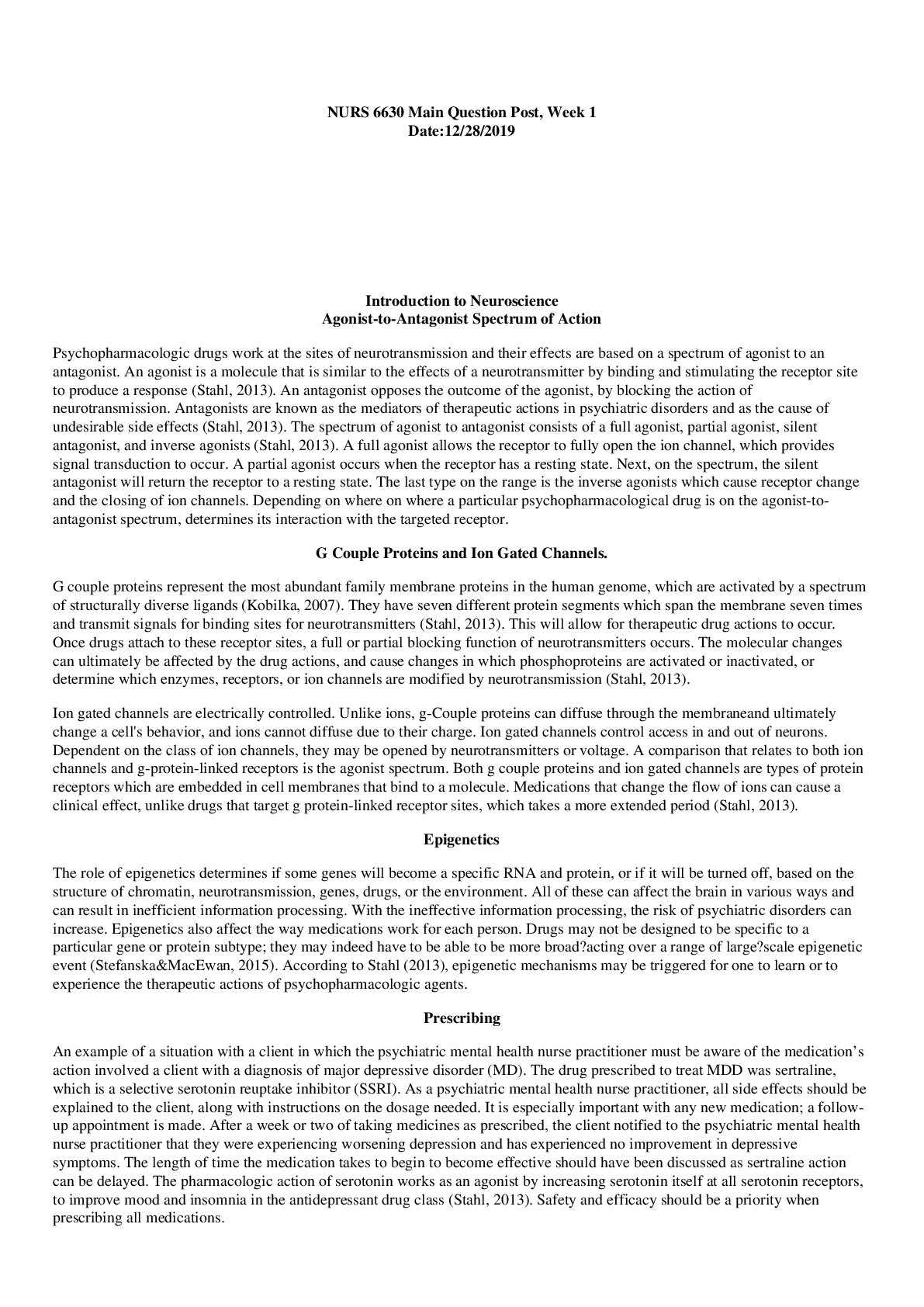


UWorld Pediatric Nursing, complete questions & answers (elabor...
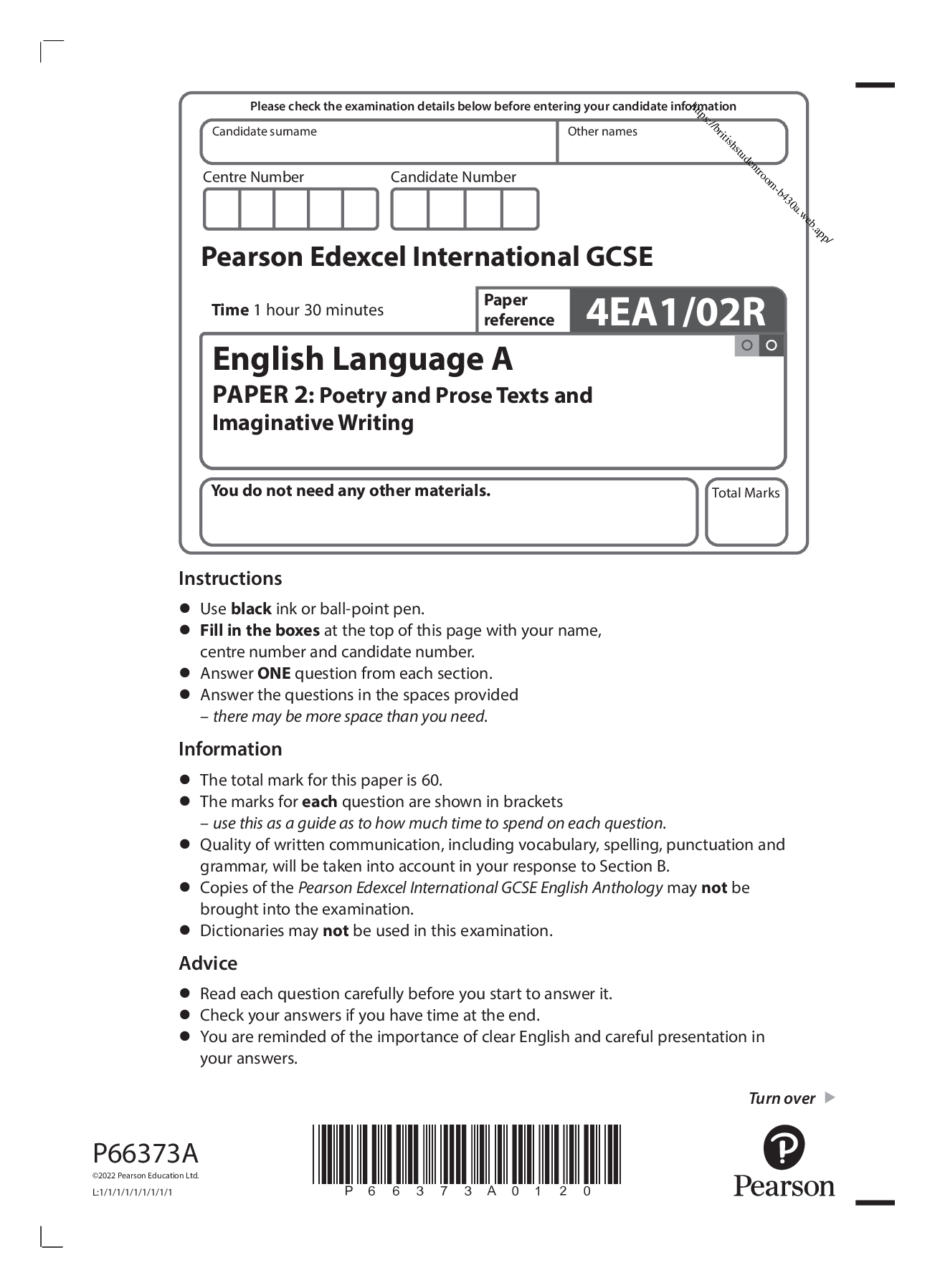
Pearson Edexcel International GCSE ||English Language A PAPER...

>_ A Level English Language H470/01: Exploring language || Que...
Pearson Edexcel International GCSE ||English Language A PAPER...

Pearson Edexcel International GCSE || English Language A PAPER...
Pearson Edexcel International GCSE || English Language A PAPER...
Pearson Edexcel International GCSE ||English Language A PAPER...
>_ A Level English Language H470/02: Dimensions of linguistic...