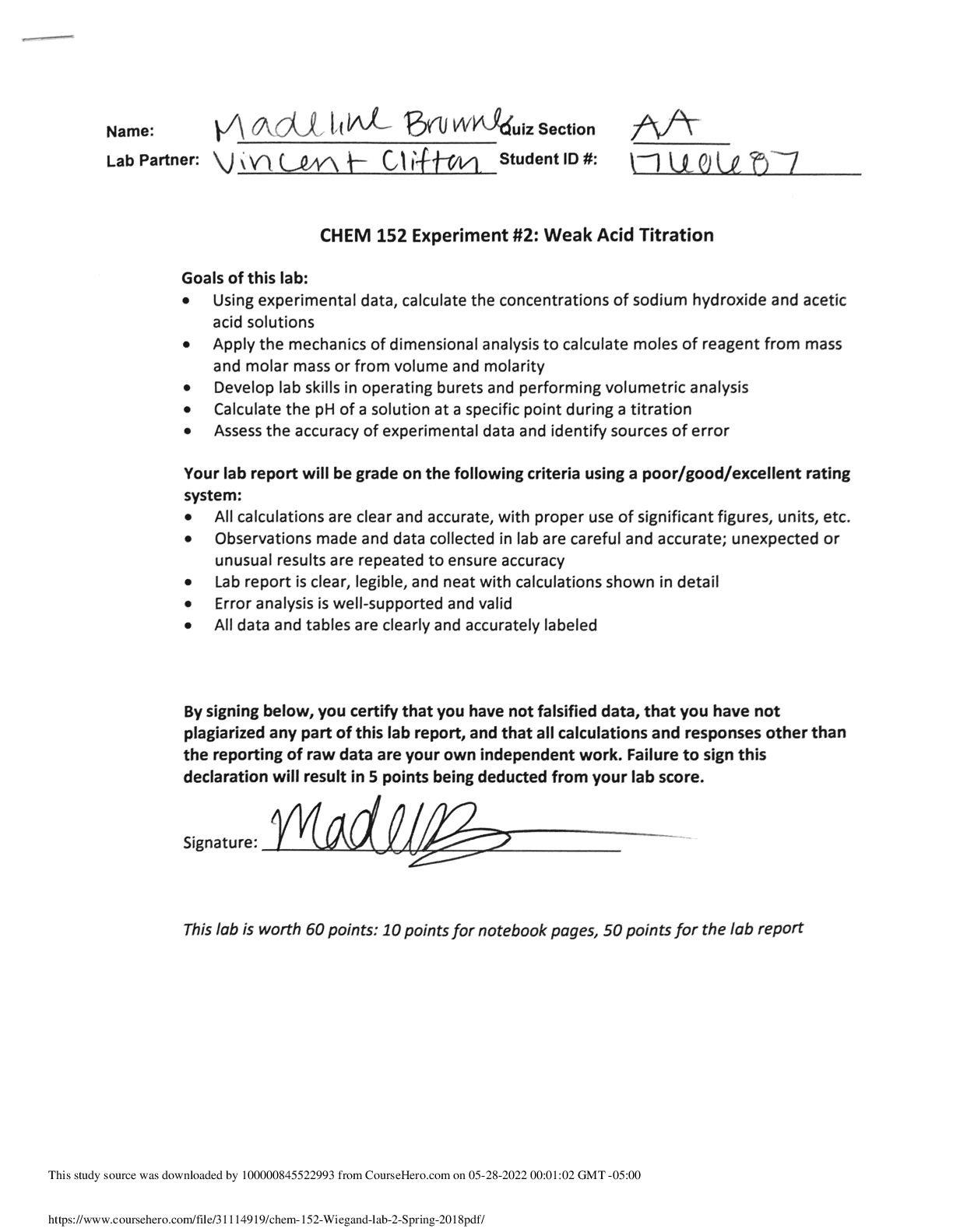
Chemistry > Lab Experiment > Relating the Temperature and Volume of a Gas (All)
Relating the Temperature and Volume of a Gas
Document Content and Description Below
Last updated: 6 months ago
Preview 1 out of 12 pages
Instant download

Buy this Document to get the Full Access Instantly
Provided by Students Who Aced it
We Verify Document Content to Gurantee Accuracy
Reviews( 0 )
Document information
Connected school, study & course
About the document
Uploaded On
Apr 15, 2021
Number of pages
12
Written in
All

Additional information
This document has been written for:
Uploaded
Apr 15, 2021
Downloads
1
Views
277
Topic Tags
Related Subjects & Courses
Explore similar study resources and related concepts.
Recommended For You
Get more on Lab Experiment »


Combining Objects at Different Temperatures Determining Heat G...

.png)
CHM 24100 - Handout #7: Experiment #7 Cathodic Hydrogen Format...
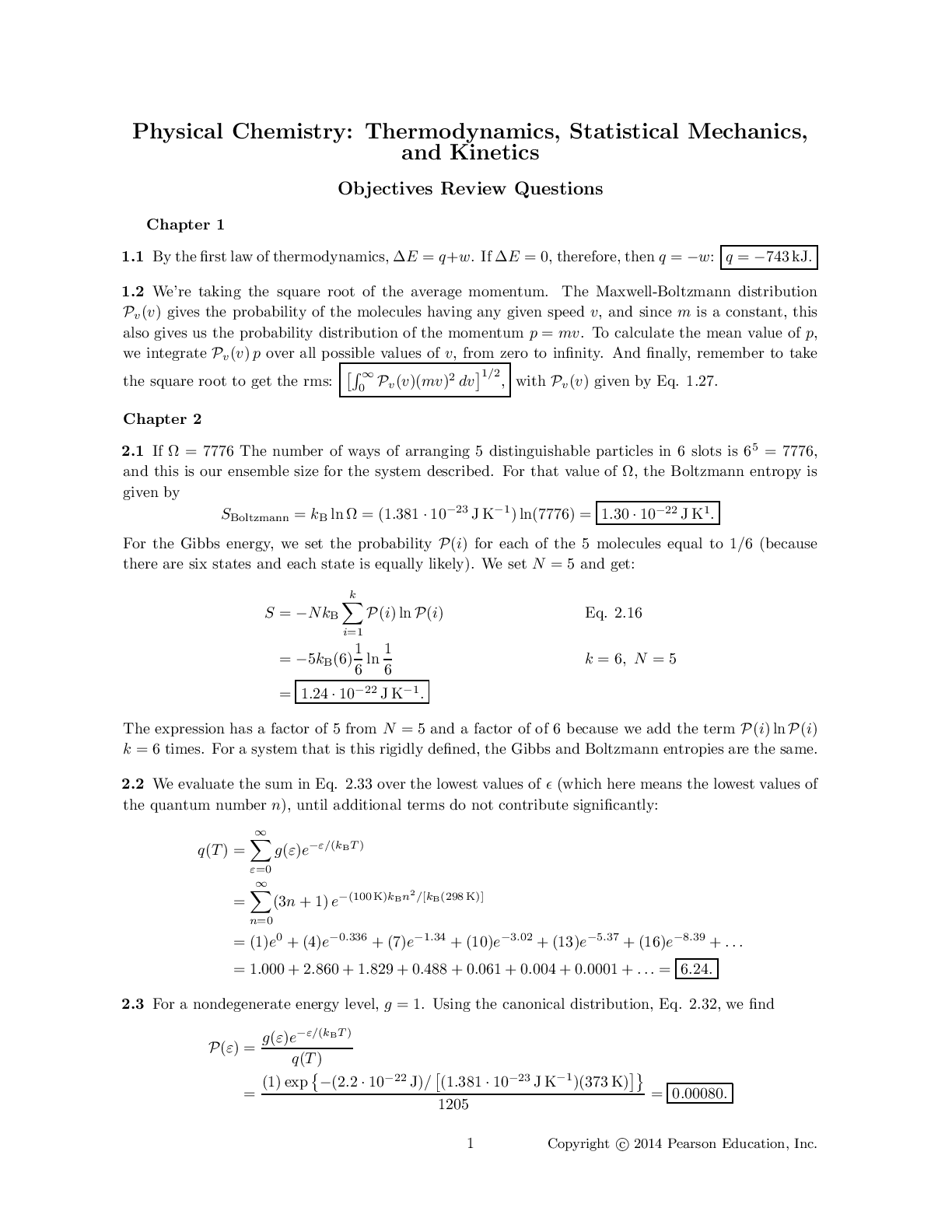
Physical Chemistry Thermodynamics Statistical Mechanics and Ki...
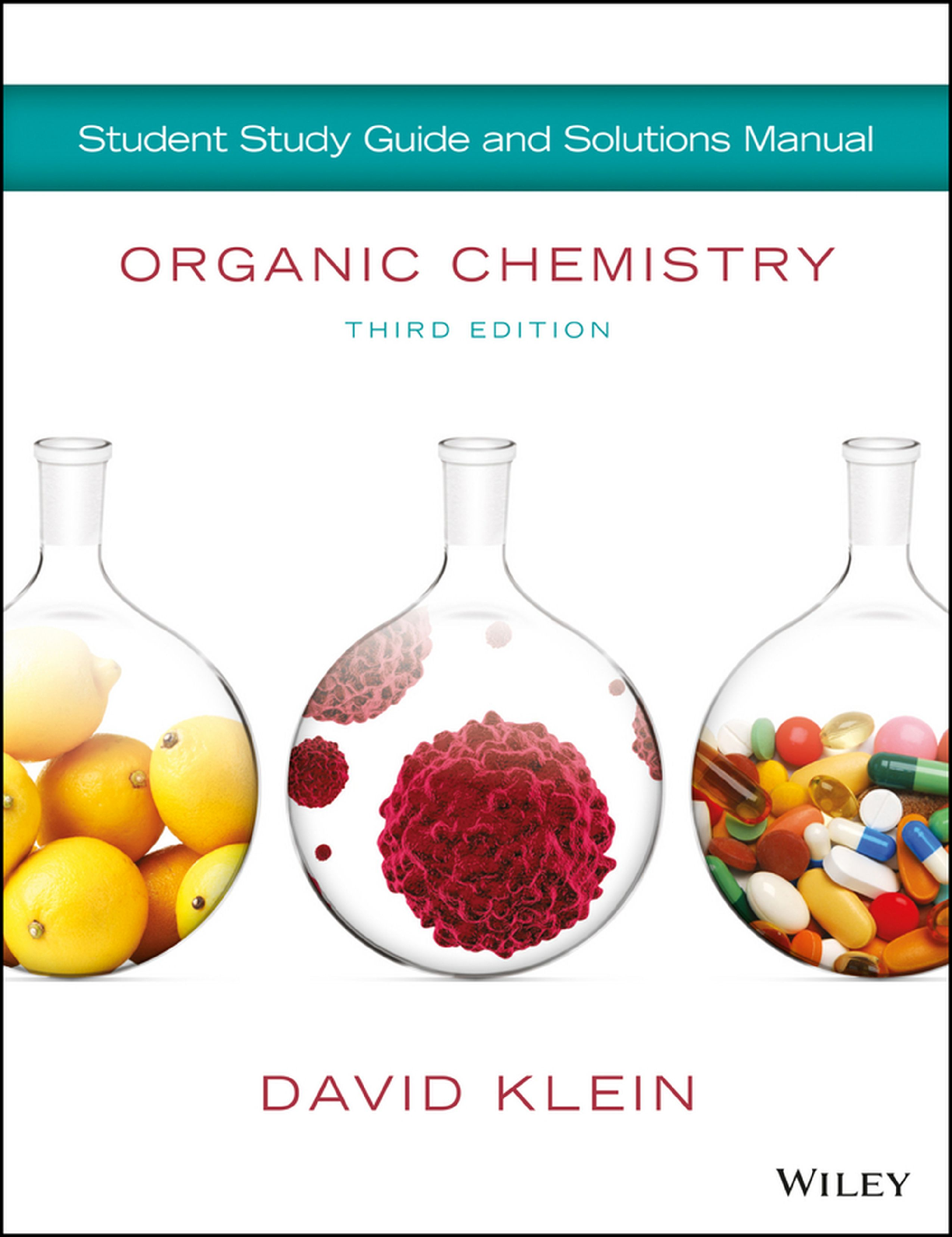
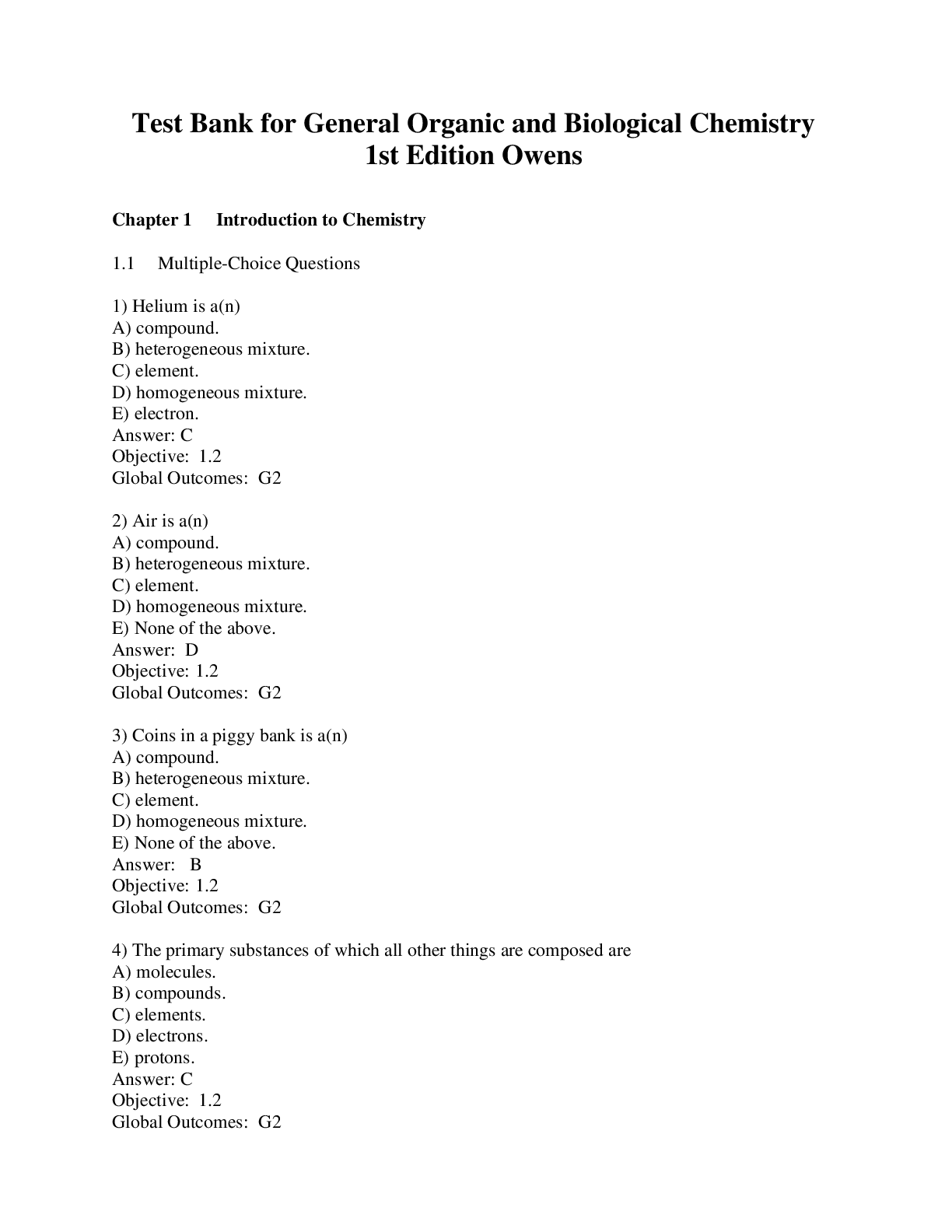
General Organic and Biological Chemistry 1st Edition by Kalyn...

Stoichiometry of Iron-Copper (II) Sulfate Redox Reaction Queen...
.png)
CHEMI 1105 Doll _Chem1105 Experiment 8: Oxidation-Reduction Ac...

CHM 111 Calorimetry Lab Sp16. Calorimetry experiments & resul...

Diffusion and Osmosis: EXPERIMENT 1. DIFFUSION THROUGH GELATIN...

Dehydration Synthesis Gizmo _ Student Exploration: Dehydration...


Lab Experiment > CHEMISTRY 11101 Lab Report#2: this lab was to...