NURS1460 complete study guide 2020 | NURS 1460 complete study guide 2020 - El Centro College
EXAM#1
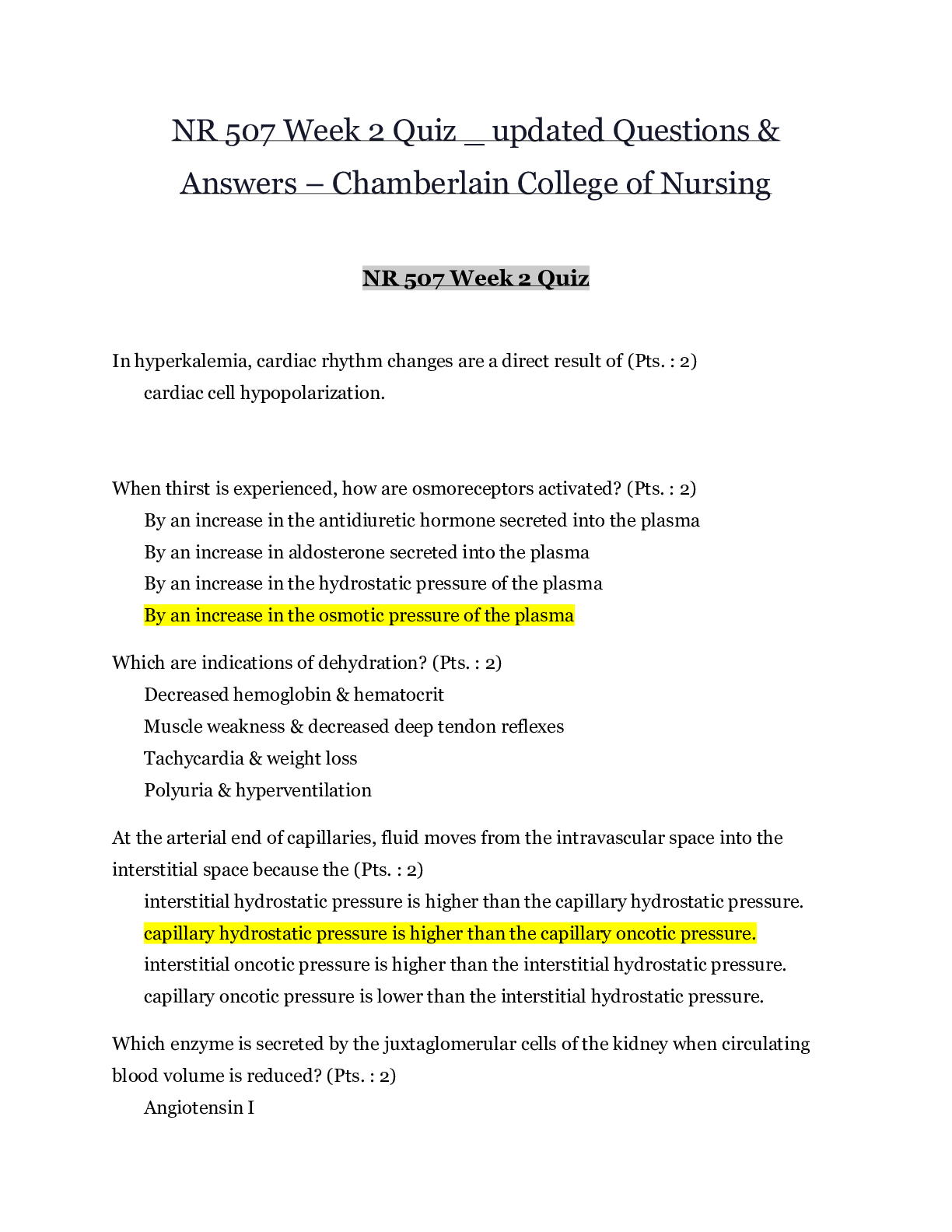
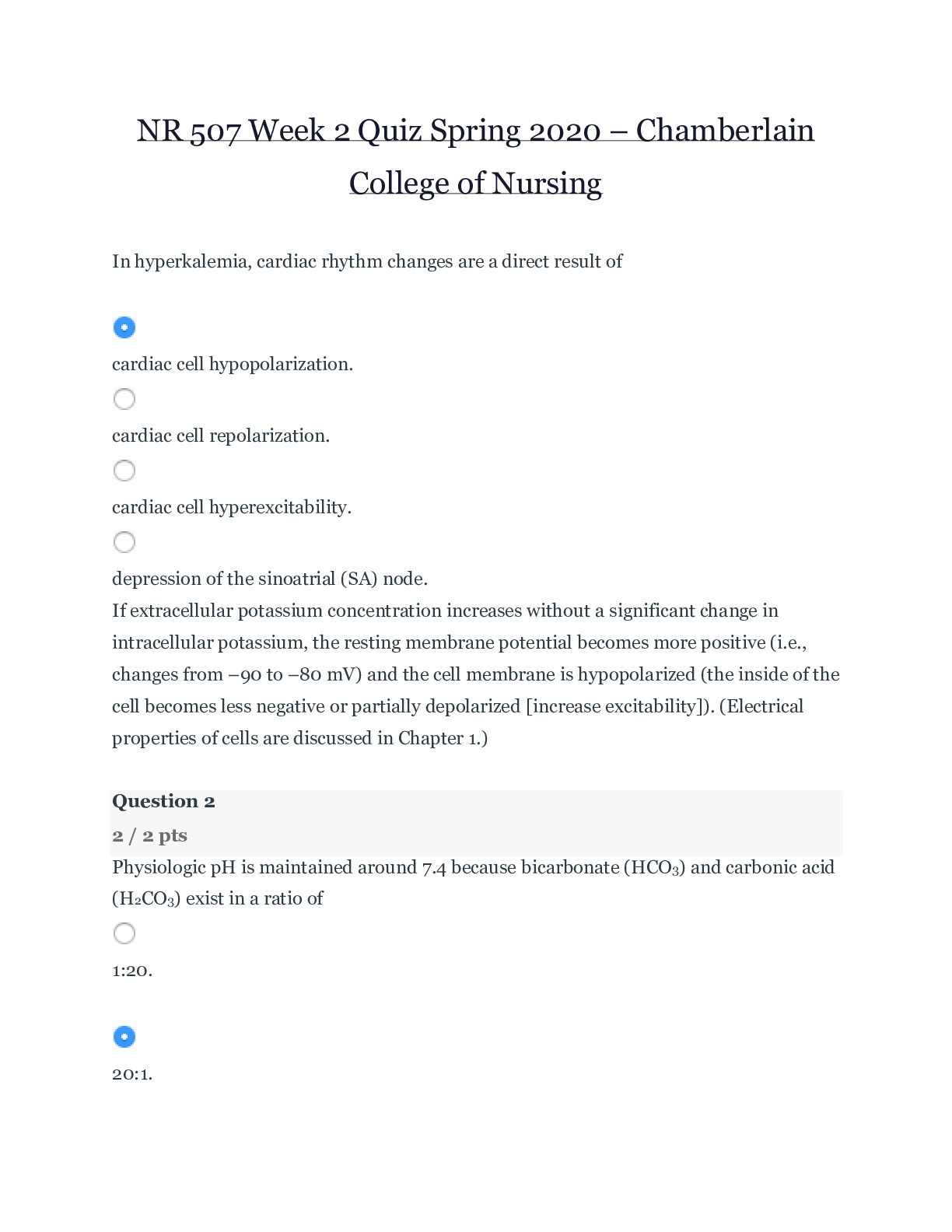
The nurse is caring for some clients with chronic anemia who are on blood transfusion
therapy. The nurse notices tha
...
NURS1460 complete study guide 2020 | NURS 1460 complete study guide 2020 - El Centro College
EXAM#1
The nurse is caring for some clients with chronic anemia who are on blood transfusion
therapy. The nurse notices that one of the clients requires immediate treatment. Which
client is the nurse addressing in this situation?
Client with itching
Client with flushing
Client with pruritus
Client with wheezing
The nurse observes that a client with sickle cell anemia and on a blood transfusion
regimen has cardiac dysrhythmias due to iron overdose toxicity. Which medication is
most beneficial to this client?
Deferasirox
Deferiprone
Deferoxamine
Ferrous gluconate
Which type of immune preparation, made from donated blood, contains antibodies that
provide passive immunity?
Toxoid
Killed vaccine
Live attenuated vaccine
Specific immune globin
Arrange the sequence of steps required to stimulate antibody-mediated immunity in its
correct sequence.
1. Exposure of antigen
2. Antigen recognition
3. Sensitization
4. Antibody production
5. Antigen eliminationWhich leukocytes should the nurse include when teaching about antibody-mediated
immunity? Select all that apply.
Monocyte
Memory Cell
Helper T cell
B-lymphocyte
Cytotoxic T cell
Which conditions result in humoral immunity? Select all that apply.
Tuberculosis
Atopic diseases
Bacterial infections
Anaphylactic shock
Contact dermatitis
Which type of immunity will clients acquire through immunizations with live or killed
vaccines?
Natural active immunity
Artificial active immunity
Natural passive immunity
Artificial passive immunity
Which type of allergic condition of the skin manifests in the client as delayed
hypersensitivity?
Urticaria
A drug reactionAtopic dermatitis
Allergic contact dermatitis
A nurse is caring for a client with pruritic lesions from an IgE-mediated hypersensitivity
reaction. Which mediator of injury is involved?
Histamine
Cytokine
Neutrophil
Macrophage
A client is admitted with systemic lupus erythematosus (SLE). The laboratory report
shows the presence of neutrophils and monocytes as mediators of injury. Which type of
hypersensitivity reaction most likely occurred in the client?
Type I
Type II
Type III
Type IV
A client presents with sneezing; lacrimation; swelling with an airway obstruction; and
pruritus around the eyes, nose, throat, and mouth. The nurse interprets these findings
as a Type I hypersensitivity reaction. Which disease might have occurred in the client?
Angioedema
Allergic rhinitis
Contact dermatitis
Good pasture syndromeA client has received ABO-incompatible blood from a donor by mistake. Which type of
hypersensitivity reaction will occur in the client?
Type I
Type II
Type III
Type IV
The nurse is caring for some clients with chronic anemia who are on blood transfusion
therapy. The nurse notices that one of the clients requires immediate treatment. Which
client is the nurse addressing in this situation?
Client with itching
Client with flushing
Client with pruritus
Client with wheezing
While caring for a client receiving blood transfusion care, the nurse notices that the
client is having an acute hemolytic reaction. What is the priority nursing intervention in
this situation?
Report to the primary healthcare provider
Stop the blood transfusion immediately
Recheck identifying tags and numbers on the client
Maintain a patent intravenous (IV) line with saline solution
The nurse is preparing a blood transfusion for a client with renal failure. Why does
anemia often complicate renal failure?
Increase in blood pressure
Decrease in erythropoietin
Increase in serum phosphate levels
Decrease in serum sodium concentrationAn elderly adult suffered an injury after falling down in the washroom. The primary
healthcare provider performed a surgical procedure on the client and orders a blood
transfusion. A family member of the client mentions that blood transfusions are not
permitted in their community. What should the nurse do in order to handle the situation?
The nurse should wait for the court’s order to give blood to the client.
The nurse should proceed with the transfusion in order to save the client’s life.
The nurse should inform the primary healthcare provider and not give blood to the
client.
The nurse should explain to the family member that the client needs this transfusion.
Ten minutes after the initiation of a blood transfusion, a client reports lumbar pain. What
is the next nursing action?
Obtain the vital signs.
Stop the transfusion.
Assess the pain further
Increase the flow of normal saline.
While receiving a blood transfusion, a client develops acute dyspnea, generalized
urticaria, a heart rate of 128, and a blood pressure of 70/38. What type of reaction does
the nurse conclude that the client probably is experiencing?
Panic
Hemolytic
Anaphylactic
Pyrogenic
During administration of a whole blood transfusion, the client begins to complain of
shortness of breath. The nurse notes the presence of jugular venous distension,
bibasilar crackles, and tachycardia. Prioritize the following nursing actions
1. Elevate the head of the bed to 45 degrees
2. Apply oxygen via nasal cannula
3. Reduce the flow rate of the transfusion
4. Administer furosemide (Lasix) per provider prescription
5. Document findings in the client recordA prescribed blood transfusion of packed red blood cells was started five minutes ago. Now the client is
complaining of chest pain, flank pain, difficulty breathing, and chills. The blood pressure has dropped
from 140/88 to 110/60 mm Hg, temperature is 100.8° F (38.2° C), and the client seems less alert. What
should the nurse suspect?
Urticarial reaction
Hemolytic reaction
Circulatory overload
Anaphylactic reaction
A client who is about to have a blood transfusion asks the nurse, "Which type of hepatitis is most
frequently transmitted thru food?" The nurse should respond, "The type of hepatitis associated with
food is hepatitis:
A B C D Th
e nurse is teaching a client who is prescribed iron supplements for iron-deficiency anemia. Which food
should the nurse encourage the patient to take to enhance absorption of iron?
Cereal
Spinach
Whole milk
Orange Juice
A nurse is assessing a client with a diagnosis of kidney failure for clinical indicators of metabolic acidosis.
What should the nurse conclude is the reason metabolic acidosis develops with kidney failure?
Inability of the renal tubules to secrete hydrogen ions and conserve bicarbonate
Depressed respiratory rate due to metabolic wastes, causing carbon dioxide retention
Inability of the renal tubules to reabsorb water to dilute the acid contents of blood
Impaired glomerular filtration, causing retention of sodium and metabolic waste productsOn admission to the intensive care unit, a client is diagnosed with compensated metabolic acidosis.
During the assessment, what is the nurse most likely to identify?
Muscle twitching
Mental instability
Deep and rapid respirations
Tachycardia and cardiac dysrhythmias
Which blood gas result should the nurse expect a client with diabetic ketoacidosis to exhibit?
pH 7.35, CO2 47 mm Hg, HCO3- 24 mEq/L (24 mmol/L)
pH 7.30, CO2 40 mm Hg, HCO3- 20 mEq/L (20 mmol/L)
pH 7.46, CO2 30 mm Hg, HCO3- 24 mEq/L (24 mmol/L)
pH 7.50, CO2 50 mm Hg, HCO3- 22 mEq/L (22 mmol/L)
A client on diuretic therapy developed metabolic alkalosis. What does the nurse consider to be the
priority nursing care while correcting alkalosis?
Montitoring electrolytes
Preventing falls
Giving antiemetics
Adjusting diuretic therapy
A client develops respiratory alkalosis. When the nurse is reviewing the laboratory results, which finding
is consistent with respiratory alkalosis?
An elevated pH, elevated PCO2
A decreased pH, elevated PCO2
An elevated pH, decreased PCO2
A decreased pH, decreased PCO2A client presents with gastric pain, vomiting, dehydration, weakness, lethargy, and shallow respirations.
Laboratory results indicate metabolic alkalosis. The diagnosis of gastric ulcer has been made. What is the
primary nursing concern?
Chronic pain
Risk for injury
Electrolyte imbalance
Inadequate gas exchange
Which medication requires the nurse to monitor the client for signs of hyperkalemia?
Furosemide
Spironolactone
Metolazone
Hydrochlorothiazide
Which hormone synthesis does the nurse state is inhibited by hypokalemia?
Aldosterone
Norepinehrine
Somatostatin
Androstenedione
Findings on a client's cardiac monitor indicate a need for an intravenous infusion that contains
potassium for a client with hypokalemia. The nurse concludes that what finding on the monitor
indicated a need for potassium replacement?
Elevation of the ST segment
Lowering of the T wave
Shortening of the QRS complex
Increased deflection of the Q waveA client is admitted to the hospital with a diagnosis of dehydration and hypokalemia. Which
statement/intervention is most accurate when administering potassium chloride intravenously to this
client with hypokalemia?
Rapid infusion of potassium prevents burning at the IV site.
Oliguria is an indication for withholding intravenous (IV) potassium
Clients with severe deficits should be given IV push potassium.
Average IV dosage of potassium should not exceed 60 mEq in one hour.
A client reports nausea, vomiting, and seeing a yellow light around objects. A diagnosis of hypokalemia
is made. Upon a review of the client's prescribed medication list, the nurse determines that what is the
likely cause of the clinical findings?
Furosemide (Lasix)
Propranolol (Inderal)
Digoxin (Lanoxin)
Spironolactone (Aldactone)
Which assessment finding in a client signifies a mild form of hypocalcemia?
Seizures
Hand spasms
Numbness around the mouth
Severe muscle cramps
A registered nurse is teaching a student nurse regarding the interventions for a client with human
immunodeficiency virus (HIV) infection. Which statement by the student nurse indicates the nurse needs
to follow up?
“I will ask the client to avoid exposure to new infectious agents."
"I will ask the client about intake of vitamins and micronutrients."
"I will ask the client to avoid involvement in community activities."
"I will ask the client if he or she is up to date with recommended vaccines."The laboratory report of a client reveals the presence of 350 cells/mm3 (350 cells/uL) of CD4+ T-cell
count. According to the Centers for Disease Control and Prevention (CDC), which stage of human
immunodeficiency virus (HIV) disease is present in the client?
STAGE 1
STAGE 2
STAGE 3
STAGE 4
The nurse is taking care of four clients with human immunodeficiency virus (HIV) infections. Which
client’s condition should the nurse report to the primary healthcare provider within 24 hours after
observation?
Client A
Client B
Client C
Client DA nurse is educating a client with human immunodeficiency virus (HIV) about self-management. Which
suggestion by the nurse benefits the client?
"Limit your daily fluid intake
"Rinse your mouth with normal saline after every meal."
"Eat more roughage."
"Maintain a 4-to-5-hour gap in between meals."
The registered nurse instructs the nursing student about caring for a hospitalized client with a human
immunodeficiency (HIV) infection. Which action made by the nursing student indicates effective
learning?
Keeping fresh flowers in the client’s room
Encouraging the client to eat fresh fruits and vegetables
Keeping a dedicated disposable glove box in the client’s room
Changing gauze-containing wound dressings every other day
Which is the most common opportunistic infection in a client infected with human immunodeficiency
virus (HIV)?
Pneumocystis jiroveci pneumonia
Oropharyngeal candidiasis
Cryptosporidiosis
Toxoplasmosis encephalitis
A circulating nurse in the operating room learns of being HIV positive. What should this nurse do
regarding participation in exposure-prone procedures?
Adhere to standard precautions at all times
Avoid handling equipment used in direct client care
Discuss procedures that can be performed with a review panelDisinfect all equipment used for non-invasive procedures
A client comes to the clinic for a physical and asks to be tested for acquired immune deficiency
syndrome (AIDS). Which test should the nurse explain will be used for the initial screening for human
immunodeficiency virus (HIV)?
CD4 T cell count
Western blot test
Enzyme-linked immunosorbent assay (ELISA)
Polymerase chain reaction test
The nurse is caring for a client with the following arterial blood gas (ABG) values: PO2 89 mm Hg, PCO2
35 mm Hg, and pH of 7.37. These findings indicate that the client is experiencing which condition?
Respiratory alkalosis
Normal acid-base balance
Poor oxygen perfusion
Compensated metabolic acidosis
When monitoring fluids and electrolytes, the nurse recalls that the major cation-regulating intracellular
osmolarity is what?
Potassium
Sodium
Calcium
Calcitonin
The nurse is preparing to insert an intravenous catheter in a thin, emaciated patient who is scheduled to
begin intravenous fluid therapy. Which interventions should the nurse follow to provide high-quality
care? Select all that apply.
Insert an 18-guage IV catheter
Change the intravenous line every 7 days
Flush the intravenous line with normal saline
Insert the intravenous catheter in the patient’s femurStop the insertion procedure when there is a break in technique
A nurse is caring for an elderly client with dementia who has developed dehydration as a result of
vomiting and diarrhea. Which assessment best reflects the fluid balance of this client?
Skin turgor
Intake and output results
Client’s report about fluid intake
Blood lab results
A nurse is preparing to administer an intravenous piggyback medication to a client who is receiving a
continuous infusion of intravenous (IV) fluids. What is the priority nursing intervention?
Get an additional IV infusion pump for the medication
Check the compatibility of the medication and the continuous IV solution
Disconnect the continuous IV solution while giving the piggyback medication
Flush the client’s access device to ensure patency
A client admitted with dehydration is prescribed a bolus infusion of 0.9% sodium chloride(normal saline)
500 ml. IV for 1 hour. An infusion device is available that counts the number of drops per minute
delivered. The IV tubing has a drop factor of 10 drops/ml. If the bolus is to infuse on time, the nurse
should set the drip rate to ---------- drops per minute. Record your answer, rounding to the nearest
whole number.
83
A client presents to emergency department following a motor cycle accident. The client is in
hypovolemic shock. The healthcare provider has ordered plasma expansion. What blood product should
the nurse anticipate that the client will receive?
Packed RBCs
Platelets
Albumin
CryoprecipitateA nurse has received a report on a client being admitted with anemia who requires a blood transfusion.
The nurse will anticipate which assessment findings? Select all that apply.
Tachycardia
Hypertension
Headache
Diaphoresis
Bounding Peripheral pulses
QUIZ#1
What is a nursing priority to prevent complications in clients with respiratory acidosis?
Assessing the nail beds
Listening to breath sounds
Monitoring breathing status
Checking muscle contractions
The nurse is assessing a client's arterial blood gases and determines that the client is in compensated
respiratory acidosis. The pH value is 7.34; which other result helped the nurse reach this conclusion?
PO2 value is 80 mm Hg
PCO2 value is 60 mm Hg
HCO3 value is 50 mEq/L (50 mmol/L)
Serum potassium level is 4 mEq/L
A client is admitted to the hospital with a diagnosis of restrictive airway disease. The nurse expects the
client to exhibit which early signs of respiratory acidosis? Select all that apply.
HeadacheIrritability
Restlessness
Hypertension
Lightheadedness
A client with a history of emphysema is admitted with a diagnosis of acute respiratory failure with
respiratory acidosis. Oxygen is being administered at 3 L/min nasal cannula. Four hours after admission,
the client has increased restlessness and confusion followed by a decreased respiratory rate and
lethargy. What should the nurse do?
Question the client about the confusion
Change the method of oxygen therapy
Percuss and vibrate the client’s chest wall
Discontinue or decrease the oxygen flow rate
To determine the presence of respiratory alkalosis in a client, what should the nurse evaluate for?
A change in the respiratory
A tingling sensation in the hands
Periodic changes in heart rate
A pulse oximetry reading of less than 98%
A client develops respiratory alkalosis. When the nurse is reviewing the laboratory results, which finding
is consistent with respiratory alkalosis?
An elevated pH, elevated PCO2
A decreased pH, elevated PCO2
An elevated pH, decreased PCO2
A decreased pH, decreased PCO2A client is admitted with metabolic acidosis. The nurse considers that two body systems interact with
the bicarbonate buffer system to preserve healthy body fluid pH. What two body systems should the
nurse assess for compensatory changes?
Skeletal and nervous
Circulatory and urinary
Respiratory and urinary
Muscular and endocrine
A nurse is assessing a client with a diagnosis of kidney failure for clinical indicators of metabolic acidosis.
What should the nurse conclude is the reason metabolic acidosis develops with kidney failure?
Depressed respiratory rate due to metabolic wastes, causing carbon dioxide retention
Inability of the renal tubules to secrete hydrogen ions and conserve bicarbonate
Inability of the renal tubules to reabsorb water to dilute the acid contents of blood
Impaired glomerular filtration, causing retention of sodium and metabolic waste products
On admission to the intensive care unit, a client is diagnosed with compensated metabolic acidosis.
During the assessment, what is the nurse most likely to identify?
Muscle twitching
Mental instability
Deep and rapid respirations
Tachycardia and cardiac dysrhythmias
Which type of immune preparation, made from donated blood, contains antibodies that provide passive
immunity?Toxoid
Killed Vaccine
Live attenuated vaccine
Specific immune globin
A client who was exposed to hepatitis A asks why an injection of gamma globulin is needed. Before
responding, what should the nurse consider about how gamma globulin provides passive immunity?
It increases production of short-lived antibodies
It accelerates antigen-antibody union at the hepatic sites.
The lymphatic system is stimulated to produce antibodies
The antigen is neutralized by the antibodies that it supplies.
What action describes artificial active immunity?
Antibodies are passed from one person to another
Antibodies against an antigen are made naturally in the body
Antibodies are made after an antigen is injected into the body
Antibodies are transferred into the body after being made in another body or animal
On initial assessment of an older patient, the nurse knows to look for certain types of diseases because
which immunologic response increases with age?
Autoimmune response
Hypersensitivity response
Cell-mediated response
Humoral immune response
A healthy 65-year-old man who lives at home is at the clinic requesting a "flu shot." When assessing the
patient, what other vaccinations should the nurse ask the patient about receiving (select all that apply)?
Shingles
PneumoniaMeningococcal
Measles, mumps, and rubella (MMR)
Haemophilus influenzae type b (Hib)
The patient with an allergy to bee stings was just stung by a bee. After administering oxygen, removing
the stinger, and administering epinephrine, the nurse notices the patient is hypotensive. What should be
the nurse's first action?
Administer IV diphenhydramine (Benadryl).
Administer nitroprusside as soon as possible
Anticipate tracheostomy with laryngeal edema
Place the patient recumbent and elevate the legs.
Which statement by the patient who has had an organ transplant would indicate that the patient
understands the teaching about the immunosuppressive medications?
Taking more than one medication will put me at risk for developing allergies."
"The lower doses of my medications can prevent rejection and minimize the side effects."
I will be more prone to malignancies because I will be taking more than one drug."
My drug dosages will be lower because the medications enhance each other."
Ten days after receiving a bone marrow transplant, a patient develops a skin rash on his palms and
soles, jaundice, and diarrhea. What is the most likely etiology of these clinical manifestations?
Cells in the transplanted bone marrow are attacking the host tissue
An atopic reaction is causing the patient's symptoms
The patient is experiencing a type I allergic reaction
The patient is experiencing rejection of the bone marrow
The patient with diabetes mellitus has been ill for some time with a severe lung infection needing
corticosteroids and antibiotics. The patient does not feel like eating. The nurse understands that this
patient is likely to develop.
Secondary immunodeficiencyPrimary immunodeficiency
Acute hypersensitivity reaction
Major histoincompatibility
When caring for a patient with a known latex allergy, the nurse would monitor the patient closely for a
cross-sensitivity to which foods (select all that apply)?
Grapes
Oranges
Bananas
Potatoes
Tomatoes
A 21-year-old student had taken amoxicillin once as a child for an ear infection. She is given an injection
of Penicillin V and develops a systemic anaphylactic reaction. What manifestations would be seen first?
Dyspnea
Dilated pupils
Itching and edema
Wheal-and-flare reaction
You are caring for a patient receiving calcium carbonate for the treatment of osteopenia. Which serum
laboratory result would you identify as an adverse effect related to this therapy?
Sodium falling to 138 mEq/L
Potassium rising to 4.1 mEq/L
Phosphorus falling to 2.1 mg/dL
Magnesium rising to 2.9 mg/d
While caring for a patient with metastatic bone cancer, which clinical manifestations would alert the
nurse to the possibility of hypercalcemia in this patient?
WeaknessParesthesias
Facial spasms
Muscle tremors
You are caring for a patient admitted with diabetes mellitus, malnutrition, and massive GI bleed. In
analyzing the morning lab results, the nurse understands that a potassium level of 5.5 mEq/L could be
caused by which factors in this patient (select all that apply)?
The potassium level may be increased if the patient has renal nephropathy.
There may be excess potassium being released into the blood as a result of massive transfusion of
stored hemolyzed blood.
The patient has been overeating raisins, baked beans, and salt substitute that increase the potassium
level.
The potassium level may be increased as a result of dehydration that accompanies high blood glucose
levels.
The patient may be excreting extra sodium and retaining potassium because of malnutrition.
You are caring for a patient admitted with heart failure. The morning laboratory results reveal a serum
potassium level of 2.9 mEq/L. Which classification of medications should you withhold until consulting
with the physician?
Loop diuretics
Bronchodilators
Antibiotics
Antihypertensives
The patient has chronic kidney disease and is admitted with loss of deep tendon reflexes, somnolence,
and altered respiratory status. What treatment should the nurse expect for this patient?
IV Furosemide (Lasix)
Renal dialysis
IV potassium chlorideIV normal saline at 250 mL per hour
You are caring for a patient receiving D5W at a rate of 125 mL/hr. During the 4:00 PM assessment of the
patient, you determine that 500 mL is left in the present IV bag. In how many hours should the nurse
anticipate hanging the next bag of D5W? __________ hours
4 Y
ou are caring for an older patient who is receiving IV fluids postoperatively. During the 8:00 AM
assessment of this patient, you note that the IV solution, which was ordered to infuse at 125 mL/hr, has
infused 950 mL since it was hung at 4:00 AM. What is the priority nursing intervention?
Slow the rate to keep vein open until next bag is due at noon
Listen to the patient’s lung sounds and assess respiratory status
Obtain a new bag of IV solution to maintain patency of the site
Notify the physician and complete an incident report
OUIZ #2
A client with acquired immunodeficiency syndrome (AIDS) and Cryptococcal pneumonia frequently is
incontinent of feces and urine and produces copious sputum. When giving this client a bath, which
protective equipment should the nursemake it a priority to use? Select all that apply.
Goggles
Surgical Mask
Gown
Shoes covers
N95 mask
Gloves
The nurse finds that a client becomes dyspneic during activities of daily living, such as showering and
dressing. The client can walk for more than a city block but at his or her own pace and cannot keep up
with others. Which class of dyspnea describes this client?
Class III
Class IIClass IV
Class I
Which chest examination findings can be observed in a client with pneumonia?
Absent sounds on auscultation
Prolonged expiration on inspection
Hyperresonance on percussion
Increased fremitus over affected area on palpation
Which client would the nurse consider to have the highest risk of pneumonia?
Client 1
Client 2
Client 3Client 4
The nurse suspects pneumonia in a client who underwent placement of an epistaxis catheter
due to posterior nasal bleeding. Which activity of the client might have led to this condition?
Using drugs such as aspirin
Applying excess petroleum jelly to the nares
Using nasal saline sprays
Blowing the nose vigorously
The nurse is using the CURB-65 scale in the assessment of four clients with manifestations of
pneumonia. Which client requires immediate admission to the intensive care unit?
Client 1
Client 2
Client 3
Client 4A client is hospitalized with pneumococcal pneumonia. Which drug will the nurse most likely administer?
Penicillin G
Vancomycin
Meropenem
Ceftriaxone
The nurse is caring for a client on antiretroviral therapy who has Pneumocystis jiroveci pneumonia.
Which action is priority?
Maintaining fluid balance in the client
Encouraging the client to perform breathing exercises
Providing adequate oxygenation for the client
Assisting the client in eating and drinking
The nurse is evaluating the actions of a client with pneumonia performing incentive spirometry. Which
action by the client indicates a need for correction?
Inhaling air fully before inserting the mouthpiece
Performing 10 breaths per session every hour
Taking a long slow, deep breath keeping the mouthpiece in place
Recording the volume of the air inspired
Levofloxacin 750 mg intravenous piggyback (IVPB) is prescribed for a client with
pneumonia. The dose is available in 150 mL of 5% dextrose and is to infuse over 90
minutes. The administration set has a drop factor of 15 drops per mL. At how many
drops per minute should the nurse regulate the IVPB to infuse? Record your answer
using a whole number. ___ gtt/minute25
A client with a history of parkinsonism recently developed rigidity, tremors, and signs of
pneumonia. The client is hospitalized for treatment. What should the nursing plan of
care include?
Active range-of-motion exercises at least every four hours
Isometric exercises every two hours while awake
Gait training in the physical therapy department daily
Passive range-of motion exercises at least every eight hours
When caring for a client with pneumonia, which nursing intervention is the highest
priority?
Employ breathing exercises and controlled coughing
increase fluid intake
maintain a NPO status
Ambulate as much as possible
A client with a history of coronary artery disease is admitted with pneumonia. The
healthcare provider prescribes atenolol. What should the nurse monitor to determine the
therapeutic effect of atenolol?
Temperature
Respirations
Heart rate
Pulse oximetry
A client with emphysema is admitted to the hospital with pneumonia. On the third
hospital day, the client complains of a sharp pain on the right side of the chest. The
nurse suspects a pneumothorax. What breath sound is most likely to be present when
the nurse assesses the client's right side?Adventitious sounds
Wheezing
Decreased sounds
Crackling
A client with bronchial pneumonia is having difficulty maintaining airway clearance
because of retained secretions. To decrease the amount of secretions retained, what
should the nurse do?
Increase fluid intake to at least 2L per day
Place the client in a high-Fowler position
Administer continuous O2
Instruct the client to gargle deep in the throat using warmed normal saline
A Patient who is scheduled for open-heart surgery ask why he will be getting chest
tubes after surgery. What should the nurse consider before responding in language that
the patient will understand?
Chest tubes increase tidal volume
Chest tubes facilitate drainage of air and fluid
Chest tubes regulate pressure on the pericardium and chest wall
Chest tubes maintain positive intrapleural pressure
A client who sustained trauma to the chest as a result of an injury has chest tubes
inserted and is attached to a closed chest drainage system. When caring for this client,
what should the nurse do?
Clamp the chest tubes when suctioning the patientPalpate the area around the tubes for crepitus
Change the clients dressing daily using aseptic technique
Empty the drainage chamber at the end of the shift
A nurse is caring for a client who has chest tubes inserted to treat a hemothorax that
resulted from a crushing chest injury. While planning care for a stationary chest tube
drainage system, which purpose of the first chamber will the nurse consider?
Sustain a continuance of the water seal
Ensure adequate suction
Collect drainage
Maintain negative pressure
During the first 36 hours after the insertion of chest tubes, when assessing the function
of a three-chamber, closed-chest drainage system, the nurse identifies that the water in
the underwater seal tube is not fluctuating. What initial action should the nurse take?
Turn the client to the unaffected side
Check the tube to ensure that it is not kinked
Take the client’s vital signs
Inform the healthcare provider
A client is shot in the chest during a holdup and is transported to the hospital via
ambulance. In the emergency department, chest tubes are inserted, one in the second
intercostal space and one at the base of the lung. What does the nurse expect the tube
in the second intercostal space to accomplish?
Permit the development of positive pressure between the layers of the pleuraRemove the air that is present in the intrapleural space
Drain serosanguineous fluid from the intrapleural compartment
Provide access for the installation of medication into the pleural space
Nurse finds the respiratory rate is 8 breaths per minute in a client who is on intravenous
morphine sulfate. What should the nurse do immediately in this situation?
Stop giving the medication
Elevate the head of the client’s bed
Measure the other vital signs
Report to the primary healthcare provider
A client has an IV of D
5W 250 mL to which 100 mg of morphine is added. The
healthcare provider prescribes 14 mg of morphine per hour for end of life palliative
treatment of a client . At how many mL per hour should the nurse set the intravenous
pump? Record your answer using a whole number. ___mL/hr
35
A terminally ill client in a hospice unit for several weeks is receiving a morphine drip.
The dose is now above the typical recommended dosage. The client's spouse tells the
nurse that the client is again uncomfortable and needs the morphine increased. The
prescription states to titrate the morphine to comfort level. What should the nurse do?
Discuss with spouse the risk for morphine addiction
Add a placebo to the morphine to appease the spouse
Assess the client’s pain before increasing the dose of morphine
Check the client’s heart rate before increasing the morphine to the next levelPOP QUIZ #2
A nurse is assigned to change a central line dressing. The agency policy is to clean the
site with povidone-iodine and then cleanse with alcohol. The nurse recently attended a
conference that presented information that alcohol should precede povidone-iodine in a
dressing change. In addition, an article in a nursing journal stated that a new product
was a more effective antibacterial than alcohol and povidone-iodine. The nurse has a
sample of the new product. How should the nurse proceed?
Cleanse the site with the new product first and then follow the agency’s protocol
Use the new product sample when changing the dressing
Follow the agency’s policy unless it is contraindicated by a primary healthcare provider’s
prescription
Cleanse the site with alcohol first and the with povidone-iodine
A nurse is assigned to change a central line dressing. The agency policy is to clean the
site with povidone-iodine and then cleanse with alcohol. The nurse recently attended a
conference that presented information that alcohol should precede povidone-iodine in a
dressing change. In addition, an article in a nursing journal stated that a new product
was a more effective antibacterial than alcohol and povidone-iodine. The nurse has a
sample of the new product. How should the nurse proceed?
There is less chance of this infusion infiltrating
It is more convenient so clients can use their hands
It prevents the development of infection
The large amount of blood helps dilute the unconcentrated solutionA client with esophageal cancer is to receive total parenteral nutrition. A right subclavian
catheter is inserted. What is the primary reason total parenteral nutrition is infused
through a central line rather than a peripheral line?
Apply oxygen
Raise the head of the bed
Call the primary healthcare provider
Assess breath sounds
A client begins to have difficulty breathing 30 minutes after the insertion of a subclavian
central line. What should a nurse do first?
Determine which days to self-administer the PPN solution
Arranging for professional help to monitor the alternative solution
Learning how to change the percutaneous catheter
Scheduling administration of the PPN solution around mealtimes
A client will be discharged with a peripherally inserted central venous catheter (PICC)
for administration of peripheral parenteral nutrition (PPN). What would be appropriate
for the nurse to include in the client's discharge teaching?
Notify the healthcare provider
Inspect the catheter
Clamp the remaining device
Assess the respiratory status
The nurse is caring for a client who has a peripherally inserted central catheter (PICC).
The client notifies the nurse that the catheter got tangled up in bedclothes and came
out. What should the nurse do first?
Apply warm compress to the affected extremity
Check the IV access for blood return
Slow the IV infusion until the burning sensation is goneRequest an oral supplement from the primary healthcare provider
A client, receiving a potassium infusion via a peripheral intravenous (IV) site, reports a
burning sensation above the IV site. What should the nurse do first?
Healthcare provider
UAP
LPN
RN
A client is scheduled to receive an intravenous (IV) infusion of potassium chloride (KCl)
40 mEq in 100 mL of 5% dextrose and water to be infused over 2 hours. Before
administering this IV medication, it is a priority for the nurse to assess which of the
following? Select all that apply.
Deep tendon reflexes
Urinary output
ABG results
Last bowel movement
Patency of the IV access
Last serum potassium level
A client is scheduled to receive an intravenous (IV) infusion of potassium chloride (KCl)
40 mEq in 100 mL of 5% dextrose and water to be infused over 2 hours. Before
administering this IV medication, it is a priority for the nurse to assess which of the
following? Select all that apply.
Administering 100% oxygen manually to the client
Administering IV fluids to the client
Reporting to the primary healthcare providerStopping the suctioning procedure immediately
A nurse is providing tracheostomy care. Which action is priority?
Monitor body temperature after the procedure is completed
Maintain sterile technique during the procedure
Clean the inner cannula with sterile water when it is removed
Place the client in the semi-Fowler position
Surgical incision in the chest to gain access to the internal organs is THORACOTOMY
VATS=Video assisted thoracoscopic surgery
The valve used to evacuate air from the pleural space is called Flutter valve of Heimlich valve
Give the patient pain medication 30-60 minutes before chest tube removal
TRUE
QUIZ#3
A client is admitted via the emergency department with the tentative diagnosis of
diverticulitis. Which test commonly is prescribed to assess for this problem?
Barium enema
Colonoscopy
Gastroscopy
CT scan
An older client's colonoscopy reveals the presence of extensive diverticulosis. Which
type of diet should the nurse encourage the client to follow?
High fiber
Low fat
Low carb
High proteinA client who had surgery for a ruptured appendix develops peritonitis. Which clinical
findings related to peritonitis should the nurse expect the client to exhibit? Select all
that apply.
Abdominal muscle rigidity
Hyperactivity
Urinary retention
Extreme hunger
Fever
A client had surgery for a perforated appendix with localized peritonitis. In which
position should the nurse place this client?
Dorsal recumbent
Semi-Fowler
Sims
Trendelenburg
A colectomy is scheduled for a 38-year-old woman with ulcerative colitis. The nurse
should plan to include what prescribed measure in the preoperative preparation of this
patient?
Administration of a cleansing enema
A high fiber diet the day before the surgery
Administration of IV antibiotics for bowel preparation
Instruction on irrigating a colostomy
A 61-year-old patient with suspected bowel obstruction had a nasogastric tube inserted
at 4:00 AM. The nurse shares in the morning report that the day shift staff should check
the tube for patency at what times?
8:00AM, 12:00PM and 4:00PM
7:00AM, 10:00AM, and 1:00PM
9:00AM and 3:00PM9:00AM, 12:00PM, and 3:00PM
Two days following a colectomy for an abdominal mass, a patient reports gas pains and
abdominal distention. The nurse plans care for the patient based on the knowledge that
the symptoms are occurring as a result of
Nasogastric suctioning
Impaired peristalsis
Irritation of the bowel
Inflammation of the incision site
The nurse should administer an as-needed dose of magnesium hydroxide (MOM) after
noting what information while reviewing a patient's medical record?
A decrease in appetite by 50% over 24 HRs
Muscle tremors and other signs of hypomagnesemia
Abdominal pain and bloating
No bowel movement for 3 days
The nurse asks a 68-year-old patient scheduled for colectomy to sign the operative
permit as directed in the physician's preoperative orders. The patient states that the
physician has not really explained very well what is involved in the surgical procedure.
What is the most appropriate action by the nurse?
Delay the patient’s signature on the consent and notify the physician about the
conversation with the patient
Ask the family members whether they have discussed the surgical procedure with the
physician.
Explain the planned surgical procedure as well as possible and have the patient sign
the consent form
Have the patient sign the consent form and state the physician will visit to explain the
procedure before surgery
The nurse is preparing to insert a nasogastric (NG) tube into a 68-year-old female
patient who is nauseated and vomiting. She has an abdominal mass and suspected
small intestinal obstruction. The patient asks the nurse why this procedure is necessary.
What response by the nurse is most appropriate?The tube will push past the area that is blocked and thus help to stop the vomiting
The tube will help to drain the stomach and prevent further vomiting
The tube is just a standard procedure before many types of surgery to the abdomen
The tube will let us measure your stomach contents so that we can plan what type of IV
fluid replacement would be best
A stroke patient who primarily uses a wheelchair for mobility has diarrhea with fecal
incontinence. What should the nurse assess first?
Fecal impaction
Antidiarrheal agent use
Dietary fiber intake
Perineal hygiene
What information would have the highest priority to be included in preoperative
teaching for a 68-year-old patient scheduled for a colectomy?
Which medications will be used during surgery
The location and care of drains after surgery
How to care for the wound
How to deep breathe and cough
The nurse is preparing to administer a dose of bisacodyl (Dulcolax). In explaining the
medication to the patient, the nurse would explain that it acts in what way?
Increases peristalsis by stimulating nerves in the colon wall
Increases fluid by retention in the intestinal tract
Increases bulk in the stool
Lubricates the intestinal tract to soften feces
The nurse is conducting discharge teaching for a patient with metastatic lung cancer
who was admitted with a bowel impaction. Which instructions would be most helpful to
prevent further episodes of constipation?
Maintain a high intake of fluid and fiber in the diet
Eat several small meals per day to maintain bowel motility
Reduce intake of medications causing constipation
Sit upright during meals to increase bowel motility by gravityA patient is scheduled to receive "Colace 100 mg PO." The patient asks to take the
medication in liquid form, and the nurse obtains an order for the interchange. Available
is a syrup that contains 150 mg/15 mL. Calculate how many milliliters the nurse should
administer. _______________ mL
10
Following bowel resection, a patient has a nasogastric (NG) tube to suction, but
complains of nausea and abdominal distention. The nurse irrigates the tube as
necessary as ordered, but the irrigating fluid does not return. What should be the
priority action by the nurse?
Notify the physician
Reposition the tube and check for placement
Auscultate for bowel sounds
Remove the tube and replace it with a new one
When teaching the patient about the diet for diverticular disease, which foods should the
nurse recommend?
Dried beans, All bran (100%) cereal, and raspberries
Oranges, baked potatoes, and raw carrots
White bread, cheese, and green beans
Fresh tomatoes, pears, and corn flakes
The wound, ostomy, and continence (WOC) nurse selects the site where the ostomy will
be placed. What should be included in the consideration for the site?
The patient must be able to access the site
The ostomy will need to be irrigated so the area should not be tender
Outside the rectus muscle area is the best site
It is easier to seal the drainage bag to a protruding area
When evaluating the patient's understanding about the care of the ileostomy, what
statement by the patient indicates the patient needs more teaching?
Dried fruit and popcorn must be chewed very well
The drainage from the stoma can damage my skinI will be able to wear the pouch until it leaks
I will be able to regulate when I have stools
The nurse is caring for a 68-year-old patient admitted with abdominal pain, nausea, and
vomiting. The patient has an abdominal mass, and a bowel obstruction is suspected.
The nurse auscultating the abdomen listens for which type of bowel sounds that are
consistent with the patient's clinical picture?
High-pitched and hyperactive above the area of obstruction
Low-pitched and rumbling above the area of obstruction
Low-pitched and hyperactive below the area of obstruction
High-pitched and hypoactive below the area of obstruction
What should the nurse instruct the patient to do to best enhance the effectiveness of a
daily dose of docusate sodium (Colace)?
Ensure dietary intake of 10g of fiber each day
Take a dose of mineral oil at the same time
Add extra salt to food on at least one meal tray
Take each dose with a full glass of water or other liquid
A client with a diagnosis of gastric cancer has a gastric resection with a vagotomy.
Which clinical response should alert the nurse that the client is experiencing dumping
syndrome?
Constipation
Clay-colored stools
Reactive hypoglycemia
Sensations of hunger
A nurse is caring for a client who is scheduled for a gastric bypass to treat morbid
obesity. Which diet should the nurse teach the client to maintain because it will help
minimize clinical manifestations of dumping syndrome?
Low-protein, high-carb diet
Fluid intake below 500mL
Small, frequent feeding schedule
Low-residue, bland dietThe nurse is caring for a client who is scheduled for a gastric bypass to treat morbid
obesity. Which statement by the client indicates a good understanding of preventing
dumping syndrome after meals? Select all that apply.
I will not drink fluids when I eat meals
I will eat a bland diet
I will eat a low-protein, high carb diet
I will avoid artificially-sweetened foods
I will eat small, frequent meals instead of three large meals a day
After a subtotal gastrectomy a client demonstrates signs of dumping syndrome. About
90 minutes after the initial attack, the client reports feeling shaky. What does the nurse
determine is the cause of the latter effect?
A distention of the duodenum from an excessive amount of chyme
A second more extensive rise in glucose
An overproduction of insulin that occurs in response to the rise in blood glucose
An overwhelmed insulin-adjusting mechanism
The nurse is creating a discharge teaching plan for a client who had a subtotal
gastrectomy. The nurse should include what instructions about minimizing dumping
syndrome? Select all that apply.
Eat small frequent meals
Select foods that are low in fiber
Drink fluids with meals
Lie down for one hour after eating
Chew food five times before swallowing
A client has circumgastric banding, a bariatric surgical procedure. The nurse provides
discharge teaching about signs and symptoms of dumping syndrome and includes what
physiologic response?
Constipation
Vomiting
FeverPalpitations
CRANIAL NERVES QUIZ
Glossopharyngeal Nerve: innervates the pharynx
Optic Nerve: vision
Facial Nerve: control of facial muscles
Vestibulocochlear: equilibrium and hearing
Hypoglossal: innervates the tongue muscles
Vagus: controls visceral and cardiac muscles; cranial nerve that innervates smooth
muscle and glands of the heart, lungs, larynx, trachea, and most abdominal organs
Trigeminal: controls muscles of mastication
Cerebellum: controls posture, balance, and the coordination of body movements
Medulla oblongata: the respiratory, cardiac, and vasomotor control centers are located
here
After a major head trauma, the patient's respiratory and cardiac functions are affected.
Which area of the brain is damaged?
Temporal lobe of the cerebrum
Brainstem
Cerebellum
Spinal Nerves
What is the purpose of the blood-brain barrier?
To protect the brain by cushioning
To inhibit damage from external trauma
To keep harmful agents away from brain tissue
To provide the blood supply to brain tissueWhen assessing a patient with a traumatic brain injury, you notice uncoordinated
movement of the extremities. How would you document this?
Ataxia
How do you assess the accessory nerve?
Assess the gag reflex by stoking the posterior pharynx
Ask the patient to shrug their shoulders against resistance
Ask the patient to push the tongue to either side against resistance
Have the client say “ah” while visualizing elevation of the soft palate
When assessing motor function of a patient admitted with a stroke, you notice mild
weakness of the arm demonstrated by downward drifting of the extremity. How would
you accurately document this finding?
Athetosis
Hypotonia
Hemiparesis
Pronator drift
DIABETES QUIZ
A client is brought to the emergency department in an unresponsive state, and a
diagnosis of hyperglycemic hyperosmolar nonketotic syndrome is made. The nurse
would immediately prepare to initiate which of the following anticipated physician's
prescriptions?
Endotracheal intubation
100 units of NPH insulin
IV infusion of normal saline
IV infusion of sodium bicarbonate
"A client is taking Humulin NPH insulin daily every morning. The nurse instructs the
client that the most likely time for a hypoglycemic reaction to occur is:
2-4 HRS after administration
4-12 HRS after administration16-18 HRS after administration
18-24 HRS after administration
A client with diabetes mellitus has a blood glucose of 644 mg/dl. The nurse interprets
that this client is most at risk of developing which type of acid base imbalance?
Metabolic acidosis
Metabolic alkalosis
Respiratory acidosis
Respiratory alkalosis
A client with type I diabetes is placed on an insulin pump. The most appropriate
short-term goal when teaching this client to control the diabetes is:
Adhere to the medical regimen
Remain normoglycemic for 3 weeks
Demonstrate the correct use of the administration equipment
List 3 self-care activities that are necessary to control the diabetes
"A diabetic patient has a serum glucose level of 824 mg/dL (45.7 mmol/L) and is
unresponsive. Following assessment of the patient, the nurse suspects diabetic
ketoacidosis rather than hyperosmolar hyperglycemic syndrome based on the finding of
Polyuria
Severe dehydration
Rapid, deep respirations
Decreased serum potassium
An 18-year-old female client, 5'4'' tall, weighing 113 kg, comes to the clinic for a
non-healing wound on her lower leg, which she has had for two weeks. Which disease
process should the nurse suspect the client is developing?
Type 1 diabetes
Type 2 diabetes
Gestational diabetes
Acanthosis nigricansAn external insulin pump is prescribed for a client with DM. The client asks the nurse
about the functioning of the pump. The nurse bases the response on the information
that the pump:
Gives small continuous dose of regular insulin subcutaneously and the client can
self-administer a bolus with an additional dosage from the pump before each meal
Is timed to release programmed doses of regular or NPH insulin into the bloodstream at
specific intervals
Is surgically attached to the pancreas and infuses regular insulin into the pancreas,
which in turn releases the insulin into the bloodstream.
Continuously infuses small amounts of NPH insulin into the bloodstream while regularly
monitoring blood glucose levels
Analyze the following diagnostic findings for your patient with type 2 diabetes. Which
result will need further assessment?
BP 126/80
A1C 9%
FBG 130 mg/dL
LDL cholesterol 100 mg/dL
One of the benefits of glargine (Lantus) insulin is its ability to:
Release insulin during the day to help control the basal glucose
Release insulin evenly throughout the day to control basal glucose levels
Simplify the dosing and better control blood glucose levels during the day
Cause hypoglycemia with other manifestation of other adverse reactions
The nurse administered 28 units of Humulin N, an intermediate-acting insulin, to a client
diagnosed with Type 1 diabetes at 1600. Which action should the nurse implement?
Ensure the client eats the bedtime snack
Determine how much food the client ate at lunch
Perform a glucometer reading at 0700
Offer the client protein after administering insulinYour patient’s blood glucose level is 215 mg/dL. The patient is about to eat lunch. Per
sliding scale, you administer 4 units of Insulin Lispro (Humalog) subcutaneously at
1130. As the nurse, you know the patient is most at risk for hypoglycemia at what time?
1145
1230
1430
1630
RAPID-ACTING: onset 15mins, peak 1 hour, duration 3 hours
SHORT-ACTING: onset 30mins, peak 2 hours, duration 4 hours
INTERMEDIATE-ACTING: onset 2 hours, peak 4 hours, duration 16 hours
LONG-ACTING: onset 1 hour, no peak, duration 24 hours
Regular ®:short-acting
Humalog :rapid-acting
Novalog: rapid-acting
NPH (N): Intermediate
Lantus: long-actingQUIZ #4
The nurse observes a client with kidney failure has increased rate and depth of
breathing. Which laboratory parameter does the nurse suspect is associated with this
client’s condition?
Potassium 8 mEq/L
Phosphorus 7 mg/dL
Bicarbonate 15 mEq/L
Hemoglobin 10 g/dL
A client is diagnosed as having kidney failure. During the oliguric phase, what should
the nurse assess for in this client?
Hyperphosphatemia
Hypernatremia
Hypocalcemia
Hypothermia
A nurse is caring for a client with a diagnosis of chronic kidney failure who has just been
told by the primary healthcare provider that hemodialysis is necessary. Which clinical
manifestation indicates the need for hemodialysis?
Hypertension
Acidosis
Ascites
Hyperkalemia
A client is experiencing kidney failure. Which is the most serious complication for which
the nurse must monitor a client with kidney failure?
Anemia
Uremic frost
Weight loss
HyperkalemiaA nurse is caring for a client with chronic kidney failure. Which clinical findings should
the nurse expect when assessing this client? Select all that apply.
Hypotension
Muscle twitching
Polyuria
Respiratory acidosis
Lethargy
A nurse is assessing a client with a diagnosis of kidney failure for clinical indicators of
metabolic acidosis. What should the nurse conclude is the reason metabolic acidosis
develops with kidney failure?
Impaired GFR, causing retention of sodium and metabolic waste products
Inability of the renal tubules to secrete hydrogen ions and conserve bicarbonate
Depressed respiratory rate due to metabolic wastes, causing carbon dioxide retention
Inability of the renal tubules to reabsorb water to dilute the acid contents of blood
A student nurse is caring for a client with chronic kidney failure who is to be treated with
continuous ambulatory peritoneal dialysis (CAPD). Which statement by the student
nurse indicates to the primary nurse that the student nurse understands the purpose of
this therapy?
It uses the peritoneum as a semipermeable membrane to clear toxins by osmosis and
diffusion
It decreases the need for immobility because it clears toxins in short and intermittent
periods
It provides continuous contact of dialyzer and blood to clear toxins by ultrafiltration
It exchanges and cleanses blood by correction of electrolytes and excretion of
creatinine
A nurse is caring for a client with chronic kidney failure. What should the nurse teach
the client to limit the intake of to help control uremia associated with end-stage renal
disease (ESRD)?
Protein
Fluid
SodiumPotassium
A client is diagnosed with acute kidney failure secondary to dehydration. An intravenous
(IV) infusion of 50% glucose with regular insulin is prescribed. What does the nurse
recognize as the primary purpose of the IV insulin for this client?
Increases urinary output
Prevent respiratory acidosis
Correct Hyperkalemia
Increases serum calcium levels
A nurse is caring for a client with acute kidney injury. Which findings should the nurse
anticipate when reviewing the laboratory report of the client’s blood level of calcium,
potassium, and creatinine? Select all that apply.
Creatinine 1.1 mg/dL
Calcium 7.6 mg/dL
Creatinine 3.2 mg/dL
Potassium 3.5 mEq/L
Calcium 10.5 mg/dL
Potassium 6.0 mEq/L
A client with acute kidney injury states, "Why am I twitching and my fingers and toes
tingling?" Which process should the nurse consider when formulating a response to this
client?
Sodium chloride depletion
Calcium depletion
Acidosis
Potassium depletion
A nurse is notified that the latest potassium level for a client in acute kidney injury is 6.2
mEq (6.2 mmol/L). Which action should the nurse take first?
Obtain an ECG strip and obtain an antiarrhythmic medication
Take vital signs and notify the HCP
Call RRT
Call the lab to repeat the testA nurse is caring for a client with acute kidney injury who is receiving a protein-restricted
diet. The client asks why this diet is necessary. Which information should the nurse
include in a response to the client’s questions?
Essential and nonessential amino acids are necessary in the diet to supply materials for
tissue protein synthesis
A high-protein intake ensures an adequate daily supply of amino acids to compensate
for losses
Urea nitrogen cannot be used to synthesize amino acids in the body, so the nitrogen for
amino acid synthesis must come from the dietary protein
This supplies only essential amino acids, reducing the amount of metabolic waste
products, thus decreasing stress on the kidneys
A client is admitted to the hospital in the oliguric phase of acute kidney injury. The nurse
estimates that the urine output for the last 12 hours is about 200 mL. The nurse reviews
the plan of care and notes a prescription for 900 mL of water to be given orally over the
next 24 hours. What does the nurse conclude about the amount of fluid prescribed?
It will prevent the development of pneumonia and a high fever
It equals the expected urinary output for the next 24 hours
It will compensate for both the insensible and expected output over the next 24 hours
It will reduce hyperkalemia, which can lead to life-threatening cardiac dysrhythmias
Which type of cytokine is used to treat anemia related to chronic kidney disease?
Interleukin-2
Erythropoietin
Interleukin-11
a-Interferon
A client with the diagnosis of chronic kidney disease develops hypocalcemia. Which
clinical manifestations should the nurse expect the client with hypocalcemia to exhibit?
Select all that apply.
Osteomalacia
Fractures
Lethargy
Eye calcium deposits
AcidosisA client with chronic kidney disease is admitted to the hospital with severe infection and
anemia. The client is depressed and irritable. The client’s spouse asks the nurse about
the anticipated plan of care. Which is an appropriate nursing response?
The staff will provide total care, because the infection causes severe fatigue
Mood elevators will be prescribed to improve depressions and irritability
Vitamin B12 will be prescribed for the anemia and the stools will be dark
The intake of meat, eggs, and cheese will be restricted so the kidneys can clear the
body of waste products
A client is admitted to the hospital with a diagnosis of severe chronic kidney disease.
Which assessment findings should the nurse expect the client to exhibit? Select all that
apply.
Paresthesias
Widening pulse pressure
HTN
Polyuria
Metabolic alkalosisEXAM #2
When a nurse brings a dinner tray to a 44 year old patient hospitalized with pneumonia,
the patient says, "I'm too sick to feed myself." What is the best response by the nurse?
You can eat later when you feel better."
You're really not that sick, and I'm sure you can feed yourself.
Try to eat as much as you can.
Wait a few minutes, and I will be back to help you.
An 50-year-old patient with viral pneumonia is admitted to the telemetry unit. The
admitting nurse reviews the instructions from the healthcare provider. Which
prescription should the nurse question?
Start IV fluids D5% 0.45% NS at 80 mL/hr
Aspirin 325 mg every 4 hours prn for fever higher than 101.4° F (38.6° C)
physiotherapy twice a day
Encourage oral fluids
A client is admitted to the hospital with a tentative diagnosis of pneumonia. The client
has a high fever and is short of breath. Bed rest, oxygen via nasal cannula, an
intravenous antibiotic, and blood and sputum specimens for culture and sensitivity (C &
S) are prescribed. Place these interventions in the order in which they should be
implemented.
1. Promote bed rest with raised head of bed
2. Provide oxygen via nasal cannula
3. Obtain blood specimens for C&S
4. Administer prescribed antibiotic
A client is admitted to the hospital with a diagnosis of pneumonia. List the following
nursing actions in the order they should be accomplished.
1. Obtain data about the client’s history and physical status
2. Insert an IV catheter to establish venous access
3. Collect sputum sample for culture and sensitivity
4. Administer prescribed antibiotic IVPB
5. Check peak and trough levels of the antibioticA client is shot in the chest during a holdup and is transported to the hospital via
ambulance. In the emergency department, chest tubes are inserted, one in the second
intercostal space and one at the base of the lung. What does the nurse expect the tube
in the second intercostal space to accomplish?
Permit the development of positive pressure between the layers of the pleura
Provide access for the instillation of medication into the pleural space
Remove the air that is present in the intrapleural space
Drain serosanguineous fluid from the intrapleural compartment
A client has a tracheostomy tube attached to a tracheostomy collar for the delivery of
humidified oxygen. What is the primary reason identified by the nurse for suctioning the
client?
The weaning process increases the amount of respiratory secretions.
Humidified oxygen is saturated with fluid.
The tracheostomy tube interferes with effective coughing.
The inner cannula of the tracheostomy tube irritates the mucosa.
A platelet transfusion is to be administered for a patient with acute lymphocytic
leukemia. What will the nurse do first?
Check the vital signs every 2 hours during the transfusion
Administer the platelets rapidly through the intravenous (IV) line
Flush the IV line with a dextrose solution
Set the IV pump to run for 8 hours
For a patient with the diagnosis of acute lymphocytic leukemia (ALL). A blood
transfusion is ordered, and an intravenous line is started. What will the nurse do in
regard to administering the transfusion?
Take the vital signs 3 hours after the transfusion.
Have the blood warm at room temperature for 1 hour before administration.
Infuse the blood over no more than 4 hours.
Check the vital signs 15 minutes after starting the transfusion.A Patient who has been prescribed prednisone and vincristine for leukemia tells the
nurse that he is very constipated. What should the nurse cite as the probable cause of
the constipation?
The leukemic mass is obstructing the bowel.
The spleen is compressing the bowel.
It is a toxic effect from the prednisone.
It is a side effect of the vincristine.
A nurse is caring for a Patient with acute lymphoid leukemia. While examining the
laboratory results, the nurse notes that the patient is neutropenic. What does the nurse
recognize as the cause of the neutropenia?
Overwhelming infection
Increased immature cell growth
Internal bleeding
Decreased intake of iron-rich nutrients
When providing care for a patient with leukemia, a nurse notes blood on the pillowcase
and several bloody tissues. What blood component value on the patient's laboratory
results should the nurse verify?
Erythrocytes
Platelets
Neutrophils
Lymphoblasts
A patient who is recently diagnosed leukemia ask the nurse why he was told that he
has too many white blood cells. How should the nurse respond?
The bone marrow is not controlling your white blood cell production as it should
You seem to be focusing on your white blood cells
The doctor is the best one to answer that question for you
You apparently don't understand what occurs in this disease.
A nurse is performing an assessment on a patient who has been admitted to the
medical unit with the diagnosis of acute lymphocytic leukemia (ALL). What early clinical
findings does the nurse expect to identify?
Nosebleeds and papilledemaEnlargement of the axillary and groin lymph nodes
Abdominal pain and reddened complexion
Fatigue and ecchymotic areas
A patient who has acute lymphoblastic leukemia is scheduled to receive cranial
radiation. What should the nurse explain to the patient and family about radiation?
It reduces the risk for systemic infection.
It prevents central nervous system involvement.
It limits metastasis to the lymphatic system.
It avoids the need for chemotherapy.
A nurse notices cyanosis in a client with heart disease. Which site would the nurse
assess to confirm cyanosis?
Conjunctiva
Mucous membrane
Sclera
Lips
-
-
-
-
-
-
-
-
-
-
-
-
-
-
-
-
-
-
-
-
-
-
-
geminal nerveThe registered nurse is caring for a client in the emergency department. Which
conditions of the client made the nurse stabilize the cervical spine as the primary
nursing intervention? Select all that apply.
Blunt abdominal pain
Facial chemical burns
Flail chest
Head injuries
Renal colic pain
After surgical clipping of a ruptured cerebral aneurysm, a client develops the syndrome
of inappropriate secretion of antidiuretic hormone (SIADH). What manifestations are
exhibited with excessive levels of antidiuretic hormone?
Polyuria and increased specific gravity of urine
Hyperkalemia and poor skin turgor
Increased blood urea nitrogen (BUN) and hypotension
Hyponatremia and decreased urine output
A client with a primary brain tumor has developed syndrome of inappropriate secretion
of antidiuretic hormone (SIADH). The nurse will expect to see which clinical findings
upon assessment? Select all that apply.
Hyperthermia
Decreased level of consciousness
Bradycardia
Increased weight
Nausea and vomiting
Decreased serum sodium
What interventions should the nurse implement when caring for a client with syndrome
of inappropriate antidiuretic hormone (SIADH)? Select all that apply.
Instituting fall risk precautions
Placing the client in high-Fowler position
Providing frequent oral care
Restricting fluids to 2 L per day
Monitoring for and reporting neurologic changesThe nurse is assessing a client who has syndrome of inappropriate antidiuretic hormone
(SIADH). Which finding in the client is consistent with the diagnosis?
Presence of pedal edema
Preservation of salt
Decrease of vasopressin
Retention of water
A nurse is assessing a client and suspects diabetic ketoacidosis (DKA). What clinical
findings support this conclusion?
fruity odor to the breath
Deep respirations
Erythema toxicum rash and pruritus
Diaphoresis and altered mental state
Nervousness and tachycardia
The nurse caring for a client with diabetic ketoacidosis (DKA) can expect to implement
which intervention?
Administer insulin glargine subcutaneously at hour of sleep
Intravenous administration of 10% dextrose
Intravenous administration of regular insulin
Maintain nothing prescribed orally (NPO) status
The nurse is teaching a client about safe insulin administration. Which statement made
by the client indicates the need for further education?
"I should administer insulin only if there are any symptoms."
"I should keep a daily logbook of times of insulin injection."
"I should keep my medication in its original labeled container."
"I should see whether the insulin is expired."
A healthcare provider's prescription for a client in ketoacidosis is an insulin infusion rate
calculated as: Glucose mg/dL ÷ 100 = ____ units/hour. The pharmacy dispensed 100
units regular insulin in 100 mL normal saline and the client's glucose level is 350 mg/dL.
At how many milliliters per hour should the nurse set the IV infusion device to administerthe correct amount of medication? Record your answer using one decimal place. _____
mL/hr
3.5
A 59-year-old female patient, who has frontotemporal lobar degeneration, has difficulty
with verbal expression. One day she walks out of the house and goes to the gas station
to get a soda but does not understand that she needs to pay for it. What is the best
thing the nurse can suggest to this patient's husband to keep the patient safe during the
day while the husband is at work?
Advance directives
Assisted living
Monitor for behavioral changes
Adult day care
Which manifestations in a patient with a T4 spinal cord injury should alert the nurse to
the possibility of autonomic dysreflexia?
Headache and rising blood pressure
Decreased level of consciousness or hallucinations
Irregular respirations and shortness of breath
Abdominal distention and absence of bowel sounds
After learning about rehabilitation for his spinal cord tumor, which statement shows the
patient understands what rehabilitation is and can do for him?
"I will be able to do all my normal activities after I go through rehabilitation."
"With rehabilitation, I will be able to function at my highest level of wellness."
"Rehabilitation will be more work done by me alone to try to get better."
"I want to be rehabilitated for my daughter's wedding in 2 weeks."
Which clinical manifestation would the nurse interpret as a manifestation of neurogenic
shock in a patient with acute spinal cord injury?
Bradycardia
Neurogenic spasticityHypertension
Bounding pedal pulses
Which intervention should the nurse perform in the acute care of a patient with
autonomic dysreflexia?
Suctioning of the patient's upper airway
Placement of the patient in the Trendelenburg position
Administration of benzodiazepines
Urinary catheterization
A 68-year-old patient with a spinal cord injury has a neurogenic bowel. Beyond the use
of bisacodyl (Dulcolax) suppositories and digital stimulation, which measures should the
nurse teach the patient and the caregiver to assist the patient with bowel evacuation
(select all that apply)?
Drink more milk
Establish bowel evacuation time at bedtime.
Use oral laxatives every day.
Eat 20-30 g of fiber per day.
Drink 1800 to 2800 mL of water or juice.
When planning care for a patient with a C5 spinal cord injury, which nursing diagnosis
has the highest priority?
Altered patterns of urinary elimination caused by tetraplegia
Risk for impairment of tissue integrity caused by paralysis
Ineffective airway clearance caused by high cervical spinal cord injury
Altered family and individual coping caused by the extent of trauma
The nurse is caring for a patient admitted with a spinal cord injury following a motor
vehicle accident. The patient exhibits a complete loss of motor, sensory, and reflex
activity below the injury level. The nurse recognizes this condition as which of the
following?
Spinal shock syndrome
Brown-Séquard syndromeAnterior cord syndrome
Central cord syndrome
The nurse is caring for a 76-year-old man who has undergone left knee arthroplasty
with prosthetic replacement of the knee joint to relieve the pain of severe osteoarthritis.
Postoperatively the nurse expects what to be included in the care of the affected leg?
Progressive leg exercises to obtain 90-degree flexion
Early ambulation with full weight bearing on the left leg
Bed rest for 3 days with the left leg immobilized in extension
Immobilization of the left knee in 30-degree flexion for 2 weeks to prevent dislocation
The patient is brought to the emergency department after a car accident and has a
femur fracture. What nursing intervention should the nurse implement to prevent a fat
embolus in this patient?
Provide range-of-motion exercises.
Administer enoxaparin (Lovenox).
Apply sequential compression boots.
Immobilize the fracture preoperatively.
This morning a 21-year-old male patient had a long leg cast applied and wants to get up
and try out his crutches before dinner. The nurse will not allow this. What is the best
rationale that the nurse should give the patient for this decision?
The nurse does not have anyone available to accompany the patient.
The cast is not dry yet, and it may be damaged while using crutches.
Excess edema and other problems are prevented when the leg is elevated for 24 hours.
Rest, ice, compression, and elevation are in process to decrease pain.
The nurse is completing a neurovascular assessment on the patient with a tibial fracture
and a cast. The feet are pulseless, pale, and cool. The patient says they are numb.
What should the nurse suspect is occurring?
Paresthesia
Pitting edemaCompartment syndrome
Poor venous return
The nurse is planning health promotion teaching for a 45-year-old patient with asthma,
low back pain from herniated lumbar disc, and schizophrenia. What does the nurse
determine would be the best exercise to include in an individualized exercise plan for
the patient?
Walking
Yoga
Weight lifting
Calisthenics
During a health screening event which assessment finding would alert the nurse to the
possible presence of osteoporosis in a white 61-year-old female?
Poor appetite and aversion to dairy products
The presence of bowed legs
A measurable loss of height
Development of unstable, wide-gait ambulation
The nurse is caring for a patient hospitalized with exacerbation of chronic bronchitis and
herniated lumbar disc. Which breakfast choice would be most appropriate for the nurse
to encourage the patient to check on the breakfast menu?
Bran muffin
Scrambled eggs
Buttered white toast
Puffed rice cereal
Which nursing intervention is most appropriate when turning a patient following spinal
surgery?
Turning the patient's head and shoulders and then the hips, keeping the patient's body
centered in the bed
Elevating the head of bed 30 degrees and having the patient extend the legs while
turningPlacing a pillow between the patient's legs and turning the body as a unit
Having the patient turn to the side by grasping the side rails to help turn over
A 67-year-old patient hospitalized with osteomyelitis has an order for bed rest with
bathroom privileges with the affected foot elevated on two pillows. The nurse would
place highest priority on which intervention?
Allow the patient to dangle legs at the bedside every 2 to 4 hours.
Ask the patient about preferred activities to relieve boredom.
Perform frequent position changes and range-of-motion exercises.
Ambulate the patient to the bathroom every 2 hours.
The nurse is admitting a patient who complains of a new onset of lower back pain. To
differentiate between the pain of a lumbar herniated disc and lower back pain from other
causes, what would be the best question for the nurse to ask the patient?
"Is the pain worse in the morning or in the evening?"
"Is the pain sharp or stabbing or burning or aching?"
"Does the pain radiate down the buttock or into the leg?"
"Is the pain totally relieved by analgesics, such as acetaminophen (Tylenol)?"
The nurse is reinforcing health teaching about osteoporosis with a 72-year-old patient
admitted to the hospital. In reviewing this disorder, what should the nurse explain to the
patient?
Continuous, low-dose corticosteroid treatment is effective in stopping the course of
osteoporosis.
Even with a family history of osteoporosis, the calcium loss from bones can be slowed
by increased calcium intake and exercise.
With a family history of osteoporosis, there is no way to prevent or slow bone resorption.
Estrogen therapy must be maintained to prevent rapid progression of the osteoporosis.The nurse identifies a nursing diagnosis of pain related to muscle spasms for a
45-year-old patient who has low back pain from a herniated lumbar disc. What would be
an appropriate nursing intervention to treat this problem?
Elevate the head of the bed 20 degrees and flex the knees.
Place a small pillow under the patient's upper back to gently flex the lumbar spine.
Place the bed in reverse Trendelenburg with the feet firmly against the footboard.
Provide gentle ROM to the lower extremities.
The nurse has reviewed proper body mechanics with a patient with a history of low back
pain caused by a herniated lumbar disc. Which statement made by the patient indicates
a need for further teaching?
"I should exercise at least 15 minutes every morning and evening."
"I should try to keep one foot on a stool whenever I have to stand for a period of time."
"I should pick up items by leaning forward without bending my knees."
"I should sleep on my side or back with my hips and knees bent."
When reinforcing health teaching about the management of osteoarthritis (OA), the
nurse determines that the patient needs additional instruction after making which
statement?
"I can use a cane if I find it helpful in relieving the pressure on my back and hip."
"I should try to stay standing all day to keep my joints from becoming stiff."
"I should take the Naprosyn as prescribed to help control the pain."
"A warm shower in the morning will help relieve the stiffness I have when I get up."
A patient with diabetes mellitus who has multiple infections every year needs a mitral
valve replacement. What is the most important preoperative teaching the nurse should
provide to prevent a cardiac infection postoperatively?
Obtain comprehensive dental care.
Maintain hemoglobin A1c below 7%.
Avoid sick people and wash hands.
Coughing and deep breathing with splintingA 65-year-old patient with type 2 diabetes has a urinary tract infection (UTI). The
unlicensed assistive personnel (UAP) reported to the nurse that the patient's blood
glucose is 642 mg/dL and the patient is hard to arouse. When the nurse assesses the
urine, there are no ketones present. What collaborative care should the nurse expect for
this patient?
Routine insulin therapy and exercise
Administer a different antibiotic for the UTI.
Cardiac monitoring to detect potassium changes
Administer IV fluids rapidly to correct dehydration
The nurse is beginning to teach a diabetic patient about vascular complications of
diabetes. What information is appropriate for the nurse to include?
Macroangiopathy causes slowed gastric emptying and the sexual impotency
experienced by a majority of patients with diabetes.
Macroangiopathy does not occur in type 1 diabetes but rather in type 2 diabetics who
have severe disease.
Microangiopathy is specific to diabetes and most commonly affects the capillary
membranes of the eyes, kidneys, and skin.
Renal damage resulting from changes in large- and medium-sized blood vessels can be
prevented by careful glucose control.
Laboratory results have been obtained for a 50-year-old patient with a 15-year history of
type 2 diabetes. Which result reflects the expected pattern accompanying
macrovascular disease as a complication of diabetes?
Increased high-density lipoproteins (HDL)
Increased triglyceride levels
Decreased low-density lipoproteins (LDL)
Decreased very-low-density lipoproteins (VLDL)
A college student is newly diagnosed with type 1 diabetes. She now has a headache,
changes in her vision, and is anxious, but does not have her portable blood glucose
monitor with her. Which action should the campus nurse advise her to take?Eat a piece of pizza.
Eat 15 g of simple carbohydrates
Take an extra dose of rapid-acting insulin.
Drink some diet pop.
The nurse has been teaching a patient with diabetes mellitus how to perform
self-monitoring of blood glucose (SMBG). During evaluation of the patient's technique,
the nurse identifies a need for additional teaching when the patient does what?
Washes hands with soap and water to cleanse the site to be used.
Tells the nurse that the result of 110 mg/dL indicates good control of diabetes.
Warms the finger before puncturing the finger to obtain a drop of blood.
Chooses a puncture site in the center of the finger pad.
The surgeon was unable to spare a patient's parathyroid gland during a thyroidectomy.
Which assessments should the nurse prioritize when providing postoperative care for
this patient?
Monitoring the patient's serum calcium levels and assessing for signs of hypocalcemia
Monitoring the patient's hemoglobin, hematocrit, and red blood cell levels
Assessing the patient's white blood cell levels and assessing for infection
Monitoring the patient's level of consciousness and assessing for acute delirium or
agitation
The nurse is providing discharge instructions to a patient with diabetes insipidus. Which
instructions regarding desmopressin acetate (DDAVP) would be most appropriate?
The patient should report any decrease in urinary elimination to the health care
provider.
The patient can expect to experience weight loss resulting from increased diuresis
The patient should alternate nostrils during administration to prevent nasal irritation.
The patient should monitor for symptoms of hypernatremia as a side effect of this drug.The nurse should monitor for increases in which laboratory value for the patient as a
result of being treated with dexamethasone (Decadron)?
Potassium
Sodium
Calcium
Blood glucose
The patient has an order to receive 45 mg of prednisone by mouth daily. Available are
10 mg tablets. How many tablets should the nurse prepare to give? _______ tablets
4.5
What is a nursing priority in the care of a patient with a diagnosis of hypothyroidism?
Closely monitoring the patient's intake and output
Patient teaching related to levothyroxine (Synthroid)
Providing a dark, low-stimulation environment
Patient teaching related to radioactive iodine therapy
During hemodialysis, the patient develops light-headedness and nausea. What should
the nurse do for the patient?
Administer antiemetic medications.
Administer a blood transfusion.
Administer hypertonic saline.
Decrease the rate of fluid removal.
Which statement by the nurse regarding continuous ambulatory peritoneal dialysis
(CAPD) would be of highest priority when teaching a patient new to this procedure?
"It is important for you to maintain a daily written record of blood pressure and weight."
"It is essential that you maintain aseptic technique to prevent peritonitis."
"You will need to continue regular medical and nursing follow-up visits while performing
CAPD."
"You will be allowed a more liberal protein diet once you complete CAPD."The nurse preparing to administer a dose of calcium acetate (PhosLo) to a patient with
chronic kidney disease (CKD) should know that this medication should have a beneficial
effect on which laboratory value?
Potassium
Sodium
Magnesium
Phosphorus
An intravenous piggyback (IVPB) of cefazolin 500 mg in 50 mL of 5% dextrose in water
is to be administered over a 20-minute period. The tubing has a drop factor of 15
drops/mL. At what rate per minute should the nurse regulate the infusion to run? Record
your answer using a whole number. ______ gtts/min
38
While reviewing the medical reports in an acute care setting, the nurse finds that the
client is at risk for kidney damage and requests the healthcare provider to increase the
intravenous fluid rate as a priority nursing intervention. Which finding supports the
nurse’s conclusion?
Systolic blood pressure is 120 mm Hg
Pulse pressure is 40 mm Hg
Blood osmolality is 280 milliosmoles per kg
Urine output is 25 mL per hr
A nurse is caring for an elderly client with dementia who has developed dehydration as
a result of vomiting and diarrhea. Which assessment best reflects the fluid balance of
this client?
Skin turgor
Client's report about fluid intake
Intake and output results
Blood lab resultsThe nurse is assessing four clients in the postoperative unit. Which client will be
monitored for fluid volume overload as nursing safety priority?
ABCD
A nurse is preparing to administer an intravenous piggyback medication to a client who
is receiving a continuous infusion of intravenous (IV) fluids. What is the priority nursing
intervention?
Get an additional IV infusion pump for the medication.
Check the compatibility of the medication and the continuous IV solution.
Flush the client's venous access device to ensure patency.
Disconnect the continuous IV solution while administering the piggyback medication.A client has an IV of D5W 250 mL to which 100 mg of morphine is added. The
healthcare provider prescribes 14 mg of morphine per hour for end of life palliative
treatment of a client . At how many mL per hour should the nurse set the intravenous
pump? Record your answer using a whole number. ___mL/hr
35
The nurse who is working during the 8:00 am to 4:00 pm shift must document a client’s
fluid intake and output. An intravenous drip is infusing at 50 mL per hour. The client
drinks 4 oz of orange juice and 6 oz of tea at 8:30 am and vomits 200 mL at 9:00 am. At
10:00 am the client drinks 60 mL of water with medications; the client voids 550 mL of
urine at 11:00 am. At 12:30 pm, 3 oz of soup and 4 oz of ice cream are ingested. The
client voids 450 mL at 2:00 pm. Calculate the total intake for the 8:00 am to 4:00 pm
shift. Record your answer using a whole number. ___mL
970
What should a nurse assess after applying a body jacket brace to a client with severe
spine injuries following a car accident? Select all that apply.
Abdomen for decreased bowel sounds
Areas of pressure over the bony prominences
Development of cast syndrome
Signs of compartment syndrome
Pin sites
A critically injured client was brought to the hospital following a car accident and the
client should be immediately triaged for determining the nature and acuity of the injuries.
Who is delegated to perform the task?
Nurse manager
Primary healthcare provider
Licensed practical nurse
Registered nurseWhat is the action of vasopressin?
Stimulates bone marrow to make red blood cells
Promotes sodium reabsorption
Reabsorbs water into the capillaries
Promotes tubular secretion of sodium
What is the action of the vasopressin hormone released from the client’s posterior
pituitary?
Helps produce concentrated urine
Enhances sodium reabsorption in the distal convoluted tubule
Causes tubular secretion of sodium
Promotes potassium secretion in the collecting duct
The primary health care provider prescribed tolvaptan to a client whose laboratory
reports reveal low plasma osmolarity and continued secretion of vasopressin from
syndrome of inappropriate antidiuretic hormone. During follow-up care, which finding in
the client indicates a side effect of medication?
Increased urine osmolarity
Increased demyelination of brain neurons
Decreased hyponatremia
Decreased deep tendon reflexes
-
[Show More]













 – Chamberlain College of Nursing.png)
 – Chamberlain College of Nursing.png)