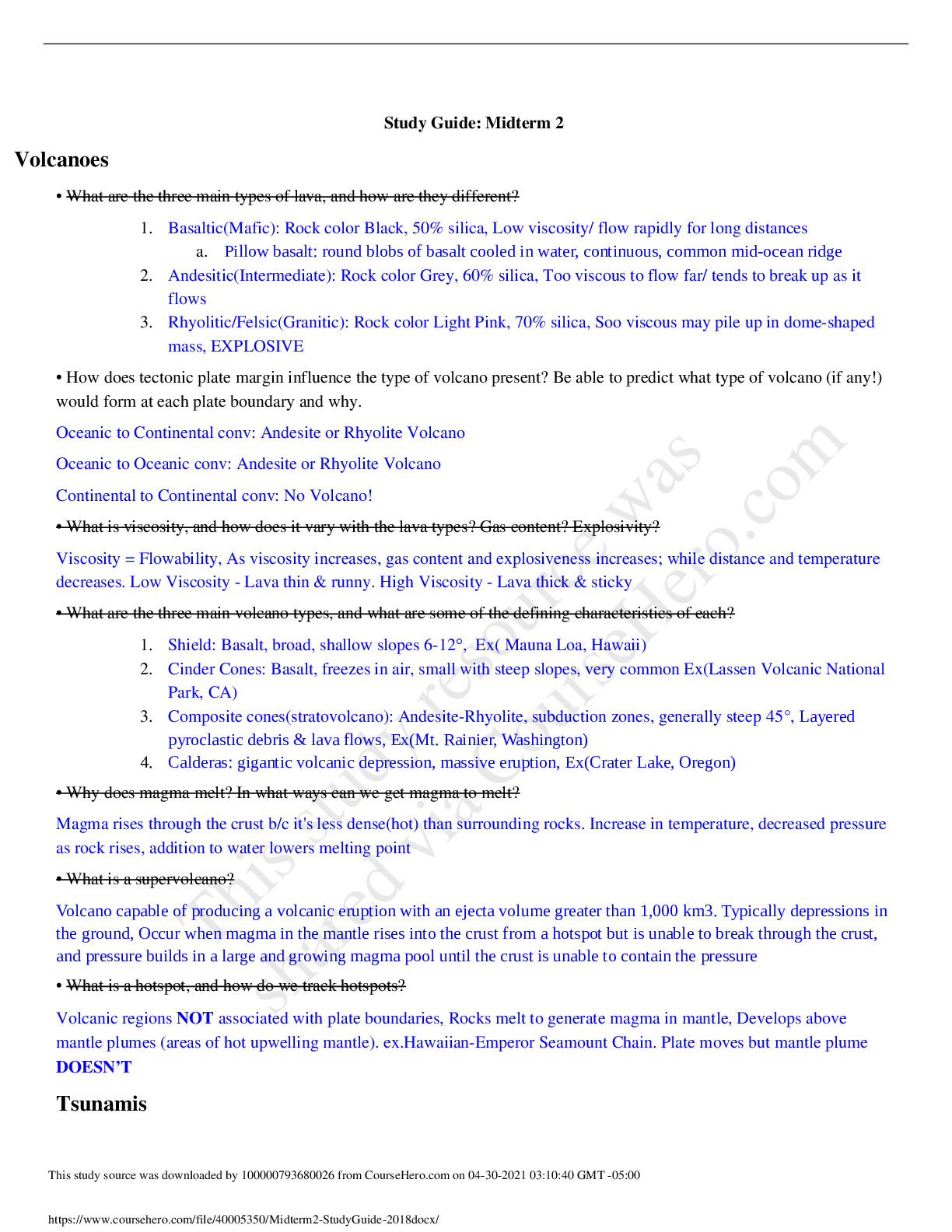
Geology > STUDY GUIDE > University of California, IrvineESS 17Midterm2_StudyGuide_ UPDATE BY EXPERTS 2021 (All)
University of California, IrvineESS 17Midterm2_StudyGuide_ UPDATE BY EXPERTS 2021
Document Content and Description Below
Last updated: 4 years ago
Preview 1 out of 8 pages
Instant download
Buy this Document to get the Full Access Instantly
Provided by Students Who Aced it
We Verify Document Content to Gurantee Accuracy
Reviews( 0 )
Document information
Connected school, study & course
About the document
Uploaded On
Apr 30, 2021
Number of pages
8
Written in
All

Additional information
This document has been written for:
Uploaded
Apr 30, 2021
Downloads
0
Views
203
Topic Tags
Recommended For You
Get more on STUDY GUIDE »
CSCI 585 HW1-VERIFIED BY EXPERTS University of Southern Califo...
Arizona State University ACCOUNTING 405 TEST BANK_IFA PART 1A...

NR 508 test bank pharmacology-REVIEWED BY EXPERTS 2021-GRADED...

Perry Maternal Child Nursing Care 5th edition Test Bank-REVIEW...
NR 508 test bank pharmacology-REVIEWED BY EXPERTS 2021-GRADED...

Shadow Health Tina Jones Health History_Reviewed by Experts 20...
GEOL 1121 Master Study Guide | Complete Solutions, Latest Vers...
Test Bank for Geosystems: An Introduction to Physical Geograph...
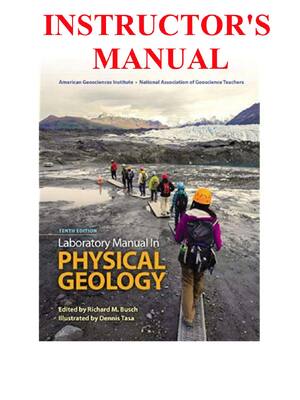
Laboratory Manuals in Physical Geology 10th Edition by Richard...
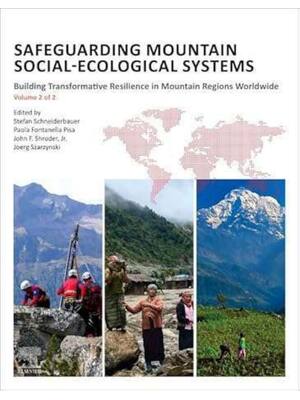
E book Safeguarding Mountain Social-Ecological Systems, Vol 2...
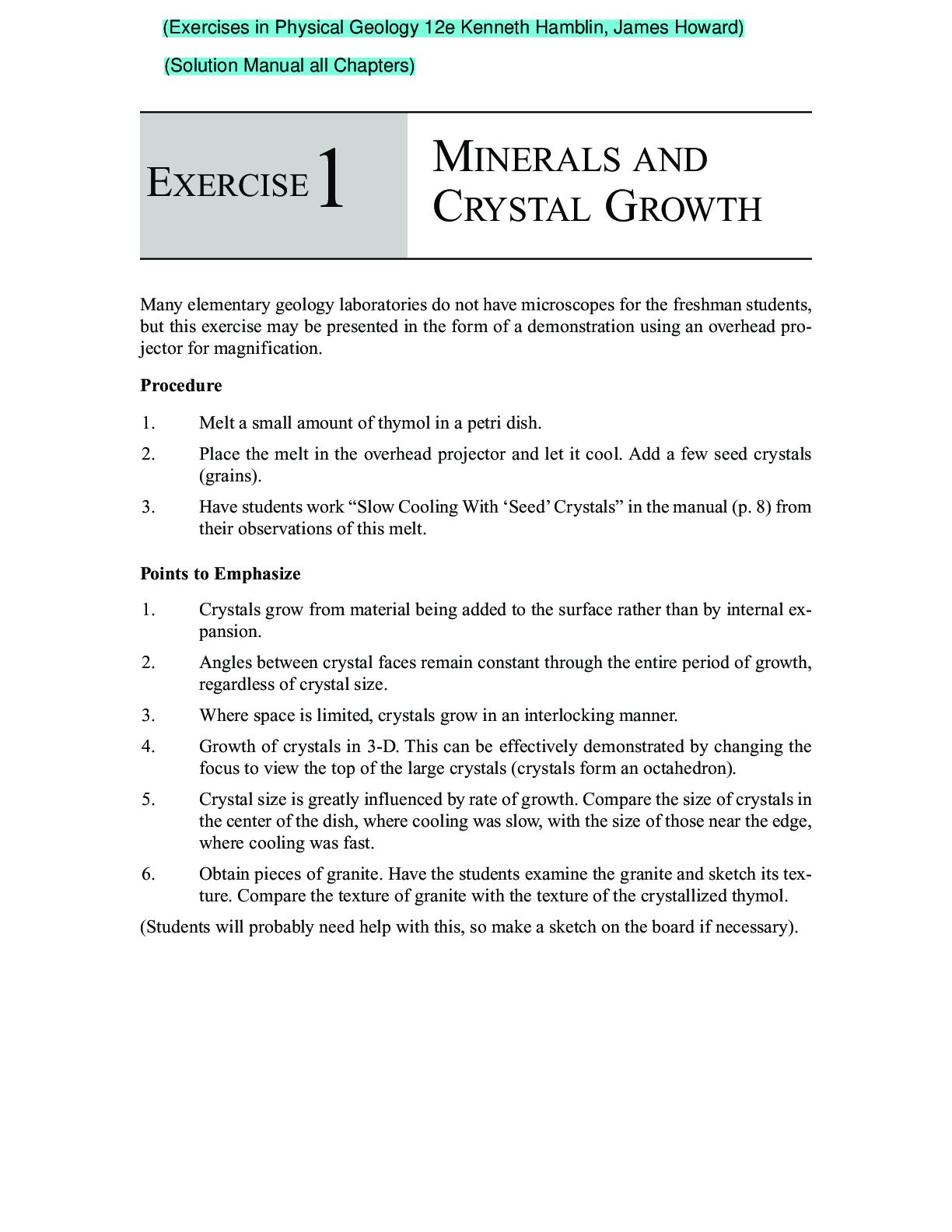
Exercises in Physical Geology 12e Kenneth Hamblin, James Howar...
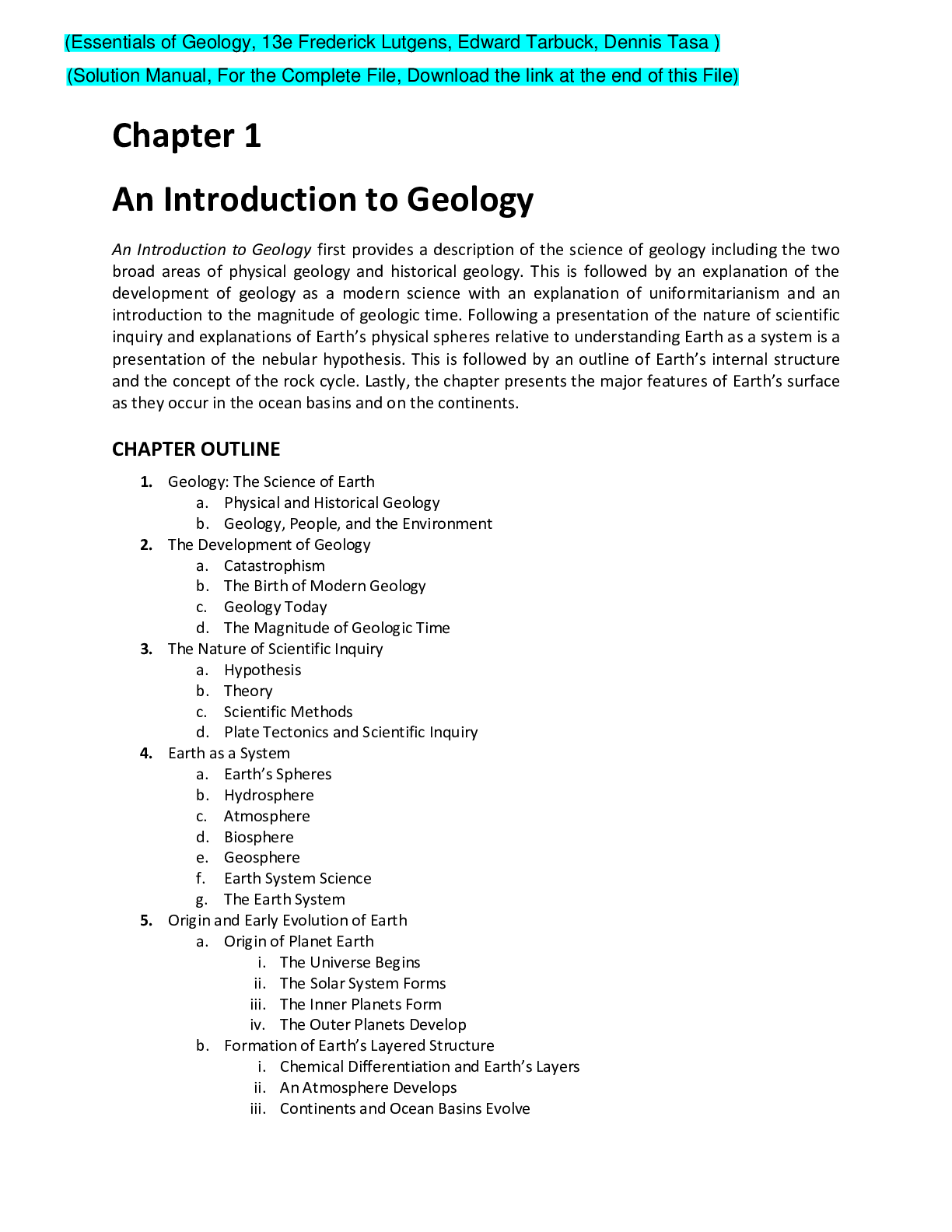
Essentials of Geology, 13e Frederick Lutgens, Edward Tarbuck,...

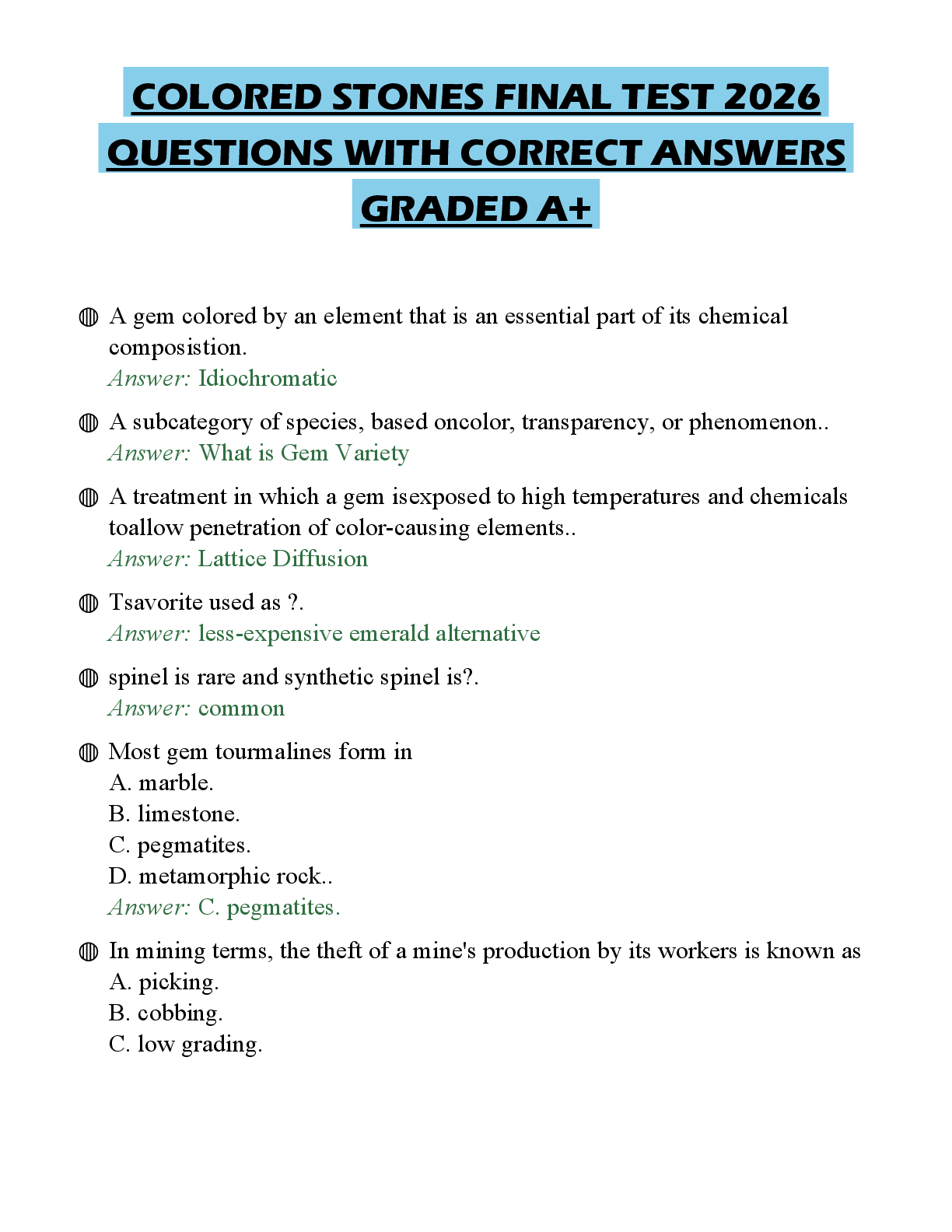
COLORED STONES COMPREHENSIVE STUDY GUIDE 2026 FULL QUESTIONS A...
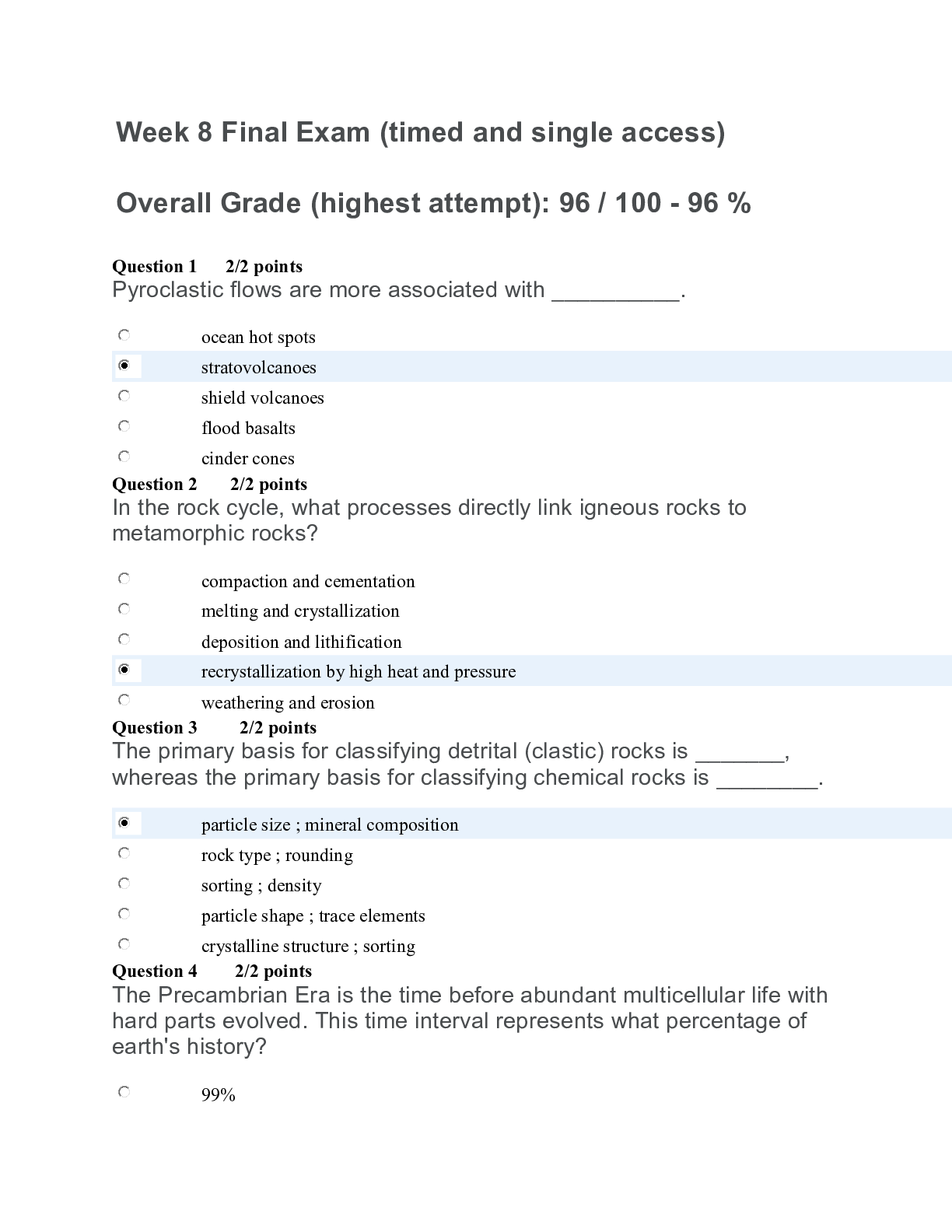
ERSC181 B001 Introduction to Geology| APUS_ERSC181_WEEK_8_FINA...
ESS 101 Introduction To Geology And Societal Impacts Exam 2; S...