PHARM WEEK1 STUDYGUIDE
Week 1 Outline:
Chapter 1: The Role of the Advanced Practice Nurse as Prescriber
Roles and responsibilities of APRN prescribers
APRN- includes CNM, CRNA, NPs and APRNs
The degree of autonomy a
...
PHARM WEEK1 STUDYGUIDE
Week 1 Outline:
Chapter 1: The Role of the Advanced Practice Nurse as Prescriber
Roles and responsibilities of APRN prescribers
APRN- includes CNM, CRNA, NPs and APRNs
The degree of autonomy and breadth of drugs that can be prescribed vary from state to state
based on the Nurse practice act of the state.
Nurse Practitioner Journal and American Journal for Nurse Practitioners present a legislative
update once a year (January issue) providing a summary of each states practice as they relate
to titling, roles, and prescriptive authority.
The following were true of NP regulation of practice and prescribing authority as of 2015-
*All states have title protection for NPs
*Only Oregon has mandated third party reimbursement parity for NP services
*In all but 5 states, the control of practice and licensure is within the sole authority of the states
board of nursing. this 5 states have joint control in the board of nursing and the board of
medicine
*Scope of practice is determined by the individual NPs license under the nurse practice act of
the licensing jurisdiction p
*In 17 states and the District of Columbia, NPs have independent SOP and prescriptive
authority without a requirement for physician collaboration, consultation, delegation, or
supervision
*6 states have full autonomous practice and prescriptive authority following a Period of post
licensure/ post certification supervision and collaboration.
IOM-called for removing scope of practice barriers and allowing NPs to practice to the full extent
of their education and training.
Clinical judgement in Prescribing
Prescribing a drug results from clinical judgement based on a thorough assessment of the
patient and the patients environment, the determination of medical and nursing diagnosis, a
review of potential alternative therapies, and specific knowledge about the drug chosen and the
disease process it is designed to treat.
Best therapy- least expensive, least invasive, and least likely to cause adverse reaction.
Best choice- to have lifestyle, non pharmacological and pharmacological therapies working
together.
Questions arises when the choice of treatment option is a drugIs there a clear indication for drug therapy?
● Before drug therapy is chosen an indication and necessity of using a drug should be
carefully considered. Example: In treating Otitis media, guidelines regarding the use of
antibiotics have been evolving due to high percentage of OM infections resolves without
intervention. Of concern is organism's resistance to antibiotics, with atbx over treatment.
What drugs are effective in treating this disorder?
● Consider the best and most effective class of drug
● The agency for healthcare quality (AHCQ), National Institute of Health(NIH) and many
specialty organizations publish disease specific treatment guidelines that include both
pharmacological and non pharmacological therapy.
What is the goal of therapy with this drug?
● If cure is the goal (short term therapy ), troublesome adverse effects maybe better
tolerated and cost maybe less of an issue
● If the goal is long term treatment for chronic condition, adverse effects and cost take on
a different level of importance, and how well the drug fits into the lifestyle of the patient.
Under what conditions is it determined that a drug is not meeting the goal and a different
therapy or drug should be tried?
● The provider and patient should have a clear understanding of what outcome or goal is
expected
● Follow up and monitoring to see how well treatment with the drug is meeting the goal
● Include questions when to consult with or refer to a specialist
Are there unnecessary duplication with other drugs that the patient is already taking
● Review patient medication history at each encounter to detect duplications or
medications that maybe discontinued
● Use of an integrated EHR can assist the provider in discovering the duplication of
therapy and collaborating wi5 other providers to develop a simplified regimen.
Would an OTC drug be just as useful as a prescription drug?
● Increasing numbers of drugs are being moved from prescription to OTC, May lead to
reduction in cost or increase patients cost due to insurance no longer paying for the
medication.
● Patient may not consider OTC as drugs because they are not prescribed therefore a
careful history of medications would specifically ask about OTC medications.
What about the cost?
● Can the patient afford the drug?
● Will the cost of medication affect adherence to the treatment regimen
● Consideration of cost is a major factor in choosing between the newer drugs and ones
that has been around long enough to be available in generic form
Where is the information to answer this questions?● Sources of drug information includes the wide array of professional literature that ranges
from journals to literatures from specialty and professional organizations and drug
databases such as lexicomp and Epocrates
● Reliable drug information - Current, unbiased information, relevant to specific patient
for whom the drug will be prescribed, reliable and valid research, national and
international guidelines were used
Collaboration with other providers
● Physicians- expertise related to pharmacology is based on understanding biochemistry
and prescribing for a given pathophysiology- emphasis is on the disease and the drug
with less emphasis on the impact on the patient.
● Pharmacist- extensive knowledge about pathophysiology and best drug to prescribe.
Can assist APRNs and physicians by offering expertise on the clinical management of
the patients including available dosage forms, potential adverse reactions and drug
interactions.
● other APRNs- one to one basis dealing with individual patient issues. Share knowledge
base and collaborate to improve the care of the patient. Collaboration on issues related
to SOP and prescriptive privilege at the state and national level is critical to obtaining
and maintaining the autonomy of practice needed to provide optimal patient care.
● PA-practice is similar to that of a physician so both APRN and PA can benefit from
interaction with each other
● Nurses not in advance practice roles such as certified Diabetic Educator- carry out
APRNs order. APRNs must know the Nurse practice act in the state where they practice
because nurses preparation and responsibility are defined by the Nurse practice act in
each state.
Autonomy and Prescriptive authority
Most states are broadening and expanding the legal reimbursement and prescriptive authority to
practice for all APRNs. Momentum to full autonomy is gaining with 26 states allowing
independent practice for NPs and 21 states allowing independent full prescribing as of January
2015. APRNs in other states have also gained recognition, although the SOP and prescriptive
authority is often restricted.
Not all states have legislation that permits APRNs to prescribed independently of any required
physician involvement. Turf battles continue between APRNs and physicians at national and
many states levels over physician's supervision requirements and co signature on prescriptions
Chapter 2: Review of Basic Principles of Pharmacology
How Drugs are Developed
● Drugs are developed by pharmaceutical companies to help patients and to make money
● The early part of the drug development process is called the preclinical stage
● Pharmaceutical companies will identify a drug target, starting sometimes with ingredients
isolated from a plant (or organism in the case of antibiotics) with desirable medicinal
properties, sometimes with a molecular target identified in the body to produce the
desired response, and sometimes with a disease in need of treatment.● Many drugs are examined as pharmaceutical companies seek the elusive perfect drug
with just the right combination of properties. Preclinical studies are performed on cells,
isolated tissues and organs, and in laboratory animals to identify promising compounds
● Drugs approved by the Food and Drug Administration (FDA) must be both safe and
effective and are screened by pharmacologists specializing in various aspects of drug
activity.
● Ideally, drugs will produce their desired effects at dosages well below those needed to
produce toxicity.
● During the clinical stage of new drug development, pharmaceutical companies must
establish the safety and effectiveness of new products in humans.
● Phase I clinical trials typically establish biological effects as well as safe dosages and
pharmacokinetics in a small number of healthy patients.
o During phase II clinical trials, new drugs are used to treat disease in a small
number of patients and to establish the n potential of the drug to improve patient
outcomes.
● If the drug still looks promising, phase III clinical trials will compare the new medication
to standard therapy in a larger number of patients studied by at sites across the country.
● New drugs must be at least as good as, and it is hoped better than, other available
therapies. Throughout the process, pharmaceutical companies work with the FDA.
● After being approved by the FDA, drugs are continuously monitored through postmarketing surveillance, in which health professionals are encouraged to report adverse
events, which are studied by both pharmaceutical companies and the FDA.
Drug Responses
● Homeostasis is the tendency of a cell, tissue, or the body not to respond to drugs but
instead to maintain the internal environment by adjusting physiological processes.
● Before a medication can produce a response, it often must overcome homeostatic
mechanisms.
● Drug effects depend on the amount of drug that is administered.
o If the dose is below that needed to produce a measurable biological effect, then
no response is observed; any effects of the drug are not sufficient to overcome
homeostatic capabilities.
o If an adequate dose is administered, there will be a measurable biological
response. With an even higher dose, we may see a greater response.
● At some point, however, we will be unwilling to increase the dosage further, either
because we have already achieved a desired or maximum response or because we are
concerned about producing additional responses that might harm the patient.
● Because pharmacology is the study of substances that produce biological responses,
measurement of what happens when we administer medications is important.
● Two types - these responses differ in how they are measured and dictate dosing
decisions to achieve the desired effect.
o Quantal
▪ Responses that may or may not occur
▪ Ie: convulsions, pregnancy, rash, sleep, death
▪ A quantal response to a drug is observed in a population, and is either
present or absent in any single individual.
▪ Quantal dose-response graphs plot the rate of an outcome occurrence in
a population against the drug dose.
▪
o Graded▪ Biological effects that can be measured continually up to the maximum
responding capacity of the biological system
▪ Most drug responses are graded
● ie: changes in BP are measured in millimeters of mercury (mm
Hg); HR, diuresis; bronchodilation; FEV1; pain; coma scale
▪ Graded responses are easier to manage clinically because we can see
how each patient responds to a particular dose of medication and, if
appropriate, alter the dosage to achieve a greater or less response
● Expression Drug Responses
o Pharmacologists show the relationship between dose or concentration and drug
effect using graphs that show the dose–response relationship, or dose–response
curve.
▪ Vertical axis - drug responses
▪ Horizontal axis - concentration
o Dose-response curves provide information on the relationship between dosage
or concentration and responses for one more more drugs
o To ―read‖ a concentration–effect or dose– response curve, move from left to right
along th e horizontal axis; this represents an increasing dosage or concentration.
▪ At each dosage, the level of effect is shown by the vertical height of the
curve. When concentration–response data are shown for two drugs or
two responses on the same graph, we can compare the effects at each
dose level.
o Pharmacologists compare drugs and their actions in several ways, including
potency, efficacy, intrinsic activity, and selectivity.
▪ Potency is the expression of how much drug is needed to produce a
biological response.
● Potency describes the difference in concentration or dosage of
different drugs required to produce a similar effect. Drugs that are
more potent require a lower dosage or concentration to produce
the same response
o Efficacy expresses the ability of a drug to produce a maximum effect at any
dosage. Efficacy is the expression of the maximum effect a drug can produce.
▪ Drugs with high efficacy can produce greater effects than lower-efficacy
drugs can.
o Intrinsic activity is very similar to efficacy in that it represents the ability of a drug
to produce a large response. Intrinsic activity, however, is used to describe the
ability of a drug to produce a response once it has occupied specific receptors.
▪ Some drugs produce the maximum receptor stimulation once they occupy
receptors; their response is limited by how many drug molecules occupy
receptor sites.
● Drug Selectivity
o An inability to tolerate the adverse effects of a medication, generally at
therapeutic or subtherapeutic doses
o The most reasonable way to express selectivity is as a ratio of the dose or
concentration producing the undesired effect to the dose or concentration
producing the desired effect.
o This is the same as determining how many times the therapeutic dosage needs
to be increased to produce the undesired effect.
o A medication that requires one tablet to produce the desired response and does
not produce undesirable effects unless five tablets are used would have a
selectivity ratio of 5.o The therapeutic index is a special ratio describing drug selectivity.
▪ The therapeutic index is the ratio of the lethal dose of a drug to the
therapeutic dose of a drug.
▪ There are some limitations to the therapeutic index: it uses death, a really
unacceptable adverse effect, and it uses data from animal studies.
▪ But the therapeutic index provides a fixed comparison for drug safety.
▪ The therapeutic index of drugs on the market is, of course, always greater
than 1; a therapeutic index of less than 1 means that the drug kills before
it cures.
Receptors
● Agonists
o Drugs that produce receptor stimulation and a conformational change every time
they bind
o A chemical that binds to a receptor and activates the receptor to produce a
biological response
o Some agonists can produce their maximum response by binding to less than
10% of the available receptors. The receptors that are left over and not needed
for a response are called spare receptors.
● Antagonists
o Blocks the action of the agonist; produce no direct response
o Drugs that occupy receptors without stimulating them
o Antagonists occupy a receptor site and prevent other molecules, such as
agonists, from occupying the same site and producing a response
o The response we see following administration of antagonists results from their
inhibiting receptor stimulation by agonists
▪ ie: beta blockers - act as antagonists at the beta-adrenoceptor
Pharmacokinetics
● The branch of pharmacology dealing with the absorption, distribution through the body,
metabolism, and excretion of drugs.
● Ideally, drugs will enter the body readily, go directly to their site of action, and have a
favorable combination of metabolism and excretion that will make it easy to manage
patients, even in the presence of kidney or liver disease.
● Absorption
o To produce a biological effect, drugs must enter the body. Once inside the body,
drugs can interact with various receptor molecules to produce physiological
changes that result in clinical effectiveness.
o The route of administration also affects patient compliance, that is, their
willingness to follow recommendations for taking a medication
▪ Effects of route of administration: compliance, bioavailability, onset of
action, duration of action
o Parenteral Administration
▪ Medications may be administered parenterally, or by injection, when
immediate effect is required, when the active ingredients are destroyed or
not absorbed in the gastrointestinal tract or other routes, or when the
patient is unable to take an oral medication.
▪ A major limitation of parenteral administration is that it requires needles,
syringes, and sterile technique.▪ Intravenous (IV) injection - greatest drug absorption → all the drug enters
the bloodstream immediately
● Advantage - rapid or complete absorption and immediate drug
action
● Disadvantage - once administered, the dosage cannot be slowed
or removed
o Oral Administration
▪ Most convenient and common
▪ Following oral administration, dosages, as tablets, capsules, or liquid,
make their way to the stomach and continue to move into and through the
small and large intestines on their way to the colon.
▪ Tablets or capsules must break apart, and their drug contents must
dissolve in stomach acid or intestinal fluid before the drug can be
absorbed → This takes time, so orally administered drugs may not act as
fast as some other routes of administration.
▪ Sublingual administration (under the tongue) and buccal administration
(between the cheek and gum, as with chewing tobacco) allow drugs to
have a more rapid onset of action and to avoid liver metabolism as they
enter the bloodstream
▪ Enteric-coated formulations protect the medication in the stomach and
only disintegrate and dissolve when they reach the gentler conditions of
the intestinal tract.
▪ Sustained-release preparations allow a drug to dissolve slowly in the
intestines so that medication is absorbed over a period of time.
● It is important not to crush these preparations before
administration because that would destroy the formulation and
speed absorption.
o Site of Administration
▪ Topical administration allows medication to be concentrated in the skin
when patients need an anti-inflammatory (e.g., hydrocortisone) or an
antifungal (e.g., clotrimazole) medication for a skin condition.
● This is particularly advantageous in that drugs pass more easily
through damaged skin, so more drug is available to the areas of
the skin that need the medication.
▪ Multidose inhalers and nebulizers are commonly used to administer drugs
(e.g., albuterol) directly into the lungs.
▪ Ophthalmic preparations are sterile preparations suitable for
administration to the eye.
● Because the eye is particularly sensitive, ocular medications are
typically buffered and isotonic so that they do not cause
discomfort when administered.
▪ Aural preparations, intended for administration into the ear canal, do not
meet the buffering and isotonicity requirements for ophthalmic
administration.
o Bioavailability
▪ Because not all of the administered dosage may be dissolved or
absorbed or survive liver passage, only a fraction of an administered
dosage makes it to the bloodstream → this percentage of the
administered dose that does enter the bloodstream is called the
bioavailability of the dosage form.▪ Bioavailability can range from less than 10% to more than 90% for oral
dosing.
▪ When the bioavailability of an oral preparation is low, a higher dose will
be given so that the amounts reaching the bloodstream are similar.
● For example, an oral dose of 500 mg of ciprofloxacin can be
substituted for a 400 mg IV dose; ciprofloxacin has about 80% oral
bioavailability.
o Peak Blood Levels
▪ The speed at which drugs enter the bloodstream affects the maximum
blood level that is achieved following drug administration
▪ Rapid absorption leads to a higher peak blood levels with a risk of greater
toxicity and side effects.
▪ So rapid IV administration (e.g., ―IV push‖) produces immediate drug
effects but increases the risk of toxicity and adverse effects.
▪ For these reasons, some medications, such as aminoglycoside
antibiotics, are administered by slow IV infusion over 30 to 60 minutes.
This allows distribution to occur, keeps the blood level from getting too
high, and minimizes toxicity.
● Distribution
o Definition - the process of drugs moving throughout the body
o After a drug is absorbed, it still must reach its site of action to produce an effect.
o Distribution of drugs can occur by transfer through the bloodstream and passive
diffusion, or their distribution can be promoted or limited by the presence of
transport systems that may selectively transport or exclude drugs based on size,
charge, or chemical structure
o Diffusion can influence the action of drugs; drugs can be effective only if they
reach their site of action in adequate concentrations before they are metabolized
o Properties that Affect Distribution
▪ Drugs can passively diffuse most readily when they are small and
uncharged and also have the right balance between water and lipid
solubility. Some of these properties will be related to the drug (e.g.,
molecular size and lipid:water solubility).
▪ Others will reflect drug properties as they present in an individual patient,
such as pH, the acidity of the environment in which the drug finds itself.
pH affects ionization of the drug. Of course, the drug may find itself in an
acidic environment (pH ~2) in the stomach and more neutral
environments in the intestine (pH 6–8) and blood (pH 7.4).
▪ Since passive diffusion represents transfer through partially permeable
barriers, smaller molecules are better able to diffuse than larger
molecules. Molecules with molecular weights of 500 or less are the best
candidates for passive diffusion
▪ Molecules with molecular weights above 5,000 are expected to diffuse
poorly.
o Henderson–Hasselbalch Relationship
▪ Acidity is an important property of biological environments
▪ Normal pH in the body is around 7.4; under conditions consistent with life,
pH can range only about 0.3 units in either direction.
▪ Each 1 unit of pH change represents a 10-fold increase or decrease in
the concentration of hydrogen ions, and each 0.3 pH unit change
represents a 2-fold change in acidity▪ At higher acidity, or lower pH, carboxylic acid groups are uncharged, but
amine groups are charged. At low acidity, at higher pH under basic
conditions, the amine groups are uncharged, but the carboxylic acid
groups are charged
▪ Each drug is unique, and the pH at which it exists half in the charged
state and half in the uncharged state is defined as its pKa.
● Since the pH of body fluids is limited to a relatively narrow range
and the pKa is a fixed property for an individual drug, we can
calculate the percentage of charged and uncharged molecules for
a drug if we know its pKa. The pKa can be an important drug
property that influences absorption, distribution, and excretion of
the drug.
▪ Passive diffusion is a process by which drugs cross some type of
biological barrier, such as a cell membrane or through a layer of cells,
based on the concentration difference on the two sides of the barrier
▪ We expect that passive diffusion will proceed until the concentration of
drug is equal on both sides, but that is not quite what happens. Instead,
passive diffusion proceeds until the concentration of unionized drug is the
same on both sides. As a result of this, pH differences can cause more
drug to accumulate based on the fraction of unionized and ionized
molecules → called ion trapping
● Protein Binding
o Drugs passively diffuse and distribute when they are unbound and uncharged.
o Drugs can bind to a variety of proteins that are present in the bloodstream →
plasma proteins
▪ Many plasma proteins are produced in the liver, and their presence in the
blood reflects liver function, nutritional status, and the effect of aging and
disease.
▪ Albumin is a major protein in the blood and is measured as part of a
typical blood analysis
o Binding to plasma proteins serves several important functions
▪ Drugs bound to plasma proteins can freely circulate in the bloodstream
rather than be distributed by passive diffusion from their site of
absorption, so plasma protein binding helps normalize concentrations
throughout the body.
▪ Drugs that are bound to plasma protein can be protected from
metabolism in the liver and from excretion by the kidneys, so plasma
protein binding can extend the period of time that drugs remain in the
body.
o Binding to plasma proteins can protect drugs from metabolism and excretion,
extending the time the drugs remain in the body → but remember the general
principle that drug action occurs through free, unbound drug.
o Protein binding, which may include binding to proteins that are not in the plasma,
also prevents the interaction of drug molecules with their site of action.
o Plasma protein binding creates a reservoir of bound drug molecules that can
unbind at any time to interact with drug receptors and produce responses
o Plasma protein binding occurs in the plasma and encourages retention of drug in
the systemic circulation. So it may appear that blood levels of a drug are high,
even if the drug is not at its active site → ie: digoxino Drugs bound to plasma proteins cannot interact with their receptor. If a drug is
very strongly bound to plasma proteins, then even a small change in the fraction
that is bound can have significant pharmacological effects
● Transport Systems
o Drug distribution is also influenced by transporters, membrane proteins that
facilitate the movement of molecules across the cell membranes
o Transport systems are often directional, and they can transport drugs into (influx)
or out of (efflux) cells
o The transport system can transfer molecules and can create and maintain a
concentration difference between two sides of the cell membrane
▪ For example, when some antibiotics diffuse into cancer cells, they are
transported out by the multidrug resistance protein (MRP1), which
maintains a concentration gradient with the drug outside the cell
o Transport systems also form the basis for distribution into protected tissues. pGlycoprotein, an efflux secretory transporter, is widely distributed and limits the
entry of drugs into the brain, testes, intestines, and other sites.
▪ Depending on the site, inhibition of p-glycoprotein can result in increased
intestinal absorption or distribution into the brain or testes
o Also affect distribution to sites of metabolism
▪ Transport or diffusion of a drug into cells is required for intracellular
metabolism, and transport systems can control how much of a drug is
available to an intracellular enzyme for metabolism.
● Metabolism (including first-pass and Phase I and II)
o Important factor in determining drug activity
o When drugs are metabolized, they are chemically altered by enzymes into new
molecules → metabolites
o Definition - the process of changing one chemical into another
▪ Process usually either creates or uses energy
o Metabolism of drugs can occur in every biological tissue but mostly occurs in the
smooth endoplasmic reticulum of cells in the liver
o Liver → a major organ for drug metabolism because it contains high amounts of
drug-metabolizing enzymes and because it is the first organ encountered by
drugs once they are absorbed from the GI tract
o Metabolism by the liver following oral administration is called first-pass
metabolism and is important in determining whether a drug can be orally
administered.
o Cytochrome P450 → family of enzymes that metabolizes drugs
▪ Each of these CYP enzymes is responsible for a single type of metabolic
rxn
▪ Phase I reactions - ―non-synthetic reactions‖
● Involve oxidation, reduction, and hydrolysis reactions - prepares
the drug molecule for further metabolism
● Introduces or unmask polar groups that, in general, improve water
solubility and prepare drug molecules for further metabolic rxns
● Can result in metabolites with greater or lesser pharmacological
activity
● Many phase I metabolites are rapidly eliminated, whereas others
go on to phase II rxns
▪ Phase II reactions - ―synthetic or conjugation reactions‖
● Drug molecules are metabolized and something is added to the
drug to synthesize a new compound● Metabolites are linked, or conjugated, to highly polar molecules
such as glucuronic acid, glycine, sulfate, or acetate by specific
enzymes.
● Conjugation to these molecules makes metabolites more water
soluble and more easily excreted by the kidneys → so the
presence or activity of these enzymes can influence the pattern of
drug activity and the duration of action for drugs.
Excretion: Renal, Biliary, Other (eg for volatile drugs)
● Definition - the process in which drugs are transferred from inside the body to outside
the body
● Kidney and gallbladder - site where drugs are excreted but not absorbed
● The principal organs for drug elimination → kidneys, lung, biliary system, and intestines
● Renal Excretion
o Kidney - primary organ of excretion for most drugs
o General theme of metabolism - to produce drug metabolites that are more water
soluble and more easily removed by the kidneys
▪ The kidney can then remove these substances from the plasma and
excrete them in the urine
o The strategy of the kidney is to allow removal of a large volume of plasma and
then to take back the substances that the body needs → the result is urine
o Production of urine begins in the glomerulus of the kidney
o Nephron - the operational unit of the kidney
o Each nephron begins with a glomerulus
▪ Definition - a specialized area of the nephron adapted for ultrafiltration, a
process in which substances in the plasma pass through small holes, or
pores, in the glomerular capillary membrane based on their size and
change
▪ The structure of the glomerular capillary membrane permits filtration of
smaller molecules while restricting the passage of compounds with larger
molecular weights
▪ As blood flows through the kidney and encounters the glomerulus, much
of the fluid portion of the blood is filtered into the lumen, or center, of the
nephron
▪ Approx 125 mL of blood flows through the glomeruli in the kidneys per
minute, the glomerular filtration rate (GFR), and it is an important
measure of renal function
o Glomerular filtration - the first step toward production of urine containing excreted
drug
▪ Filtration preserves plasma proteins while removing free drugs and other
waste products from the plasma
▪ The large volume of fluid filtered through the glomerulus is an ideal
vehicle for drug removal.
▪ As the ultrafiltrate is formed, drugs that are free in the plasma and not
bound to plasma proteins or blood cells are filtered.
▪ Filtration may be slower for drugs that are large because of the size of the
pores through which filtration occurs; very large drugs may not be filtered
at all. The pores of the glomerulus contain a fixed negative charge, so
filtration may also be affected by drug charge.▪ As the filtrate moves through the lumen of the nephron, molecules are
reabsorbed from the lumen into the blood. The extent to which a drug
diffuses back across the nephron to reenter the circulation is one of the
factors that determine urinary excretion of drug.
▪ The passive diffusion of substances back into the circulation is
encouraged by the reabsorption of water that occurs along most of the
nephron, creating a concentration gradient promoting reabsorption if the
lipid solubility and ionization of the drug are appropriate.
● Tubular Reabsorption
o Some substances filtered at the glomerulus are reabsorbed by active transport
systems located primarily in the proximal tubule of the nephron.
o Active transport is important for endogenous substances that the body needs to
recover from the glomerular filtrate, such as ions, amino acids, and glucose.
o The active transport systems are located on the luminal cell surface and
transport substances into the cell, where they are passively transported into the
plasma.
o Substances that are actively reabsorbed can also be actively secreted and drugs
may inhibit both processes
▪ For example, low doses of salicylates, such as aspirin, inhibit tubular
secretion and decrease total urate excretion, whereas higher doses inhibit
tubular reabsorption and result in increased excretion of uric acid.
● Tubular Secretion
o The nephron also contains active secretory systems that transport drugs from the
blood into the lumen of the nephron.
o There is a transport system that secretes organic anions and a transport system
that secretes organic cations.
o The transporters are present on the plasma side of the tubular cells of the
nephron, where they actively pump anions or cations into the cell → The
substances then pass into the lumen by passive transport.
o The secretory capacity of these transporters can be saturated so that less drug is
excreted at high drug concentrations. When two drugs are substrates for the
same transporter, they compete with one another and decrease the rate at which
each is excreted.
o Tubular secretion often contributes to the renal elimination of drugs that have
short half-lives.
o Hydrochlorothiazide, furosemide, penicillin G, and salicylates are among the
substrates for the organic anion transport system. The organic cation transport
system actively secretes atropine, cimetidine, morphine, and quinine.
● Renal Excretion of Drugs
o The rate at which a drug is excreted by the kidneys depends on several factors.
▪ Renal blood flow influences the GFR, which is how much plasma is
filtered per minute by the glomerulus.
▪ Filtration in the glomerulus depends on the molecular size, the charge,
and the degree of protein binding, each of which influences how much
drug passes through the glomerular basement membrane.
▪ Tubular acidity will influence the degree of reabsorption.
▪ Active reabsorption or active secretion into the urine may also influence
excretion rate
o Renal function is typically assessed from patient serum creatinine along with
height, weight, age, and gender.
● Biliary Excretiono The liver secretes about a liter of bile each day
o Drugs can enter the bile and be excreted into the intestinal tract when bile is
released to help digest food.
o Only small amounts of drug enter the bile by diffusion; instead, biliary excretion
contributes to removal of some drugs.
o The biliary system includes three types of active transport: organic cation,
organic anion transporters, and bile acid transport system
o Conjugated metabolites of drugs generally have enhanced biliary excretion
o Cardiac glycosides, such as digoxin, are an example of drugs secreted into the
bile.
o Some drugs that are excreted in bile can be reabsorbed in the intestine →
enterohepatic cycling → drug is excreted in the bile, absorbed from the
intestines, and then excreted in the bile again
● Other Sites of Excretion
o Pulmonary excretion can occur for any volatile material present in the body
▪ Important for anesthetic gases, such as nitrous oxide
▪ Also important following alcohol consumption
● Ethanol distributes throughout the body and is readily excreted
each time we breathe → because the amount of ethanol exhaled
in each breath is proportional to blood level, the Breathalyzer can
be used to estimate blood levels of ethanol.
▪ Also important for volatile ketones, which are produced in diabetic pts
who are poorly controlled
o Skin
▪ The skin has a large surface area through which excretion can occur;
drugs may be incorporated into the hair and can be excreted through the
sweat glands
▪ Excretion of drugs into sweat and saliva is of minor importance for most
drugs and depends on the diffusion of uncharged drug across the
epithelial cells of sweat and salivary glands
▪ Excretion into hair, sweat, and saliva is quantitatively unimportant but can
be used to noninvasively detect drugs in the body
▪ Interestingly, some drugs excreted into saliva can produce changes in
taste
● Excretion into saliva might help explain part of the
pharmacological action of certain drugs, such as antibiotic
erythromycin, in throat infections.
o Breast milk of nursing mothers
▪ The concentration in the breast milk depends on drug properties such as
lipid solubility and the degree of ionization and on patient properties such
as the extent of active secretion into breast milk and the blood level of the
drug in the mother
▪ Low-molecular-weight drugs that are unionized can passively diffuse
across the epithelial cells of the mammary gland and enter the breast
milk. Because breast milk is more acidic than plasma, it tends to
accumulate basic drugs
▪ Infants can be exposed to drugs through breast milk. The risk to the infant
from drug exposure in breast milk depends on the amount and type of
drug involved and the ability of the infant to metabolize the drug.
Breastfeeding is discouraged when there is a potential for drug toxicity in
the infant.Chapter 3: Rational Drug Selection
Process of rational drug prescribing: 6 Steps proposed by WHO
Step Description
Step 1 Define the patient's problem.
Step 2 Specify the therapeutic
objective.
Step 3 Choose the treatment.
Step 4 Start the treatment.
Step 5 Educate the patient.
Step 6 Monitor effectiveness.
Patient education
1) Up to 50% of patients do not take their medications as prescribed or they do not take
them at all
2) Poor medication adherence leads to worsening disease and death, as well as
increased health-care costs; 33% to 69% of medication-related hospital admissions are
related to poor adherence, at a cost of $100 billion per year
3) Patient education regarding the purpose of the medication, instructions for
administration, and potential adverse drug effects will improve adherence to the
medication regimen.
4) Patient education should be tailored to the patient and presented in plain language
(fifth- or sixth-grade-reading level), with an understanding that nine out of 10 adults have
difficulty reading health information
Monitor effectiveness
1) The WHO model describes two types of monitoring:
a) Passive monitoring: when the patient is educated on the expected outcome of
the drug therapy and is instructed to contact the provider if the treatment is not
effective or if adverse drug effects occur
i) Common when short-term treatment, such as an antibiotic, is prescribed,
and no test of cure is requiredb) Active monitoring: when the provider schedules a follow-up examination to
determine the effectiveness of the drug therapy
i) May include evaluating therapeutic blood levels and making dosage
adjustments, as is necessary in anticoagulant therapy or patients taking an
antiseizure medication
ii) May also include adding or subtracting medications from the treatment
regimen based on the effectiveness of the treatment
Drug, Patient, and Provider factors that influence drug selection
1. Drug Factors:
a. Pharmacodynamic Factors: must be specific and selective to the target tissues affected
by the disease to have the greatest therapeutic effect with the least adverse
b. Pharmacokinetic Factors: (see chapter 2) bioavailability (BA), metabolism, dose–
concentration curve and half-life will determine the dosing schedule, with fewer doses per day
encouraging adherence to the drug regimen
c. Therapeutic Factors: therapeutic impact of a drug is reviewed in the literature and
observed in the individual patient
i. Using evidence from clinical trials, clinical practice guidelines, and
systematic reviews
b. Safety: may vary with the population
c. Cost: consider the costs to the patient and the cost to the health-care system or to
society at large. The cost to patients may be so high that they cannot afford prescriptions, and
cost then becomes a barrier to adherence. Many insurance policies do not cover the cost of
drugs, and patients must therefore pay out of pocket for their medications
1. Patient Factors:
a. Previous adverse drug reactions
b. Health beliefs
c. Current drug therapy
d. Patient’s age
e. Pregnancy
1. Provider Factors:
a. Ease of Prescribing or Monitoring
i. Unfamiliar medications require providers to research the drug and educate themselves
in order to prescribe the drug safely. The amount of provider follow-up required, whether it is
titrating doses or therapeutic monitoring, may influence prescribing decisions
b. Formularies: the provider must prescribe from the formulary or the patient may have
significant additional out-of-pocket costs
Influences on Rational Prescribing: Pharmaceutical Promotion
1) Pharmaceutical companies fund many academic research studies, and there have been
reports that some of these studies do not publish negative results of industry-sponsored
clinical trials
2) Pharmaceutical companies also offer free dinners, gifts, and free drug samples to
providers to raise awareness of their products and to influence prescribing
When Prescribing Recommendations Change: antibiotic resistance and overprescribing
of antibiotics for URIs1) Expert providers may need to be coached or re-educated regarding appropriate
prescribing
2) The emergence of antibiotic resistance due to antibiotic overprescribing led to a need to
shift attitudes and prescribing patterns.
Chapter 4: Legal and Professional Issues in PrescribingNew Drug Approval process including Clinical Phases:
Facts:
-a company invests about 8.5 yrs and 2.6 billions to get a new medicine from the new medicine
from lab to the pharm shelf (it includes the costs for drugs that are never marketed + postmarketing research)
PRECLINICAL research:
It is the process of synthesis and extraction that identifies new molecules with the potential to
produce the desired change in a biological system (e.g. to inhibit / stimulate an enzyme, alter a
pathway, to change cellular structure, etc.)
The process may require research on the fundamental mechanisms of the disease or biological
processes, research on the action of known therapeutic agents, or random selection and broad
biological screening. New molecules may be produced through artificial synthesis or extracted
from natural sources (plant, mineral, or animal). The number of active pharmaceutical
ingredients that can be produced based on the same general chemical structure runs into the
hundreds of millions.
Biological screening and pharmacological testing use nonhuman studies to explore the
pharmacological activity and therapeutic potential of compounds. These tests involve the use of
animals , isolated cell cultures, and tissues, enzymes, and cloned receptor sites, as well
computer models.
If the results of the tests suggest potential beneficial activity, related compounds are tested to
see which version of the molecule produces the highest level of pharmacological activity and
demonstrates the most therapeutic promise, which version of the molecule produces the highest
level of pharmacological activity, and demonstrates the most therapeutic promise, with the
smallest number of potentially harmful biological properties. Pharmaceutical dosage formulation
and stability testing make up the process of turning an active compound into a form and
strength suitable for human use.
A pharmaceutical product may take any dosage forms ( liquid, tablets, sprays, etc.) and any
dosage strengths.
Toxicology and safety testing determines the potential risk a compound poses to people and the
environment. These studies use animals, tissue cultures, and other tests systems to examine
the relationship between factors such as dose level, frequency of administration, and duration of
exposure to both the short and long term survival of living organisms. Tests provide informationof the dose- response pattern of the compound and its toxic effects. Most toxicology and safety
testing is conducted on new molecular entities prior to their human introduction, but companies
can choose to delay long term toxicity testing until after the therapeutic potential of the product
is established.
New drug development timeline and Clinical studies :
An investigational new drug (IND) application is filed with the FDA prior to human testing. This
application is a compilation of all known info about the compound. It also includes a description
of the clinical research plan for the product and the specific protocol for phase I study. If FDA
approves it, the clinical tests begin in 30 calendar days after submission of the IND.
FDA has IND regulations for the clinical study of a new drug „s safety and efficacy and
has divided this evaluation into 3 phases:
Phase I clinical trial evaluation is the first testing of the compound in subjects, for the
purpose of
-establishing the tolerance of the healthy humans to different doses;
-defining its pharmacological effects at anticipated therapeutic levels.
-studying its absorption, distribution, metabolism, and excretion in humans
Phase II clinical trials:
-includes controlled studies performed on patients with the target disease/disorder
- determines a compound’s potential usefulness and short - term risks.
-it has a small number of participants , no more than several hundreds.
Phase III
-controlled and uncontrolled trials of a drug’s safety and efficacy in hospital and outpatient
settings
-this phase trial gathers precise info on the drug efficacy for specific indications
- it is determined whether the drug produces a broader range if adverse effects that those
exhibited in the small study population of the phases I and II.
- identifies the best way of administering nd using the drug for the intended purpose.
- verifies that the acceptable risk/benefit ratio seen in phase II persists under conditions of
anticipated usage and in groups of patients large enough to identify statistically and clinically
significant responses.
IF, the drug is approved, this information forms the basis for deciding the content of the product
label.
Conferences between the sponsor and the FDA are held during all 3 phases of development.
While an IND is in effect, the sponsor must report in writing to the FDA within 10 working
days any serious and unexpected ADR that may be related to the drug.The IND program is part of the FDA efforts to facilitate the development of significant new
therapies. Under this program, treatment threatening illnesses for which there is no comparable
alternative therapy. Information on the availability of an investigational drug under the IND
treatment is published in the Journal of the American Medical Association and other public
sources. Patients and families can learn about clinical trials and access to investigational drugs
for cancer treatment through the National Cancer Institute PDQ database online. The National
Institute of Health Clinical Center also sponsors an extensive database of clinical trials for a
wide range of medical conditions which can be accessed on line.
U.S. FDA Regulatory Jurisdiction: official labelling vs off-label use of drugs:
Official labeling: The legal distinction between a legend drug and an over the counter (OTC)
drug is NOT founded on the relative safety per se but rather involves a regulatory decision on
whether adequate directions for the drug proper use can be written for layperson. If the FDA
determines that adequate directions can be written, the manufacturer is NOT allowed to identify
the drug with a prescription legend. Conversely, for a prescription drug, the manufacturer’s
directions or FDA approved labeling is intended for the prescriber, the pharmacist, or nurse and
provides a summary of information about the chemical and physical nature of the product,
pharmacological indications and contraindications, means of administrations, dosages, side
effects, and adverse reactions, how the drug is supplied, and any other info pertinent to safe
and effective use.
This official labeling is developed through discussion between the FDA and the drug
manufacturer. The material is the Physician Desk Reference (PDR) is a verbatim presentation
of the official labeling. The FDA jurisdiction over the uses of marketed drugs and doses extends
ONLY to what the manufacturer may recommend and must disclose it in its labeling. FDA does
not dictate how a prescriber should practice. The FDA is concerned with the marketing and
availability of drugs that have demonstrated substantial evidence of an acceptable risj/benefit
ratio fr labeled indications. The proper and efficacious therapeutic use of these drugs is the
responsibility of the prescriber.
Off-label Use:
The prescription of an FDA approved drug for an off-label (unlabeled) indication may be initiated
by the patient need. Off-label use includes use of an FDA approved drug in a dose or route for
which it was not approved or for a clinical indication other than the FDA-approved use. Clinical
support can be demonstrated for off-label use if the proposed use is based on rational scientific
theory or controlled clinical studies. The FDA has made it clear that it neither has nor wants the
authority to compel prescribers to adhere to FDA-approved use in all clinical situations.
An example of off-label use is that of trazodone, which is an antidepressant, for sleep. In this
example, a side effect of the medication (drowsiness) has been shown to have clinical efficacy
for patients with difficulty sleeping whether or not they are clinically depressed.
The NP’s are responsible for knowing the FDA indication and approval status of any drug they
prescribe. However, a prescribing decision on how to use a drug must be based in what is best
for the patient and then supported by available evidence. In professional liability suits, FDA
approved labelling is NOT intended to set the sole standard for what is good clinical practice.
NP’s must be aware that Medicare and other insurers rarely cover off label prescriptions and
that consequently the patient may bear GREATER cost. Off-label prescribing can also result in
INCREASED or UNKNOWN risk to the patient.Controlled Substance Laws
Controlled Drug DEA schedules (Table 4-1)
Table 4-1 Controlled Drug Schedules
Schedule Controls Required Drug Examples
I No accepted medical use
No legal use permitted
For registered research facilities only
Heroin, LSD, mescaline, peyote, marijuana*
II No refills permitted
No telephone orders unless true emergency
and followed up by written prescription
within 7 days
Electronic prescribing permitted as of 2011
with specific software and secure
identification processes
Narcotics (morphine, codeine, meperidine, opium,
hydromorphone, oxycodone, oxymorphone, methadone,
fentanyl)
Stimulants (cocaine, amphetamine, methylphenidate)
Depressants (pentobarbital, secobarbital)
III Prescription must be rewritten after 6 mo or
5 refills Telephone or fax prescription okay
Narcotics (codeine in combination with non-narcotic
ingredients not to exceed 90 mg/tab; hydrocodone not to
exceed 15 mg/tab)
Stimulants (benzphetamine, chlorpheniramine,
diethylpropion)
Depressants (butabarbital)
Anabolic steroids, testosteroneIV Same as Schedule III
Penalties for illegal possession are different
Pentazocine, phentermine, benzodiazepines, meprobamate
V Same as all prescription drugs
May be dispensed without a prescription
unless regulated by the state
Loperamide, diphenoxylate
Cough medications with less than 200 mg/100 mL
Pregabalin
*Marijuana may be classified under individual state law as a Schedule II drug and used for medical purposes. It may
not be “prescribed,” however.
Controlled Substance Misuse: Prescriber Education
These are the principles related to prescription drug misuse assessment include the following:
1. Aquisition and wide use of chemical dependence skills
2. Early and firm limit setting regarding indications for controlled drug prescription.
3. Careful documentation of a confirmed diagnosis and the ruling out of chemical
dependence before initiating a controlled prescription or drug subject to misuse.
4. Practice in ―just saying no‖and feeling comfortable in being firm without escalating the
discussion into an argument with the patient.
Behavioral Red Flags:
There are certain behaviours that are red flags for identifying the addicted patients. Dealing with
scams consists of the following steps:
1. Learning to recognize the common scans.
2. Refusing to give in to scammers.
3. Practicing the skill of turning tables on the scammer.
Pressure to Prescribe:
The clinical phenomenon of a initial no becoming a yes if the patient brings the right pressure to
bear on the practitioner is pathognomonic of prescription drug misuse.The patient and stadd
members who have substance misuse may also call in prescription with the NP’s DEA number,
as current law permits phone-in prescription for schedules III-IV.
Another factor that increases the demand for controlled substances is the pressure to prescribe
at every visit and expectation that each patient deserve a prescription for something at each
visit or for each symptom offered. This results in 2 adverse situations:Overprescribing of antibiotics and resulting antibiotic resistance and polypharmacy, especially
for elderly.
It may also result in tendency to prescribe a higher-potency non-controlled substances and
ultimately controlled drugs when the patients persist with vague somatic complaints.
Enabling:
It refers to the instinct of the practitioner to do anything medically possible to enable patient with
PRESENT and POTENTIAL disability to live a HIGHER level of function. However, the the
disease of chemical dependence has bottomless appetite of enabling.
Example: provider that shelter the chemically dependent individual from the adverse
consequences of the disease. Patients manipulate the provider to avoid consequences of their
disease process, permitting that disease to progress to further and more pathological levels.
When you suspect a Patient is Misusing Medications:
Communication Skills- just say no and mean it!! May say: I am feeling pressured by you to write
a prescription that is not clinically indicated. Because I am concerned about you, we need to talk
about your use of alcohol or other substances. Just turn the tables and shift the discomfort to
the patient while refusing to prescribe.
Systemic Solutions:
● Careful charting and documentation habits are essential for prescribing controlled drugs.
● Document clearly in the progress note :
1. Physical evaluation of the patient
2. The diagnosis
3. The clinical indications for treatment
4. The written treatment plan and expected symptom outcomes
5. Informed consent and agreement for tx from the patient
6. Consultation and collaboration necessary to meet tx goals and objectives
7.
Prescribing Tips: prescribe limited qty with no refills at first visit, allow additional time for patient
assessment and confirmatory documentation, educate the staff in reinforcement of the policies
r/t scheduling, forms, urine drug screening, records review and release, and refills.
Medication Agreements:one tool for defining and implementing treatment objectives and can be
incorporated into treatment of chronic pain, and long term management of opioids. It is
advisable to treat this agreements with universal precaution model of care as the NP develops
and uses agreements that are expected of all patients requiring ongoing use of medications with
potential for misuse. It may become a potential legal liability to pick and choose patients who will
be asked to sign a medication agreement based on age, income status, use of illicit drugs, or
other personal characteristics. You can use rapid screening without prior notice to confirm
adherence to the medication agreement criteria.
Prescription Drug Monitoring Programs (PDMP)
It enables practitioners to QUERY a confidential database of controlled substances statewide to
evaluate where a patient is currently receiving prescription elsewhere.You can contact the local DEA office/ Alliance of States with Prescription Drug Monitoring
Programs.
State Law
Jurisdiction: federal law establishes whether a drug requires a prescription but does NOT dictate
WHO may prescribe. The authority to prescribe is a function of a STATE LAW
The state has the authority to take regulatory action to protect public health, welfare, and safety
including emergency suspension or revocation of practice authority.
The NPA specifies the exact title that must be used for practice and on a prescription.
Writing and Transmitting the Prescription
Ethical Aspects of Prescribing
The notion of informed consent is shorthand for the doctrine of informed decision making, which proposes
that patients have the right to make informed decisions about those things that will affect them. Although
some question whether consent to medical procedures can ever be truly informed, the doctrine has been
assimilated into American society's concept of what clinical practice should include. Informed consent
should be obtained from a patient before all medical interventions, diagnostic as well as therapeutic. A
patient may either agree to or refuse a proposed intervention; in both situations, the patient is making her
or his own informed decision.
The provider who performs a specific service is responsible for obtaining consent to that specific service.
The consent usually is given to the identified provider, as well as others working with him or her to
perform the specific procedure or associated procedures. In general, a referring provider is not
responsible for getting consent for a procedure performed by another provider. Some exceptions may
apply, however, and practitioners who send patients for tests or consultations should inform them
generally about the procedure and their clinical recommendations for requiring it.
Informed consent has four critical features: (1) a competent patient (2) who is provided adequate
information with which to make a decision (3) and who voluntarily (4) consents to a proposed intervention.
Although legal opinions tend to merge the concepts, it is helpful to consider competence as two related
but distinct areas: legal competence and clinical competence. A patient must be both legally and clinically
competent to give informed consent. In general, an adult is presumed to be legally competent unless
declared incompetent in formal legal proceedings. To be clinically competent for medical decision making,
a patient must be able to comprehend information that is provided, formulate a decision about a proposed
intervention, and communicate that decision to the health-care team. Patients may be deemed legally
competent to make certain types of decisions or give consent but not legally responsible for all decision
making.
Clinical competence is also not an all-or-none phenomenon. A patient may be competent to make some
choices but not others. Clinical competence may vary over time and is affected by the course of an
individual's illness and therapies currently in use. Assistive devices and environmental modification may
be important to maintaining and enhancing clinical competence. Hearing aids, interpreters, and
communication boards may be key assistive devices to certain patients. Examples of environmental
factors that affect clinical competence include sedative medications, presence of background noise for a
patient with a hearing disability, and the side of approach to a patient with a visual field loss.
A medication agreement, as discussed in this chapter, may also outline informed consent for initial and
ongoing treatment with medications that have the potential for side effects and habituation. Mental health
medications have specific consent regulations due to the vulnerability of their target population. Otherareas that may have specific consent procedures include prescribing medications for elderly or minor
patients. Parental or partner involvement in prescribing determinations related to sexually transmitted
infections, family planning, and birth control may be limited under specific state law, and a minor may give
informed consent for some surgical or medical procedures even if a parent is not informed. These are
sensitive areas of law that require specific study. Advice of an attorney may be required.
Chapter 5: Adverse Drug Reactions
Mechanistic Classification of ADRs including Types of Immune-Mediated ADRs and Types A-F
Time-Related Classification of ADRs including drugs associated with withdrawal symptoms
Dose-Related ADRs classification
Severity of ADRs
Common Causes of ADRs including common drugs involved and which cause skin reactions
Risk Factors
I. Mechanistic classification of ADR
A. 2 types of ADRS – pharmacological & idiosyncratic
1. Pharm – based on drug mechanism of action and typically dose related
a. Most common approx. 85-90% of reported cases
b. Often an exaggerated physiological response related to pharmacology of drug
c. Example – hypotension caused by beta blocker
2. Idiosyncratic- unpredictable and more likely to result in mortality
a. Mediated by immune response, receptor abnormalities, drug to drug interactions,
abnormalities in drug metabolism, pharmaceutical variations, unmasking of abnormal
biological systems
b. Most often immune response when the drug molecule is recognized as foreign
substance
B. Immune mediated ADRs
a. Types I-IV
i. Type I – (IgE/immediate type hypersensitivity) : provoked by re
exposure to an antigen.
1. Acute hypersensitivity that may be local or systemic, involving skin,
bronchopulmonary system, nasopharynx, eyes, GI tract2. Caused by the release of mediators: histamines, leukotrienes, prostaglandins
from mast cells, basophils, and recruited inflammatory cells following antigen exposure
which actives IgE
3. Mild to severe reactions – allergic conjunctivitis, rhinitis, bronchospasms,
urticaria, atopic dermatitis, angioedema, anaphylactic shock
4. Mgt – admin of epinephrine, antihistamines and corticosteroids
Type II – antibody dependent cytotoxicity : can affect a variety of organs and
tissue
1. Antibodies unite with antigens or haptens and induce destruction of cells and
tissues through activation of the complement system or through removal of the
macrophages
2. Example- drug induced immune thrombocytopenia; caused by medication
example Heparin ; Heparin Induced Thrombocytopenia
Type III – immune complex hypersensitivity
1. Occurs when aggregates of antigens and IgG & IgM antibodies create insoluble
immune complexes in vessels or the blood that may deposit in tissues
2. Occurs over a week or more
3. Presents as serum sickness, drug fever, vasculitis
Iv. Type IV – cell mediated or delayed hypersensitivity
1. Not antibody related reactions, cell mediated reactions that result in the activation
and proliferation of T cells
2. A result of autoimmune and infectious diseases or contact dermatitis
3. Occur 2-3 days but can take up to a week
4. Reactions occur in form of – maculopapular eruptions, Steven Johnson
Syndrome, toxic epidermal necrolysis, drug induced hypersensitivity syndrome (fever,
rash, eosinophilia and organ failure)
a. DRESS – drug rash, eosinophilia, systemic symptoms
b. Examples- abacavir, allopurinol, carbamazepine …
c. Treatment – corticosteroids & immunosuppressant agents
C. Type A-F
a. Type A – equivalent to pharmacological reactions 85-90%
1. Dose dependent and predictable
b. Type B – idiosyncratic reactions – 10-15%i. Not dose dependent and not predictable
c. Type C – results from chronic medication use
d. Type D – delayed reactions
e. Type E – drug to drug interactions
f. Type F – reactions result when treatment fails
II. Time related ADRS
a. Symptoms occurring 1 hour following exposure – immediate reaction. Delayed
reactions occur an hour or later
i. Categorized as : rapid, first dose, early, intermediate, late or
delayed
1. Rapid – occurring during or immediate after admin
2. First dose – occur following first dose
a. Ex- hypotension
3. Early – occur early in treatment, generally resolve with continued treatment
a. GI upset following initiation
4. Intermediate – occurs following repeated exposure
a. Ex- hyperuricemia
5. Late – prolonged exposure
a. Ex- osteoporosis or thinning hair
III. Dose related ADRS
a. Due to excessive or failing to adjust dose properly for age or organ function
b. Ex- hypoglycemia in a diabetic patient
IV. Severity of ADRS
a. Varies based on clinical affect and outcome
i. FDA definition – serious ADRS that results in death, are life
threatening, results in hospitalization, disabling, incapacitating, produce congenital
abnormality, birth defect, requires intervention to prevent one of these outcomes
b. Categorized as mild, moderate, severe
i. Mild – managed by dose reduction or discontinuation of drugii. Moderate – require discontinuation and minimal medical
intervention, no permanent harm
iii. Severe – life threatening
V. Common causes of ADRS
a. Be aware of drug classes and specific classes with high incidences of ADRS
b. Top 5 classes: insulins, opioid-analgesics, anticoagulants, amoxicillin containing
meds, antihistamines or cold remedies
i. 10 meds associated with skin reactions: amoxicillin, trimethoprimsulfamethoxazole, ampicillin, ipodate, blood products, cephalosporins, erythromycin,
dihydralazine hydrochloride, penicillin G, cyanocobalamin (vitamin b12)
VI. Risk factors
a. Genetics, age, gender, drug interactions, medical conditions
i. Genetics- affects bodys ability to metabolize meds
ii. DNA mutation predisposes some to reactions
1. Ex – malignant hypertension following anesthesia
2. Genetic mutation increases risk for hapten induced hypersensitivity
iii. Age
1. Children and elderly at risk
a. Children – doses are weight & BMI based, immature organ development and
function
2. Elderly – underlying concerns, decreased renal and hepatic function, resulting
decreased metabolism & clearance at risk for toxicity
IV . gender
i. Women – have more reactions d/t body composition – which impacts drug
distribution, pharmacokentics, hormonal fluctuation
iv. Drug interactions
1. Some meds bind enzymes in liver and others speed or slow down the rate of
metabolism and clearance of drug that flow through that enzyme pathway
2. Two drugs may compete for metabolism – increasing concentrations of both
meds
Chapter 6: Factors that Foster Positive Outcomes
Overview of nonadherence● The problem with nonadherence is drug therapy is widespread around the world. It
has been estimated that only 50% of patients adhere to a drug.
● High Risk include: asymptomatic conditions, chronic conditions, cognitive
impairment, psychiatric illness, or disorders requiring significant lifestyle change, and
those who are on complex regimens with multiple daily dosing and significant lifestyle
changes.
● Poor communication = poor adherence
● The provider-patient relationship should be working towards setting and attaining
goals
● non adherence to pharmacological regimens can lead to failure to reach desired
goals.
Keys to effective patient education
● Be simple and focus on the critical points
● Influences that regarding patient’s knowledge deficit includes culturally based health
beliefs
● Some patients do not want to share in decision making as their beliefs may influence
how they perceive their role in their care, and they may believe they need to do what the
provider says.
● To some others, the idea of having to share the control of taking care of themselves
is foreign
● The patients who expect the provider to tell them what to do may perceive that that
the decision-sharing provider does not know what they are doing
● Other issues occur when the patient wants to be in control and the provider is
authoritative
● Use language that is clear and understandable
● Be in a form the patient can refer to as needed after the contact with the provider,
such as an after visit summary
● Be in the order of use or preparation if steps therapy is used
● Be inclusive of family and caregivers
Health and Cultural beliefs
● Influences that regarding patient’s knowledge deficit includes culturally based health
beliefs● Some patients do not want to share in decision making as their beliefs may influence
how they perceive their role in their care, and they may believe they need to do what the
provider says.
● To some others, the idea of having to share the control of taking care of themselves
is foreign
● The patients who expect the provider to tell them what to do may perceive that that
the decision-sharing provider does not know what they are doing
● Other issues occur when the patient wants to be in control and the provider is
authoritative
Health Literacy
● 9/10 pts have trouble understanding health information
● High risk for low health literacy: older than 65, minority populations, low-income, and
immigrant populations.
● Use plain language
● avoid medical jargon and biomedical terminology
Ask patient to repeat information if unsure if they understood
Complexity of Drug Regimen and Polypharmacy
● 32 million take 3 for more drugs for a variety of ailments.
● 51% report they take 5 or more medication but admit they take less medication than
prescribed.
A way to encourage adherence is collaborative management and it is both dynamic and
continuous
Simplifying the Regimen
● Adherence is higher when daily dosing is less frequent
Sensory or Mobility challenges
- Patients need to be able to read the labels and open pill bottles easily.
- Large print labels increase safety for individuals with visual impairment
- Easy open for patients with arthritis or impaired mobility
- prescribers need to anticipate sensory or mobility problems that affect selfadministration of medications
Cues as reminders- use visual cues
- pill containers
- daily/ monthly calendars
- electrical technology
- elders most profit from cues
- ex place HTN medication next to BP cuff (for monitoring)= increased adherence
Scheduling visits for medication follow-up
- Patients who miss appt are often those who need the most help with
adherence
- some patients benefit from clinical scheduling that matches drug regimen.
- One stop shops for medical care and prescription increases adherence
Communication Difficulties
● Speech, hearing, and language barriers
● language barriers may create difficulty in adherence to drug regimen.
● Federal law requires that clinics provide an interpreter if the primary language is
different form the providers.
● Some patients may read lips, and the provider needs to stand directly in front of the
patient and speak clearly.
● Use low voice in patients with presbycusis
● Written instructions are often needed to ensure that accurate information is conveyed
for patients who having hearing issues
● An interpreter should be used for sign language for the deaf population.
● Patient’ with speech-enhancing devices will likely bring them to the visit and be used
in communication.
Chapter 7: Cultural and Ethnic Influences in Pharmacotherapeutics
Cultural Influences on Care
1) Understanding health disparities is having knowledge of cultural factors that may
impact the well-being of patients
2) Who makes the decisions in the family about health care?3) Does this person support the use of the prescribed drug and the plan of care?
4) How does the patient and family members view health and illness and their views on
the management plan?
5) Cultural factors that may create challenges in adhering to the treatment plan are all
important to helping clients improve and/or maintain their health
6) It is important to know what is common to members of the group and in particular
what risk factors the group shares
7) Cultural heritage plays an important role in helping to explain values, attitudes,
beliefs, customs, language preferences, and behaviors that influence health practices
8) Socioeconomic factors also influence prescription choices and they may supersede
cultural and racial differences
9) Take into account: background socioeconomic data, such as current demographics,
median income, education, and employment (since many patients obtain health
insurance through their employment) as well as LEP status, percent foreign-born (if
applicable), and health-care utilization
Ethnopharmacology
1) Ethnopharmacology—the study of racial differences in drug metabolism and response
2) Large studies are being conducted that include gene mapping of global populations
and determining pharmacogenomically relevant markers of drug response, which
provide evidence for predicting variations in drug response based on ethnic background
3) Research implicates multiple cytochrome enzyme systems (CYP450, CYP 2D9, and
others) in the differences in drug metabolism and response, but these enzymes are not
the only sources of racial differences
4) The pharmacokinetic factors that can be expected to potentially exhibit racial
differences are:
a) Bioavailability for drugs that undergo gut or hepatic first-pass metabolism
b) Protein binding
c) Volume of distribution
d) Hepatic metabolism
e) Renal tubular secretion
f) Absorption, filtration at the glomerulus, and passive tubular reabsorption would not
be expected to exhibit such differences
Chapter 9: Nutrition and NutraceuticalsCHAPTER 9
NUTRIENT–DRUG INTERACTIONS
Drugs do not create new bodily functions but rather interact with cellular function. Key to adequate cell
function is the supply of needed nutrients. Because drugs are designed to improve altered cell function,
it seems logical to conclude that nutritional factors can, in turn, affect pharmacological therapy.
Additionally, some foods contain chemicals that may directly compete with medications; for example,
foods high in vitamin K compete with warfarin.
The most frequent type of drug–food interaction is the effect that food has on the gastrointestinal (GI)
absorption of drugs. Drug absorption can be decreased, delayed, accelerated, or increased by food.
Several physiological factors affect drug absorption during the transport process: bioavailability—the
percentage of drug available to produce a pharmacological effect—presystemic metabolism, gastric
emptying time, concentration gradient, and absorptive surface area.
Delayed gastric emptying that might occur with a meal high in fat would facilitate drug absorption
because the drug is given more time for maximal disintegration and dissolution. Clearly, a change in
gastric emptying can affect drug absorption, but the impact of the change is related to the dosage form
and dissolution characteristics of the drug.
The effect of food on the pH of the stomach can change bioavailability. The degree of ionization that
occurs when a drug is taken into the stomach is a function of GI pH. If a drug is a weak acid with best
absorption in the nonprotonated (nonionized) state, then the low pH of the stomach is essential to drug
absorption to allow the acid to remain nonionized and absorbable.
Every nurse is aware of the need to advise patients to take tetracycline on an empty stomach or with
foods that are not high in calcium, aluminum, iron, and magnesium because of decreased absorption, as
the drug chelates with these minerals.
Physiological factors that may change a drug's absorption from the GI tract include food-induced
changes in splanchnic blood flow example, Levodopa absorption is thought to be reduced with highprotein diets because of competition for the same transport system.
The rate of drug metabolism in both the GI tract and the liver is affected by nutrient intake. A lowcarbohydrate, high-protein diet may increase drug-metabolizing enzymes. The cytochrome P450
(CYP450) system is the major enzyme group responsible for the metabolism of foreign chemicals that
come into the body.
Grapefruit Juice and CYP3A4 Grapefruit juice influences the metabolism of many drugs because it
contains components that inhibit CYP3A4, leading to alterations in the metabolism of drugs.
Cruciferous vegetables induce CYP1A2, an enzyme responsible for the metabolism of many drugs
including theophylline. Patients who consume large amounts of cruciferous vegetables may have
therapeutic failure if they are being treated with drugs that are metabolized by CYP1A2
Apiaceous vegetables (carrots, parsnips, celery or parsley family) inhibit CYP1A2 activityTobacco smoking and charcoal-broiled meat induce CYP1A2 due to their high concentrations of
olycyclic aromatic hydrocarbons
Patients will need to be educated regarding intake of foods that induce CYP1A2 if they are on a
medication with a narrow therapeutic index, such as theophylline.
Drug Excretion. Certain foods can change urinary pH, which then increases or decreases the amount of
the ionized form of a drug or metabolite. The half-life of some medications may be changed by altering
urine pH
Patients taking warfarin need to be educated regarding the vitamin K content of foods.
Low fiber intake can result to digoxin toxicity and high fiber diet can result to subtherapeutic level.
Nutraceuticals are foods that claim to have a medicinal effect on health.
Fiber is the term used to describe the substances in plants that the body cannot digest
Dietary fiber is the nondigestible carbohydrates and lignin parts of the plant
functional fiber is the nondigestible carbohydrates that have beneficial effects in human beings.
Total fiber is the sum of the two types.
Vitamin A. Vitamin A plays a critical role in vision, bone growth, reproduction, immune function, cell
division and differentiation.
Vitamin A deficiency can lead to night blindness and decreased immune function
Vitamin B1 (thiamine) is a water-soluble vitamin. Deficiency of thiamine can lead to beriberi or
Wernicke's encephalopathy. Treatment for beriberi in children is IV thiamine. Adult IV or IM
Alcoholic patients develop thiamine deficiency at 8 to 10 times the rate of the nonalcoholic population.
Vitamin B2 or Riboflavin. deficiency is rare but may be seen in alcoholics, anorexic patients, and those
with lactose intolerance who cannot drink milk or consume other dairy products
Vitamin B6, also known as pyridoxine. needed for protein and red blood cell metabolism. Vitamin B
deficiency may lead to microcytic anemia, dermatitis with mouth sores and cracked lips, and glossitis.
Vitamin B12 is essential for red blood cell formation and neurological function. patients with reduced
stomach acid levels, gastric bypass surgery, or intestinal disorders (celiac disease or Crohn's disease)
may not absorb vitamin B12.
Vitamin C, or ascorbic acid. Patients with inadequate vitamin C intake may develop scurvy, with
symptoms of fatigue, malaise, and gum inflammation or bleeding.
Vitamin C therapy has been studied for its effects on health because of its antioxidant and immune
function action.
Vitamin D is available in some foods, such as egg yolks and fatty fish (salmon and mackerel). The body
synthesizes vitamin D when sunlight strikes the skin and triggers vitamin D synthesis.Vitamin D deficiency will lead to brittle bones that may become misshapen, a condition known as
rickets in children and as osteomalacia in adults
Vitamin K, a critical component of blood clotting. Newborns are at risk for early vitamin K–deficiency
bleeding, and the American Academy of Pediatrics recommends that all newborns receive vitamin K
within the first 2 weeks of life.
Warfarin interferes with the vitamin K–dependent clotting factors (II, VII, IX, and X), leading to
decreased formation of clots.
Vitamin K (phytonadione) is prescribed for patients who develop critically high INRs while on warfarin.
Folate is critical to the production and maintenance of new cells.
Calcium is a critical mineral in the function of the body, required for muscle contraction, blood vessel
health, bone health, and normal nerve conduction
Populations at risk for calcium deficiency include postmenopausal women, amenorrheic women,
women with female athlete triad, patients with lactose intolerance who cannot tolerate dairy products,
and vegans.
Iron is an essential mineral required for the regulation of cell growth and differentiation, as well as a
component of oxygen transport.
Patients with iron deficiency will develop microcytic-hypochromic anemia and have red blood cells that
are small in size, pale, and low in hemoglobin.
The fatty acids are also called essential fatty acids.
Plant Sterols. Found in all plant-based foods as part of the structural components of the cell membrane.
Plant sterols are similar in structure to cholesterol but contain an extra methyl or ethyl group. When
consumed in the diet, plant sterols compete with cholesterol in the intestine, reducing the amount of
cholesterol that is absorbed.
Probiotics are nonpathogenic bacteria normally found in the intestinal microflora, the most common of
which are Lactobacillus acidophilus and the Bifidobacterium species. Prebiotics are nondigestible food
ingredients that stimulate growth of probiotic organisms, and symbiotics are a mixture of probiotics
and prebiotics. Probiotics are used to restore the normal balance of gut flora that is disturbed with
antibiotics, immunosuppressive medications
Chapter 12: Pharmacoeconomics
Impact of Generic Drugs on Drug Therapy
1) Goal = reduce drug acquisition costs to the lowest possible amount without affecting
quality of care
2) Some situations, brand-name drugs are less expensive than generic-drug products owing
to internal bidding, group purchasing, and negotiations with vendorsa) Cost of generic drugs and single-source, brand-name drugs to pharmacies and
patients differs and is driven by market-force competition for the limited pool of dollars
3) Generic medications are available to treat the most common diseases seen in primary
care, including diabetes, hypertension, asthma, and common infections
a) Patients benefit from the prescription of generic equivalents
i) Example: Lipitor, the number-one-selling drug in 2011
4) Availability of less costly generic-drug products for expensive agents would ease financial
burdens for most patients, enabling them to comply with their treatments. Increased
compliance may decrease health-care utilization in these patients, allowing greater access to
health care for other patients
5) Most patients can easily be stabilized on a generic-drug product with a narrow therapeutic
index as well as on an innovator brand.
Generic Substitution
1) Decreasing the total cost of drug therapy while improving outcomes has become a
challenging responsibility for health-care providers
2) Generic substitution for brand-name drugs = common practice in most health-care
organizations in order to decrease the total cost of pharmacotherapy
3) The practice of generic-drug substitution has been an emotional issue for health-care
providers, payers, and patients
4) Health-care providers are under pressure from both innovator companies and payers
5) Innovator companies that have supported the field of medicine over the past two decades
through educational grants and clinical drug studies apply subtle pressure on health-care
providers to continue to prescribe brand-name drugs only
6) The critical issue in using generic drugs involves justifying conversion from a brand-name
drug to a generic agent in stable patients or using the drug de novo in terms of safety,
efficacy, and economics
7) To help address this issue: the generic bioequivalence standards and different methods
of studying pharmacoeconomics should be considered.
Prescribing Generic vs Brand-Name Medications: signig “generic substitution permitted
vs “dispense as written”
1) Generic drugs that are considered therapeutic equivalents may be exchanged for brandname drugs with confidence
2) Pharmacists may substitute a generic equivalent for a brand name unless the prescriber
specifies “Dispense as Written” on the prescription
3) Many retail stores offer prescription programs in which a select list of generic drugs are
offered for $4 for a 30-day supply and $10 for a 90-day supply
4) Medicare Part Da) A prescription drug benefit to the Medicare program called Medicare Part D
i) Enacted to assist seniors with the high cost of their medications, but the
implementation has been confusing for many
b) When initially passed, Part D covered 75% of drug costs once the patient paid a
deductible of $250 per year
c) Prescriptions that cost between $250 and $2,250 require the patient to pay 25% of the
price of the medication
d) Once the patient's medication costs reach $2,250, the patient pays 100% of the costs
of the medication until the total reaches $5,100
e) The coverage gap between $2,250 and $5,100 has been referred to as the ―donut
hole‖ point of coverage
f) After the patient reaches $5,100 in drug costs, Part D provides 95% coverage for drug
costs for the remainder of the calendar year
Chapter 13: Over-the-counter Medications
OTC Medication characteristics and regulation -
Regulated by the U.S. Food and Drug Admin Center for Drug Evaluation and Research (FDA
CDER)
1.Must be safe
2. Have a low potential for misuse or abuse
3. Can be labeled
4. Patient must be able to self-diagnose the condition for which the drug is being taken
5. Must be for a condition that the patient can manage without the supervision by a
licensed health professional
OTC Medication Sales
Consumer Healthcare Products Association data used to determine complaints pts self treat
with OTC meds. For every dollar spent on OTC meds it saves the US healthcare system $6-7
Highest category of sales in 2008 #1 Cough and cold
#2 acute and chronic pain
#3 heartburn
#4 constipation/diarrhea, nicotine replacement products
Hazards of OTC Self-Medication
Misuse (ie: acetaminophen overdose which causes liver toxicity or taking with Vicodin not
knowing they are double dosing on acetaminophen.Interactions of OTC meds with prescription drugs Adverse Effects of OTC Self-Medication
Parents who administer decongestants to young children under 4 despite label changes/FDA
recommendations
Drug Interactions: antacids, anticholinergics, CNS Depressants, NSAIDS and ASA
Antacids- these meds raise the pH which affects the absorption of drugs that need an acidic
environment. Best known interaction is with tetracycline. Pts should take antacids 2 hours
before or after tetracycline.
Anticholinergics-diphenhydramine and doxylamine are anticholinergics….effects may be more
severe dry mouth, constipation, blurred vision, and tinnitus. Older males may have dysuria. Old
patients may develop delirium from modest doses of diphenhydramine
CNS depressants-OTC meds that contain alcohol, antihistamines, antitussives, or
antidiarrheals may all cause additive sedation when taken with CNS depressants.
NSAIDS/ASA- ASA, ibuprofen, and naproxen already have risk of G.I. bleeding, combining
those with antiplatelet or anticoagulants increase that risk
Abuse of OTC Medications: Combat Methamphetamine Epidemic Act
Cough and cold meds contain alcohol which can be abused
Dextromethorphan is abused for its ability to produce hallucinations/dissociative state
Part of the Patriot Act- restricts the sales of all cough and cold products containing
methamphetamine precursor chemicals (ephedrine, pseudoephedrine, phenylpropanolamine).
These are stored behind the counter, requires ID from purchaser, have limits on daily and 30
day limits of store and internet purchases.
Patient Education Regarding OTC Medications
Read the label and follow instructions, if label not understood then ask for help from pharmacist
or provider.
Even OTC meds have adverse effects and can be toxic.
Always inform provider and pharmacist of any OTC meds taking, even if taken occasionally
Do not drive or operate machinery if your taking sedating OTC meds, you could be charged with
DUI
Inform provider of adverse effects
Chapter 24: Drugs Used in Treating Infectious Diseases
Antimicrobial Resistance- there is a continued widespread antibiotic resistance brought about
by an increase in populations of immunocompromised patients, increase in invasive medical
procedures and increase of survival of patients with chronic diseases.
The spread of resistant organisms in the community is associated with daycare for young
children, overcrowding, travel, and the use of antibiotic in agriculture. The leading risks forhaving a drug resistance pathogen is recent use of antibiotic, age younger than 2 years old,or
older than 65 years, day care attendance, exposure to young children, multiple medical
comorbidities, recent hospitalization and immunosuppression.
Excessive and inappropriate use of antibiotic agents is a major factor in the development of
drug resistance. For example, prescribing antibiotics for viral infections, inadequate dosing,
excessive duration of therapy and increased empirical use of broad spectrum antibiotics when
not required.
Antibiotics:
Beta-Lactams: Penicillins and cephalosporins (uses, MOA, mechanisms of resistance,
pregnancy category, ADRs including diarrhea management, Drug interactions, Crossreactivity of PCNS and cephalosporins
Penicillins- usually the drug of choice for a susceptible organism because of limited toxicities.
The most common infections treated with penicillins in ambulatory care are bacterial upper
respiratory infections(URI) ( pharyngitis,Otitis Media, Sinusitis), pneumonia,STI, UTI and wound
infections.other indications include endocarditis prophylaxis, H-Pylori, peptic ulcer disease and
lyme disease.
Penicillins hinder bacterial growth by inhibiting the biosynthesis of bacterial cell wall
mucopeptide which is dependant on the drug reaching the penicillin binding proteins (PBPs).
When the penicillin bind to the PBPs the wall is weakened and lysis of bacterial cell wall occurs.
Because human cells have no cell wall, there is virtually no action against the host cells.
Penicillins are bactericidal against sensitive organisms and are most effective during active
cellular multiplication. lower drug concentrations may result in bacteriostatic effects only.
Resistance to penicillins is due to inactivation by beta-lactamases, alteration in target PBPs on
the bacterial cell wall or a permeability barrier preventing penetration of the antibiotic to the
target cell. Beta-lactamase is the most common mechanism, this include enzymes called
penicillinases, cephalosporinases, and carbapenemases. Beta-Lactamases inhibitors(
clavulanate, sulbactam, and tazobactam) have minimal antibacterial activity but irreversibly
inactivate beta- lactamase enzymes produced by bacteria by binding to their active site and
protecting the antibiotic from inactivation.
Penicillins are pregnancy category B and have no adequate and control studies in women.
They should only be used when clearly indicated. They are excreted in low concentrations in
breast milk and may cause diarrhea, candidiasis or allergic response in the nursing infant.
Cephalosporin- cephalosporin are antibiotics used to treat a wide variety of bacterial infections,
such as respiratory tract infections, skin infections and urinary tract infections. cephalosporin are
used to treat a wide range of infections, including pneumonia, strep throat, various staph
infections including those of the skin, tonsillitis, bronchitis and gonorrhea. Cephalosporin is also
commonly used prophylactically with surgical procedures, as a preventative measure to avoid
infection.
Cephalosporin Mode of Action
Cephalosporin are a type of β-lactam antibiotic closely related to the penicillin. They are
bactericidal, with the same MOA as other beta-lactams. Cephalosporin disrupt synthesis of the
peptidoglycan layer of bacterial cell walls. Peptidoglycan is a strong structural molecule specific
to the cells walls of bacteria. With the cell wall structure compromised, the bactericidal result islysis and death of the cell. The cells do not have cells walls of peptidoglycan, therefore, Blactam antibiotics are able to target bacterial cells without harming human cells.
Cephalosporin are similar to penicillin in action and side effects, and are often used in patients
with and allergy to penicillin. The most common side effects of cephalosporin are mild diarrhea,
headache, sore mouth or tongue, vaginal itching and discharge, white patches in the mouth
and/or tongue.
Cross-reactivity between penicillin and cephalosporin is more likely associated with structurally
similar side chains rather than the beta-lactam ring itself. Risk of cross-reactivity may still remain
a concern even with dissimilar side chains; therefore, it is prudent to avoid other beta-lactams in
patients with a history of IgE-mediated or severe non–IgE-mediated reactions to penicillin,
especially in the absence of skin testing or documentation of successful receipt of other betalactams.
Acute Bronchitis and URI, Sinusitis (guidelines for antibiotic use)
Acute bronchitis and URIs are considered seasonal, self-limiting usually caused by viruses.
Symptomatic treatment, rest, and proper nutrition should be treatment.
Only treat sinusitis if cough/rhinosinusitis continue after 10 days OR if more severe upper resp
sign such as substantial fever, facial swelling, or maxillary tooth or facial pain. Amox. is first line
therapy in children, Amox/clavulanate (Augmentin) for adults
Pharyngitis: recommendation for GABHS; alternative for PCN allergic
Usually caused by a virus with symptoms of rhinorrhea, cough, hoarseness, conjunctivitis, and
diarrhea.
The exception is Group A beta-hemolytic strep (GABHS) which is associated with rheumatic
fever if left untreated. Antigen detection (rapid strep) test should be done with negative results
confirmed by throat cultures. PCN first choice for adults and children for 10 days. Alternative to
PCN is first generation cephalosporins (Cephalexin) or macrolide (clarithromycin, azithromycin)
UTIS
● E.coli responsible for 85% of community acquired & 50% of hospital acquired UTIs.
Empirically tx with trimethoprim/ sulfamethoxazole (TMP/SMX, Septra, Bactrim) or
Nitrofurantoin these are 1st line choice when no complicating factors are present.
1. Amoxicillin/Clavulanate can be used if pt is allergic to 1st line drugs. Tx would be for
3-7 days.
2. Amoxicillin/Clavulanate 500 mg BID for 3-5 days is acceptable for treating
asymptomatic bacteriuria or UTI during pregnancy. 25-70% of E. coli is resistant to
amoxicillin this is why it is NOT a 1st line drug therapy unless clinically indicated (p.
699).
Cephalosporin-UTI (p. 716)(Cephalexin, cefpodoxime, cefixime) when allergies to sulfa
or quinolones or as 1st line therapy in pregnant women
Skin and Tissue Infections1. Amoxicillin/clavulanate first line tx for prophylaxis treatment post animal bites (cats,
dogs, and humans). Post-operative or post traumatic wounds
2. Oral Penicillinase-resistant penicillins (dicloxacillin) treatment for bullous impetigocaused by S. aureus and erysipelas of extremities.
3. Penicillin V and G benzathine- impetigo caused by Streptococci A
4. Sepsis with severe wounds require hospitalization and IV therapy.
H. pylori eradications
Amoxicillin 1 g given twice daily for 10 to 14 daily in combination with two other drugs is
standard therapy. Other antimicrobials used in eradication include clarithromycin,
metronidazole, tetracycline, and bismuth subsalicylate.
Age, Pregnancy and Genetic Factors
● Penicillins are excreted renally so neonates and elderly often have poor renal
function and more prone to toxicity. High protein drugs such as sulfonamides and
pencillinase-resistant penicillins should be avoided in late pregnancy and neonates=
may displace bilirubin from plasma proteins of newborn= kernicterus and CNS disorder.
● Pregnancy= DO NOT USE tetracyclines, fluoroquinolones, and aminopenicillins
Genetic factors predispose patients to adverse effects -see pharmacogenomics
.
Fluoroquinolones Precautions and Contraindications
All have black box warning regarding risk of tendon rupture and tendonitis. Increased risk in
the elderly, pts taking corticosteroids, and pts with a heart, kidney, or lung transplant. Avoid also
in pts with myasthenia gravis.
They produce a slight prolonged QT interval
Have cause seizure, increased ICP, and poxic psychoses, tremors, restlessness, insomnia,
vertigo, bad dreams, confusion, and hallucinations.
Dc if pt becomes jaundice as hepatitis, hepatonecrosis, and liver failure have been observed.
Not recommended for children younger than 18 (except in complicated UTI, pyelonephritis, and
post exposure anthrax inhalation
No for use in pregnant/lactating mothers.
Caution required in pts with renal impairment which may require dosage readjustments.
Caution required in pts with known/suspected CNS disordersMacrolides: drugs in this class, precautions and contraindications, Patients with renal
and hepatic impairment, Adverse drug reactions, Drug interactions
: (Often end in -thromycin). Typical of upper respiratory infections and gram + bacterias.
Drugs in this class include azithromycin, clarithromycin, erythromycin.
Precautions: May cause prolonged QT interval (> 0.4) and increased risk of C. diff. GI
upset, anorexia, flatulence, jaundice, and hepatotoxicity, prevents translocation
Contraindications: Patients with renal and hepatic impairment, Adverse drug reactions,
Drug interactions
Systemic Azoles and other Antifungals: Precautions and Contraindications, Monitoring
Sulfonamides, Trimethoprim, Nitrofurantoin and Fosfomycin: Spectrum of Activity and
Resistance, Precautions and Contraindications, Blood Dyscrasias or G6PD deficiency,
Pregnancy, Clinical Use, Adverse Drug reactions including cross-hypersensitivity
Sulfonaminde Spectrum of activity: inhibit both gram-positive and gram-negative bacteria
Resistance: increasing use limits use in chronic UTI, skin infections, and URIs. Mutations that
result in excessive production of PABA cause organisms to develop resistance.
Nitrofurantoin spectrum of activity: Active against most gram-positive cocci and gram-negative
bacilli that cause UTIs
Resistance: resistant mutants are rare
Fosfomycin spectrum of activity: active against most urinary pathogens.
Resistance: uncommon. Described are enzymatic modification of fosfomycin.
Trimethoprim Spectrum of activity: active against both gram- positive and gram-negative
organisms. Gram positive organisms include S. pneumoniae, and staph. Its spectrum of gramnegative includes Citrobacter, Enterobacter, E. Coli, K. pneumoniae, P. mirabilis,
Stenotrophomonas, H. influenzae, B. pertussis, Nocardia, Salmonella, and Shigella. Some
Serratia and the protozoan P. carinii are also susceptible to TNM/SMZ in vitro, these agents
may not be effective because enterococci have the ability to utilize extrinsic folic acid.
Resistance: Results from reduced cell permeability, overproducion of dihydrofolate reductase,
or production of alter reductase with less drug-inhibiting ability. Mutation is possible, but the
most common cause is plasmid-encoded resistant reductases. As with the sulfonamindes,
dissemination of resistance is rapid and widespread.
Precautions/Contraindications of this group:
USE CAUTION WITH:
Glucose-6-phosphate dehydrogenase (G6PD) deficiency and blood dyscrasias which could
have toxic effects on bone marrow.
Renal impairment due to increased toxicity risks.
Folate deficiency due it its effect of folic acid synthesis. May give folic acid supplementation.Pregnancy - May cause hemolytic anemia, kernicterus, jaundice. Only use when benefits
outweigh risks.
Adverse drug reactions: GI tract - anorexia, N/V/D, stomatitis, abd pain. Skin rashes skin
eruptions, Stevens-Johnson, jaundice, hepatitis, hepatonecrosis.. Use sunscreen as these
drugs are photosensitive
If a patient is allergic to sulfonamide antibiotics, they will most likely have crosssensitivity to Loop diuretics, sulfonylureas, and Thiazide diuretics
Tetracyclines: Precautions and Contraindications, Pregnancy and Children, Adverse
Drug reactions including dermatologic and pseudotumor cerebri (etext has typo and
names it “pseudotremor”)
(Often ends in -cycline).
Precautions: Not to be taken with milk, iron, magnesium, antacids, photosensitivity may
occur, yellow teeth, affects bones
Contraindications: Not for use during pregnancy or with children under 8 due to adverse
effects on bone growth
Adverse Drug reactions including dermatologic and pseudotumor cerebri (etext has typo
and names it ―pseudotremor‖)
Safe for adolescents
Antimycobacterials: Isoniazid (INH) Precautions and Contraindications and Adverse Drug
Reactions and Drug interactions Identify drugs that interact with Isoniazid (INH)
Should take pyridoxine (vitamin B6) with INH to prevent peripheral neuropathy
Mycobacterial infections are among the most difficult to cure because mycobacteria (1) grow
slowly and are relatively resistant to drugs that are largely dependent on how rapidly cells are
dividing, (2) have a lipid-rich cell wall relatively impermeable to many drugs, (3) are usually
intracellular and inaccessible to drugs that do not have good intracellular penetration, (4) have
the ability to go into a dormant state, and (5) easily develop resistance to any single drug.
Tuberculosis, an example of a mycobacterial infection, is a worldwide public health issue. In
addition to drug–organism issues, adherence is often poor to treatment regimens that include
multiple drugs and last for months.Mycobacterial infections are among the most difficult to cure
because mycobacteria (1) grow slowly and are relatively resistant to drugs that are largely
dependent on how rapidly cells are dividing, (2) have a lipid-rich cell wall relatively impermeable
to many drugs, (3) are usually intracellular and inaccessible to drugs that do not have good
intracellular penetration, (4) have the ability to go into a dormant state, and (5) easily develop
resistance to any single drug. Tuberculosis, an example of a mycobacterial infection, is a
worldwide public health issue. In addition to drug–organism issues, adherence is often poor to
treatment regimens that include multiple drugs and last for months.Mycobacterial infections are
among the most difficult to cure because mycobacteria (1) grow slowly and are relativelyresistant to drugs that are largely dependent on how rapidly cells are dividing, (2) have a lipidrich cell wall relatively impermeable to many drugs, (3) are usually intracellular and inaccessible
to drugs that do not have good intracellular penetration, (4) have the ability to go into a dormant
state, and (5) easily develop resistance to any single drug. Tuberculosis, an example of a
mycobacterial infection, is a worldwide public health issue. In addition to drug–organism issues,
adherence is often poor to treatment regimens that include multiple drugs and last for
months.Isoniazid is the most active drug for the treatment of tuberculosis. It interferes with lipid
and nucleic acid biosynthesis in growing organisms. It is also thought that isoniazid and
ethambutol inhibit synthesis of mycolic acids. These acids are important constituents for
mycobacteria cell walls and are not found in mammalian cells. Isoniazid is bactericidal against
susceptible mycobacteria, including intracellular and extracellular organisms.Isoniazid is the
most active drug for the treatment of tuberculosis. It interferes with lipid and nucleic acid
biosynthesis in growing organisms. It is also thought that isoniazid and ethambutol inhibit
synthesis of mycolic acids. These acids are important constituents for mycobacteria cell walls
and are not found in mammalian cells. Isoniazid is bactericidal against susceptible
mycobacteria, including intracellular and extracellular organisms.
Precautions and Contraindications
isoniazid should be used cautiously and with careful monitoring for hepatotoxity, especially for
those patients who drink alcohol daily, who have active chronic liver disease or severe renal
dysfunction, who are over 35 years of age, use drugs of abuse, are pregnant or immediately
postpartum. Peripheral neuropathy and other neurotoxicities may occur with isoniazid use.
Special caution should be used with patients with preexisting peripheral neuropathy and those
who are pregnant or are HIV-positive.
Cautious use in renal impairment is recommended for ethambutol, streptomycin, and
capreomycin. Dosage adjustments may be required and are discussed in the Clinical Use and
Dosing section.
Cautious use in the presence of hepatic impairment is recommended for isoniazid, rifamycins
(hepatotoxic), pyrazinamide, and ethionamide (hepatotoxic). Black and Hispanic women,
women postpartum, and patients older than 50 years are at special risk for development of
hepatitis while taking isoniazid.
Drug interactions Identify drugs that interact with Isoniazid (INH)
Isoniazid THAT INTERACT WITH Some products that may interact with this drug include:
acetaminophen, certain azole antifungals (itraconazole, ketoconazole), disulfiram, MAO
inhibitors (isocarboxazid, linezolid, methylene blue, moclobemide, phenelzine, procarbazine,
rasagiline, safinamide, selegiline, tranylcypromine), phenytoin, SSRI antidepressants (such as
fluoxetine, sertraline), valproic acid.
Table 24-27 Drug Interactions: Selected Antimycobacterials
Nucleoside Analogues: Drugs in this class, Spectrum of activity, adverse drug reactions,
clinical use and dosing, Rational Drug Selection, Patient Education: adverse drug
reactions
Acyclovir (Zovirax)Valacyclovir (Valtrex) Famciclovir (Famvir)ribavirin (Virazole),The nucleoside analogues are used mainly to treat herpes infections by interfering with DNA
synthesis and inhibiting viral replication. Acyclovir (Zovirax) is an acyclic guanosine derivative
that requires three phosphorylation steps for activation. It is first converted to the
monophosphate derivative by the virus-specific thymidine kinase and then to the di- and
triphosphate compounds by the host's cellular enzymes. Because it requires the viral kinase for
the first step, it is selectively activated only in infected cells. The final step, acyclovir
triphosphate, inhibits viral DNA synthesis. Drink lots of fluids during therapy.
Valcyclovir (Valtrex) is the L-valine ester of acyclovir. It is rapidly converted after oral
administration to acyclovir and so its mechanism of action is that of acyclovir; however, serum
levels are 3 to 5 times higher than those achieved with oral acyclovir.
Famciclovir (Famvir) is the diacetyl ester prodrug of 6-deoxy penciclovir, an acyclic guanosine
analogue. It is rapidly metabolized to penciclovir in the intestinal mucosa and liver. Penciclovir
has a mechanism of action and spectrum of activity similar to acyclovir. Activation is catalyzed
by virus-specified thymidine kinase in infected cells, resulting in competitive inhibition of the viral
DNA polymerase and inhibition of DNA synthesis. It has lower affinity for the viral DNA
polymerase than acyclovir, but it achieves higher intracellular concentrations and has a more
prolonged intracellular effect.
Another nucleoside analogue, ribavirin (Virazole), is active against a wide range of DNA and
RNA viruses, including influenza A and B, parainfluenza, respiratory syncytial virus (RSV),
paramyxoviruses, hepatitis C virus (HCV), and HIV-1. Oral ribavirin plays a key role when
combined with interferon for the treatment of HCV; however, it has not proved beneficial for
RSV or HIV-1 infections. It is given via a SPAG-2 aerosol treatment for RSV, usually in the
hospital. It is not discussed further in this chapter.
Spectrum of Activity
Acyclovir is active against herpes simplex virus (HSV) 1 and 2; varicella-zoster virus (VZV); and,
to a lesser extent, Epstein-Barr virus (EBV), CMV, and herpes virus 6 (HSV-6), which is
implicated as the cause of roseola and other febrile diseases in childhood. Valacyclovir is
converted to acyclovir after oral administration and is active against the same viruses.
Famciclovir is active against HSV-1 and HSV-2, VZV, EBV, and hepatitis B virus.
Adverse Drug Reactions
Adverse drug reactions vary by drug. Acyclovir has few reactions when given orally at
recommended doses. Those reactions associated with short-term administration include
headache, skin rash, nausea and vomiting, and diarrhea. Oral and intravenous acyclovir therapy
has been associated with renal dysfunction. This typically occurs with high doses when the
maximum solubility of free drug is exceeded, leading to crystalluria. But acute tubular necrosis
has also been reported. Patients receiving IV acyclovir, other nephrotoxic drugs, and those with
preexisting renal dysfunction or who are dehydrated are at particular risk of developing renal
dysfunction or failure.
Neurologic effects such as ataxia, dizziness, confusion, encephalopathy, tremor, and seizures
have been reported. Elderly patients and those with renal dysfunction are more likely to
experience these effects. The most frequent adverse reactions associated with famciclovir are
headache, dizziness, somnolence, and paresthesias.Because it is converted to acyclovir, the adverse reactions for valacyclovir are the same as for
acyclovir. Valacyclovir does have a higher incidence of adverse reactions when compared to
oral acyclovir, including serious ones (TTP/HUS) in immunocompromised patients.
Clinical Use and Dosing
The most important variable in selecting the dosage of nucleoside analogues is renal
function. The dosing interval, dosage, or both are adjusted for patients with impaired renal
function, depending on the dosage and degree of impairment. For example, the usual dose of
valacyclovir for herpes zoster treatment in a patient with CCr greater than 50 mL/min is 1 g
every 8 hours, whereas the dosage for a CCr less than 10 mL/min is 500 mg every 24 hours; for
acyclovir the usual dose is 800 mg every 4 hours (5 times per day). If CCr is less than 10
mL/min, the dose is 200 mg every 12 hours. The prescriber should consult the package insert or
a comprehensive reference for specific dosing guidelines.
The nucleoside analogues are recommended for the treatment of infections by the
herpes simplex virus commonly seen in primary care, specifically genital herpes, herpes
zoster (shingles), varicella (chickenpox), and gingivostomatitis in children. The nucleoside
analogues do not cure herpes infections but may shorten duration, decrease severity, and
reduce the incidence of sequelae of the infection.
The oral nucleoside analogues should be initiated as soon as possible after the onset of a
recurrent episode. Patients are usually provided with a prescription that can be filled at the first
sign of recurrence. Topical acyclovir has no benefit in recurrent disease in immunocompetent
patients, although it has some value in suppression of mucocutaneous herpes in
immunocompromised individuals.
Oral acyclovir is indicated for the treatment of varicella in immunocompetent patients when
started within 24 hours of the chickenpox rash. For immunocompromised patients, parenteral
acyclovir should be used. The AAP does not recommend acyclovir for the treatment of
uncomplicated chickenpox in healthy children. Acyclovir is recommended for healthy,
nonpregnant patients 13 years and older; children older than 12 months with a chronic
cutaneous or pulmonary disorder; and children receiving short, intermittent, or aerosolized
courses of corticosteroids. If possible, the steroids should be discontinued after known exposure
to varicella. The CDC recommends aggressive treatment of varicella in adults 20 years and
older, in that the majority of deaths from chickenpox occur in this age group. Varicella-zoster
immune globulin should be given within 96 hours of known exposure of a susceptible adult. If
prophylaxis fails, early initiation of acyclovir within 24 hours of onset of varicella rash is urged.
Susceptible adults at high risk (e.g., immunosuppressed, HIV, corticosteroid users) should be
vaccinated. Varicella is the leading cause of vaccine-preventable deaths in the United States, so
vaccination of children is recommended
Rational Drug Selection
Three of the nucleoside analogues used to treat herpes simplex infections have shown equal
efficacy in the treatment of genital herpes; hence, the selection of the specific agent is based on
cost and convenience. Acyclovir is available as a generic preparation and is generally less
expensive than the other nucleoside analogues. However, it must be dosed 3 to 5 times daily,
which may be disruptive and promote noncompliance. Famciclovir is dosed 2 to 4 times daily,
and valacyclovir requires one to two doses daily, depending on the indication. However, both of
the latter drugs are more expensive.Because of long experience and more extensive research, acyclovir is approved for the most
indications, including use by children. Many experts consider valacyclovir to be the drug of
choice for treatment of herpes zoster because clinical trials have indicated that it decreased the
duration of postherpetic neuralgia in patients older than 50 years better than acyclovir.
Table 24-31 Dosage Schedule: Nucleoside Analogues for Herpes Virus Infections
Patient Education
Administration
The nucleoside analogues can all be taken without regard to meals, in that food does not alter
absorption. All forms should be taken with a full glass of water. It is important that the drug be
initiated at the earliest sign of recurrence of genital herpes simplex, so the patient must be
taught the symptoms of recurrence and how to self-initiate the medication. Early initiation of
drug therapy also increases its efficacy for treatment of varicella and herpes zoster, so public
education needs to emphasize the treatability of these infections. It is particularly important for
adolescents or adults with chickenpox to seek treatment at the first sign of rash or in the
prodromal period if they know they are susceptible and have been exposed.
Adverse Reactions
Although acute renal failure from precipitation of acyclovir in the tubules is most common with
parenteral acyclovir, patients on oral agents have developed acute renal failure and should drink
sufficient fluids to remain well hydrated during therapy. Signs of declining renal function that
should be reported include abdominal pain, decreased frequency or amount of urination, thirst,
anorexia, and nausea or vomiting. Other reportable signs and symptoms include
encephalopathic changes (coma, confusion, hallucinations, seizures, tremor), blood dyscrasias
(unusual tiredness, chills, fever, sore throat, black stools, unusual bleeding, pinpoint red spots
on skin, bruising), and skin reactions like Stevens–Johnson syndrome (peeling, blistering, or
loosening of skin; muscle cramps, pain, or weakness; red eyes; rash, itching, or hives).
Lifestyle Management
Keeping herpetic lesions clean and dry promotes healing. Wearing loose clothing that does not
rub on the lesions decreases pain and enhances healing. Herpes genitalis may be sexually
transmitted even if the partner is asymptomatic. Sexual activity should be avoided whenever
either partner has symptoms. Oral or topical drug therapy does not prevent transmission of the
virus. A male or female condom may decrease the risk of transmission, but spermicides and
diaphragms have no effect on transmission. Women with a history of genital herpes are more
likely to develop cervical cancer; annual or more frequent Pap tests are required. Those who
develop postherpetic neuralgia following herpes zoster should be provided with appropriate pain
management for this neuropathic pain syndrome.
Antivirals for Influenza: Drugs in this class, Clinical Use and Dosing
Oseltamivir (Tamiflu)- start within 48 hours of influenza symptomsANTIVIRALS FOR INFLUENZA
Amantadine (Symmetrel) and rimantadine (Flumadine) are FDA approved for prevention and
treatment of respiratory infections due to influenza A virus; however, the CDC no longer
recommends their use due to high levels (up to 92%) of resistance to influenza A (Fiore et al,
2011). These agents will not be discussed further in this chapter. Information on amantadine
and rimantidine is discussed in Chapter 15 with Parkinson's drugs.
Zanamivir (Relenza), oseltamivir phosphate (Tamiflu), and peramivir (Rapivab) are
approved for treatment of acute illness in adults. Zanamivir has been approved for children older
than 7 years and oseltamivir for children older than 2 weeks. Antivirals to treat influenza are the
most effective in patients who have been symptomatic less than 48 hours. Oseltamivir and
zanamivir are approved for prophylaxis of influenza in patients age 1 year or older and 5 years
and older, respectively. Zanamivir should not be used in patients with underlying respiratory
disease. Therapy is recommended for patients who are hospitalized, have severe disease, or
are at risk of developing complications. The CDC updates recommendations for antivirals
annually based on prevalent influenza strains and resistance patterns. The antiviral drugs do not
substitute for vaccination.
Clinical Use and Dosing
Oseltamivir and zanamivir are approved for the prophylaxis and treatment of influenza types A
and B. Peramivir is approved for the treatment of acute influenza in patients age 18 years or
older. The CDC does not recommend routine prophylaxis with neuraminidase inhibitors.
Judicious use is advised to prevent the development of resistance pathogens. The only strongly
recommended indication for prophylaxis is to control outbreaks among high-risk individuals in
institutional settings (Fiore et al, 2011). In times of pandemic, the neuraminidase inhibitors may
be recommended for prophylaxis, particularly when an unvaccinated high-risk patient is
exposed to influenza. The individual is vaccinated immediately and started on neuraminidase
inhibitors to allow the antibody response to the vaccine to achieve protective concentrations.
Treatment is recommended for patients identified with influenza who are hospitalized, have
severe disease, or are at risk of developing complications. No dosage adjustment is
recommended for zanamivir for patients with renal impairment, but because the active
metabolite of oseltamivir is excreted renally, adjustment is recommended. For patients with CCr
of 10 to 30 mL/min, the treatment dose should be reduced to once daily and the prophylactic
dose to once every other day. Peramivir dosage is decreased in patients with decreased renal
function.
The CDC maintains an updated Web site with information regarding recommendations for
antivirals based on the circulating influenza strain (http://www.cdc.gov/flu). These
recommendations are updated based on emerging resistance patterns; therefore, the provider is
wise to refer to the recommendations multiple times during the influenza season.
You may find this concise overview of antibiotic classes helpful:
http://www.emedexpert.com/classes/antibiotics.shtml
[Show More]

.png)
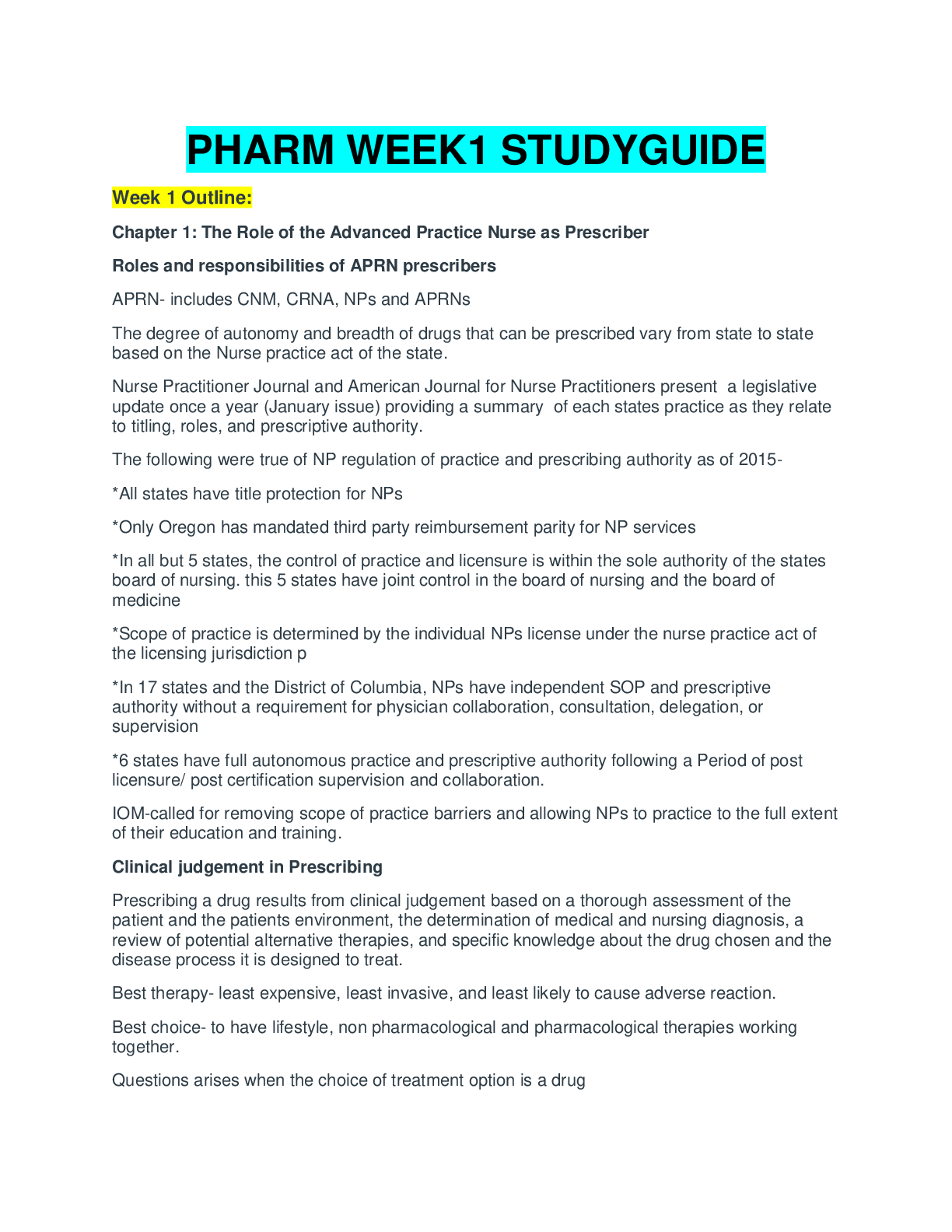


.png)