Suggestions For How To Answer Legal Problem Questions
Document Content and Description Below
A student has posted the following question on the Discussion Forum regarding the assignment:
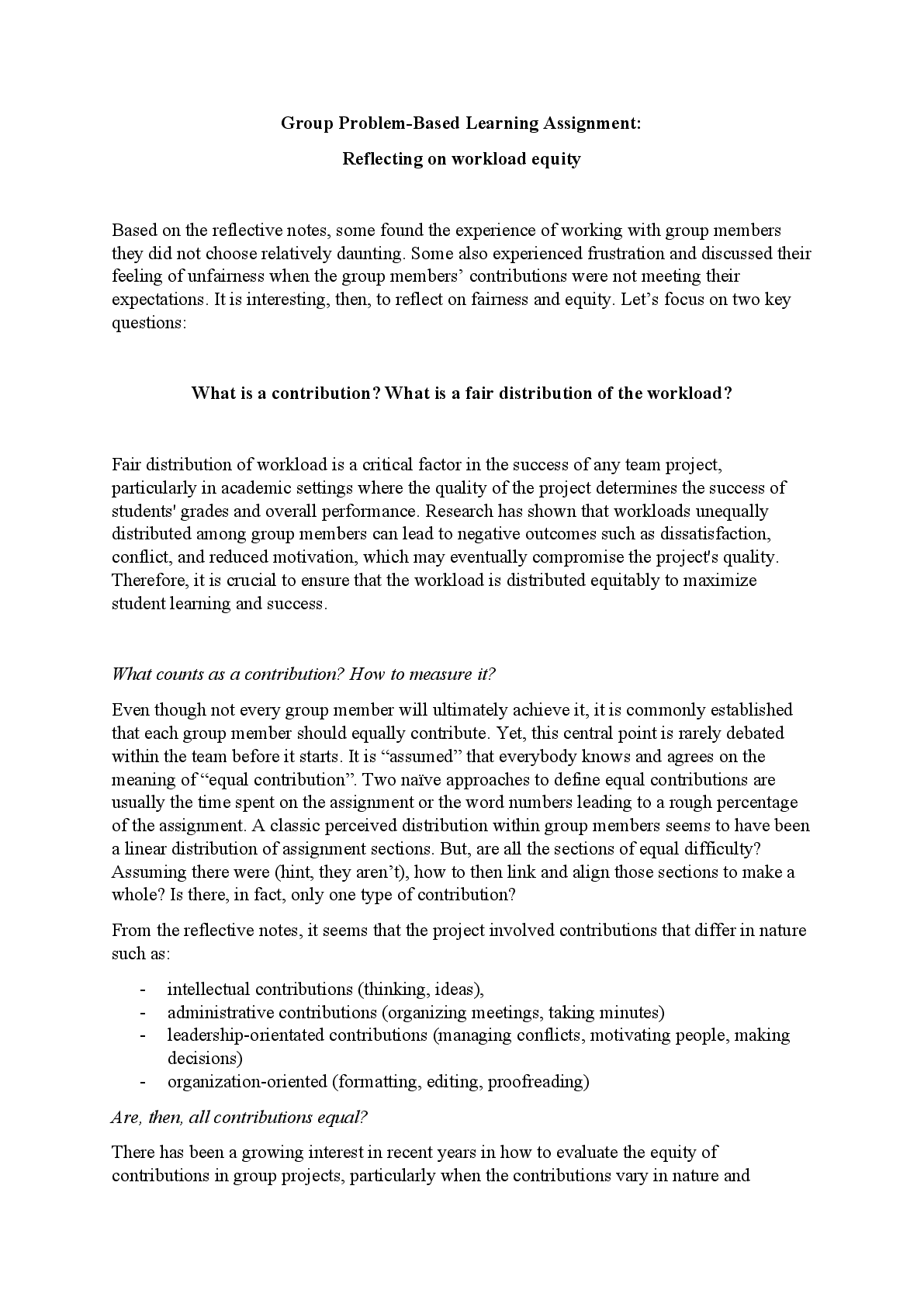
Should we use IRAC (Issue,rule,application,conclusion) method when we do the assignment? Should we put all the relevant rules
...
[Show More]
Last updated: 3 years ago
Preview 1 out of 5 pages
Instant download

Buy this Document to get the Full Access Instantly
Provided by Students Who Aced it
We Verify Document Content to Gurantee Accuracy
Reviews( 0 )
Document information
Connected school, study & course
About the document
Uploaded On
Jul 07, 2020
Number of pages
5
Written in
All

Additional information
This document has been written for:
Uploaded
Jul 07, 2020
Downloads
0
Views
202
Topic Tags
Related Subjects & Courses
Explore similar study resources and related concepts.
Recommended For You
Get more on ESSAY »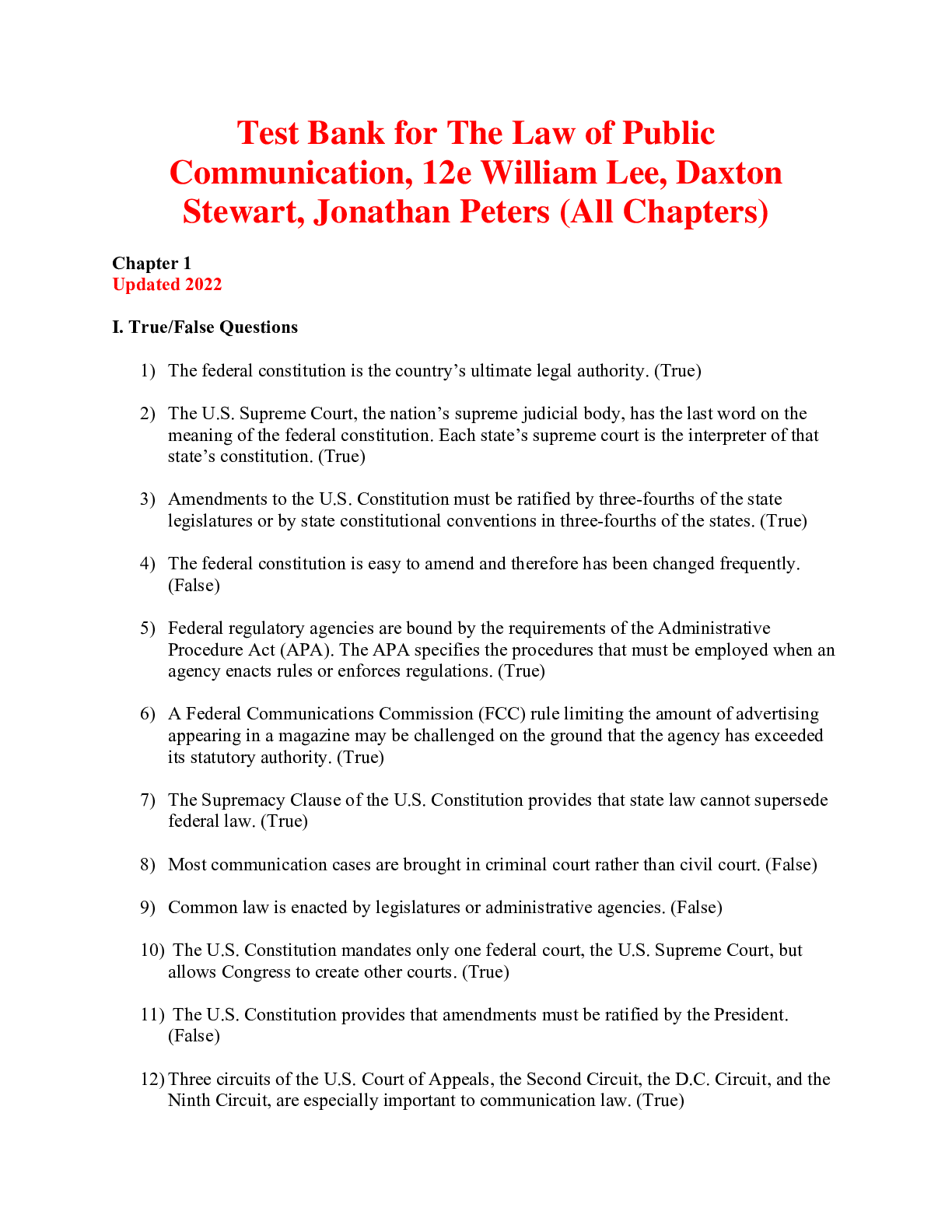
$25
107 Pages
The Law of Public Communication, 12th Edition William, Daxton...
$20
885 Pages
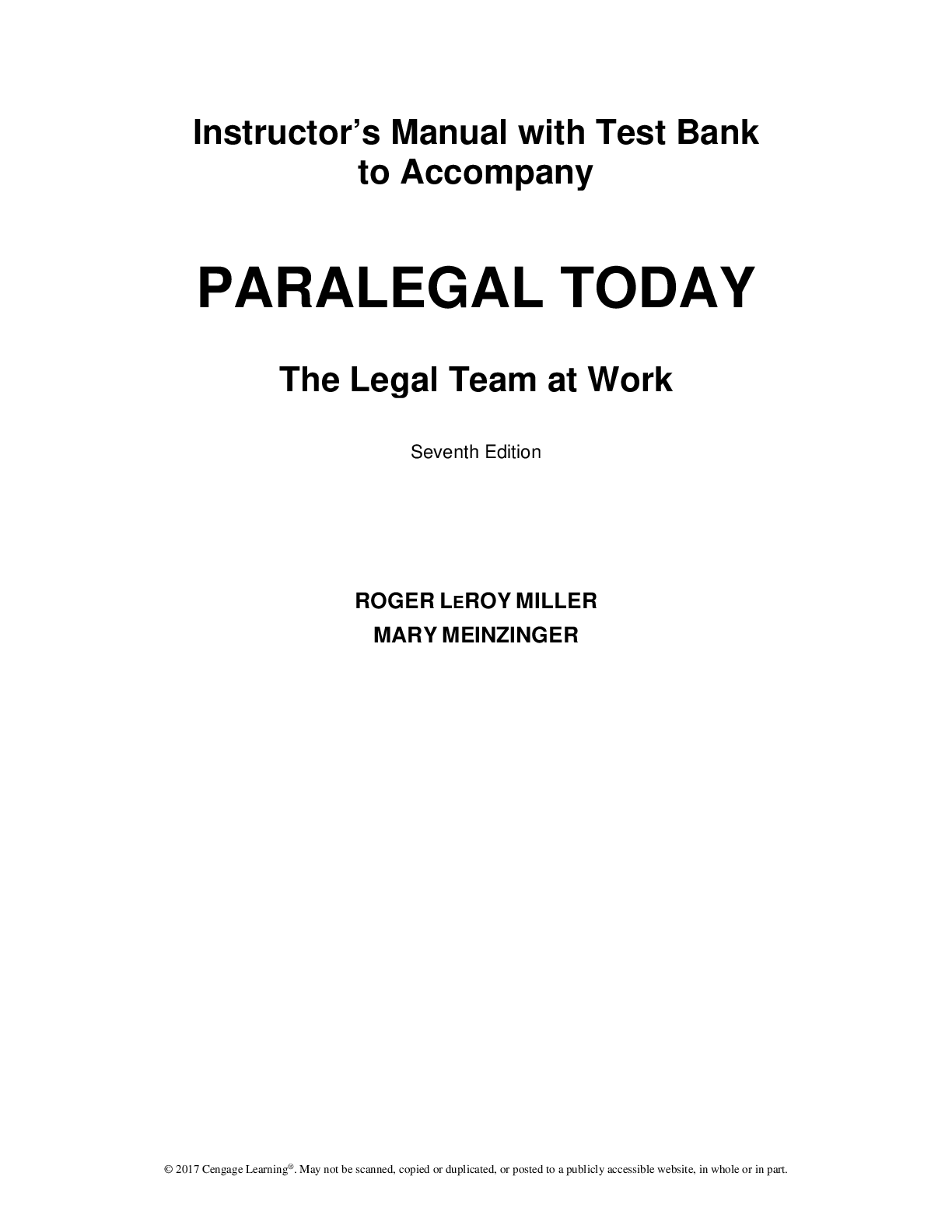
Test Bank for Paralegal Today The Legal Team at Work 7th Edit...
$15
69 Pages
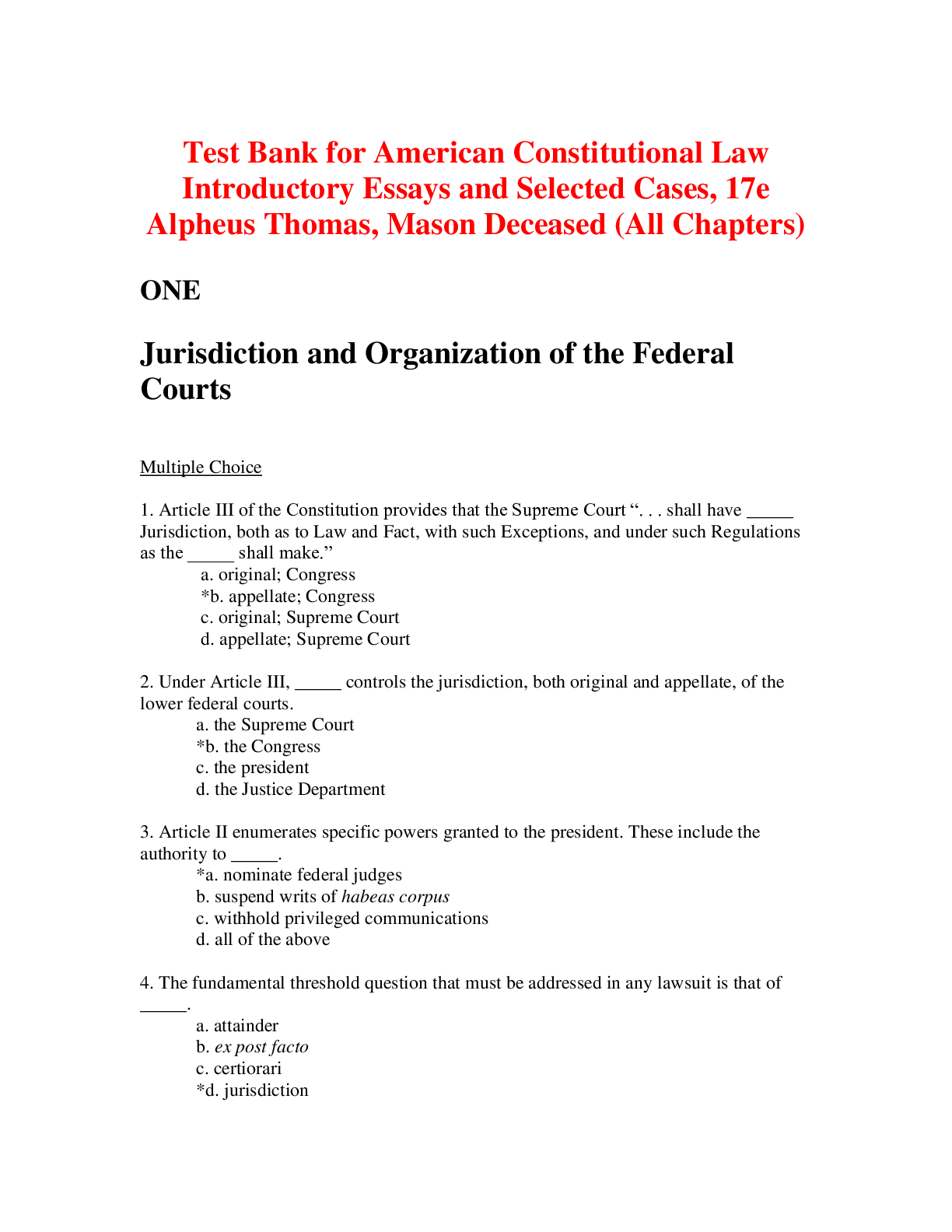
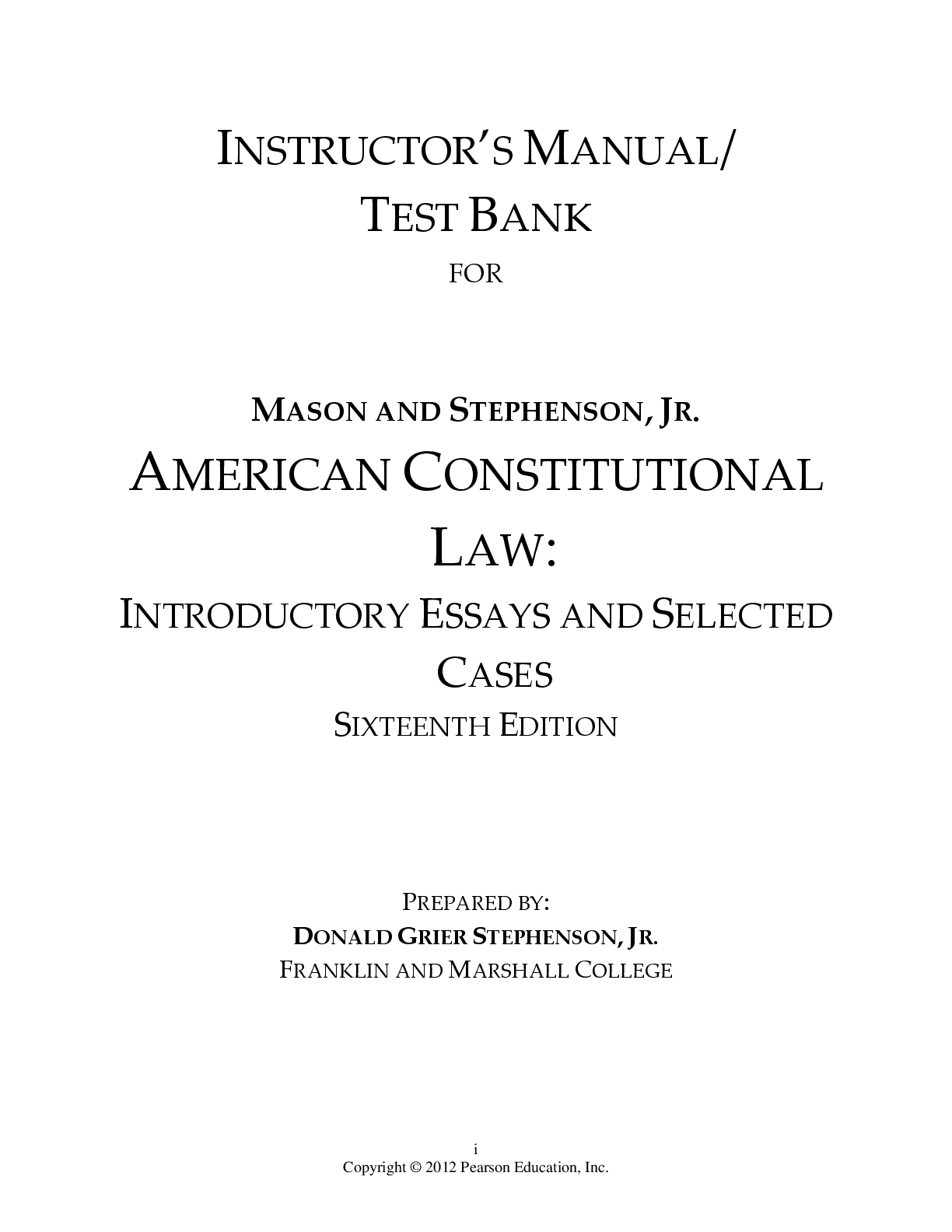
American Constitutional Law Introductory Essays and Selected C...

$20
72 Pages
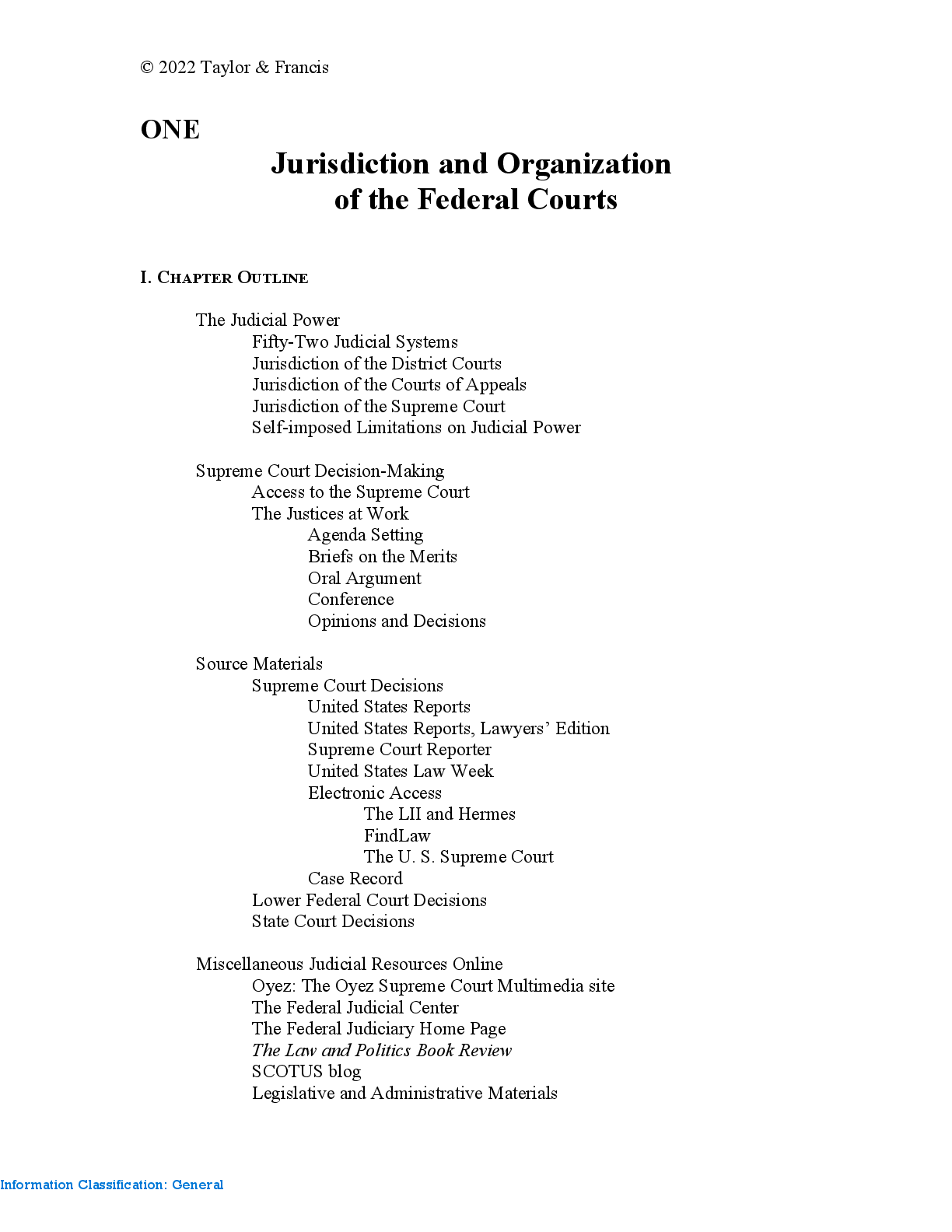
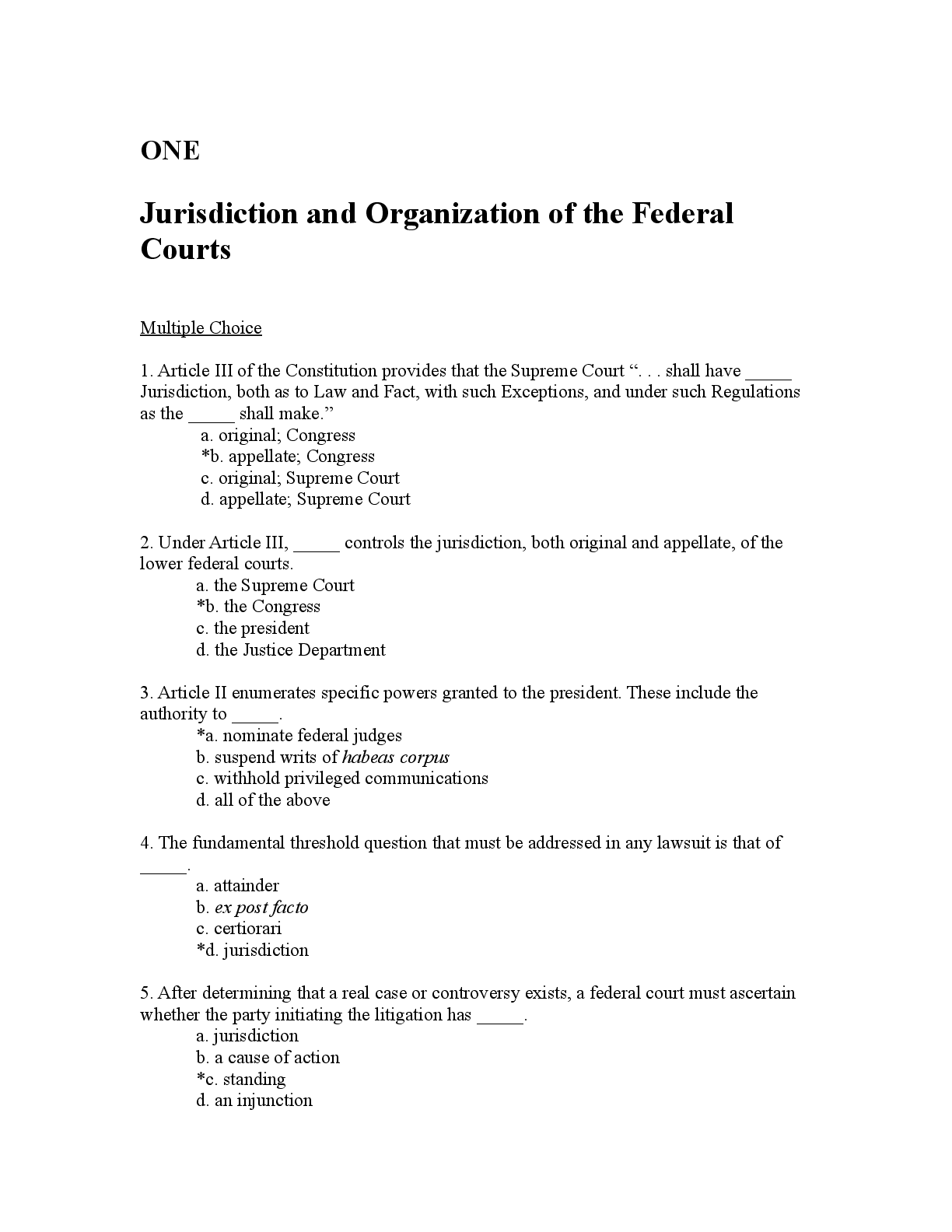
American Constitutional Law Introductory Essays and Selected C...

$1
33 Pages
OCR GCE Law H415/01: The legal system and criminal law Advance...
More related documents below