Art > STUDY GUIDE > University of Phoenix ART/101 101 art unit 8 (All)
University of Phoenix ART/101 101 art unit 8
Document Content and Description Below
Last updated: 4 years ago
Preview 1 out of 4 pages
Instant download

Buy this Document to get the Full Access Instantly
Provided by Students Who Aced it
We Verify Document Content to Gurantee Accuracy
Reviews( 0 )
Document information
Connected school, study & course
About the document
Uploaded On
May 28, 2021
Number of pages
4
Written in
All

Additional information
This document has been written for:
Uploaded
May 28, 2021
Downloads
0
Views
371
Topic Tags
Recommended For You
Get more on STUDY GUIDE »

Art history 1 | ART 101;Art History guide (test bank) | ART 10...
Test Bank for Gardner's Art through the Ages The Western Persp...
 6th Edition By Deanna D.png)
COMM (MindTap Course List) 6th Edition By Deanna D. Sellnow, K...

Living with Art 12th Edition Getlein Test Bank.Answers and che...
Art Matters: A Contemporary Approach to Art Appreciation 1st E...

Sophia - Ancient Greek Philosophers - Unit 1 Milestone 1_100%...

Harvard University - ACCOUNTING 403Contemporary-Philippine-Art...
Victoria UniversityCOOKERY SITHCCC008SITHCCC013 Learner Eviden...

SUNCOAST HYPOTHESIS TESTING Columbia Southern University - MBA...
.png)
Art history 1 Final Exam (V2) Sophia Course (solution) Latest...
.png)
Maryland State Board Cosmetology Questions and Answers 100% Pa...
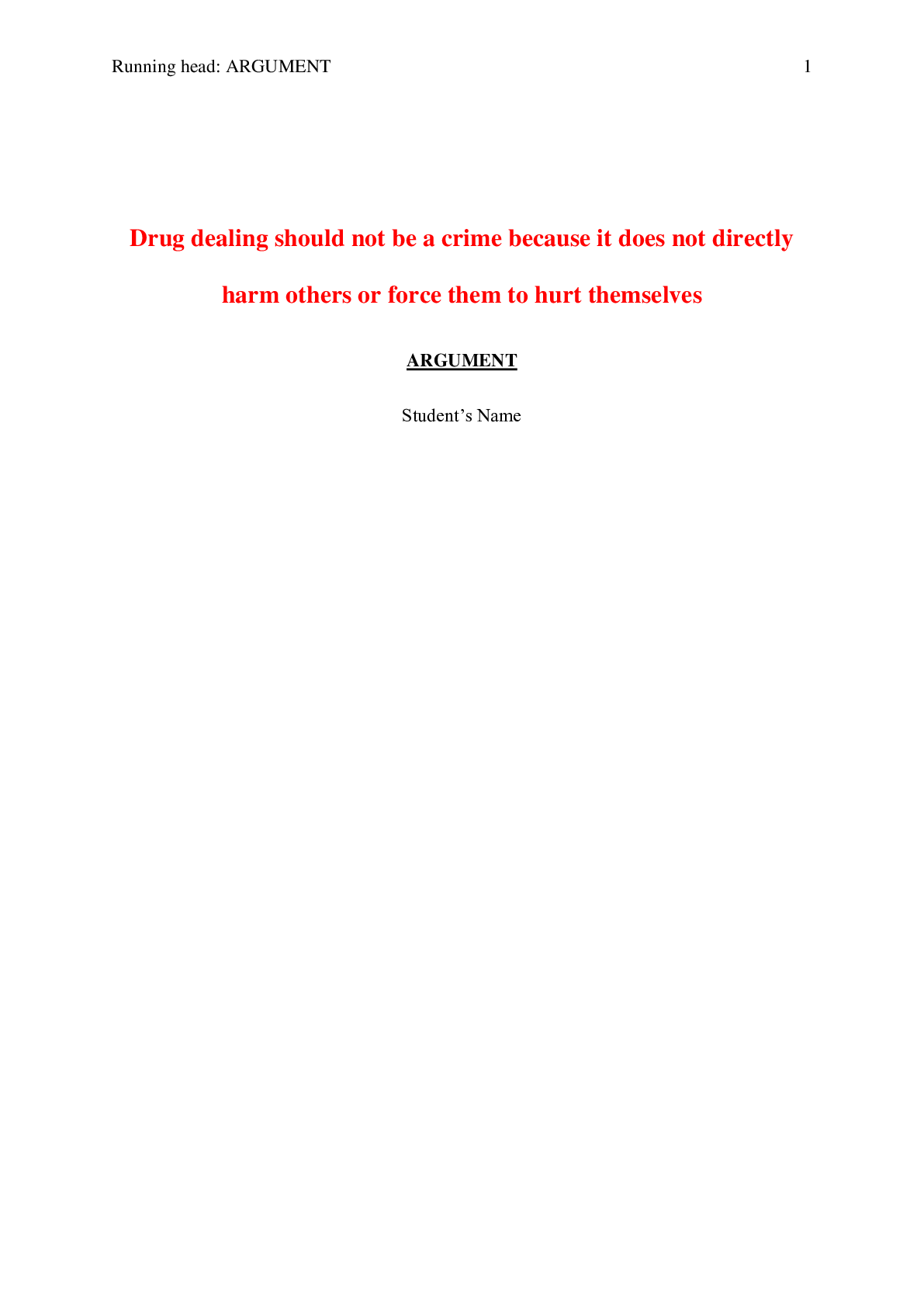
Drug dealing should not be a crime because it does not directl...