NURSING > EXAM > Exam 4 Questions Chapter 24: Structure and Function of the Reproductive Systems MULTIPLE CHOICE (All)
Exam 4 Questions Chapter 24: Structure and Function of the Reproductive Systems MULTIPLE CHOICE
Document Content and Description Below
Last updated: 3 years ago
Preview 1 out of 143 pages
Instant download

Buy this Document to get the Full Access Instantly
Provided by Students Who Aced it
We Verify Document Content to Gurantee Accuracy
Reviews( 0 )
Document information
Connected school, study & course
About the document
Uploaded On
Jul 01, 2021
Number of pages
143
Written in
All

Additional information
This document has been written for:
Uploaded
Jul 01, 2021
Downloads
0
Views
132
Topic Tags
Related Subjects & Courses
Explore similar study resources and related concepts.
Recommended For You
Get more on EXAM »
Taylor Chapter 24 Vital Signs Prep U Questions And Answers 202...
Chapter 24: Neurologic System_ Jarvis Test Bank_Already Rated...
Test Bank - Maternal-Child Nursing (5th Edition by McKinney),...
ASSESSING MUSCULOSKELETAL SYSTEMS CHAPTER 24 6TH EDITION GRADE...
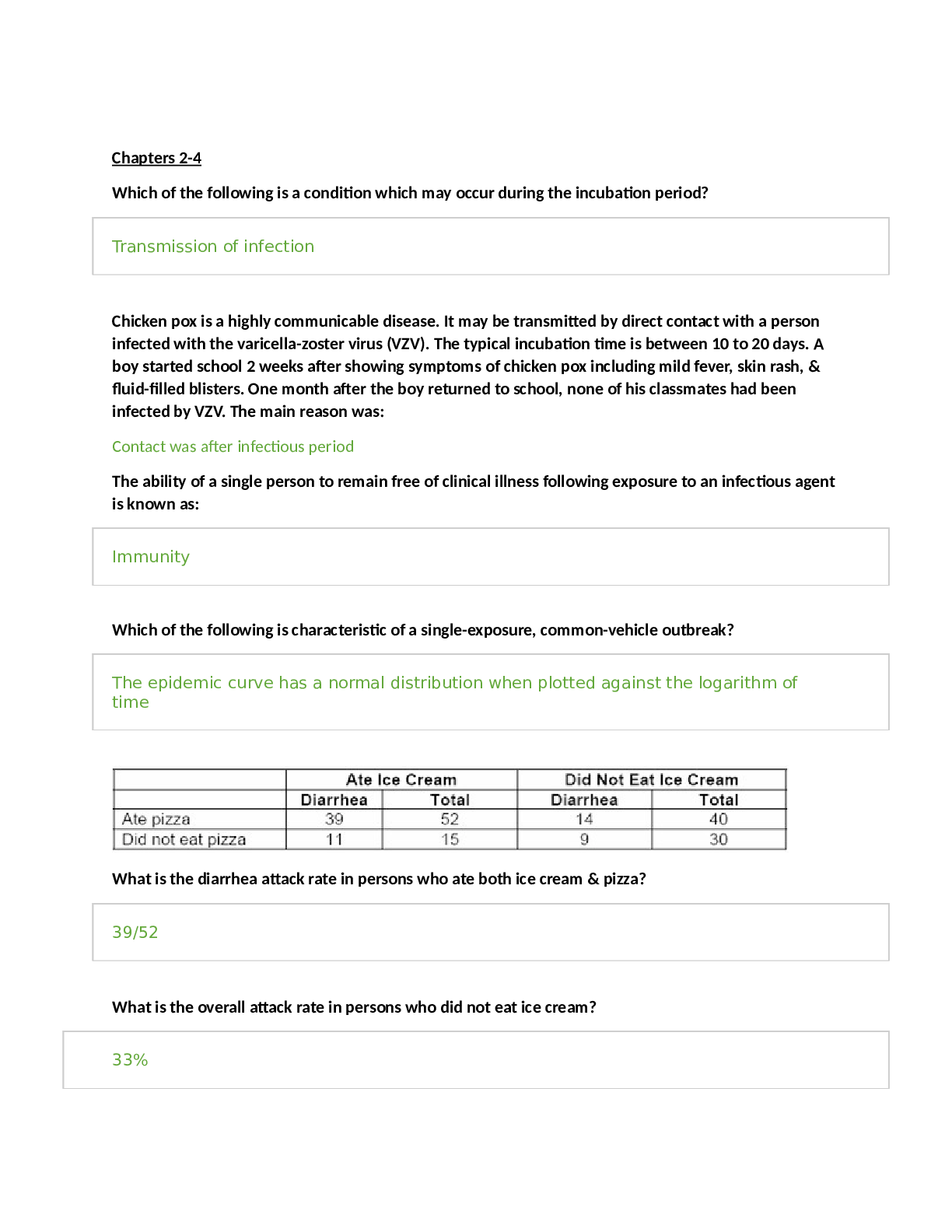
NR 503 Week 8 Final Exam Study Guide; Chapter 2-4, 5-6, 7-8, 9...
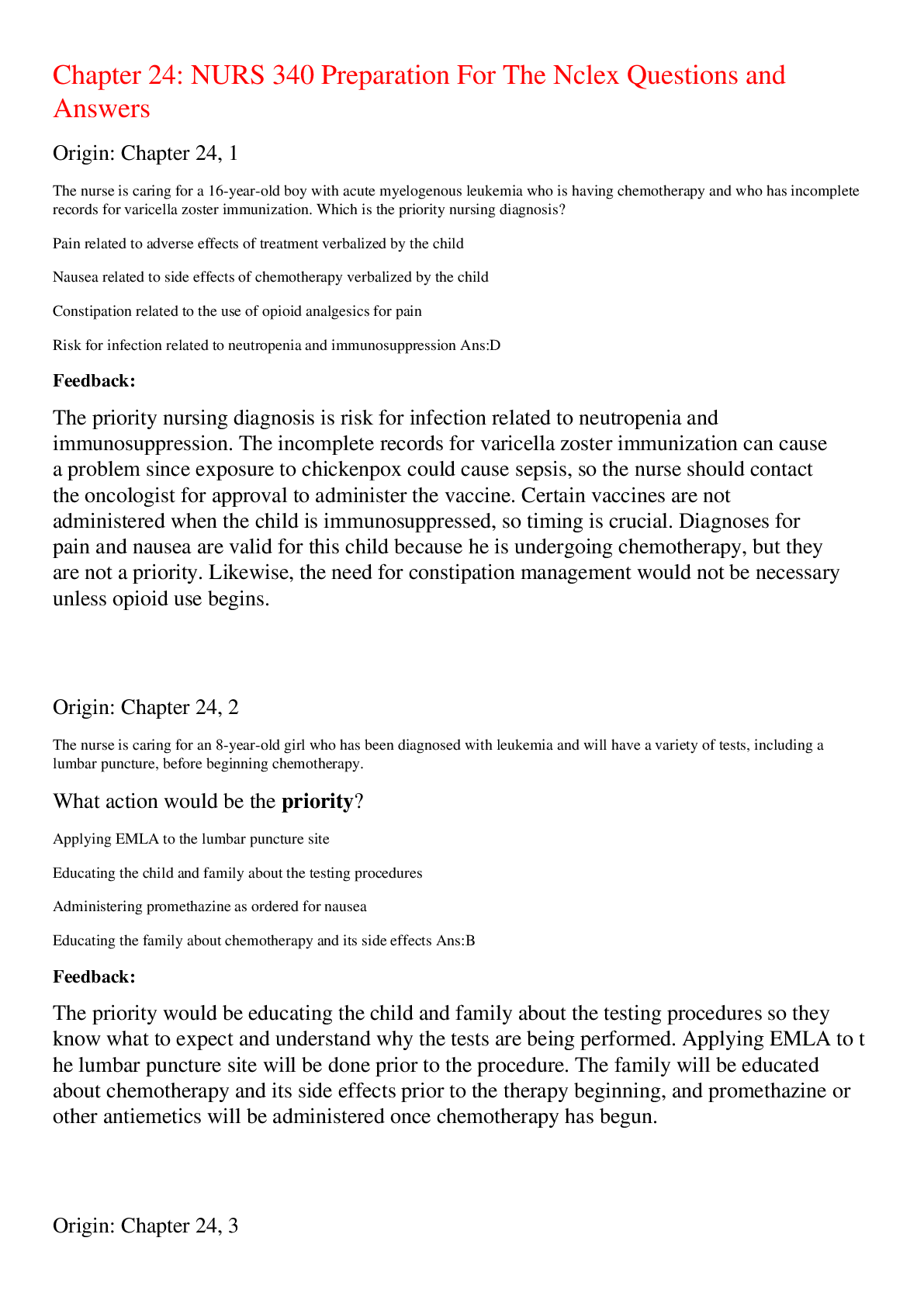
Chapter 24: NURS 340 Preparation For The Nclex Questions and A...
.png)
Burns and Grove's The Practice of Nursing Research: Appraisal,...

Giger & Davidhizar: Transcultural Nursing: Assessment and Inte...

Chapter 23- Nursing Care of the Newborn With Special Needs &Ch...

Primary Care Art and Science of Advanced Practice Nursing - Te...
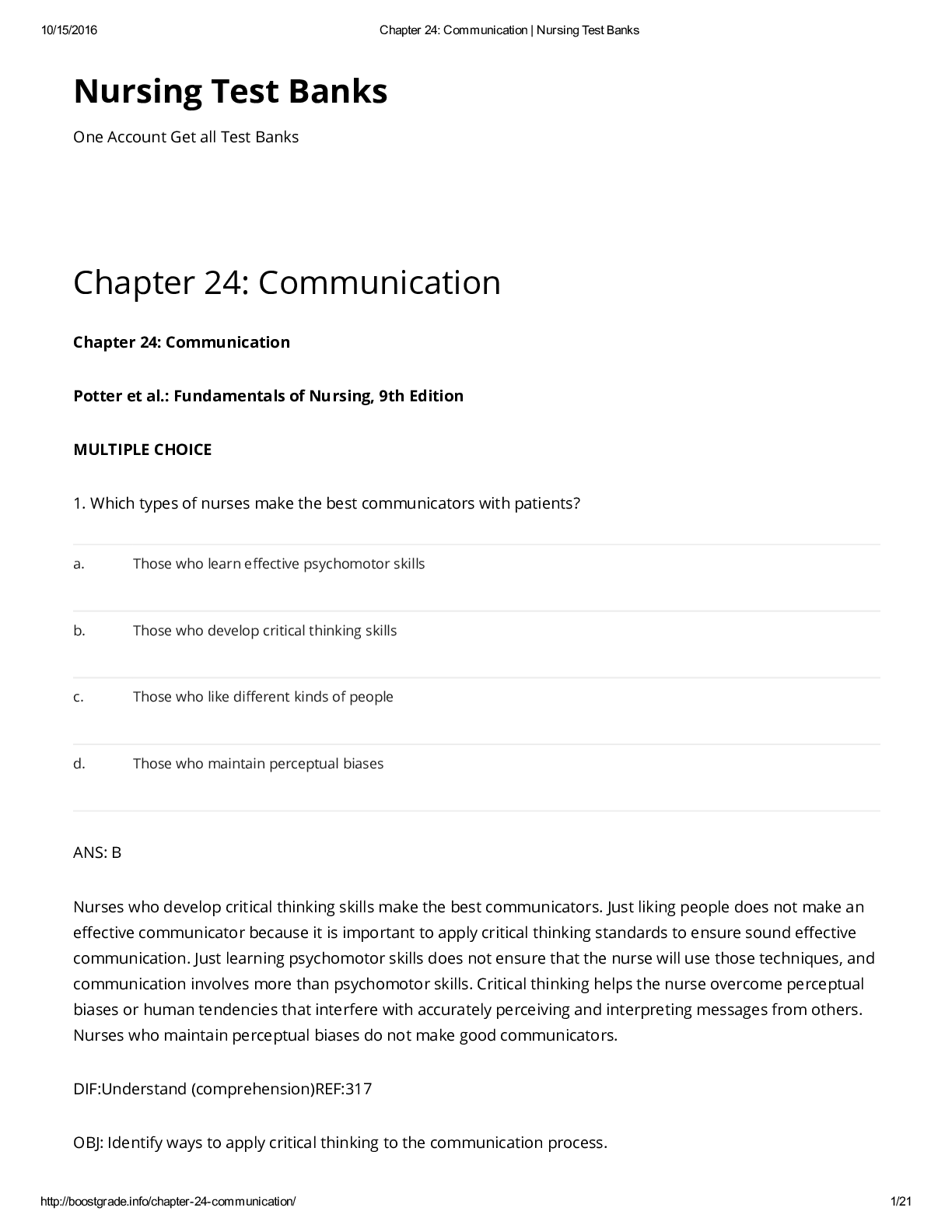
NUR 336 - Chapter 24: Communication - Nursing Test Banks. Ques...
.png)
Exam (elaborations) NUR 2032C (NUR 2032C) NUR 2032C -Jarvis Ch...
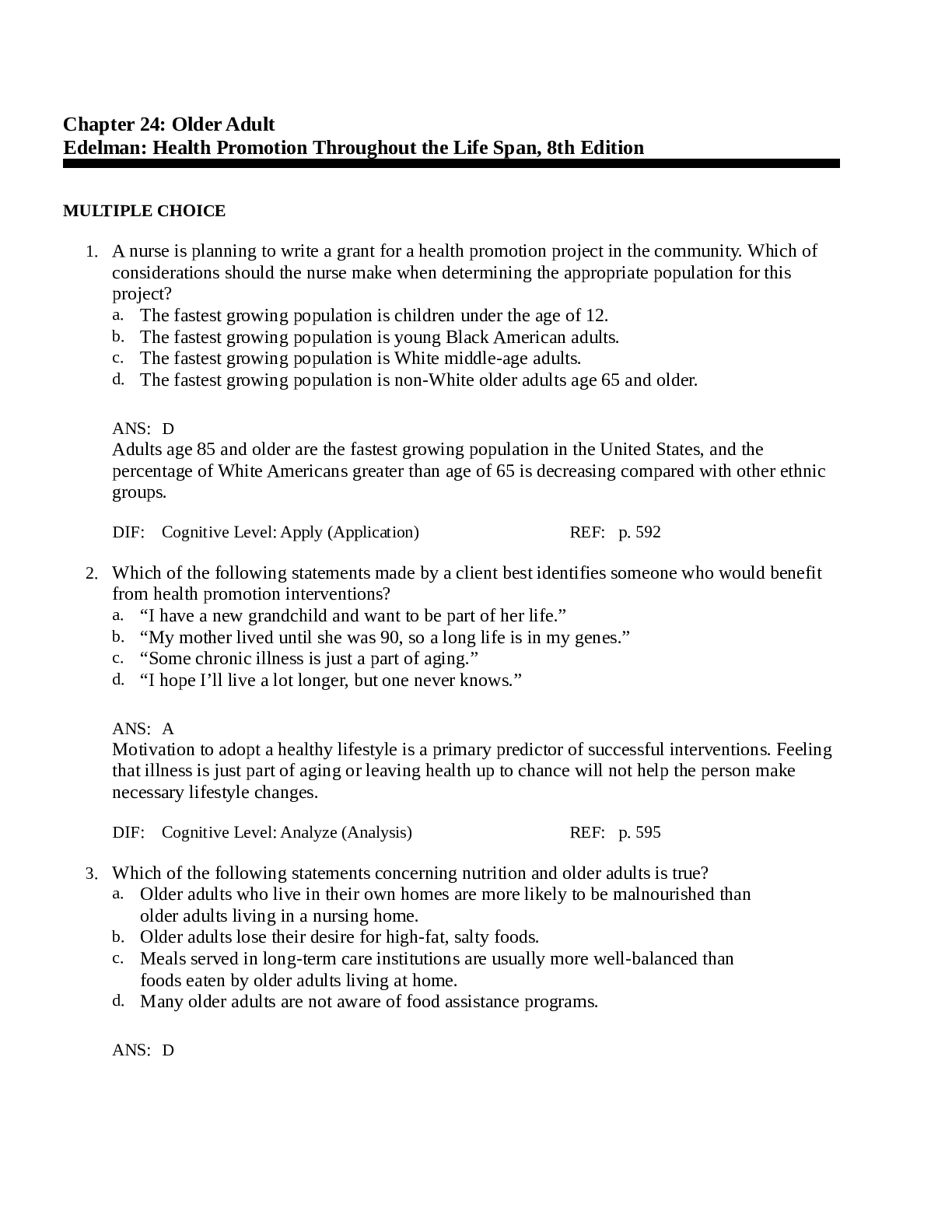
Chapter 24: Older Adult Edelman:_ Health Promotion Throughout...

NUR 354 Varcarolis Foundations of Psychiatric-Mental Health Nu...
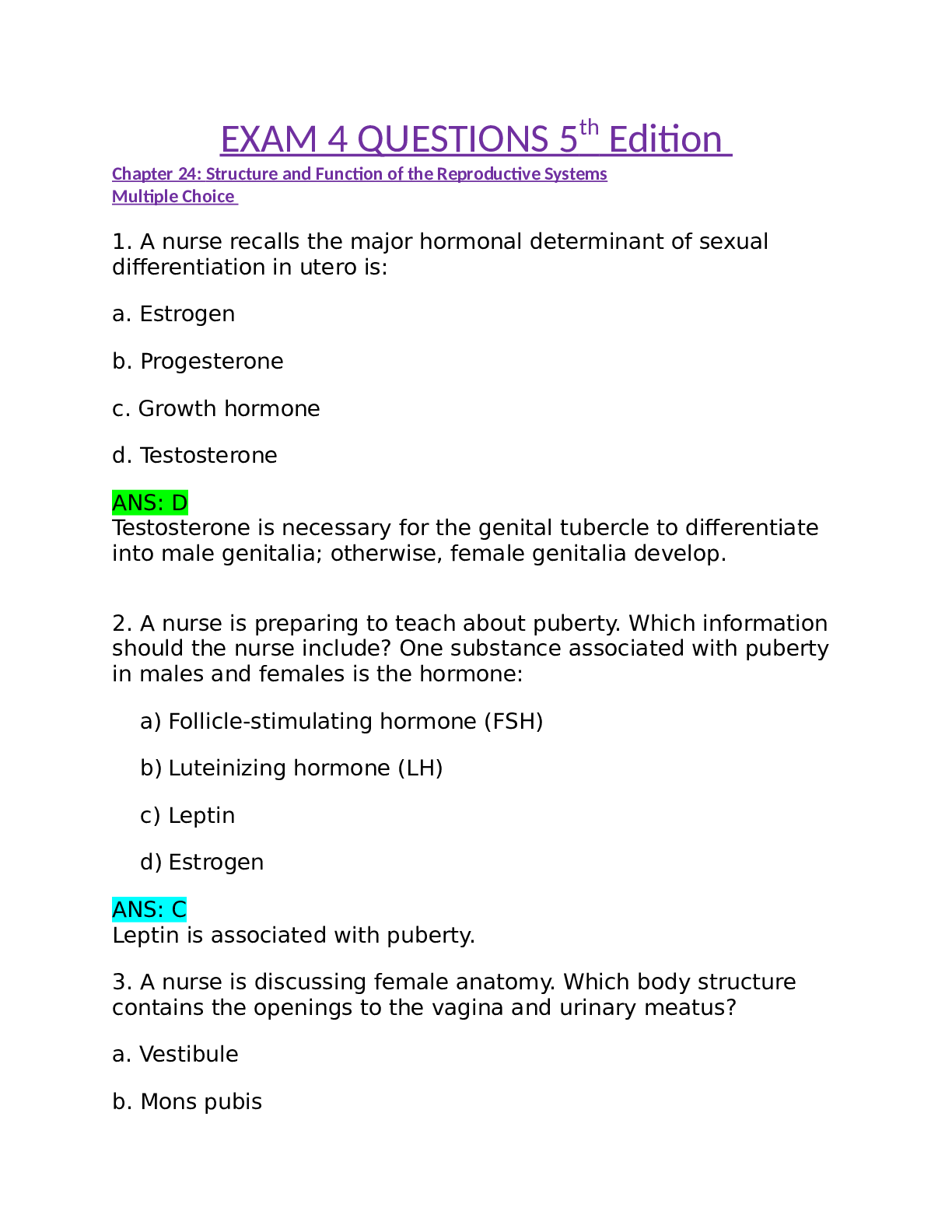
Chapter 24: Structure and Function of the Reproductive Systems...

Lewis's Medical-Surgical Nursing, 11th Edition: Burns Harding:...
Chapter 24: Personality Disorders Halter: Varcarolis’ Foundati...
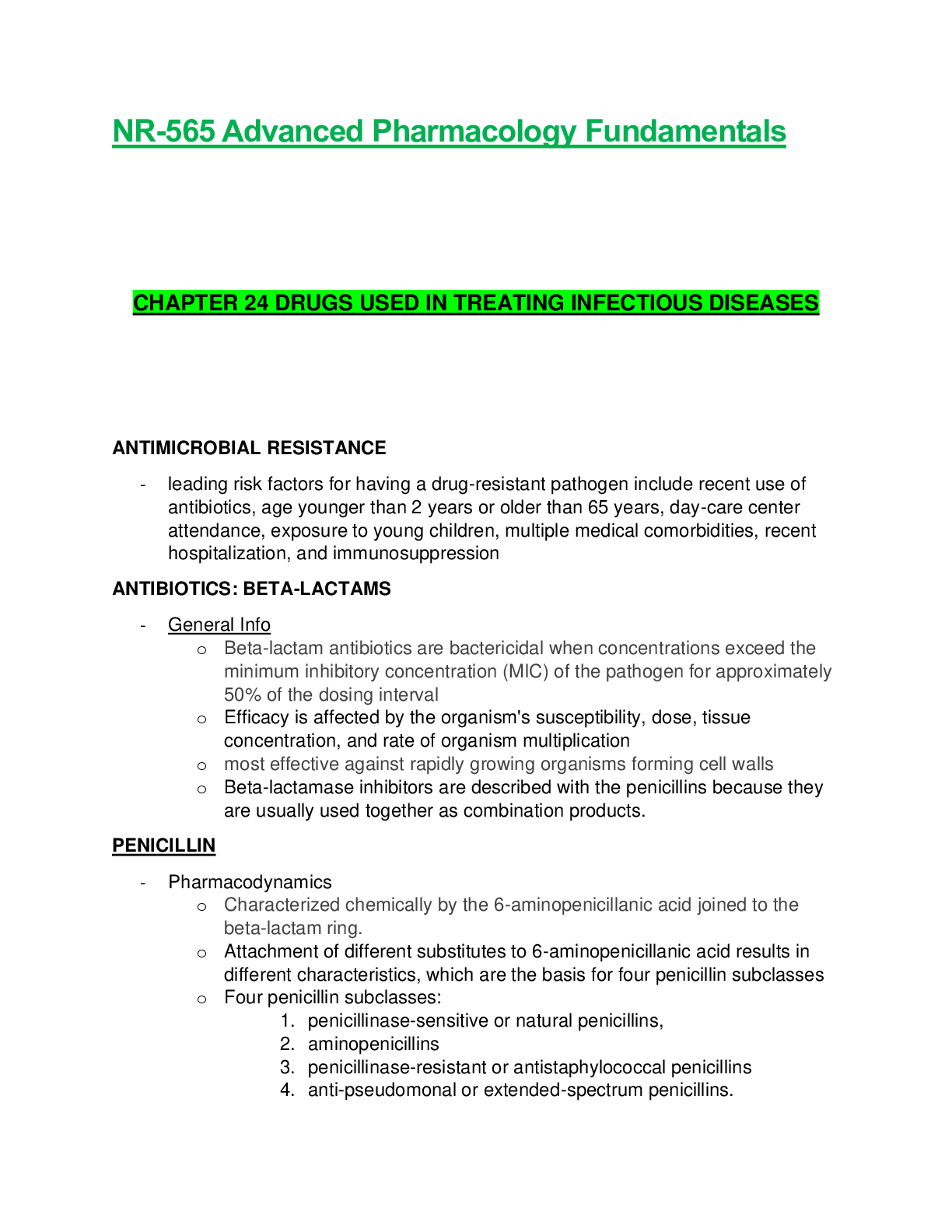
NR565 / NR 565: Advanced Pharmacology Fundamentals Week 5 Chap...






.png)
.png)