Anthropology > QUESTIONS & ANSWERS > Saint Louis University ARTH 321 EXAM (All)
Saint Louis University ARTH 321 EXAM
Document Content and Description Below
Last updated: 3 years ago
Preview 1 out of 9 pages
Instant download

Buy this Document to get the Full Access Instantly
Provided by Students Who Aced it
We Verify Document Content to Gurantee Accuracy
Reviews( 0 )
Document information
Connected school, study & course
About the document
Uploaded On
Jul 04, 2021
Number of pages
9
Written in
All

Additional information
This document has been written for:
Uploaded
Jul 04, 2021
Downloads
0
Views
144
Topic Tags
Recommended For You
Get more on QUESTIONS & ANSWERS »

Diablo Valley College ANTHR 130 CH7_Ethnicity_and_Nationalism_...
.png)
.png)
Test Bank for Fundamentals of Pharmacology for Veterinary Tech...
Cultural Anthropology, 10e by Emily Schultz, Robert Lavenda (T...
Asking Questions About Cultural Anthropology A Concise Introdu...

.png)
Diablo Valley CollegeANTHR 130Anthropology 130 final exam ( 10...
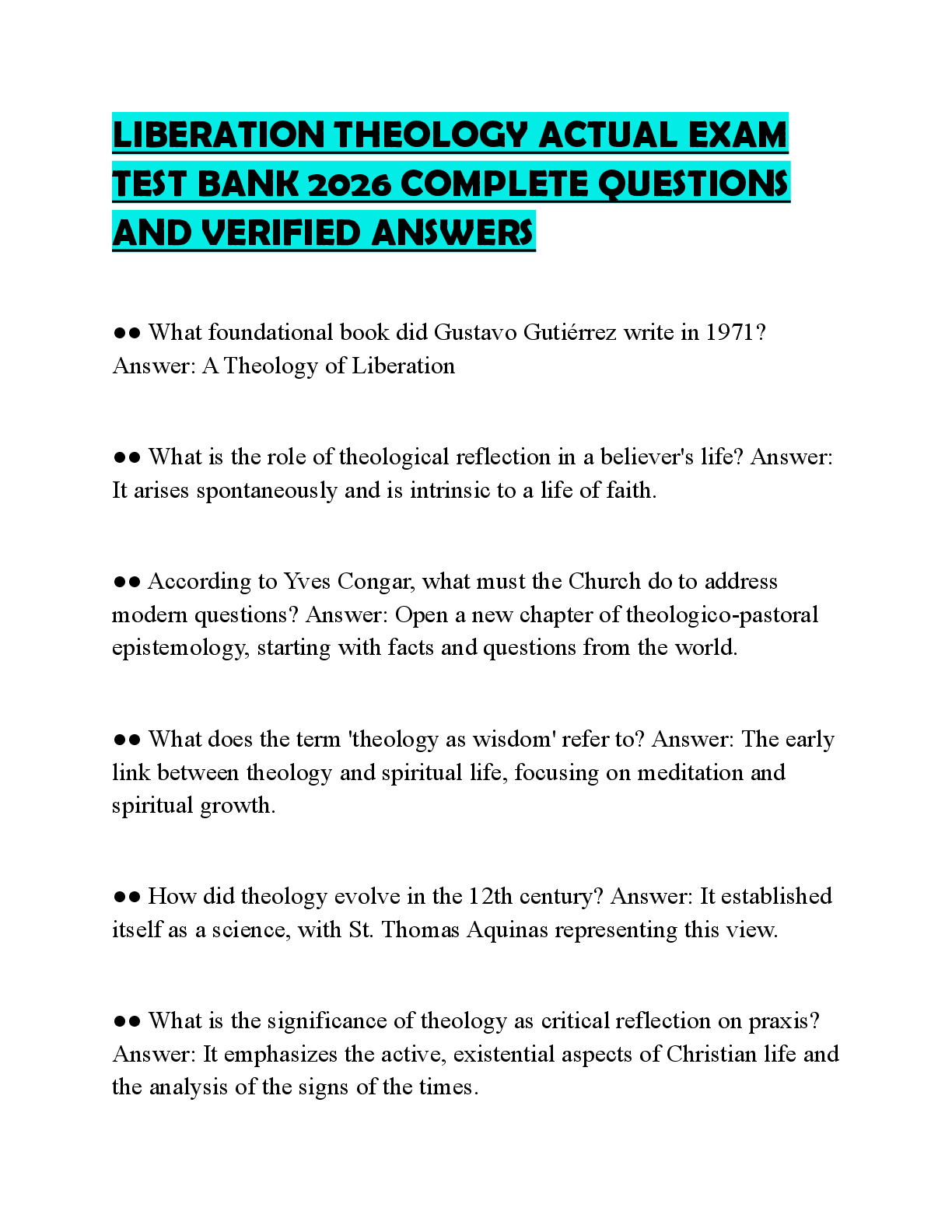
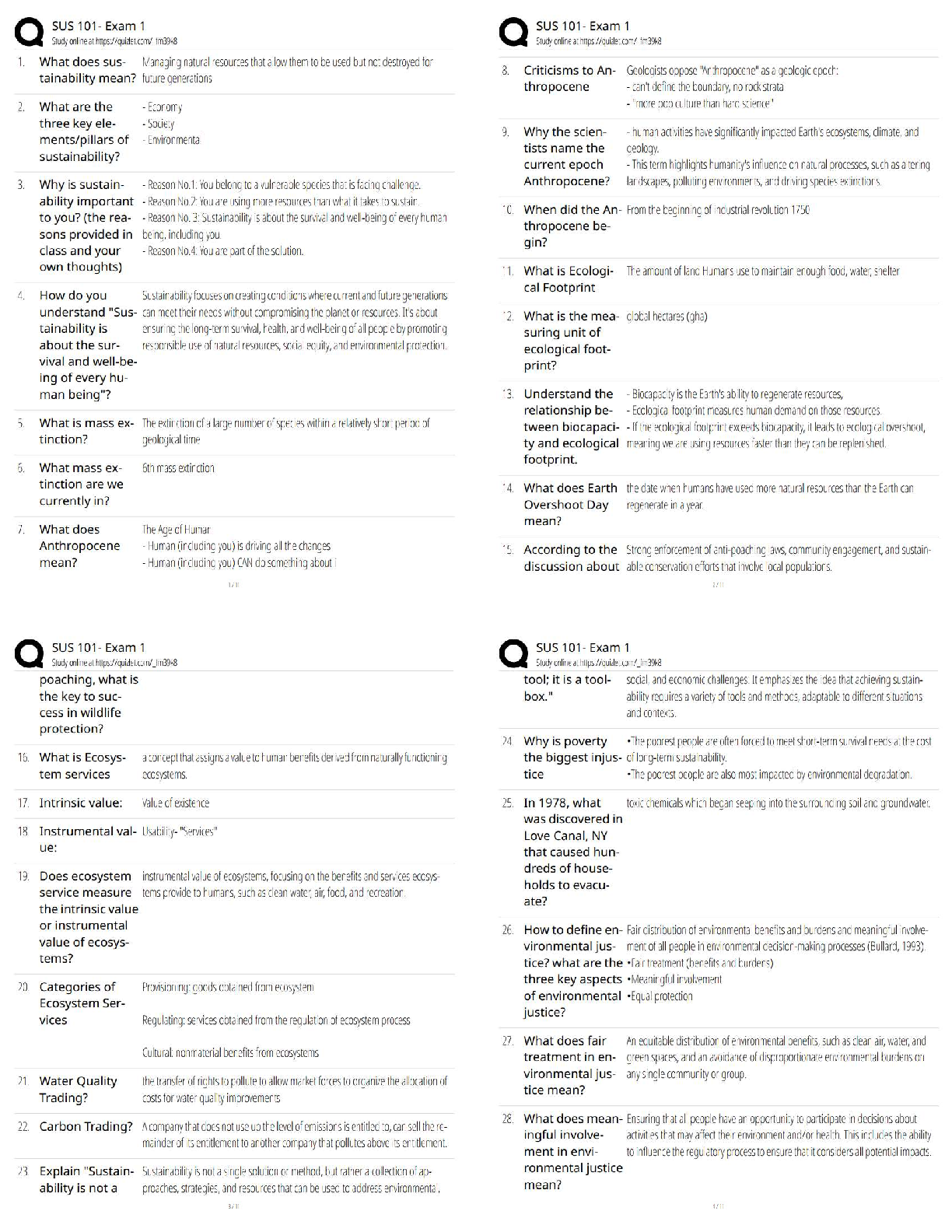
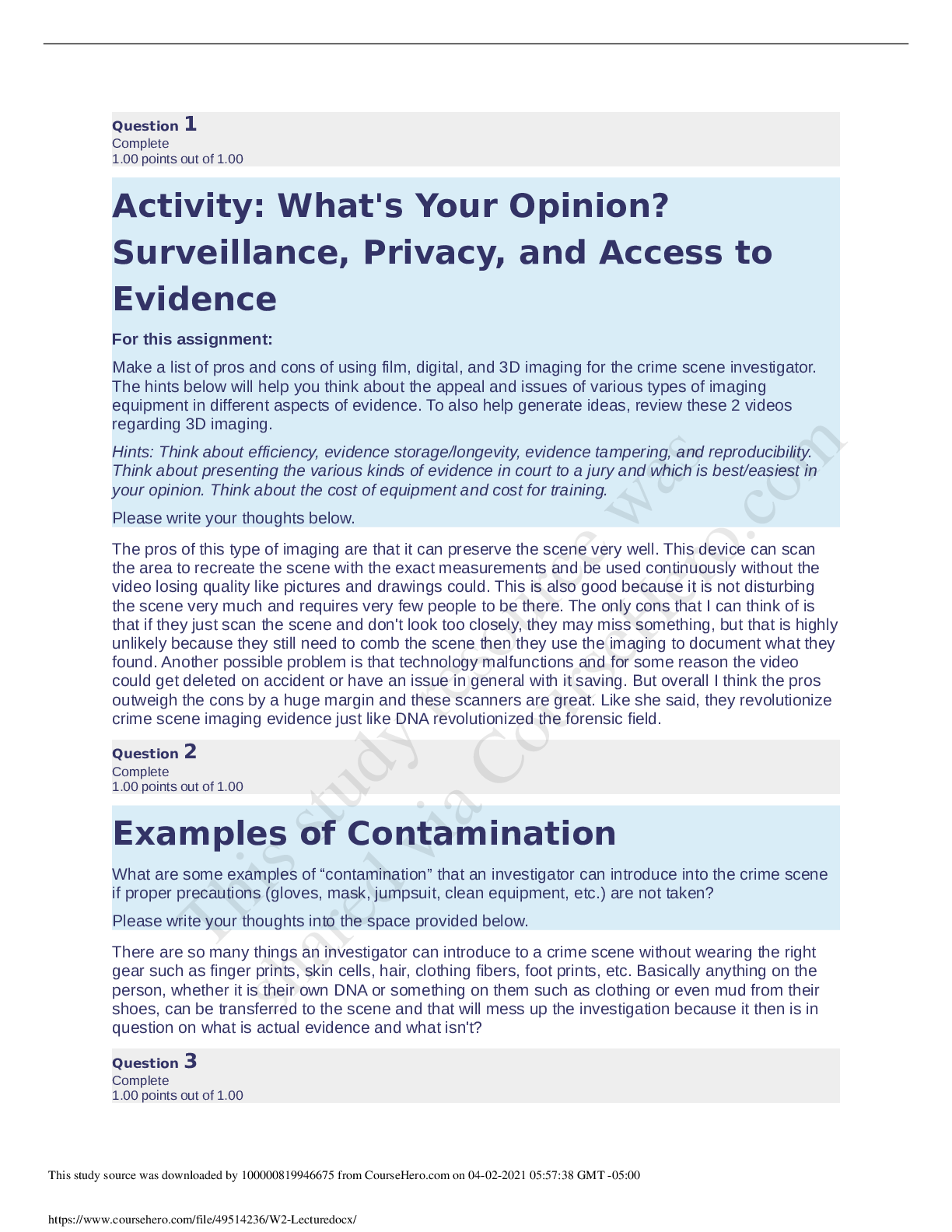
University of Illinois, Urbana Champaign - ANTH 246W2 - Lectur...
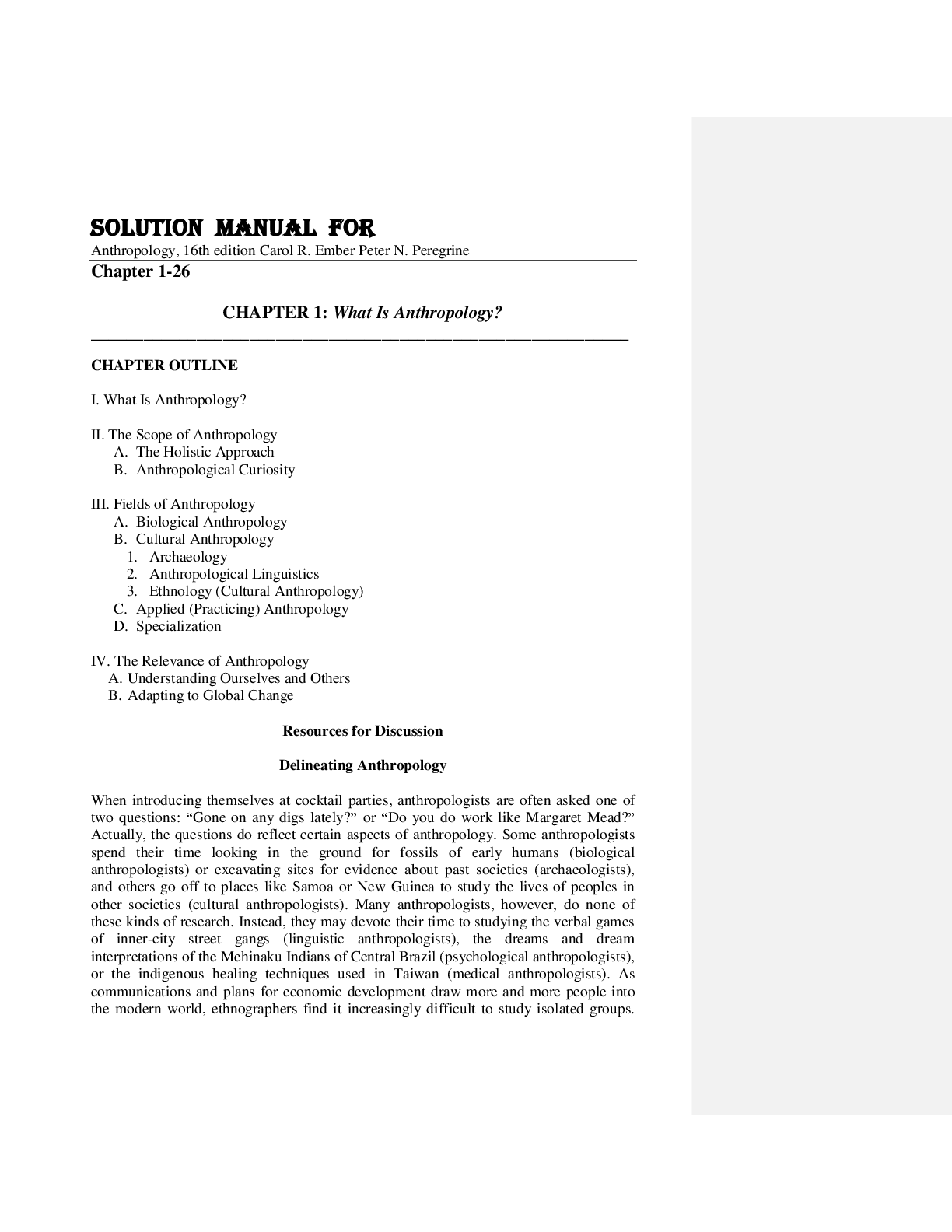
Solution Manual For Anthropology, 16th Edition Carol R. Ember...

University of Washington, Seattle - ANTH 360Bourdieu Distincti...
.png)





.png)


