Financial Accounting > Study Notes > Supply Chain Game Round 2. G MATERI 101 Updated Notes (All)
Supply Chain Game Round 2. G MATERI 101 Updated Notes
Document Content and Description Below
Last updated: 3 years ago
Preview 1 out of 5 pages
Instant download

Buy this Document to get the Full Access Instantly
Provided by Students Who Aced it
We Verify Document Content to Gurantee Accuracy
Reviews( 0 )
Document information
Connected school, study & course
About the document
Uploaded On
Aug 21, 2021
Number of pages
5
Written in
All

Additional information
This document has been written for:
Uploaded
Aug 21, 2021
Downloads
0
Views
260
Topic Tags
Recommended For You
Get more on Study Notes »
Financial Accounting with International Financial Reporting St...

Solutions Manual for Advanced Accounting, 8th Edition by Debra...

Advanced Accounting 4th Edition By Hamlen, Huefner, Largay (Te...


CMA 412 p5-3. Hats and Shoes Corp. is projecting for the next...
 Quiz 2 Concept Notes MY21.png)
NR304 / NR-304 Quiz 2 Concept Notes : Health Assessment II -...

NR228 / NR-228 Study Notes {Exam 1 / Exam 2 / Final Exam} : N...

NUR 2063 / NUR2063: Essentials of Pathophysiology Final Exam N...
.png)
MG6851 PRINCIPLES OF MANAGEMENT study notes ( BEST STUDY GUIDE...
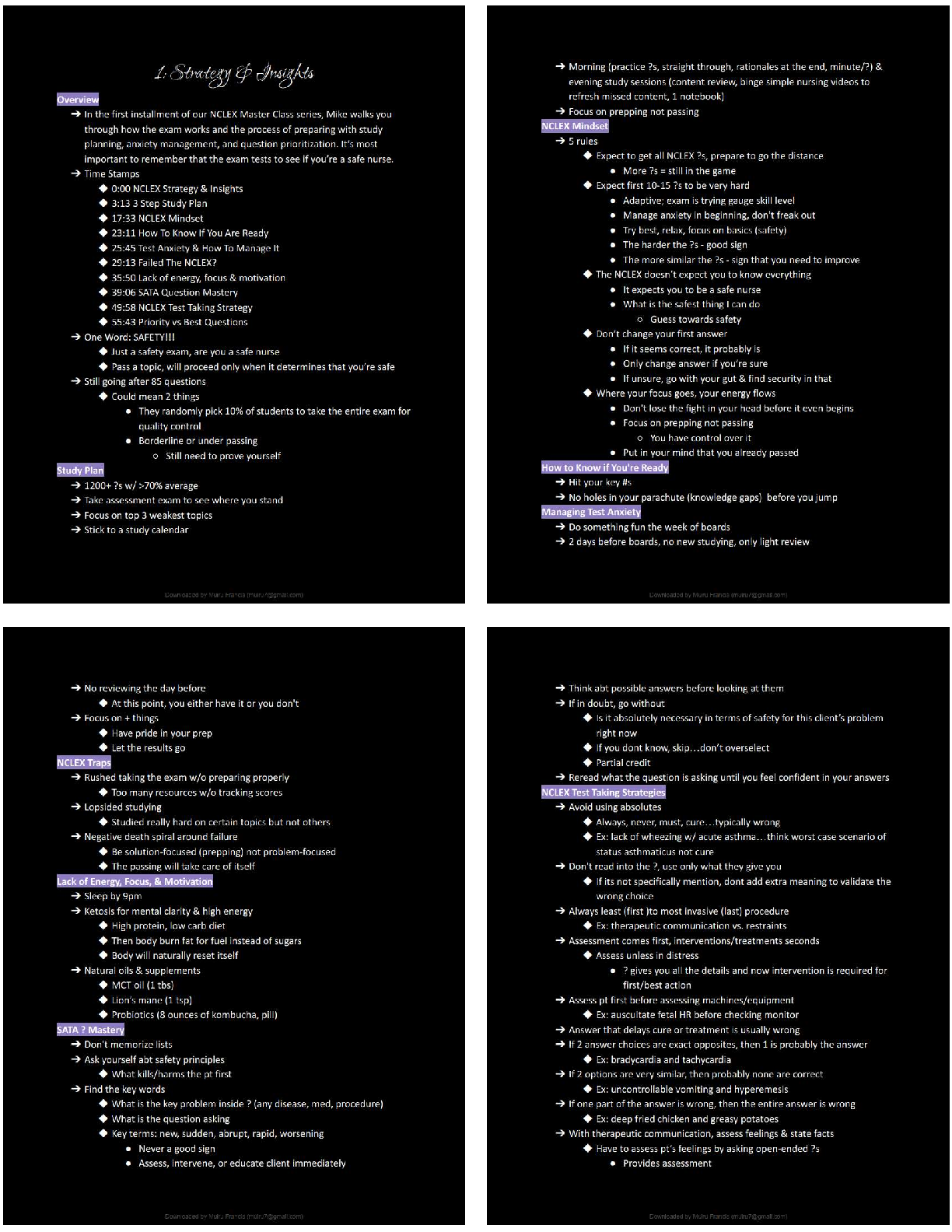
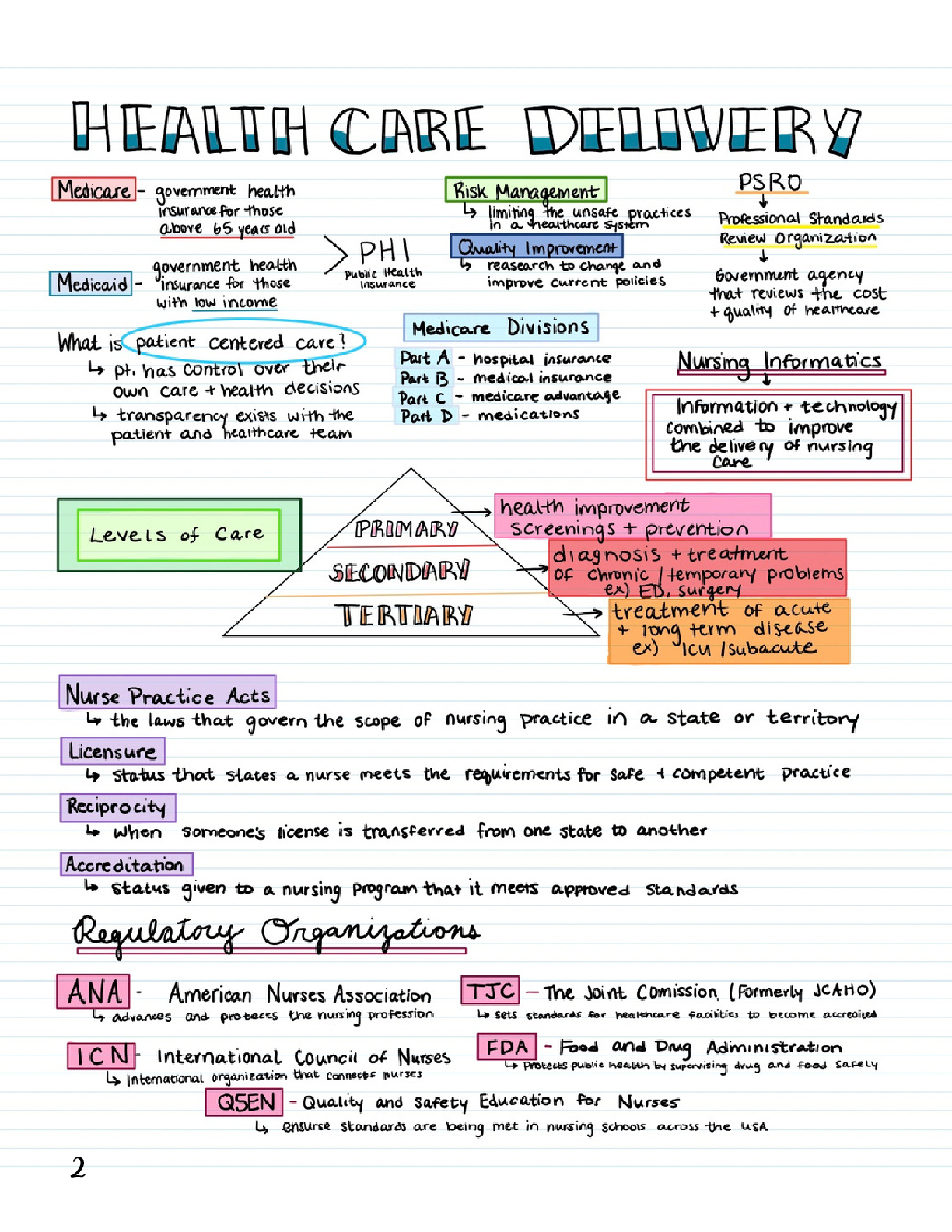
Fundamentals of Nursing 21 Page Bundle - Nursing School Notes

NR 566 / NR566 Advanced Pharmacology Care of the Family Week 3...

London MetBSC. IT G510MIS609 Data Management and Analytics stu...


.png)


