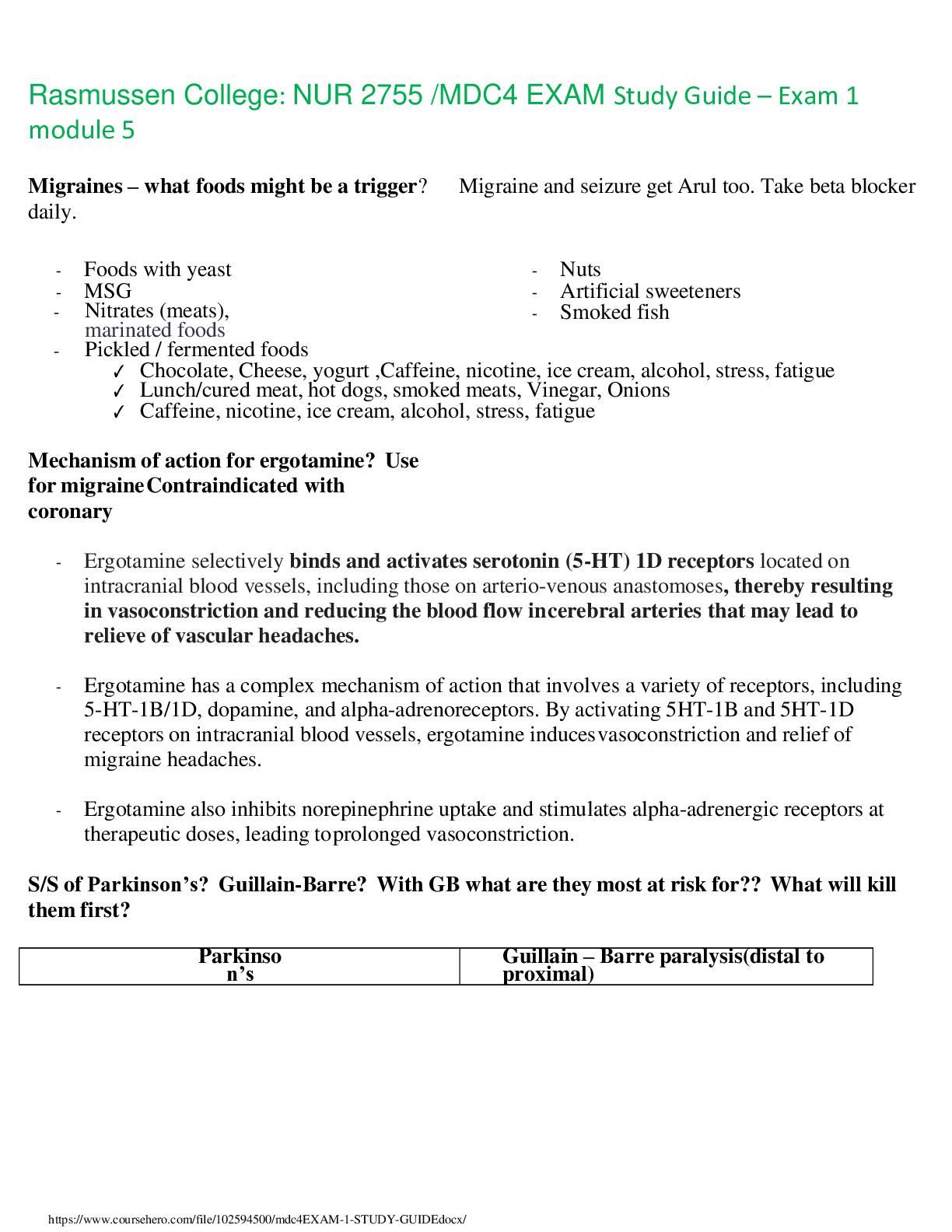
Rasmussen College: NUR 2755 /MDC4 EXAM Study Guide – Exam 1 module 5
Migraines – what foods might be a trigger? Migraine and seizure get Arul too. Take beta blocker daily.
- Foods with yeast
- MSG
- Nitrates (
...
Rasmussen College: NUR 2755 /MDC4 EXAM Study Guide – Exam 1 module 5
Migraines – what foods might be a trigger? Migraine and seizure get Arul too. Take beta blocker daily.
- Foods with yeast
- MSG
- Nitrates (meats), marinated foods
- Pickled / fermented foods
- Nuts
- Artificial sweeteners
- Smoked fish
✓ Chocolate, Cheese, yogurt ,Caffeine, nicotine, ice cream, alcohol, stress, fatigue
✓ Lunch/cured meat, hot dogs, smoked meats, Vinegar, Onions
✓ Caffeine, nicotine, ice cream, alcohol, stress, fatigue
Mechanism of action for ergotamine? Use for migraine Contraindicated with coronary
- Ergotamine selectively binds and activates serotonin (5-HT) 1D receptors located on intracranial blood vessels, including those on arterio-venous anastomoses, thereby resulting in vasoconstriction and reducing the blood flow in cerebral arteries that may lead to relieve of vascular headaches.
- Ergotamine has a complex mechanism of action that involves a variety of receptors, including 5-HT-1B/1D, dopamine, and alpha-adrenoreceptors. By activating 5HT-1B and 5HT-1D receptors on intracranial blood vessels, ergotamine induces vasoconstriction and relief of migraine headaches.
- Ergotamine also inhibits norepinephrine uptake and stimulates alpha-adrenergic receptors at therapeutic doses, leading to prolonged vasoconstriction.
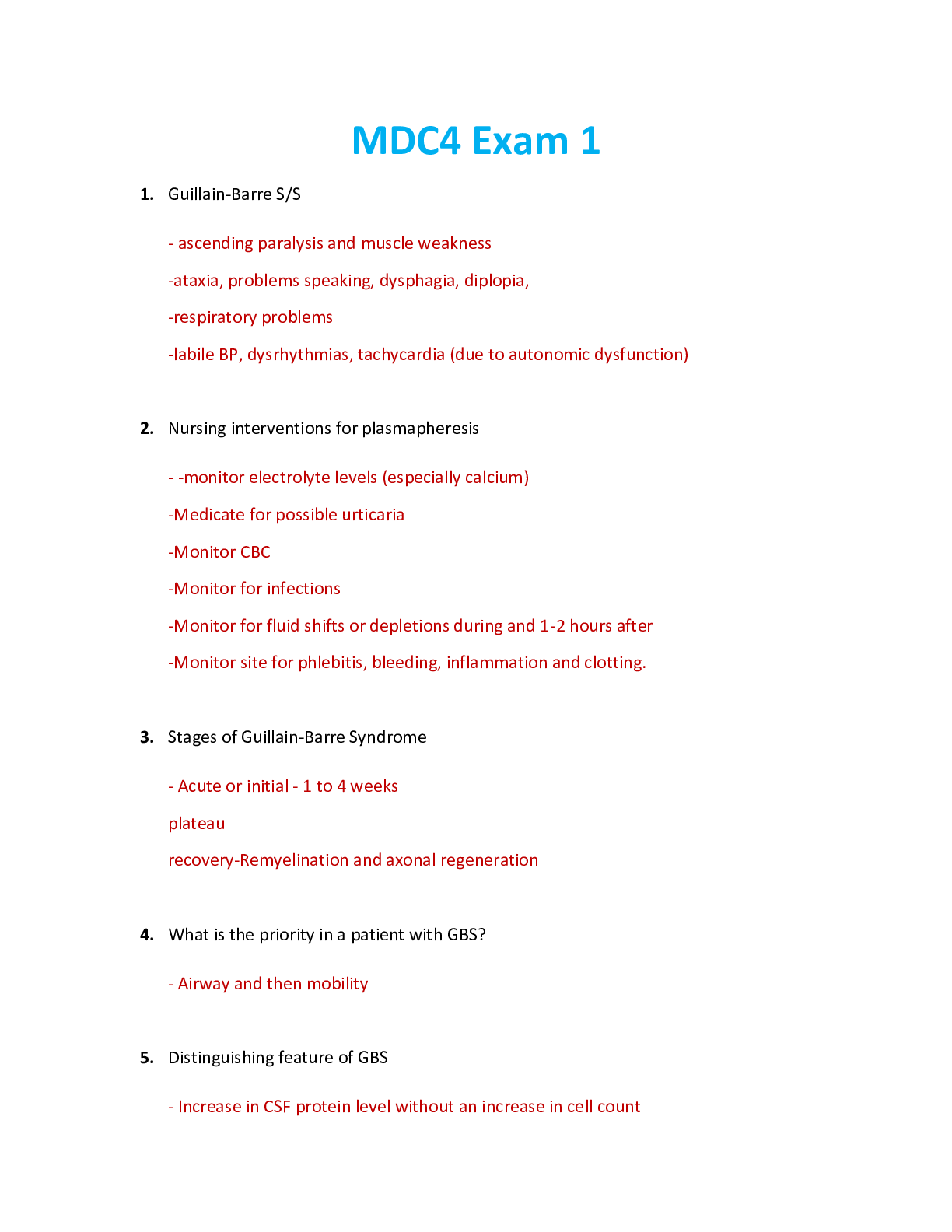
S/S of Parkinson’s? Guillain-Barre? With GB what are they most at risk for?? What will kill them first?
Parkinson’s Guillain – Barre paralysis(distal to proximal)
- Falls (require sx carry risk infection, Heart failure and blood clots and immobility and PNA,
- Tremors (upper extremities first, worsen with stress)^ fatigue, slow movement
- Change in handwriting
- “Freezing” / stuck to floor
- Rigidity(rigor). Loss of movement(Akinesia)
- Resistance to PROM
Cogwheel
- Rhythmic interruption of movement
Plastic
- Mildly restrictive movement
Lead pipe
- Total resistance to movement
- Masklike face with wide open, fixed eyes
- Uncontrollable drooling
- Excessive perspiration
- Orthostatic hypotension
- Speech changes: Bradykinesia – slowness of voluntary movement and speech
• Speak softly. Med only treat the symptoms
• Slur / repeat words
• Monotone voice
• Halting speech
- B&B incontinence
- postural instability. - Motor Manifestations: exposure to zika virus
- Risk for infection with campylobacter (bacteria un-cook poultry) Influenzas virus. cytomegalovirus
• Ascending symmetric muscle weakness
• /ascendingFlaccid paralysis without atrophy
• Decreased / absent DTRs
• Respiratory compromise suction HOB 45 degree. Paralysis of the muscle of lung, blood infection, clot in lungs, or cardiac arrest
• B&B incontinence
• Ataxia
- Sensory Manifestations:
• Parasthesias
• Pain (cramping)
Cranial nerve Manifestations:
• Facial weakness
• Dysphagia
• Diplopia
• Difficulty speaking
- Autonomic Manifestations:
• Labile BP
• Cardiac dysrhythmias / tachycardia
This study source was downloaded by 100000802531269 from CourseHero.com on 01-29-2022 09:49:51 GMT -06:00
What condition closely resembles a stroke but isn’t? migraine, seizure, Hypoglycemia, Bell Palsy
What is GCS? A brain injury severity scale that assesses depth and duration of impaired consciousness and coma What does it tell you?
- Glasgow Coma Scale 9-12 moderate 13-15 mild. If score changes please let the provider know
- Used to establish baseline data in the following categories
• Eye opening eye open 4, sound 3, pain 2, no open 1
• Motor response command follow 6, localize pain 5, w/drawal from pain 4, flexion(decorticate) 3, abnormal extension(decerebrate) 2, nothing q
• Verbal response orient 5, confusion 4, word inappropriate 3, incomprehensible sound 2 nothing 1
- Determines neurologic function
- Less than 8 INTUBATE, 3 is brain death, maintain perfusion and care to allow for organ donation
What is autonomic dysreflexia? If a patient has a T6 fracture. Look for headache.
- A potentially life-threatening condition caused by noxious visceral or cutaneous stimuli.
GI: bowel impaction, irritation of hemorrhoids
Gynecologic / genitourinary: Bladder/bowel distention, UTI, epididymitis, scrotal compression
Vascular symptoms include:
* Sudden rise in BP if patient has it , please sit patient up.x
* Profuse sweating above level of injury
* Goose bumps above level of injury
* Flushing of skin above level of injury
* Blurred vision, spots in visual field
* Nasal congestion, stuffy nose
* Sudden severe throbbing HA
* Feeling of apprehension
Safe feeding practices to teach post stroke? (think select all that apply). Safe swallowing tips? Dietary needs –
➔ Assess swallowing and gag reflex
● Speech-language pathologist may request swallowing study
● Liquid-consistency regimen as needed
● Small sips of water to determine choking
● Initial feeding by RN to assess for choking
◆ Eat in an upright position and swallow with the head and neck flexed slightly forward
◆ Small amounts of food and sips
◆ Place food in back of the mouth on unaffected side and assess for pocketing on affected side
◆ Have suction on standby
◆ Maintain a distraction-free environment during meals
◆ Collaborate w/ dietitian to ensure appropriate caloric intake, because weight loss is common following stroke
● Assessment if thickening agent is necessary
Increased intracranial pressure – Ways to test, s/s, tips for the nurse to not increase ICP.
-
Ways to test ICP. Nervous system exam. Spinal tap/lumbar puncture(check for glucose)
- If increase or suspected CT scan asap
Cushing’s triad. Look for widen pulse pressure, bradycardia, high htn, Erratic respirations/Cheyne stroke/ irregular breathing (late sign) Endocrine
IF someone has ICT no lumbar Puncture
- Normal ICP Is 10-15 mmHg
- Sustained ICP of > 20 mmHg is detrimental (neurons start to die) decrease noise in room, give stool softerner
- As ICP increases, perfusion decreases
Th-is stuEdyarsloyurcseywmaps dtoowmnsloaodfedICbyP100000802531269 from CourseHero.com on 01-29-2022 09:49:51 GMT -06:00
- Adults: headache or change in consciousness, mental status change, pupil changes, Decerebrate (limp out) and decorticate(limb to core) posturing, N/V,Unconscious,Seizure, headache
- Infants: irritability, lethargy, poor feeding, may have bulge of fontanel
- ICP can be directly measured with an ICP monitoring device
- There is an important relationship between the blood pressure, pulse rate, and ICP (Cushing triad)
& change in respiratory pattern in the presence of increased ICP. Pupil & vision changes may become apparent as edema puts pressure onto cranial nerves II, III, IV, VI.
- positioning – HOB elevated 30-45 degrees, (head at midline and neutral position). limit to 1 pillow to keep head and neck midline to prevent compression of the jugular veins, limit hip flexion/neck. Do Neuro check, limit suctioning(prevent hyoercania by hyperventilating)turn down the light, no TV or Noise. Decrease Aspiration, Improved perfusion to brain. Maintain body alignment
- Activity management – distribution of care procedures over a longer time frame in an effort to decrease oxygen demand
- Airway management – suctioning only when indicated since ETT suctioning can increase ICP.
- Hyperventilation – not recommended with TBI because it decreases perfusion
- Bowel management – stool softeners or laxatives are recommended to prevent constipation and associated increased ICP.
- No excessive fluid intake. Vital every 5-15 min
- Monitor for CSF leakage - instruct patient to avoid blowing nose and putting anything into ears ,cough/sneeze
- They test for glucose if leakage is noted
- How not to increase ICP:
* Avoid extreme flexion / extension of neck
* Maintain head in midline neutral position
* Log roll
* HOB to be between 30-45 degrees
* Bowel management
* Airway security and management, avoid hyperventilation
* Avoid sudden vertical changes of HOB in older patients
You may see some delegation type questions so as you are looking these disease processes think about things that you may need to do that you can or cannot delegate. C.N.A. Dressing, ambulating, toileting, feeding patient without swallowing precaution, positioning, VS, bed making, Specimen collection and I/O
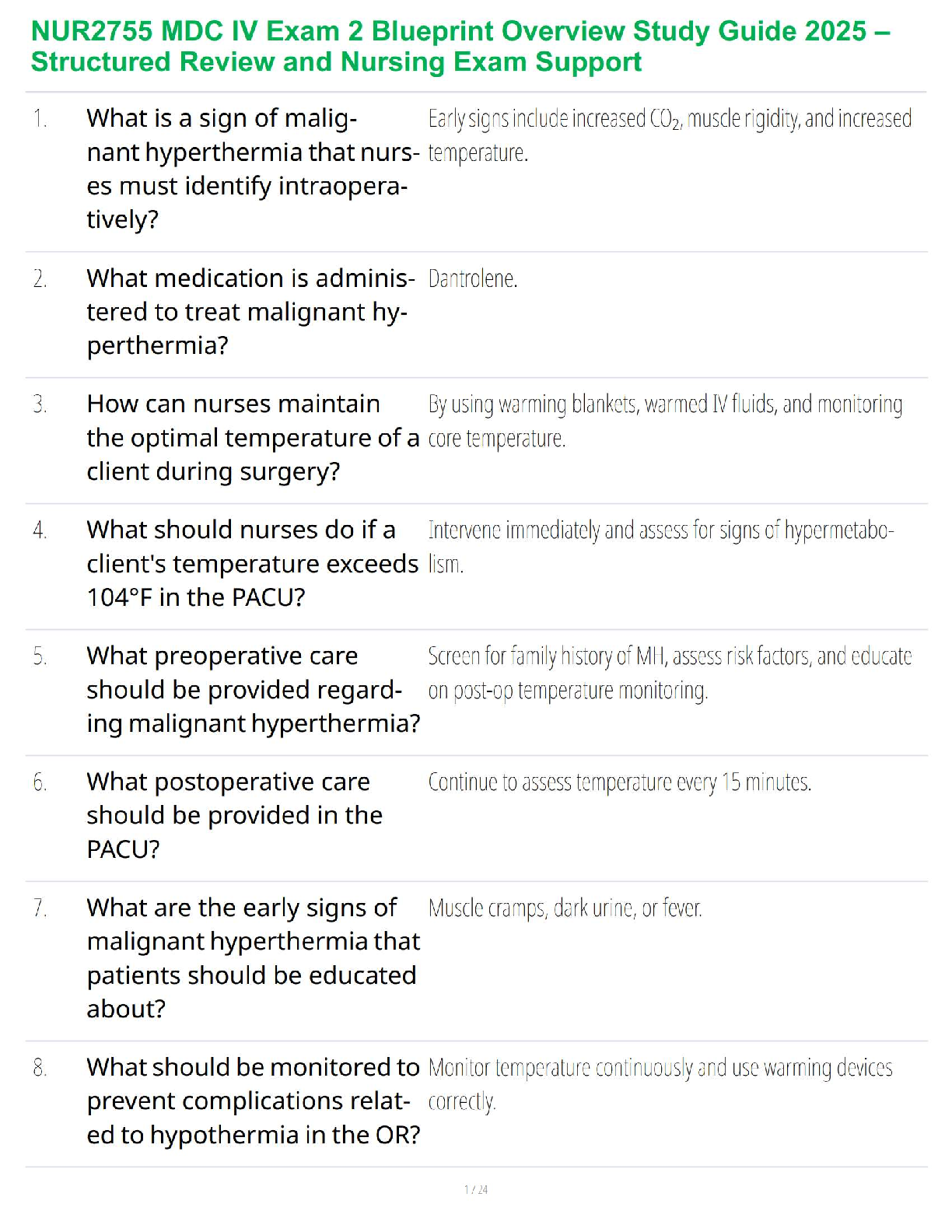
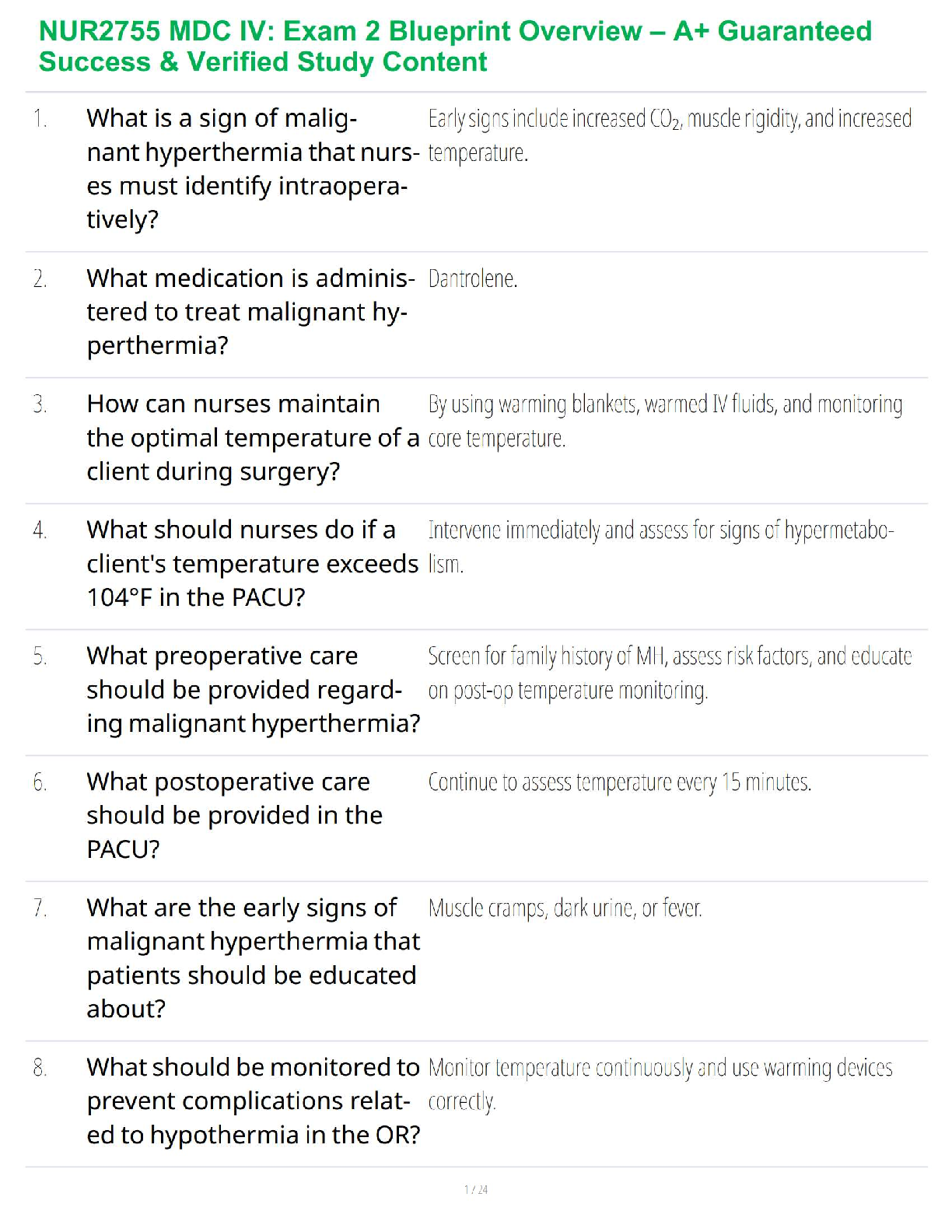
Malignant hyperthermia – s/s, nursing interventions, remember what we discussed and the pages from the ppt.
u Acute, life-threatening complication with anesthesia
u May be genetic
u Begins with skeletal muscle exposed to specific agent
u Causes increased metabolism, calcium levels in muscle cells
u Leads to acidosis, high temperatures, dysrhythmias S/S
u Tachycardia, Diaphoresis
u Skin mottling
u Cyanosis
u Myoglobinuria*
u Rise in end tidal carbon dioxide
u Elevated temperature 112 f
u Monitor urine output for blood or myoglobin.
u Alert the anesthesiologist and surgeon immediately if any of these are noted.
u More common in young adult males.
u Succinylcholine is often the contributing factor which must be stopped immediately.
u Intubate, ventilate, and administer Dantrolene sodium IV at 2-3mg/kg. Repeat as needed.
u ABG – administer sodium bicarb for metabolic acidosis
u If hyperkalemia is noted, notify the surgeon immediately. Prepare to administer regular insulin IV and dextrose 50% IV.
Lidocaine treat dysrhythmia Insulin to treat hyperclemia
u Implement active cooling techniques: iced saline, cooling blanket, ice packs, ice normal saline lavage to stomach, rectum, bladder
u NG tube, rectal tube, foley
u Place patient on cardiac monitor
HoTwhislostnudgy dsoouryceowuasddoowanlsouadregdibcya1l0s0c00r0u8b02?5?31?269 from 3C-o5ursmeHinero.com on 01-29-2022 09:49:51 GMT -06:00
Myasthenia Gravis – look at your pamphlet…. Which med gives which response and why? Preop teaching?? What might you teach and why?
-
- Anticholinergics / Cholinesterase
First line management
Prevent breakdown of acetylcholine Improve transmission Improve movement
Drug of choice: Pyridostigmine (Mestinon, Regonol)
Eat meals 45-60 min after taking anticholinesterase drugs to avoid aspiration
Avoid meds with Mg, Morphine and morphine derivatives
- Immunosuppressants
Corticosteroids
Methotrexate (Chemo)
Rituximab (Biologic)
- Preop teaching (Thymectomy)/Plasmapheresis/ Tensilon test to evaluate MG
Give anticholinesterase (pyridostigmine) / steroid immediately before surgery
Types of Anesthesia/sedation/blocks…. Review the ppt and reading in the module.
Delivered topical or injected into mucous membranes for local pain
General. Pt with general anesthetic- know what general anesthetic (Gas to breathe in and med in IV) S/E constipation, Pain, N/V and Malignant Hyperthermia
Local, briefy disrupts sensory nerve impulse transmission from body area/region deliveredtopicallyandbylocalinfiltration Patientremainsconsciousabletofollowinstruction
Balanced. Combination of IV drugs and inhalation agents used to obtain specific effectsExample: Thiopental for induction, nitrous oxide for amnesia, morphine for analgesia, pancuronium for muscle relaxation
Relgional/block. Blocks multiple peripheral nerves in specific body region
field, nerve, spinal, or epidural
• Spinal or epidural anesthesia is administered by inserting a spinal needle between the second and third or the third and fourth lumbar vertebrae (L2-3 or L3-4). The patient is placed in the flexed lateral (fetal) position (shown here) or seated on the edge of the operating bed with the back arched and the chin tucked to the chest.
• B, Spinal anesthesia (viewed from the side). A large needle is inserted to the surface of the dura mater, and a second, smaller needle is passed through the first to penetrate the dura mater and arachnoid mater. An anesthetic is injected, sometimes through an indwelling catheter, directly into the cerebrospinal fluid in the subarachnoid space.
C, Epidural anesthesia (viewed from the side). The needle is inserted to the surface of the dura mater, and thanesthetic is injected, usually through an indwelling catheter, into the epidural space.
• Sedation
• IV delivery of sedative, hypnotic, opioid drugs to reduce level of consciousness
• Patient maintains patent airway, can respond to verbal commands
• Amnesia action is short. Use for cardia cath, cardio version
Evisceration vs Dehiscence – review the ppt
Wound dehiscence is a partial or complete separation of the outer wound layers, sometimes described as a splitting open of the wound
Evisceration is the total separation of all wound layers and protrusion of internal organs through the open wound. Evisceration is a surgical emergency; the surgeon is contacted immediately, and the patient returned to the surgical suite
Dehiscence or evisceration may follow forceful coughing, vomiting, straining, or not properly splinting the surgical site during movement. The patient may report, “I feel like something popped” or “I feel as if I just split open.”
• Document the color of wound drainage as one of the following: sanguineous, serosanguineous, and serous. These are all normal within the first few days after surgery.
• Surgeon should be notified if serosanguineous drainage continues or increases after the 5th day postop.
• Dehiscence is partial or complete separation of the outer wound layers, splitting open of the wound
Th•is stuEdyvissocurecreawtiaos ndoiwsnltooatdaeld sbeyp1a00r0a0t0io80n25o3f12a6l9l fwroomuCnodurlsaeHyeerros.coamndonp0r1o-2tr9u-2s0i2o2n09o:4f9i:n51teGrMnaTl-0o6r:g00ans through the open wound.
• Evisceration is a surgical emergency; the surgeon should be contacted immediately, and the patient returned to the OR.
• Apply a warm, moist normal saline sterile dressing while waiting for further orders.
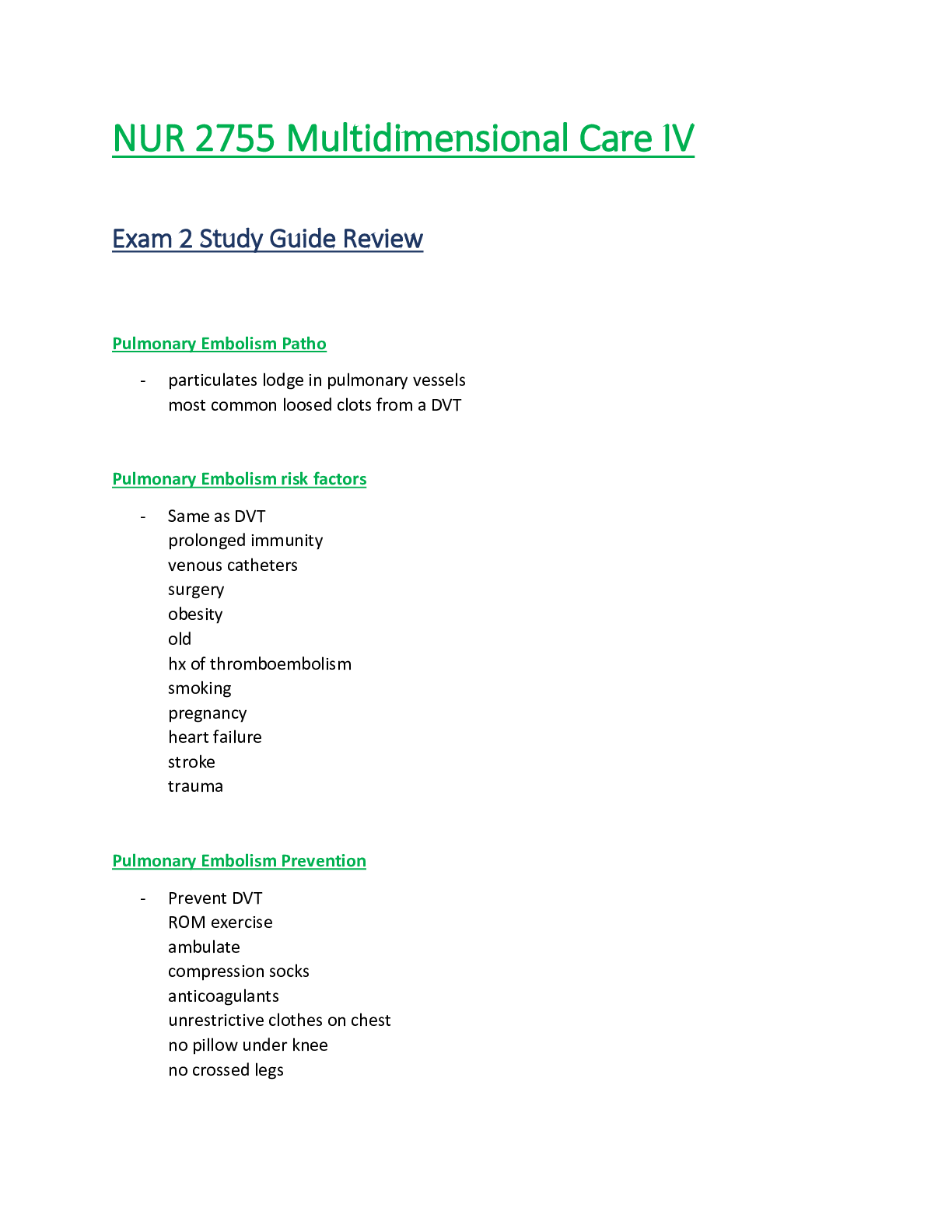
s/s PE – is this a potential post op complication?
Pulmonary emboli
SS, Sudden dyspnea, cyanosis, tachycardia, chest pain ,cough
Treatment for a CVA – be able to differentiate between an ischemic stroke, a hemorrhagic stroke and a TIA. What might be different in their presentation? DX ECG to assess for FIB (Clot) Glucose R/O hypoglycemia which mimic stroke Strokes; CT scan with out contrast.
TREATMENT:
● Reduce blood pressure
● Aspirin or antiplatelet drugs
● Controlling DM and keeping glucose levels in a target range, (100-180)
● Promote lifestyle changes
Ischemic stroke Hemorrhagic stroke TIA
Occlusion / blockage of cerebral / carotid artery by thrombus or emboli(check AFIb)
Onset= Admin TIA Vessel integrity is interrupted and bleeding into the brain occurs Surgery Temporary neurologic dysfunction due to a brief interruption of cerebral blood flow. Typically resolve in 30-60
minutes/24 hours
Gradual onset
Sudden onset ^ risk for ischemic stroke Visual deficits
- Blurred vision
- Diplopia
- Blindness in one eye
- Tunnel vision Motor deficits:
- Weakness
➔ Facial droop
➔ Arm or leg drift
➔ Hand grasp
- Ataxia
Sensory deficits:
- Numbness
- Vertigo
Speech deficits:
- Aphasia
- Dysarthria (Slurred speech)
Conscious HTN can because of drugs
Slight HA
Speech deficits Deepening lethargy / coma
Bloody CSF
Visual problems Confusion Sudden severe HA/prep pt for sx
Contraindications for tPA. Nursing interventions/considerations for administration of tPA?
tPA is only drug approved for ACUTE ISCHEMIC STROKE
Contraindications Nursing interventions
- > 80 y/o
- On Anticoags despite INR results
- Imaging evidence of ischemic injury involving > 1/3 of brain tissue supplied by middle cerebral artery
This study source was downloaded by 100000802531269 from CourseHero.com on
- Baseline NIHSS score >25 - Administer within 3 hrs of stroke onset
- May be administered within 4.5 hrs of stroke onset unless they fall into contraindication category
- Double check dose
01-29-2022 09:49:51 GMT -06:00
- Give through pump: 0.9 mg / kg over 60 min with
- Hx of BOTH CVA and DM 10% of dose given as bolus over one minute. DO NOT PUSH
- Admit to critical care / stroke unit
- Neuro check and VS Q 10 – 15 min during infusion
- Obtain weight for dosing!
- Monitor BP (SBP >180 requires TX)
➔ Give HTN med (labetalol or nicardipine)
- Avoid NG tubs and caths until bleeding managed (at least 24 hrs)
- DC infusion and notify MD of:stop TPA
➔ Severe HA
➔ Severe HTN
➔ Bleeding
➔ N/V
- Obtain post infusion and pre-anticoag therapy CT
- Broca- aphasia-communication board
Levodopa, Baclofen, Lorazepam – what are they for, why do you give them, what might you expect after you give them?
• Levodopa is medication for Parkinson disease. It to help increase dopamine in to the brain/muscle rigidity,tremors, stiffness and slowness of movement
• Baclofen help with the muscle relaxant/spasms/tightness of muscles caused by spasticity. It also improved muscle movement and relieves pain from spasticity. Intrathecal baclofen can be for severe MS. Sunlight and heat increase MS
• Ativan for seizure after the patient have a seizure
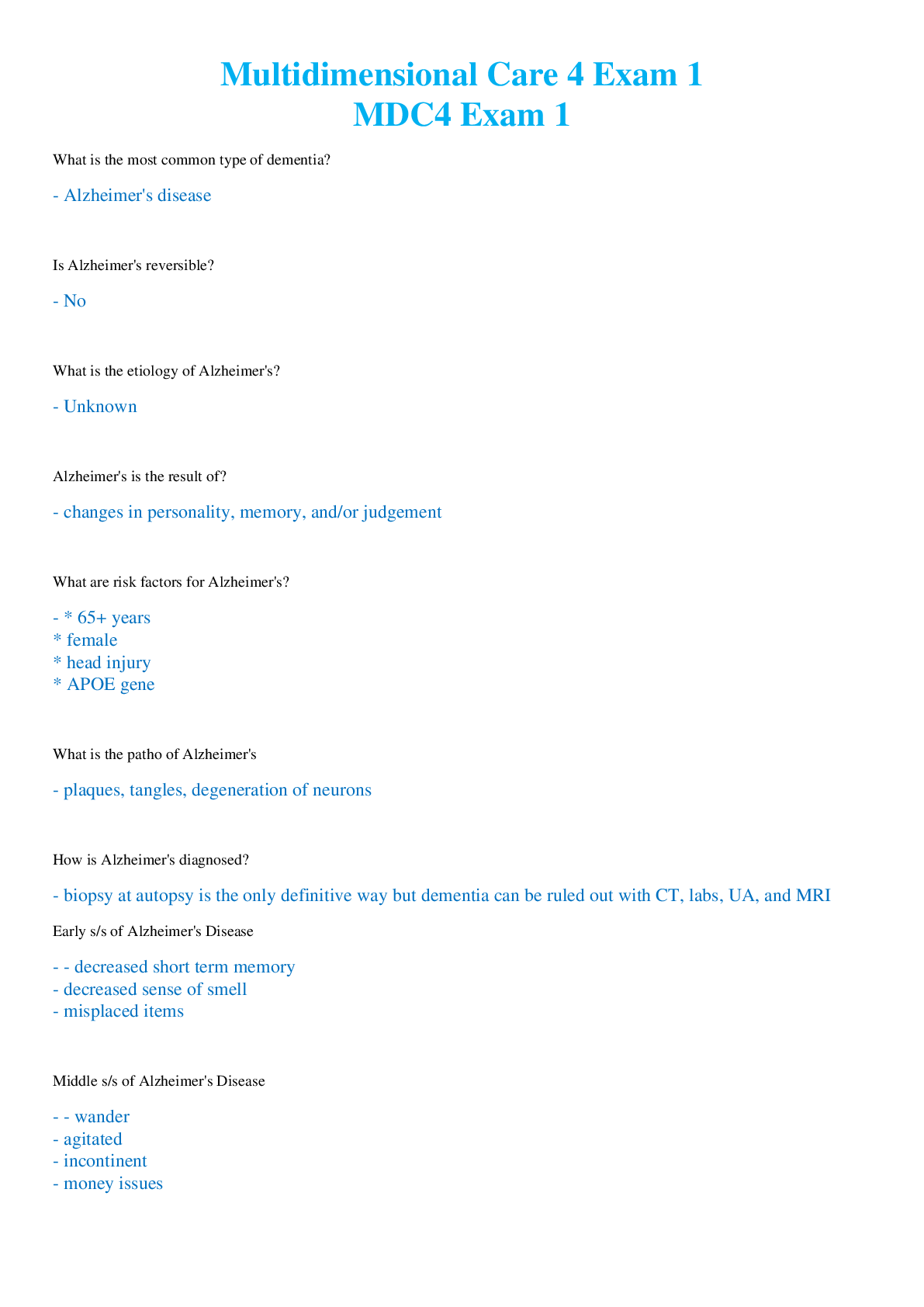
Are there stages of Alzheimer’s? If so, what are they? Early (Mild), or Stage I (First Symptoms up to 4 Years)
• Independent in ADLs
• Denies presence of symptoms
• Forgets names; misplaces household items
• Has short-term memory loss and difficulty recalling new information
• Shows subtle changes in personality and behavior
• Loses initiative and is less engaged in social relationships
• Has mild impaired cognition and problems with judgment
• Demonstrates decreased performance, especially when stressed
• Unable to travel alone to new destinations
• Often has decreased sense of smell
Middle (Moderate), or Stage II (2 to 3 Years)
• Has impairment of all cognitive functions
• Demonstrates problems with handling or unable to handle money and finances
• Is disoriented to time, place, and event
• Is possibly depressed and/or agitated
• Is increasingly dependent in ADLs
• Has visuospatial deficits: has difficulty driving and gets lost
• Has speech and language deficits: less talkative, decreased use of vocabulary, increasingly nonfluent, and eventually aphasic
• Incontinent
• Psychotic behaviors, such as delusions, hallucinations, and paranoia
• Has episodes of wandering; trouble sleeping
Late (Severe), or Stage III
• Completely incapacitated; bedridden if patient in nursing home, bring routine object
• Totally dependent in ADLs with patient so they could feel like home
• Has loss of mobility and verbal skills
• Possibly has seizures and tremors
• Has agnosia(cannot identify object or people)
What does “postictal” mean?
Postictal: time immediately after seizure. Sleeping long period after a seizure, motor function to return to baseline
NOThtoisnstguudyesboulracde ewafsodroswenilzoaudreed.bMy 1o00re00t0h80a2n53512m69infrosmeiCzouurreseHoerrob.caocmk-otno0-1b-2a9c-k20s22ei0z9u:4r9e:5o1 vGeMrT3-006m:00in is status epilepticus (medical emergency) give lorazepam first than give phenytoin since phenytoin take longer in the system.
PCA- Only the patient can touch the machine.
Know the pre-op post op and intra op stages Preop is NPO
Concern lab Pre-op Wound care Post-op
Latex(strawberry banana, Avocado)
If patient has latex allergic, he/ she is the first one of surgery.
Anxiety and consent. No medication before the consent is sign. Aphasia(unable to speak) use a communication board
MENINGITIS DIAGNOSTIC Lumbar Puncture Glucose= Clear CSF with a yellow ring If ICP is increased or suspected= CT Droplet precaution.
Cervical injury( Breathing issue) both upp and lower extremiets quadriplegia Thoracic injury(B/B Lower extremities, paraplegia
If someone has LOC, Check Blood sugar first.
This study source was downloaded by 100000802531269 from CourseHero.com on 01-29-2022 09:49:51 GMT -06:00
[Show More]