NURSING > QUESTIONS & ANSWERS > Neuroscience6e Ch13 Test Bank Questions and Answers Graded A (All)
Neuroscience6e Ch13 Test Bank Questions and Answers Graded A
Document Content and Description Below
Last updated: 8 months ago
Preview 1 out of 15 pages
Instant download

Buy this Document to get the Full Access Instantly
Provided by Students Who Aced it
We Verify Document Content to Gurantee Accuracy
Reviews( 0 )
Document information
Connected school, study & course
About the document
Uploaded On
Mar 22, 2022
Number of pages
15
Written in
All

Additional information
This document has been written for:
Uploaded
Mar 22, 2022
Downloads
0
Views
150
Topic Tags
Recommended For You
Get more on QUESTIONS & ANSWERS »
SOLUTION MANUAL Federal Tax Research 13th Edition by Roby Sawy...
.png)
WGU C211 CH 13-17 QUESTIONS AND ANSWERS WITH COMPLETE SOLUTION...

NR 302 / NR302: Health Assessment (Ch. 13 - Head, Face, Neck,...
.png)
University of Minnesota NURS N/A wagner_6e_ch13_posttest_Q&A_n...
Solutions Manual For Social Problems A Down-to-Earth Approach...

.png)
San Francisco State University - ACCOUNTING 301 ch13 CURRENT L...

PRICING DECISIONS AND COST MANAGEMENT Seton Hall University -...

Retail Management A Strategic Approach 13th Edition By Barry B...

Test Bank For Social Problems A Down-to-Earth Approach 13th ed...
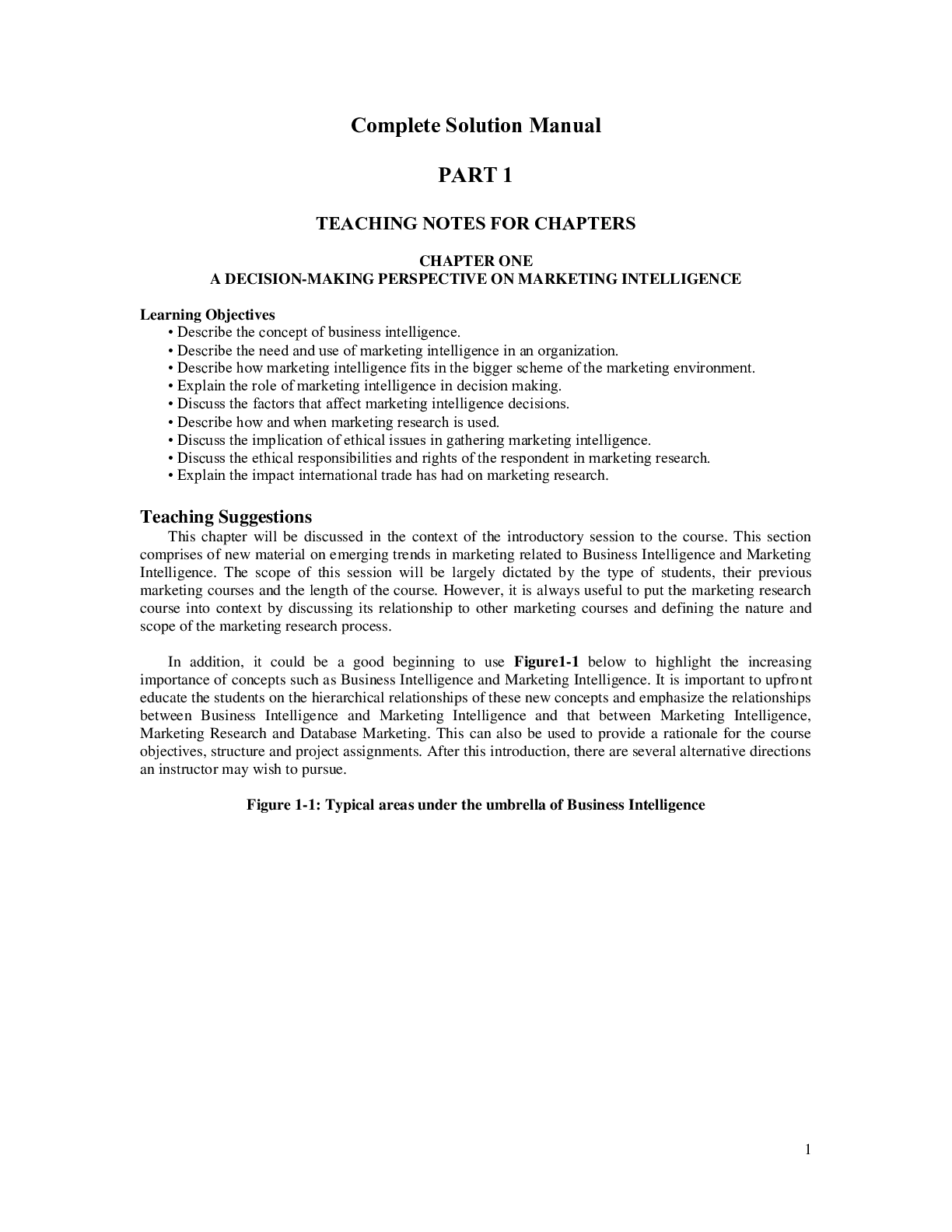
Marketing Research 13th Edition by Kumar, Robert P. Leone, Dav...
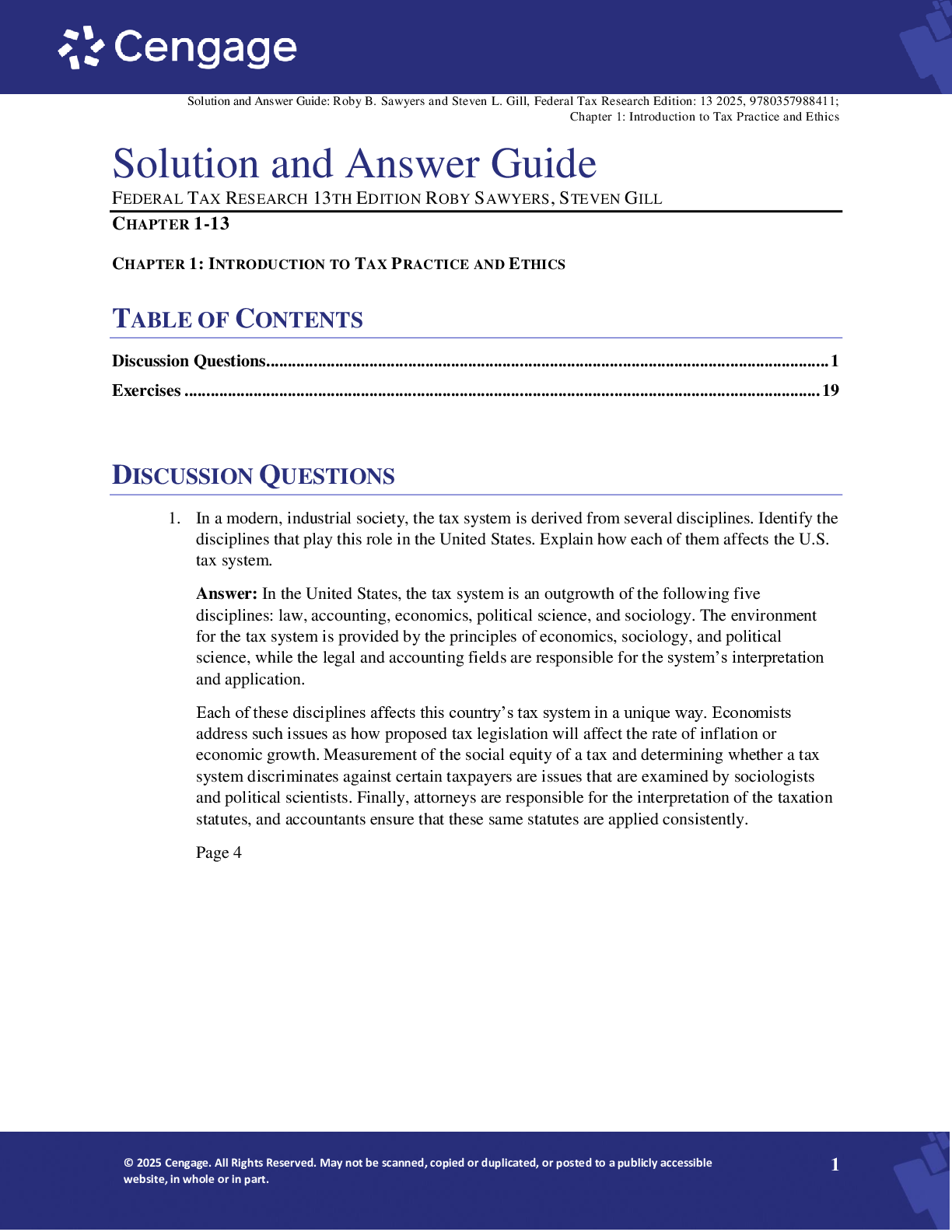
Solutions Manual Federal Tax Research 13th Edition by Roby Saw...


TEST BANK for Development Through Life A Psychosocial Approach...

TEST BANK for Strategic Management: Theory & Cases: An Integra...
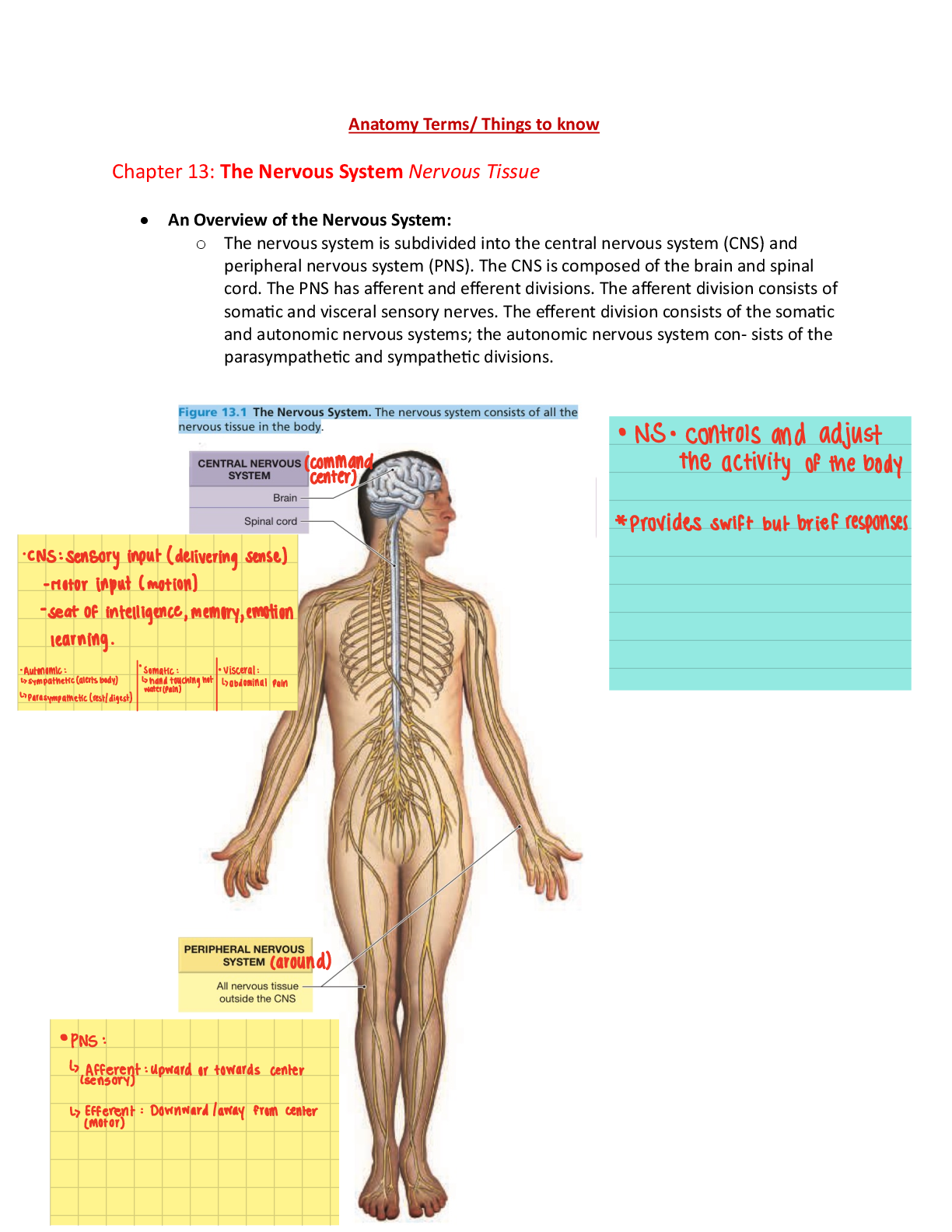
Anatomy Notes Test 3 (Ch.13-18) | Complete Solutions, Winter 2...
Pearson International Advanced Subsidiary/Advanced Level (WCH1...














