Forensic Science > QUESTIONS & ANSWERS > Arizona State University ASM 42288 Lab 10 - Estimating Age - Adults (All)
Arizona State University ASM 42288 Lab 10 - Estimating Age - Adults
Document Content and Description Below
Last updated: 3 years ago
Preview 1 out of 8 pages
Instant download

Buy this Document to get the Full Access Instantly
Provided by Students Who Aced it
We Verify Document Content to Gurantee Accuracy
Reviews( 0 )
Document information
Connected school, study & course
About the document
Uploaded On
Jul 23, 2022
Number of pages
8
Written in
All

Additional information
This document has been written for:
Uploaded
Jul 23, 2022
Downloads
0
Views
211
Topic Tags
Recommended For You
Get more on QUESTIONS & ANSWERS »
Summary ASM 275 / ASM275 Estimating Age - Adults (Lab 10)

EMISS ISOL532 Telecommunications and network security. Lab 1...

.png)
CH101 CHEMISTRY 101 Lab 10 PreLab Acid-Base Studies. Current S...
 (1)CDWDCW.png)
CH101 CHEMISTRY 101 Lab 10 PostLab - Acid-Base Studies. Curren...
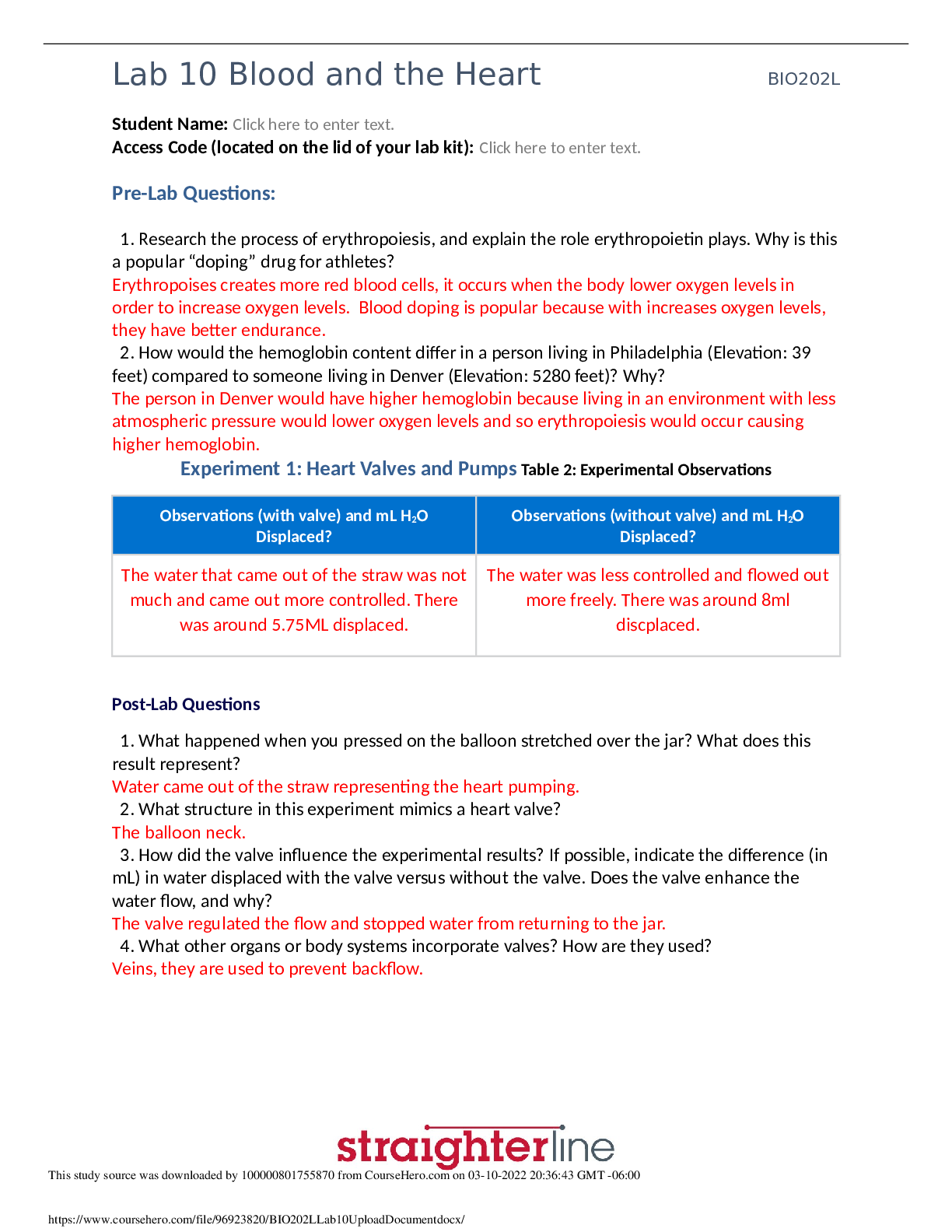
BIOL 202L Lab 10 Blood and the Heart (heart valve) | Questions...
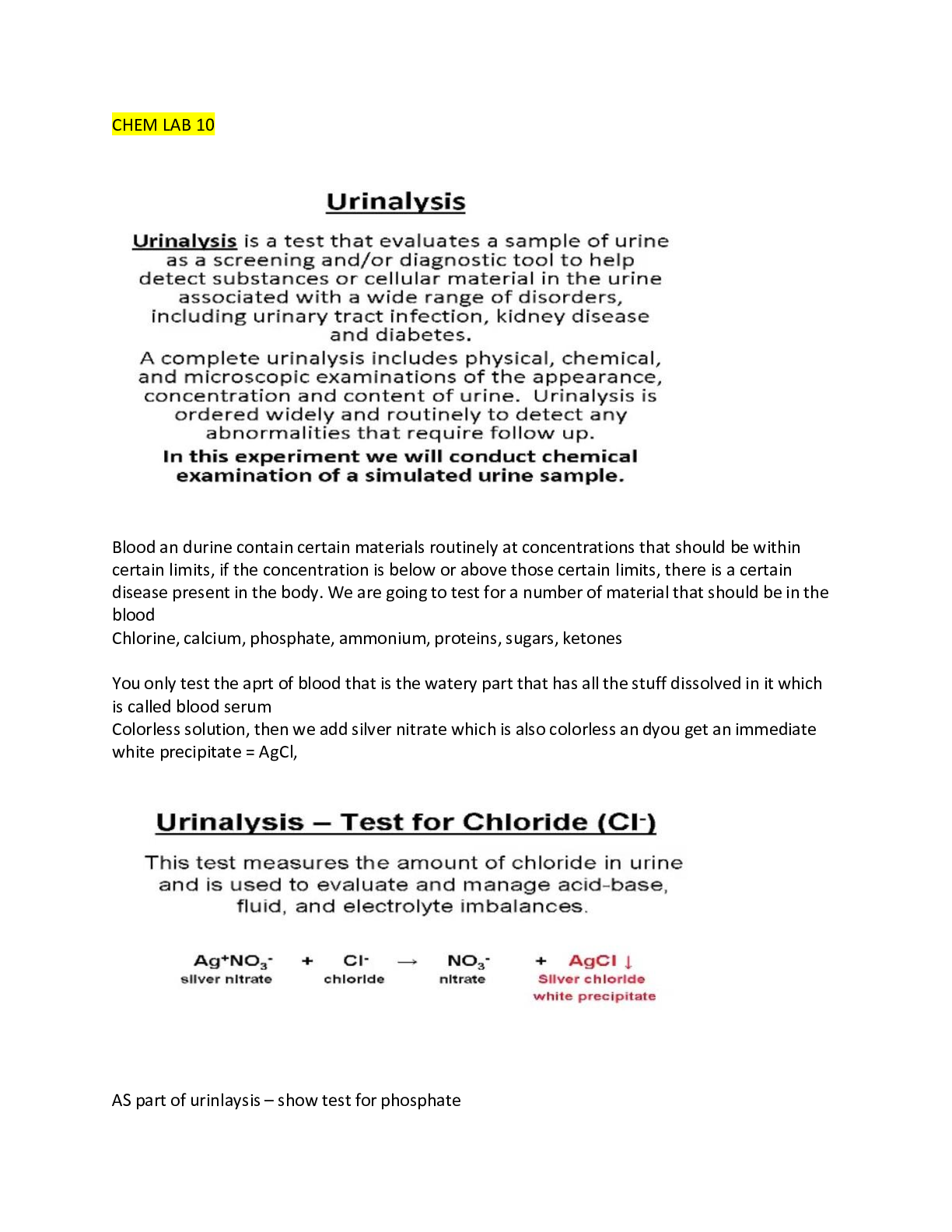
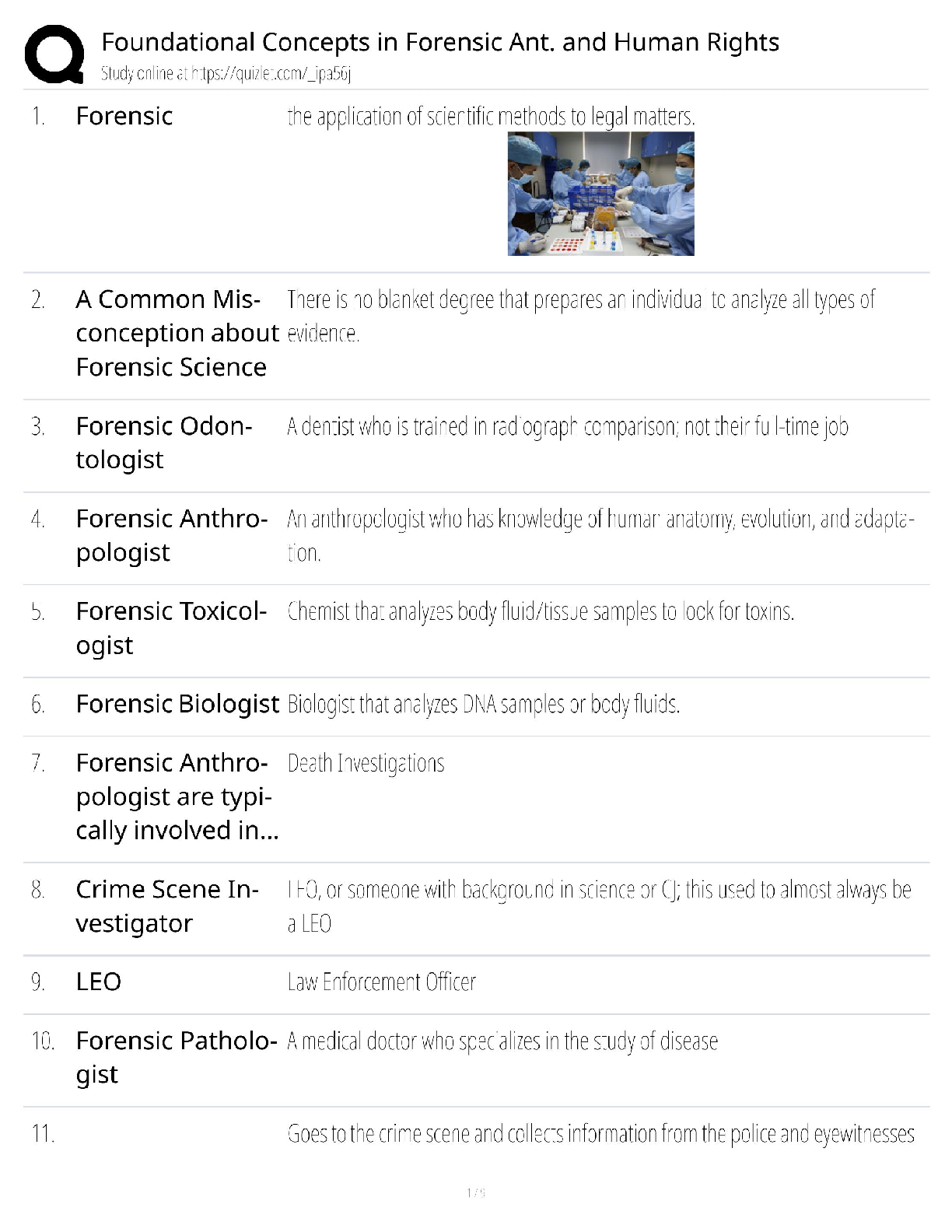
ANTH 450 Foundational Concepts in Forensic Anth. & Human Right...
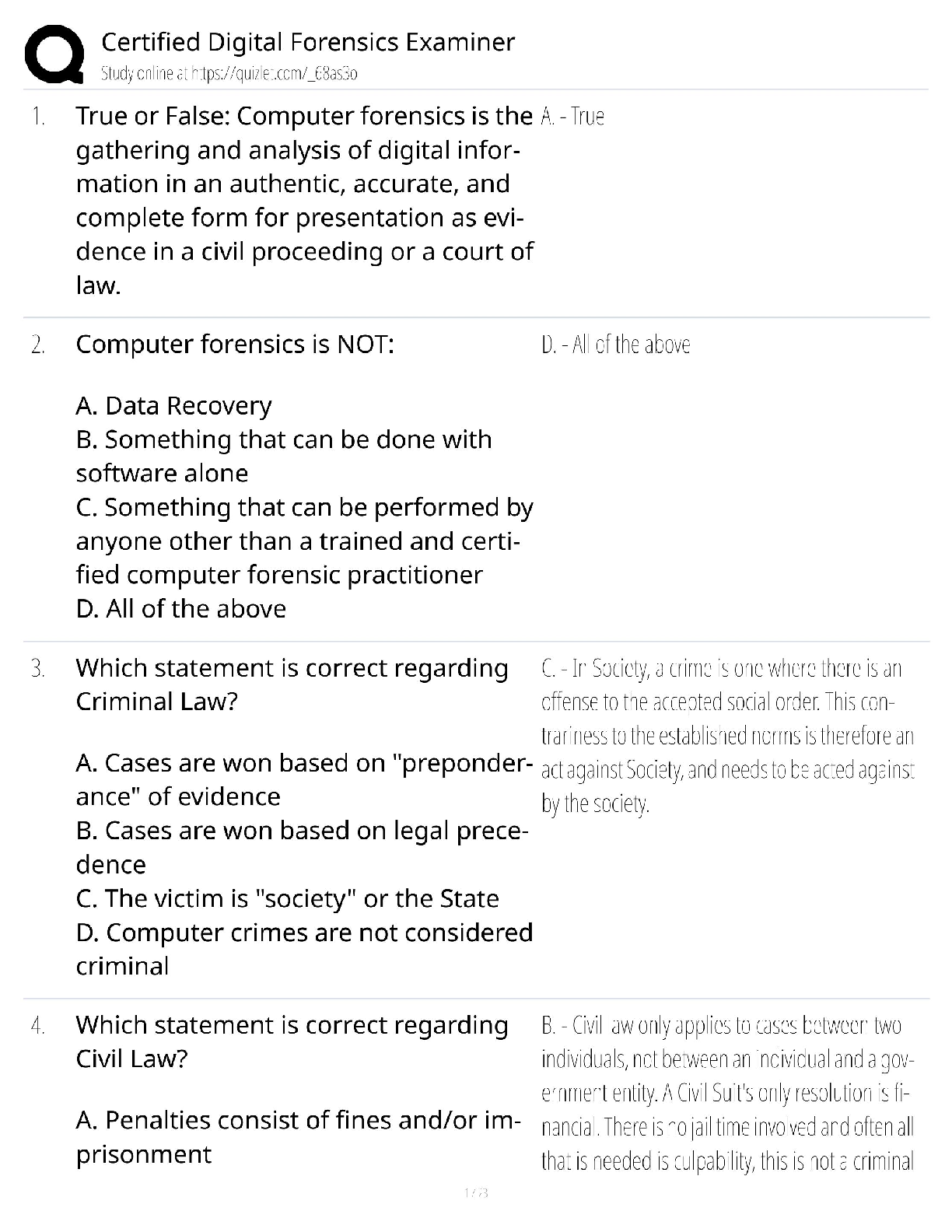
Certified Digital Forensics Examiner / CDFE Exam Prep / Study...
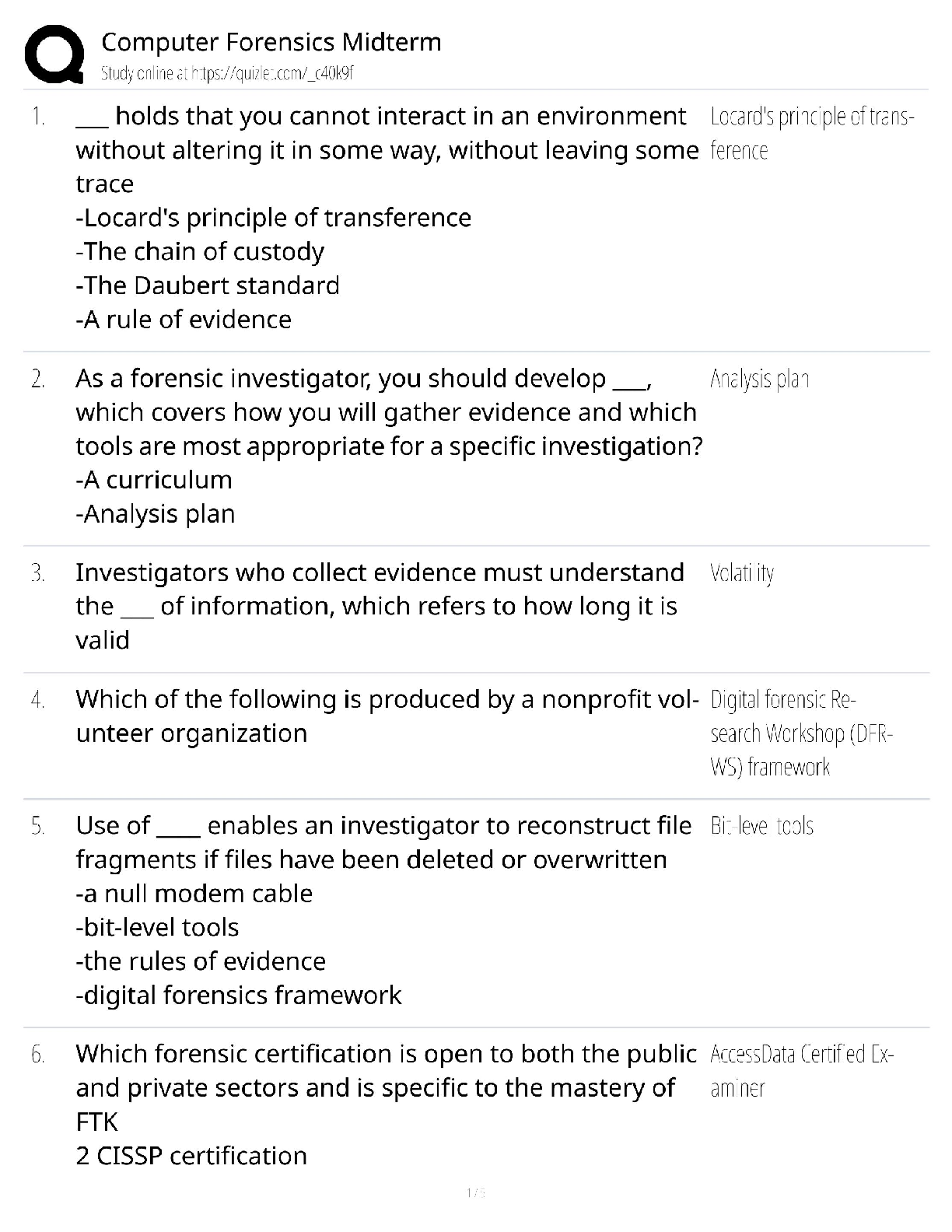
Computer Forensics Midterm / Study Guide & Test Bank / Score 1...

Forensic Science An Introduction to Scientific and Investigati...
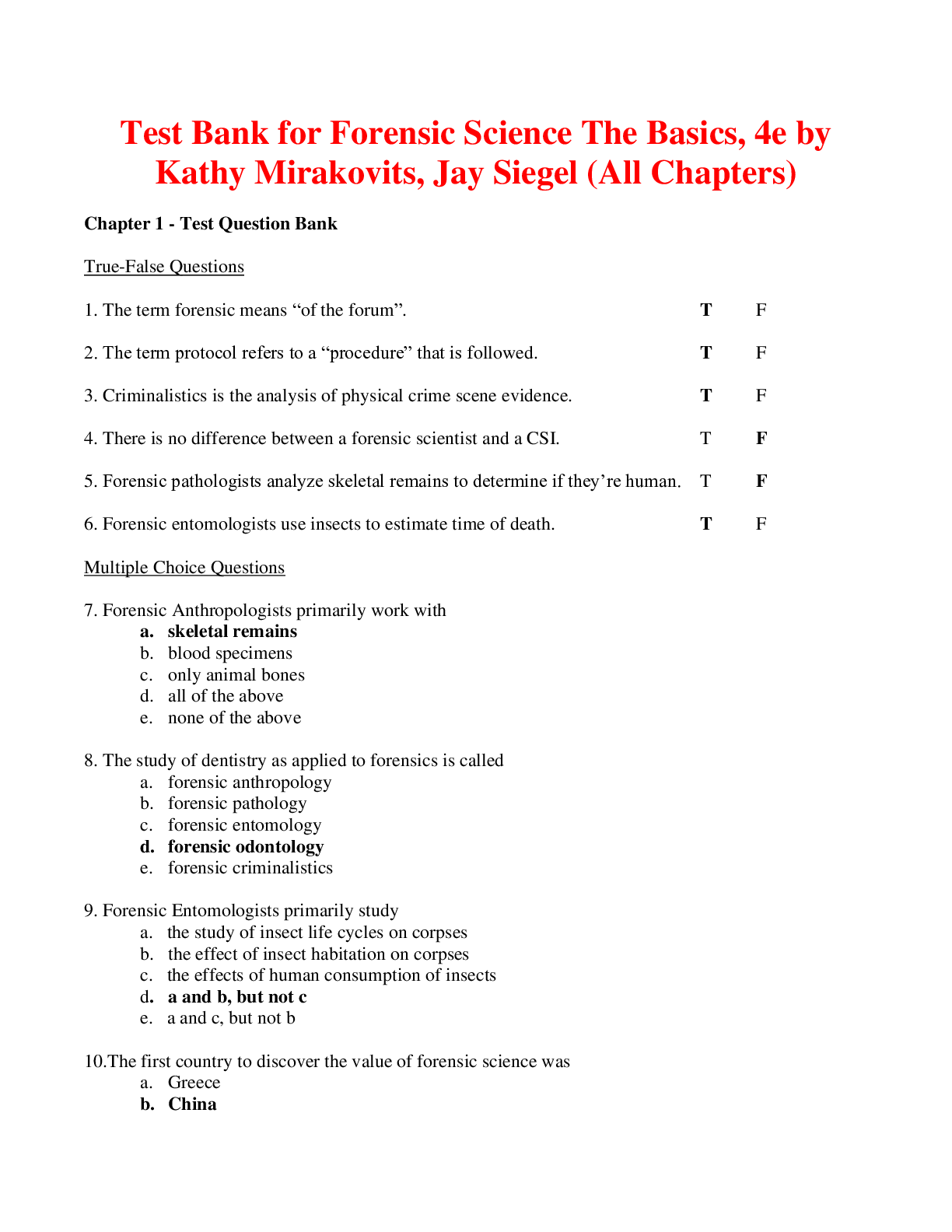
Forensic Science The Basics, 4e by Kathy Mirakovits, Jay Siege...
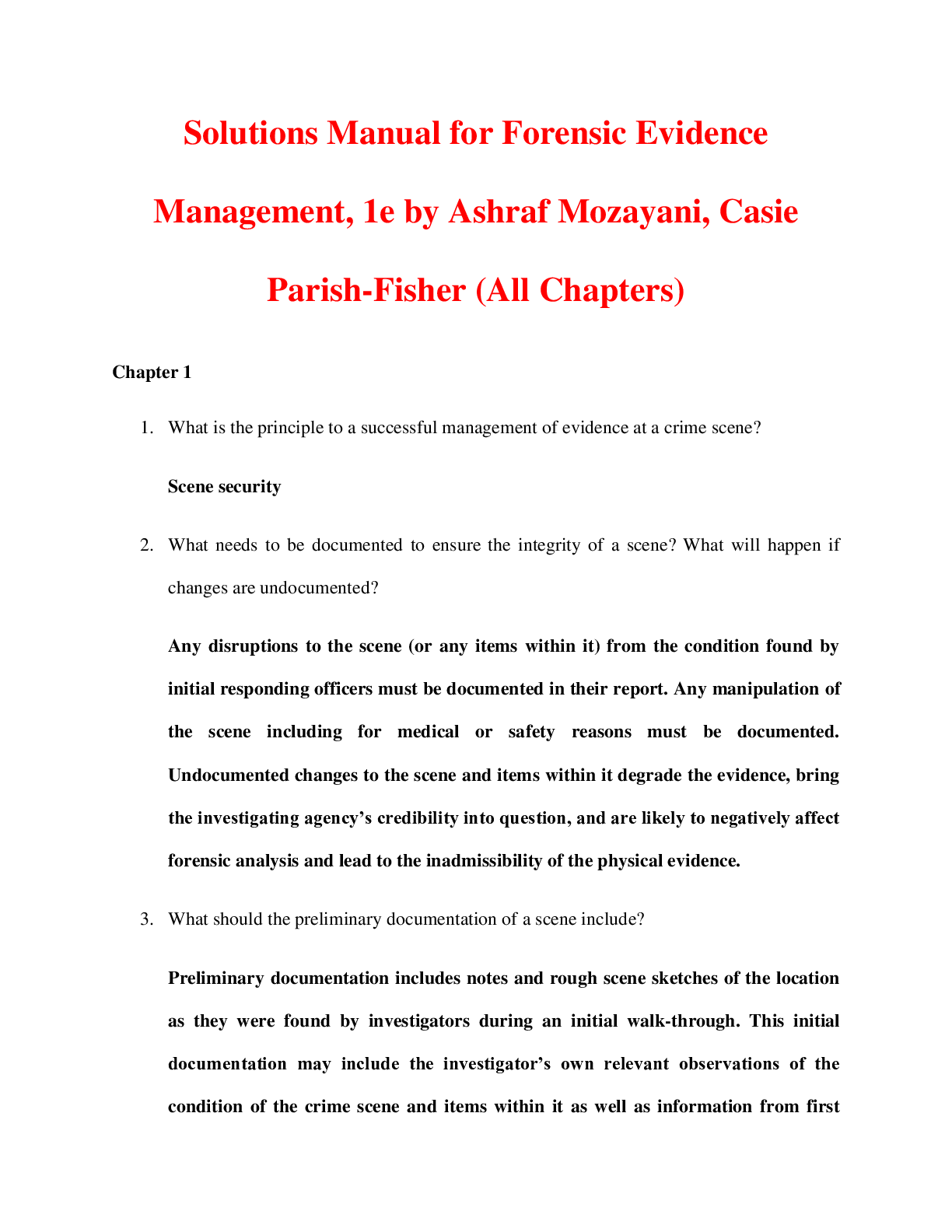
Forensic Evidence Management, 1e by Ashraf Mozayani, Casie Par...
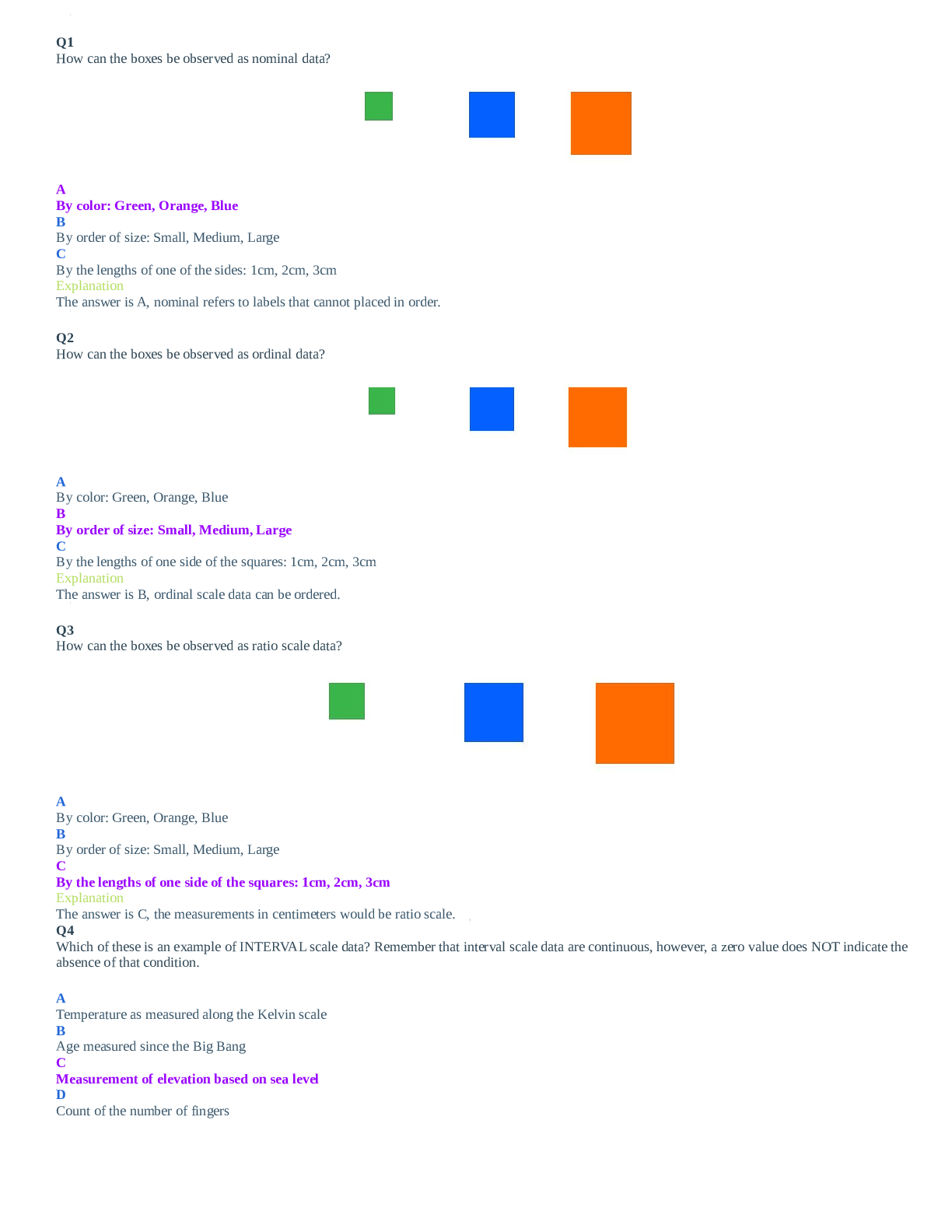

Test Bank for Forensic Psychology Crime, Justice, Law, Interve...

WGU C702 CHFI and OA Questions and Answers with Complete Solut...