Communication > QUESTIONS & ANSWERS > C464 WGU Questions and Answers Latest Updated 2022 Rated A+ (All)
C464 WGU Questions and Answers Latest Updated 2022 Rated A+
Document Content and Description Below
Last updated: 8 months ago
Preview 1 out of 8 pages
Instant download
.png)
Buy this Document to get the Full Access Instantly
Provided by Students Who Aced it
We Verify Document Content to Gurantee Accuracy
Also available in bundle (1)
Click Below to Access Bundle(s)
WGU C464 Bundled Exams Questions and Answers Latest Updated 2022 Rated A+
WGU C464 Bundled Exams Questions and Answers Latest Updated 2022 Rated A+
By Nutmegs 4 years ago
$30
21
Reviews( 0 )
Document information
Connected school, study & course
About the document
Uploaded On
Aug 18, 2022
Number of pages
8
Written in
All

Additional information
This document has been written for:
Uploaded
Aug 18, 2022
Downloads
0
Views
271
Topic Tags
Recommended For You
Get more on QUESTIONS & ANSWERS ».png)
.png)
WGU C236 Questions and Answers Latest Updated 2022 Rated A
.png)
WGU C236 Questions and Answers Latest Updated 2022 Rated A+
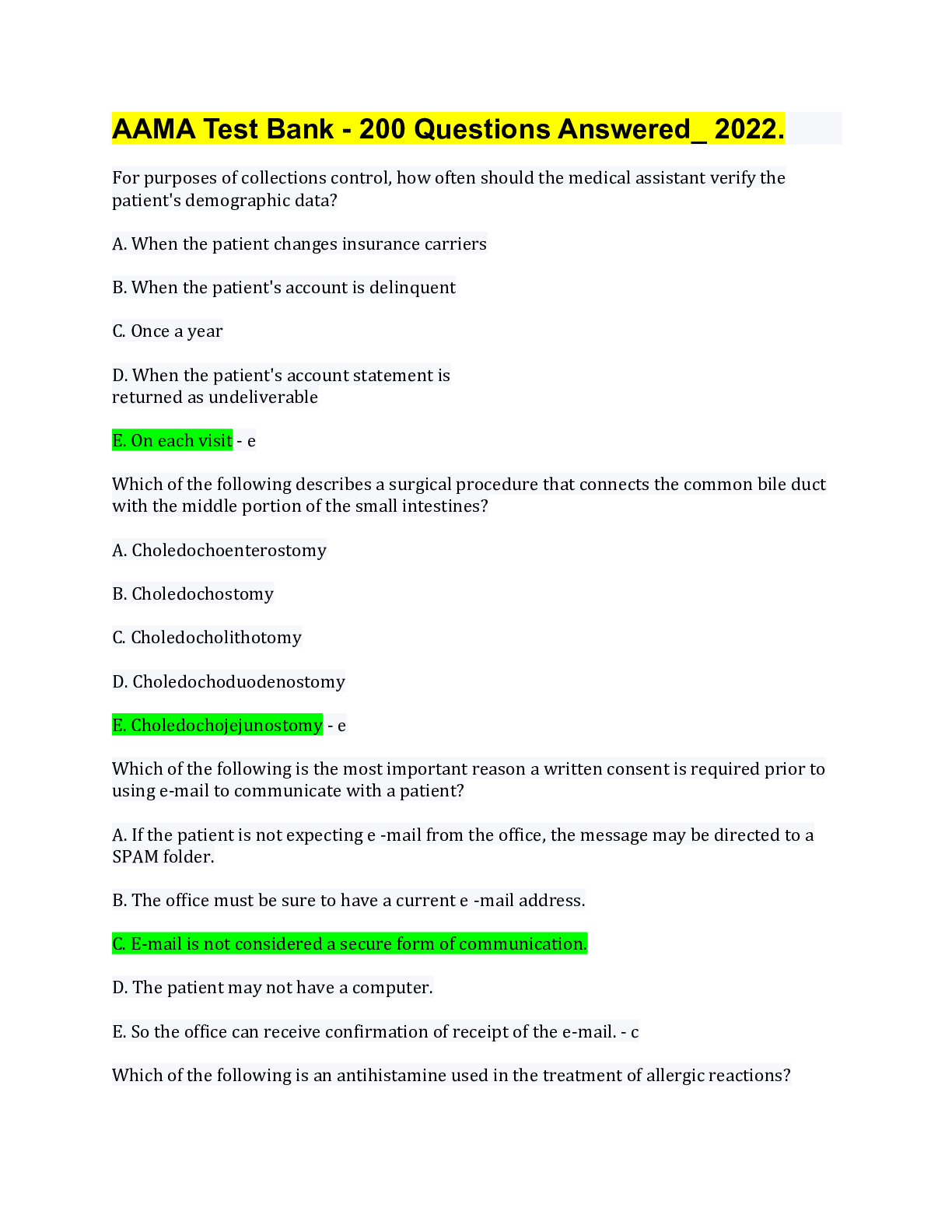
(AAMA)® Certification Exam 2022 | CMA (AAMA) Medical Assistant...

Frances Guide Qbank to Pass Your Adult-Gerontology Acute Care...
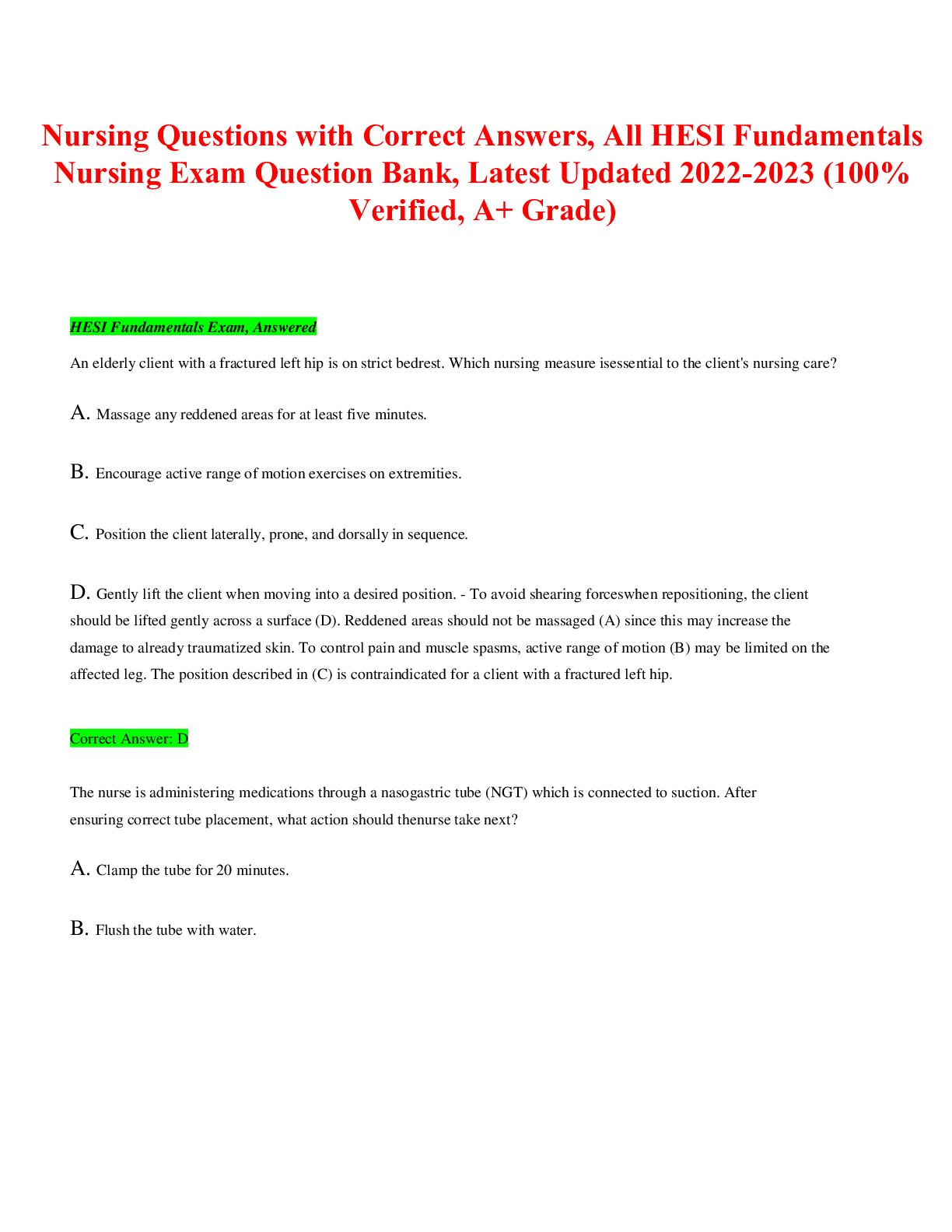
Nursing Questions with Correct Answers, All HESI Fundamentals...
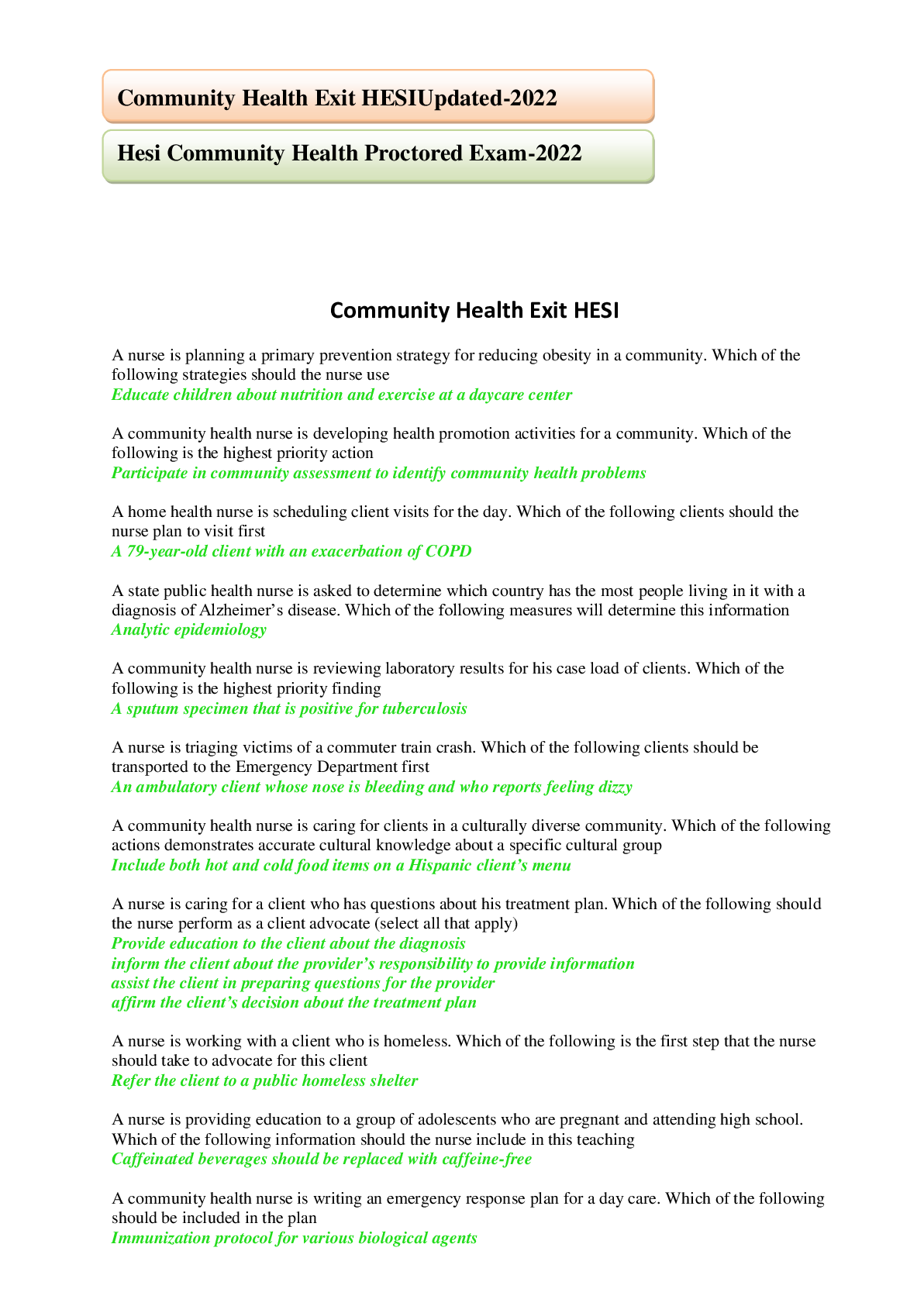
community health exit hesi updated 2022 & Proctored Exam

- Test Bank.png)
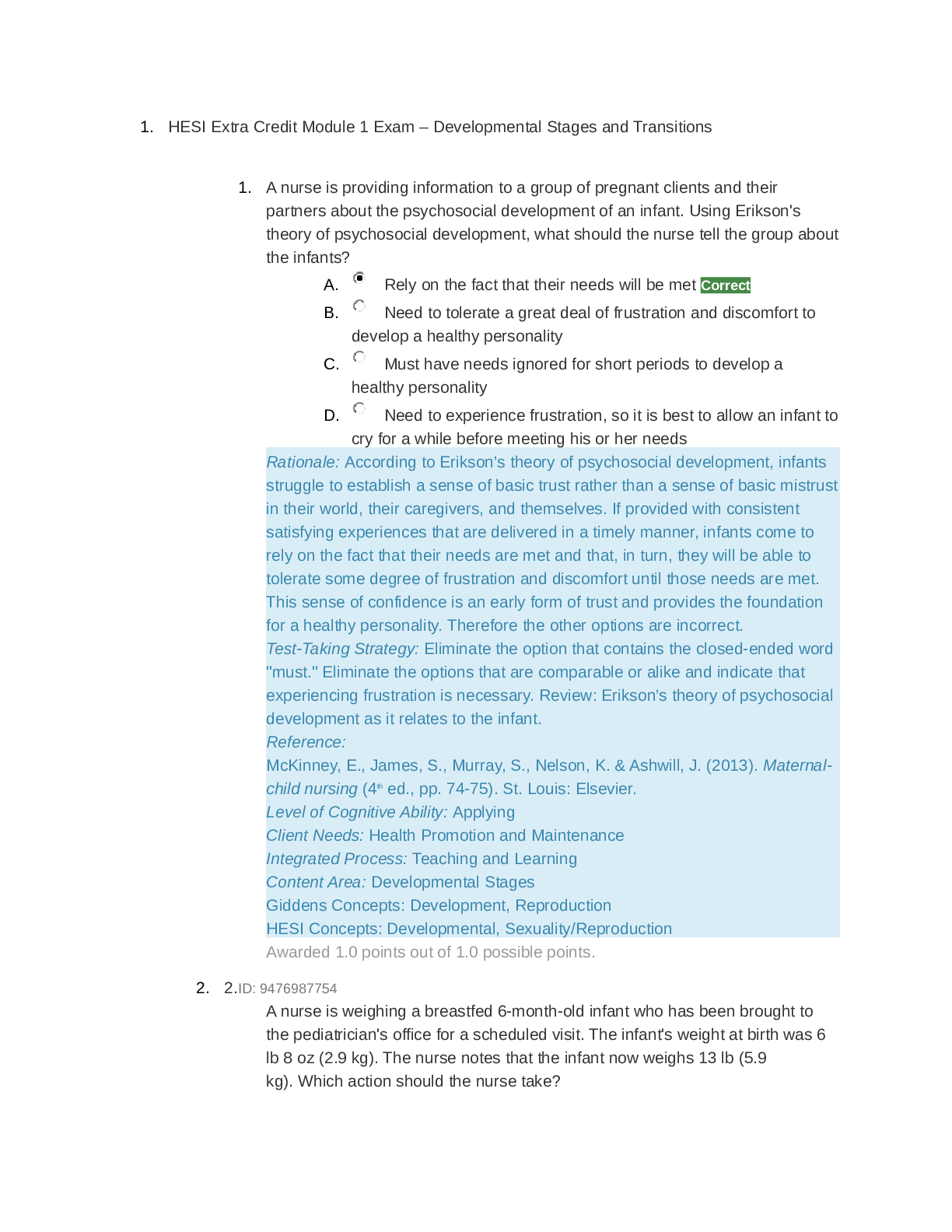
TESTBANK FOR HESI Extra Credit Modules 1, 2, 3, 4, 5, 6, 7, 8,...

Test Bank for Communication Principles for a Lifetime 8th Edit...
Test Bank for Choices & Connections An Introduction to Communi...
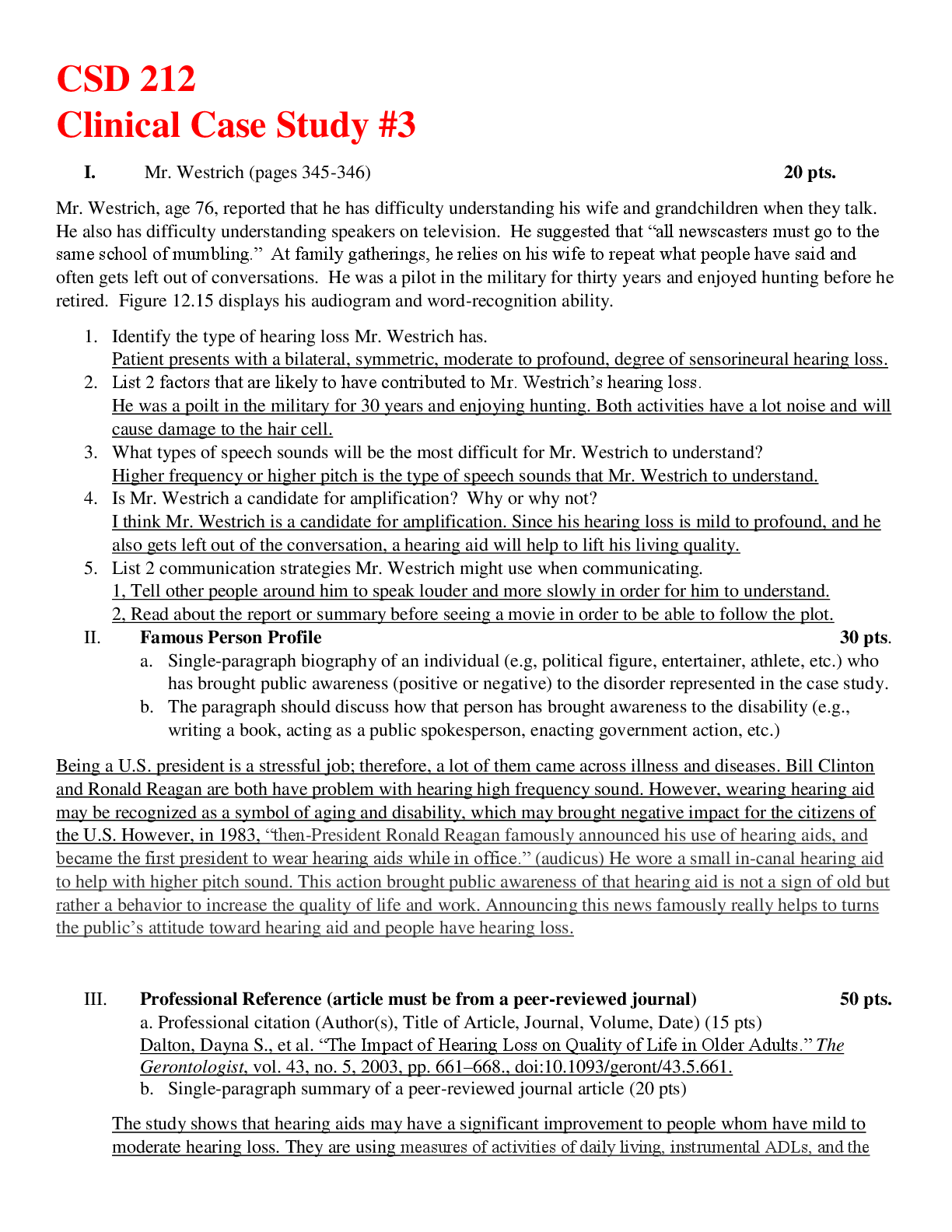
CSD 212 Clinical Case Study #3 I. Mr. Westrich (Complete solut...