Business > QUESTIONS & ANSWERS > STR 581: Ch 9: Ethics, Corporate Social Responsibility exam 2022/2023 (All)
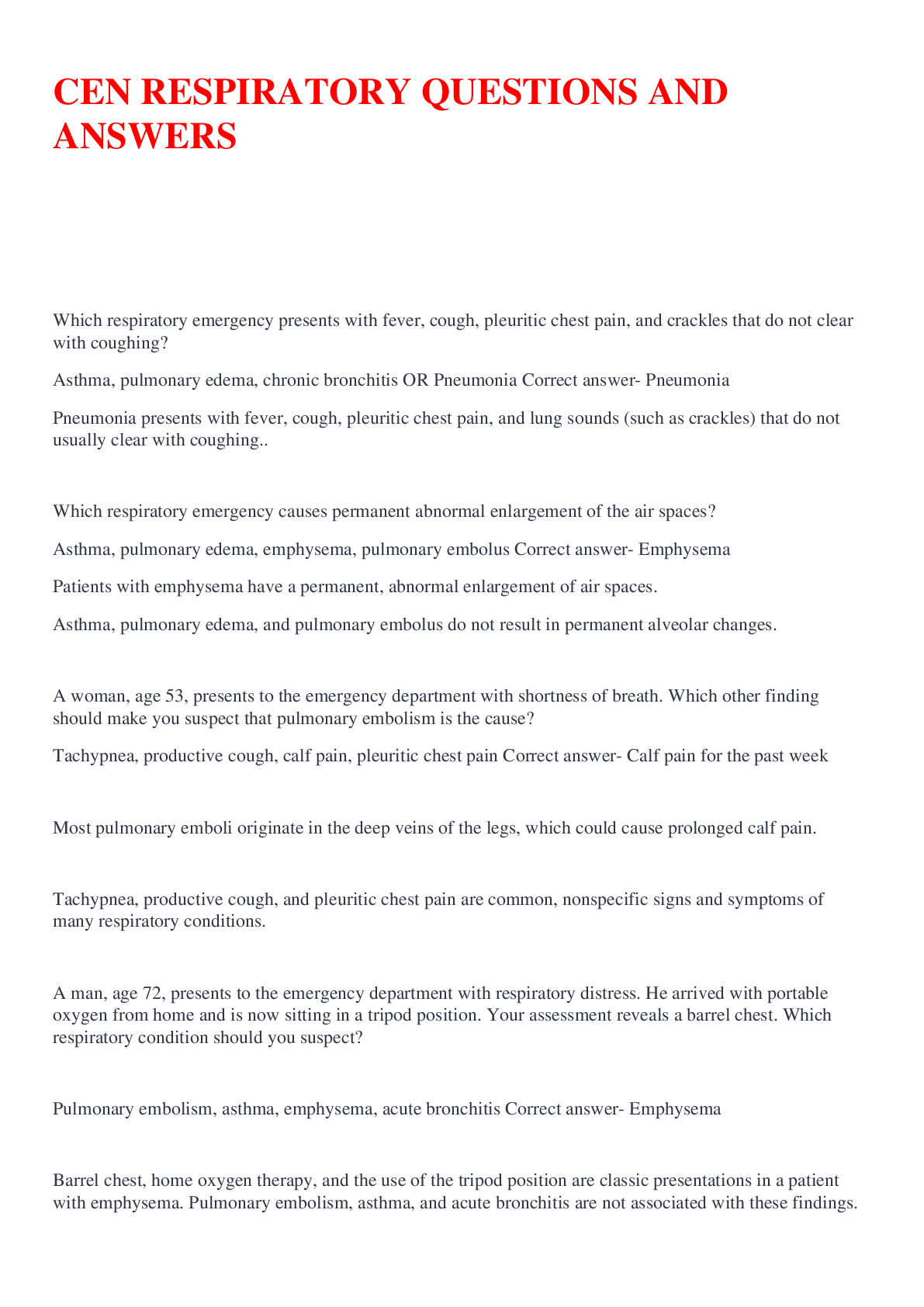
STR 581: Ch 9: Ethics, Corporate Social Responsibility exam 2022/2023
Document Content and Description Below
Last updated: 3 years ago
Preview 1 out of 18 pages
Instant download
Buy this Document to get the Full Access Instantly
Provided by Students Who Aced it
We Verify Document Content to Gurantee Accuracy
Reviews( 0 )
Document information
Connected school, study & course
About the document
Uploaded On
Oct 13, 2022
Number of pages
18
Written in
All

Additional information
This document has been written for:
Uploaded
Oct 13, 2022
Downloads
0
Views
88
Topic Tags
Related Subjects & Courses
Explore similar study resources and related concepts.
Recommended For You
Get more on QUESTIONS & ANSWERS ».png)

STR581 Week 5 Learning Team Implementation Strategic Controls...
STR581 Week 5 Learning Team Implementation Strategic Controls...
.png)
STR 581 Capstone Final Examination, All Correct Test bank Ques...
STR 581- Final Exam – Set 1, 2, 3, All Correct Test bank Quest...
STR 581- Final Exam – Set 1, All Correct Test bank Questions a...

Document84 STR/581 Week 4 - Business Plan Assessment: Part 1...

Summary STR581 Week 1 Case Study.docx Wk1 Apply Case Study Ana...

Wk 4 AIRBNB Case Study Assignment.docx Running Head: CAS...

STR 581 Wk 1 Case Study Analysis.docx STR 581 Case Stu...
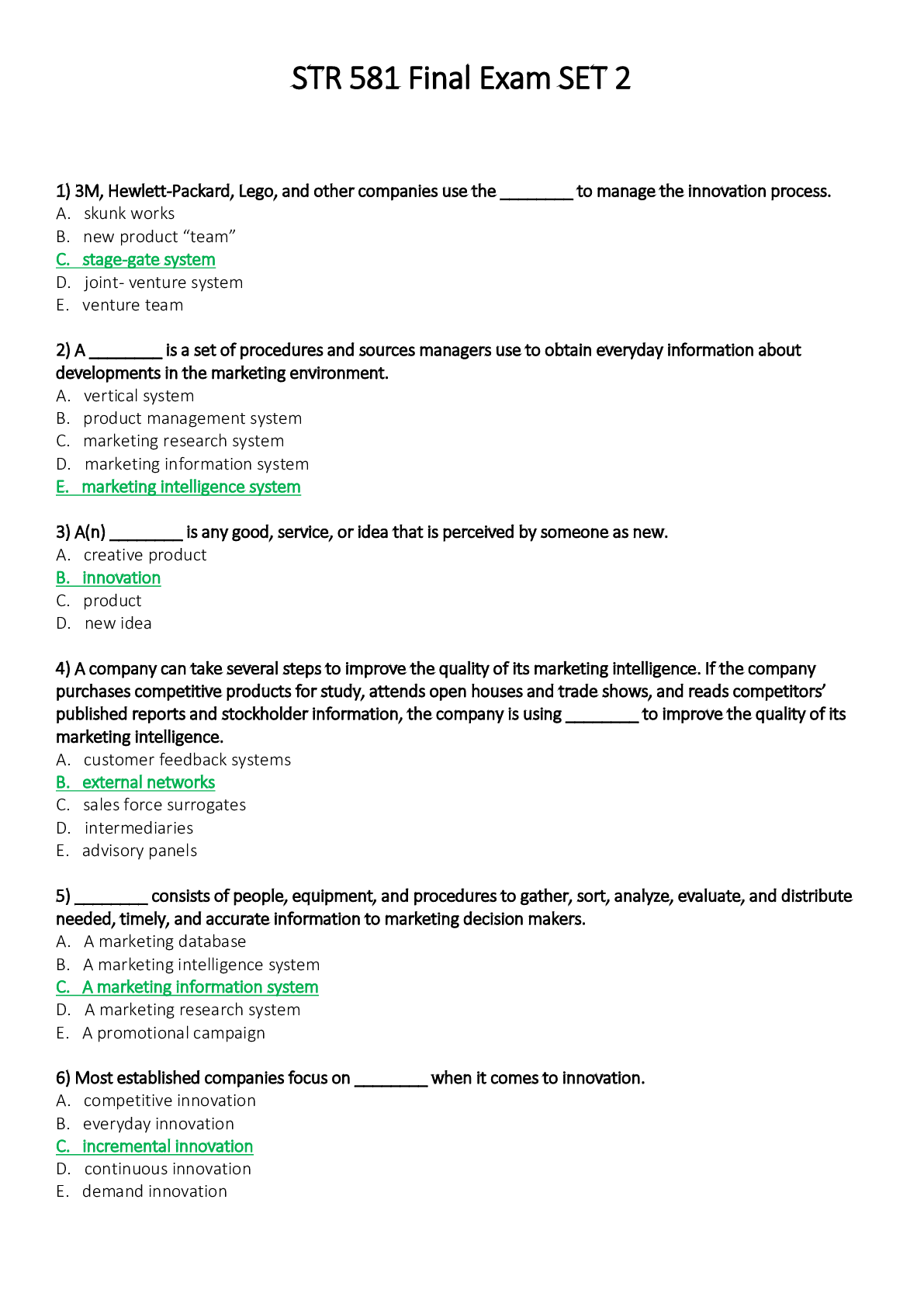
University of Phoenix - STR 581 Final Exam Set 2; Latest Guide...

Ashford University - STR 581 > Final Exam SET 1 (Latest Guide...

STR581 Capstone Final Exam | Answers Updated Fall 2024/2025.
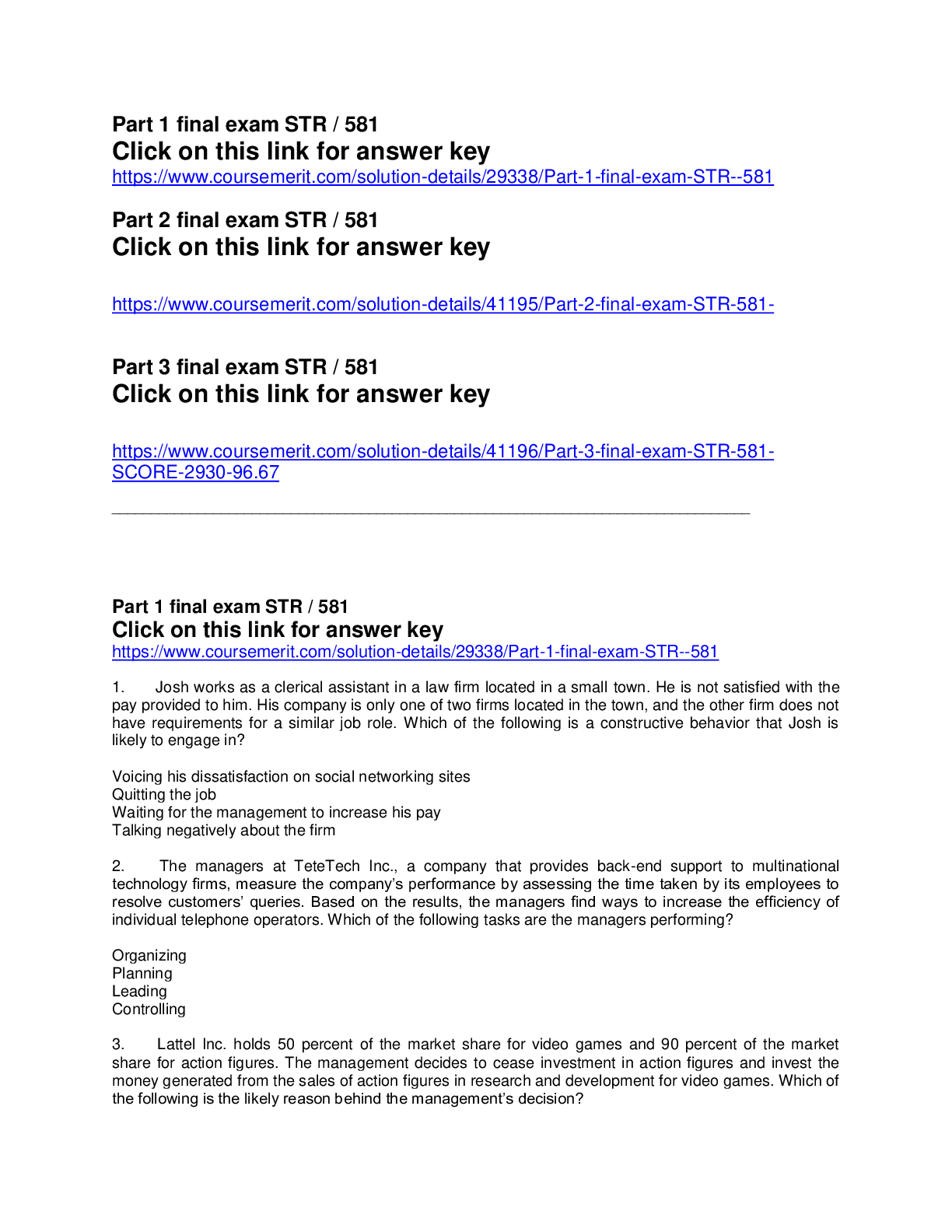

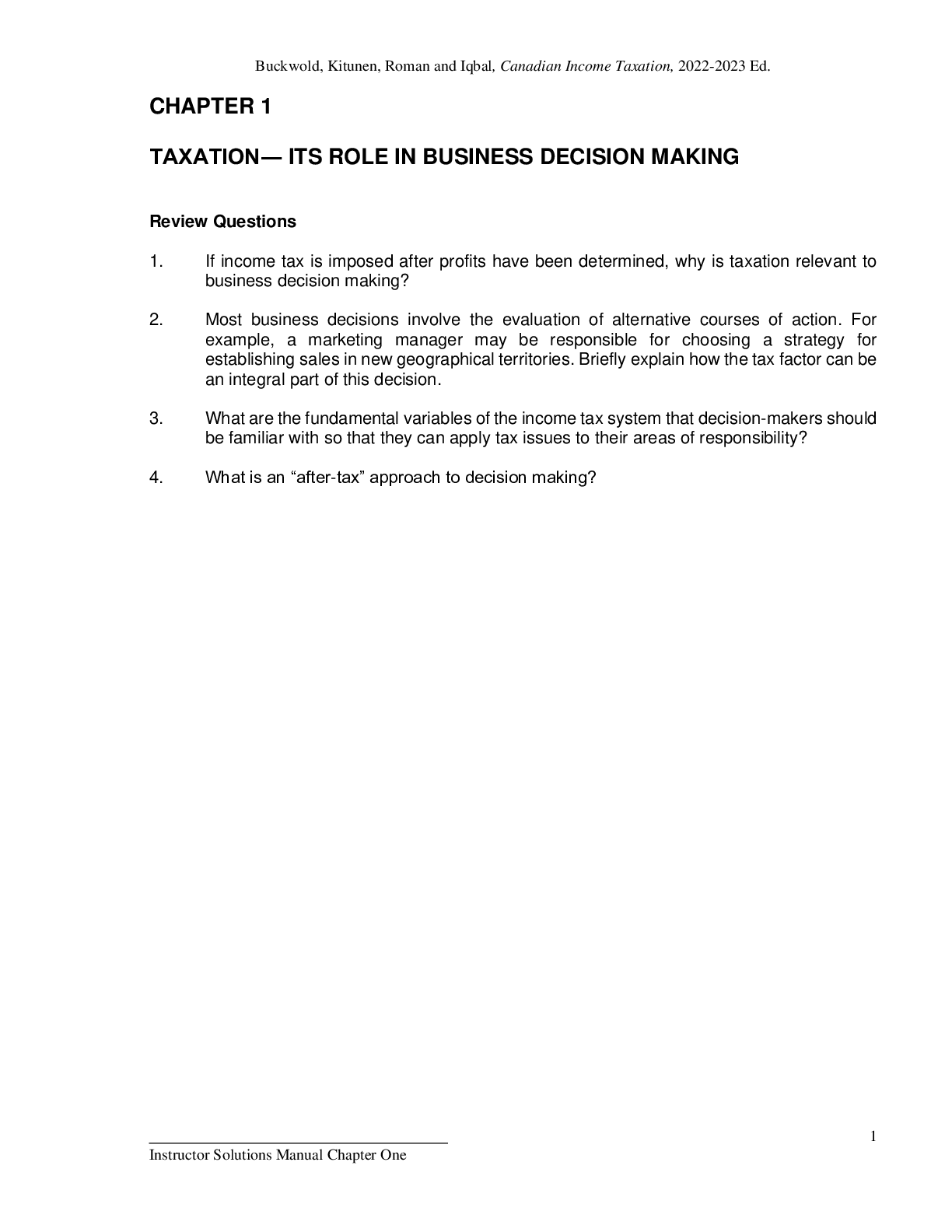
Solution Manual for Canadian Income Taxation (2022-2023) 25th...
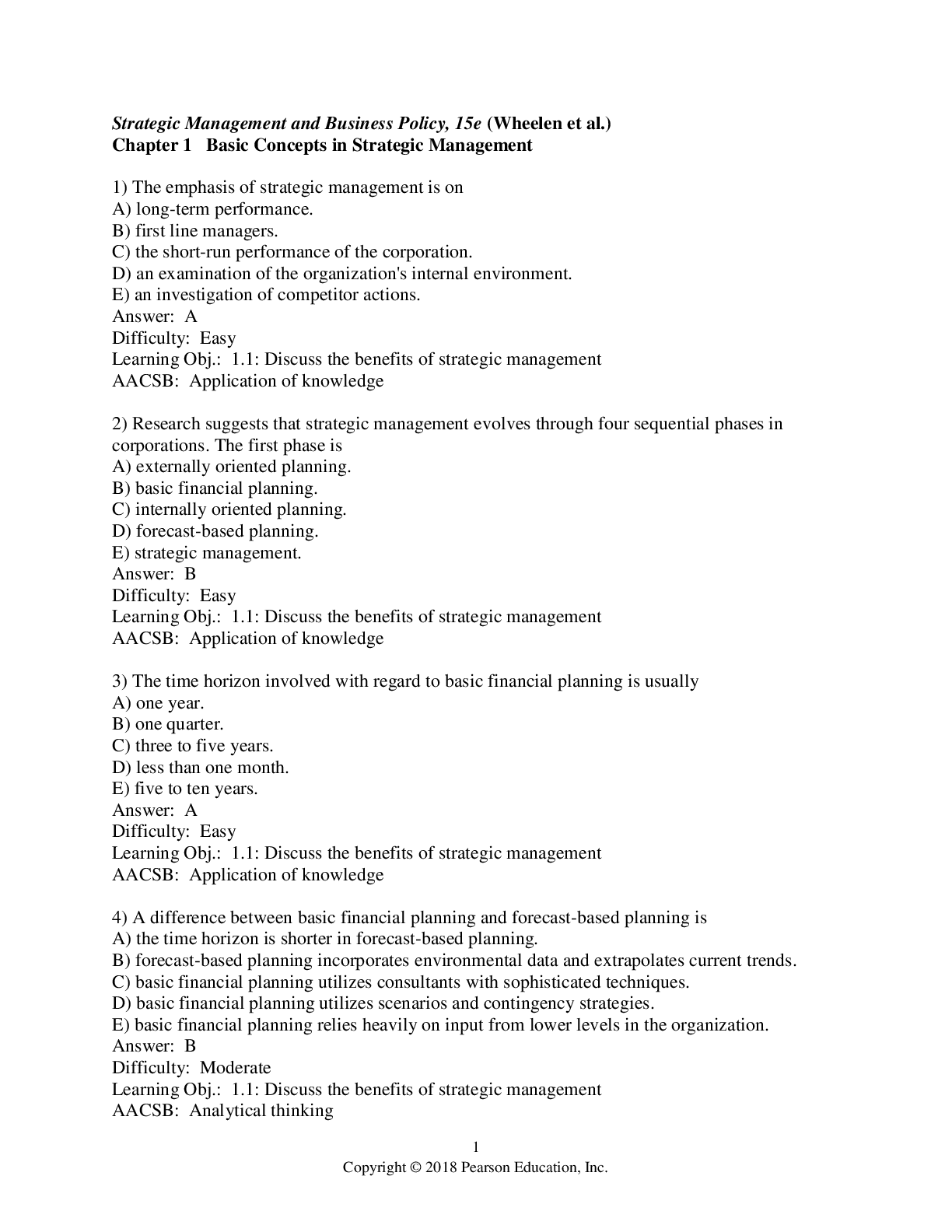
Concepts in Strategic Management and Business Policy Globaliza...



.png)