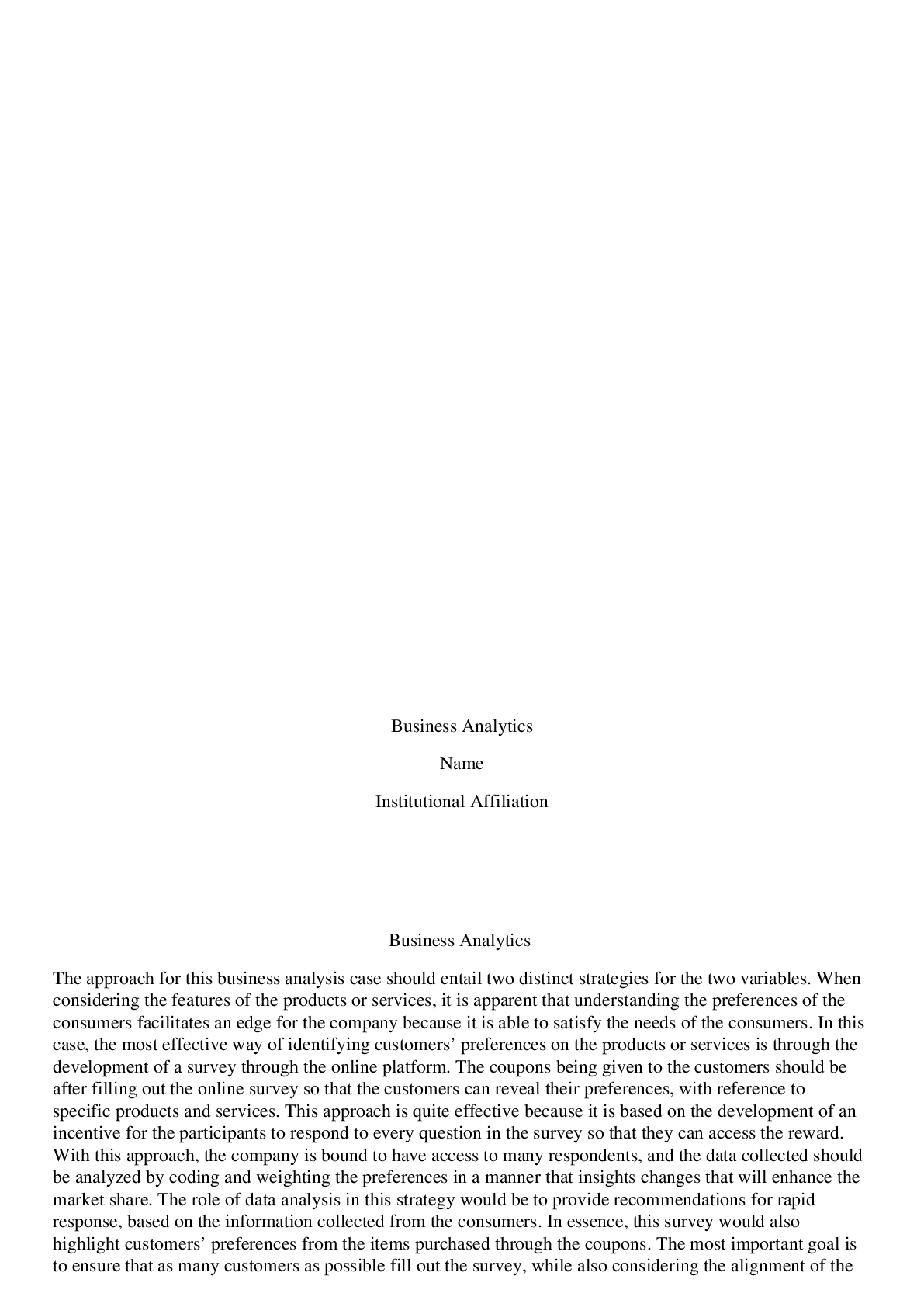
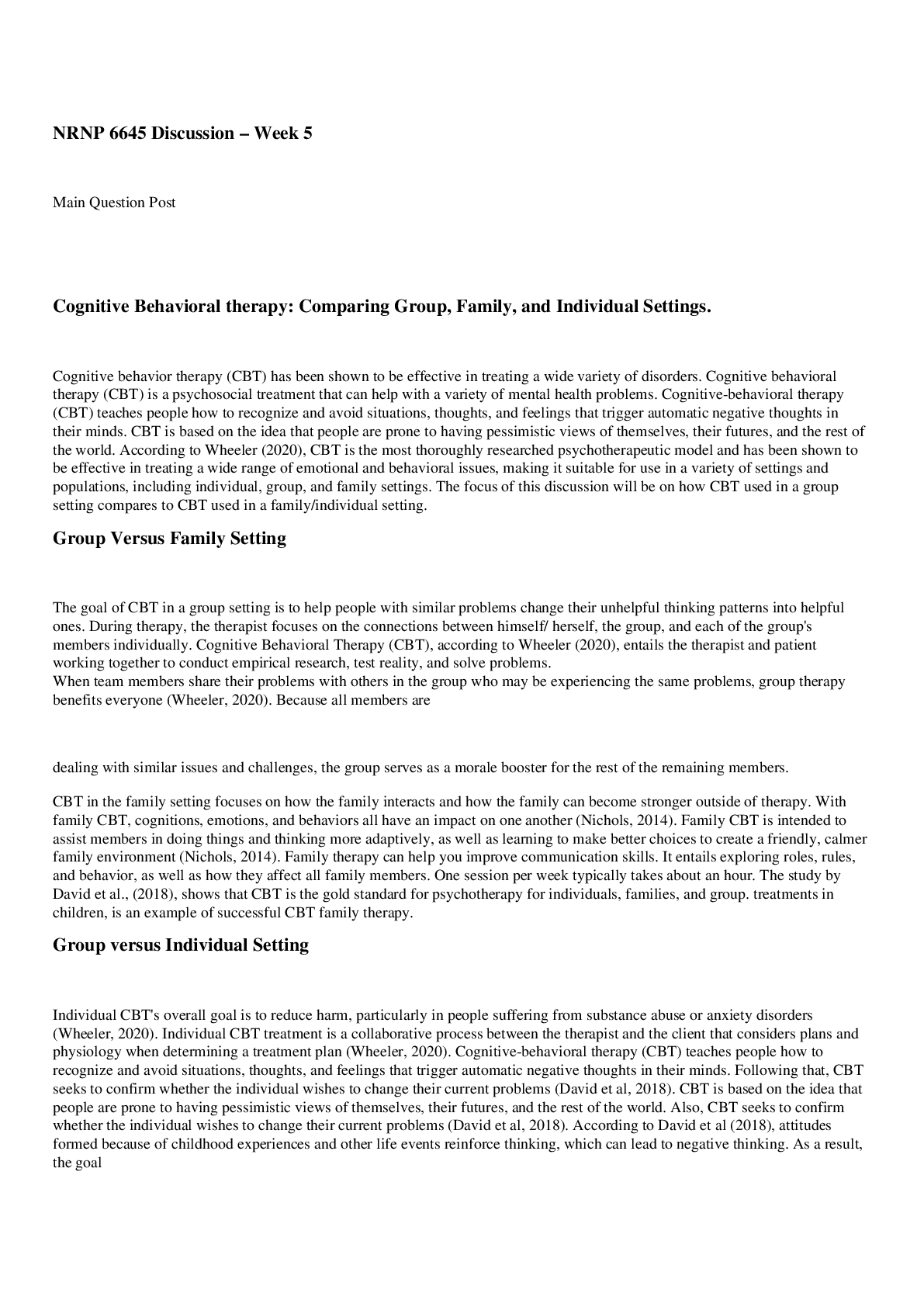
Cognitive Behavioral Therapy: Family Settings Versus Individual Settings
Document Content and Description Below
Cognitive Behavioral Therapy: Family Settings Versus Individual Settings Post an explanation of how the use of CBT in families compares to CBT in individual settings. Provide specific examples from you
...
[Show More]
Last updated: 3 years ago
Preview 1 out of 2 pages
Instant download
Buy this Document to get the Full Access Instantly
Provided by Students Who Aced it
We Verify Document Content to Gurantee Accuracy
Reviews( 0 )
Document information
Connected school, study & course
About the document
Uploaded On
Jan 14, 2021
Number of pages
2
Written in
All

Additional information
This document has been written for:
Uploaded
Jan 14, 2021
Downloads
0
Views
114
Topic Tags
Related Subjects & Courses
Explore similar study resources and related concepts.
Recommended For You
Get more on ESSAY »
$8
3 Pages
Walden University - NURSING 6650WK5 discussion (Cognitive Beha...

$15.5
292 Pages
Test Bank: Maternal-Newborn Nursing: The Critical Components o...
$12.5
9 Pages
BIOS 260 The six microorganisms Questions and Answers (Verif...

$12.5
12 Pages
BIOS 255 Unit 1 Exam Questions and Answers (Verified Answer...
$12.5
8 Pages
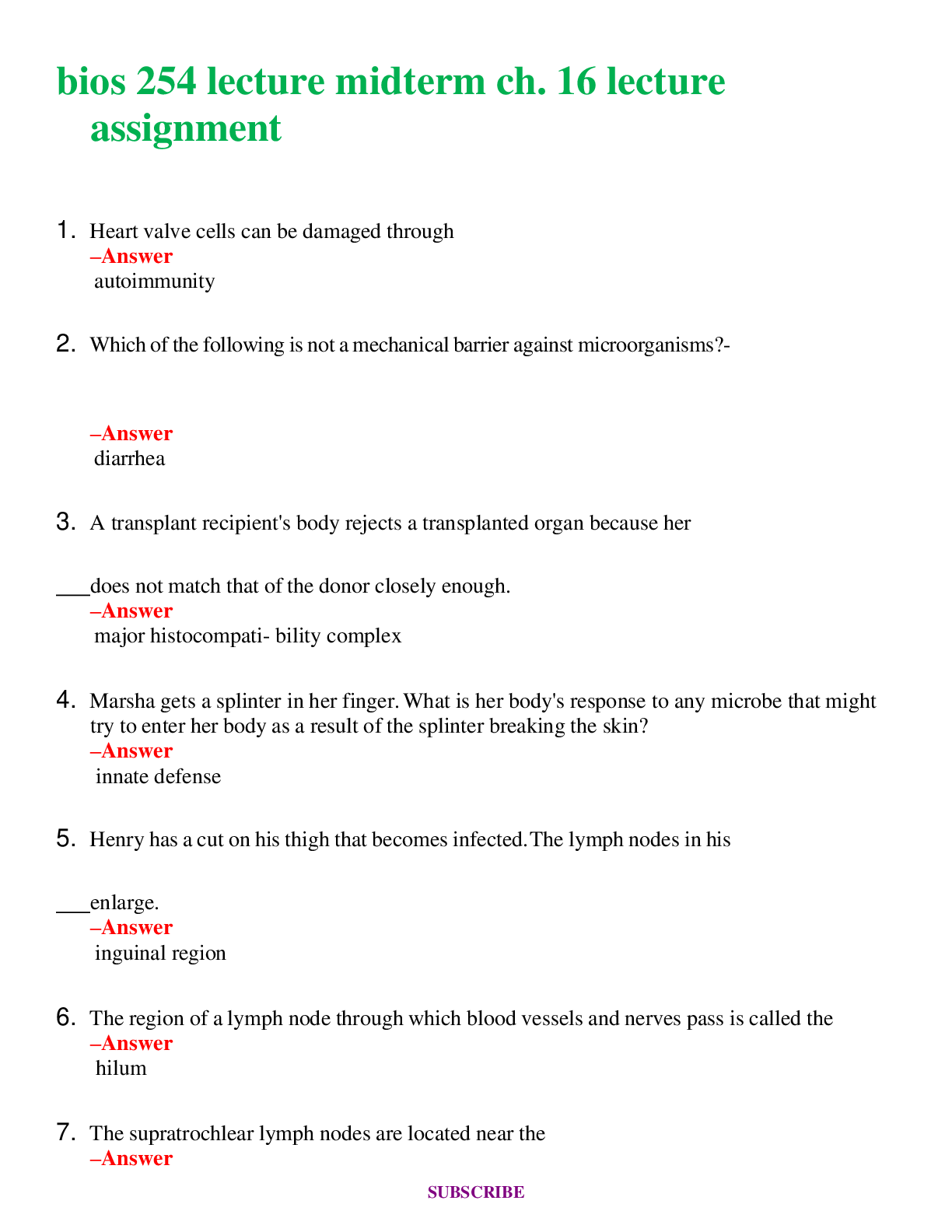
BIOS 254 Lecture Midterm Ch. 16 Lecture Assignment Question...

$17
48 Pages
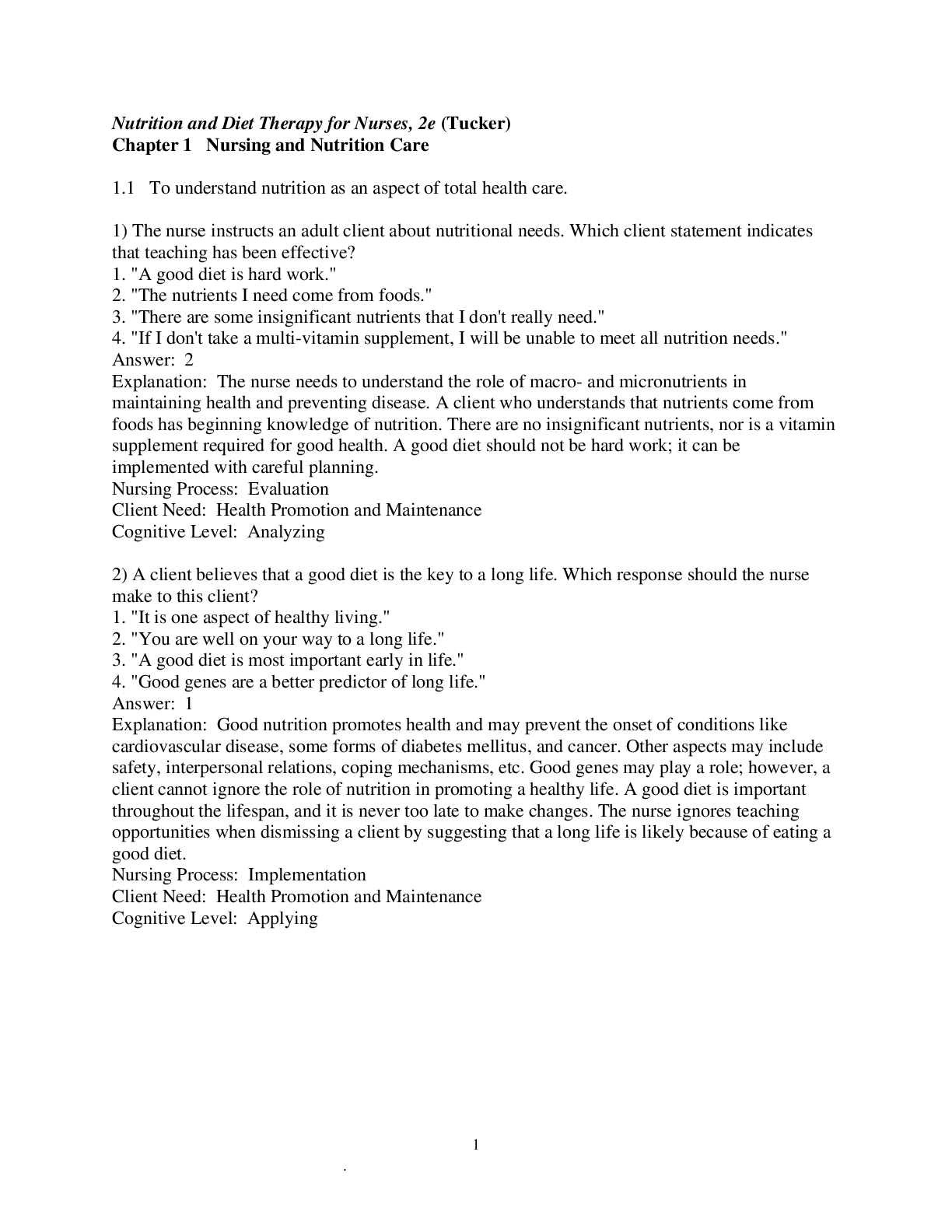
NSG 6430 WOMEN'S HEALTH FINAL EXAM(REVISED AND GRADED A): Sout...
$10
54 Pages
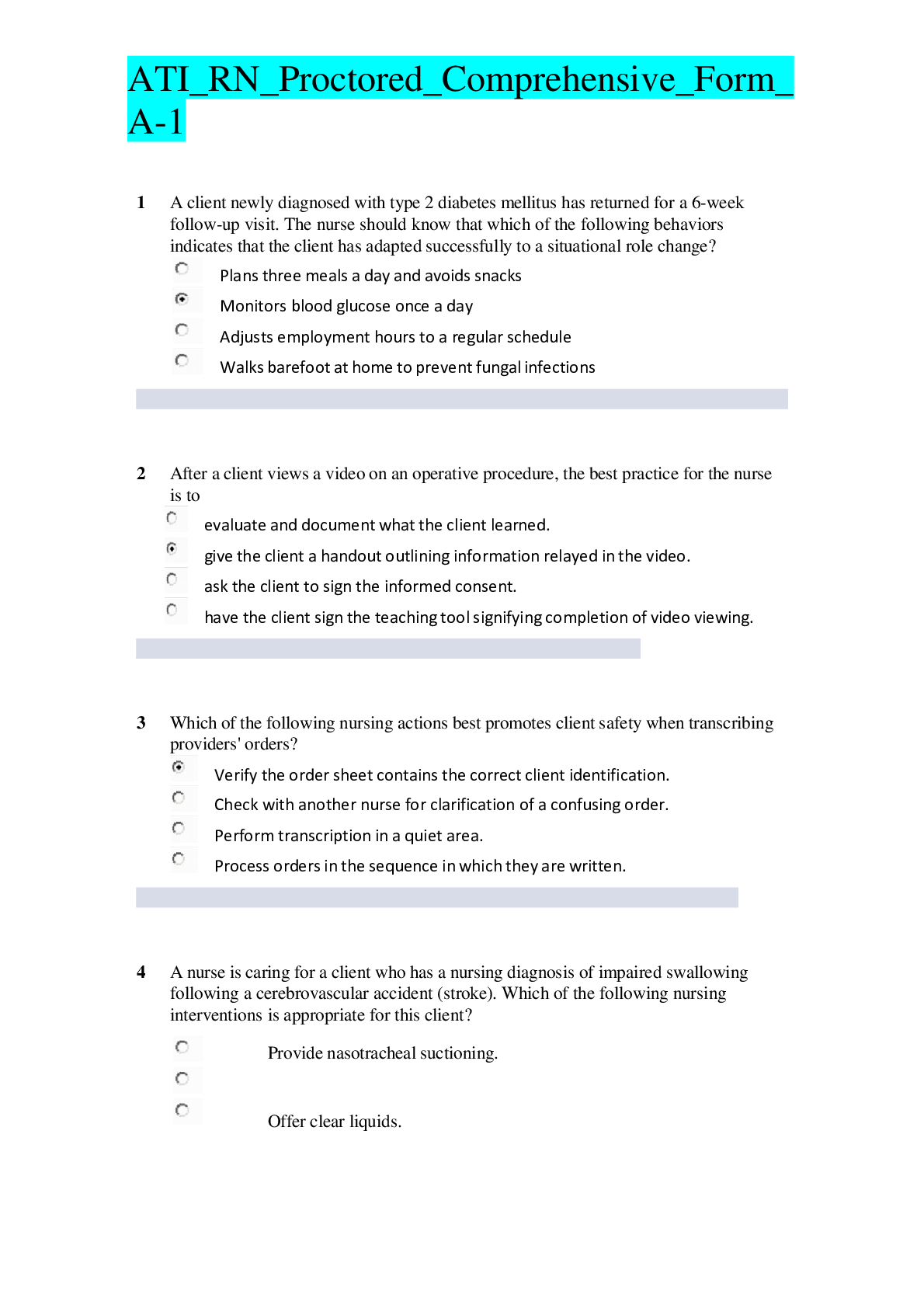
ATI_RN_Proctored_Comprehensive_Form_A-1 With 100% Complete Que...



$7
4 Pages
Walden University - NURS 6640; GAGNIER_WEEK 4_NURS 6640: Cogni...
$9
11 Pages
NURS 6650-N Psychotherapy with Groups and Families _week10 Ass...
$7
9 Pages
Cognitive behavioral therapy research paper- Client with PTSD...

More related documents below