Pharmacology > QUESTIONS & ANSWERS > Pharm: A Patient-Centered Nursing Process Approach CH: 40 Questions And Answers 2022/2023 (All)
Pharm: A Patient-Centered Nursing Process Approach CH: 40 Questions And Answers 2022/2023
Document Content and Description Below
Last updated: 4 years ago
Preview 1 out of 5 pages
Instant download

Buy this Document to get the Full Access Instantly
Provided by Students Who Aced it
We Verify Document Content to Gurantee Accuracy
Reviews( 0 )
Document information
Connected school, study & course
About the document
Uploaded On
Nov 06, 2022
Number of pages
5
Written in
All

Additional information
This document has been written for:
Uploaded
Nov 06, 2022
Downloads
0
Views
121
Topic Tags
Recommended For You
Get more on QUESTIONS & ANSWERS »
Pharmacology 11th Edition A Patient-Centered Nursing Process A...
TEST BANK for Pharmacology: A Patient-Centered Nursing Process...
Test Bank Pharmacology A Patient-Centered Nursing Process Appr...
Pharmacology 10th Edition By McCuistion Test Bank | A Patient-...
TEST BANK for Pharmacology: A Patient Centered Nursing Approac...
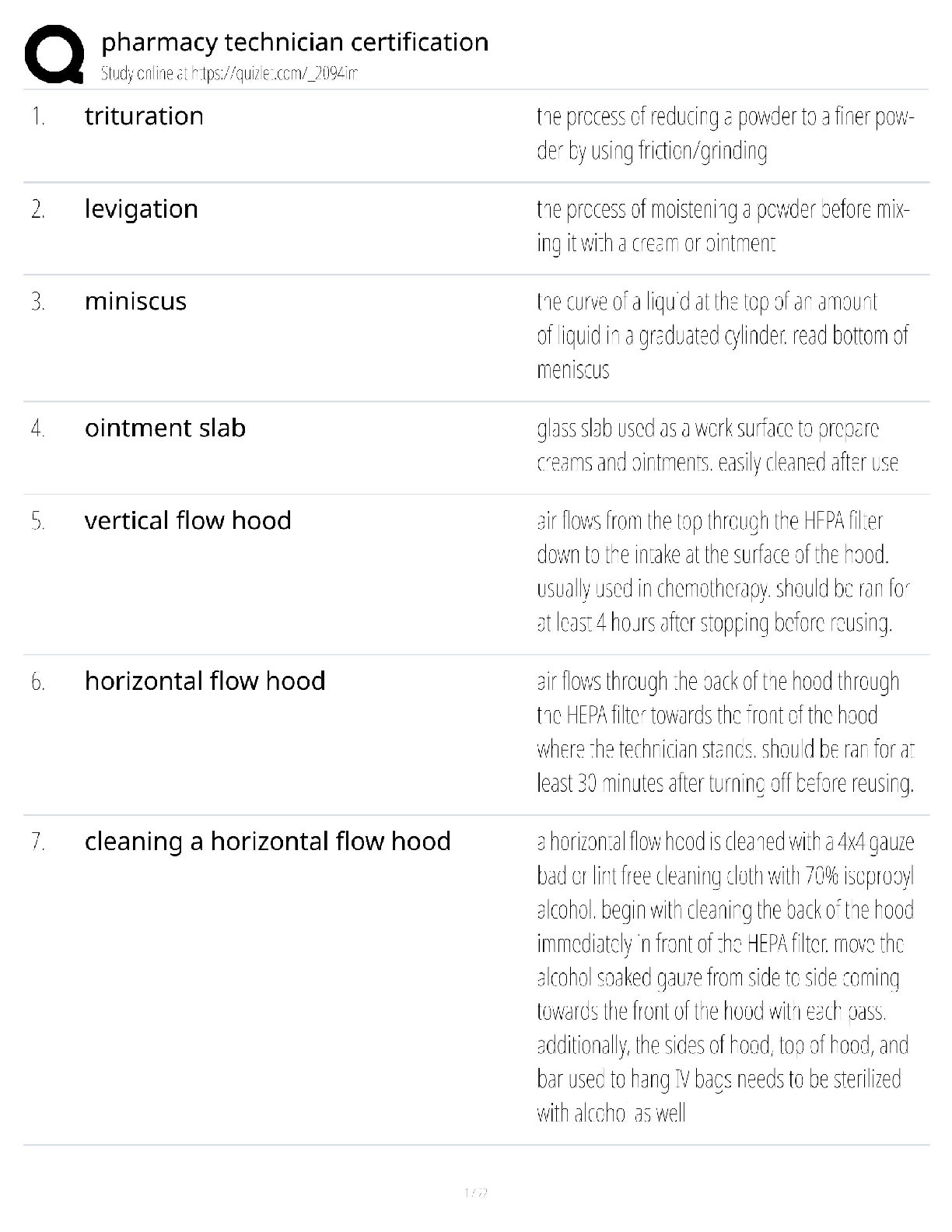

NR 508 / NR508 Advanced Pharmacology Question Bank | McCuistio...
McCuistion: Pharmacology: A Patient-Centered Nursing Process A...
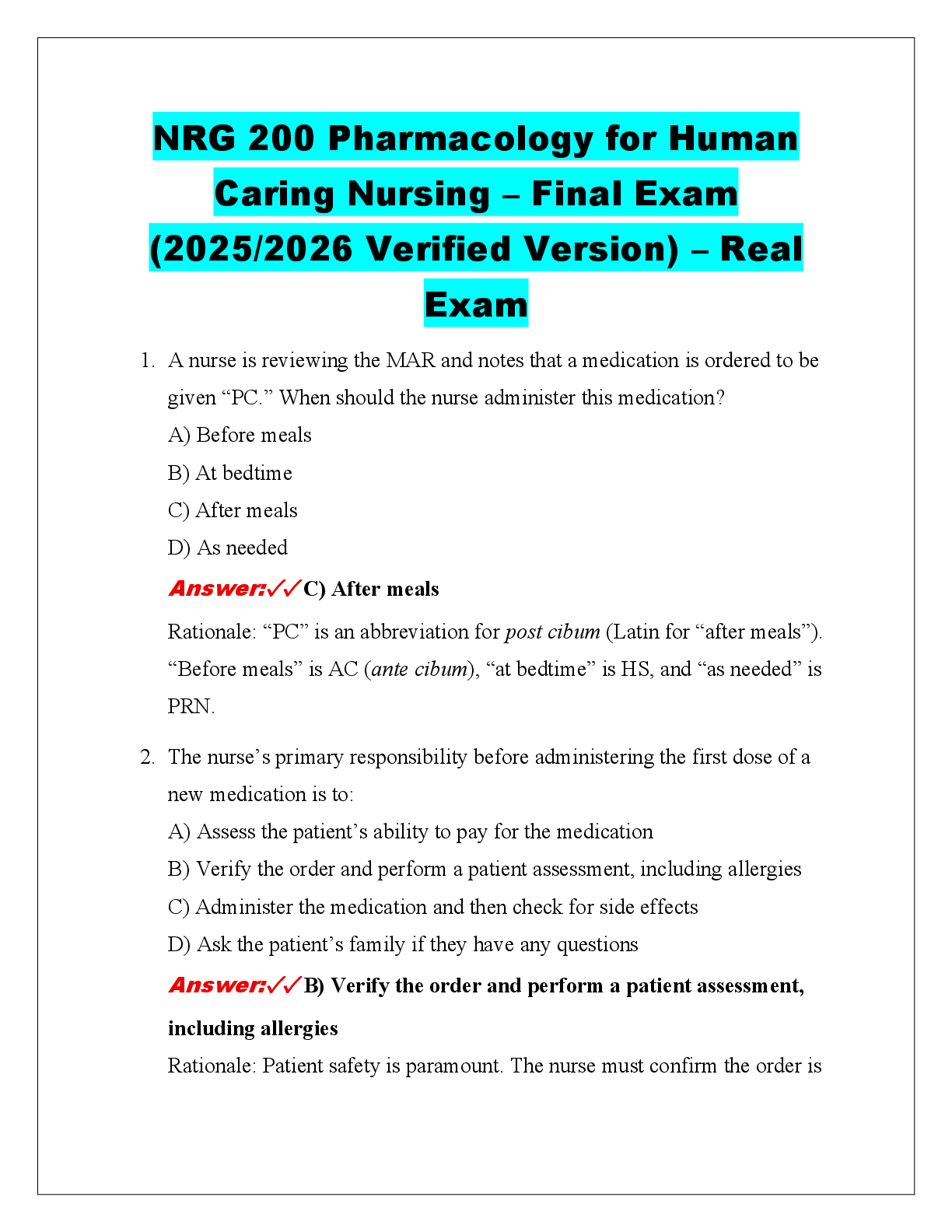
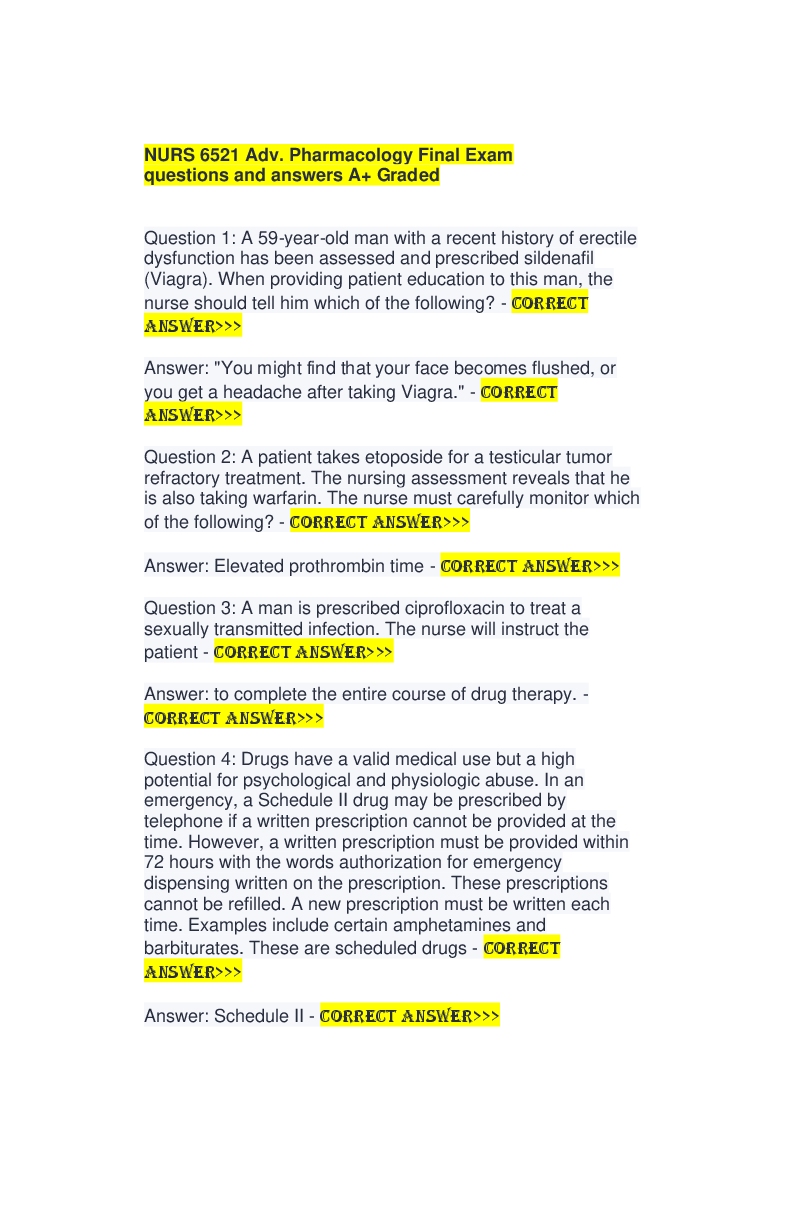

Study Guide: Pharmacology A Patient-Centered Nursing Process A...
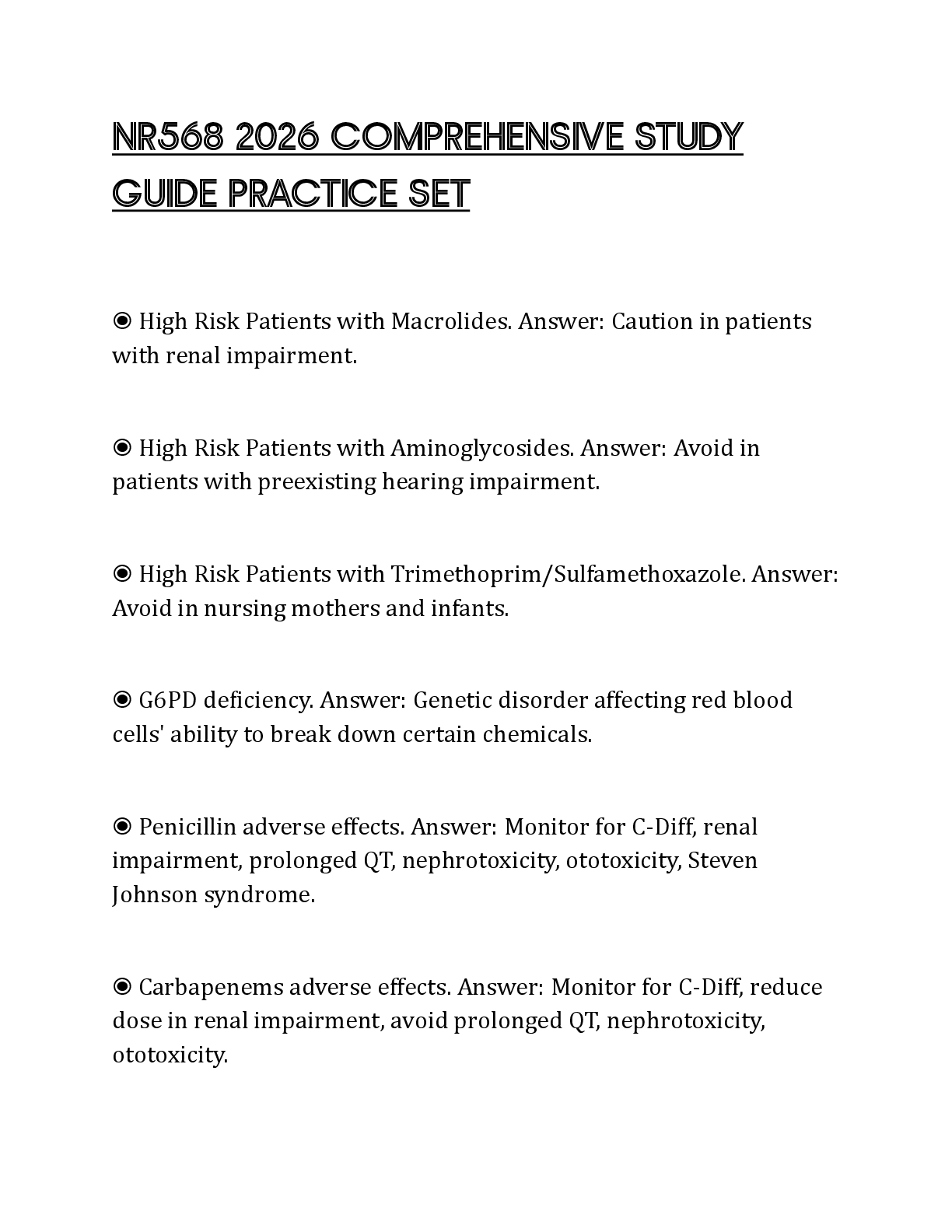
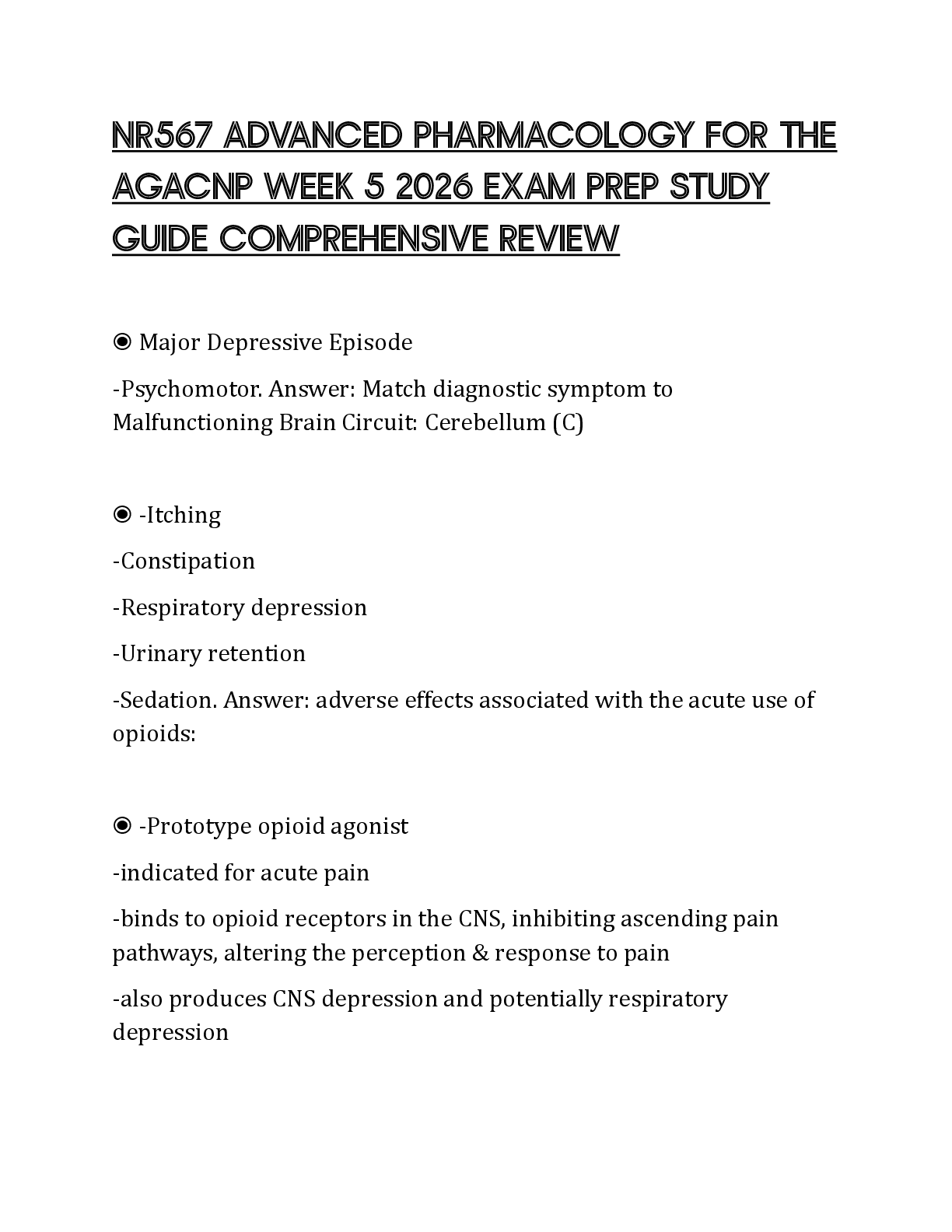
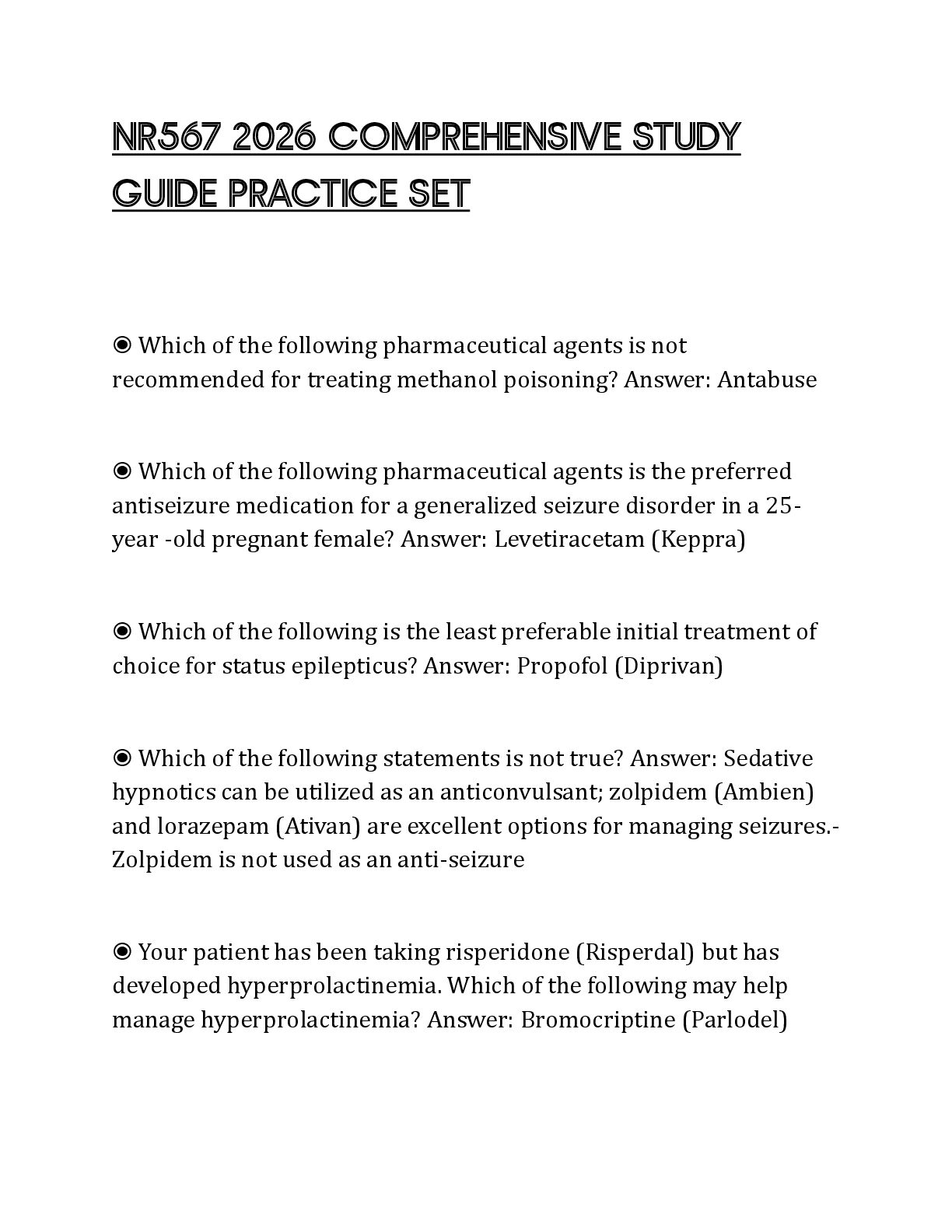
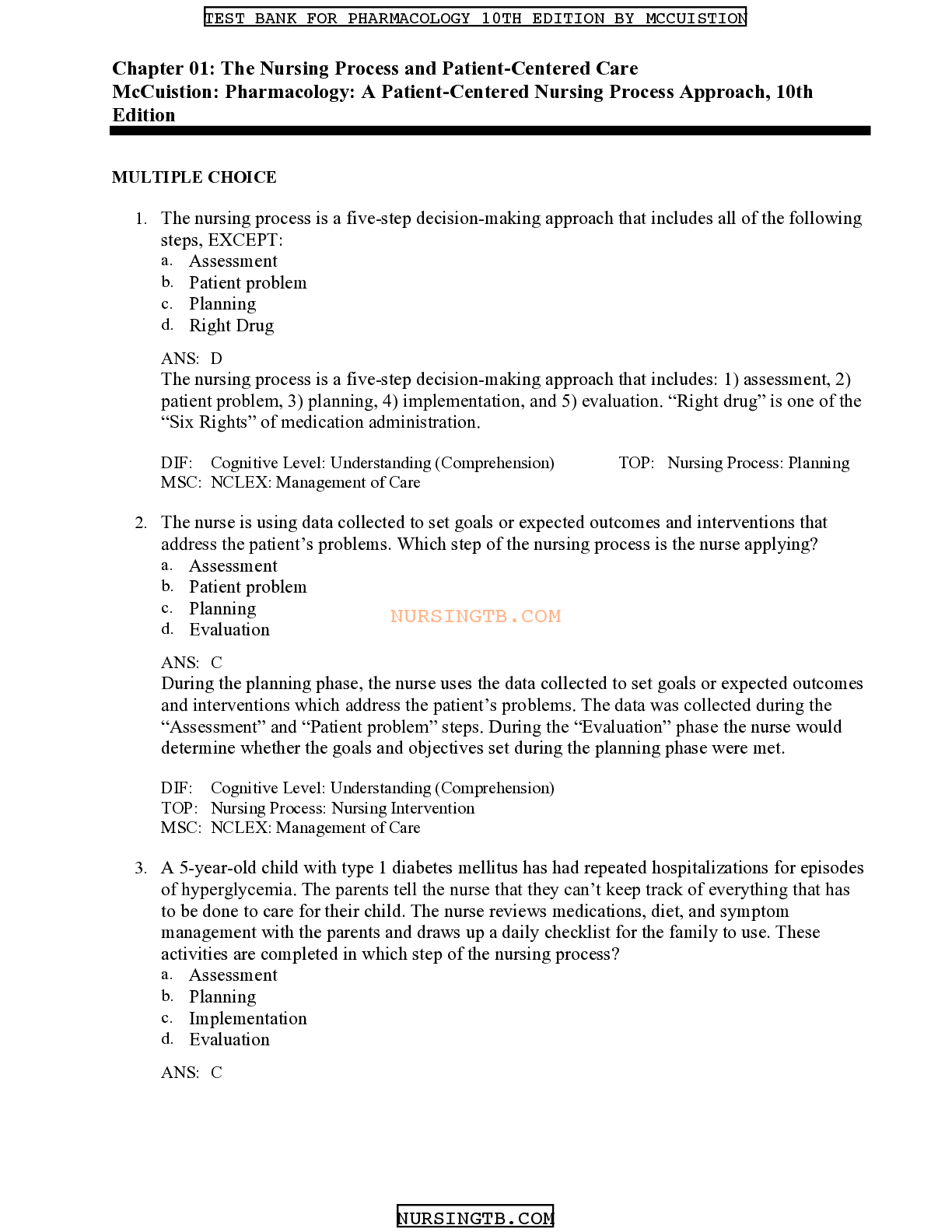
Chapter 01: The Nursing Process and Patient-Centered Care McCu...