Ob ATI proctored study
1) Cytomegalovirus – is an infection contracted by mother during pregnancy that causes neonate
implications of IUGR, Encephalopathy
Exposure to toxoplasmosis, rubella, cytomegalovirus, herpes si
...
Ob ATI proctored study
1) Cytomegalovirus – is an infection contracted by mother during pregnancy that causes neonate
implications of IUGR, Encephalopathy
Exposure to toxoplasmosis, rubella, cytomegalovirus, herpes simplex, and hepatitis B may
adversely affect pregnancy and fetal outcome. TORCH
Cytomegalovirus (CMV) belongs to the herpes simplex virus group and causes both congenital and
acquired disorders. The significance of this virus in pregnancy is related to its ability to be transmitted by
asymptomatic women across the placenta to the fetus or by the cervical route during birth.
the virus is usually innocuous in adults and children,itmaybefataltothefetus.
Asymptomatic CMV infection is particularly commoninchildrenandgravidwomen.Transmissioniscommon
indaycarecenters
2) Who see first? 190 sugar, FHR 160
3) Which food has highest fiber? Oatmeal, asparagus
A: oatmeal, avavados, bananas, pears, split peas, lentils
4) Client who reported abdominal pain upon breast feeding
Why Does It Happen?
The uterus is a muscle, and each pregnancy over-stretches the muscle. Nipple stimulation during
breastfeeding causes a hormone known as oxytocin to be released into your bloodstream. This
hormone causes the contraction of all smooth muscles and helps your uterus contract back into
its pre-pregnancy shape and size. These contractions also help reduce postpartum blood loss, so
although you may be uncomfortable, this cramping is helping your body heal.
What Can You Do?
Don’t be afraid to ask for pain medication while still in the hospital – it will be safe for you and
your baby. You can also give yourself a gentle lower-stomach massage. These afterbirth pains
almost always subside within a few days, but if they continue longer than that or if the pain
becomes intense, reach out to your healthcare provider.5) Signs of neonate abstinent syndrome
- NAS may occur when a pregnant woman takes drugs such as heroin, codeine, oxycodone
(Oxycontin), methadone, or buprenorphine.
Tremors (trembling)
Irritability (excessive crying)
Sleep problems.
High-pitched crying
Tight muscle tone.
Hyperactive reflexes.
Seizures.
Yawning, stuffy nose, and sneezing.
6) Place test in order alpha-protien, 1 hour glucose
Gestational diabtes test:
To take the glucose screening test you will drink a sugar solution (which tastes like a thick, flat cola—I'm
not saying it's delicious, but it's not all that awful either). An hour later, a blood sample will be taken and
the blood sugar level will be checked. If the reading is abnormal (which occurs about 20 percent of the
time) you'll go home and come back at a later date for a diagnostic exam, called a three-hour glucose
tolerance test, to verify the results.
Alpha fetoprotien - screening test for congenital disabilities, chromosomal abnormalities
- Alpha-fetoprotein levels in men and non-pregnant women vary for age and race but mostly
range from 0 ng/ml to 40 ng/ml.
Maternal AFP levels in pregnancy start to rise from about 14th week of gestation up until about
32 weeks gestation. Between week 15 and 20 weeks, levels usually range between 10 ng/ml to
150 ng/ml.
-elevated levels imply a significant risk of having birth defects
7) Report HR with – 150/155/135 – acceleration. Decleration, variability
Cord compression associated with decelerations
Baseline Fetal Heart Rate• Normal baseline FHR = 110 – 160
Accelerations/decelerations are compared to the baseline of the infants HR
Late and variable decelerartions are the most risk for fetus because of head or cord compression
8) Induction with misoprototesol
Taken orally used to soften and ripen the cervix and to induce labor
Women who receive Cytotec to in Guidelines for misoprostol induction include (ACOG, 2009a):
■ The initial dosage should be 25 mcg.
■ Recurrent administration should not exceed dosing intervals of more than 3 to 6 hours.
■ Pitocin should not be administered less than 4 hours after the last Cytotec dose.
■ Cytotec should only be administered where the uterine activity and fetal heart rate (FHR) can be
monitored continuously for an initial observation period.
Contraindications:
: ■ Nonreassuring FHR tracing.
■ Frequent uterine contractions of moderate intensity.duce labor typically deliver within 24 hours of
administration.
reasons for induction include being overdue, pre-labour rupture of membranes and high blood pressure.
Prostaglandins are hormones that are naturally present in the uterus (womb); they soften the cervix and
stimulate contractions in labour.
9) Risk for which condition
-ectopic pregnancy - Who is at risk for an ectopic pregnancy? All sexually active women are at
some risk for an ectopic pregnancy. Risk factors increase with any of the following: maternal age
of 35 years or older.
-postpartum hemmorage
Conditions that may increase the risk for postpartum hemorrhage include the following:
Placental abruption. The early detachment of the placenta from the uterus.
Placenta previa. ...
Overdistended uterus. ...
Multiple pregnancy. ...Gestational hypertension or preeclampsia. ...
Having many previous births.
Prolonged labor.
Infection.
10) Mother Rh neg, baby RH postitive?
Rh incompatibility is a condition that develops when a pregnant woman has Rh-negative blood and the
baby in her womb has Rh-positive blood.
You can prevent the effects of Rh incompatibility by getting an injection of Rh immune globulins
(RhIg) during your first trimester,
A positive indirect Coombs test is a sign of Rh incompatibility
11) 28 weeks gestation with no children. Which is vaccine received?
-rebulla . - NO
-tetanur or tdap - YES
-hpv – NO
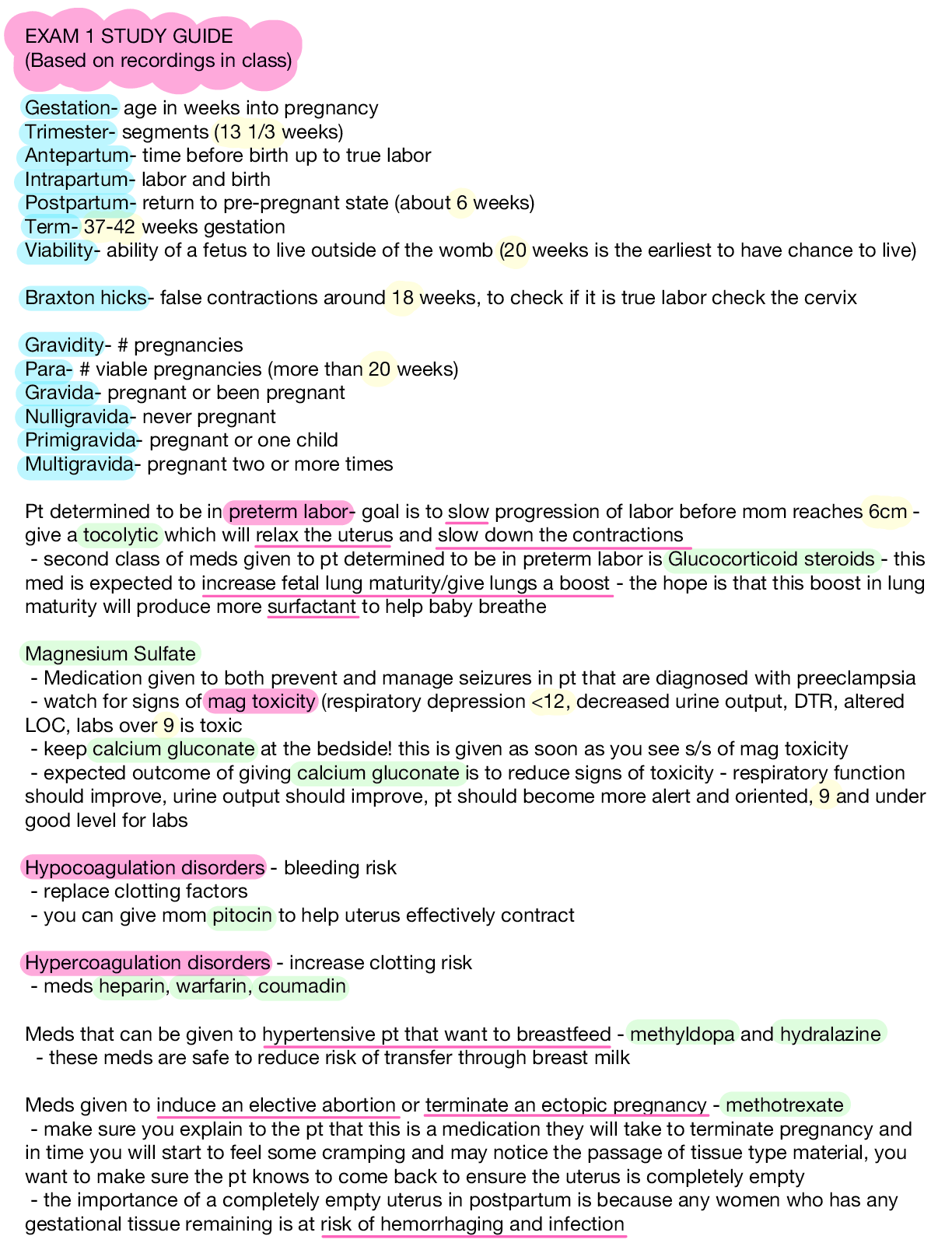
11) Dinoprosterone - It can help dilate the opening of the uterus (cervix) in pregnant women.
Inserted vaginally
Contraindications or dinoprsterone: diabetes; high or low blood pressure; placenta previa; a seizure
disorder; six or more previous term pregnancies; glaucoma or increased pressure in the eye
Symptoms associated with drug:
unpleasant vaginal discharge
continued fever
chills and shivering
increase in vaginal bleeding several days after treatment
chest pain or tightness
13)Bilirunib normal leves, urine gravity normal, swelling of breastEXHIBIT: bilirubin 18
USG 1.0
Normal indirect bilirubin in a newborn would be under 5.2 mg/dL
Normal bilirubin: 0.1 - 1.2 mg/dL
- A specific gravity greater than 1.035 is consistent with frank dehydration.
12) Mother had hepatitis B during pregnancy
Babies born to a mother with hepatitis B have a greater than 90% chance of developing chronic
hepatitis B if they are not properly treated at birth
If you test positive for hepatitis B, then your newborn must be given two shots immediately in
the delivery room:
first dose of the hepatitis B vaccine
one dose of the Hepatitis B Immune Globulin (HBIG).
if these two medications are given correctly, a newborn has more than a 90% chance of being
protected against a lifelong hepatitis B infection.
13) Magnesium sulfide during pregnancy by continuos IV, what lab should be monitored?
Monitoring. The Assessing toxicity patient’s vital signs, oxygen saturation, deep tendon
reflexes, and level of consciousness should be monitored. Monitoring of fetal heart rate and
maternal uterine activity is also essential if the drug is used for preterm labor. The patient
should be assessed for signs of toxicity (e.g., visual changes, somnolence, flushing, muscle
paralysis, loss of patellar reflexes) or pulmonary edema. If these signs are observed, a physician
must be notified. During bolus administration, a staff member should remain at the patient’s
bedside to oversee continuous monitoring. Subsequent assessment intervals of 15 minutes are
suggested for the first hour, 30 minutes for the second hour, and then hourly
magnesium sulfate for treating preterm labor and pre-eclampsia
14) Which image erythema toxicum
is a common rash in neonates. It appears in up to half of newborns carried to term, usually
between day 2–5 after birth; it does not occur outside the neonatal period.16)Yellow discharge forming at circumcision site
Yellow discharge typically goes away within one week. This is not pus or a sign of infection17) Client has cocaine disorder, monitor for potential complications?
-abrupto placenta - Placental abruption (separation of the placenta from the uterine wall).
-chorioamnio – yes if multiple choice
chronic villitis – yes if multiple choice
18) Client who is breast feeding, instructions nurse include?
Breastfeed 8-12 min in 24 hour period
-newborns who are breastfed will average 15-20 min per breast
-feedings should be on demand every 2-3 hours
-no other fluids offered to newborn unless instructed by doctor
-specific timing feedinds should be avoided and only on demand
-most newborns spit up small amounts of milk after feedings and should be sat up and kept quiet for a
few minutes after feedings
-breastfed newborns should have 3 or more BM’s per day and 6 or more wet diapers
19) Client mitral valve stenosis?
rheumatic mitral stenosis is the most common cardiac disease found in women during pregnancy. The
typical increased volume and heart rate of pregnancy are not well tolerated in patients with more than
mild stenosis.
- Maternal complications of atrial fibrillation and congestive heart failure can occur
-Labour and delivery goals include reducing tachycardia by adequate pain control and minimized volume
shifts
- adverse maternal events in women with mitral stenosis include pulmonary edema, arrhythmia and
thromboembolism
Adverse fetal outcomes associated with mitral stenosis include preterm delivery, intrauterine growth
retardation, low birth weight and fetal or neonatal death
Management: patients with mild-moderate mitral stenosis may first become symptomatic and be
diagnosed during pregnancy when increased plasma volume and resting heart rate stress20) Phenylketonuria - A birth defect that causes an amino acid called phenylalanine to build up in the
body.
Without the enzyme necessary to process phenylalanine, a dangerous buildup can develop when a
person with PKU eats foods that contain protein or eats aspartame, an artificial sweetener. This can
eventually lead to serious health problems.
PKU signs and symptoms can be mild or severe and may include:
A musty odor in the breath, skin or urine, caused by too much phenylalanine in the body
Neurological problems that may include seizures
Skin rashes (eczema)
Fair skin and blue eyes, because phenylalanine can't transform into melanin — the pigment responsible
for hair and skin tone
Abnormally small head (microcephaly)
- Babies born to mothers with high phenylalanine levels don't often inherit PKU. But they can have
serious consequences if the level of phenylalanine is high in the mother's blood during pregnancy.
Complications at birth may include:
Low birth weight
Delayed development
Facial abnormalities
Abnormally small head
Heart defects and other heart problems
Intellectual disability
Behavioral problems
-Prevention:
If you have PKU and are considering getting pregnant:
Follow a low-phenylalanine diet. Women with PKU can prevent birth defects by sticking to or returning
to a low-phenylalanine diet before becoming pregnant
21) 21 weeks gestation and has trichomoniasis
Trichomoniasis – is an STI transmitted through skin to skin contactIf a trichomoniasis infection is left untreated during pregnancy, it can increase a woman’s chances of a
pre-term delivery and low birth weight. Both of these can affect the baby’s development, overall health,
and time spent in the hospital after birth.
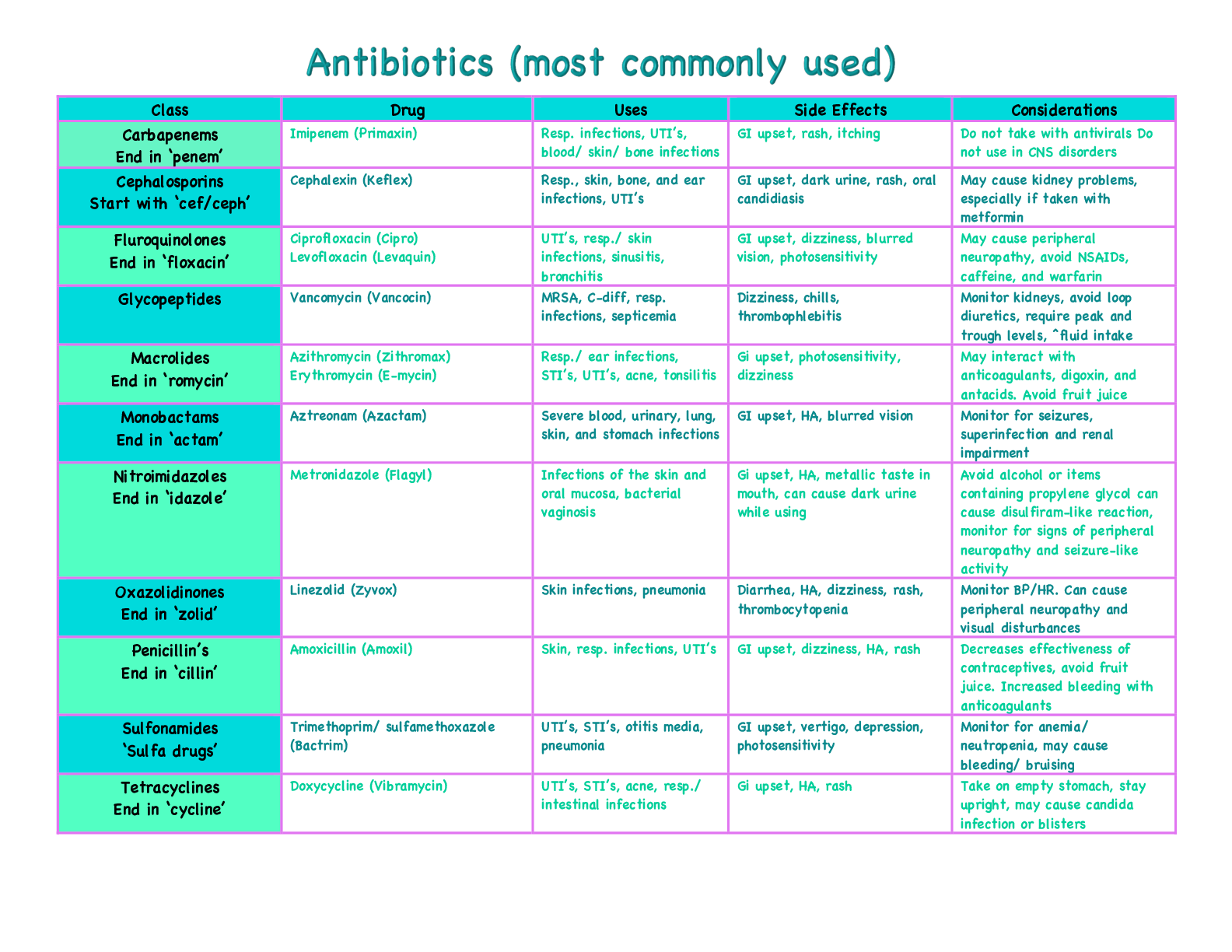
treatment for trichomoniasis is a large single dose of antibiotics, typically metronidazole or tinidazole.
Common brand names for these are Flagyl or Tindamax.
22) Nurse caring for newborn who is 2 days old
-babinski reflex
23) Who has a prescription for rubella immunization
-not during pregnancy especially in early pergnancy
24) Hct of 25%
Hematocrit 44% - 64% are normal values in newborn. This is low. High hct indicates dehydration.
Reasons for low hct: The baby’s body does not produce enough red blood cells.
The body breaks down red blood cells too quickly.
25) Full term newborn admitted to nursery, report what condition?
26) ) Client has a contraindication for a contraction stress test?
A: Reasons CSTs should not be performed prior to 28 weeks gestation
1. In light of positive test, birth and extrauterine survival would be questionable at such an early
gestational age
2. Research has not been performed to show that the test applies to early gestations
27) Client has 4th degree laceration of perineum
fourth degree tear goes through the anal sphincter all the way to the anal canal or rectum. These tears
require surgical repair and it can take approximately three months before the wound is healed and the
area comfortable.
28) Teaching to client about post-partum care29) nonpharm pain management during labor
30) Newborn whos mother has a cocaine disorder
APGARS
- Evaluation tool only! Intervention should start prior to 1 minute as needed.
Done at 1 and 5 minutes and 10 mins if APGAR at 5 mins < 7
APGAR Results
- 0 to 3 indicate severe distress
- 4 to 6 indicates moderate difficulty
- 7 to 10 indicates that the newborn is having minimal or no difficulty adjusting to extrauterine life
Thermoregulation - Normal Axillary Range
> 36.5C (97.7F) to < 38.0C (100.4F)
Skin Color - Mottled
-lacy pattern of dilated blood vessel under the skin.
-result of general circulation fluctuations or when newborn is cold.
Normal Heart Rate Range
- 110 to 160 bpm
- Normally the heart has a toc-tic sound.
- 90% of all murmurs are transient and considered normal. Half disappear by age 6 months.
Respirations - Normal Respiratory Rate
> 30 and < 60 bpm- Respirations are diaphragmatic, with associated rising and falling of abdomen.
- Breath sounds are heard better when the newborn is crying.
Respirations - Normal O2 Saturation Range
- Term >90%
- Preterm >90-95%
Normal Cry Sounds
- Cry-strong, lusty and medium pitched.
- High pitched, shrill cry may indicate neurologic disorders or hypoglycemia
Signs of Respiratory Distress
- Rapid rate
- Nasal flaring
- Grunting
Retractions
Normal Blood Pressure
- systolic >50
- diastolic >30 (if not >30, recheck later)
Jaundice
- First detectable on face where skin overlies cartilage and mucous membranes
- Occurs in 50-60% of term newborns
- Blanch tip of nose, forehead or gum line, area appears yellowish immediately after blanching
- Pathologic within 24hrs or persisting for > 7 days
- Physiologic after 24 hrsNewborn Feeding Readiness (Hunger Cues)
- Rapid eye movement under lids
- Sucking movements
- Hand to mouth movements
- Body movements
- Small sounds
- Rooting
When to Initiate Newborn Feeding
- Assess newborn breathing, suck & swallow
- Breastfeeding - immediately after birth within first half hour
- Bottle feeding - when newborn shows cues
- Feed early, especially if newborn at risk for hypoglycemia
LGA
LGA
>90th % for weight
- Increase risk of birth trauma, hypoglycemia, hypocalcemia, hyperbilirubinemia, meconium aspiration,
and polycythemia.
SGA
<10th % for weight
- Increase risk of hypoglycemia, asphyxia, respiratory distress syndrome, meconium aspiration,
intrauterine infection, and hyperbilirubinemia
Breastfeeding Recommendations
- First six months, up to two yearsAdvantages of Breast Milk for Baby
Antibodies—Protects against infections
Decreases risk of allergies
Essentials for growth
Protects against obesity
Enhances cognitive development ( 8 IQ pts)
Decreases risk for Diabetes
Decreases risk of Sudden Infant Death Syndrome (SIDS)
Breast Milk - Colostrum
- First 2-3 days
- Gold or yellow, Thick
- Colostrum amount matches the size of the newborn's stomach
- High protein content due to increased immunologic content; high levels of antibodies—passive
immunity
- Establishes normal GI track flora
- Helps eliminate bilirubin as it has a laxative effect
Breast Milk - Mature Milk
- After 2 weeks
- 10% solids (carbs, proteins, fats) for energy and growth
- 90% water for hydration
Steps to Latch On
Positioning, pillows, pillows and more pillows
Get mom and baby comfortable
Stimulate rooting reflex
Baby to open mouth WIDEBaby to latch onto the nipple + areola, not just the nipple
Breastfeeding Assessment - LATCH Score
Out of 10
L-Latch
A-Audible swallowing
T-Type of nipple (inverted, flat, everted)
C-Comfort (breast and nipple)
H-Hold (assistance and positioning)
Bilirubin levels: in a newborn, higher bilirubin is normal due to the stress of birth. Normal indirect
bilirubin in a newborn would be under 5.2 mg/dL
Normal infant;
Weight: 2,500-4000 grams (5.5-8-8 pounds)
Length: 45-55 cm
Head: 32-37 cm
Chest: 30-33 cm
[Show More]










.png)


.png)
![Preview of NR667 Complete Question Bank with Correct Answers: Final Exam Study Guide [2026 Updated]](https://browseimages.nyc3.digitaloceanspaces.com/paper-images/2026/02/25/AULA53fD2026-02-25-02-58699ee3d811bc7.png)