NURSING > Research Paper > NU104: Pathophysiology for Nursing _ Evidence-Based Practice_ School of Nursing, Purdue Global Unive (All)
NU104: Pathophysiology for Nursing _ Evidence-Based Practice_ School of Nursing, Purdue Global University
Document Content and Description Below
Last updated: 3 years ago
Preview 1 out of 5 pages
Instant download

Buy this Document to get the Full Access Instantly
Provided by Students Who Aced it
We Verify Document Content to Gurantee Accuracy
Reviews( 0 )
Document information
Connected school, study & course
About the document
Uploaded On
Apr 09, 2023
Number of pages
5
Written in
All

Additional information
This document has been written for:
Uploaded
Apr 09, 2023
Downloads
0
Views
130
Topic Tags
Recommended For You
Get more on Research Paper »
Psychiatric Mental Health Nursing Concepts of Care in Evidence...
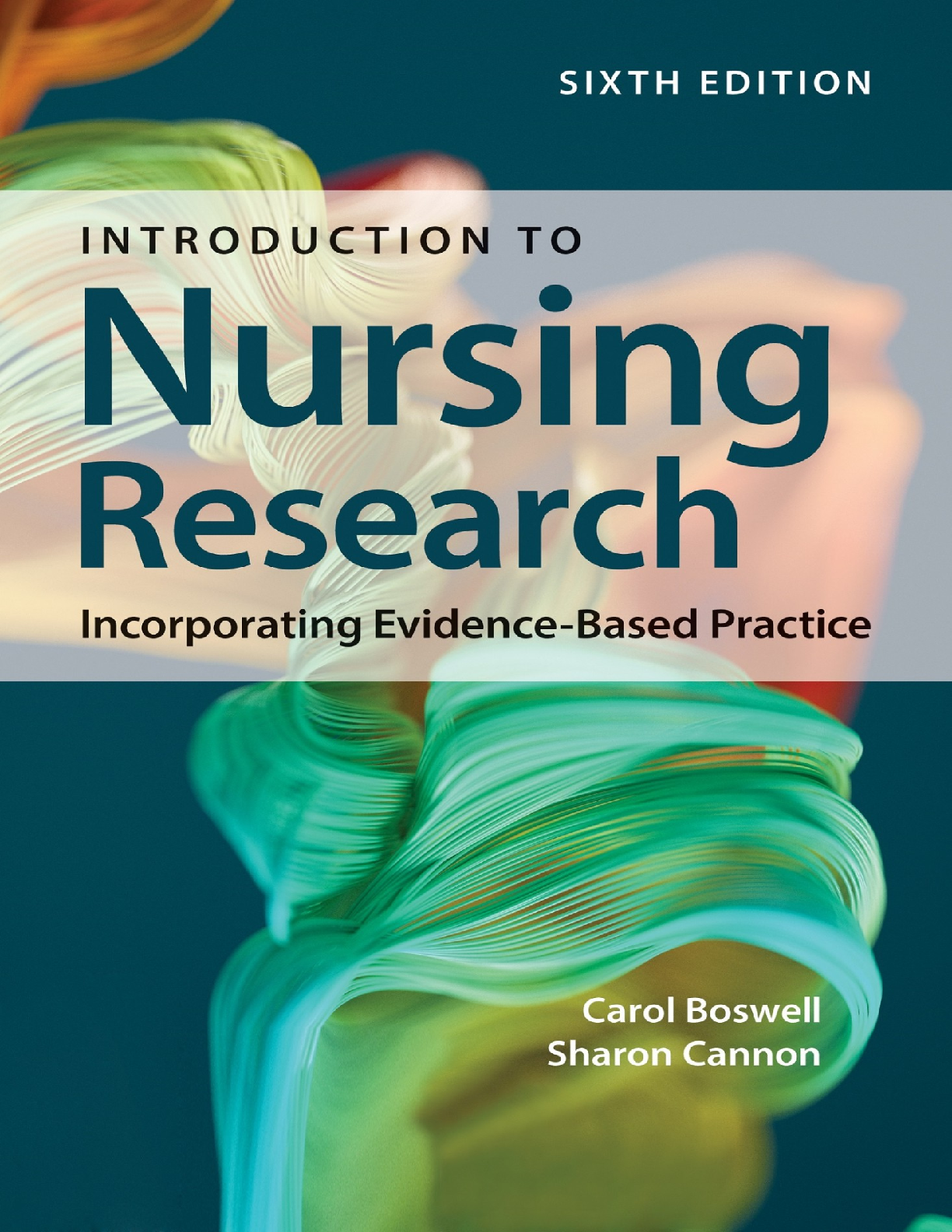
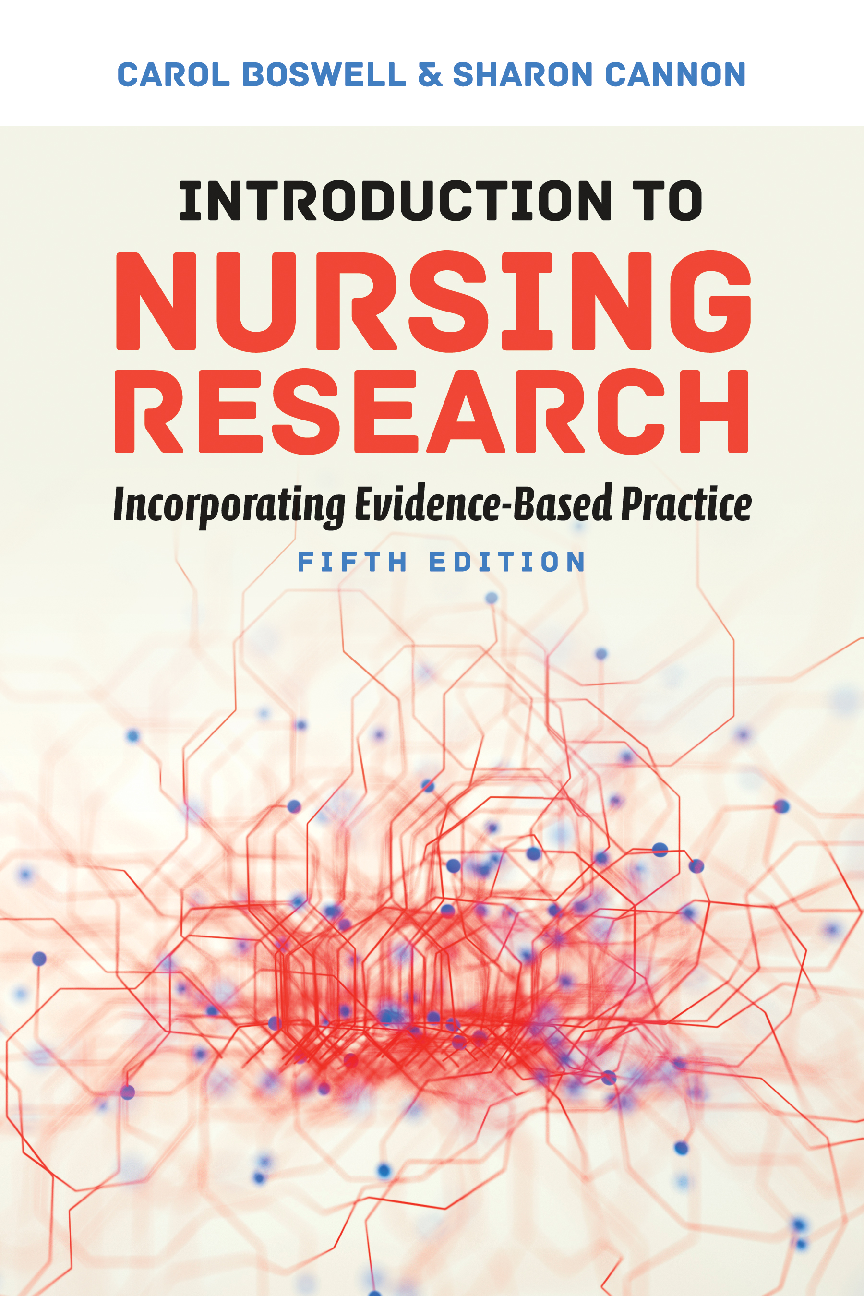

Evidence Based Practice and Applied Nursing Research Rasmussen...
Evidence Based Practice for Nursing and Healthcare Quality Imp...
Test bank psychotherapy for the advanced practice psychiatric...
Test Bank for Evidence Based Practice for Nursing and Healthca...
.png)
TEST BANK for Essentials of Psychiatric Mental Health Nursing...
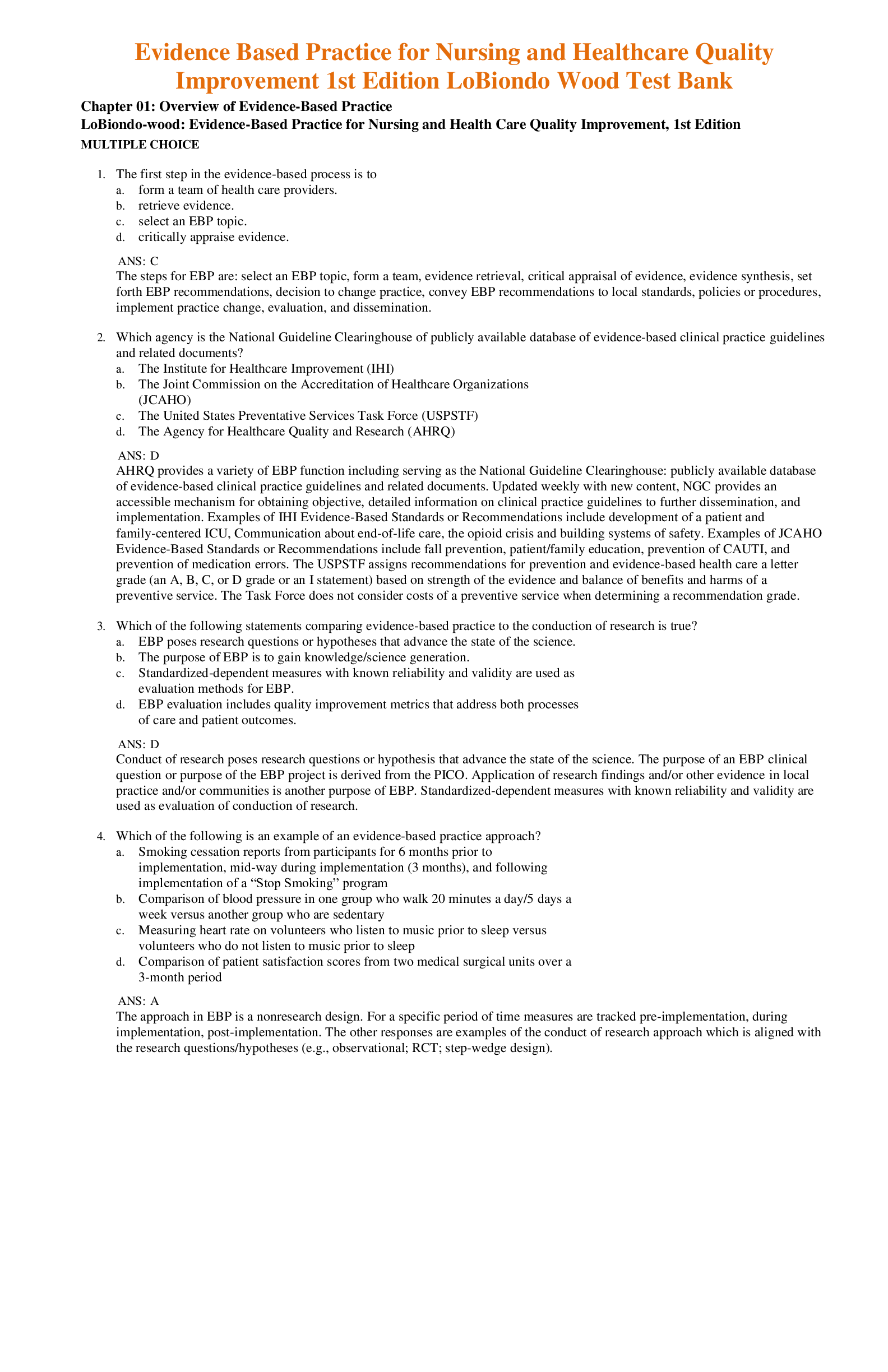
Test Bank for Evidence Based Practice for Nursing and Healthca...
NURSING NR 439 Evidence Based Practice: Research Article Criti...
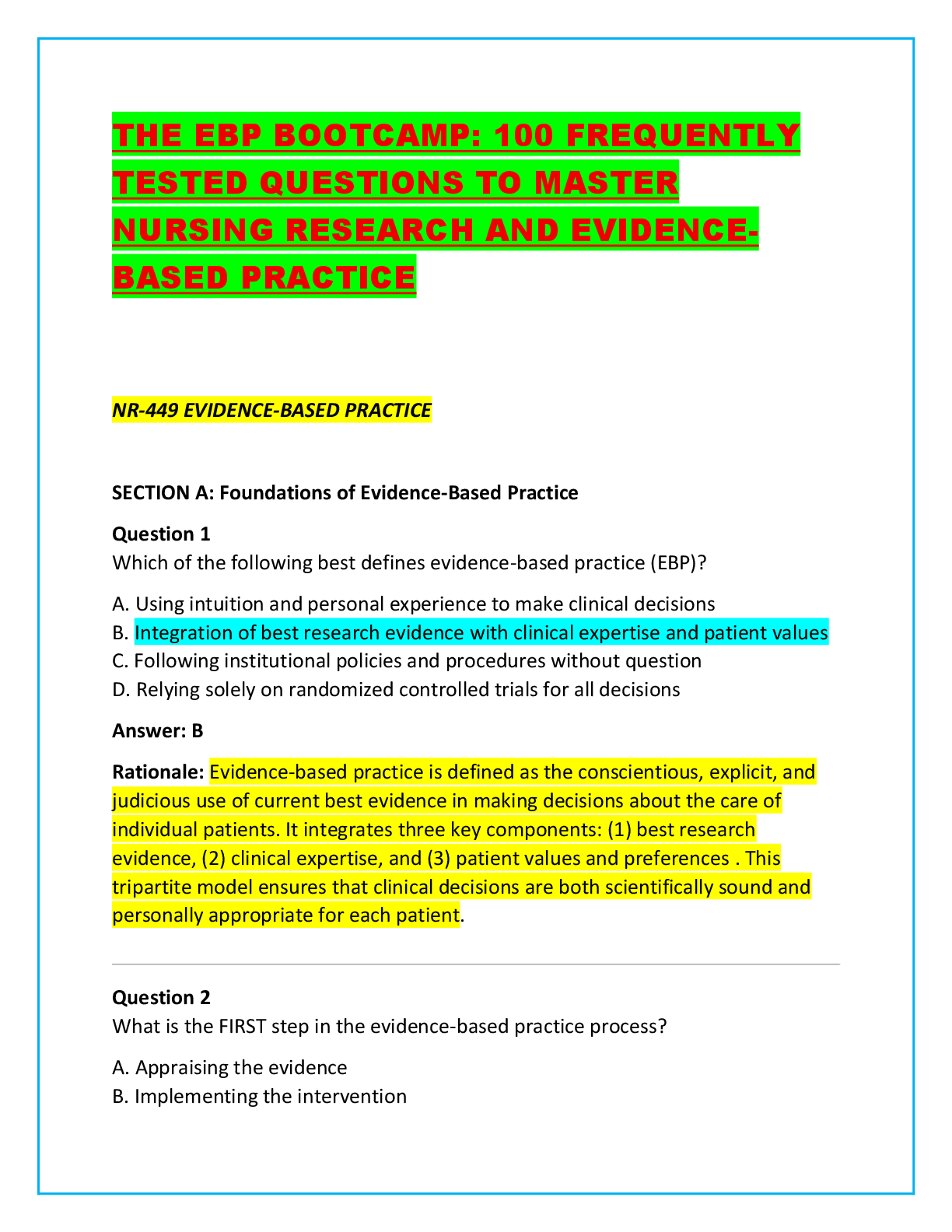
THE EBP BOOTCAMP: 100 FREQUENTLY TESTED QUESTIONS TO MASTER...
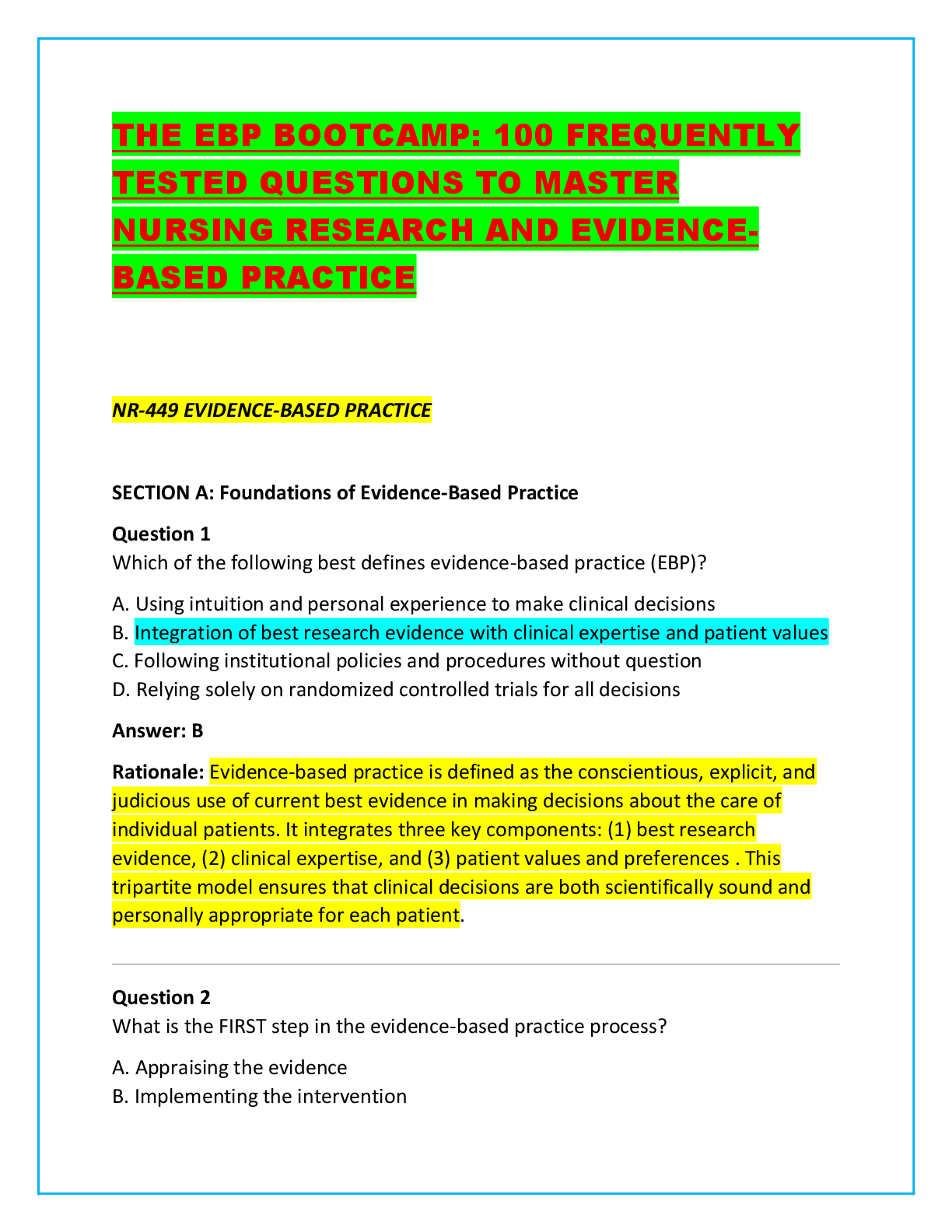
THE EBP BOOTCAMP: 100 FREQUENTLY TESTED QUESTIONS TO MASTER...

NURS 4100 Week 3 Quiz: Quality and Safety through Evidence Bas...


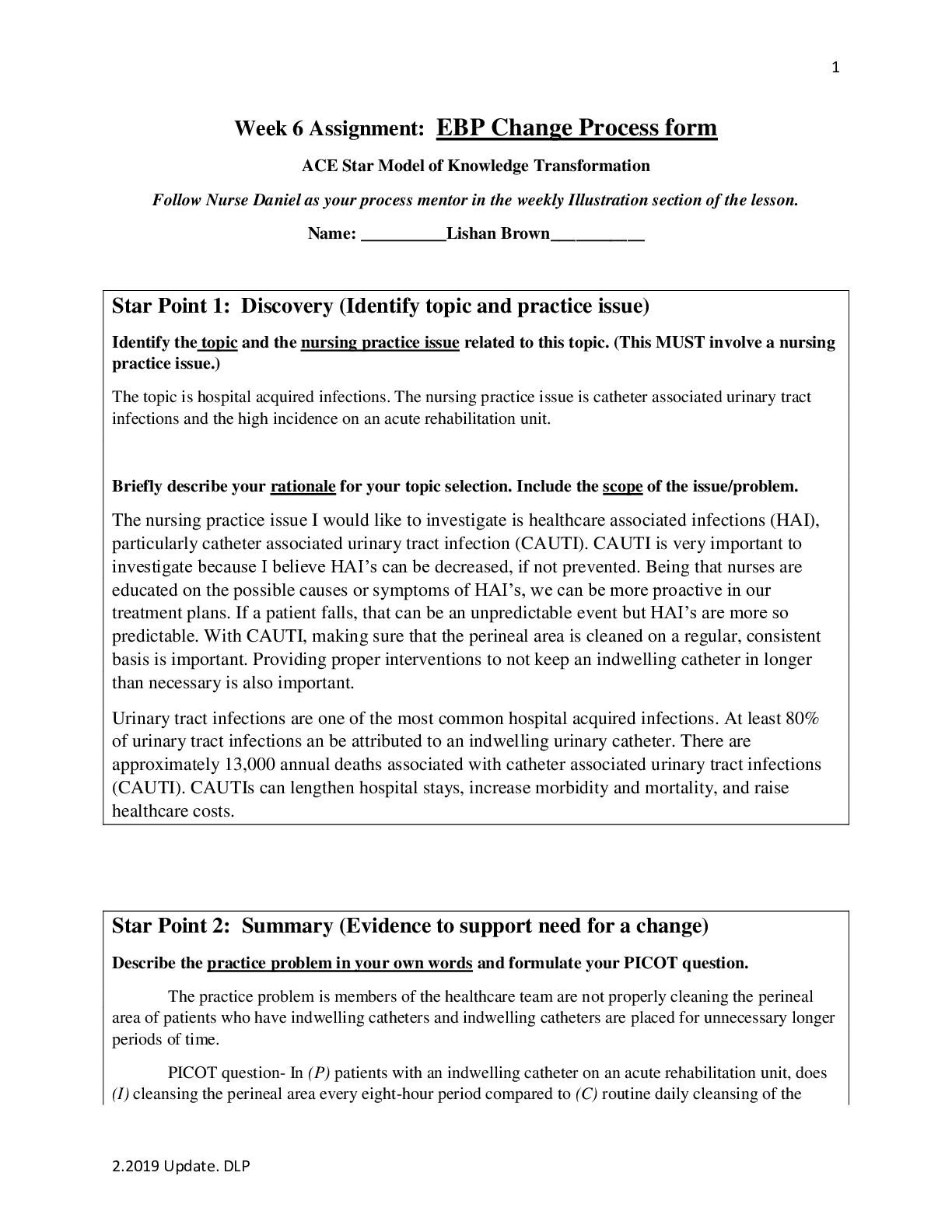
NR 451 Week 6 Assignment Evidence Based Practice Change Proces...

NUR 699 WEEK 7 ASSIGNMENT EVIDENCE BASED PRACTICE PROPOSAL FIN...


dfdfefe.png)