NURSE 6512 week 7 quiz Walden University. Graded A
Document Content and Description Below
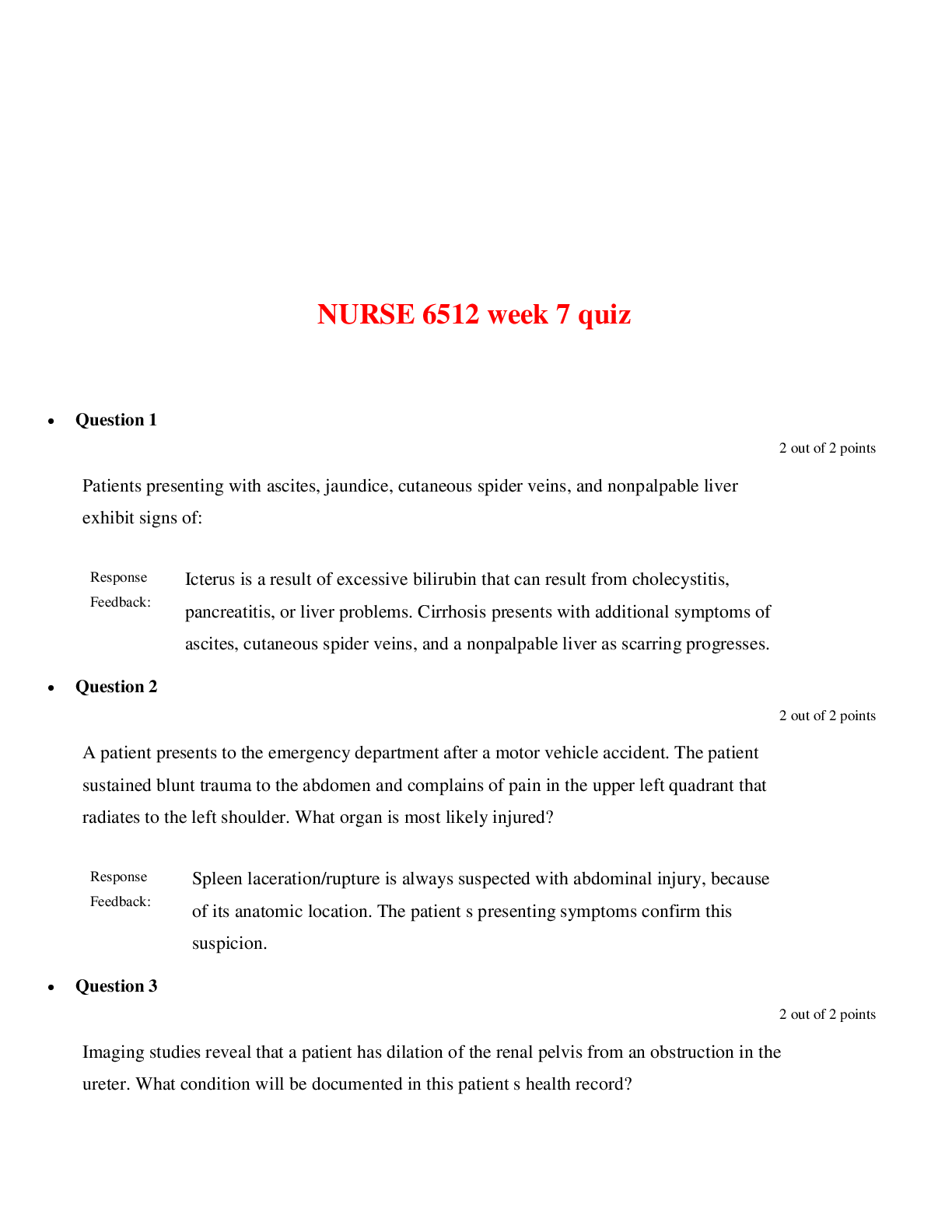
• Question 1
2 out of 2 points
Patients presenting with ascites, jaundice, cutaneous spider veins, and nonpalpable liver exhibit signs of:
• Question 2
2 out of 2 points
A patient presents to the
...
[Show More]
Last updated: 3 years ago
Preview 1 out of 6 pages
Instant download
Buy this Document to get the Full Access Instantly
Provided by Students Who Aced it
We Verify Document Content to Gurantee Accuracy
Reviews( 0 )
Document information
Connected school, study & course
About the document
Uploaded On
Aug 30, 2019
Number of pages
6
Written in
All

Additional information
This document has been written for:
Uploaded
Aug 30, 2019
Downloads
0
Views
316
Topic Tags
Related Subjects & Courses
Explore similar study resources and related concepts.
Recommended For You
Get more on EXAM ».png)
.png)
.png)
$14
5 Pages
Health Assessment Week 9 discussion question Nurse 6512,100%

$7
4 Pages
Walden University - NURSING NURSE 6512Health Assessment Week 4...

$7
4 Pages
Walden University - NURSING NURSE 6512Health Assessment week 7...
$15
6 Pages
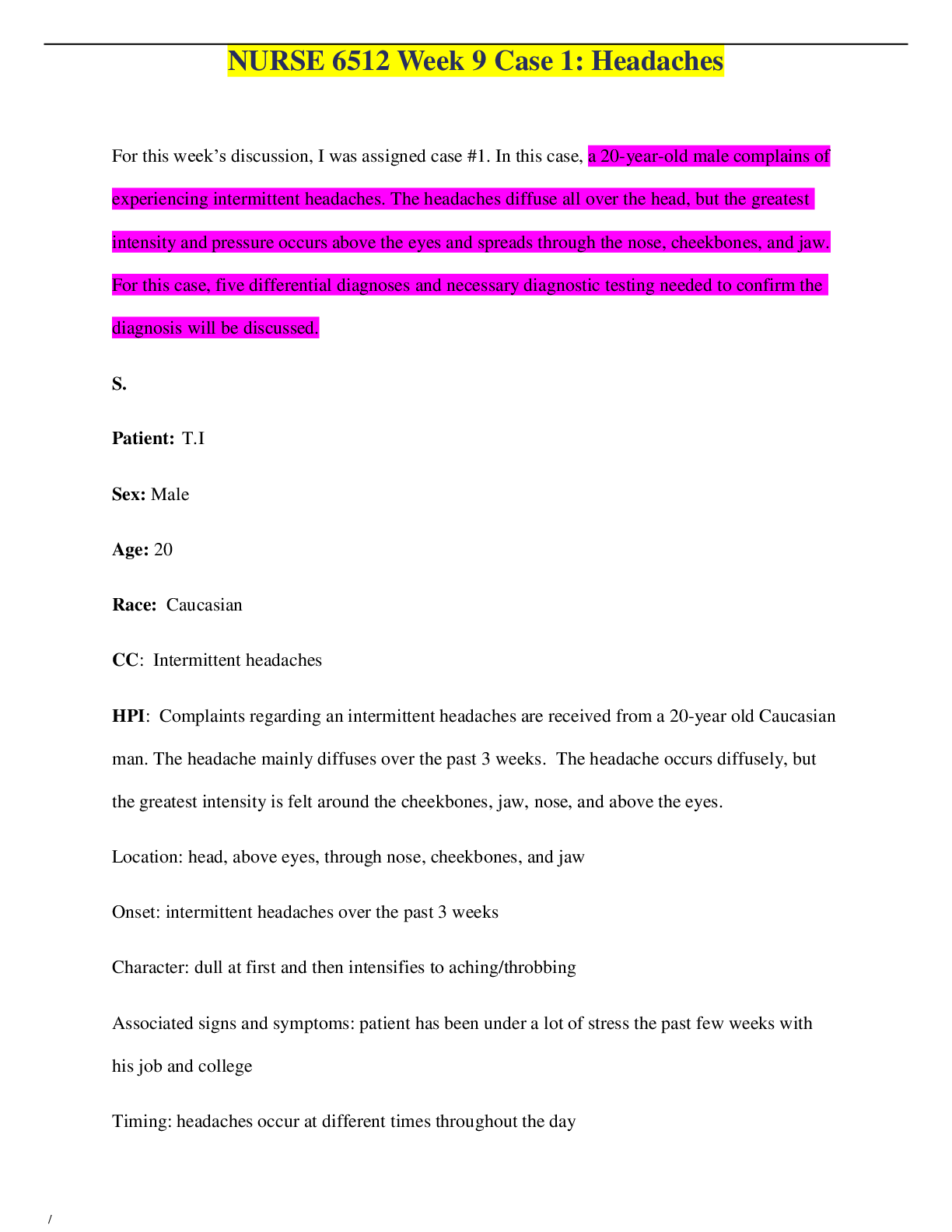
NURSE 6512 Week 9 Case 1 Headaches, Answered, Complete solutio...
$10
5 Pages
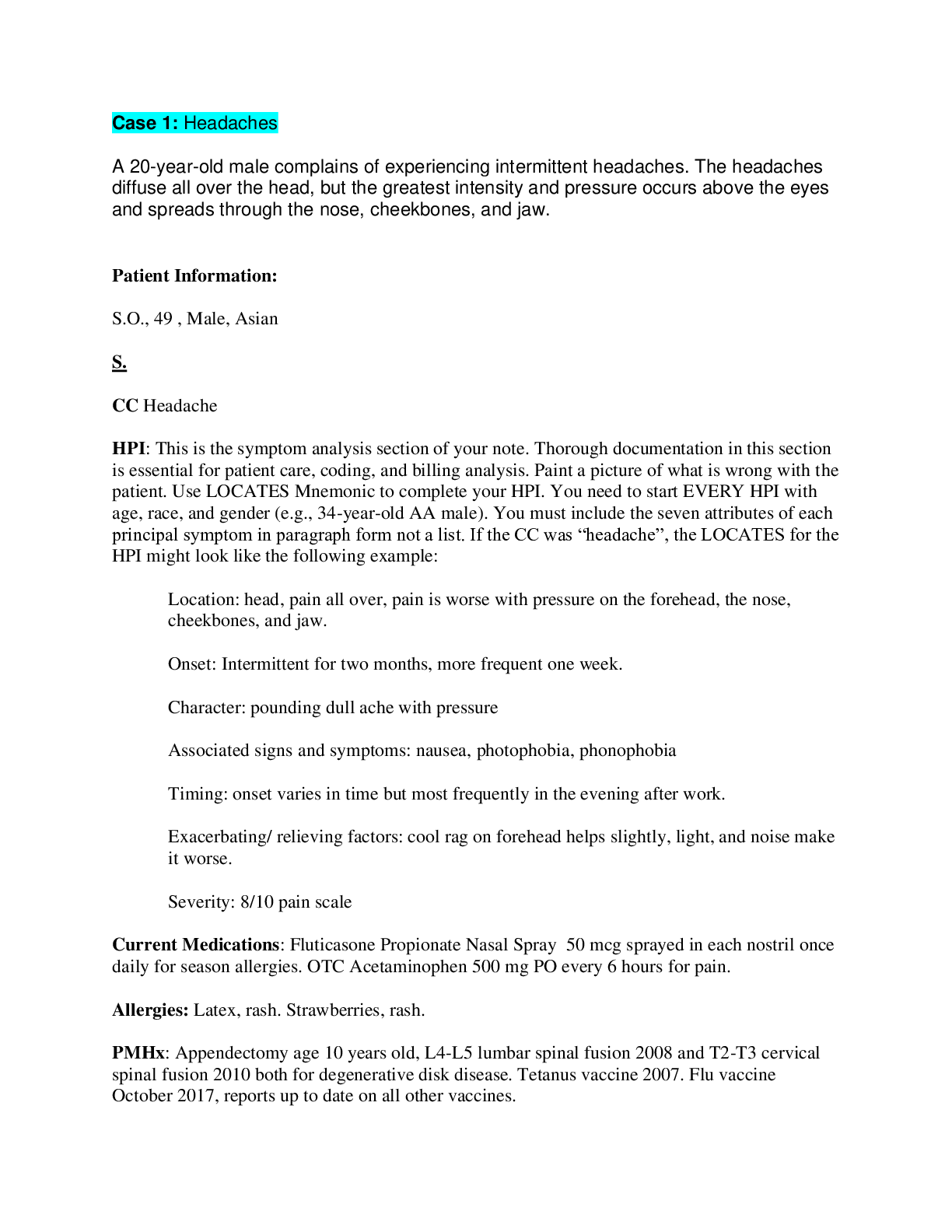
NURSE 6512 Week 9 Case 1: Headaches, Answered, Complete soluti...

$9.5
6 Pages
NURSE 6512 Week 9 Case 1: Headaches, Answered, Complete soluti...

$9
6 Pages
NURSE 6512 Week 9 Case 1: Headaches, Answered, Complete soluti...
.png)
$12
6 Pages
NURSE 6512 Week 9 Case 1: Headaches, Answered, Complete soluti...
$8
6 Pages
NURSE 6512 Week 9 Case 1: Headaches, Answered, Complete soluti...
$30
967 Pages
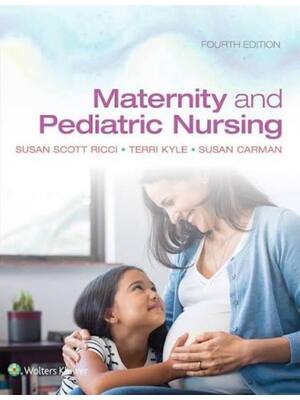
Test Bank for Maternity and Pediatric Nursing 4th Edition By S...
$26
437 Pages
Test Bank for Varcarolis' Foundations of Psychiatric-Mental H...
$19.5
354 Pages
Full Test Bank for Community Health Nursing: A Canadian Perspe...
More related documents below