NURS 323 Final Exam Focus Review Topics for Spring 2019 OLD Material (70 items)
ATLEAST 12/day
Introduction to Nursing Pharmacology (Safety, Nursing Process, Pharmacokinetics, Pharmacodynamics)
Know and understa
...
NURS 323 Final Exam Focus Review Topics for Spring 2019 OLD Material (70 items)
ATLEAST 12/day
Introduction to Nursing Pharmacology (Safety, Nursing Process, Pharmacokinetics, Pharmacodynamics)
Know and understand the mechanism of action of drugs on this list
1. Know the principles of pharmacokinetics: absorption, distribution, metabolism and excretion
Pharmacokinetics is how drugs move through the body/what the body does to the drug.
Dynamic equilibrium is the “pathway” of the drug through the body via pharmacokinetics.
1. Absorption from where the medication is entered via passive or active diffusion such as
- By mouth would be GI.
- Parental such as IV, IM, SQ, intradermal would be absorbed by the blood.
- Rectally, vaginally, sublingual, ears, eyes would be mucous membranes to the blood.
- Topical would be through the skin absorption.
2. Distribution to the active site such as getting to an infection in the body i.e. brain infection would need a lipid soluble medication in order for it to be distributed to the site.
3. Metabolism/Biotransformation occurs in the liver and this is where the medication is broken down to be excreted to detoxify the body to less harmful chemicals/levels.
- First-pass effect: Medication that is metabolized by the liver during the first time it passes (hence, first-pass) breaks down the drug as much as possible and the rest goes into the body. Eventually, it’ll filter through the liver again.
- AST, ALT labs test for liver function.
4. Excretion is the drug finally getting out of the body pretty much via anything the body excretes like saliva, teats, etc. but the kidneys are the main method to excretion. Think: urine drug tests. Grr.
2. Know the difference between loading and maintenance doses
- Loading dose is the largest dose to reach therapeutic effect – quick in the body. Think: patient has infection or and Rocephin 1 gm is ordered and is prescribed antibiotics to maintain therapeutic effects OR EpiPen during an asthma attacks; just one of those big doses to make reach therapeutic effects QUICKLY.
- Maintaining the levels at therapeutic levels?
3. Why do nurses need to know about pharmacology
4. 5 patient rights of drug administration
1. Right patient – do not want to give to wrong patient.
2. Right med – do not want to give the wrong patient, can cause adverse reaction to wrong medication.
3. Right dose – too much or too little is not beneficial nor therapeutic for the patient.
4. Right time – make sure medication is administered at a certain time because it usually is at the lower therapeutic effect.
5. Right route – can be toxic for a patient or else might not be absorbed.
5. Pregnancy categories (i.e., C, X, etc.)
- Category A: no testing shows that there is risk for adverse effects in later trimesters.
- Book: Adequate studies on pregnant women have no demonstrated a risk to the fetus in the first trimester of pregnancy, and there is no evidence of risk in later trimesters.
- Category B: Studies have been preformed on animals and show adverse effects, but no adverse effects in pregnant women.
- Book: Animal studies have no demonstrated a risk to the fetus but no adequate studies in pregnancy women, or animal studies have shown an adverse effect, but adequate studies in pregnant women have not demonstrated a risk to the fetus during first trimester of pregnancy, and there is no evidence in later trimesters.
- Category C: Animals have been tested and show adverse effects but there have not been enough evidence or studies on pregnant women to determine whether or not they would exhibit any adverse effects. OR no studies have been performed – period/Medication use benefits outweigh the adverse effect.
- Book: Animal studies on animals show adverse effect on fetus but no adequate studies in humans the benefits from the use of the drug in pregnant women may be acceptable despite its potential risks, or there are no animal reproduction studies and no adequate studies in humans.
- Category D: There are studies that have shown there are fetal risks, but the benefits outweigh the risks and/or are acceptable.
- Book: The evidence of human fetal risk, but the potential benefits from the use of the drug in pregnant women may be acceptable despite its potential risks.
- Category X: There are adverse effects and very bad risks, abnormalities have been shown in both animals and humans. The risk of taking this medication outweighs the benefit.
- Book: Studies in animals or humans demonstrate fetal abnormalities or adverse reaction report indicted evidence of fetal risk. The risk of use in a pregnant woman clearly outweighs any possible benefit.
- All in all, no drug is safe unless it is medically necessary and the benefits outweigh the risk.
6. Nursing process and drug administration
- Assessment – checking the patient when they are first admitted for their condition.
- Diagnoses – nursing diagnosis must have evidence to back up from the assessment.
- Plan – follow up care for patient, rx the patient needs, referrals.
- Implementation – Patient needs to follow through and take Rx. Visit as needed.
- Evaluation – end goal.
7. Why is evaluation phase important? What are the phases and some possible nursing interventions associated with these phases when administering drugs.
- Evaluation is important to know if the patient has any adverse effect or if the medication was effective. ??
-
8. Priority actions for nurses to take in the event of a medication error
- Assess the patient, document adverse effects, file an incident report ??
9. Signs of an anaphylactic reaction
- Anaphylactic is something we should be able to assess by swelling, hypertension, SOB, rash, itching, tachycardia, sever, anxiousness.
10. Teaching about medications during each administration
11. Danger with crushing of extended release medications
- Administering a bolus which is not indicated for the mechanism of the medication to be effective. Can be too strong got he patient?
12. Schedules of medications (i.e., I, II, III, IV)
- DEA is the Drug Evaluation Agency is in control and enforces the Controlled Substance Act of 1970.
- Schedule I (C-I) = High abuse protentional and has no medical use that is beneficial such as heroin, LSD, “marijuana”.
- Book: High abuse potential and no accepted medical use.
-
- Schedule II (C-II): High potential for abuse and high level of dependency but it is prescribed such as narcotics, amphetamines, barbiturates.
-
- Schedule III (C-III): Less abuse potential and less addictive than level II drugs such as nonamphetamine stimulants, nonbarbiturate sedatives, and SOME narcotics).
-
- Schedule IV (C-IV): Less abuse potential and less addictive than level III drugs such as nonnarcotitis analgesics, antianxiety meds, some sedatives.
-
- Schedule V (C-V) Limited abuse potential. Does not need prescription or need to be dispensed by pharmacist. 18+ can order with an ID. Think: Target scans card, which is why they scan when we buy Nyquil.
Chemotherapeutic Agents
13. Differentiate between narrow-spectrum antibiotics and broadspectrum antibiotics and state when one or the other would be preferred as a therapeutic approach and why
- Anti-Infective Activity selectivity types = broad spectrum – positive and negative gram, narrow spectrum = only effective for a few number of organisms/particular gram stain organisms.\\
- Narrow Spectrum of Activity = Effective against only a few microorganisms with a very specific metabolic pathway or enzyme such as only one type of gram stain \\
- Type of bacteria that is difficult to kill = gram-negative due to their 3rd cell wall\\
- Broad Spectrum of Activity = Useful in treating a wide variety of infections in terms of gram staining\\
- We would want a narrow spectrum medications for a medication in which we know the cause of the patient’s infection depending on the specific gram stain and type of pathogen.
- We would want broad for treatment of an infection we do not yet know the cause of the infection such as when we are waiting for a urine culture to return. There is a word for this???
14. Explain the fundamental difference between bactericidal and bacteriostatic drugs.
- Bactericidal medications = Aminoglycosides, Carbapenems, Fluoroquinolones, Penicillin.\\ know what this means! It KILLS! -static slows the growth of bacteria.
- inhibits the growth of mycobacteria; bacteriostatic.\\
15. Explain main mechanisms by which microbes develop resistance to antimicrobial drugs.
- Natural or acquired resistance = Ability over time to adapt to an anti-infective drug via mutation and evolutionary changes and produce cells that are no longer affected by a particular drug that causes *superbugs*.\\ Know about what are the mechanisms of resistance.
- Prevention of resistance/superbugs = take the whole course of anti-biotics as prescribed even if they are feeling better.\\ this is on the test
- Anti- infectives act on specific enzyme system or biological process = many microorganisms that do not act on this system are not affected by this particular drug \\
- Acquired Resistance = Microorganisms that were once sensitive to the particular drug have begun to develop acquired resistance.\\
- Importance of giving the right antimicrobial to the patient and to avoid resistance = If drug resistant microbe is present antibiotics will create selection by killing off sensitive organisms which allows microbes then do not have to compete with each other for available nutrients.\\
- Ways Anti-Infective Agents Resistance Develops =
o Producing an enzyme that deactivates the antimicrobial drug
o Changing cellular permeability to prevent the drug from entering the cell
o Altering transport systems to exclude the drug from active transport into the cell
o Altering binding sites on the membranes or ribosomes, which then no longer accept the drug!!!! Asked about this one specifically. What can alter the effect of drugs from attaching and entering the cell.
Producing a chemical that acts as an antagonist to the drug.\\ know about the different ways of resistance. The question has answers that were the total opposite of developing resistance.
16. Explain prophylactic antimicrobial therapy.
- Prophylactic used of anti-malarial drugs = Drug needs to be taken before traveling and at least 1-2 weeks after returning from traveling due to the paslmodium life cycle. \\ Question on that exam asks for how a patient should take prophylactic.
- Educating patients about anti-malarial drugs = Need to Administer the complete course of the drug to get the full beneficial effects. Mark a calendar for prophylactic doses.\\ Question asks about how should patient’s adhere to treatment.
17. Nursing considerations for penicillins (pre-administration assessment, implementation, ongoing evaluation and monitoring, and patient teaching).
Check culture and sensitivity reports to ensure that this is the drug of choice for this patient.
• Monitor renal function tests before and periodically during therapy to arrange for dose reduction as needed.
• Ensure that the patient receives the full course of the penicillin as prescribed, in doses around the clock, to increase effectiveness.
• Explain storage requirements for suspensions and the importance of completing the prescribed therapeutic course even if signs and symptoms have disappeared to increase the effectiveness of the drug and decrease the risk of developing resistant strains.
• Monitor the site of infection and presenting signs and symptoms (e.g., fever, lethargy) throughout the course of drug therapy. Failure of these signs and symptoms to resolve may indicate the need to reculture the site. Arrange to continue drug therapy for at least 2 days after the resolution of all signs and symptoms to reduce the risk of development of resistant strains.
• Provide small, frequent meals as tolerated, ensure frequent mouth care, and offer ice chips or sugarless candy to suck if stomatitis and sore mouth are problems to relieve discomfort and ensure nutrition.
• Provide adequate fluids to replace fluid lost with diarrhea.
• Monitor the patient for any signs of superinfection to arrange for treatment if superinfections occur.
• Monitor injection sites regularly, and provide warm compresses and gentle massage to injection sites if they are painful or swollen. If signs of phlebitis occur, remove the IV line and reinsert it in a different vein to continue the drug regimen.
• Instruct the patient regarding the appropriate dosage regimen and possible adverse effects to enhance the patient’s knowledge about drug therapy and promote compliance.
• Provide the following patient teaching:
• Try to drink a lot of fluids and to maintain nutrition (very important) even though nausea, vomiting, and diarrhea may occur.
• Report difficulty breathing, severe headache, severe diarrhea, dizziness, weakness, mouth sores, and vaginal itching or sores to a health care provider. Box 9.5 contains a teaching checklist for penicillins.
18. Nursing considerations for tetracyclines (pre-administration assessment, implementation, ongoing evaluation and monitoring, and patient teaching).
- Tetracyclines = Developed as *semisynthetic antibiotics* based on the structure of a common soil mold\\
- Sulfonamides Most common medications =
o Tetracycline (generic)
o demeclocycline (generic)
o doxycycline (Doryx, Vibromycin)
o minocycline (Arestin, Minocin)\\
- How to determine Tetracyclines = ends with “-mycin.”
- Tetracyclines Action = Inhibits *protein synthesis* in susceptible bacteria, preventing cell replication; broad spectrum \\
- Tetracyclines Indications =
o Treatment of various infections caused by susceptible strains of bacteria; *acne* when penicillin is contraindicated for eradication of susceptible organisms and when penicillin is contraindicated, chlamydia, syphilis\\
- Tetracyclines Contraindications =
o Known allergy to tetracyclines or to tartrazine,* ***pregnancy, ***, lactation and renal and hepatic dysfunction, Penicillin G, ***oral contraceptive therapy, methoxyflurane, digoxin\\
- Tetracyclines and pregnancy = highly toxic and must be cautious to give to child-bearing women.\\ Question asks about who you would not give this medication to.
- Tetracyclines and children under 8 years old = not to be given! Can cause deposits and damage in developing bones and strain the teeth. \\
- Tetracyclines in patients who have renal or hepatic dysfunction =They are concentrated in the bile and excreted in the urine.\\
- Tetracyclines Adverse Effects = Most GI such as *diarrhea due to c. diff!*, but possible damage to the ***teeth and ***bones, photosensitivity \\ Understand that diarrhea is an adverse effect of antibiotics.
- Tetracyclines Drug-to-Drug Interactions = penicillin G, oral contraceptives, Digoxin, not to be used with anacids. \\
- Prototype Summary: Tetracycline = Tetracyclines. Given in *lower doses* because of hepto- and renotoxicity. \\
19. Nursing considerations for cephalosporins (cephalexin) and vancomycin (required assessments, implementation, ongoing evaluation and monitoring and patient teaching).
Cephalosporins Contraindications =
– Allergies to cephalosporins or penicillin, hepatic or renal impairment because of the 10% \\
Cephalosporins Adverse Effects = Most significant in GI tract such as:
- pseudomembranous collits; superinfection in terms of the *3rd gen Cephalosporins. *
- *Alcohol* consumption can cause a *disulfiram reaction* drug can cause sickness.
- Photosensitivity.\\
Cephalosporins Drug-to-Drug Interactions =
– Aminoglycosides
– oral anticoagulants
– ETOH **\\
Cephalosporins with oral anticoagulants = not safe. Can cause the patient to be more susceptible to bleeding by inhibiting the effect of it \\
Prototype Summary: Cefaclor (2nd gen) = Cephalosporins. Used for respiratory, derm, urinary, ear infections. Stops the synthesis of bacterial cell walls, causing cell death.\\
A nurse is teaching a nursing student what is meant by *“generations”* of cephalosporins. Which statement by the student indicates understanding of the teaching? =
- Vancomycin antibiotic classification = glycopeptide not an Aminoglycoside, but they are similar.\\
- Adverse effect of Vancomycin = ***Red man syndrome \\ Question asks what is an effect of administering this medication within less than one hour. It’s phrased as “reddened face and body” or something like that.
- How red man synfrom occurs with Vancomycin = associated with rapid infusion of the first dose of the drug less than an hour \\
- Red man syndrome symptoms = hives, rash, flushing, itching, low BP\\Question asks what are the symptoms associated with this syndrome. It was “select all that apply*.
- Aminoglycosides Contraindications = Known allergies, *renal or hepatic disease*, hearing loss \\
- Aminoglycosides Adverse Effects = *****Ototoxicity and nephrotoxicity* are the most significant. There was a question that I do not remember what medication it asks for, but it asks which is the adverse effect of this medication. I chose hearing.
- There was another question that asks what would you do if you had to administer a medication and the patient complains that they are hard of hearing? It was all Administer medication and… but I chose the “hold and call the provider.”
20. Contraceptive use and antimicrobials
- Tetracyclines Contraindications =
o Known allergy to tetracyclines or to tartrazine,* ***pregnancy, ***, lactation and renal and hepatic dysfunction, Penicillin G, ***oral contraceptive therapy, methoxyflurane, digoxin\\
- Antiprotozoal effect in child-bearing, pregnant and nursing women = do not take these drugs unless the benefit outweighs the potential risk. Contraceptives should be used. Protozoal infections should be educated that it can affect the fetus.\\
- Tetracyclines and pregnancy = highly toxic and must be cautious to give to child-bearing women.\\ Question asks about who you would not give this medication to.
21. Peak and trough levels
- Make sure doses are *high enough* when taking antimicrobials = to prevent resistance because it is directed to take accordingly because it is taken at the lowest therapeutic effect. We want to maintain the adequate blood levels.\\ know about what time to monitor the next dose for peak and trough levels. There was a question about medication being administered for their next dose at 800 and it takes 60 min to complete admin. Answers were like 700 and 830, 700 and 930, 730 and 830 and 730 and 1030.
- Nephrotoxicity monitor for Aminoglycosides = peak and trough to ensure that the medication is the highest and the next dose is lowest therapeutic effect. We are responsible for communicating the next dose by testing levels after 30 minutes.\\
- Especially in vancomycin
22. Nursing considerations for macrolides (erythromycin, azithromycin) (required assessments, implementation, ongoing evaluation and monitoring, and patient teaching).
- What to watch out for with macrolides = statins drug to drug interaction with cholesterol meds because they want to reach the cytochrome p50 which decreases the adverse effect of rhabdomyolysis (muscle pain and..) \\
- Macrolides = that bind to the subunit of the ribosome within the bacterial cell and interfere with protein synthesis within the cell.\\
- Macrolides adverse effects = QT prolongation. \\
- Macroldies drug-to-drug interactions = -statin drugs, cholesterol medications because these medications will always bind first; antagonists. Patient will experience muscle aches.\\
- Prototype Summary: Aztreonam = Monobactam antibiotic. Treatment of lower respiratory, dermatological, urinary tract, intra-abdominal, and gynecological infections caused by susceptible strains of gram-negative bacteria.\\
- What would you teach your patient taking a macrolide antibiotic? = Avoid grapefruit juice.\\
- Prototype Summary: Erythromycin = Macrolides. Treatment of respiratory, dermatological, urinary tract, and gastrointestinal infections caused by susceptible strains of bacteria. Do not take with grape fruit juice because of the interaction with the p450!\\
- azithromycin
23. Nursing considerations for aminoglycosides such as gentamycin (assessments, implementation, ongoing evaluation and monitoring, and patient teaching).
- Aminoglycosides = A group of powerful antibiotics used to treat serious infections caused by *gram-negative* aerobic bacilli\\
- How to identify Aminoglycosides/macrolides = they end with “-mycin”\\
- Bactericidal medications = Aminoglycosides, Carbapenems, Fluoroquinolones, Penicillin.\\ know what this means! It KILLS! -static slows the growth of bacteria.
- Aminoglycosides Indications = Treatment of serious infections caused by susceptible bacteria
- Aminoglycosides mechanism of Actions: *Inhibits protein synthesis* in susceptible strains of *gram-negative bacteria* causing cell death \\
- Aminoglycosides Pharmacokinetics =
o Poorly absorbed from the GI tract, but rapidly absorbed after IM injection, reaching peak levels within 1 hour
o Widely distributed throughout the body, crossing the placenta and entering breast milk
o Excreted unchanged in the urine and have an average half-life of 2 to 3 hours
o *Depend on the kidney for excretion and are ***toxic to the kidney *\\ there was a question that asks what we would monitor with idk which medication, but the answers were AST, ALT, serum creatine, hematocrit and hemoglobin. I chose creatinine.
- Nephrotoxicity monitor for Aminoglycosides = peak and trough to ensure that the medication is the highest and the next dose is lowest therapeutic effect. We are responsible for communicating the next dose by testing levels after 30 minutes.\\
- Toxicity of antimicrobials occurs at what pharmacokinetic = at the cumulative effect, not in the trough level.\\
24. Nursing considerations for sulfonamides such as Bactrim DS (assessments, implementation, ongoing evaluation and monitoring, and patient teaching).
- Sulfonamides = Drugs that inhibit folic acid synthesis
- Sulfonamides Most common medications =
o sulfadiazine (generic)
o sulfasalazine (Azulfidine)
o *cotrimoxazole (Septra, Bactrim)* \\
- how to identify Sulfonamides = ends with “-azine” for the most part.\\
- Bacteriostatic antibiotics = Sulfonamides, Tetracyclines
- Sulfonamides Action- = block *para-aminobenzoic acid* to prevent the synthesis of *folic acid in susceptible bacteria*\\ There was a question about a antibiotic with the inhibition of folic acids
- Sulfonamides Indications = Treatment of infections caused by *gram-negative and gram-positive bacteria*; broad spectrum \\
- Sulfonamides Contraindications =
o Known allergy to any sulfonamide, *thiazide diuretics* and pregnancy \\
- *thiazide diuretics* and Sulfonamides = not safe if patient is allergic to either one because of cross sensitivity.\\
- Sulfonamides Adverse Effects = GI symptoms; Renal effects related to the filtration of the drug, photosensitivity \\
- Sulfonamides Drug-to-Drug Interactions =
o tolbutamide, tolazamide, glyburide, glipizide, or chlorpropamide and cyclosporine \\
- Nursing Considerations for Patients Receiving Sulfonamides =
o Abdomen
o Renal function tests
o *Complete blood count*
o Make sure the patient is hydrated.
o Encourage patient to wear sunscreen.\\ know which needs to monitor CBC and which medications make a patient photosensitive.\\
- Purpose of CBC with Sulfonamides = can cause hemolytic anemia. \\
- Sulfonamides should not be given with thiazide diuretics because of a cross sensitivity of the drugs. = True \\ I think this question was on the test
- Prototype Summary: ***Cotrimoxazole = AKA bractim, septra. Sulfonamides that treat UTI, ear infections in children, exacerbations of chronic bronchitis in adults, traveler’s diarrhea, pneumonia.\\
- A patient is taking cotrimoxazole (Sulfonamides) for a UTI and is going on a cruise. What education would be appropriate for the nurse to give? = Wear a hat and sunscreen \\ know which medications make a patient photosensitive.
25. Nursing considerations for anti-tubercular drugs (PZA, Isoniazid, rifampin, ethambutol (pre-administration assessment, implementation, ongoing evaluation and monitoring and patient teaching)
- Nursing considerations for anti-tubercular drugs for antimycobacterial drugs (PZA, Isoniazid, rifampin, ethambutol): pre-administration assessment =
- History and examination: contract indications such as allergies, renal or hepatic disease.
- CNS dysfunction such as seizures.
- pregnancy status.
- Physical examination for baseline data.
- Examine skin.
- Culture and sensitivity.
- CNS orientation, respiratory status.
- Renal and Liver function. \\
- Nursing considerations for anti-tubercular drugs for antimycobacterial drugs (PZA, Isoniazid, rifampin, ethambutol): Implementation =
Check culture and sensitivity results.
Monitor liver and renal function while on these meds.
Ensure the patient takes the full course as directed.
D/C if hypersensitivity occurs.
*Encourage patient to eat small, frequent meals, dental hygiene, drink lots of fluids.*
Purpose of appropriate drug regimen and the purpose of combination of drugs.
Use back-up contraception
*orange colored urine and tears!* question asks about what is something you should educate your patient about rifampin.
Report difficulty breathing, hallucinations, numbness and tingling, worsening of condition, fever and chills, or changes in color of urine or stool.\\
- Nursing considerations for anti-tubercular drugs for antimycobacterial drugs (PZA, Isoniazid, rifampin, ethambutol): ongoing evaluation, monitoring and education =
response to drug
Adverse effects
Effectiveness of teaching plan
Effectiveness of comfort and safety measures to comply with regimen.\\
Pyrazinamide, PZA mechanism of action = Used in combination with other drugs to prevent emergence of resistant strains and to affect the bacteria at various phases during their *long and slow life cycle* by lowering the pH environment.\\
Pyrazinamide, PZA, Isonizaid, Rifampin indications = Treatment of M. tuberculosis.\\
Pyrazinamide, PZA pharmacokinetics = PO; wide distribution: high concentration in the CNS, excreted in breast milk; Protein-binding 50%, metabolized in the liver and excreted by the kidneys.\\
Pyrazinamide, PZA contraindications = Hypersensitvity, *severe liver impairment*, cross-sensitivity with ethionamide, isoniazid, niacin, or nicotinic acid may exist \\
Pyrazinamide, PZA most common adverse reactions = Hepatotoxicity, hyperuricemia.\\
Pyrazinamide, PZA important drug–drug interactions. = Use with rifampin can cause life-threatening hepatotoxicity, cyclosporine and gout agents reduces effectiveness\\
Isoniazid mechanism of action = To inhibit mycobacterial cell wall synthesis and interferes with metabolism.\\
Isoniazid Indications = Treatment for active M. tuberculosis with other agents. \\
Isoniazid pharmacokinetics = PO and IM; widely distributed: *blood-brain barrier, crosses the placenta, enters breast milk in concentrations equal to plasma.* Metabolized by liver and excreted by the kidneys. \\
Isoniazid contraindications = hypersensitivity, renal impairment, malnourished patients, diabetic patients, chronic alcoholics: risk for neuropathy.\\
Isoniazid most common adverse reactions = peripheral neuropathy, drug-induced hepatitis, pancreatitis.\\
Isoniazid and important drug–drug interactions = Aluminum contraining antacids decrease absorption, alcohol: hepatotoxicity\\
Rifampin mechanism of actions = Inhibits *RNA synthesis* by blocking RNA transcription in susceptible organisms, broad spectrum \\
Rifampin indications =
Active tuberculosis (with other agents).
Elimination of meningococcal carriers.\\
Rifampin pharmacokinetics = PO, widely distributed: enders the *CSF, crosses placents, enters breast milk; metabolized by the liver and *excreted in feces*.\\
Rifampin contraindications = hypersensitivity; Concurrent use of atazanavir, darunavir, fosamprenavir, saquinavir, tipranavir, or ritonavir-boosted saquinavir; liver disease, diabetes, other hepatotoxic agents, pregnancy or nursing.\\
Rifampin most common adverse reactions = red discoloration of ears; GI: abdominal pain, diarrhea, flatulence, heartburn, nausea, vomiting; *red discoloration of urine*.\\
Rifampin important drug–drug interactions = increase hepatotoxicity with other hepatotoxic agents such has *alcohol, ketoconazole, isoniazid, pyrazinamide (concurrent use withpyrazinamide*.\\
ethambutol mechanism of action = inhibits the growth of mycobacteria; bacteriostatic.\\
ethambutol indications = treatment for M. tuberculosis with at least one other drug.\\ important to understand that antibiotics and antimycobacterials need to be taking in combo with other medication of the same category to prevent resistance.
ethambutol pharmacokinetics = PO, absorbed by the *GI tract*; wide distribution: blood brain barrier *in small amounts*, placenta, breast milk; liver and excreted by the kidneys.\\
ethambutol contraindications = hypersensitivity, *optic neuritis*, renal and hepatic impatiement\\ know the medications that effect the eyes.
ethambutol most common adverse reactions = optic neuritis/blindness.\\
ethambutol important drug–drug interactions = other neurotoxic agents and aluminum hydroxide can decrease the absorption.\\
26. Nursing considerations for fluoroquinolones. Focus on ciprofloxacin (Cipro) (pre- administration assessment, implementation, ongoing evaluation and monitoring and patient teaching).
Fluoroquinolones = Relatively new class of antibiotics with a *broad spectrum* of activity.\\
Fluoroquinolones Common medications =
o ***ciprofloxacin (Cipro), which is the most widely used
o fluoroquinolone, gemifloxacin (Factive), levofloxacin (Levaquin), moxifloxacin (Avelox),norfloxacin (Noroxin), ofloxacin (Floxin, Ocuflox), and finafloxacin (Xtoro) \\
How to identify Fluoroquinolones = ends with “-floxacin”.\\
Fluoroquinolones Indications = Treating infections caused by susceptible strains of *gram-negative bacteria*.
Fluoroquinolones treats infections including = urinary tract, respiratory track, and skin infections \\
Fluoroquinolones Actions = Interferes with *DNA replication* in susceptible *gram-negative* bacteria, preventing cell reproduction.\\
Fluoroquinolones Contraindications = Known allergy, pregnancy, or lactating women and renal dysfunction.\\
Fluoroquinolones Adverse Effects = Most common: Headache, dizziness, insomnia and depression, *tendon rupture*, AT prolongation; arrythmias.\\
Adverse reaction unique to Fluoroquinolones = tendon rupture; any tendon but commonly in the elbows and heels.\\
Fluoroquinolones Drug-to-Drug Interactions =
o Antacids, quinidine, theophylline.
o Take this medication without food; 1 hour before or 2 hours after. \\
Prototype Summary: Ciprofloxacin = Fluoroquinolones. Specific to this medication, given for typhoid fever, which is commonly seen in places with lush foresty.\\
Which of the following symptoms would the nurse expect be an adverse side effect of a Fluoroquinolones? = Pain in the elbows, ankles and heels \\
Prototype Summary: Ciprofloxacin = Fluoroquinolones. Specific to this medication, given for typhoid fever, which is commonly seen in places with lush foresty.\\
Which of the following symptoms would the nurse expect be an adverse side effect of a Fluoroquinolones? = Pain in the elbows, ankles and heels \\
27. Nursing considerations for metronidazole (Flagyl)
Metronidazole (Flagyl, MetroGel, Noritate) = Treats amebiasis, trichomoniasis, bacterial vaginosis and giardiasis.\\
antiprotozoal prototype drug metronidazole mechanism of action = Inhibits *DNA synthesis* of specific anaerobes, causing cell death; mechanism of action as an antiprotozoal and amoebicidal is not known.\\
antiprotozoal prototype drug metronidazole indications = Acute intestinal amebiasis, amebic liver abscess, trichomoniasis, acute infections caused by susceptible strains of anaerobic bacteria, and preoperative and postoperative prophylaxis for patients undergoing colorectal surgery.\\
antiprotozoal prototype drug metronidazole pharmacokinetics = well absorbed orally, reaching peak levels in 1 to 2 hours. It is metabolized in the liver with a half-life of 8 to 15 hours. Excretion occurs primarily through the urine. \\
antiprotozoal prototype drug metronidazole contraindications =
Alcohol until 3 days after treatment; disulfiram reaction. – there was a question about what should the patient avoid while taking this meciation.
Anticoagulants can cause more bleeding.
Psychotic reactions if combined with disulfiram. Need to wait at least 2 weeks after treatment.\\
antiprotozoal prototype drug metronidazole proper administration = Oral, vaginal gel or IV.\\
antiprotozoal prototype drug metronidazole most common adverse reactions = Headache, dizziness, ataxia, nausea, vomiting, *metallic taste*, diarrhea, darkening of the urine. \\
antiprotozoal prototype drug metronidazole important drug–drug interactions = alcohol, cimetidine can decrease metabolism, phenobarbital and rifampin can increase metabolism and decrease effectiveness; psychosis with alcohol ingestion.\\
antiprotozoal prototype drug metronidazole nursing considerations = patient needs to take prescription and prescribed, urine will become dark, *metallic taste*, do not take with alcohol.\\
28. Nursing considerations for antihelminthic (mebendazole)
- prototype drug mebendazole
- Anthelminthic prototype drug mebendazole (Vermox) = chewable tablet convenient for use of children for treatment of pinworms, roundworms, whipworms, and hookworms. \\
- mebendazole (Vermox) nursing considerations =
Assess for worms in perineal area.
Test kidney and liver function.
CBC – risk for leukopenia and thrombocytopenia.
Since this medication is not absorbed it can cause transient abdominal pain, diarrhea, and fever.
No special diets, fasting, laxatives, or enemas before taking this.
Chewed or swallowed whole.\\
- Nursing Considerations for Antimalarial Agents =
- Assess:
o History of allergy
o Physical status
o *Ophthalmic and retinal examinations and auditory screening*
o Liver function, including liver function tests
o *Blood culture* to identify the causative,* Inspect the skin* closely for color, temperature, texture, and evidence of lesions \\
- Education for taking mebendazole (Vermox); anthelmintic =
Take it as directed and continue *the full course, even if symptoms resolve*.
If you forget, take dose as soon as your remember; 2 doses regimen; take doses 4-5 hours apart or double dose.
Hygienic precautions – hand hygiene, wash all veggies, wear shoes).
Dizziness – no heavy machinery.
Advise doctor if no improvement.
Follow-up exams to determine if med worked.
Wash everything; do not shake! \\
29. Prevention of pinworm infection
- Discuss the clinical presentation of pinworm infection
- clinical presentation of pinworm infection =
Itching of the perineal area.
Perivaginal itching.
General irritability.
Restlessness.\\
- Pinworms = nematode that causes a common helminthic infection in humans; lives in the intestine and causes anal and possible vaginal irritation and itching\\
- Discuss managing pinworm infections.
- Managing pinworm infections =
Strict handwashing (sing happy birthday) – question asks about what should be educated to the parents about to prevent the spread of infection.
Showering the child every morning, cleaning bedding and undergarments in hot water, with chlorine if possible.
Cleaning the toilet area daily.
Sanitization of toys and other objects.
Trim finger nails.
3-day treatment.\\
• Anthelminthic prototype drug mebendazole (Vermox) = chewable tablet convenient for use of children for treatment of pinworms, roundworms, whipworms, and hookworms. \\
Fungal Infections
30. Nursing considerations for amphotericin B (assessment, implementation, ongoing evaluation and monitoring and patient teaching).
31. Identify drug to drug interactions with azole group of antifungal medications.
32. Differentiate superficial and systemic mycoses.
Viral Infections
33. Mechanism of action of antiviral drugs
- Mechanisms of action of anti-infective agents
o Interfere with biosynthesis of the bacterial *cell wall*
o *Prevent the cells of the invading organism* by using substances essential to their growth and development
o Interfere with steps involved in *protein synthesis*
o Interfere with *DNA synthesis*
o Alter the *permeability of the cell membrane* to allow essential cellular components to leak out\\understand which antibiotic does what. There was a question that asked about the different methods of mechanisms of actions. The question had other answers that described the opposite of what the medication does like different methods of resistance.
34. Nursing considerations for non HIV antiviral. Focus on acyclovir (assessment, implementation, ongoing evaluation and monitoring and patient teaching).
- Acyclovir mechanism of actions = Interferes with viral DNA synthesis for HSV infectiom; stop viral replication, decreases viral shedding, and reduce time for healing lesions.\\
- Acyclovir indications = Treatment of HSV 1 and 2, HSC encephalitis, acute treatment of shingles and chickenpox, ointment for treatment for HSV2 and cold sores.\\
- There as a question about how this medication would be administered if it was a topical medication. There were apply before bed, in the morning or with gloves. I chose with gloves.
- Acyclovir pharmacokinetics = poor absorption PO and Iv, CSF, crosses placenta, breask milk, liver, kidneys.\\
- Acyclovir contraindications = hypersensitivity to acyclovir and valacyclovir, milk protein concentrate (buccal only).\\
- Acyclovir most common adverse reactions = headache, vertigo, tremors, nausea, vomit, rash, renal failure, seizures, stevens-johnsons syndrome.\\
- Acyclovir important drug–drug interactions =
- Probenecid, theophylline can increase blood levels of this medication.
- Valporic acid, phenytoin decrease the effectiveness. Other nephrotoxic drugs.
- Zidovudine and IT methotrexate increase CNS side effects.\\
• Nursing measures to implement for preventing renal adverse effects when administering anti-viral agents = hepatic function, renal function testing and CBC tests need to be done periodically. CBC tests for bone marrow suppression.\\
35. Know Interferon Alfa
- Immune Stimulant: Interferon prototype = Interferon Alfa-2b\\
- Interferon Alfa-2b indications = Hairy cell leukemia, malignant melanoma, AIDS-related Kaposi sarcoma, chronic hepatitis B and C, follicular lymphoma, intralesional treatment of condylomata acuminata in patients 18 years of age or older.\\
- Interferon Alfa-2b Actions = INHIBITS the growth of tumor cells and enhances the immune response in cells that *HAVE NOT* been infected by virus.\\
- Interferon Alfa-2b routes of administration = parenterally; IV and IM.\\
- Interferon Alfa-2b Adverse Effects = Dizziness, confusion, rash, dry skin, anorexia, nausea, bone marrow suppression, flu-like syndrome.\\
- If a medication can cause *bone marrow suppression*, consider these. = infections, decreased WBC, anemia.
36. Nursing considerations for anti-neoplastic agents (assessments, implementation, ongoing evaluation and monitoring, and patient teaching).
- Antineoplastic drugs = Alter human cells in a variety of ways. Their action is intended to target the abnormal cells that compose the neoplasm or cancer, having a greater impact on them than on normal cells. Unfortunately, normal cells also are affected by antineoplastic agents.\\
- Adverse effects of antineoplastic cells = no specificity!
Nausea and vomting
Alopecia
Skin changes
Hepatic toxicity
Cardio toxicity
Anemia from bone marrow suppression
Infection from bone marrow suppression.\\
- Alkylating Agents = antineoplastic agent; Reacts chemically with portions of the RNA, DNA, or other cellular proteins \\
- Antimetabolites = antineoplastic agent;
o Have chemical structures similar to those of natural types.
o Participates in biochemical reactions in cells but different enough to interfere with the normal division and functions of cells.\\
- Antineoplastic Antibiotics = antineoplastic agent;
o Not selective only for bacterial cells; *toxic to human cells*\\ we worry about specificity. Asked on the test.
- Mitotic Inhibitors = antineoplastic agent;
o Drugs that kill cells as the process before it begins.\\
- Hormones and Hormone Modulators = antineoplastic agent;
o Used in cancers that are sensitive to *estrogen stimulation*. i.e., breast CA.\\
- Cancer Cell Specific Agents = antineoplastic agent;
o Treat chronic myeloid leukemia (CML) and CD117-positive unresectable or metastatic malignant GI stromal tumors (GIST).\\ There was a question about CD4 and this is being effected by antineoplastic meds. IDK why but I chose this instead of CD5.
Drugs acting on the immune system
37. Know acetaminophen, aspirin and celecoxib
- acetaminophen actions =
o Acts directly on the thermoregulatory cells of the hypothalamus
o Mechanism of action unknown but related to analgesic effects in CNS
o Used to treat pain and fever (vasodilation decreases heat)\\
- acetaminophen indications = Treatment of mild to moderate pain, fever, or signs and symptoms of the common cold or flu; musculoskeletal pain associated with arthritis and rheumatic disorders.\\
- acetaminophen pharmacokinetics =
o Absorbed from GI tract
o Peak ½ to 2 hours
o Metabolized in the liver
o Excreted in the urine \\
- acetaminophen contraindications =
Known allergy
o Use with caution in pregnancy and lactation
o Hepatic dysfunction or chronic alcoholism \\ There was a question that asks who you would not give a certain medication to which was this answer.
- acetaminophen most common adverse reactions = Rash, fever, chest pain, liver toxicity and failure, bone marrow suppression.\\
- acetaminophen important drug–drug =
o *Oral anticoagulants increase bleeding
o Hepatotoxicity with barbiturates, carbamazepine, hydantoins, or rifampin \\
- acetaminophen nursing considerations =
- Assess-
o Known allergies
o Baseline status before beginning therapy and for any potential adverse effects
o Pregnancy or lactation; hepatic or renal disease; CV dysfunction; hypertension; and GI bleeding or peptic ulcer
o Presence of any skin lesions; temperature; orientation, reflexes, and affect; pulse, blood pressure, and perfusion; respirations and adventitious sounds; liver evaluation; bowel sounds; and CBC, liver and renal function tests, urinalysis, stool guaiac, and serum electrolytes.\\ Multiple questions that ask about what would be assessed as a priority to giving different anti-infective to a patient, which were all assess the allergy.
- Allowed maximum dose for health adults taking acetaminophen = 3 grams.\\
- Allowed maximum does for alcoholics taking acetaminophen = 2 grams.\\
- salicylates prototype drug aspirin actions = Inhibits the synthesis of prostaglandins; blocks the effects of pyrogens at the *hypothalamus to act on fever*; *inhibits platelet aggregation* by blocking thromboxane A2.\\
- salicylates prototype drug aspirin indications = Treatment of mild to moderate pain, fever, inflammatory conditions; reduction of risk of transient ischemic attack or stroke; reduction of risk of myocardial infarction.\\
-
- salicylates prototype drug aspirin pharmacokinetics = *absorbed from the stomach* reaching peak levels with in 5 to 30 minutes. Liver, urine. Cross placenta and breast milk, not safe during pregnancy, bleeding risk for mother.\\
- salicylates prototype drug aspirin contraindications = hypersensitivity, bleeding disorders, *Reye’s syndrome in children*, GI bleeding or ulcers, alcohol use, hepatitis or renal disease, increase risk of GI bleed in geri, sensitive to toxic levels.\\
- salicylates prototype drug aspirin most common adverse reactions = Nausea, vomiting, heartburn, epigastric discomfort, occult blood loss, dizziness, *tinnitus!*, acidosis. \\
- salicylates prototype drug aspirin important drug–drug = other anticoagulants to cause increased risk of bleeding. Ibuprofen.\\ this is important to note and is a question about the adverse effect.
-
- Question asks about what shows a patient would need further education about taking some sort of NSAID and there was an answer that stated they if they have a GI upset, they should eat. I forget the rest of the answers.
- celecoxib
38. Know Cox 1 and Cox 2 mechanism of action
39. COX 1 and COX 2 = Cyclooxygenase enzyme released during the process of inflammation.\\
40. COX 1 = turns arachidonic acid into prostaglandins as needed in a variety of tissues.\\
- COX 2 = active at sites of trauma or injury when more prostaglandins are needed, but it does not seem to be involved in the other tissue functions.\\ understand what is the purpose of these sites.
- Nonselective anti-inflammatory can cause = The common side effect of GI bleed and ulcers due to the blockage of COX 1 and COX 2.\\
- *Cyclooxygenase enzyme that is GI protectant and beneficial for the body (emphasized)* = COX 1.\\
- Arachidonic acids released during the inflammation process, it releases this. = COX 1 and COX 2.\\
- Blocking COX 1 Enzymes can lead to which of the following? = GI bleeding due to prostaglandin decrease. Renal failure.\\
- When are NSAIDs COX -2 contraindicated? = Allergy to sulfonamides.\\
- To reduce inflammation, what inhibition is desirable? = COX-2 only.\\
- To prevent effects in the GI, renal tract, platelet function, and macrophage differentiation. What Inhibition is undesirable for prolonged use? = COX-1 for the homeostatic functions.\\
- There was another question about what would indicate further education for the patient in their understanding how acetaminophen work? Something about how it only blocks cox-2. I might bleed more from taking this medication, which would not be true since this is not ASA I believe.
41. Nursing considerations – patient teaching for vaccine administration
- Immunoglobins mechanism of action = via vaccines in a form of an immunization will give *passive immunity*.\\ Question asks what type of immunity are immunizations.
- Immunization definition = The process of artificially stimulating *active immunity* \\
- Question asks about what would indicate that the mother of a child would need further education about the administration of a vaccination? There were answers that were like take acetaminophen if child develops fever, ASA when child is fussy, child can develop fever after administration, and I forget the answer I chose but it was right.
- Who would you give MMR to? Someone allergic to allergies, patient with organ transplant, patient who is immunocompromised or patient with cystic fibrosis? It was cystic fibrosis.
- Recommendation of how often should one receive the influenza and TdAP vaccine.
- Influenza recommendation for adults = every 10 years! Queston on the exa about how often to take this.
- Influenza recommendation for peds = over 6 months and repeated 4 weeks after the initial administration. Administered yearly.\\ Question asks why you would have a patient administer flu every year and the answer was because the type of virus has changed every year
- TdAP in children = over the age of 7 years old, one dose at 11-12 years old. If administered younger than 12 month, second dose is 4 weeks after. Older than 12 months, second dose is 6 weeks after.\\
Drugs acting on the cardiovascular system
Lipid Disorders
42. Nursing considerations for HMG-coA Reductase inhibitors (statins), fibric acid derivatives, bile acid sequestrants and niacin (assessment, implementation, ongoing evaluation and monitoring and patient teaching).
HMG-CoA reductase inhibitor highlighted in class =
- last enzyme in reducing all cholesterol in the liver
- these are your statins – no grapefruit!
- most prescribed and most effective in controlling cholesterol. rest of medications are adjunct to this med.
Patient education HMG-CoA reductase inhibitor highlighted in class =
needs to be taken at night because of the absorption and processing occurs in the early AM between 3 am to 5 am. this is more for absorption. \\
Bile acid sequestrants administration = given in a powder form mixed with 6 oz of any fluid and creates a bulk reaction to prevent cholesterol from binding in the intestine. \\
HMG-CoA reductase inhibitor nursing considerations: assessment =
- All the same as above except for labs: Monitor the results of laboratory tests, including renal and liver function tests, to identify possible toxicity and serum lipid levels to evaluate the drug’s effectiveness. \\
HMG-CoA reductase inhibitor nursing considerations: implementation =
– Administer the drug at bedtime because the highest rates of cholesterol synthesis occur between midnight and 5 AM, and the drug should be taken when it will be most effective; give atorvastatin at any time during the day.
Monitor serum cholesterol and LDL levels before and periodically during therapy to evaluate the effectiveness of this drug.
Arrange for periodic ophthalmic examinations to monitor for cataract development.
Monitor liver function tests before and periodically during therapy to monitor for liver damage; consult with the prescriber to discontinue the drug if the aspartate aminotransferase (AST) or alanine aminotransferase (ALT) level increases to three times normal.
Ensure that the patient has attempted a cholesterol-lowering diet and exercise program for at least 3 to 6 months before beginning therapy to ensure the need for drug therapy.
Encourage the patient to make the lifestyle changes necessary to decrease the risk for CAD and to increase the effectiveness of drug therapy.
Withhold lovastatin, atorvastatin, or fluvastatin in any acute, serious medical condition (e.g., infection, hypotension, major surgery or trauma, metabolic endocrine disorders, seizures) that might suggest myopathy or serve as a risk factor for the development of renal failure.
Suggest the use of barrier contraceptives for women of childbearing age because there is a risk of severe fetal abnormalities if these drugs are taken during pregnancy.
Provide comfort measures to help the patient tolerate drug effects. These include small, frequent meals to minimize nausea and vomiting; access to bathroom facilities to ensure adequate bowel evacuation; bowel program as needed to address constipation; use of food with the drug if GI upset is severe to decrease direct irritating effects; environmental controls, such as temperature and lighting controls, to help deal with headaches; and safety precautions, such as lighting control and activity restrictions, to protect the patient if vision changes and muscle effects occur.
Offer support and encouragement to help the patient deal with the diagnosis, needed lifestyle changes, and the drug regimen.
Provide thorough patient teaching, including the name of the drug, dosage prescribed, and administration at bedtime for best effectiveness; measures to avoid adverse effects, warning signs of problems, and the need for follow-up laboratory testing to monitor cholesterol and lipid levels; importance of follow-up renal and liver function testing; dietary and lifestyle changes for risk reduction; and monitoring and evaluation, to enhance patient knowledge about drug therapy and to promote compliance.\\
Fibrate derivitatives
– Gemfibrozil indication (Lopid – Other lipid-lowering agents) = Treatment of very high triglyceride levels with abdominal pain and potential pancreatitis in adults\\
– Gemfibrozil action (Lopid – Other lipid-lowering agents) = inhibits peripheral breakdown of lipids, reduces production of triglycerides and LDLs, and increases HDL concentrations. Should not be combined with statins. \\
– Gemfibrozil adverse effect (Lopid – Other lipid-lowering agents) =
o GI and muscle discomfort. Use for over 3 weeks to several months can cause rhabdomyolysis (muscle breakdown); increased when taken with a statin.
o Caution with patient with renal impairment – avoid this!
o Gallstones occur with this drug; pt should be screened carefully.
o Increased bleeding can occur with warfarin use
bile acid sequestrants and cholesterol absorption inhibitor nursing consideration: assessment =
– Known allergies, impaired intestinal function, biliary obstruction (effectiveness), and current status related to pregnancy and lactation
– Perform a physical assessment to establish a baseline
– Weigh the patient to establish a baseline
– Inspect the patient’s skin for color, bruising, and rash
– Assess neurological status, including level of orientation and alertness
– Monitor pulse and blood pressure
– Inspect the abdomen for distention and auscultate bowel sounds (for changes in GI motility.)
– Assess bowel elimination patterns, including frequency of stool passage and stool characteristics (to identify possible constipation and fecal impaction.)
– Monitor the results of laboratory tests, including serum cholesterol and lipid levels.\\
bile acid sequestrants nursing consideration: implementation =
– Do not administer powdered agents in dry form; these drugs must be mixed in fluids to be effective. Mix with fruit juices, soups, liquids, cereals, or pulpy fruits. Mix colestipol, but not cholestyramine, with carbonated beverages. Stir, and encourage the patient to swallow all of the dose.
– If the patient is taking tablets, ensure that tablets are not cut, chewed, or crushed because they are designed to be broken down in the GI tract; if they are crushed, the active ingredients will not be effective. Urge the patient to swallow tablets whole with plenty of fluid.
– Give the drug before meals.
– Administer other oral medications 1 hour before or 4 to 6 hours after the bile sequestrant to avoid drug–drug interactions.
– Arrange for a bowel program as appropriate (help with constipation)
– Provide comfort measures These include small, frequent meals to reduce the risk of nausea; ready access to bathroom facilities to prevent constipation; safety precautions to prevent injury if dizziness, CNS changes, or bleeding is a problem; replacement of fat-soluble vitamins; skin care as needed; and analgesics for headache.
– Offer support and encouragement
Patient teaching/education on bile acid sequestrants = Provide thorough patient teaching, including the name of the drug, dosage prescribed, and schedule for administration; method to administer the drug, such as mixing the powder form in fluids or taking tablets whole (without crushing, chewing, or cutting); appropriate fluids for mixing drug; measures to avoid adverse effects, warning signs of problems, and the need for follow-up laboratory testing to monitor cholesterol and lipid levels; dietary and lifestyle changes for risk reduction; and monitoring and evaluation to enhance patient knowledge about drug therapy and to promote compliance. \\
niacin adverse effects =
- intense *cutaneous flushing* (common), nausea, and abdominal pain, making its use somewhat limited. It also increases the serum levels of uric acid – can cause patient to develop gout.
- Mixing with bile acid sequestrants increase its effect
Hypertension
43. Long term effects of HTN and why medication compliance is important
- Untreated hypertension increases a person’s risk for the following conditions: CAD and cardiac death, stroke, renal failure, and loss of vision.
o congestive heart failure/Left ventricular hypertrophy, pulmonary edema, myocardial infarction (discussed in class)
- Patients do not want to adhere because of the adverse effects. Otherwise they feel fine and they feel like they should stop.
- blood vessels, increased risk of atherosclerosis, and damage to small vessels in end organs. Because hypertension often has no signs or symptoms, it is called the silent killer.
44. DASH dietary recommendations
- Lower in sodium as well as foods that are rich in potassium, magnesium and calcium — nutrients that help lower blood pressure.
- Vegetables, fruits and low-fat dairy products, as well as whole grains, fish, poultry and nuts. It offers limited portions of red meats, sweets and sugary beverages.
a. Modifiable and non-modifiable risk factors/ Non-pharmacologic therapy for HTN
45.
- Modifiable risk
• Overweight = Weight reduction
• Smoker = Smoking cessation
• ETOH consumptions = Moderation of alcohol intake
• Diet = Reduction of salt in diet
• Sedentary lifestyle = Increase in physical activity
- Non-modifiable would be genetics
46. Nursing considerations for calcium channel blockers
Calcium channel blocker common adverse effect (highlighted in class) =
- Reflex tachycardia (commonly given with beta-blocker such as nifedipine and diltiazem to offset this from happening.)
- Peripheral edema in the feet (given with other class of antihypertention medication if this occurs). \\
Calcium channel blocker common adverse effects (in addition to ones mentioned in class) =
- Dizziness related to the effects of vasodilatation and alterations in blood flow
- GI irritation
- Renal insufficiency \\
Medications that cause reflex tachycardia = calcium channel blocker and nitrite (both discussed during lecture but not in the book. \\
Nursing Considerations: Assessment for Calcium Channel Blockers =
- History and Physical Exam, known allergy
- Impaired liver or kidney function
- Pregnancy and lactation
- Baseline status, skin, complaint of pain, including onset, duration, intensity, and location, and measures used to relieve the pain
- Cardiopulmonary status, baseline ECG, respirations, LS and appropriate lab values \\
Nursing Considerations: Implementation for Calcium Channel Blockers =
- Monitor BP – especially, rhythm, cardiac output. Periodically measure if on long-term.
- Comfort measures, support, encouragement, patient teaching of med. \\
Calcium Channel Blockers Contraindications =
- Allergy
- *Heart block or sick sinus syndrome* (worsens these by the conduction-slowing effects of this med).
- Renal or hepatic dysfunction
- Pregnancy or lactation \\
47. (dihypropyridine and non-dihydropyridines) (administration assessment,
Non-dihydropyridine (highlighted in class) calcium channel blockers such as *verapamil and diltiazem* cause = less vasodilation and more cardiac depression than dihydropyridine CCBs. \\
Most common side effect of the CCB – especially in the dihydropyridine group (ends in -pine) (highlighted in class) = reverse tachycardia. Someone who is prescribed this is given a beta-blocker to offset this. \\
dihydropyridine group CCBs function = affects the smooth muscles in the form of the nifeDIPINE (not an antiarrhythmic) amlodipine (Norvasc); affects the *peripheral resistance* (highlighted in class) \\
dihydropyridine group CCBs = need to know: amlodipine and nifedipine \\
nondihydropyridine group CCBs = need to know: diltiazem, verapamil (also antiarrhythmics in addition to contrining BP. \\
nondihydropyridine group CCB function = direct effect of heart in terms of *AV conduction in the heart* (highlighted in class). \\
48. Nursing considerations for beta-blockers (metoprolol/atenolol) (assessment, implementation, ongoing evaluation and monitoring and patient teaching).
metoprolol indication (Beta-blocker and HTN drugs - sympathetic nervous system drugs) = Treatment of angina in adults; prevention of reinfarction within 3–10 d after MI, decrease BP & HR, decreases frequency of heart attacks. \\
metoprolol indication (Beta-blocker and HTN drugs - sympathetic nervous system drugs) = Blocks stimulation of beta1 (myocardial)-adrenergic receptors. Does not usually affect beta2(pulmonary, vascular, uterine)-adrenergic receptor sites. \\
Beta-blocker nursing consideration: assessment =
- History and Physical Exam and known allergy
- Physical Assessment to determine baseline
- Monitor CV: HR, BP, cardiac output
- Monitor renal, liver, electrolyte labs \\
Beta-blocker nursing consideration: implementation =
- Monitor BP, pulse, rhythm, cardiac output.
- Safety precautions/
- Small frequent meals if GI upset.
- Arrange supportive care and comfort measures.
- Offer support and encouragement.
- Patient teaching of drug.\\
Beta-blocker Contraindications & Cautions =
- Bradycardia, Heart block, Cardiogenic shock (blocking sympathetic response could worsen these conditions.)
- DM, PVD, Asthma, COPD, Thyrotoxicosis (blocking sympathetic response blocks normal reflexes in maintaining homeostasis in these patients).
- Pregnancy and lactation \\
49. Effect of anti-platelet medication with MI. Focus on aspirin and Plavix.
Antiplatelet = decrease the formation of the platelet plug by decreasing the responsiveness of the platelets to stimuli that would cause them to stick and aggregate on a vessel wall. \\
Aspirin highlights from class = ASA 81mg for prophylactic, 325 mg for MI, comes enteric coated with give this with food because it can cause gastric ulcerations \\
Aspirin action antiplatelet prototype) = Inhibits platelet aggregation by inhibiting platelet synthesis of thromboxane A2.
Aspirin indication (antiplatelet prototype) = Reduction of risk of recurrent TIAs or strokes in men with a history of TIA due to fibrin or platelet emboli; reduction of death or nonfatal MI in patients with a history of infarction or unstable angina; MI prophylaxis; also used for its anti-inflammatory, analgesic, and antipyretic effects. \\
Clopidogrel indication (Plavix - Antiplatelet agents) = Treatment of patients who are at risk for ischemic events; patients with a history of MI, peripheral artery disease, or ischemic stroke; and patients with acute coronary syndrome \\
Angina and MI
50. Nursing considerations for nitroglycerin (assessment, implementation, ongoing evaluation and monitoring and patient teaching). Patient teaching on how to self- administer nitroglycerin in the event of an angina attack.
Nitroglycerin (Nitro-Bid, Nitrostat, and others) indication = Nitrate of choice for treatment of acute angina attack; prevention of anginal attacks, angina not responsive to beta-blockers or organic nitrates, peri-op HTN, HF associated with MI; controlled hypotension during surgery. PRN - Preferred versus isosorbide mononitrate. \\
Nitroglycerin (Nitro-Bid, Nitrostat, and others) actions = Relaxes vascular smooth muscle with a resultant decrease in venous return and decrease in arterial blood pressure, reducing the left ventricular workload and decreasing myocardial oxygen consumption. \\
Nitroglycerin (specific) PRN implementation (highlighted in class) =
- administer at onset of chest pain only can be administered 3 times, 5-minute intervals. If taken 3 times, go to ER without relief.
- Keep out of sunlight.
- Fizzing effect under the tongue is normal. Shows it is not expired and is potent.
- Keep away in light in brown container.\\
Nitrites drug-to-drug reaction (highlighted in class) =
- Heparin
- Viagra \\
Nitrites + Viagra (drug-to-drug reaction – highlighted in class) = Should not be given together; can cause *serious hypotension* and CV events could occur. Death. \\
Nitrites + Heparin (drug-to-drug reaction) = Decreased therapeutic effect, patient should be monitored, and appropriate adjustments should be made. \\
Nitroglycerin routes = IV, sublingual, translingual spray, transmucosal tablet, oral SR tablet, topical ointment, transdermal because it *has 100% 1st pass (highlighted in class) *. \\
Nitrite medication that is allowed to be given PO to be effective = Isosorbide. Long acting medication given once a day… since it’s long acting but not for PRN. (highlighted in class) \\
51. Nursing considerations for thrombolytics (assessment, implementation, ongoing evaluation and monitoring and patient teaching).
thrombolytic agents = The activation of this system breaks down fibrin threads and dissolves any formed clot. The thrombolytics are effective only if the patient has plasminogen in the plasma. \\
anticoagulant adjunctive therapy = used supplemental to anticoagulant therapy. \\
thrombolytic agents common adverse reactions =
• Bleeding in gums or in urine
• Cardiac arrhythmias
• Hypotension \\
Thrombolytic agents =
– Arrange to administer tenecteplase to reduce mortality associated with acute MI as soon as possible after the onset of symptoms because the timing for the administration of tenecteplase is critical to resolve the clot before permanent damage occurs to the myocardial cells.
– Discontinue heparin if it is being given before administration of a thrombolytic agent, unless specifically ordered for coronary artery infusion, to prevent excessive loss of blood.
– Evaluate the patient regularly for any sign of blood loss (petechiae, bleeding gums, bruises, dark-colored stools, dark-colored urine) to evaluate drug effectiveness and for the need to consult with the prescriber if blood loss becomes apparent.
– Monitor coagulation studies regularly; consult with the prescriber to adjust the drug dose appropriately.
– Institute treatment within 6 hours after the onset of symptoms of acute MI to achieve optimum therapeutic effectiveness.
– Arrange to type and crossmatch blood in case of serious blood loss that requires whole-blood transfusion.
– Monitor cardiac rhythm continuously if the drug is being given for acute MI because of the risk of alteration in cardiac function; have life support equipment on standby as needed.
– Provide increased precautions against bleeding during invasive procedures, use pressure dressings and ice, avoid IM injections, and do not rub subcutaneous injection sites because of the risk of increased blood loss in the anticoagulated state.
– Mark the chart of any patient receiving this drug to alert medical staff that there is a potential for increased bleeding.
– Provide thorough patient teaching, including the name of the drug, dosage prescribed, measures to avoid adverse effects, warning signs of problems, and the need for periodic monitoring and evaluation, to enhance patient knowledge about drug therapy and to promote compliance with the drug regimen.
– Offer support and encouragement to help the patient deal with the diagnosis and the drug regimen. \\
52. Prevention of tolerance from nitrates
- Prevented by allowing a regular nitrate free interval.
- Transdermal patch remove at bedtime to allow 8 hours free interval.
- Apply a new patch in the morning
Heart Failure
53. Explain the RAAS - RENIN-ANGIOTENSIN-ALDOSTERONE SYSTEM
Maintain proper blood pressure/blood flow
*Maintain the right concentration of sodium in the blood
*Maintain the right amount of water in the blood
The process starts out in the kidneys, but becomes systemic throughout the pathway. It does return to the kidneys several times.
54. Signs and symptoms of CHF
Left-Sided Heart Failure
- tachypnea (rapid, shallow respirations)
- dyspnea (discomfort with breathing, often accompanied by a panicked feeling of being unable to breathe)
- orthopnea (increased difficulty breathing when lying down); supine position when the pattern of blood flow changes because of the effects of gravity, increases pressure and perfusion in the lungs; relieved when the patient sits up, thereby reducing the blood flow through the lungs.
o The degree of HF is often described by the number of pillows required to get relief (e.g., one-pillow, two-pillow, or three-pillow orthopnea).
- Hemptysis (coughing up blood)
- Severe cases: pulmonary edema
Right-Sided Heart Failure
This causes a congestion and backup of blood in the systemic system.
- Jugular venous pressure (JVP), distended neck veins, reflecting increased central venous pressure. - The liver enlarges, congested with blood, which leads initially to pain and tenderness to liver dysfunction and jaundice.
- edema or swelling of the tissues as fluid leaves the congested blood vessels and pools in the tissues. Pitting edema in the legs is a common finding, reflecting fluid pooling in the tissues.
- Increased urine output and nocturia
55. Nursing considerations for digoxin (Lanoxin) (assessment, implementation, ongoing evaluation and monitoring and patient teaching.
- Cardiac glycoside
Digoxin (Lanoxin) (Cardiotonic Agents - Cardiac glycoside) indications = Treatment of acute HF, atrial arrhythmias\\
Digoxin (Lanoxin) High Serum Level Toxicity (Cardiotonic Agents - Cardiac glycoside) =
Suspected digoxin toxicity cause if a patient manifest as dehydration but we unclear if they have renal failure. Want to check "Dig levels". \\
Digoxin mechanism of action (from the book) = increases intracellular calcium and allows more calcium to enter myocardial cells during depolarization.
– Positive ionotropic action AKA contractibility (makes heart contract stronger and effective)
– Negative chronotropic action (slows heart rate)/slowed conduction of AV node.
– Increases intracellular calcium, allows more calcium to enter the myocardial cell during depolarization;
– Increased renal perfusion with a diuretic effect and decrease in renin release, and slowed conduction through the AV node \\
Digoxin mechanism of action (Dr. Ludy’s explaination) = increases contraction because of the positive inotropic effect (increases and effective contraction of the heart) AKA contractibility and negative chronotropic (slows heart rate). Influencing stroke volume and cardiac output and increasing blood flow to the circulation to meet the metabolic needs of the body to relieve the CHF. This is really beneficial to prevent the heart from working so much. \\
Digoxin Drug-to-drug interaction (from the book) =
- Temporarily decrease digoxin levels with these meds to reduce dig toxicity: *verapamil*, *amiodarone*, quinidine, quinine, erythromycin, tetracycline, or cyclosporine.
- Decrease effectiveness - increased digoxin dose may be needed if taken with metoclopramide, or penicillamine. \\
– Know digoxin and Digifab
Antidote for digoxin toxicity = Digoxin Immune Fab (DigiFab) via IV infusion depending on the amount causing toxicity. It is *antigen-binding* to bind to excess digoxin via IV to deactivate. \\
Digoxin Immune Fab nursing considerations =
- Monitor cardiac status continually during and serval hours after infusion (risk of hypersensitivity)
- Life support/CRASH card on standby.
- Takes 3 days after for digoxin levels to return to normal range. \\
Clinical manifestations of digoxin toxicity =
- Anorexia
- *Nausea and vomiting/GI upset. (If patient c/o of this, need to check the levels! Always assess for early signs & symptoms – highlighted in class)
- Yellow lights with increased toxicity and arrhythmias (late sign! We want to avoid this. – highlighted in class)*
- Malaise
- Depression
- Irregular heart rhythms/arrhythmia (heart block, atrial ventricular tachycardia).
56. Drug-Drug interactions with digoxin
Digoxin Drug-to-drug interaction (highlighted in class) = Cardiac arrhythmias with K+ losing diuretics such as *Lasix* causing electrolyte imbalance (hypokalemia) which can cause cardiac arrhythmias. \\
Drug-to-drug interaction of Verapamil (Antiarrhythmic - Class III) = Beta-blockers cause cardiac depression and AV slowing with digoxin. Diltiazem increased serum levels. \\
57. Nursing considerations for ACE1 (captopril, lisinopril) and ARBs losartan (assessment, implementation, ongoing evaluation and monitoring and patient teaching).
ACE-1 inhibitors mechanism of action (angiotensin-converting enzyme) = Preventing vasoconstriction; blocks the conversion of angiotensin I to angiotensin II; an angiotensin II receptor blocker; blocking effects of angiotensin on blood vessels decreasing BP; end with “-PRIL”\\
ACE-1 inhibitors need to know = Lisinopril and captopril. \\
Lisinopril indication (ACE inhibitors) =
– Alone or with other agents in the management of hypertension.
– Management of heart failure.
– Reduction of risk of death or development/stabilization of heart failure after 24 hours after acute myocardial infarction \\
captopril mechanism of action (ACE inhibitors prototype) = Blocks ACE from converting angiotensin I to angiotensin II, leading to a decrease in BP, a decrease in aldosterone production, and a small increase in serum potassium levels, along with sodium and fluid loss.\\
captopril indications (ACE inhibitors prototype) = Treatment of hypertension, adjunct heart failure, diabetic nephropathy, and left ventricular dysfunction after an MI.\\
ACE inhibitors adverse reaction: hyperkalemia = potation of causing this because it increases the ability /component as drug formulation to increase K+ concentration since it has potassium in it. need to monitor K+ especially if they are taking K+ sparing diuretic. (highlighted in class) \\
ACE inhibitors most common side effect (highlighted in class) = *Dry coughing* (must know); angiotensin 1 converting enzyme is blocked and bradykinin causes inhibition in the lungs causing the blood vessels to dilate which causes coughing \\
ACE inhibitors common adverse effects (from the powerpoint) =
– Dizziness related to the effects of vasodilatation and alterations in blood flow
– GI irritation
– Renal insufficiency
ACE inhibitor preassessment (highlighted in class) =
- patient history, assess the risks that will cause patient to most likely to develop adverse reaction from med.
- ensure pt does not have renal artery stenosis (this is major contraindication for this med) \\
ACE inhibitor nursing considerations – first dose hypotension effect (highlighted in class) = notify the patient to move slowly. Symptoms subside after continued use of medication.\\
ACE inhibitor nursing considerations: assessment =
- Allergies, impaired kidney function, pregnancy or lactation, salt/volume depletion.
- Assess baseline status: temp. and wt; skin color, lesions, and temperature; pulse, BP, baseline electrocardiogram (ECG), and perfusion; respirations and adventitious breath sounds; bowel sounds and abdominal examination; and renal function tests, complete blood count with differential, and serum electrolytes. \\
ACE inhibitor nursing considerations, Angiotensin II Receptor blockers (ARB), vasodilators nursing consideration: planning =
– The patient will receive the best therapeutic effect from the drug therapy.
– The patient will have limited adverse effects to the drug therapy.
– The patient will have an understanding of the drug therapy, adverse effects to anticipate, and measures to relieve discomfort and improve safety. \\
ACE inhibitor nursing considerations: Implementation =
– Encourage patient to implement healthy lifestyle changes.
– Administer 1 hour before or 2 hours after meals for better absorption of the drug.
– Alert the surgeon and mark the patient’s chart prominently if the patient is to undergo surgery.
– Give the parenteral form of enalapril only if an oral form is not feasible; transfer to an oral form ASAP.
– Consult with the prescriber to reduce the dose in patients with renal failure.
– Monitor the patient carefully in any situation that might lead to a drop in fluid volume (e.g., excessive sweating, vomiting, diarrhea, dehydration).
– Provide comfort measures; include small, frequent meals; access to bathroom facilities; bowel program as needed; environmental controls; safety precautions; and appropriate skin care as needed.
– Provide thorough patient teaching of the drug.
– Offer support and encouragement.\\
ACE inhibitor nursing considerations: Evaluation =
– Monitor patient response to the drug (maintenance of BP within normal limits).
– Monitor for adverse effects (hypotension, *cardiac arrhythmias, renal dysfunction, skin reactions, cough, pancytopenia, heart failure*).
– Evaluate the effectiveness of the teaching plan (patient can name drug, dosage, adverse effects to watch for, specific measures to avoid them, and the importance of continued follow-up).
– Monitor the effectiveness of comfort measures and compliance with the treatment regimen. \\
Angiotensin II Receptor blockers (ARB) mechanism of action = selectively bind with the angiotensin II receptors in vascular smooth muscle and in the adrenal cortex to block vasoconstriction and the release of aldosterone causing a loss of effectiveness of the renin–angiotensin system; ends with “-SARTAN”. \\
losartan mechanism of action (ARBs prototype) = electively blocks the binding of angiotensin II to specific tissue receptors found in the vascular smooth muscle and adrenal glands; blocks the vasoconstriction and release of aldosterone associated with the renin-angiotensin system (RAS). \\
losartan indications (ARBs prototype) = Alone or as part of combination therapy for the treatment of hypertension; treatment of diabetic nephropathy with an elevated serum creatinine and proteinuria in patients with type 2 diabetes and hypertension. \\
Angiotensin II Receptor blockers (ARB) common adverse reactions (from the book) = Headache, dizziness, syncope, and weakness, which could be associated with drops in BP; *hypotension*; GI complaints, including diarrhea, abdominal pain, and nausea; dry mouth, and tooth pain; symptoms of upper respiratory tract infections and cough; and rash, dry skin, and alopecia \\
Angiotensin II Receptor blockers (ARB) can be alternative for = ACE inhibitors, especially if they are diabetic where the target end organ damage is the kidneys. This has a renal protective for DM patient who are at risk for HTN because of angiotensin 2 in the glomerulus have the vasodilation effect. Also given if the pt cannot tolerate the ACE-1. \\
Angiotensin II Receptor blockers (ARB) nursing consideration: assessment =
- Allergies, impaired kidney or liver function, pregnancy and lactation; and hypovolemia, which could potentiate the BP-lowering effects.
- Assess baseline status before beginning therapy: this includes body temperature and weight; skin color, lesions, and temperature; pulse, BP, baseline ECG, and perfusion; respirations and adventitious breath sounds; bowel sounds and abdominal examination; and renal and liver function tests. \\
Angiotensin II Receptor blockers (ARB) nursing consideration: implementation =
- Encourage patient to implement healthy lifestyle changes.
- Administer without regard to meals; give with food to decrease GI distress if needed.
Alert the surgeon and mark the patient’s chart prominently if the patient is to undergo surgery (could result in hypotension)
- **Ask LMP & HCG test to ensure before beginning therapy and suggest the use of barrier contraceptives (highlighted).
- Find an alternative method of feeding the baby if the patient is nursing (prevent blockade of the RAS in the neonate.)
- Monitor the patient carefully in any situation that might lead to a drop in fluid volume (e.g., excessive sweating, vomiting, diarrhea, dehydration)
- Provide comfort measures tincluding small, frequent meals; access to bathroom facilities; safety precautions if central nervous system (CNS) effects occur; environmental controls; appropriate skin care as needed; and analgesics as needed.
- Provide thorough patient teaching of the medication.
- Offer support and encouragement \\
Angiotensin II Receptor blockers (ARB) nursing consideration: evaluation =
- Monitor patient response to the drug (maintenance of BP within normal limits).
- Monitor for adverse effects (hypotension, GI distress, skin reactions, cough, headache, dizziness).
- Evaluate the effectiveness of the teaching plan (patient can name drug, dosage, adverse effects to watch for, measures to avoid them, and the importance of continued follow-up).
- Monitor the effectiveness of comfort measures and compliance with the regimen. \\
58. Differentiate between selective and non-selective beta blocker
The nonselective adrenergic blocking agents block all receptors; that is, both alpha-and beta-receptors. Selective adrenergic blocking agents have specific affinity for alpha- or beta-receptors or for specific alpha1-, beta1-, or beta2-receptor sites.
Beta1-selective adrenergic blocking agents (Table 31.5) have an advantage over the nonselective beta-blockers in some cases. Because they do not usually block beta2-receptor sites, they do not block the sympathetic bronchodilation that is so important for patients with lung diseases or allergic rhinitis.
These selective beta-blockers are also used for treating hypertension, angina, and some cardiac arrhythmias
Nonselective = Drugs that block both alpha- and beta-adrenergic receptors are primarily used to treat cardiac-related conditions. Adrenergic blocking agents competitively block the effects of norepinephrine at alpha-and beta-receptors throughout the SNS. Subsequently, this results in lower blood pressure, slower pulse rate, and increased renal perfusion with decreased renin levels. Most of these drugs are indicated to treat essential hypertension, alone or in combination with diuretics.
Coagulation Disorders
59. Nursing considerations for warfarin, heparin and low molecular weight heparin (Lovenox) (assessment, implementation, ongoing evaluation and monitoring and patient teaching). Know the lab values for INR levels.
Anticoagulants nursing consideration: implementation =
– Evaluate for therapeutic effects of warfarin—PT 1.5 to 2.5 times the control value or ratio of PT to INR of 2 to 3—to evaluate the effectiveness of the drug dose.
– Evaluate for therapeutic effects of heparin—whole blood clotting time (WBCT) 2.5 to 3 times control or activated partial thromboplastin time (APTT) 1.5 to 3 times the control value—to evaluate the effectiveness of the drug dose.
– Evaluate the patient regularly for any sign of blood loss (petechiae, bleeding gums, bruises, dark-colored stools, dark-colored urine) to evaluate the effectiveness of the drug dose and to determine the need to consult with the prescriber if bleeding becomes apparent.
– Establish safety precautions to protect the patient from injury.
– Provide safety measures, such as use of an electric razor and avoidance of contact sports, to decrease the risk of bleeding.
– Provide increased precautions against bleeding during invasive procedures; use pressure dressings; avoid IM injections; and do not rub subcutaneous injection sites because the state of anticoagulation increases the risk of blood loss.
– Mark the chart of any patient receiving this drug to alert the medical staff that there is a potential for increased bleeding.
– Maintain antidotes on standby (protamine sulfate for heparin, vitamin K or prothrombin complex concentrate for warfarin) in case of overdose.
– Ensure a switch to another anticoagulant if apixaban, edoxaban, dabigatran, or rivaroxaban are stopped suddenly for any reason other than pathological bleeding because of the risk of thromboembolic events.
– Monitor the patient carefully when any drug or herb is added to or withdrawn from the drug regimen of a patient taking warfarin because of the risk of drug–drug interactions that would change the effectiveness of the anticoagulant.
– Make sure that the patient receives regular follow-up and monitoring, including measurement of clotting times, to ensure maximum therapeutic effects.
– Provide thorough patient teaching, including the name of the drug, dosage prescribed, measures to avoid adverse effects, warning signs of problems, the need for periodic monitoring and evaluation, and the need to wear or carry a MedicAlert notification, to enhance patient knowledge about drug therapy and to promote compliance with the drug regimen.
– Offer support and encouragement to help the patient deal with the diagnosis and the drug regimen.\\
Nursing consideration anticoagulant = Monitor patient response to the drug: Increased bleeding time (warfarin PT 1.5 to 2.5 times the control value or warfarin PT/INR ratio of 2 to 3; heparin WBCT of 2.5 to 3 times the control value or APTT of 1.5 to 3 times the control value). \\
Heparin indication (anticoagulant prototype) = old but faithful med. Prevention and treatment of venous thrombosis and PE; treatment of AF with embolization; diagnosis and treatment of DIC; prevention of clotting in blood samples and heparin lock sets. \\
Heparin actions (anticoagulant prototype) = Inhibits thrombus and clot production by blocking the conversion of prothrombin to thrombin and fibrinogen to fibrin.\\
Warfarin (anticoagulant) = longer acting medication. 7 days. 72 hours half-life, needs 5 72 hours before it is completely excreted
- 3 days before, patient is on heparin and then we give warfarin
- Enoxaparin (Lovenox - Low-Molecular-Weight Heparins) = specific uses in the prevention of clots and emboli formation after certain surgeries or bed rest\\
- Enoxaparin action (Lovenox - Low-Molecular-Weight Heparins) = Inhibit thrombus and clot formation by blocking factors Xa and Iia \\
60. How is low molecular weight heparin (lovenox) administered?
Administered in sub-Q and do not get rid of the air bubble
61. Know the antidotes or warfarin and heparin overdose
- Vitamin K for warfarin
- antidote for heparin = protamine sulfate
Drugs acting on the renal system
62. Compare and contrast the mechanism of action of the different diuretics and the indication (furosemide, thiazide, mannitol, CAIs, spironolactone)
loop diuretics mechanism of action =
– Block the chloride pump in the ascending loop of Henle.
– This causes reduced reabsorption of sodium and chloride causing copious sodium-rich urine.
– Stronger than thiazide diuretics (more diuresis). \\
loop diuretics AKA = high-ceiling diuretics they cause a greater degree of diuresis than other diuretics. \\
loop diuretics site of action = loop of Henle \\
Furosemide and Bumex (loop diuretics) are ordered to administer at the same time. What’s wrong with this? (highlighted in class) = This is not to be given at the simultaneously because it can cause *hypotension and electrolyte imbalance*. Clarify order with the doctor. \\
Thiazide and thiazide-like diuretics mechanism of action =
– Mild diuretic (compared more potent loop diuretics)
– Action is to block the *chloride pump* (highlighted in class).
– Keeps chloride and sodium in the tubule to be excreted in the urine, thus preventing the reabsorption of both in the vascular system
– Works distal convoluted tubule (highlighted in class) \\
Thiazide and thiazide-like diuretics major site of action = distal convoluted tubule (reviewed in class). \\
hydrochlorothiazide (HydroDIURIL) nursing consideration by Dr. L = It can be taken by itself or with an antihypertensive or cardiac med. This is the cheapest and safest first line med. \\
hydrochlorothiazide indication (HydroDIURIL, Thiazide diuretic prototype) = Adjunctive therapy for edema associated with HF, cirrhosis, corticosteroid or estrogen therapy, and renal dysfunction; treatment of hypertension as monotherapy or in combination with other antihypertensives. \\
hydrochlorothiazide actions (HydroDIURIL, Thiazide diuretic prototype) = Inhibits reabsorption of *sodium and chloride* in *distal renal tubules*, increasing the excretion of sodium, chloride, and water by the kidneys. \\
carbonic anhydrase inhibitors diuretic mechanism of action = *adjuncts* to other diuretics when a more intense diuresis is needed.
- Block the effects of carbonic anhydrase; slow down the movement of hydrogen ions.
- More sodium and bicarbonate are lost in the acidic urine. \\
carbonic anhydrase inhibitors diuretic site of action = proximal tubule \\
acetazolamide mechanism of action (Diamox - carbonic anhydrase inhibitors diuretic) = Inhibits carbonic anhydrase, which decreases aqueous humor formation in the eye, intraocular pressure, and hydrogen secretion by the renal tubules. \\
acetazolamide indication (Diamox - carbonic anhydrase inhibitors diuretic) = Adjunctive treatment of open-angle glaucoma, secondary glaucoma; preoperative use in acute angle-closure glaucoma when delay of surgery is indicated; edema caused by heart failure; and drug-induced edema. \\
potassium sparing diuretics mechanism of action = Not as powerful as the loop diuretics, but they retain potassium instead of wasting it.
- Acting as aldosterone antagonist blocking its actions in the distal tubule.
- Blocking potassium secretion through the tubule.
- Loss in sodium. \\
Spironolactone mechanism of action (Aldactone - potassium sparing diuretics) =
Competitively blocks the effects of aldosterone in the distant rental tubule, causing loss of sodium and water and retention of potassium. \\
Spironolactone Indications (Aldactone - potassium sparing diuretics) =
– Adjuncts with thiazide or loop diuretics
– Patients who are at risk for hypokalemia \\
potassium sparing diuretics site of action = distal tubule and collecting duct \\
osmotic diuretics mechanism of action = Nonelectrolyte to increase volume of fluid produced by the renal tubule kidneys without sodium loss. \\
osmotic diuretics site of action = Glomerulus, tubule \\
mannitol mechanism of action (Osmitrol - osmotic diuretics) = Elevates the osmolarity of the glomerular filtrate as *a sugar not well-absorbed by the tubules*, leading to a loss of water, sodium, and chloride; creates an osmotic gradient in the eye, reducing intracranial pressure; creates an osmotic effect that decreases swelling after transurethral surgery. \\
63. Nursing considerations for diuretics (loop, thiazide, and potassium sparing, CAI, mannitol) assessment, implementation, ongoing evaluation and monitoring and patient teaching).
Diuretics nursing considerations: assessment =
- Assess:
- History and Physical Exam and known allergies
- *** Blood pressure (will lower BP)
- Skin, edema, cardiopulmonary status, weight, I&O
- Liver and renal status and appropriate lab values
- Can cause dizziness, falls, hypovolemia
- Implement safety measures especially for older adults
- Caution with gout (urates are reabsorbed)
- Glucose tolerance abnormalities (may inhibit breakdown of glucose causing increased levels)
- SLE (Lupus) – thiazides can cause sun sensitivity increasing lupus skin conditions \\
Diuretics nursing considerations: Assessment of Blood pressure importance (highlighted in class) (will lower BP) =
- Understand why the patient is taking this medication since this is an adverse reaction.
- IV and PO are absorbed differently. Consider 1st-pass with PO; needs a smaller dose versus IV dosage.
- Concern for the elderly due to increase in fluids causing orthostatic HYPOtension. Move patient slowly. \\
Diuretics nursing considerations: Implementation =
- Administer PO meds with food or milk to prevent GI upset and early to prevent nocturia
- Administer IV slowly
- Continuously monitor urinary output, cardiac response and heart rhythm
- Monitor the dose and reduce if given with antihypertensive meds
- Monitor patient response to med
- Assess weight daily
- Check turgor
- Provide comfort measures
- Provide potassium-rich or -low diet accordingly \\
Diuretics nursing considerations: Evaluation =
- Monitor patient response to the drug (weight, urinary output, edema changes, blood pressure).
- Monitor for adverse effects (electrolyte imbalance, orthostatic hypotension, rebound edema, hyperglycemia, increased uric acid levels, acid–base disturbances, dizziness).
- Monitor the effectiveness of comfort measures and compliance with the regimen.
- Evaluate the effectiveness of the teaching plan \\
Allergy cross sensitivity of thiazides = allergy to sulfonamides (highlighted in class)\\
- Patient Teaching/Education
Additional patient Teaching/Education on diuretics =
- Importance of taking the diuretic early in the day to avoid interference with sleep.
- Administration of the drug with food or meals if GI upset occurs.
- Need to weigh oneself daily and report any increase in weight of 3 pounds or more in 1 day.
- Importance of maintaining an adequate fluid intake to prevent fluid rebound
- Need to have readily available access to bathroom facilities after taking the prescribed dose.
- Signs and symptoms of adverse effects, including hypokalemia, hyperkalemia, and hypercalcemia, and the need to notify the health care provider should any occur.
- Danger signs and symptoms to report immediately.
- Safety measures, such as moving slowly if dizziness is an issue and avoiding very hot environments and other situations potentially leading to extra loss of fluid.
- Dietary sources of foods high in potassium, with an emphasis on the need for intake of these foods or the need to avoid these foods if using a potassium-sparing diuretic.
- Need for compliance with therapy to achieve intended results.
- Importance of continued follow-up and monitoring, including laboratory testing to determine the effectiveness of therapy.
• Identify the potassium rich, potassium low foods
Potassium rich-foods =
- Avocados
- Bananas
- Broccoli
- Cantaloupe
- Dried fruits
- Grapefruit
- Lima beans
- Nuts
- Navy beans
- Oranges
- Peaches
- Potatoes
- Prunes
- Rhubarb
- Sanka coffee
- Sunflower seeds
- Spinach
- Tomatoes
- Watermelon \\
Thiazide diuretic & thiazide-like diuretics major adverse effects =
GI upset, fluid and electrolyte imbalances, hypotension, and electrolyte disturbances (all most common!) \\
hydrochlorothiazide adverse effects (HydroDIURIL, Thiazide diuretic prototype) = Dizziness, vertigo, orthostatic hypotension, nausea, anorexia, vomiting, dry mouth, diarrhea, *polyuria*, nocturia, *muscle cramps* (indicative of *hypoKalemia* we worry about this – highlighted in class), or spasms. \\
Spironolactone adverse effects (Aldactone - potassium sparing diuretics) = Dizziness, headache, drowsiness, rash, cramping, diarrhea, hyperkalemia (common – highlighted in class), hirsutism, gynecomastia, deepening of the voice, irregular menses (from androgen effects). \\
Spironolactone drug-to-drug interactions (Aldactone - potassium sparing diuretics) = salicylates – decreases the effectiveness of medication. \\
Loop diuretics major adverse effects = Hypokalemia (important! Very common.), hyperglycemia (common also) volume depletion, hypotension, CNS effects, GI upset\\
Loop diuretics indication highlighted by Dr. L = will not be given for HTN; more for heart failure. \\
Furosemide adverse effect from rapid IVP (highlighted in class) =
o Hypotension, tinnitus and temporary ototoxicity. \\
Furosemide IVP rate = 10 mg per minute. \\
Furosemide (Lasix – loop diuretics) Dizziness, vertigo, paresthesia, orthostatic hypotension, rash, urticaria, nausea, anorexia, vomiting, glycosuria, urinary bladder spasm. \\
Loop diuretic/furosemide Contraindications =
- Allergy
- Electrolyte depletion
- Anuria (no urine output – can occur with kidney failure. Bad because patient needs to pee with this med. *highlighted in class*)
- Severe renal failure (med given at early stages. *highlighted in class).
- Hepatic coma
- Pregnancy and lactation \\
Loop diuretic/furosemide Drug-to-Drug Interactions
- Aminoglycosides or cisplatine (causes ototoxicity)
- Anticoagulation (increases this)
- Indomethacin, ibuprofen, salicylates, or NSAIDs (makes antihypertensive meds less effective – highlighted in class). \\
carbonic anhydrase inhibitors diuretic major adverse effects = GI upset, urinary frequency, *metabolic acidosis and hypokalemia are the most common*.\\
potassium sparing diuretics major adverse effects = Hyperkalemia (most common), CNS effects, diarrhea \\
osmotic diuretics major adverse effects = Effects of sudden drop in fluid levels (most common), hypotension, GI upset, fluid and electrolyte imbalances\\
Drugs acting on the respiratory system
64. General mechanism of action of beta agonists (short and long acting).
L/SABA = Long-/Short- acting beta allegorist agonist.
SABA adverse effects = palpitations, tremors, nervousness as a common adverse reaction - we need to be careful to not give this to pt with heart problems or angina pectoris since this increases beta 1 stimulation in the heart! These peeps need to have consistent monitoring. \\
SABA = affects the beta 2 smooth muscles of the lungs to reverse bronchoconstriction contraction \\
given as an inhalant such as dry-powder and metered dose and nebulizer
immediate relief would be experienced with a SABA such as albuterol AKA rescue medications
ask the patient when they last used their rescue inhaler because if they are using this everyday, their asthma is not under control
patient needs to have this at all times
goes into the lungs and is direct action
LABAs are different and should *not be used* as a rescue inhaler and these medications with have a narrow therapeutic rate with this med so labs need to be monitored
albuterol usual indication (Proventil HFA - Sympathomimetics) = SABA. Long-acting treatment and prophylaxis of bronchospasm and prevention of exercise-induced bronchospasm in patients 2 y and older. \\
albuterol mechanism of action (Proventil HFA - Sympathomimetics) = Binds to beta2 (lungs)-adrenergic receptors in airway smooth muscle, leading to activation of adenyl cyclase and increased levels of cyclic-3', 5'-adenosine monophosphate (cAMP). Increases in cAMP activate kinases, which inhibit the phosphorylation of myosin and decrease intracellular calcium. Decreased intracellular calcium relaxes smooth muscle airways, bronchodilation. \\
albuterol contraindication (Proventil HFA - Sympathomimetics) = Conditions that would aggravated by the sympathetic stimulation, including cardiac disease, vascular disease, arrhythmias, diabetes, and hyperthyroidism. \\
LABA is used for chronic conditions such as COPD
65. Adverse reactions of beta agonists, corticosteroids
Corticosteroid -
include CNS stimulation, GI upset, cardiac arrhythmias, hypertension, bronchospasm, sweating, pallor, and flushing
Beta
If the patient is taking formoterol for asthma maintenance, additional doses of drug should not be used for exercise-induced asthma because the cumulative sympathomimetic effects can cause serious CV problems. Salmeterol and the other LABAs have a greater risk of asthma-related deaths especially in older patients and African American patients The long-acting beta-agonists (LABAs) have a black box warning about the increased risk of asthma-related deaths when patients use these drugs.
66. Nursing considerations for ipratropium bromide (Atrovent) and albuterol - Anticholinergic (required assessment, implementation, ongoing evaluation and monitoring and patient teaching).
Anticholinergic mechanism of action = used as bronchodilators because of their effect on the vagus nerve, which is to block or antagonize the action of the neurotransmitter acetylcholine at vagal-mediated receptor sites \\
Anticholinergic Adverse Effects
– Related to the anticholinergic effects of the drug
– Dizziness, headache, fatigue, nervousness, dry mouth, sore throat, palpitations, and urinary retention
Assessment: History and Examination
• Assess for possible contraindications or cautions: Allergy to atropine or other anticholinergics or any component of the drug to prevent hypersensitivity reactions; acute bronchospasm, which would be a contraindication; narrow-angle glaucoma (drainage of the vitreous humor can be blocked by smooth muscle relaxation), bladder neck obstruction or prostatic hypertrophy (relaxed muscle causes decreased bladder tone), and conditions aggravated by dry mouth and throat, all of which could be exacerbated by the use of this drug; and pregnancy and lactation, which would require cautious use.
• Perform a physical examination to establish baseline data for assessing the effectiveness of the drug and the occurrence of any adverse effects associated with drug therapy.
• Assess the skin color and lesions for dryness or allergic reaction and to evaluate oxygenation.
• Evaluate orientation, affect, and reflexes to evaluate CNS effects.
• Assess pulse and blood pressure to monitor CV effects of the drug.
• Evaluate respirations and adventitious sounds to monitor drug effectiveness and possible adverse effects.
• Evaluate urinary output and prostate palpation as appropriate to monitor anticholinergic effects.
Nursing Diagnoses
Nursing diagnoses related to drug therapy might include the following:
• Acute pain related to CNS, GI, or respiratory effects of the drug
• Imbalanced nutrition: Less than body requirements related to dry mouth and GI upset
• Deficient knowledge regarding drug therapy
Planning
• The patient will receive the best therapeutic effect from the drug therapy.
• The patient will have limited adverse effects to the drug therapy.
• The patient will have an understanding of the drug therapy, adverse effects to anticipate, and measures to relieve discomfort and improve safety.
Implementation with Rationale
• Ensure adequate hydration and provide environmental controls, such as the use of a humidifier, to make the patient more comfortable.
• Encourage the patient to void before each dose of medication to prevent urinary retention related to drug effects.
• Provide safety measures if CNS effects occur to prevent patient injury.
• Provide small, frequent meals and sugarless lozenges to relieve dry mouth and GI upset.
• Advise the patient not to drive or use hazardous machinery if nervousness, dizziness, and drowsiness occur with this drug to prevent injury.
• Provide thorough patient teaching, including the drug name and prescribed dosage, measures to help avoid adverse effects, warning signs that may indicate problems, and the need for periodic monitoring and evaluation, to enhance patient knowledge about drug therapy and to promote compliance.
• Review the use of the inhalator with the patient; caution the patient not to exceed 12 inhalations in 24 hours to prevent serious adverse effects.
• Offer support and encouragement to help the patient cope with the disease and the drug regimen.
Evaluation
• Monitor patient response to the drug (improved breathing).
• Monitor for adverse effects (CNS effects, increased pulse or blood pressure, GI upset, dry skin, and mucous membranes).
• Evaluate the effectiveness of the teaching plan (patient can name drug, dosage, adverse effects to watch for, specific measures to avoid them, and measures to take to increase the effectiveness of the drug).
• Monitor the effectiveness of other measures to ease breathing.
67. Identify medications for acute asthma attacks versus prevention of attacks
- Do not use inhaled steroids for an acute asthma attack
- Intermittent Asthma = Symptoms Less Than Once a Week, No Symptoms Between Attacks. \\
- Mild Persistent Asthma = Symptoms at Least Once a Week But Less Than Once a Day. \\
- Moderate Persistent Asthma = Daily Symptoms and Treatment, Attacks Affect Activities . \\
- Severe Asthma = Continuous Symptoms, Limited Physical Activity, Frequent Exacerbations . \\
- Short-acting inhaled beta-agonistb = Intermittent to severe asthma; all acute treatment. \
- Inhaled corticosteroids = Prevention of mild to severe asthma; drug of choice. \\
- Leukotriene receptor agonist = Prevention of mild asthma only. \\
- Long-acting bronchodilators = Prevention of moderate to severe asthma. \\
- Inhaled beta-agonists = no use for asthma. \\
- Sustained release theophylline = Mild asthma, but not a preferred treatment . \\
- Long-acting oral beta-agonist = no use for asthma. \\
- Corticosteroids = Prevention of severe asthma but wean patient ASAP. \\
68. Client teaching on how to use inhaler (MDI, aerosol/nebulizer, and DPI)
Use of inhalers (MDI) =
- Patient needs to inhale the medication and can use a spacer if not able to compress canister and inhale at the same time. Shake the canister, exhale, and place container 2 fingers away/1 inch from the mouth or put spacer on face/mouth. Hold breath for 10 seconds and exhale with pursed lips.
Dry-powder inhaler =
- Unlock the device, exhale away from the chamber, click it, inhale quickly and hard, hold breath for 10 seconds.
- Do not shake this.
- ALWAYS! Rinse mouth after use for MDI and DPI.
69. Nursing considerations for glucocorticoids (pre-administration assessment, implementation, ongoing evaluation and monitoring and patient teaching).
Assessment: History and Examination
• Assess for possible contraindications or cautions: Acute asthmatic attacks and allergy to the drugs, which are contraindications, and systemic infections, pregnancy, or lactation, which require cautious use.
• Perform a physical examination to establish baseline data for assessing the effectiveness of the drug and the occurrence of any adverse effects associated with drug therapy.
• Assess temperature to monitor for possible infections.
• Monitor blood pressure, pulse, and auscultation to evaluate CV response.
• Assess respirations and adventitious sounds to monitor drug effectiveness.
• Examine the nares to evaluate for any lesions that might lead to systemic absorption of the drug.
Nursing Diagnoses
Nursing diagnoses related to drug therapy might include the following:
• Risk for injury related to immunosuppression
• Acute pain related to local effects of the drug
• Deficient knowledge regarding drug therapy
Planning
• The patient will receive the best therapeutic effect from the drug therapy.
• The patient will have limited adverse effects to the drug therapy.
• The patient will have an understanding of the drug therapy, adverse effects to anticipate, and measures to relieve discomfort and improve safety.
Implementation with Rationale
• Do not administer the drug to treat an acute asthma attack or status asthmaticus because these drugs are not intended for treatment of acute attack and will not provide the immediate relief that is needed.
• Taper systemic steroids carefully during the transfer to inhaled steroids; deaths have occurred from adrenal insufficiency with sudden withdrawal.
• Have the patient use decongestant drops before using the inhaled steroid to facilitate penetration of the drug if nasal congestion is a problem.
• Have the patient rinse the mouth after using the inhaler because this will help to decrease systemic absorption and to help reduce the risk of oral thrush and decrease GI upset and nausea.
• Monitor the patient for any sign of respiratory infection; continued use of steroids during an acute infection can lead to serious complications related to the depression of the inflammatory and immune responses.
• Provide thorough patient teaching, including the drug name and prescribed dosage, measures to help avoid adverse effects, warning signs that may indicate problems, and the need for periodic monitoring and evaluation, to enhance patient knowledge about drug therapy and to promote compliance.
• Instruct the patient to continue to take the drug to reach and then maintain effective levels (drug takes 2 to 3 weeks to reach effective levels).
• Offer support and encouragement to help the patient cope with the disease and the drug regimen.
Evaluation
• Monitor patient response to the drug (improved breathing).
• Monitor for adverse effects (nasal irritation, fever, GI upset).
• Evaluate the effectiveness of the teaching plan (patient can name drug, dosage, adverse effects to watch for, specific measures to avoid them, and measures to take to increase the effectiveness of the drug).
• Monitor the effectiveness of other measures to ease breathing.
70. Know the order in administering inhaled medications corticosteroids, SABA, LABA and anticholinergic MDI)
If a beta-agonist bronchodilator & corticosteroids inhaler are both ordered, the bronchodilator should be used several minutes before the corticosteroid to provide bronchodilation before administration of the corticosteroid
1. Anticholinergic is used as Bronchodilator to open up the airway. Wait 5 minutes.
2. Corticosteroid to decrease the swelling
3. SABA but if you must use this before LABA, wait 2 hours after or immediately after LABA.
71. Know expectorants (guiafenesin) and antitussives (dextromorphan)
- Antitussives indications = non-productive cough
- mode of action= directly in the medullary cough center of the brain to decreases cough reflex \\
- Expectorant Indications = nonproductive cough associated with respiratory infections. Symptomatic relief of respiratory conditions characterized by a dry, nonproductive cough, including the common cold, acute bronchitis, and influenza. The only medication available in its class. \\
- Mode of action = reduces viscosity of secretions (ie. thin secretions) making coughs more productive.
Drugs acting on the GI system Pepcid Ulcer Disease and GERD
72. Compare and contrast the mechanism of action of H2 Blockers, proton pump inhibitors (PPIs) and other antiulcer drugs. Understand the difference between a proton pump inhibitor such omeprazole (Prilosec) and an H2 blocker such as ranitidine (Zantac).
H2 antagonists – Blocks H2 receptors on the parietal cells to prevent the production of HCl. Blocks pepsin production of the parietal cells.
Antacids – neutralize the stomach.
aluminum salts (AlternaGEL) – binds to phosphate in the GI tract, neutralizes gastric acid, inactivate pepsin.
magnesium salts (Milk of Magnesia)
PPI – decreases the release of HCl in the lumen of the stomach; prevents H+ K+ -ATPase on the surface of the parietal cells. Blocks the final step HCl production.
Omeprazole (Prilosec)
GI Protectant – coats an area on the stomach to prevent injury.
Sucralfate (Carafate)
Prostaglandin – protects the stomach lining by inhibiting gastric acid secretions and increase of bicarbonate and mucus production in the stomach.
Misoprostol (Cytotec)
Antidiarrheals – block stimulation of the GI tract for symptomatic relief from diarrhea.
Loperamide (Imodium),
bismuth subsalicylate (Pepto-Bismol)
73. Nursing considerations for H2 blockers and PPI (assessment, implementation, ongoing evaluation and monitoring, and patient teaching)
Nursing Considerations for Patients Receiving Histamine-2 Antagonists
Assessment: History and Examination
• Assess for possible contraindications or cautions: History of allergy to any H2 antagonists to prevent potential allergic reactions; impaired renal or hepatic function, which could affect metabolism and excretion of the drug; a detailed description of the GI problem, including length of time of the disorder and medical evaluation, to evaluate appropriate use of the drug and possibility of underlying medical problems; and current status of pregnancy or lactation because of the potential for adverse effects on the fetus or newborn.
• Perform a physical examination to establish baseline data before beginning therapy, determine effectiveness of the therapy, and evaluate for any adverse effects associated with drug therapy.
• Inspect the skin for evidence of lesions or rash to monitor for adverse reactions.
• Evaluate neurological status, including orientation and affect, to assess CNS effects of the drug and to plan for protective measures.
• Assess cardiopulmonary status, including pulse, blood pressure, and electrocardiogram (if IV use is needed), to evaluate the cardiac effects of the drug.
• Perform abdominal examination, including assessment of liver, to establish a baseline and rule out underlying medical problems.
• Monitor the results of laboratory tests, including liver and renal function tests, to predict changes in metabolism or excretion of the drug that might require dose adjustment.
Nursing Diagnoses
Nursing diagnoses related to drug therapy might include the following:
• Acute pain related to CNS and GI effects
• Disturbed sensory perception (kinesthetic, auditory) related to CNS effects
• Risk for injury related to CNS effects
• Decreased cardiac output related to cardiac arrhythmias
• Deficient knowledge regarding drug therapy
Planning
• The patient will receive the best therapeutic effect from the drug therapy.
• The patient will have limited adverse effects to the drug therapy.
• The patient will have an understanding of the drug therapy, adverse effects to anticipate, and measures to relieve discomfort and improve safety.
Implementation with Rationale
• Administer oral drug with or before meals and at bedtime (exact timing varies with product) to ensure therapeutic levels when the drug is most needed.
• Arrange for decreased dose in cases of hepatic or renal dysfunction to prevent serious toxicity.
• Monitor the patient continually if giving IV doses to allow early detection of potentially serious adverse effects, including cardiac arrhythmias.
• Assess the patient carefully for any potential drug–drug interactions if given in combination with other drugs because of the drug effects on liver enzyme systems.
• Provide comfort, including analgesics, ready access to bathroom facilities, and assistance with ambulation, to minimize possible adverse effects.
• Periodically reorient the patient and institute safety measures if CNS effects occur to ensure patient safety and improve patient tolerance of the drug and drug effects.
• Arrange for regular follow-up to evaluate drug effects and the underlying problem.
• Offer support and encouragement to help patients cope with the disease and the drug regimen.
• Provide patient teaching regarding drug name, dosage, and schedule for administration; importance of spacing administration appropriately as ordered; need for readily available access to bathroom; signs and symptoms of adverse effects and measures to minimize or prevent them; danger signs that necessitate notifying the health care provider immediately; safety measures, such as avoiding driving and asking for assistance when ambulating, to deal with possible effects of dizziness, somnolence, or confusion; the need for compliance with therapy to achieve the intended results; and the importance of periodic monitoring and evaluation, including laboratory testing, to determine drug effectiveness and to enhance patient knowledge about drug therapy and to promote compliance.
Evaluation
• Monitor patient response to the drug (relief of GI symptoms, ulcer healing, prevention of progression of ulcer).
• Monitor for adverse effects (dizziness, confusion, hallucinations, GI alterations, cardiac arrhythmias, hypotension, gynecomastia).
• Evaluate the effectiveness of the teaching plan (patient can name drug, dosage, adverse effects to watch for, and specific measures to avoid them).
• Monitor the effectiveness of comfort measures and compliance with the regimen.
Nursing Considerations for Patients Receiving Proton Pump Inhibitors
Assessment: History and Examination
• Assess for possible contraindications or cautions: History of allergy to a proton pump inhibitor to reduce the risk of hypersensitivity reaction and current status of pregnancy or lactation because of the potential for adverse effects on the fetus or nursing baby.
• Perform a physical examination to establish baseline data before beginning therapy to determine the effectiveness of the therapy and to evaluate for the occurrence of any adverse effects associated with drug therapy.
• Inspect the skin for lesions, rash, pruritus, and dryness to identify possible adverse effects.
• Assess neurological status, including level of orientation, affect, and reflexes, to evaluate for CNS effects of the drug.
• Inspect and palpate the abdomen to determine potential underlying medical conditions; assess for changes in bowel elimination and GI upset to identify possible adverse effects.
• Assess respiratory status, including respiratory rate and rhythm; note evidence of cough, hoarseness, and epistaxis, to monitor for potential adverse effects of the drug.
Planning
• The patient will receive the best therapeutic effect from the drug therapy.
• The patient will have limited adverse effects to the drug therapy.
• The patient will have an understanding of the drug therapy, adverse effects to anticipate, and measures to relieve discomfort and improve safety.
Nursing Diagnoses
Nursing diagnoses related to drug therapy might include the following:
• Diarrhea related to GI effects
• Risk for constipation related to GI effects
• Imbalanced nutrition: Less than body requirements related to GI effects
• Disturbed sensory perception (kinesthetic, auditory) related to CNS effects
• Risk for injury related to CNS effects
• Deficient knowledge regarding drug therapy
Implementation with Rationale
• Administer drug before meals to ensure that the patient does not open, chew, or crush capsules; they should be swallowed whole to ensure the therapeutic effectiveness of the drug.
• Provide appropriate safety and comfort measures if CNS effects occur to prevent patient injury.
• Monitor the patient for diarrhea or constipation to institute an appropriate bowel program as needed.
• Monitor the patient’s nutritional status; use of small frequent meals may be helpful if GI upset is a problem.
• Arrange for medical follow-up if symptoms are not resolved after 4 to 8 weeks of therapy because serious underlying conditions could be causing the symptoms.
• Offer support and encouragement to help the patient cope with the disease and the drug regimen.
• Provide thorough patient teaching, including the drug name and prescribed dosage; the importance of taking the drug whole without opening, chewing, or crushing it; signs and symptoms of possible adverse effects and measures to minimize or prevent them; danger signs that need to be reported to the health care provider immediately; nutritional measures, such as small, frequent meals; safety measures, such as avoiding driving and getting assistance with ambulation as needed;methods for dealing with constipation or diarrhea; and the need for periodic monitoring and evaluation, to enhance patient knowledge about drug therapy and to promote compliance.
Evaluation
• Monitor patient response to the drug (relief of GI symptoms caused by hyperacidity, healing of erosive GI lesions).
• Monitor for adverse effects (GI effects, CNS changes, dermatological effects, respiratory effects).
• Monitor the effectiveness of comfort and safety measures and compliance with the regimen.
• Evaluate the effectiveness of the teaching plan (patient can name the drug and dosage and describe adverse effects to watch for, specific measures to avoid them, and measures to take to increase the effectiveness of the drug).
74. Identify the adverse reactions unique to cimetidine (Tagamet)
- Gynecomastia only with long-term cimetidine and impotence.
Others are Dizziness, confusion, headache, somnolence, cardiac arrhythmias, cardiac arrest, diarrheam rash.
75. Understand the basic action and use of sucralfate (Carafate).
GI Protectant – coats an area on the stomach to prevent injury.
Sucralfate forms an ulcer-adherent complex at duodenal ulcer sites, protecting the sites against acid, pepsin, and bile salts. This action prevents further breakdown of the area and promotes ulcer healing. The drug also inhibits pepsin activity in gastric juices, preventing further breakdown of proteins in the stomach, including the protein wall of the stomach
76. Electrolyte values that will be influenced with the administration of Milk of Magnesia and Sodium Bicarbonate)
- Hydrogen
- fluid retention and heart failure can occur with sodium bicarbonate because of its high sodium content.
77. In what medical conditions should these drugs be used cautiously?
H2 antagonist
- Hepatic or renal dysfunction
- Pregnancy and lactation
Antacids
- Any condition that can be exacerbated by electrolyte imbalance
- GI obstruction
PPI, antipeptic agent
- Pregnant or lactating
GI protectant
- Renal failure or undergoing dialysis because of build up of aluminum
- Pregnant ot lactating
Prostiglandins
- Pregnancy ESPECIALLY since it can cause abortions. Always do pregnancy test before this or start contraceptives, needs to be started on the 2 or 3 days of their next period.
- Hepatic or renal impairment
78. What assessment findings in evaluating therapeutic effects of antiulcer medications raise a concern in patients with gastric ulcers?
Adverse: Big picture: concern acid-based and electrolyte balance.
- Acid rebound because of the alkalinizing effects of antacids.
- Alkalosis exhibits nausea, vomiting, neuromuscular changes, headaches, irritability, muscle twitching, and COMA
- Constipation or diarrhea
New Materials (30 items) Drugs acting on the Autonomic nervous system
79. Adrenergic agonists/antagonists
Alpha- and Beta-Adrenergic Agonists
• Actions
– The effects of these drug are mediated by the adrenergic receptors in target organs; heart rate increases, bronchi dilate, vasoconstriction occurs, intraocular pressure decreases, glycogenolysis occurs throughout the body
• Indications
– Treatment of hypotensive shock, bronchospasm, and some types of asthma
• Pharmacokinetics
– Rapidly absorbed after injection or passage through mucous membranes
– Metabolized in the liver and excreted in the urine
• Contraindications
– Pheochromocytoma - rare tumor of adrenal gland tissue.
– Tachyarrhythmias or ventricular fibrillation
– Hypovolemia
– Halogenated hydrocarbon general anesthetics
– Caution should be used with peripheral vascular disease
• Caution
– Any type of PVD, pregnancy and lactation
• Assess:
– History and Physical Exam
– Known allergy tachyarrhythmias or ventricular fibrillation
– Hypovolemia, VS, ECG if appropriate, Lung sounds, laboratory tests, such as renal and liver function tests as well as electrolytes
Alpha-Specific Adrenergic Agonists (Alpha-Agonists)
• Definition
– Drugs that bind primarily to alpha-receptors rather than to beta-receptors
• Actions
– Therapeutic effects come from the stimulation of alpha-receptors within the SNS
• Indications
– Ortho static Hypotension, constriction of topical vessels in nose, dilate pupils
• Pharmacokinetics
– Well absorbed and reach peak levels in a short period—20 to 45 minutes
– Widely distributed in the body
– Metabolized in the liver and excreted in the urine
• Contraindications
– Known allergy
– Severe hypertension or tachycardia
– Narrow-angle glaucoma
– Pregnancy
• Caution
– CVD or vasomotor spasm
– Thyrotoxicosis or diabetes
– Pregnancy
• Adverse Reactions
– Anxiety, restlessness, depression, fatigue, blurred vision
– ECG changes, arrhythmias, blood pressure changes
– Nausea, vomiting
– Decreased urinary output
• Drug-to-Drug Interaction
– MAOIs and TCAs
– Digoxin and beta-blockers
• Assess-
– History and physical
– Known allergy
– Level of orientation, affect, reflexes, and vision
– VS and ECG if appropriate
– Urinary output, constipation and nausea, laboratory test results, such as renal and liver function tests
Beta-Specific Adrenergic Agonists and Their Indications
• Actions
– Effect is related to its stimulation of the beta-adrenergic receptors
– Increase heart rate, conductivity, and contractility, bronchodilation, increase blood flow to skeletal muscles and splanchnic bed, and relaxation of uterus
• Pharmacokinetics
– Rapidly distributed after injection
– Metabolized in the liver and excreted in the urine
– T ½ less than 1 hour
• Contraindications
– Known allergy
– Pulmonary hypertension
– Eclampsia, uterine hemorrhage, and intrauterine death
– Pregnancy and lactation
• Caution
– Diabetes, thyroid disease
– Vasomotor problems
– Heart disease and stroke
• Adverse Reactions
– Restlessness, anxiety, and fear
– Tachycardia, angina, MI, and palpitations
– Difficulty breathing, cough, and bronchospasm
– Nausea, vomiting, and anorexia
• Drug-to-Drug Interaction
– Increase with other sympathomimetic drugs
– Decrease with beta adrenergic blockers
• Assess:
– History and Physical Exam
– Known allergy
– Pulmonary hypertension eclampsia, uterine hemorrhage, and intrauterine death,
– Diabetes, thyroid disease, vasomotor problems, degenerative heart or history of stroke
– Renal impairment, pregnancy and lactation
– VS, ECG if appropriate, urine output, and lab values
• Adverse Reactions
– Arrhythmias, hypertension, palpitations, angina and dyspnea
– Nausea and vomiting
– Headache and sweating, tension and anxiety
• Drug-to-Drug Interaction
– Tricyclic antidepressants and MAOI’s
Adrenergic Blocking Agents
• Definition
– Called sympatholytic drugs because they lyse, or block, the effects of the SNS
• Therapeutic and Adverse Effects
– Related to their ability to react with specific adrenergic receptor sites without activating them
• Action
– Prevent norepinephrine from activating the receptor
• Actions
– Competitively block the effects of norepinephrine at the alpha and beta receptors throughout the SNS
– Prevents the signs and symptoms associated with sympathetic stress reaction and results in lower blood pressure, slower pulse, and increased renal perfusion with decreased renin levels
• Indications
– Essential hypertension
• Pharmacokinetics
– Well absorbed and distributed throughout the body
– Metabolized in the liver and excreted in feces and urine
• Contraindications
– Known allergy or sensitivity
– Bradycardia or heart block
– Shock or CHF
• Caution- Bronchospasm, diabetes and pregnancy
• Adverse Reactions-
– Dizziness, insomnia, fatigue, nausea, vomiting, arrhythmias, hypotension, CHF, pulmonary edema, bronchospasm
• Drug-to-Drug Interaction
– Enflurane, halothane or isoflurane anesthetics
– Diabetic agents
– Calcium channel blockers
• Assess:
– History and Physical Exam
– Known allergies or hypersensitivity
– Bradycardia or heart blocks, VS, LS and level of orientation
– Asthma or bronchospasm
– Shock or HF, ECG as appropriate, lab values
– Pregnancy
– Diabetes
• Phentolamine (Regitine)
• Prevention of cell death and tissue sloughing after extravasation of IV norepinephrine or dopamine
• Management of severe hypertension reactions caused by manipulation of the pheochromocytoma before and during surgery; diagnosis of pheochromocytoma
• Note: Failure to take proper action following the infiltrate of dopamine or other vasoconstrictive drug can result in permanent damage to the patient and lawsuit for RN
• Assess:
• History and Physical Exam
• Known allergies
• Presence of any CV diseases
• Pregnancy and lactation
• Orientation, affect, and reflexes
• VS, peripheral perfusion and cardiac output
Alpha1-Selective Adrenergic Blocking Agents: Common use in BPH
• Doxazosin (Cardura): Used to treat hypertension; also effective in the treatment of benign prostatic hypertrophy
• Prazosin (Minipress): Used to treat hypertension, alone or in combination with other drugs
• Terazosin (Generic): Used to treat hypertension as well as BPH
• Tamsulosin (Flomax) and Alfuzosin (Uroxatral): Used only in the treatment of BPH
Alpha1-Selective Adrenergic Blocking Agents (cont.)
• Actions
– Block the postsynaptic alpha 1- receptor sites
– This causes a decrease in vascular tone and vasodilatation
• Indications
– BPH and hypertension
• Pharmacokinetics
– Well absorbed, undergo extensive hepatic metabolism, excreted in the urine
Non-Selective Beta-Adrenergic Blocking Agents
• Carteolol (generic)- Open angle glaucoma
• Metipranolol (OptiPranolol)- Open angle glaucoma
• Nadolol (Corgard)- Hypertension, angina
• Nebivolol(Bystolic)- Hypertension
• Propranolol (Inderal)- Hypertension, angina, migraines
• Sotalol (Betapace) (Betapace AF)- Ventricular arrythimias
• Timolol (Timoptic)- Hypertension
Non-Selective
Beta-Adrenergic Blocking Agents
• Actions
– Competitive blocking of the beta-receptors in the SNS
– Blocking of beta receptors in the heart and in the juxtaglomerular apparatus of the nephron
• Indications
– Treating cardiovascular problems, Hypertension, Angina and Migraine headaches
– Preventing reinfarction after MI
• Adverse Reactions
– ***Bradycardia, heart block, hypotension
– ***Bronchospasm
– Nausea, vomiting, diarrhea
– Decrease libido
– Fatigue, dizziness, depression, sleep disturbances
• Drug-to-Drug Interaction
– Clonidine
– NSAIDs
– Insulin or anti-diabetic medications
• Assess:
– Known allergy, ***bradycardia or heart blocks, shock, or heart failure bronchospasm, chronic obstructive pulmonary disease, or acute asthma
– Diabetes, thyrotoxicosis, pregnancy and lactation
– Renal or hepatic dysfunction
– VS, cardiac status and appropriate labs
• Check Heart Rate and Blood: If systolic under 90 mmHg, or HR less than 60 = HOLD MED
Beta1-Selective Adrenergic Blocking Agents
• Advantage
– Do not block beta2-receptor sites, including the sympathetic bronchodilation
– *** Preferred for patients who smoke or have asthma, obstructive pulmonary disease, or seasonal or allergic rhinitis
– ***Main difference between selective beta 1 blockers, and nonselective blockers is bronchoconstriction that could occur with asthma.
– Uses
– Hypertension, angina, some cardiac arrhythmias
• Actions
– Selectively block beta 1 receptors in the SNS
• Pharmacokinetics
– Absorbed from GI tract
– Metabolized in liver and excreted in urine
• Contraindications
– Allergy, sinus bradycardia, heart block, cardiogenic shock, CHF, and hypotension
• Caution- COPD, diabetes, thyroid disease
• Assess:
– History and Physical Exam
– Known allergy bradycardia or heart blocks, shock, or heart failure
– Neurological and cardiac status, VS, LS, ECG as appropriate
– Appropriate lab tests
80. Cholinergic agonists
• Definition
o Chemicals that act at the same site as the neurotransmitter acetylcholine (ACh)
• Action
o Often called parasympathomimetic drugs because their action mimics the action of the parasympathetic nervous system
o Not limited to a specific site; therefore associated with many undesirable systemic effects
• Direct-Acting Cholinergic Agonists
o Occupy receptor sites for ACh on the membranes of the effector cells of the postganglionic cholinergic nerves
o Cause increased stimulation of the cholinergic receptor
• Indirect-Acting Cholinergic Agonists
o React with the enzyme acetylcholinesterase and prevent it from breaking down the ACh that was released from the nerve
o Cause increased stimulation of the ACh receptor sites
• Bethanechol (Duvoid, Urecholine)
o Treat urinary retention; neurogenic bladder atony
o Diagnose and treat reflux esophagitis
• Carbachol (Miostat); Pilocarpine (Pilocar)
o Induce miosis or pupil constriction
o Relieve intraocular pressure of glaucoma
o Perform certain surgical procedures
• Actions
o Act at cholinergic receptors in the peripheral nervous system to mimic the effects of ACh and parasympathetic stimulation
• Indications
o Increase the tone of the detrusor muscle of the bladder and relax the bladder sphincter
• Contraindications
o Any condition that would be exacerbated by parasympathetic effects—bradycardia, hypotension
o Known allergy, peptic ulcer disease
o Intestinal obstruction or recent GI surgery
o Asthma
o Bladder obstruction
o Epilepsy and parkinsonism
• Caution
o Pregnancy and lactation
• Adverse Reactions
– Nausea, vomiting, cramps, diarrhea, increase salivation, and involuntary defecation
– Bradycardia, heart block, hypotension
– Urinary urgency
– Flushing or increased sweating
• Drug-to-Drug Interaction
– Acetylcholinesterase
Nursing Considerations for Direct-Acting Cholinergic Agonists
• Assess:
– History and Physical Exam
– Known allergy, bradycardia, vasomotor instability, peptic ulcer, and obstructive urinary or GI diseases;
– Recent GI or genitourinary (GU) surgery; asthma; parkinsonism or epilepsy
– VS, LS, cardiac status and I&O
Indirect-Acting Cholinergic Agonists
• Do Not React Directly With ACh Receptor Sites
– React chemically with acetylcholinesterase in the synaptic cleft to prevent it from breaking down ACh
– ACh released from the presynaptic nerve accumulates, stimulating the ACh receptors
– Bind reversibly to acetylcholinesterase, so effects will pass with time
• Actions
– Blocks acetylcholinesterase at the synaptic cleft. This allows the accumulation of ACh released from the nerve endings and leads to increased and prolonged stimulation of ACh
• Indications
– Myasthenia gravis and Alzheimer’s disease
• Pharmacokinetics
– Well absorbed and distributed throughout the body
– Metabolized in the liver and excreted in the urine
• Contraindications
– Allergy
– Bradycardia
– Intestinal or urinary tract obstruction
– Pregnancy and lactation
• Caution
– Any condition that could be exacerbated by cholinergic stimulation
– Asthma, coronary disease, peptic ulcer, arrhythmias, epilepsy, or parkinsonism
• Adverse Reactions
– Bradycardia
– Hypotension
– Increased GI secretions and activity
– Increased bladder tone
– Relaxation of GI and genitourinary sphincters
– Bronchoconstriction
– Pupil constriction
• Drug-to-Drug Interaction
– NSAIDs
- Being able to see, spit and shit in the PNS.
o Rest and digest.
81. Anticholinergic agents Drugs acting on the central and peripheral nervous system
- PNS control your relaxation
- In the PNS: You are not urinating or digesting; Can see, spit or poop. Not good for digestion.
- Increasing blood flow and increase perfusion in the SNS to the heart, lungs and the brain.
- Derived from the plant Belladonna
- Block only the muscarinic effectors in the PNS and cholinergic receptors in the SNS
- Act by competing with acetylcholine for the muscarinic acetylcholine receptor sites
- Do not block the nicotinic receptors
o Have little or no effect at the neuromuscular junction
Effects of Blocking the Parasympathetic System
• Increase in heart rate
• Decrease in GI activity
• Decrease in urinary bladder tone and function
• Pupil dilation
• Cycloplegia (paralysis of the ciliary muscle of the eye, resulting in a loss of accommodation - patient may experience blurred vision)
- Action
o Used to block the effects of acetylcholine
o Lyse, or block effects of the PNS; also called parasympatholytic agents
- Uses (better drugs are available now)
o Decrease GI activity and secretions (treat ulcers)
o Decrease parasympathetic activities to allow the sympathetic system to become more dominant
- Contraindications
o Known allergy
o Any condition that could be exacerbated by blocking of the parasympathetic nervous system
Glaucoma
Peptic ulcer disease
Prostatic hypertrophy
Bladder obstruction
- Caution
o Breast feeding
o Spasticity and brain damage
- Drug-to-Drug Interaction
o Any other drug with anticholinergic activity
Antihistamines
Antiparkinson’s drugs
o Phenothiazines
o MAOI’s and tricyclic antidepressants
- Assess:
o History and Physical Exam
o Known allergy, glaucoma; stenosing peptic ulcer, intestinal atony, paralytic ileus, GI obstruction, severe ulcerative colitis, and toxic megacolon;
o Prostatic hypertrophy and bladder obstruction; cardiac arrhythmias, tachycardia, and myocardial ischemia
o Myasthenia gravis, pregnancy, impaired renal and hepatic function
o Neurological status, including level of orientation, affect, reflexes, and papillary response
o VS, CV status, ECG as appropriate
o Bowel and bladder patterns
o Renal function labs as appropriate
Anticholinergic Agents and Their Indications
• Atropine -Blocks parasympathetic effects in many situations
– Depresses salivation and bronchial secretions
– Dilates the bronchi
– Inhibits vagal responses in the heart
– Relaxes the GI and genitourinary tracts
– Inhibits GI secretions
– Causes mydriasis
– Causes cycloplegia
• Dicyclomine (Antispas, Dibent, and others)
– Relaxes GI tract; treats hyperactive or irritable bowel
82. Indications for anxiolytic agents (benzodiazepines)
• Anxiety disorders
• Alcohol withdrawal
• Hyperexcitability and agitation
• Preoperative relief of anxiety and tension
83. Adverse effects of benzodiazepines
• Sedation
• Drowsiness
• Depression
• Lethargy
• Blurred Vision
• Confusion
• Dry Mouth
• Constipation
• Nausea
• Vomiting
• Hypotension
• Urinary Retention
84. Know diazepam and alprazolam
Benzodiazepines Used as Anxiolytic–Hypnotics
- Action:
o Act in the limbic system and the RAS
Make GABA more effective to stabilize the post synaptic cells to create anxiolytic in lo doses effect to induce sedation and hypnosis in higher doses.
Causes interference with neurons firing
- Benzodiazepine: Contraindications and Cautions
o Allergy to benzodiazepine
o Psychosis
o Acute narrow angle glaucoma
o Shock
o Coma
o Acute alcohol intoxication
o Pregnancy
diazepam
• Indications: Management of anxiety disorders, acute alcohol withdrawal, muscle relaxation. preoperative relief of anxiety and tension.
• Actions: Acts in the limbic system and reticular formation to potentiate the effects of GABA, an inhibitory neurotransmitter; may act in spinal cord and supraspinal sites to produce muscle relaxation.
• Adverse Effects: Mild drowsiness, depression, lethargy, apathy, fatigue, restlessness, bradycardia, tachycardia, constipation, diarrhea, incontinence, urinary retention, changes in libido, drug dependence with withdrawal syndrome.
• Alprazolam
• is used for Anxiety, panic attacks
85. Assessment, monitoring and patient teaching related to benzodiazepine use
- Assess:
o Physical
o Known allergies to benzodiazepines
o Impaired liver or kidney function
o Baseline status before beginning therapy
o VS, lesions; affect, orientation, reflexes, and vision
o Renal and liver function tests and complete blood count (CBC).
- Do not administer intraarterially because serious arteriospasm and gangrene could occur. Monitor injection sites carefully for local reactions to institute treatment as soon as possible.
- • Do not mix IV drugs in solution with any other drugs to avoid potential drug–drug interactions.
- • Give parenteral forms only if oral forms are not feasible or available and switch to oral forms, which are safer and less likely to cause adverse effects, as soon as possible.
- • Give IV drugs slowly because these agents have been associated with hypotension, bradycardia, and cardiac arrest.
- • Arrange to reduce the dose of narcotic analgesics in patients receiving a benzodiazepine to decrease potentiated effects and sedation.
- • Maintain patients who receive parenteral benzodiazepines in bed for a period of at least 3 hours. Do not permit ambulatory patients to operate a motor vehicle after an injection to ensure patient safety.
- • Monitor hepatic and renal function, as well as CBC, during long-term therapy to detect dysfunction and to arrange to taper and discontinue the drug if dysfunction occurs.
- • Taper dose gradually after long-term therapy, especially in epileptic patients. Acute withdrawal could precipitate seizures in these patients. It may also cause withdrawal syndrome.
- • Provide comfort measures to help patients tolerate drug effects, such as having them void before dosing, instituting a bowel program as needed, giving food with the drug if GI upset is severe, providing environmental control (lighting, temperature, stimulation), taking safety precautions (use of side rails, assistance with ambulation), and aiding orientation.
- • Provide thorough patient teaching, including drug name, prescribed dose, measures for avoidance of adverse effects, and warning signs that may indicate possible problems. Instruct patients about the need for periodic monitoring and evaluation to enhance patient knowledge about drug therapy and to promote compliance.
o Dizziness and drowsiness: Avoid driving or performing hazardous or delicate tasks that require concentration if these effects occur.
o • Nausea, vomiting, and weight loss: Small, frequent meals may help to relieve nausea. If weight loss occurs, monitor the loss; if the loss is extensive, consult your health care provider. Do not take this drug with antacids.
o • Constipation or diarrhea: These reactions usually pass with time. If they do not, consult with your health care provider for appropriate therapy.
o • Vision changes, slurred speech, and unsteadiness: These effects also subside with time. Take extra care in your activities for the first few days. If these reactions do not go away after 3 or 4 days, consult your health care provider.
o • Report any of the following conditions to your health care provider: Rash, fever, sore throat, insomnia, depression, clumsiness, or nervousness.
o • Tell any doctor, nurse, or other health care provider involved in your care that you are taking this drug.
o • Keep this drug and all medications safely away from children or pets.
o • Avoid the use of over-the-counter medications or herbal therapies while you are taking this drug. If you think that you need one of these products, consult with your health care provider about the best choice because many of these products can interfere with your medication.
o • Avoid alcohol while you are taking this drug. Combining alcohol and a benzodiazepine can cause serious problems.
o • If you have been taking this drug for a prolonged time, do not stop taking it suddenly. Your body will need time to adjust to the loss of the drug, and the dosage will need to be reduced gradually to prevent serious problems. When discontinuing use of this drug, tell your health care provider if the following occurs: Trembling, muscle cramps, sweating, irritability, confusion, or seizures.
- • Offer support and encouragement to help the patient cope with the diagnosis and the drug regimen.
86. Evaluation –what assessments will indicate effectiveness of these medications
Depending on therapeutic intent, effectiveness can be evidenced by improvement of well‐being as evidenced by absence of panic attacks, decrease or absence of anxiety, normal sleep pattern, absence of seizures, absence of withdrawal manifestations from alcohol, and relaxation of muscles.
87. Know zolpidem (Ambien) – indications, special considerations, patient teaching
- Cause sedation, are used for the short-term treatment of insomnia but not for anxiety, muscle relaxant or antiepilectic agents. They are thought to work by affecting serotonin levels in the sleep center near the RAS. These drugs are metabolized in the liver and excreted in the urine. They are also associated with “sleep driving” and other complex behaviors, and carry a warning about safety issues associated with these CNS effects.
- Special considerations: Dispense the least amount possible to depressed and/or suicidal patients; withdraw gradually if used for prolonged period; patient should take before bed and devote 4–8 h to sleep; use with caution in patients with hepatic or renal impairment; elderly patients are especially sensitive to these drugs—administer a lower dose and monitor these patients carefully
- CNS depressants such as alcohol, barbiturates, opioids cause additive CNS depression.
NURSING CONSIDERATIONS: Advise clients to avoid alcohol and other CNS depressants.
88. Differentiate between TCAs (amitriptyline), SSRIs and MAOI’s in the treatment of depression
Tricyclic antidepressants: Amitriptyline
EXPECTED PHARMACOLOGICAL ACTION
● tricyclic antidepressants (TCAs): drug that blocks the reuptake of norepinephrine and serotonin; relieves depression and has anticholinergic and sedative effects
• ● It can take 10 to 14 days or longer before TCAs begin to work, and maximum effects might be not seen until
4 to 8 weeks.
THERAPEUTIC USES
o ● Depression
o ● Depressive episodes of bipolar disorders
OTHER USES
o ● Neuropathic pain
o ● Fibromyalgia
o ● Anxiety disorders
o ● Obsessive‐compulsive disorder
o ● Insomnia
o ● Attention-deficit/hyperactivity disorder (ADHD)
• selective serotonin reuptake inhibitor (SSRI): drug that specifically blocks the reuptake of serotonin and increases its concentration in the synaptic cleft; relieves depression and is not associated with anticholinergic or sympathomimetic adverse effects
• monoamine oxidase inhibitor (MAOI): drug that prevents the enzyme monoamine oxidase from going into the brain by breaking down norepinephrine (NE), leading to increased NE levels in the synaptic cleft; relieves depression and also causes sympathomimetic effects
• THERAPEUTIC USES
o ● Depression
o ● Bulimia nervosa
o ● Panic disorder
o ● Social anxiety disorder
o ● Generalized anxiety disorder
o ● Obsessive‐compulsive disorder
o ● Posttraumatic stress disorder
89. Know SSRI – Fluoxetine,
• Fluoxetine: used for panic disorder, OCD, and PTSD.
- Tyramine rich foods in MAOis/ Client teaching for dietary restrictions for Mao-I inhibitors.
However, the increase in tyramine can cause heightened blood pressure or hypertensive crisis if dietary and medication restrictions are not implemented. So, tell the patient not to eat this because of the increase in toxicity from this interaction.
High amounts
• Aged cheeses: cheddar cheese, blue cheese, Swiss cheese, Camembert
• Aged or fermented meats, fish, or poultry: Chicken paté, beef liver paté, caviar
• Brewer’s yeast
• Fava beans
• Red wines: Chianti, burgundy, sherry, vermouth
• Smoked or pickled meats, fish, or poultry: Herring, sausage, corned beef, salami, pepperoni
• Soy sauce
Moderate amounts
• Meat extracts: Consommé, bouillon
• Pasteurized light and pale beer
• Avocados
- What is the time frame for antidepressants to be effective
• For all antidepressants: Assist with medication regimen adherence by informing clients that it can take 1 to 3 weeks to begin experiencing therapeutic effects. Full therapeutic effects can take 2 to 3 months.
• TCA ● It can take 10 to 14 days or longer before TCAs begin to work, and maximum effects might be not seen until
4 to 8 weeks.
• MAOI Onset of therapeutic action is not immediate, and usually takes 2 to 4 weeks.
• SSRIs considered first-line treatment for depression. Can take 1 to 3 weeks or longer before pharmacological benefits take effect
- Contraindications for TCA
– Known allergy, recent MI, preexisting cardiovascular disorders since this can worsen it, myelography, pregnancy, and lactation
- Nursing considerations for TCAs. MAOIs, and SSRIs
TCA
- Clients at an increased risk for suicide should receive a 1‐week supply of medication at a time due to the lethality of an overdose.
- Administer parenteral forms of the drug only if oral forms are not feasible or available; switch to an oral form, which is less toxic and associated with fewer adverse effects, as soon as possible.
- • Administer a major portion of the dose at bedtime if drowsiness/hypotention and anticholinergic effects are severe to decrease the risk of patient injury. Elderly patients may not be able to tolerate larger doses.
- • Reduce dose if minor adverse effects occur and discontinue the drug slowly if major or potentially life-threatening adverse effects occur to ensure patient safety.
- • Provide comfort measures to help the patient tolerate drug effects. These measures may include voiding before dosing, instituting a bowel program as needed, taking food with the drug if GI upset is severe, and environmental control (lighting, temperature, stimuli).
- • Provide thorough patient teaching, including drug name, prescribed dosage, measures for avoidance of adverse effects, and warning signs that may indicate possible problems. Instruct the patient about the need for periodic monitoring and evaluation to enhance patient knowledge about drug therapy and to promote compliance.
- • Offer support and encouragement to help the patient cope with the diagnosis and the drug regimen.
MAOI
- Not to be taken with other SSRI as I can cause serotonin syndrome and TCA can cause hypertensive crisis also.
- Limit drug access to a potentially suicidal patient to decrease the risk of overdose.
• Monitor the patient for 2 to 4 weeks to ascertain the onset of the full therapeutic effect.
• Monitor blood pressure and orthostatic blood pressure carefully to arrange for a slower increase in dose as needed for patients who show a tendency toward hypotension.
• Monitor liver function before and periodically during therapy and arrange to discontinue the drug at the first sign of liver toxicity.
• Discontinue drug and monitor the patient carefully (cardiac and respiratory) at any complaint of severe headache to decrease the risk of severe hypertension and cerebrovascular effects.
• Have phentolamine via IV or another adrenergic blocker on standby as treatment in case of hypertensive crisis from intake of TYRAMINE that can cause CVA.
• Provide comfort measures to help the patient tolerate drug effects. These include voiding before dosing, instituting a bowel program as needed, taking food with the drug if GI upset is severe, and environmental control (lighting, temperature, decreased stimulation).
• Provide a list of potential drug–food interactions that can cause severe toxicity to decrease the risk of a serious drug–food interaction. Provide a diet that is low in tyramine-containing foods.
• Provide thorough patient teaching, including drug name, prescribed dosage, measures for avoidance of adverse effects, and warning signs that may indicate possible problems. Instruct the patient about the need for periodic monitoring and evaluation to enhance patient knowledge about drug therapy and to promote compliance.
• Offer support and encouragement to help the patient cope with the disease and the drug regimen.
SSRI
• Arrange for lower dose in elderly patients and in those with renal or hepatic impairment because of the potential for severe adverse effects.
• Monitor the patient for up to 4 weeks to ascertain the onset of full therapeutic effect before adjusting dose.
• Establish suicide precautions for severely depressed patients and limit the quantity of the drug dispensed to decrease the risk of overdose to cause harm.
• Administer the drug once a day in the morning to achieve optimal therapeutic effects. If dose is increased or if the patient is having severe GI effects the dose can be divided. Serious name confusion has been reported with some of the SSRIs.
• Suggest that the patient use barrier contraceptives to prevent pregnancy while taking this drug because serious fetal abnormalities can occur.
• Provide comfort measures to help the patient tolerate drug effects. These may include voiding before dosing, instituting a bowel program as needed, taking food with the drug if GI upset is severe, or environmental control (lighting, temperature, stimuli).
• Provide thorough patient teaching, including the drug name, prescribed dosage, measures for avoidance of adverse effects, and warning signs that may indicate possible problems. Instruct patients about the need for periodic monitoring and evaluation to enhance patient knowledge about drug therapy and to promote compliance.
• Offer support and encouragement to help the patient cope with the disease and the drug regimen.
- Combination of SSRIs with other SSRIs or with other drugs that are known to increase 5HT levels increase the risk of serotonin syndrome.
- Increased bleeding is possible with these drugs since they affect 5HT, a key component in platelet activity. Caution should be used if any of these drugs is combined with other drugs known to affect bleeding.
- Antiseizure – phenytoin, phenobarbital, carbamazepine, levetiracetam
- All of these drugs stabilize nerve membranes throughout the CNS to decrease excitability and hyperexcitability to stimulation.
- Adverse effects associated with these drugs reflect the CNS depression—lethargy, somnolence, fatigue, dry mouth, constipation, and dizziness. Serious liver, bone marrow, and dermatological problems can occur with specific drugs.
HYDANTOIN: Phenytoin
Indications: Control of tonic–clonic and psychomotor seizures, prevention of seizures during neurosurgery, control of status epilepticus.
Actions: Stabilizes neuronal membranes and prevents hyperexcitability caused by excessive stimulation; limits the spread of seizure activity from an active focus; has cardiac antiarrhythmic effects similar to those of lidocaine.
Adverse Effects: Nystagmus, ataxia, dysarthria, slurred speech, mental confusion, dizziness, fatigue, tremor, headache, dermatitis, Stevens-Johnson syndrome, nausea, gingival hyperplasia, liver damage, hematopoietic complications, sometimes fatal.
HYDANTOIN:
– Generally less sedating
– May be the drugs of choice for patients unable to tolerate sedation and drowsiness
– Evening primrose may exacerbate or cause seizures
• Therapeutic Actions and Indications –
– Stabilize nerve membranes throughout the CNS directly by influencing ionic channels in the cell membrane, thereby decreasing excitability and hyperexcitability to stimulation
• Contraindications and Cautions-
– Known allergies
– Pregnancy and lactation
– Caution should be used with elderly or debilitated patients
– Impaired renal or liver function
– Depression, or psychoses
• Adverse effects in addition
– * Gingival (gum) hyperplasia
• encourage good oral hygiene
– *Severe liver toxicity and bone marrow suppression
• Check labs: ALT, AST, CBC
• Clinically Important Drug-Drug Interactions- Alcohol
BARBITUATES: Phenobarbital
Indications: Long-term treatment of generalized tonic–clonic and cortical focal seizures, emergency control of certain acute convulsive episodes (status epilepticus, tetanus, eclampsia, meningitis), and anticonvulsant treatment of generalized tonic–clonic seizures and focal seizures (parenteral).
Actions: General CNS depressant, inhibits impulse conduction in the ascending RAS, depresses the cerebral cortex, alters cerebellar function, depresses motor output, and can produce excitation, sedation, hypnosis, anesthesia, and deep coma.
Adverse Effects: Somnolence, insomnia, vertigo, nightmares, lethargy, nervousness, hallucinations, insomnia, anxiety, dizziness, bradycardia, hypotension, syncope, nausea, vomiting, constipation, diarrhea, hypoventilation, respiratory depression, tissue necrosis at injection site, withdrawal syndrome.
Contraindication and cautions
• Allergy to any barbiturate
• Previous history of addiction to sedative–hypnotic drugs
• Latent or manifest porphyria (substances build up and affect the skin and nervous system)
• Marked hepatic impairment or nephritis
• Respiratory distress or severe respiratory dysfunction
• Pregnancy
Barbiturates: Drug-to-Drug Interactions
• Increase CNS depression when given with alcohol, antihistamines, and other tranquilizers
• Altered response to phenytoin
• MAO cause increase serum levels and effect
• Decrease effectiveness of the following drugs: anticoagulants, digoxin, tricyclic antidepressants, corticosteroids and oral contraceptives
Nursing considerations for Drugs treating Generalized seizures (both of the meds above)
Discontinue the drug at any sign of hypersensitivity reaction, liver dysfunction, or severe skin rash to limit reaction and prevent potentially serious reactions.
• Administer the drug with food to alleviate GI irritation if GI upset is a problem.
• Monitor for adverse effects and provide appropriate supportive care as needed to help the patient cope with these effects.
• Monitor complete blood count (CBC) before and periodically during therapy to detect bone marrow suppression early and provide appropriate interventions.
• Discontinue the drug if skin rash, bone marrow suppression, or unusual depression or personality changes occur to prevent the development of more serious adverse effects.
• Discontinue the drug slowly, and never withdraw the drug quickly, because rapid withdrawal may precipitate absence seizures.
• Monitor for drug–drug interactions to arrange to adjust doses appropriately if any drug is added to or withdrawn from the drug regimen.
• Arrange for counseling for women of childbearing age who are taking these drugs. Because these drugs have the potential to cause serious damage to the fetus, women should understand the risk of birth defects and use barrier contraceptives to avoid pregnancy.
• Offer support and encouragement to help the patient cope with the drug regimen and diagnosis.
• Provide thorough patient teaching, including drug name and prescribed dosage, as well as measures for avoidance of adverse effects and warning signs that may indicate possible problems to enhance patient knowledge about drug therapy and to promote compliance; and the need for periodic blood tests to evaluate blood counts to reduce the risk for infection and for drug levels to evaluate therapeutic effectiveness and minimize the risk for toxicity.
• Suggest the wearing or carrying of a MedicAlert bracelet to alert emergency workers and health care providers about the use of an antiepileptic drug.
Drugs for Treating Partial Seizures: carbamazepine & levetiracetam
Adverse effects associated with the use of drugs used in treating partial seizures include CNS depressive effects and dermatological disorders.
Drugs used in the treatment of partial seizures include drugs that stabilize the nerve membrane by altering electrolyte movement or increasing GABA activity.
Carbamazepine
Indications: Treatment of seizure disorders, including partial seizures with complex patterns; tonic–clonic seizures; mixed seizures; trigeminal neuralgia
Actions: Inhibits polysynaptic responses and blocks posttetanic potentiations; mechanism of action is not understood; related to the tricyclic antidepressants.
Adverse Effects: Drowsiness, ataxia, dizziness, nausea, vomiting, cardiovascular (CV) complications, hepatitis, hematological disorders, Stevens-Johnson syndrome
• Therapeutic Action-
– Directly, by altering sodium and calcium channels
– Or indirectly, by increasing the activity of GABA, an inhibitory neurotransmitter
Nursing Considerations:
Administer the drug with food to alleviate GI irritation if GI upset is a problem.
• Monitor CBC before and periodically during therapy to detect and prevent serious bone marrow suppression.
• Protect the patient from exposure to infection if bone marrow suppression occurs.
• Discontinue the drug if skin rash, bone marrow suppression, unusual depression, or personality changes occur to prevent further serious adverse effects.
• Discontinue the drug slowly, and never withdraw the drug quickly, because rapid withdrawal may precipitate seizures.
• Arrange for counseling for women of childbearing age who are taking these drugs. Because these drugs have the potential to cause serious damage to the fetus, women should understand the risk of birth defects and use barrier contraceptives to avoid pregnancy.
• Evaluate for therapeutic blood levels of carbamazepine (4 to 12 mcg/mL) to ensure that the most effective dose is being used.
• Provide safety measures to protect the patient from injury or falls if CNS changes occur.
• Provide patient teaching, including drug name and prescribed dosage, as well as measures for avoidance of adverse effects, warning signs that may indicate possible problems, and the need for periodic laboratory testing and monitoring and evaluation to enhance patient knowledge about drug therapy and to promote compliance.
• Suggest that the patient wear or carry a MedicAlert bracelet to alert emergency workers and health care providers about the use of an antiepileptic drug.
• Offer support and encouragement to help the patient cope with the drug regimen and diagnosis.
levetiracetam
Newer drug approved for adjunctive treatment of partial seizures in adults and children ≥4 years of age; in 2007 it was also approved for the treatment of primary generalized tonic–clonic seizures in adults and treatment of children ≥6 years of age with idiopathic generalized epilepsy; being studied for use in absence seizures, myoclonic seizures, and drug-resistant seizures of multiple types
- Mechanism of action is not understood.
- its antiepileptic action does not seem to be associated with any known mechanisms of inhibitory or excitatory neurotransmission.
- Not to be used during pregnancy and lactation or in men who are planning ot have a child
- Patient teaching for patients with epilepsy
Epilepsy is characterized by seizures that result from sudden discharge of excessive electrical energy from nerve cells in the brain.
Provide thorough patient teaching, including drug name and prescribed dosage, as well as measures for avoidance of adverse effects and warning signs that may indicate possible problems to enhance patient knowledge about drug therapy and to promote compliance; and the need for periodic blood tests to evaluate blood counts to reduce the risk for infection and for drug levels to evaluate therapeutic effectiveness and minimize the risk for toxicity.
• Suggest the wearing or carrying of a MedicAlert bracelet to alert emergency workers and health care providers about the use of an antiepileptic drug.
- Anti-seizure medications and pregnancy
Hydantoins
Many of these agents are associated with specific birth defects and should not be used in pregnancy or lactation unless the risk of seizures outweighs the potential risk to the fetus.
Contraindications and cautions for barbiturates are the same as those discussed for hydantoins.
Drugs to Treat Partial Seizures
Arrange for counseling for women of childbearing age who are taking these drugs. Because these drugs have the potential to cause serious damage to the fetus, women should understand the risk of birth defects and use barrier contraceptives to avoid pregnancy.
- Nursing considerations for dopaminergic drugs (levodopa)
• Mainstay of treatment for parkinsonism
• Precursor of dopamine that crosses the blood–brain barrier, where it is converted to dopamine
• ***Almost always given in combination with carbidopa as a fixed-combination drug (Sinemet)
– Carbidopa decreases the amount of levodopa needed to reach a therapeutic level in the brain
– The dosage of levodopa can be decreased, reducing adverse side effects
– vitamin B6—interferes with the effectiveness of levodopa.
• Assess:
– History and Physical Exam
– Known allergy, GI depression or obstruction, urinary hesitancy or obstruction, benign prostatic hypertrophy, or glaucoma
– Pregnancy and lactation, level of orientation and neurological status, including affect, reflexes, bilateral grip strength, gait, tremors, and spasticity
– VS and cardiac output
- Dietary teaching for (levodopa, carbidopa, Sinemet)
Ketogenic diet as a recommendation for this disease since it is high in fat and works well with medication
- Vitamin B6 rich foods
- grains and brans
Narcotics, narcotic antagonist and anti- migraine drugs
- Indications for narcotic agonists (Morphine)
- Indications
o Relief of severe acute or chronic pain
o Analgesia during anesthesia
o Cross placenta
o preoperative medication; component of combination therapy for severe chronic pain; intraspinal to reduce intractable pain.
- Nursing considerations for patients taking narcotic agonists (assessment, implementation, ongoing evaluation and monitoring, and patient teaching)
Assessment: History and Examination
• Assess for contraindications or cautions: Any known allergies to these drugs or to sulfites, MI or CAD; renal or hepatic dysfunction; current status of pregnancy and lactation; history of heart disease if administering pentazocine to reduce the risk of potential cardiac stimulation; diarrhea; and after biliary surgery or surgical anastomoses because of the adverse effects associated with slowed GI activity due to narcotics.
• Perform a pain assessment baseline and a head to toe examination to determine if the med works or not.
• Monitor pulse, blood pressure, and cardiac output to evaluate for cardiac effects.
• Assess and monitor abdomen such as bloating, constipation and urinary changes.
• Monitor the results of laboratory tests such as liver and renal function tests to determine the need for possible dose adjustment and identify toxic drug effects; obtain an electrocardiogram to evaluate for possible cardiac stimulation and arrhythmias secondary to pentazocine administration.
Implementation with Rationale
• Perform baseline and periodic pain assessments to monitor and make changes.
• Have a narcotic antagonist and equipment for assisted ventilation readily available when administering the drug IV to provide patient support in case of severe reaction.
• Monitor injection sites for irritation and extravasation to provide appropriate supportive care if needed.
• Monitor timing of analgesic doses. Prompt administration may provide a more acceptable level of analgesia and lead to quicker resolution of the pain.
• Use extreme caution when injecting these drugs into any body area that is chilled or has poor perfusion or shock because absorption may be delayed, and after repeated doses an excessive amount is absorbed all at once.
• Use additional measures to relieve pain (e.g., back rubs, stress reduction, hot packs, ice packs) to increase the effectiveness of the narcotic being given and reduce pain.
• Monitor respiratory status before beginning therapy and periodically during therapy to monitor for potential respiratory depression.
• Institute comfort and safety measures, such as side rails and assistance with ambulation, to ensure patient safety; bowel program as needed to treat constipation; environmental controls to decrease stimulation; and small, frequent meals to relieve GI distress if GI upset is severe.
• Reassure patients that the risk of addiction is minimal. Most patients who receive these drugs for medical reasons do not develop dependency syndromes.
• Offer support and encouragement to help the patient cope with the drug regimen.
• Provide thorough patient teaching, including drug name, prescribed dose, and schedule of administration; measures for avoidance of adverse effects; warning signs that may indicate possible problems; safety measures such as avoiding driving, getting assistance with ambulation, avoiding making important decisions or signing important papers; and the need for monitoring and evaluation to enhance patient knowledge about drug therapy and to promote compliance.
- Common adverse reaction of narcotic agonists
- Adverse Reactions
o ****Respiratory depression with apnea/hypoventilation
o Cardiac arrest
o Shock
o Orthostatic hypotension
o Nausea, vomiting, constipation
o Biliary spasm
o Dizziness, psychoses, anxiety, fear, hallucinations
- What is the antagonist for narcotic overdose?
- ***Naloxone (Narcan)
• Reverses adverse effects of narcotics; diagnoses suspected acute narcotic overdose
- Mechanism of action of narcotic antagonist (naloxone, naltrexone)
- Actions- Bind strongly to opioid receptors but do not activate them. They block the effects of the opioid receptors and are often used to block the effects of too many opioids in the system
- Indications- indicated for reversal of the adverse effects of narcotic use, including respiratory depression and sedation, and for treatment of narcotic overdose
- naltrexone (ReVia): Adjunct treatment of alcohol or narcotic dependence in adults
- Symptoms of acute narcotic abstinence syndrome
- Narcotic antagonists’ adverse effect: nausea, vomiting, sweating, tachycardia, hypertension, tremulousness, and feelings of anxiety. A naloxone challenge should be administered before giving naltrexone to help to avoid acute reactions.
- Due to the blocking effect of opioid receptors
- Pain assessment and evaluation
- Perform a pain assessment with the patient to establish baseline and evaluate the effectiveness of drug therapy.
- No more complains of pain and vitals are at baseline. Pain scale is lowered.
- Differentiate between drug dependence and tolerance
Drug dependence: the body feels that it needs the drug in order to function.
Tolerance: the body is not responding to the treatment because the dose can be too low/body compensated to require a higher dose.
- What is migraine headache
migraine headache: headache characterized by severe, unilateral, pulsating head pain associated with systemic effects, including gastrointestinal (GI) upset and sensitization to light and sound; related to a hyperperfusion of the brain from arterial dilation
Migraine headaches are severe, throbbing headaches on one side of the head that may be associated with an aura or warning syndrome. These headaches are thought to be caused by arterial dilation and hyperperfusion of the cerebral vessels.
- Differentiate the mechanism of action between an ergot derivative and triptans
Ergot derivatives cause vasoconstriction and are associated with sometimes severe systemic vasoconstrictive effects, whereas triptans are a class of selective serotonin receptor blockers, cause CNS vasoconstriction, but are not associated with as many adverse systemic effects.
ergot derivative: drug that causes a vascular constriction in the brain and the periphery; relieves or prevents migraine headaches but is associated with many adverse effects
Cause constriction of cranial blood vessels and decrease the pulsation of cranial arteries. As a result, they reduce the hyper perfusion of the basilar artery vascular bed
Block alpha-adrenergic and serotonin receptor sites in the brain to cause constriction of cranial vessels
triptan: selective serotonin receptor blocker that causes a vascular constriction of cranial vessels; used to treat acute migraine attacks
Cause cranial vascular constriction and relief of migraine headache pain in many patients
Bind to selective serotonin receptors sites to cause vasoconstriction of cranial vessels
- Nursing considerations for patients receiving antimigraine drugs
Administer the drug to relieve acute migraines; these drugs are not used for prevention.
• Administer at the first sign of a headache and do not wait until it is severe to improve therapeutic effectiveness.
• Arrange for safety precautions if CNS or visual changes occur to prevent patient injury.
• Provide comfort and safety measures, such as environmental controls and stress reduction, for the relief of headache. Provide additional pain relief as needed.
• Monitor the blood pressure of any patient with a history of CAD, and discontinue the drug if any sign of angina or prolonged hypertension occurs, to prevent severe vascular effects.
• Offer support and encouragement to help the patient cope with the disorder and associated drug regimen.
• Provide thorough patient teaching, including drug name, prescribed dose, and schedule for administration; measures to avoid adverse effects; warning signs that may indicate possible problems; signs of ergotism if taking ergot derivatives; safety measures such as avoiding driving and avoiding overdose; and importance of follow-up monitoring and evaluation to enhance patient knowledge about drug therapy and to promote compliance.
- Drug-drug interactions with MAOs
Narcotic agonists,
respiratory depression, hypotension, and sedation or coma is increased. Otherwise close monitoring is needed.
triptans
There is a risk of severe adverse effects if these drugs are used within 2 weeks after discontinuation of a MAOI because of the increased vasoconstrictive effects that occur.
Drugs acting on the reproductive system
- Oral contraceptives side effects and patient instruction on how to take OCs
- Different hormones
• estrogen
• progesterone
• norethin
- always take it at the same time everyday
• take a pill as soon as you remember it
• if you miss two days, take two as soon as your remember it
• if you miss 3 days, start a new packet
- adverse effects:
• nausea, vomiting
• wt gain
- contraindications
• smokers - risk for thrombus
- Adverse reactions with OCs
Estrogen
• Adverse Effects
– GU tract: breakthrough bleeding, irregular periods, dysmenorrhea, amenorrhea, and changes in libido.
– GI: nausea, vomiting, cramping, cloating and colitis.
– Systemic effects of estrogens
• Progestin Adverse Effects
- Varies based on route of administration; similar to estrogen.
- Derma = systemic, local skin irritation
- Vaginal = headache, nervousness, sonsitpation, breat enlargement and perineal pain, vaginal irritation and swelling
- IUD = abdominal pain, endometrosis, abortion, PID and expulsion of IUD
- Differentiate between tocolytics and oxytocics and its indications
Tocolytics are drugs that relax the uterine smooth muscle; they are used to stop premature labor in patients after 20 weeks of gestation. Hydroxyprogesterone caproate is the only drug available for this purpose.
Oxytocic drugs act like the hypothalamic hormone oxytocin to stimulate uterine contractions and induce or speed up labor and to control bleeding and promote postpartum involution of the uterus.
Drugs acting on the endocrine system
- Nursing considerations for levothyroxine (synthroid), propylthiuracil (PTU) and methimazole (ongoing evaluation and monitoring, and patient teaching).
Thyroid agent: levothyroxine (synthroid)
Administer a single daily dose before breakfast each day, ensure that the drug is not expired before use to ensure consistent therapeutic levels.
Avoid calcium or calcium-containing products at the same time you are taking your thyroid.
• Administer with a full glass of water to help prevent difficulty swallowing and esophageal atresia.
• Monitor response carefully when beginning therapy to adjust dose according to patient response.
• Monitor cardiac response to detect cardiac adverse effects.
• Assess patient carefully to detect any potential drug–drug interactions if giving thyroid hormone in combination with other drugs.
• Arrange for periodic blood tests of thyroid function to monitor the effectiveness of the therapy.
• Provide thorough patient teaching, including drug name, dosage and administration, measures to avoid adverse effects, warning signs of problems, and the need for regular evaluation if used for longer than recommended, to enhance patient knowledge of drug therapy and promote compliance.
This hormone is designed to replace the thyroid hormone that your body is not able to produce. The thyroid hormone is responsible for regulating your body’s metabolism, or the speed with which your body’s cells burn energy. Thyroid hormone actions affect many body systems, so it is very important that you take this medication only as prescribed.
• Never stop taking this drug without consulting with your health care provider. The drug is used to replace a very important hormone and will probably have to be taken for life. Stopping the medication can lead to serious problems.
• Make sure that you do not use the drug after its expiration date; this drug is known to lose effectiveness over time.
• Thyroid hormone usually causes no adverse effects. You may notice a slight skin rash or hair loss in the first few months of therapy. You should notice the signs and symptoms of your thyroid deficiency subsiding, and you will feel “back to normal.”
• Report any of the following to your health care provider: Chest pain, difficulty breathing, sore throat, fever, chills, weight gain, sleeplessness, nervousness, unusual sweating, or intolerance to heat.
• Avoid taking any over-the-counter medication without first checking with your health care provider because several of these medications can interfere with the effectiveness of this drug.
• Tell any doctor, nurse, or other health care provider involved in your care that you are taking this drug. You may also want to wear or carry medical identification showing that you are taking this medication. This would alert any health care personnel taking care of you in an emergency to the fact that you are taking this drug.
• While you are taking this drug, you will need regular medical follow-up, including blood tests to check the activity of your thyroid gland, to evaluate your response to the drug and any possible underlying problems.
• Keep this drug, and all medications, out of the reach of children. Do not give this medication to anyone else or take any similar medication that has not been prescribed for you.
Antithyroid agent: propylthiouracil (PTU) and methimazole
Administer propylthiouracil three times a day, around the clock, to ensure consistent therapeutic levels.
• Give iodine solution through a straw to decrease staining of teeth; tablets can be crushed.
• Monitor response carefully and arrange for periodic blood tests to assess patient response and to monitor for adverse effects.
• Monitor patients receiving iodine solution for any sign of iodism so the drug can be stopped immediately if such signs appear.
• Provide thorough patient teaching, including measures to avoid adverse effects, warning signs of problems, and the need for regular evaluation if used for longer than recommended, to enhance patient knowledge of drug therapy and promote compliance.
- Know the signs and symptoms of hypothyroidism and hyperthyroidism.
- Know patient teaching for bisphosphonates
bisphosphonates: drugs used to block bone resorption and lower serum calcium levels in several conditions
• Empty stomach
• Full glass of water
• Upright position for 30 minutes
• Observe and prevent:
– TMJ necrosis
– Esophageal irritation
– Femoral neck fracture
- Non-pharmacologic therapy for Diabetes.
Diet and exercise before resorting to pharmacological actions.
Patients being treated with antidiabetic therapies are at an increased risk of developing hypoglycemia if they use juniper berries, ginseng, garlic, fenugreek, coriander, dandelion root, or celery.
- Compare and contrast rapid, short, intermediate and long acting insulins. For each category of insulin know the timing of administration in relation to meals
- Regular is given IM or IV in emergency situations.
- Regular and NPH given in the morning to cover glucose peak from breakfast (regular onset, 30 to 60 minutes) and the lunch and dinner glucose peaks. Possible one before bed.
Rapid acting.
Aspart: Given within 5–10 min of a meal
Lispro: Given with 15 min of a meal
Regular insulin: Given within 30 min of a meal
Glulisine: Given 15 min before or within 20 min of the start of a meal
Delayed and prolonged.
Detemir: Given once daily at bedtime
Provides slower prolonged absorption and a relatively constant concentrations over 24 hr.
Glargine: Given once or twice daily at the same time each day
- Know the signs and symptoms of hypoglycemia
- Nursing considerations for glucagon (pre-administration assessment, implementation, ongoing evaluation and monitoring, and patient teaching).
Monitor blood glucose levels to evaluate the effectiveness of the drug.
• Have insulin on standby during emergency use to treat severe hyperglycemia if it occurs as a result of overdose.
• Monitor nutritional status to provide nutritional consultation as needed.
• Monitor patients receiving diazoxide for potential CV effects, including blood pressure, heart rhythm and output, and weight changes, to avert serious adverse reactions.
• Provide thorough patient teaching, including drug name, dosage, and schedule for administration; signs and symptoms of hyperglycemia; administration technique if indicated; signs and symptoms of adverse effects; need for follow-up monitoring and laboratory testing if indicated; nutritional measures; and blood glucose monitoring, to improve patient knowledge and increase compliance to drug regimen.
Monitor patient response to the drug (stabilization of blood glucose levels).
• Monitor for adverse effects (hyperglycemia and GI distress).
• Evaluate the effectiveness of the teaching plan (patient can name drug, dosage, adverse effects to watch for, and specific measures to avoid them).
• Monitor the effectiveness of comfort measures and compliance to the regimen.
- How is glucagon administered.
Adult and pediatric (>20 kg): 0.5–1 mg subcutaneous, IM, or IV
Pediatric (<20 kg): 0.5 mg subcutaneous, IM, or IV
- know the difference between biguanide, DDP 4 inhibitors, sulfonylureas, -glitazones
Other Antidiabetic Agents: Alpha-Glucosidase Inhibitors – biguanide, Dipeptidyl Peptidase-4 Inhibitors
- work to slow GI absorption of glucose, increase release of insulin by beta cells, increase insulin receptor site sensitivity, and/or block liver release of glucose and prevent the reabsorption of glucose in the kidney.
- Biguanide: Adjunct to diet to lower blood glucose in type 2 diabetics
- DDP-4 Inhibitors: enzyme that quickly metabolizes glucagon-like polypeptide-1; Adjunct to diet and exercise to improve glucose control in patients with type 2 diabetes
Sulfonylureas
- Sulfonylureas work only if the pancreas has functioning beta cells to stimulate the pancreas to make more insulin.
- Adjunct to diet for the management of type 2 diabetes
Thiazolidinediones: -glitazone
- drugs that decrease insulin resistance; they are used in combination with sulfonylureas, insulin, or metformin to treat patients with insulin resistance.
- Adjunct to diet to lower blood glucose in type 2 diabetics
- Nursing considerations for glucocorticoids (ongoing evaluation and monitoring, and patient teaching
Administer drug daily at 8 to 9 AM to mimic normal peak diurnal concentration levels and thereby minimize suppression of the hypothalamic–pituitary axis.
• Space multiple doses evenly throughout the day to try to achieve homeostasis.
• Use the minimal dose for the minimal amount of time to minimize adverse effects.
• Taper doses when discontinuing from high doses or from long-term therapy to give the adrenal glands a chance to recover and produce adrenocorticoids.
• Arrange for increased dose when the patient is under stress to supply the increased demand for corticosteroids associated with the stress reaction.
• Use alternate day maintenance therapy with short-acting drugs whenever possible to decrease the risk of adrenal suppression.
• Do not give live virus vaccines when the patient is immunosuppressed because there is an increased risk of infection.
• Protect the patient from unnecessary exposure to infection and invasive procedures because the steroids suppress the immune system and the patient is at increased risk for infection.
• Assess the patient carefully for any potential drug–drug interactions to avoid adverse effects.
• Provide thorough patient teaching, including measures to avoid adverse effects, warning signs of problems, and the need for regular evaluation, including blood tests, to enhance patient knowledge of drug therapy and promote compliance. Explain the need to protect the patient from exposure to infections to prevent serious adverse effects.
[Show More]
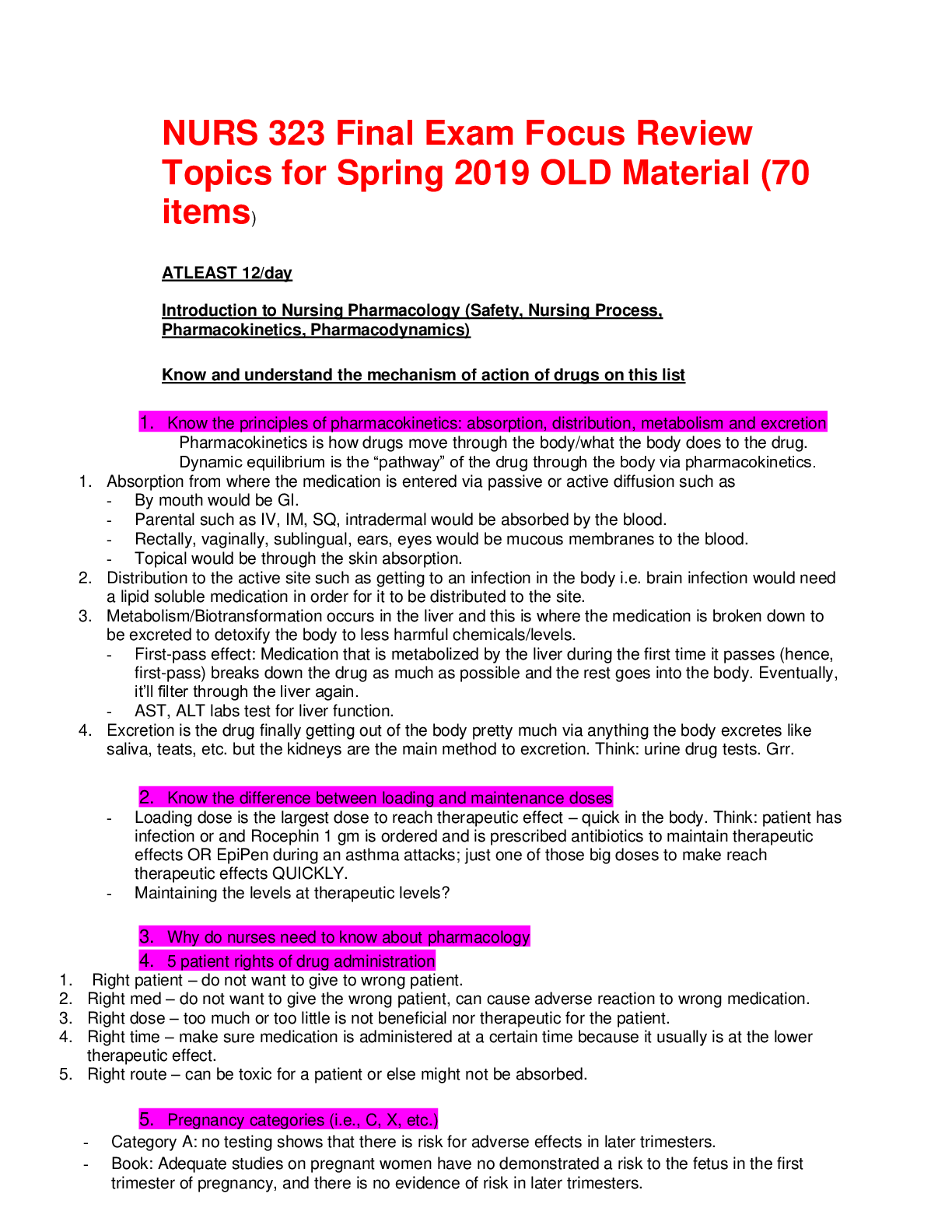



.png)



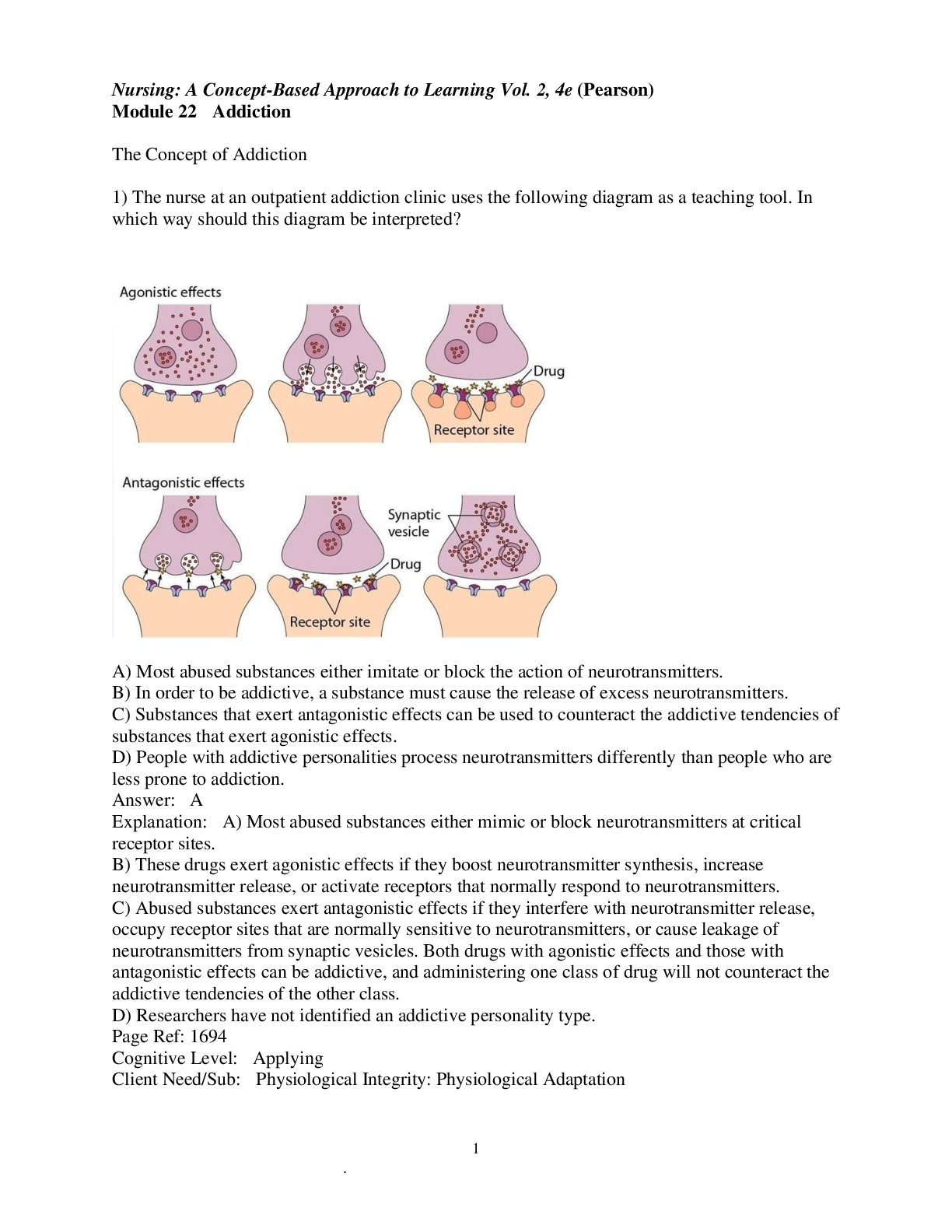

 Rasmussen College.png)