NURSING > STUDY GUIDE > HESI MEDSURG STUDY GUIDE[GRADED A+ VERIFIED100%] (All)
HESI MEDSURG STUDY GUIDE[GRADED A+ VERIFIED100%]
Document Content and Description Below
Last updated: 3 years ago
Preview 1 out of 6 pages
Instant download
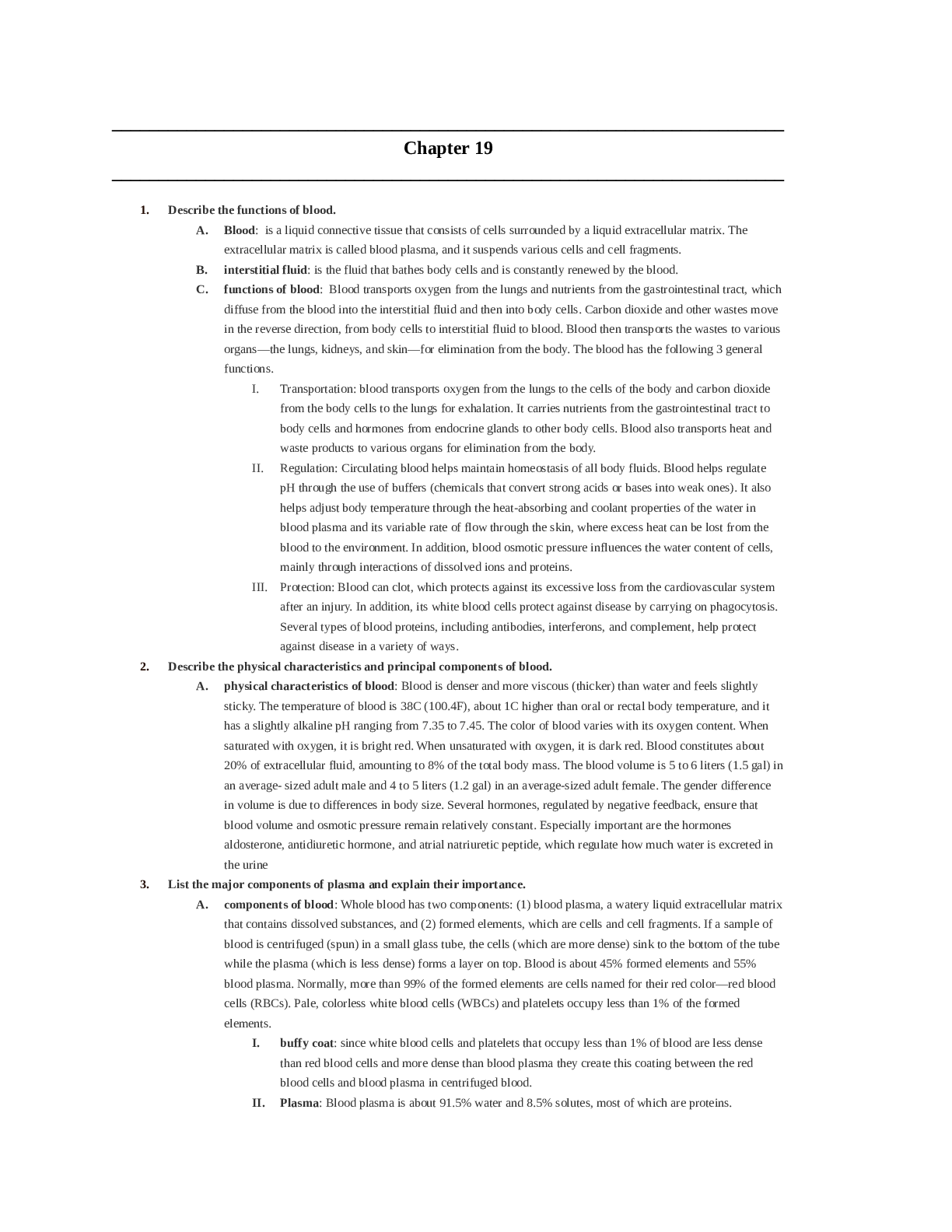
![Preview of HESI MEDSURG STUDY GUIDE[GRADED A+ VERIFIED100%]](https://scholarfriends.com/storage/HESI_MEDSURG_STUDY_GUIDE.png)
Buy this Document to get the Full Access Instantly
Provided by Students Who Aced it
We Verify Document Content to Gurantee Accuracy
Reviews( 0 )
Document information
Connected school, study & course
About the document
Uploaded On
Mar 29, 2021
Number of pages
6
Written in
All

Additional information
This document has been written for:
Uploaded
Mar 29, 2021
Downloads
0
Views
138
Topic Tags
Related Subjects & Courses
Explore similar study resources and related concepts.
Recommended For You
Get more on STUDY GUIDE »
HESI MED SURG MED SURG 55 QUESTIONS RN V1 (MOST ANSWERS)( NEWE...

HESI MED SURG MED SURG 55 QUESTIONS RN V1 (MOST ANSWERS) ( NEW...

Apea Women’s Health Test bank (Answered) Verified 100% correct...

MEDSURG_HESI QUESTIONS &ANSWERS ( NEWEST ,2022/2023) (ANSWERS...
NR 507 - Week 4 Midterm Study Guide, Possible Questions & Answ...

NR 507 Advanced Pathophysiology Week 7 Quiz (Version 2) All An...
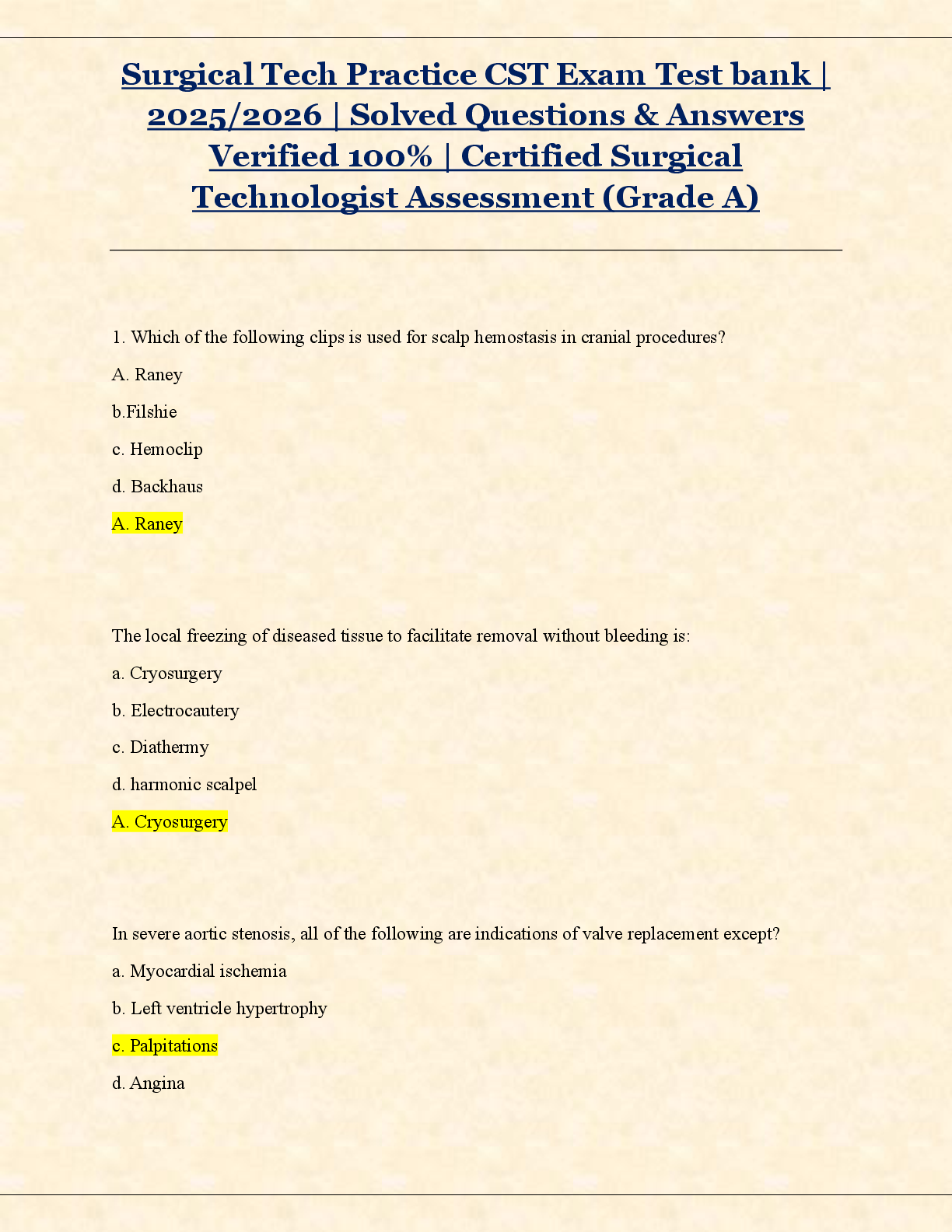
Surgical Tech Practice CST Exam Test bank | 2025/2026 | Solved...


CHIM NCE Health Information Management Practice Exam 1 – Ver...

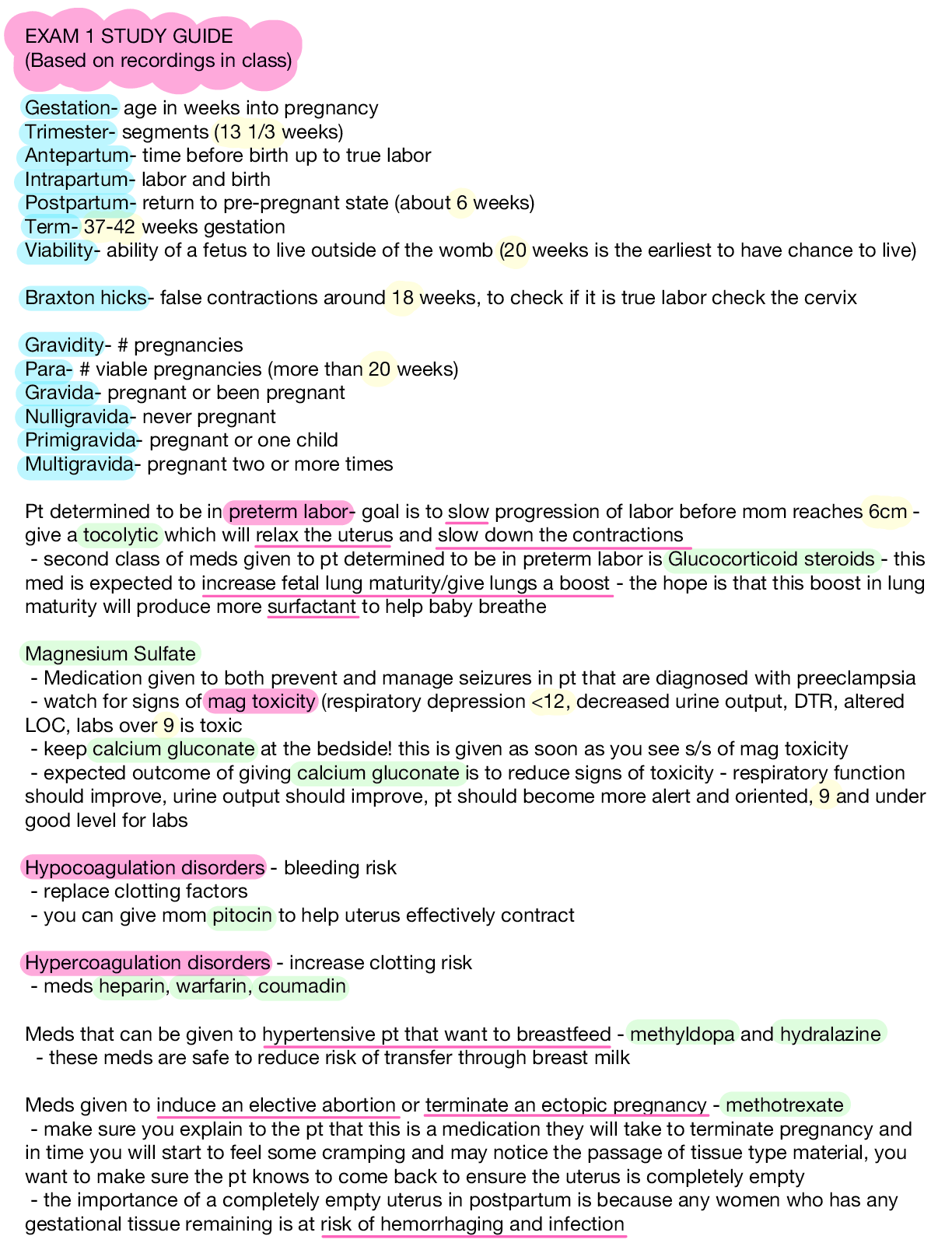


![Preview of Western Governors University[C468 Informatics Study Guide]](https://scholarfriends.com/storage/C468_Study_Guide_2020.png)


.png)
![Preview of Focused Exam_ Pediatric GAS Pharyngitis Transcript[latest 2021]](https://scholarfriends.com/storage/Focused_Exam__Pediatric_GAS_Pharyngitis_Transcript.png)
![Preview of Galen College of Nursing [NUR 242 Exam 4 Study Guidelines rated A]](https://scholarfriends.com/storage/Nur_242_Exam_4_study_guide.png)

