INSTANT PDF DOWNLOAD — This comprehensive study guide is specifically designed for Chamberlain University nursing students preparing for Exam 2 in BIO 256 / BIOS 256: Anatomy and Physiology II for the 2026/2027 academic
...
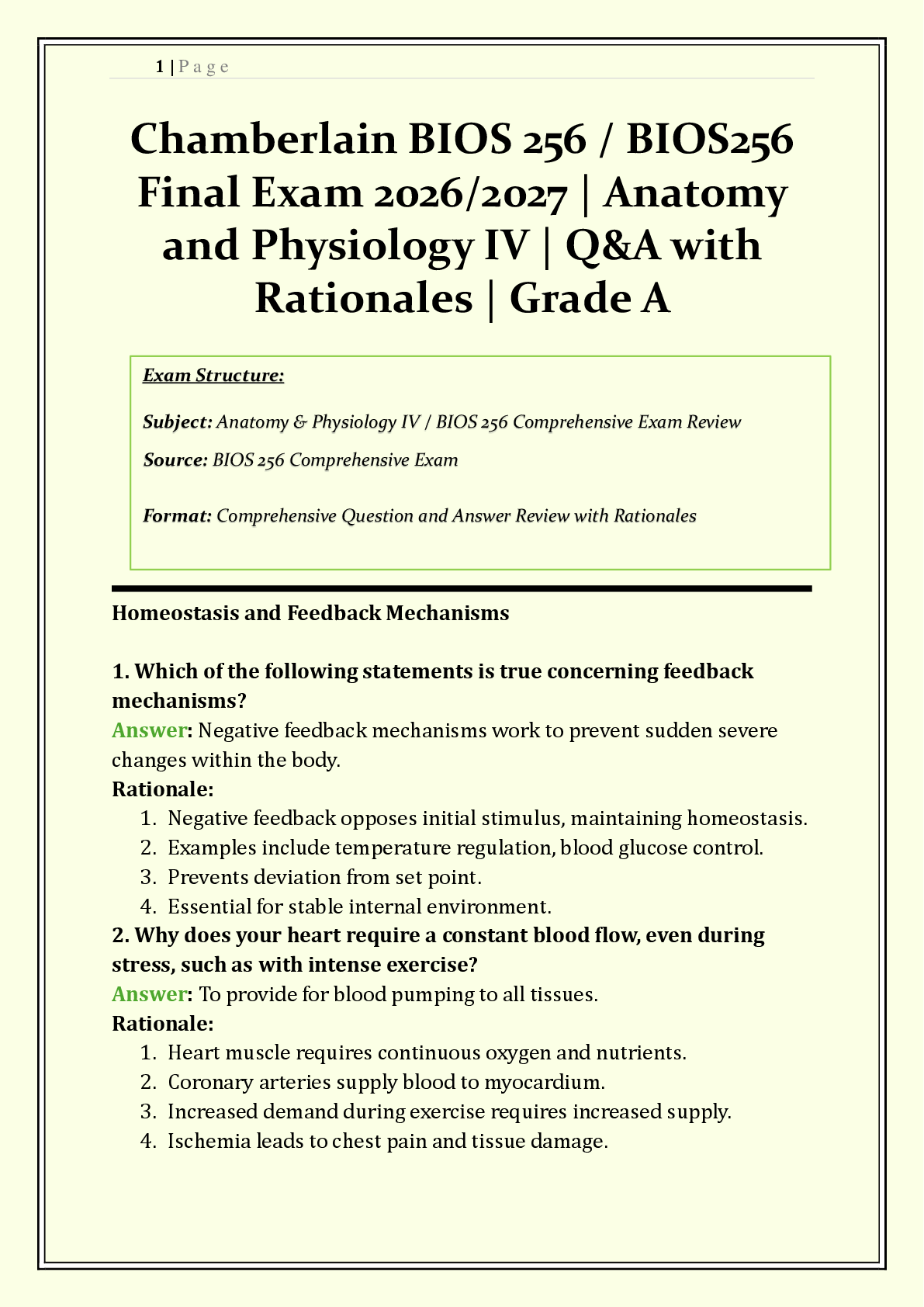
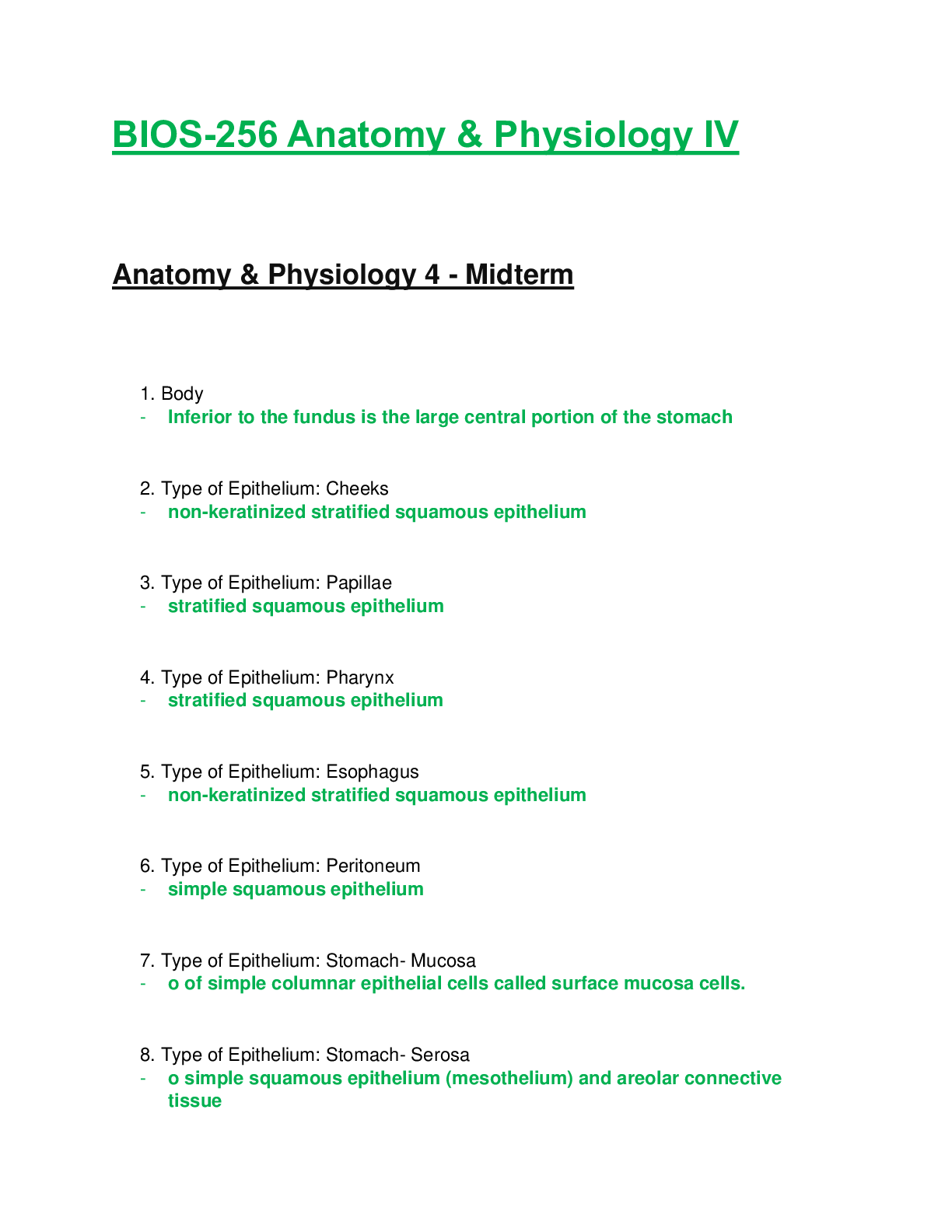
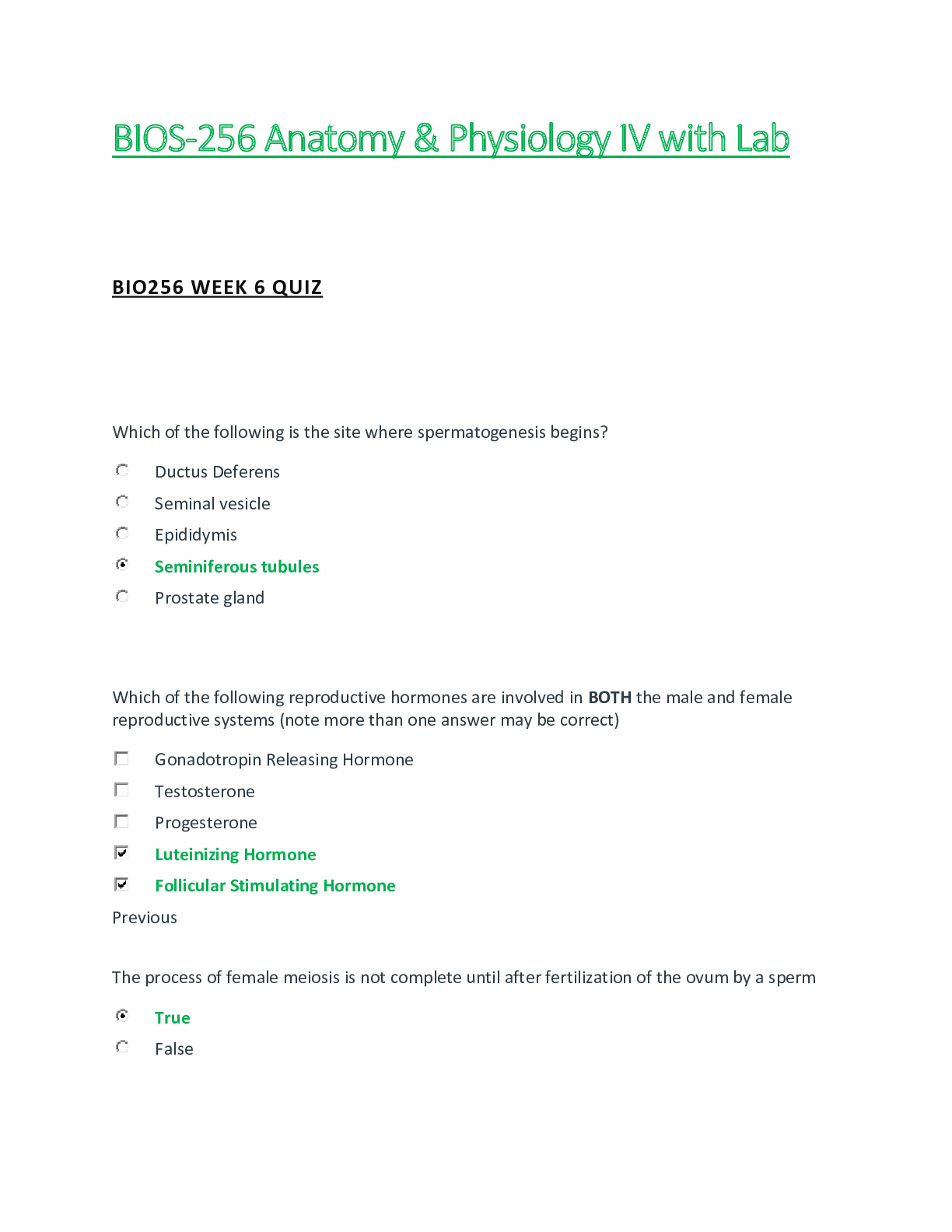
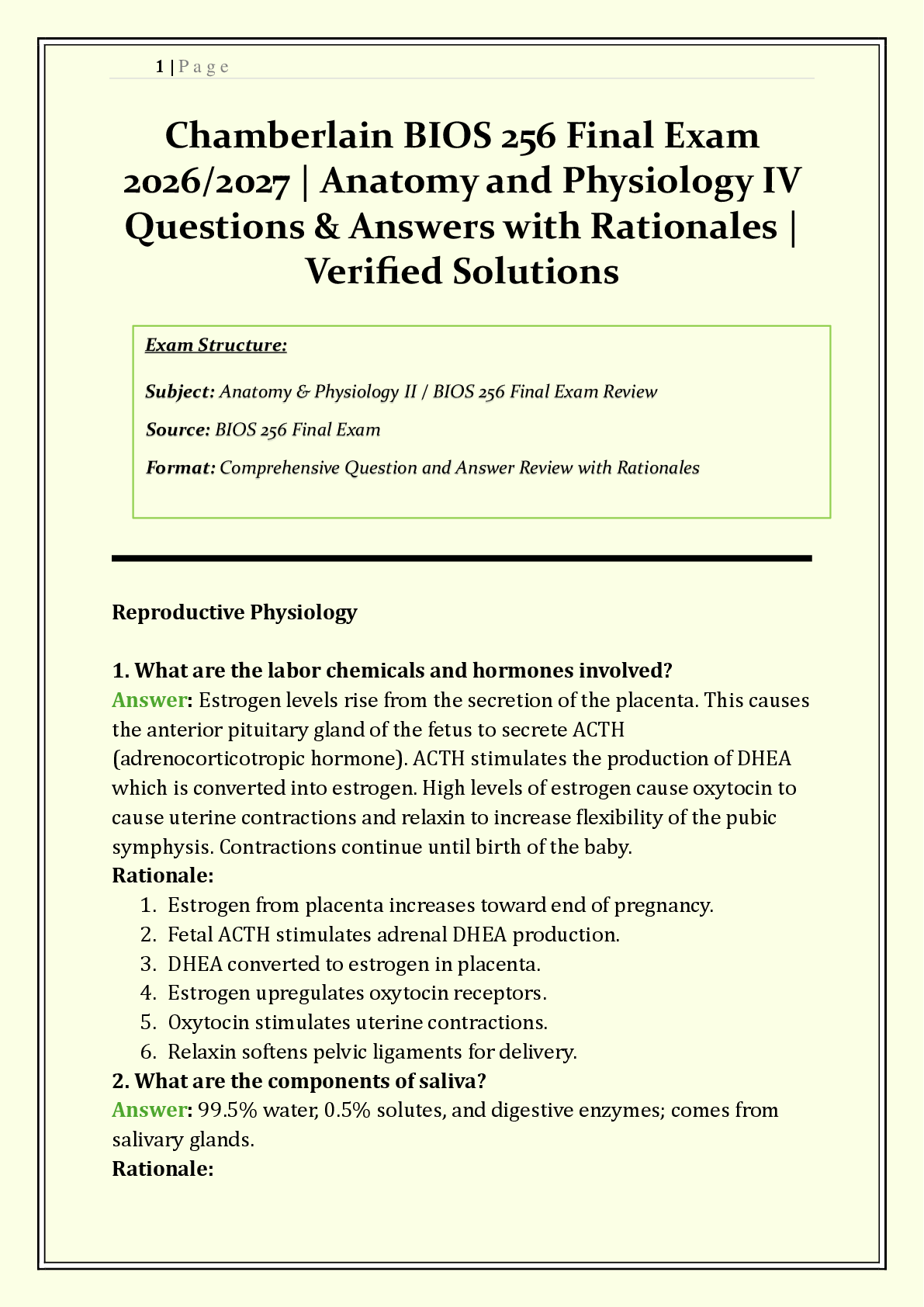
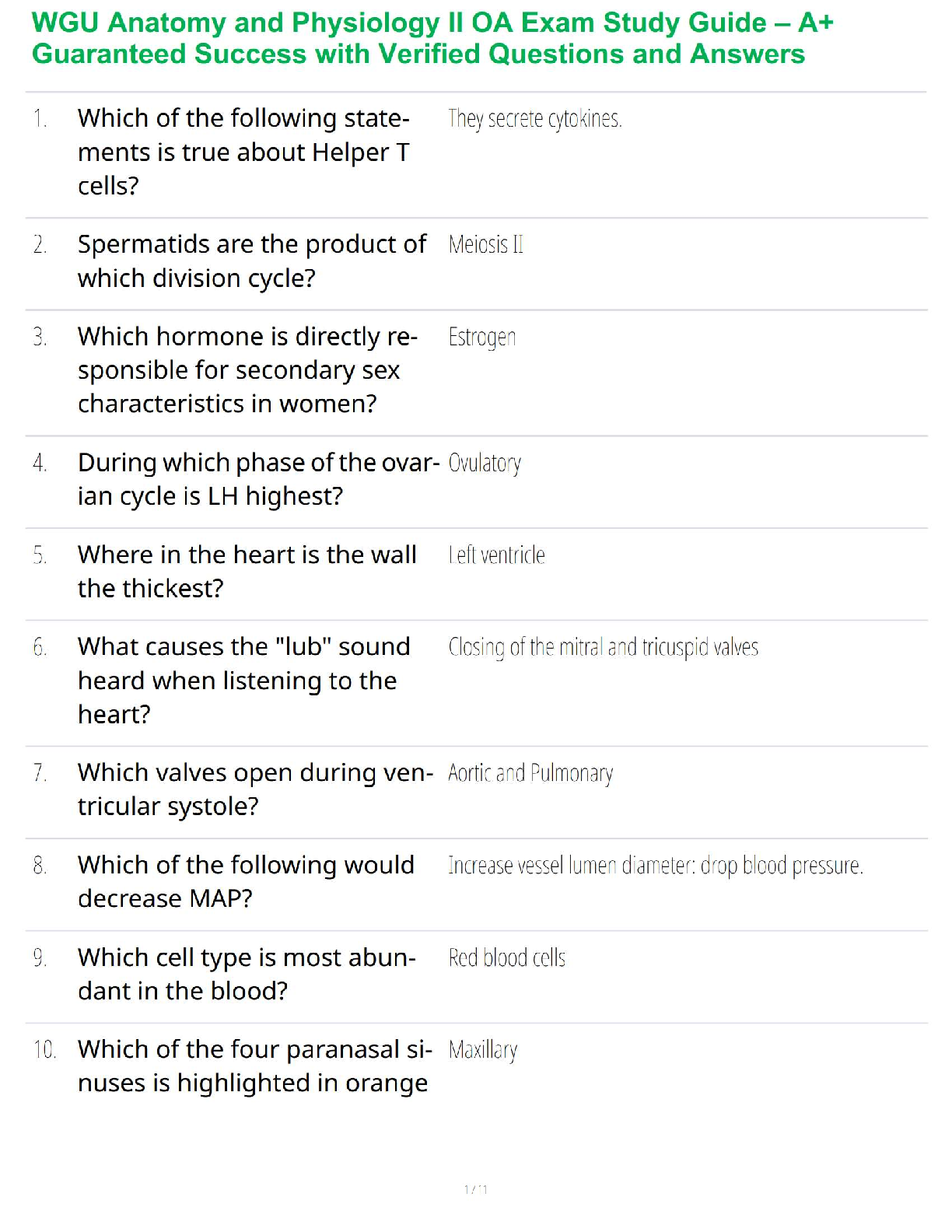
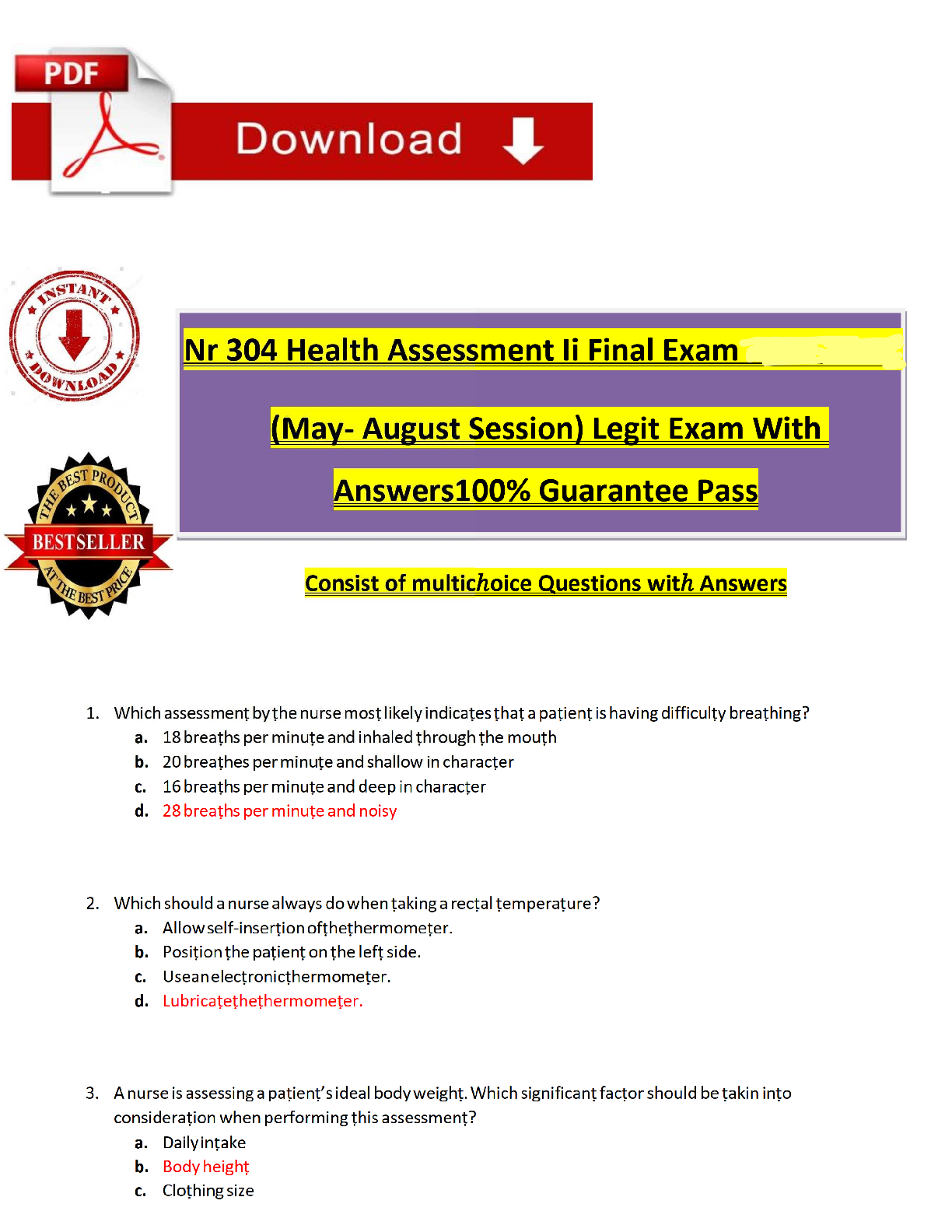
INSTANT PDF DOWNLOAD — This comprehensive study guide is specifically designed for Chamberlain University nursing students preparing for Exam 2 in BIO 256 / BIOS 256: Anatomy and Physiology II for the 2026/2027 academic year. This 40+ page resource contains expertly verified practice questions and 100% correct answers with detailed rationales to help you master core concepts and achieve a top score (Grade A+) .
This comprehensive guide covers all major topics tested on Exam 2 across 40+ pages of content :
Macronutrients & Micronutrients
Carbohydrates: Monomers are monosaccharides (glucose, galactose, fructose)
Lipids: Monomers are fatty acids and glycerol
Proteins: Monomers are amino acids
Fat-soluble vitamins (A, D, E, K) absorbed with dietary lipids
Water-soluble vitamins (B and C) absorbed with water
Vitamin A functions: used in visual pigments, antioxidant
Vitamin B12 functions: coenzyme required for erythropoiesis
Vitamin C functions: hemoglobin synthesis, collagen synthesis, antioxidant
Vitamin D functions: promotes calcium absorption and bone mineralization
Vitamin E functions: antioxidant
Metabolism & Cellular Respiration
Complete balanced formula for cellular respiration: C6H1206 + 6O2 + 30-32ADP + 30-32 Pi --> 6CO2 + 6H2O + 30-32 ATP
Products of cellular respiration: ATP, carbon dioxide, and water
Glycolysis: occurs in cytoplasm, anaerobic, changes glucose to pyruvic acid, yields small amount of ATP
Gluconeogenesis: synthesis of glucose from noncarbohydrates (glycerol, amino acids), occurs chiefly in liver
Glycogenolysis: hydrolysis of glycogen, stimulated by glucagon and epinephrine, provides glucose between meals
Glycogenesis: synthesis of glycogen, stimulated by insulin, chains glucose monomers together
ATP generation: 10 NADH × 2.5 ATP = 25 ATP; 2 FADH2 × 1.5 ATP = 3 ATP
Endocrine Regulation
Insulin function: promotes glycolysis, inhibits gluconeogenesis, lowers blood sugar when too high
Glucagon function: promotes gluconeogenesis and glycogenolysis, increases blood sugar when too low
Absorptive (fed) state: insulin dominates, promotes glucose uptake for energy and storage
Postabsorptive (fasting) state: glucagon leads, increases blood glucose via glycogen breakdown and gluconeogenesis
Urinary System Anatomy & Function
Correct order of filtrate in nephron: glomerular capsule → proximal convoluted tubule → nephron loop → distal convoluted tubule → collecting duct → papillary duct → minor calyx → major calyx → renal pelvis → ureter → urinary bladder → urethra
Waste products excreted by kidneys: metabolic waste amino acids, uric acid, creatinine, blood urea nitrogen (BUN)
Angiotensin II function: active hormone that increases BP, reduces GFR, stimulates aldosterone and ADH secretion
Renin function: enzyme that activates hormonal mechanisms to restore blood pressure
ADH (Antidiuretic Hormone): promotes H2O reabsorption in collecting duct, reduces urine volume
Aldosterone: promotes Na+ and water retention, K+ excretion, maintains blood pressure
Natriuretic peptides: dilate afferent arteriole, constrict efferent arteriole, increase GFR, inhibit renin/ADH/aldosterone, increase urine volume and lower BP
Parathyroid Hormone (PTH): promotes Ca2+ reabsorption by loop and DCT, increases phosphate excretion by PCT, promotes calcitriol synthesis
Calcitriol: stimulates bone deposition, mainly in children
Type I Diabetes
Lack of insulin production in beta cells of pancreas (autoimmune)
Body does not produce insulin and cannot lower blood sugar
Responsive to insulin injections
Thermoregulation
Hypothalamus is body's thermostat
Heat losing mechanisms: cutaneous vasodilation and sweating
Heat conserving mechanisms: cutaneous vasoconstriction + shivering
Thyroid hormone increases metabolic rate
Urine Volumes
Normal output: 1-2 L/day
Diuresis/Polyuria: >2 L/day
Oliguria: <500 mL/day
Anuria: 0-100 mL/day
Effect of alcohol: reduces tubular reabsorption of water, inhibits ADH secretion, acts as diuretic
Dehydration Synthesis vs. Hydrolysis
Dehydration synthesis: creation of larger molecules from smaller monomers where a water molecule is released
Hydrolysis: reaction that breaks a covalent bond in a molecule by adding OH group to one side and H to the other, consuming a water molecule
Sample Questions Include:
"Describe the correct order of filtrate in the nephron structure:" → glomerular capsule → proximal convoluted tubule → nephron loop → distal convoluted tubule → collecting duct → papillary duct → minor calyx → major calyx → renal pelvis → ureter → urinary bladder → urethra
"What is the function of Angiotensin II?" → Active hormone that increases BP, reduces GFR, stimulates aldosterone and ADH secretion
"Describe the characteristics of Type I diabetes (cause, treatments):" → Lack of insulin production in beta cells of pancreas (autoimmune); body does not produce insulin and cannot lower blood sugar; responsive to insulin injections
"Compare between Fat soluble Vs Water Soluble vitamins (list and describe their functions):" → Water soluble vitamins (B and C) are absorbed with water; Fat soluble vitamins (A, D, E and K) are absorbed in conjunction with dietary lipids
"List and describe all the products of cellular respiration:" → ATP, carbon dioxide, and water
"What is the complete balanced formula for cellular respiration?" → C6H1206 + 6O2 + 30-32ADP + 30-32 Pi --> 6CO2 + 6H2O + 30-32 ATP
All questions include complete rationales based on current evidence-based practice, anatomy and physiology standards, and Chamberlain University curriculum requirements .
DOCUMENT ACCESS:
This study guide is available as an instant digital download (PDF) immediately upon purchase. Fully text-searchable, printable, and accessible anytime through your user account. 100% satisfaction guarantee. Trusted by thousands of Chamberlain nursing students for exam preparation and mastering anatomy and physiology competencies .
[Show More]