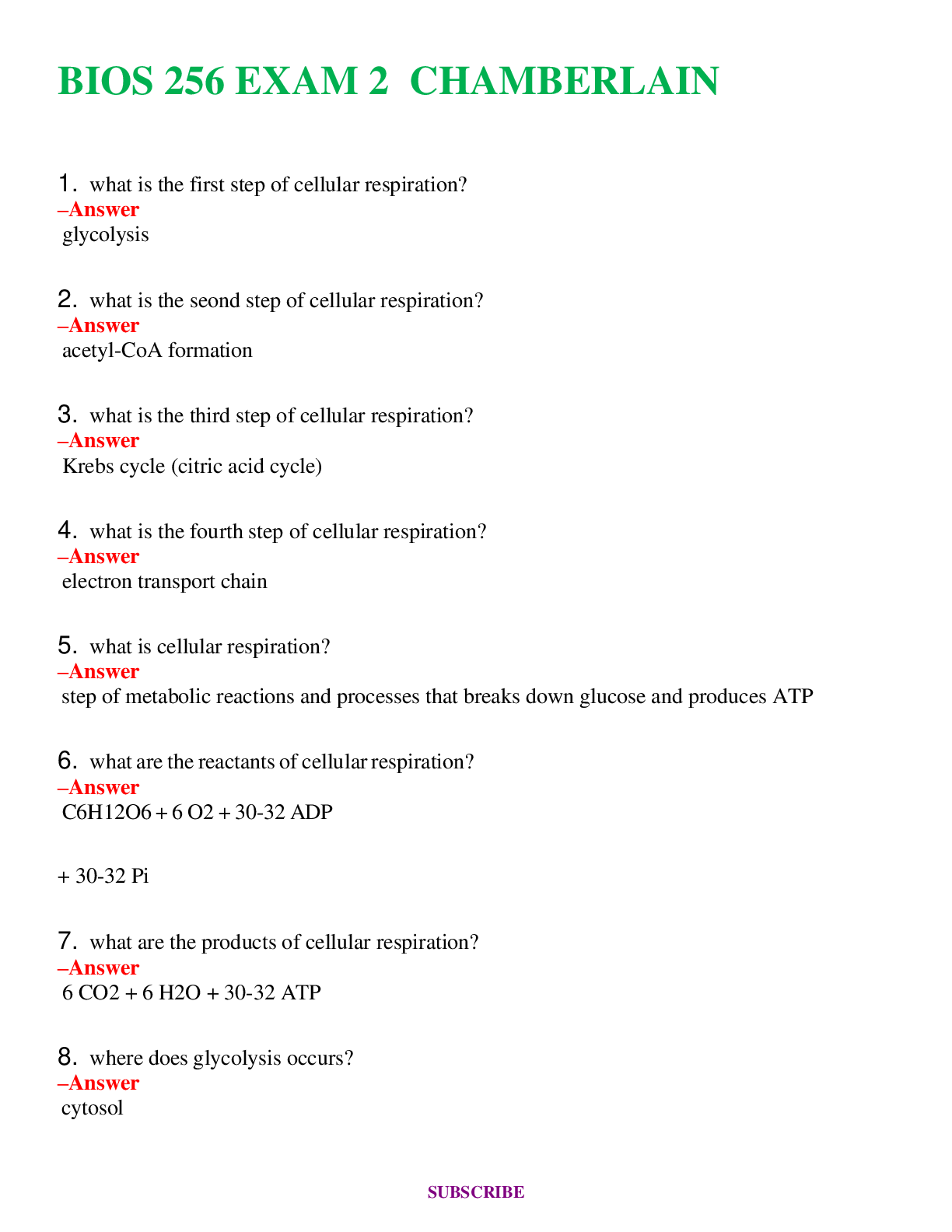
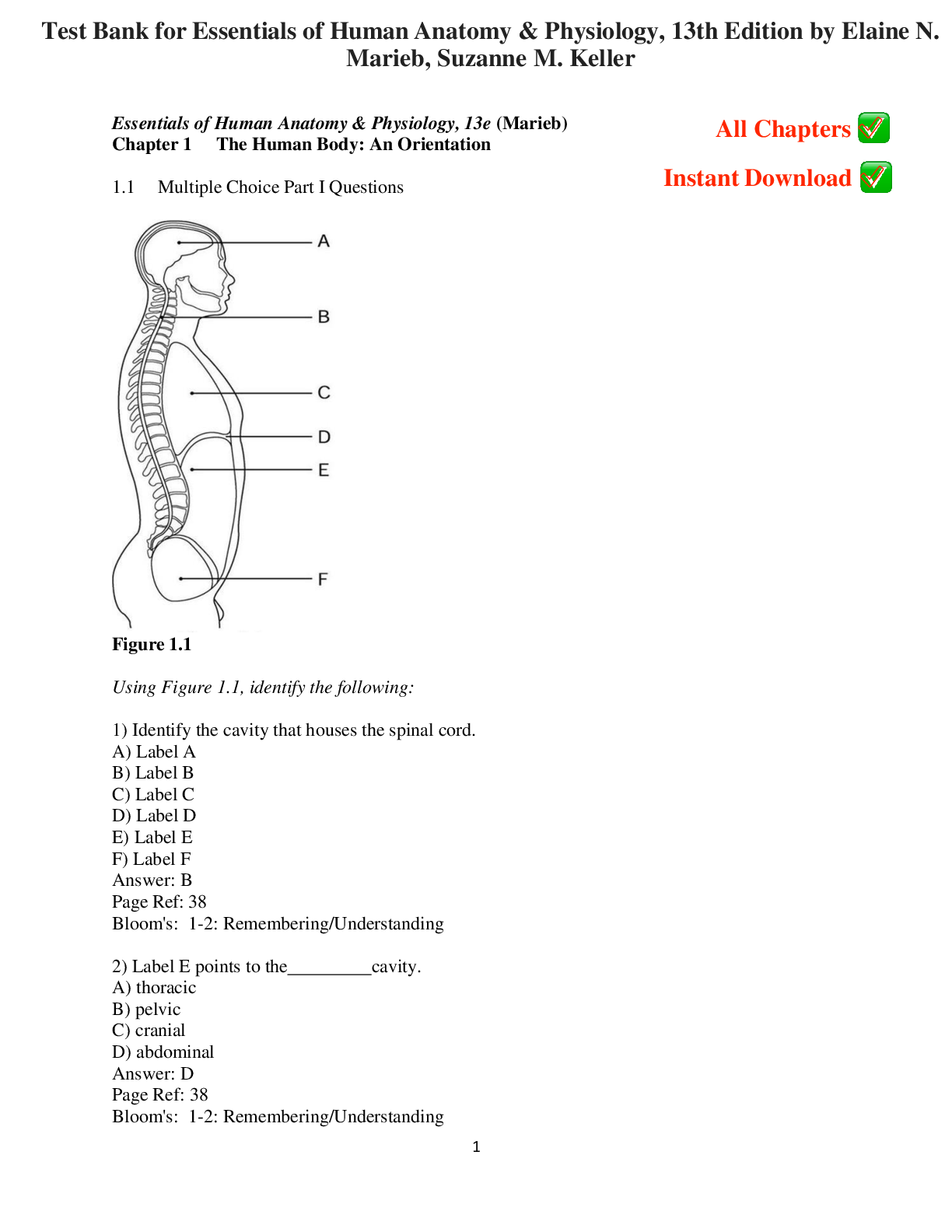
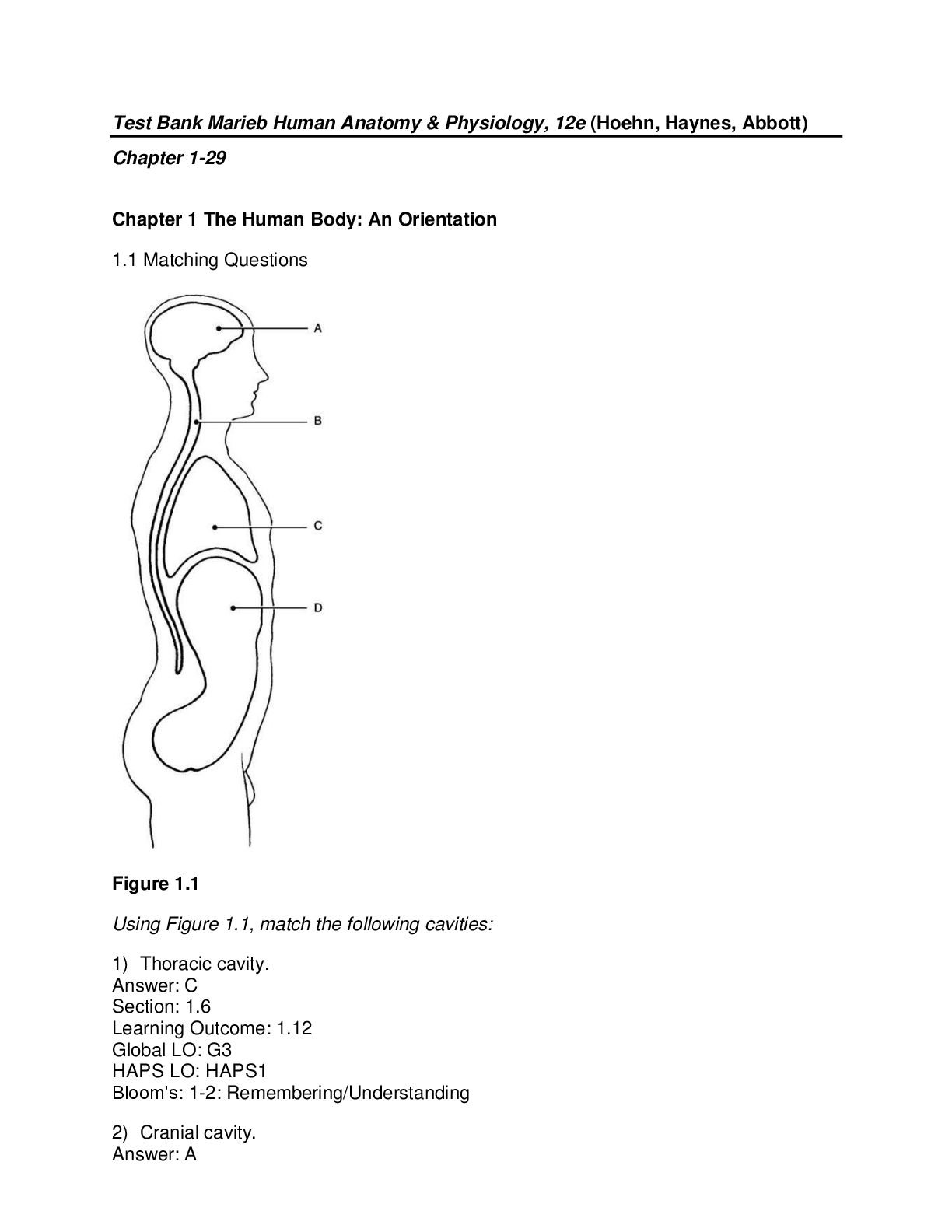
INSTANT PDF DOWNLOAD—This comprehensive study guide is specifically designed for Chamberlain University nursing students preparing for the Final Exam in BIOS 256 / BIOS256: Anatomy and Physiology IV with Lab for the 2026
...
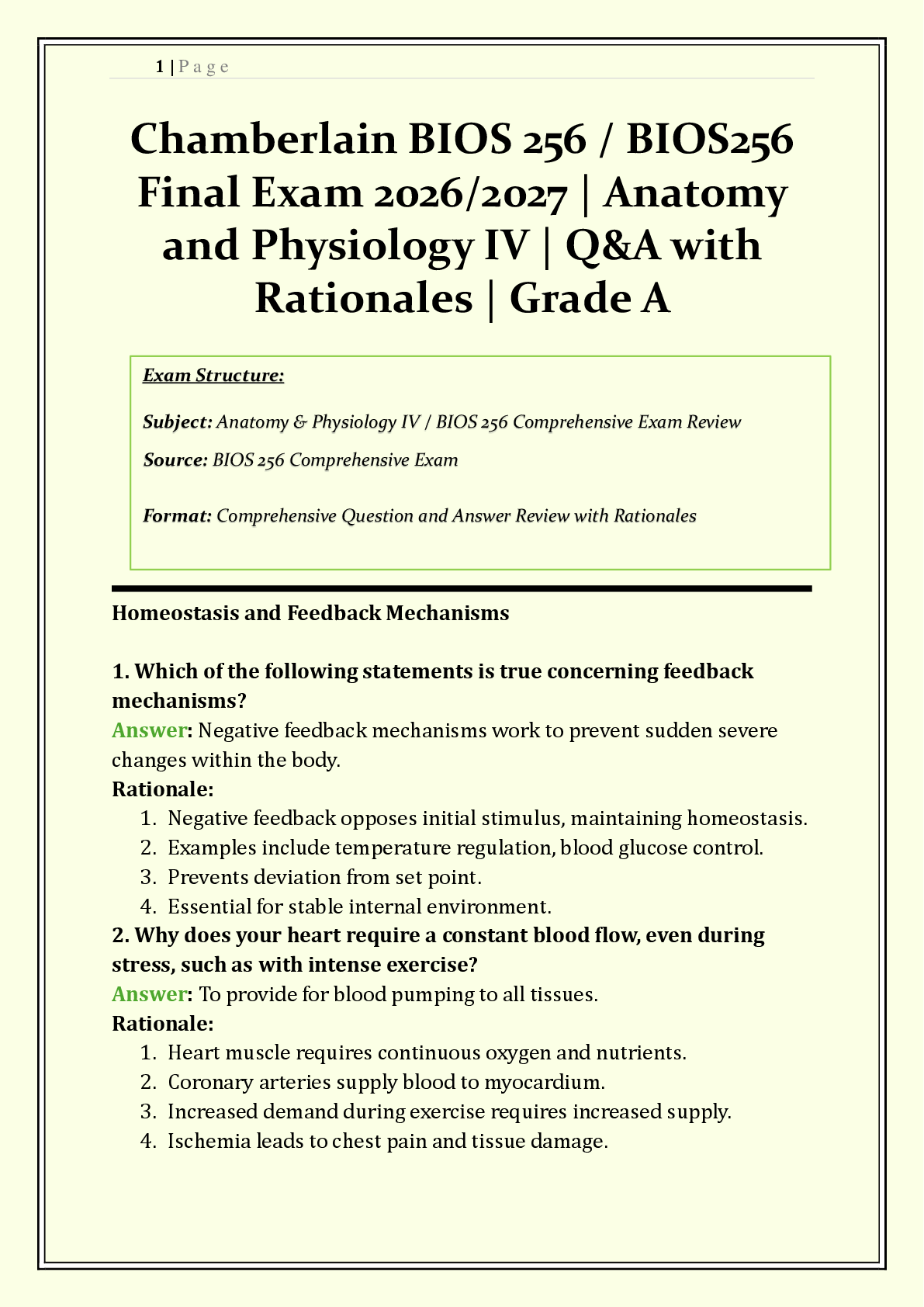
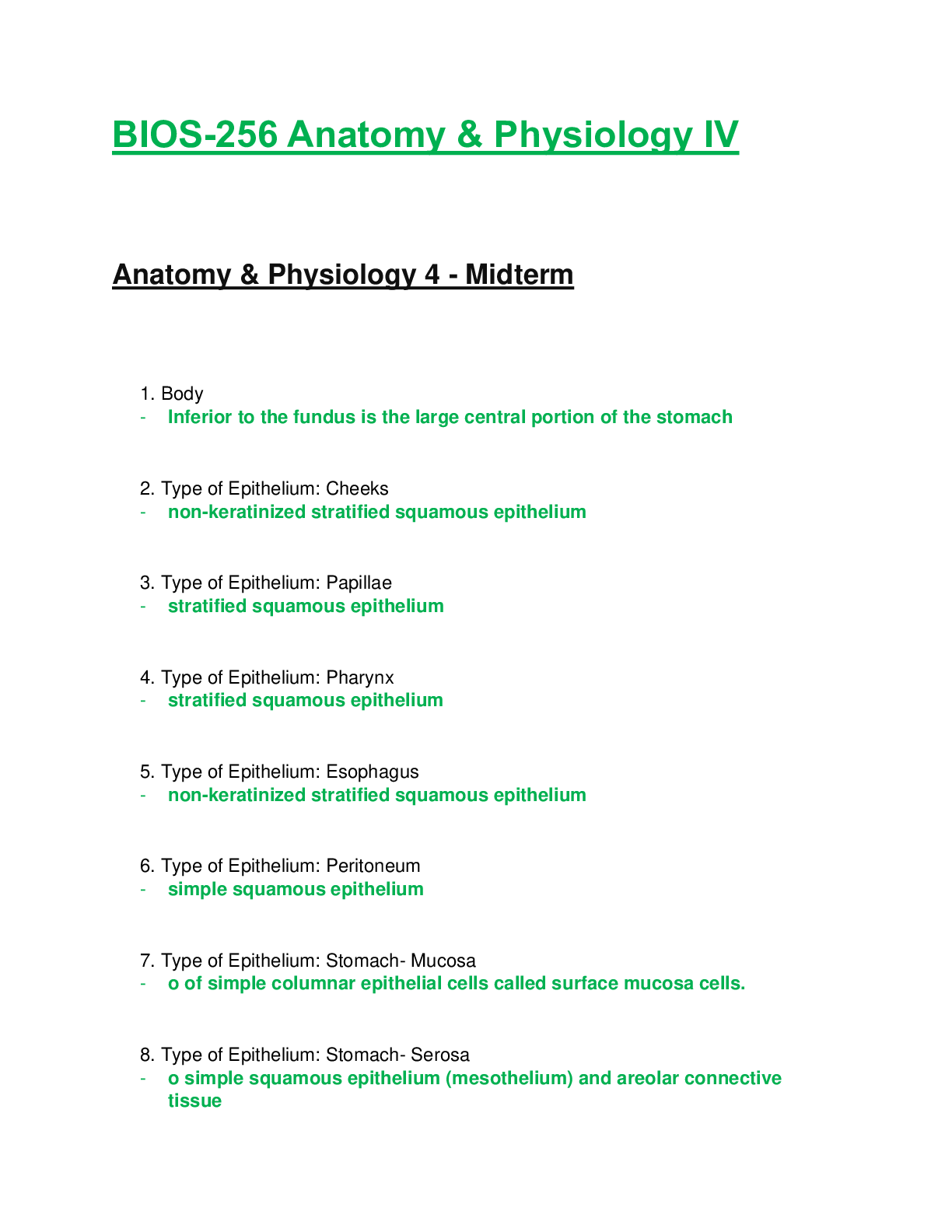
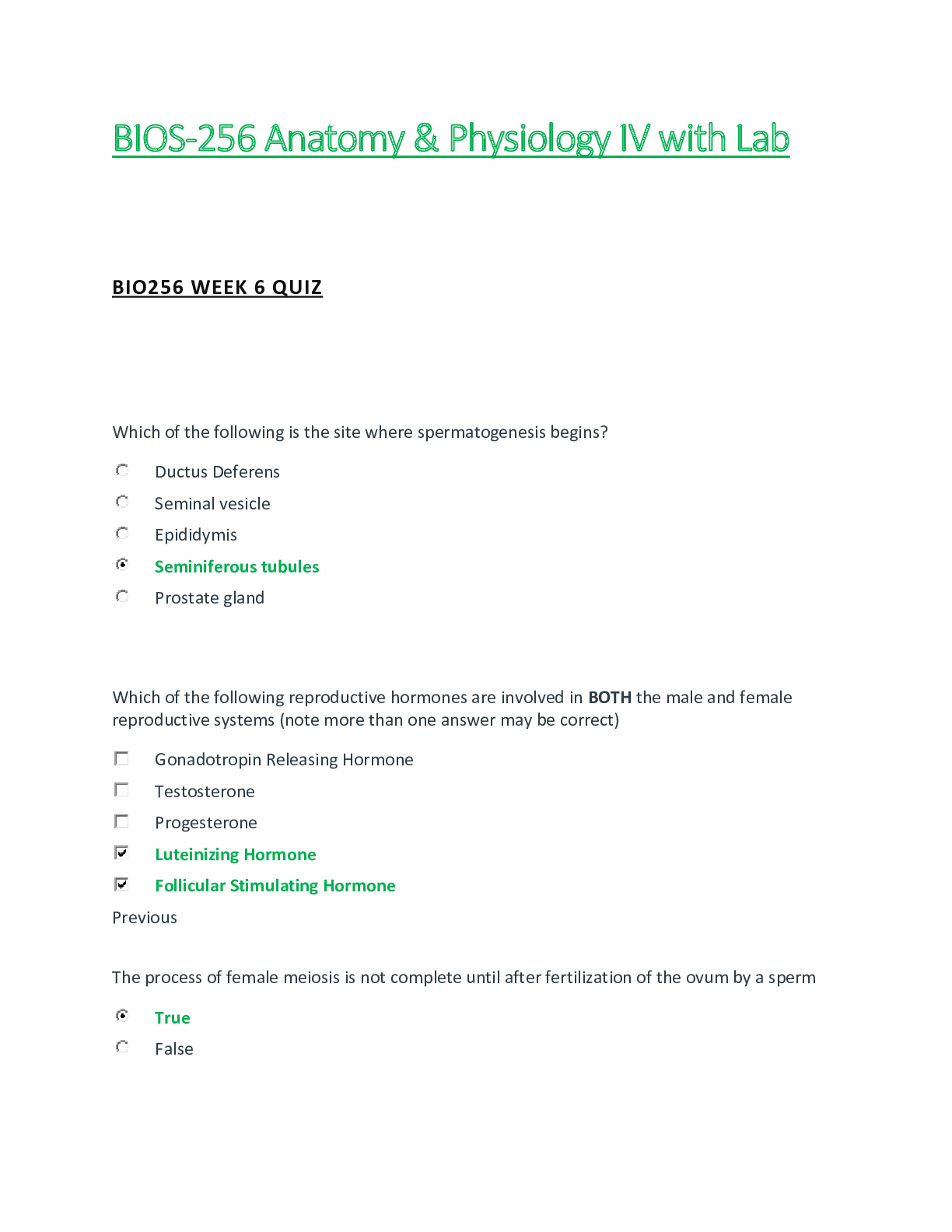
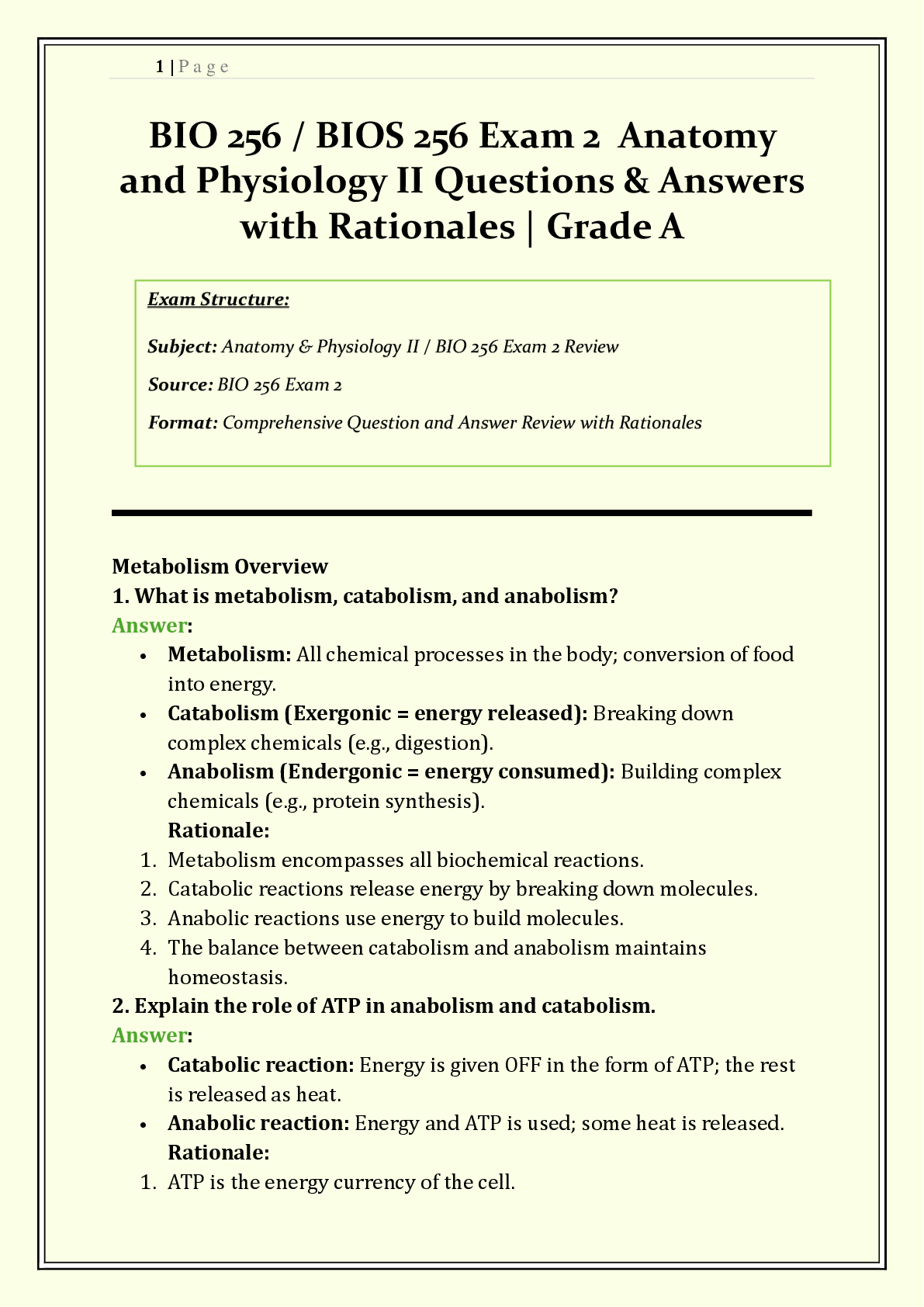
INSTANT PDF DOWNLOAD—This comprehensive study guide is specifically designed for Chamberlain University nursing students preparing for the Final Exam in BIOS 256 / BIOS256: Anatomy and Physiology IV with Lab for the 2026/2027 academic year . This 45+ page resource contains expertly verified practice questions and 100% correct answers with detailed rationales to help you master core anatomy and physiology concepts and achieve a top score (Grade A+) .
This comprehensive guide covers all major topics tested on the Final Exam :
Digestive System
Digestive Processes: Ingestion → digestion (mechanical and chemical) → motility (mixing and propulsion) → secretion → absorption → defecation
GI Tract Innervation: Parasympathetic NS enhances digestion; sympathetic NS inhibits or slows down digestion; Enteric Nervous System includes submucosal and myenteric plexuses
Oral Cavity Enzymes: Salivary amylase (breaks down carbohydrates, converts polysaccharides to monosaccharides, deactivated by stomach acid); Lingual lipase (breaks down lipids, activated by HCl of stomach)
Cells of the Stomach: Parietal cells secrete HCl (makes chyme acidic, kills bacteria, denatures proteins, activates pepsin) and intrinsic factor (allows absorption of vitamin B12); Chief cells secrete pepsinogen (activated by stomach acid to become pepsin)
Urinary System
Nephron: Functional unit of the kidney, site of filtration, secretion, and reabsorption
Glomerular Filtration: Water and solutes move across glomerular capillary walls into glomerular capsule
Tubular Reabsorption: Filtered fluid moves along renal tubule; tubule cells reabsorb water and useful solutes back into peritubular capillaries
Tubular Secretion: Tubule and duct cells secrete wastes, drugs, excess ions into fluid
Glomerular Filtration Rate (GFR) : Amount of filtrate formed per minute; regulated by myogenic mechanism, tubuloglomerular feedback, neural regulation, and hormones
Hormonal Regulation: Angiotensin II (constricts arterioles, decreases GFR); Atrial Natriuretic Peptide (increases GFR)
Reabsorption in PCT: 100% of filtered glucose, amino acids, vitamins; 65% water and Na+; 55% K+; 50% Cl- and urea; 90% bicarbonate
Edema: Loss of plasma proteins in urine leading to abnormally high volume of interstitial fluid
Sample Questions Include:
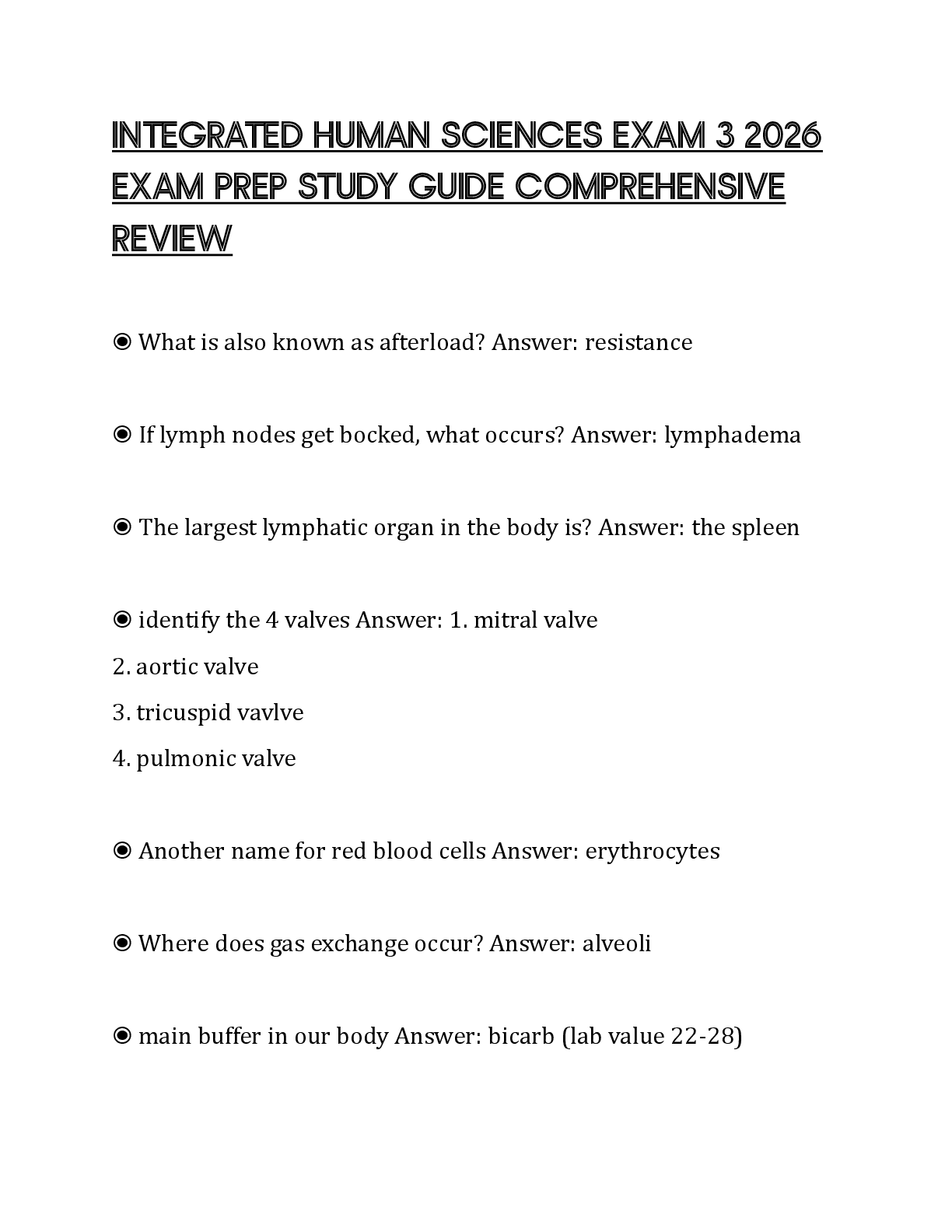
"List and describe all the secretions of the pancreas." → Endocrine: production of glucagon and insulin to moderate blood glucose levels (Pancreatic islets); Exocrine: production of pancreatic juice to aid in digestion of food in the small intestine
"What is the functional unit of the kidney?" → The Nephron
"What hormone increases GFR in response to stretching of the atria?" → Atrial Natriuretic Peptide (ANP)
"What is edema and what causes it?" → Abnormally high volume of interstitial fluid caused by loss of plasma proteins in urine
"What are the two routes for substance reabsorption?" → Paracellular reabsorption (between adjacent tubule cells) and transcellular reabsorption (through an individual tubule cell)
All questions include complete rationales based on current anatomy and physiology standards and Chamberlain University curriculum requirements.
DOCUMENT ACCESS:
This study guide is available as an instant digital download (PDF) immediately upon purchase. Fully text-searchable, printable, and accessible anytime through your user account. 100% satisfaction guarantee. Trusted by thousands of Chamberlain nursing students for final exam preparation and mastering anatomy and physiology competencies .
[Show More]