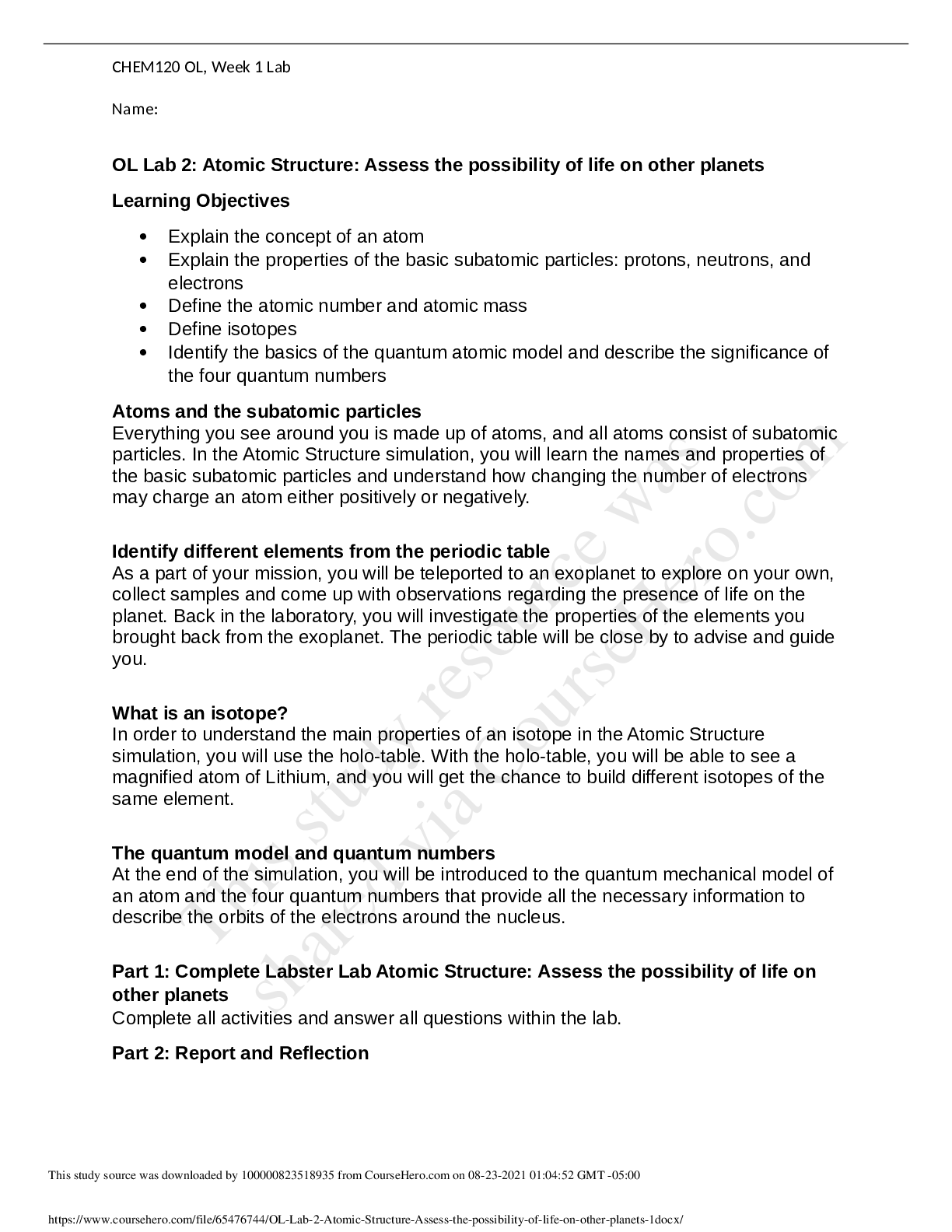
Physics > Lab Report > Northeastern University Phys 1157 Lab 16 Electric Field and Electric Potential-VERIFIED A (All)
Northeastern University Phys 1157 Lab 16 Electric Field and Electric Potential-VERIFIED A
Document Content and Description Below
Last updated: 4 years ago
Preview 1 out of 12 pages
Instant download

Buy this Document to get the Full Access Instantly
Provided by Students Who Aced it
We Verify Document Content to Gurantee Accuracy
Reviews( 0 )
Document information
Connected school, study & course
About the document
Uploaded On
May 28, 2021
Number of pages
12
Written in
All

Additional information
This document has been written for:
Uploaded
May 28, 2021
Downloads
0
Views
192
Topic Tags
Recommended For You
Get more on Lab Report »
Northeastern University PHYS 1157 Lab 16 Electric Field and El...
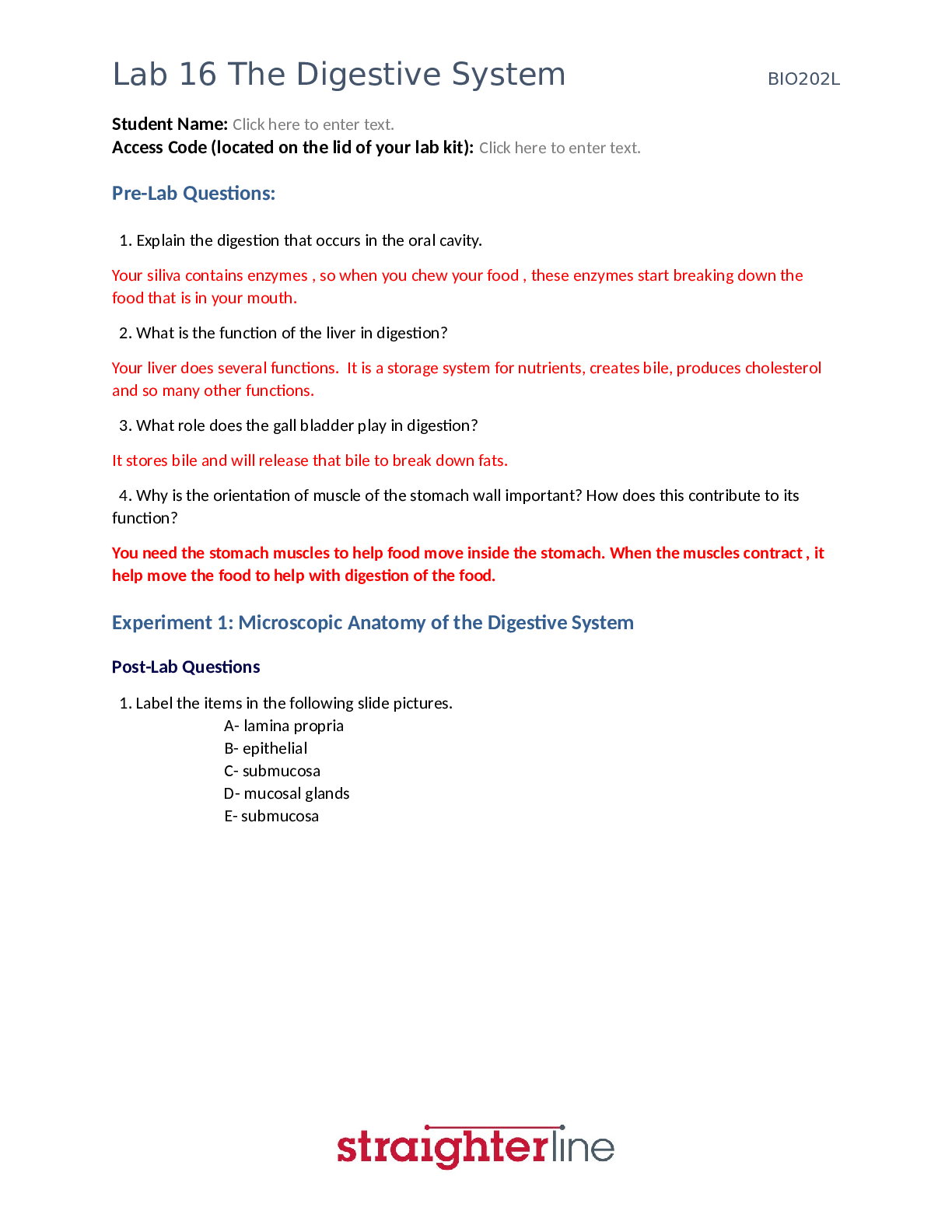
Straighterline BIO 202L Lab 16 The Digestive System Quiz 2022...
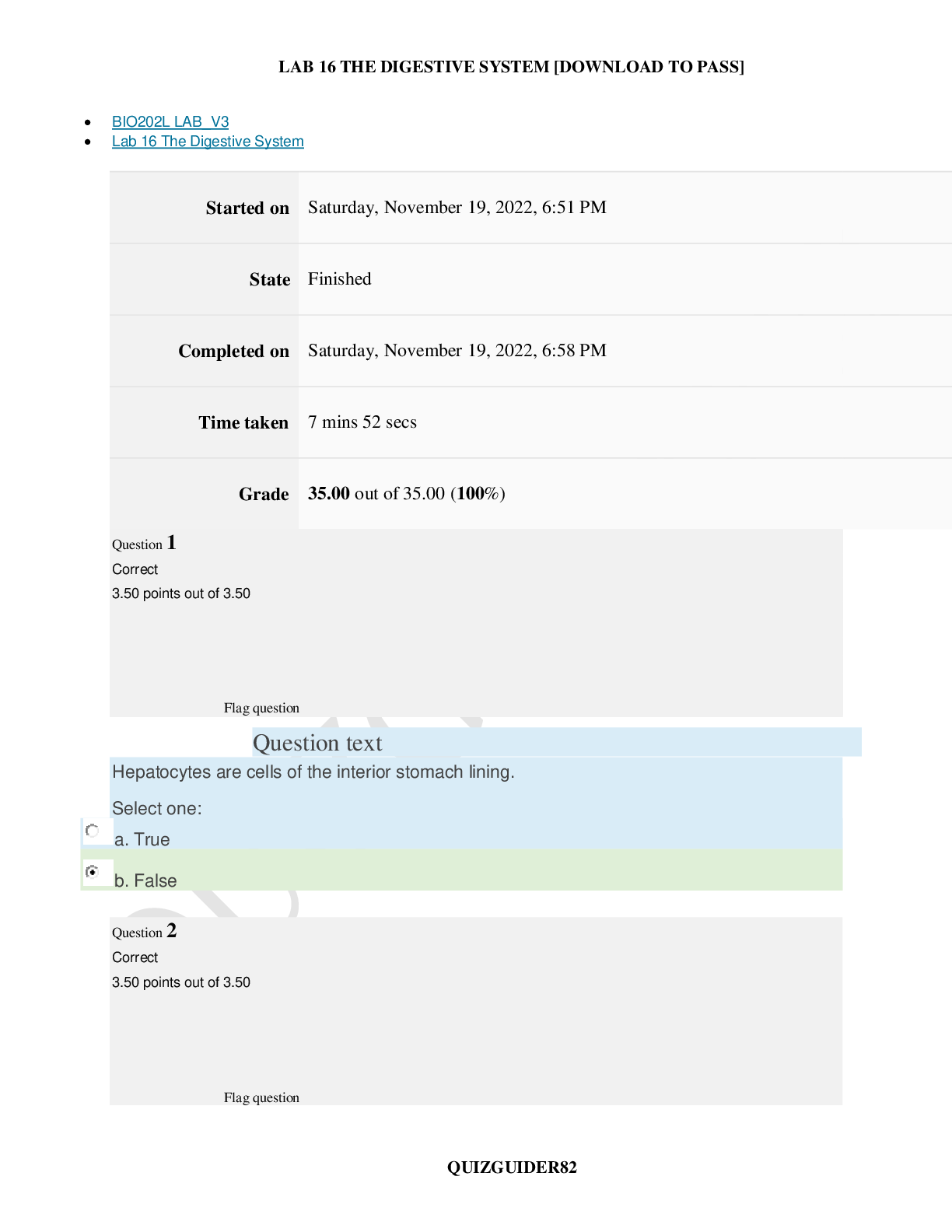
Lab 16 QUIZ The Digestive System[ALL ANSWERS 100% CORRECT]


Straighterline BIO 202L Lab 16 The Digestive System Worksheet...


BIO 202L Lab 16 The Digestive System (TOP SCORE) Questions and...
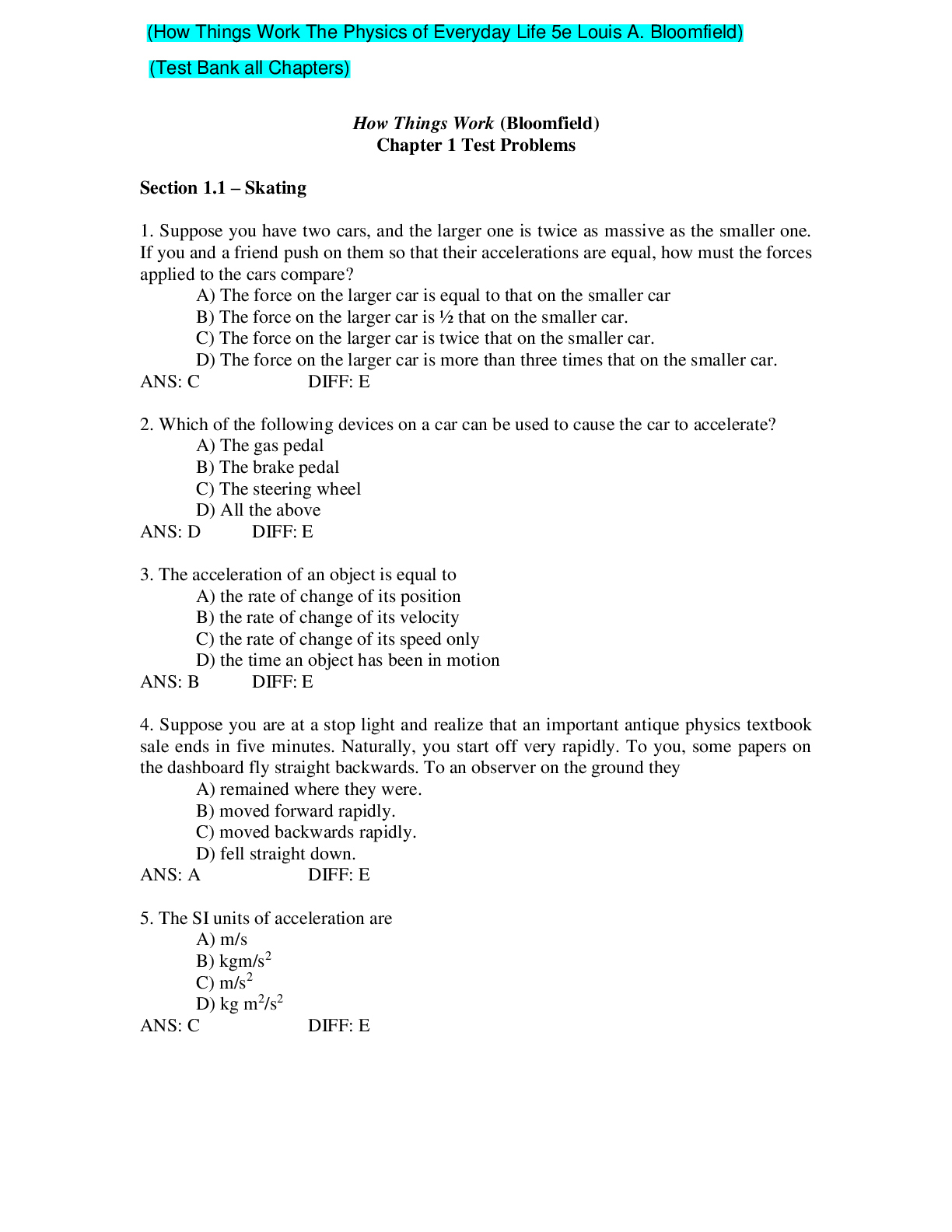
How Things Work The Physics of Everyday Life 5e Louis A. Bloom...
How Things Work The Physics of Everyday Life 5e Louis A. Bloom...
.png)
How Things Work The Physics of Everyday Life, 6e Louis Bloomfi...

Test Bank For College physics 6th Edition By Jerry D Wilson,A...


 (1).png)
.png)