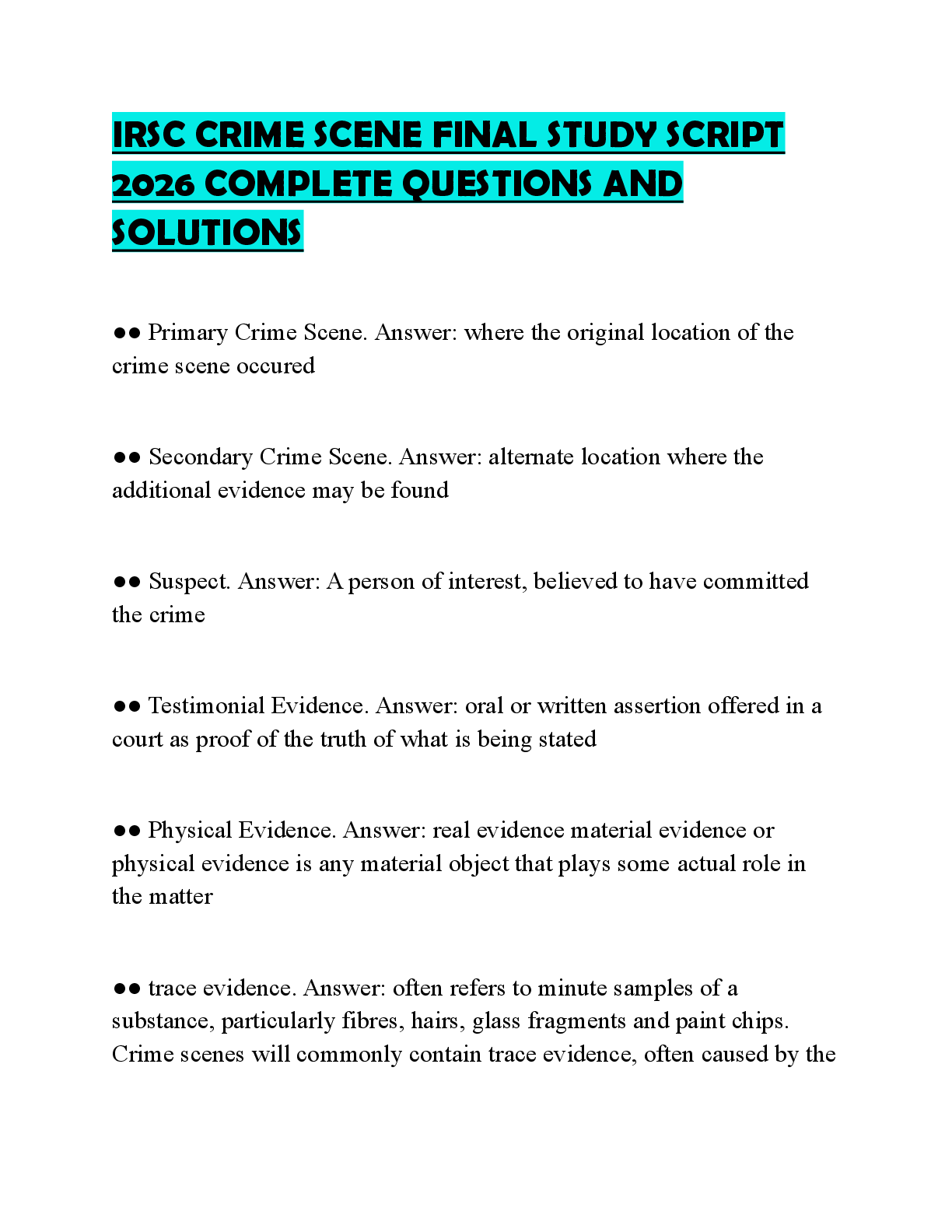
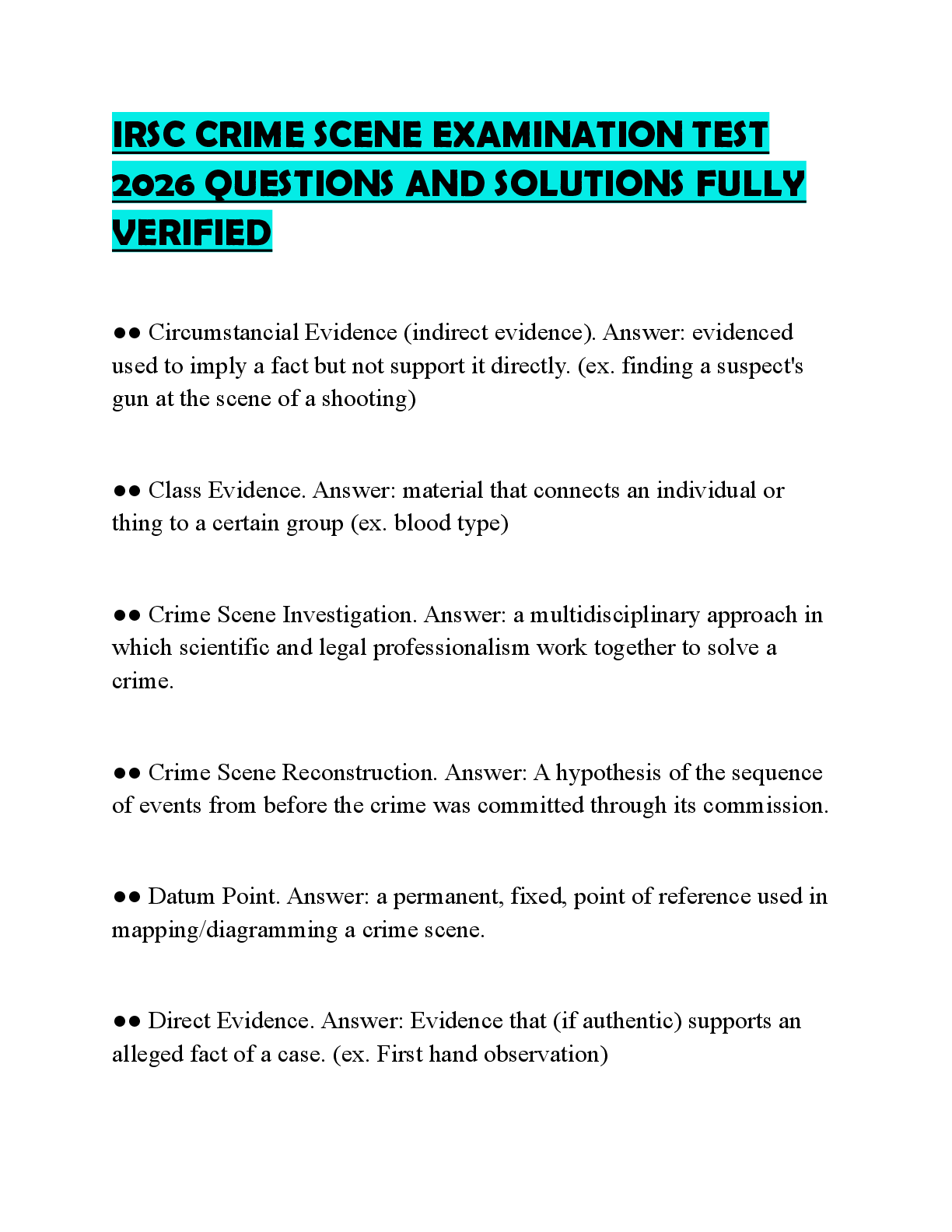
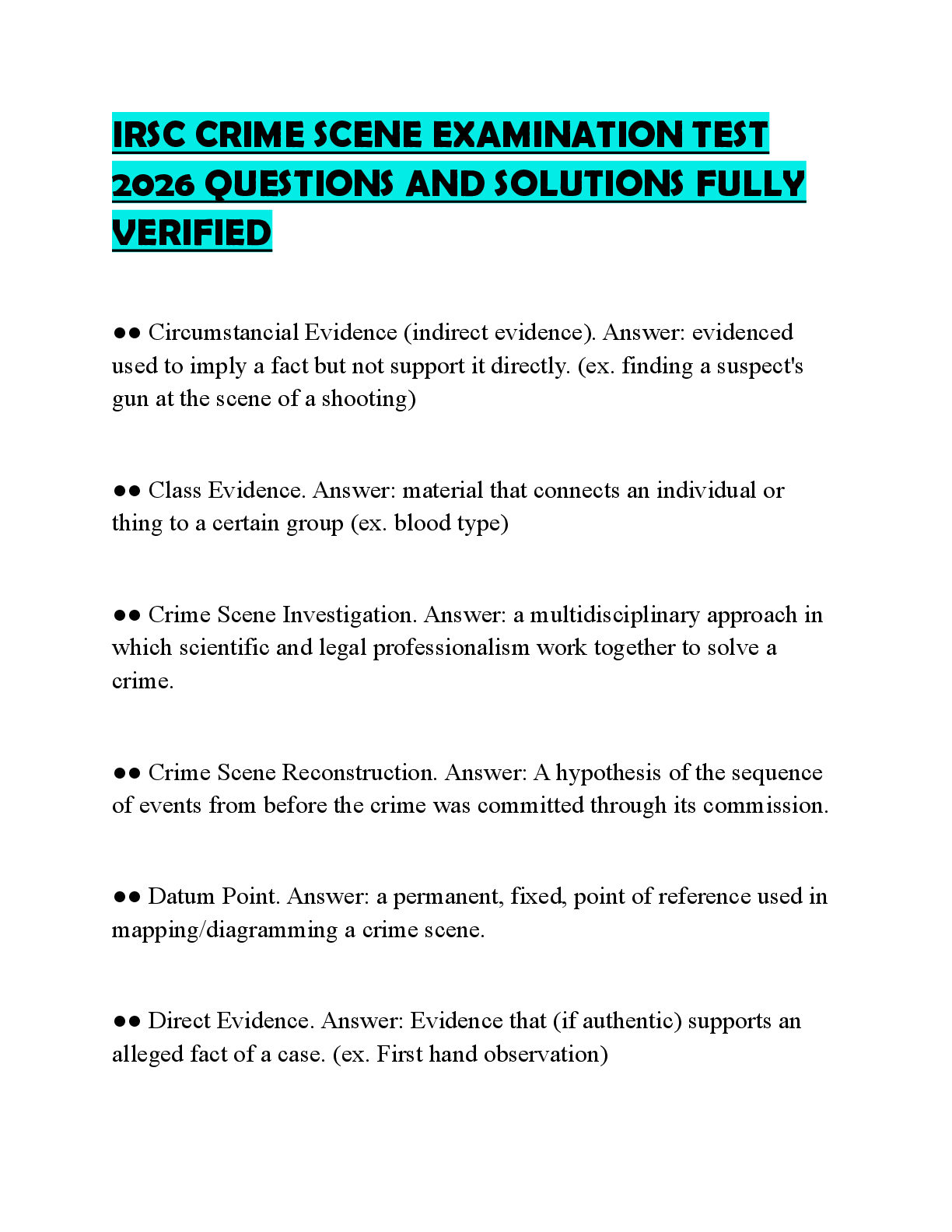
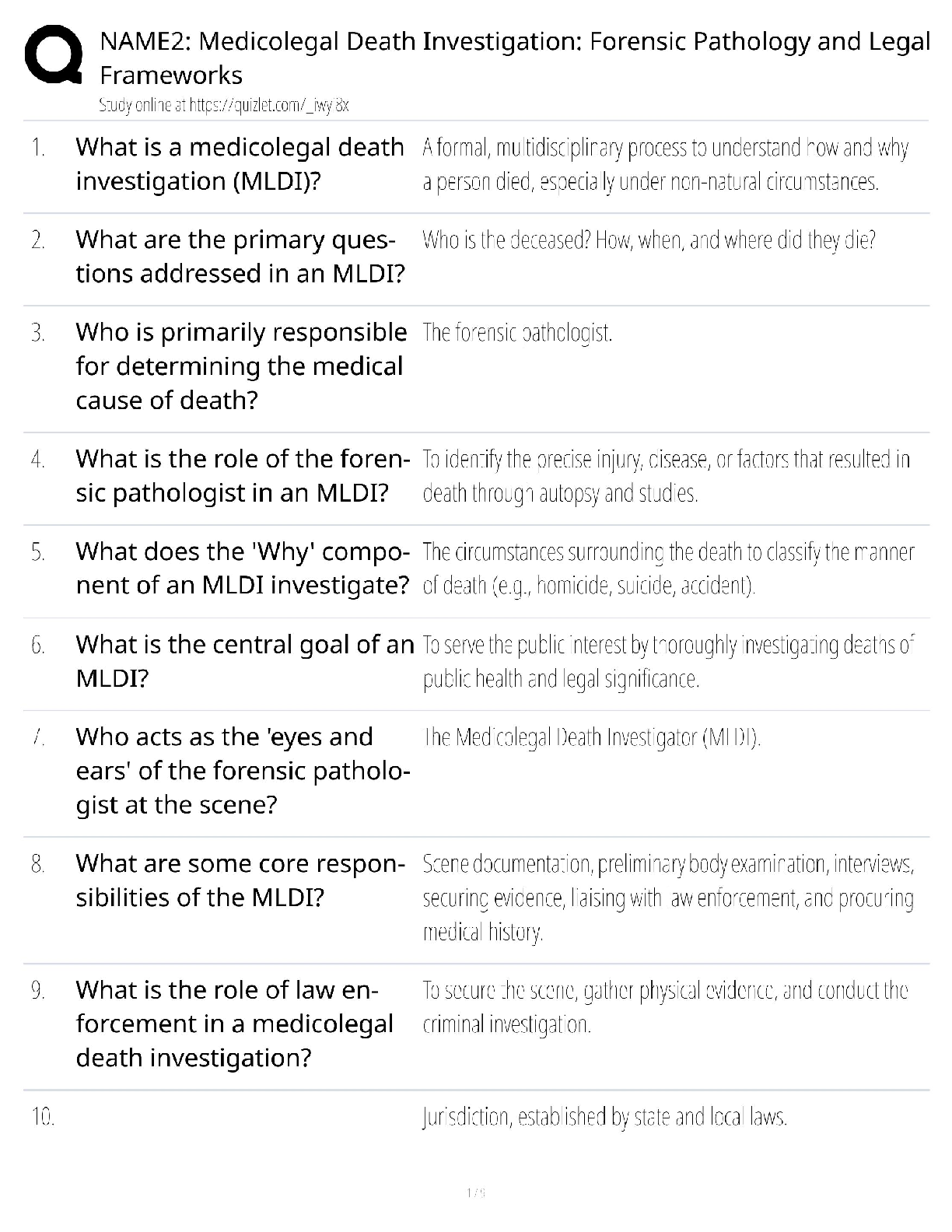
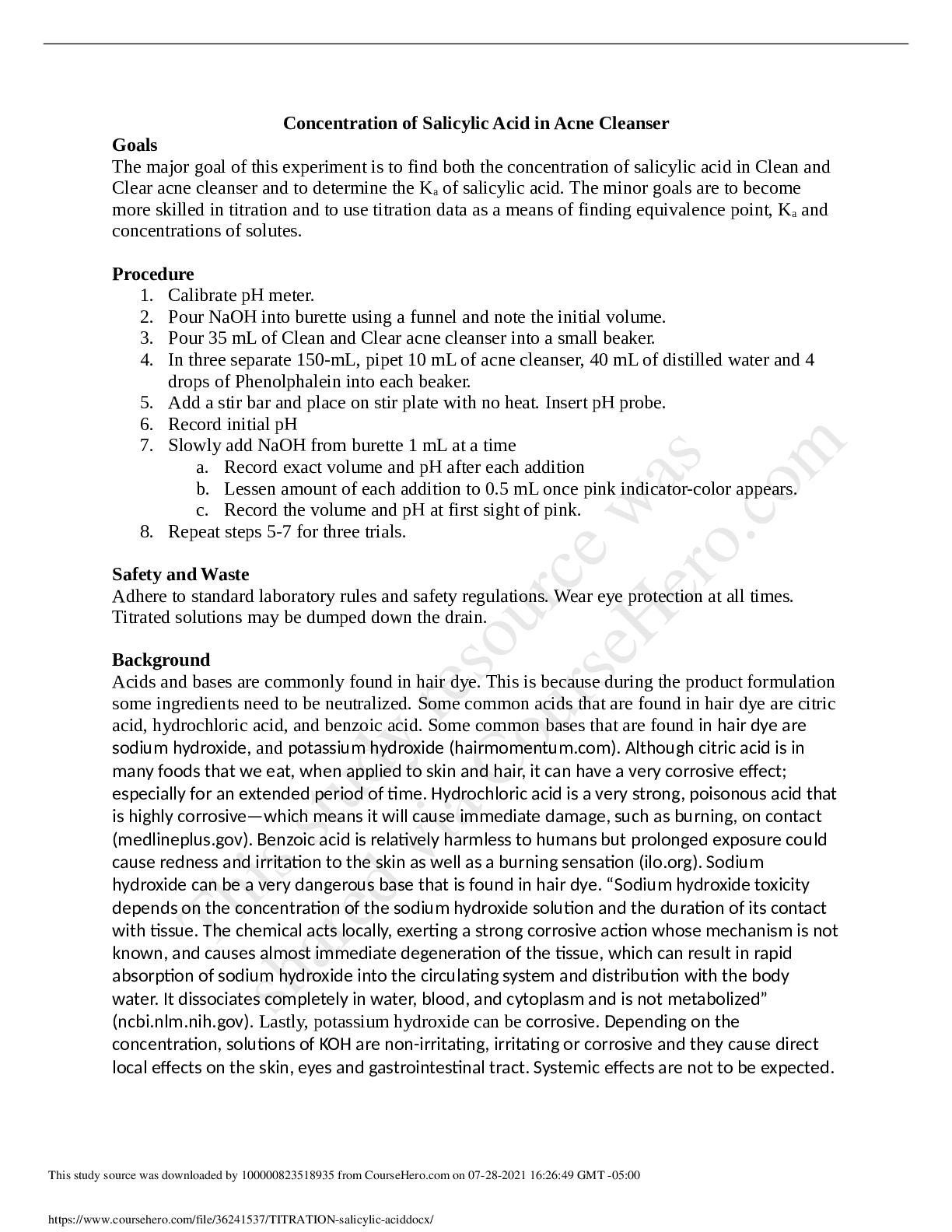
Forensic Science > Lab Report > Bullet Comparison Microscope Lab 2 (All)
Bullet Comparison Microscope Lab 2
Document Content and Description Below
Last updated: 6 months ago
Preview 1 out of 6 pages
Instant download

Buy this Document to get the Full Access Instantly
Provided by Students Who Aced it
We Verify Document Content to Gurantee Accuracy
Reviews( 0 )
Document information
Connected school, study & course
About the document
Uploaded On
Jun 23, 2021
Number of pages
6
Written in
All

Additional information
This document has been written for:
Uploaded
Jun 23, 2021
Downloads
0
Views
147
Topic Tags
Recommended For You
Get more on Lab Report »
Guide to Computer Forensics and Investigations, 6e Bill Nelson...
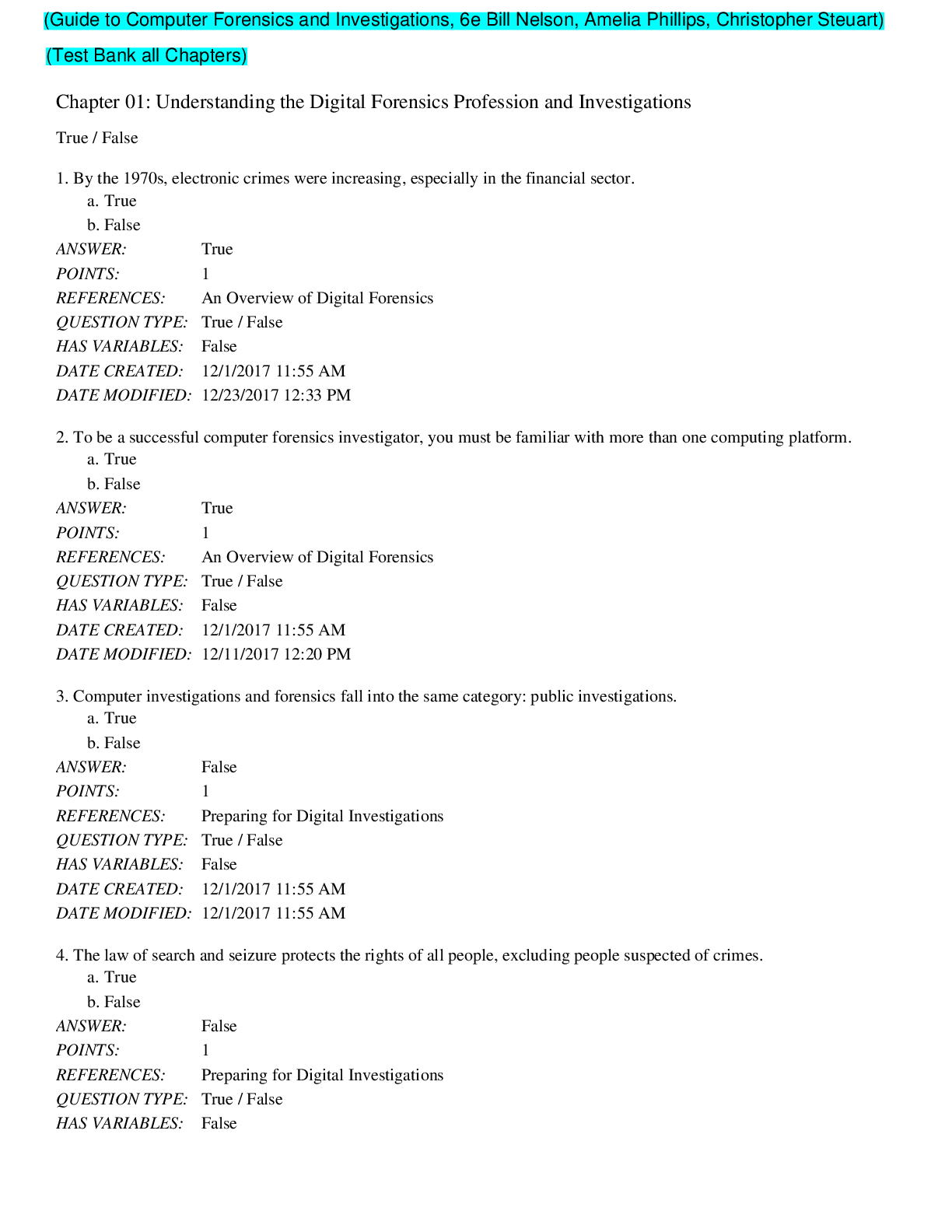
Guide to Computer Forensics and Investigations, 6e Bill Nelson...
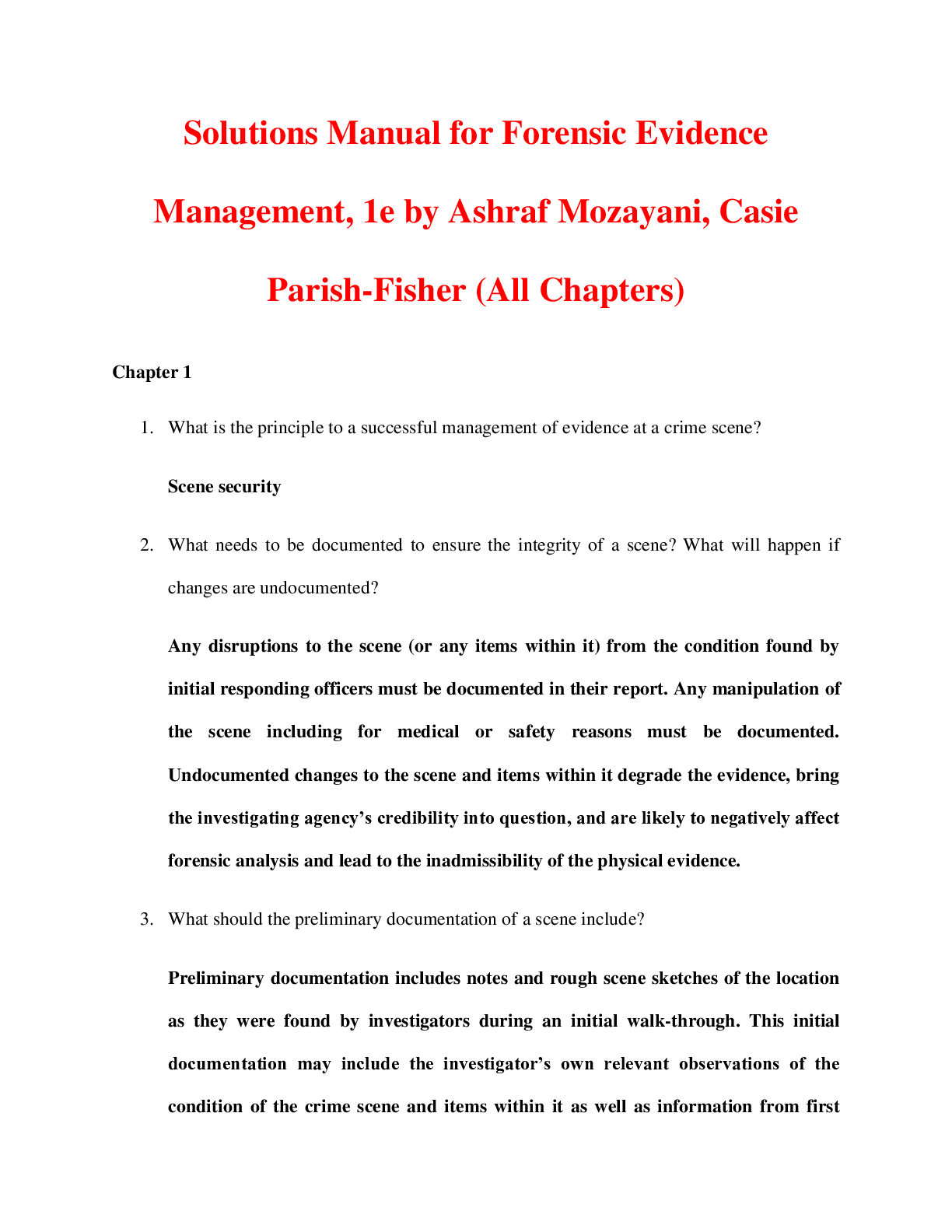
Forensic Evidence Management, 1e by Ashraf Mozayani, Casie Par...
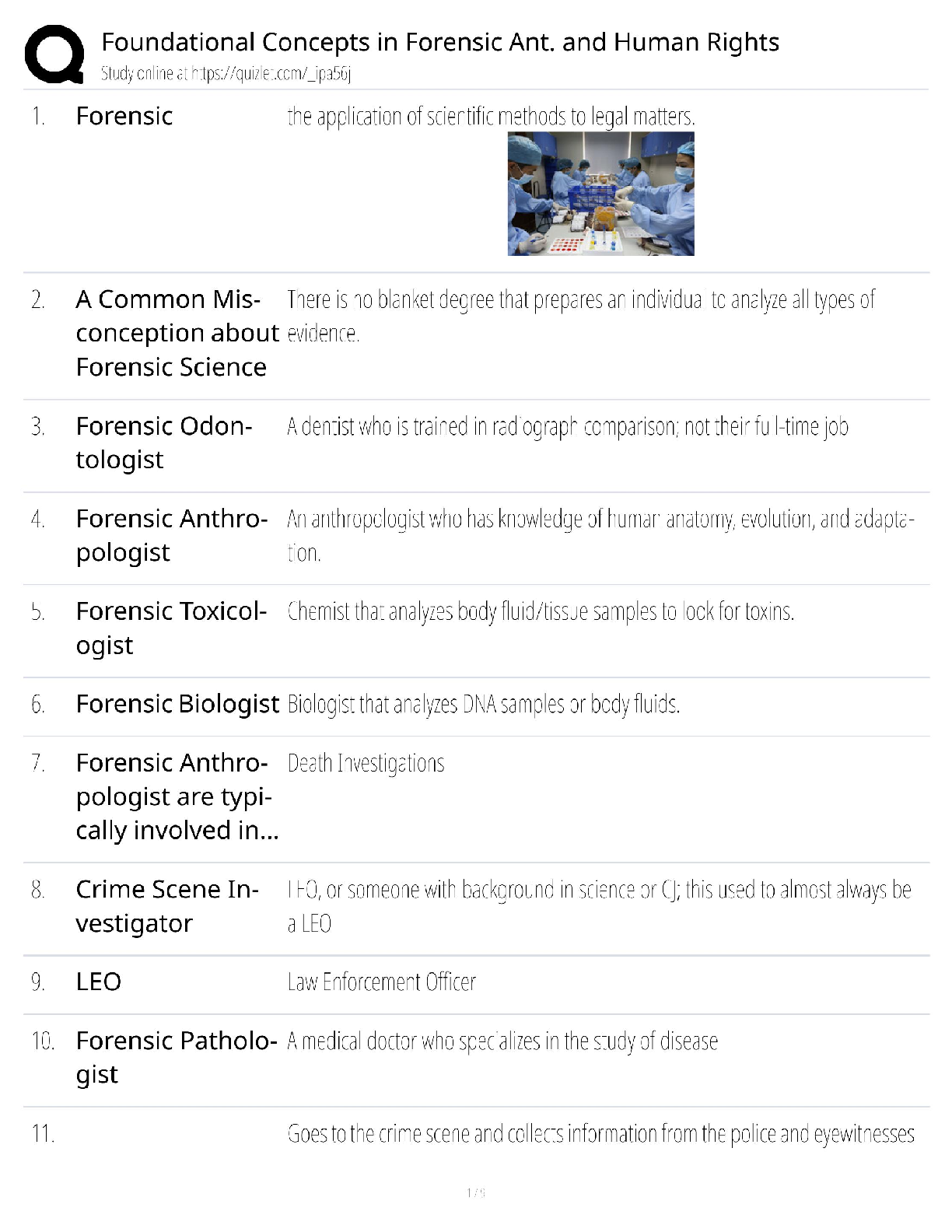
ANTH 450 Foundational Concepts in Forensic Anth. & Human Right...
Test Bank for Forensic Psychology Crime, Justice, Law, Interve...
TEST BANK FORENSIC SCIENCE An Introduction to Scientific and I...

Test Bank for Forensic Science The Basics, 4th Edition by Kath...
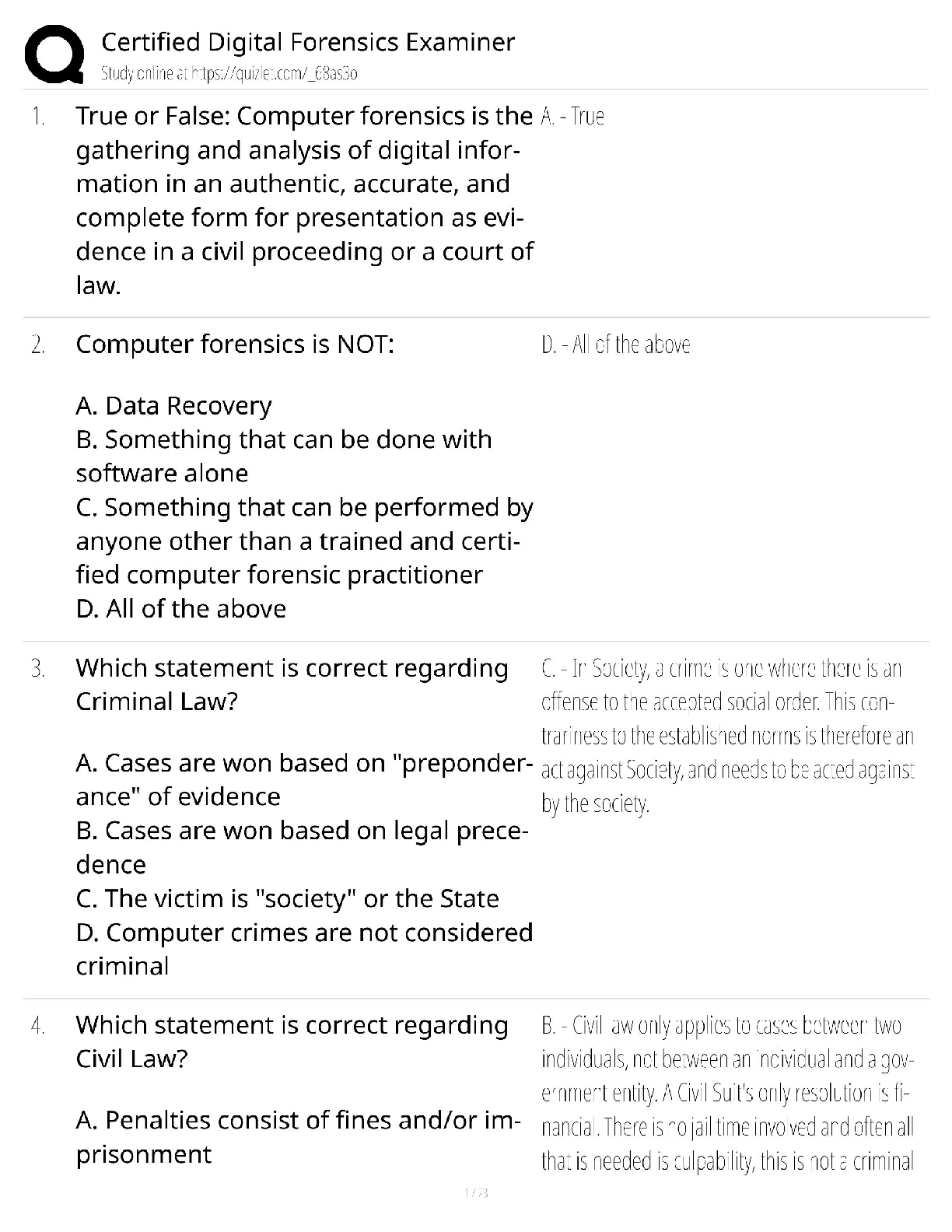
Certified Digital Forensics Examiner / CDFE Exam Prep / Study...
Solutions Manual For Applied Management Science Modeling Sprea...
eBook Introduction to Forensic Psychology Research and Applica...
![Preview of eBook [PDF] Carbohydrate Based Therapeutics 1st Edition By Adamo R., Lay L.](https://browseimages.nyc3.digitaloceanspaces.com/paper-images/2024/Sep/13/rzA3letd2024-09-13-09-5066e3e0c3d346d.png)
eBook [PDF] Carbohydrate Based Therapeutics 1st Edition By Ada...