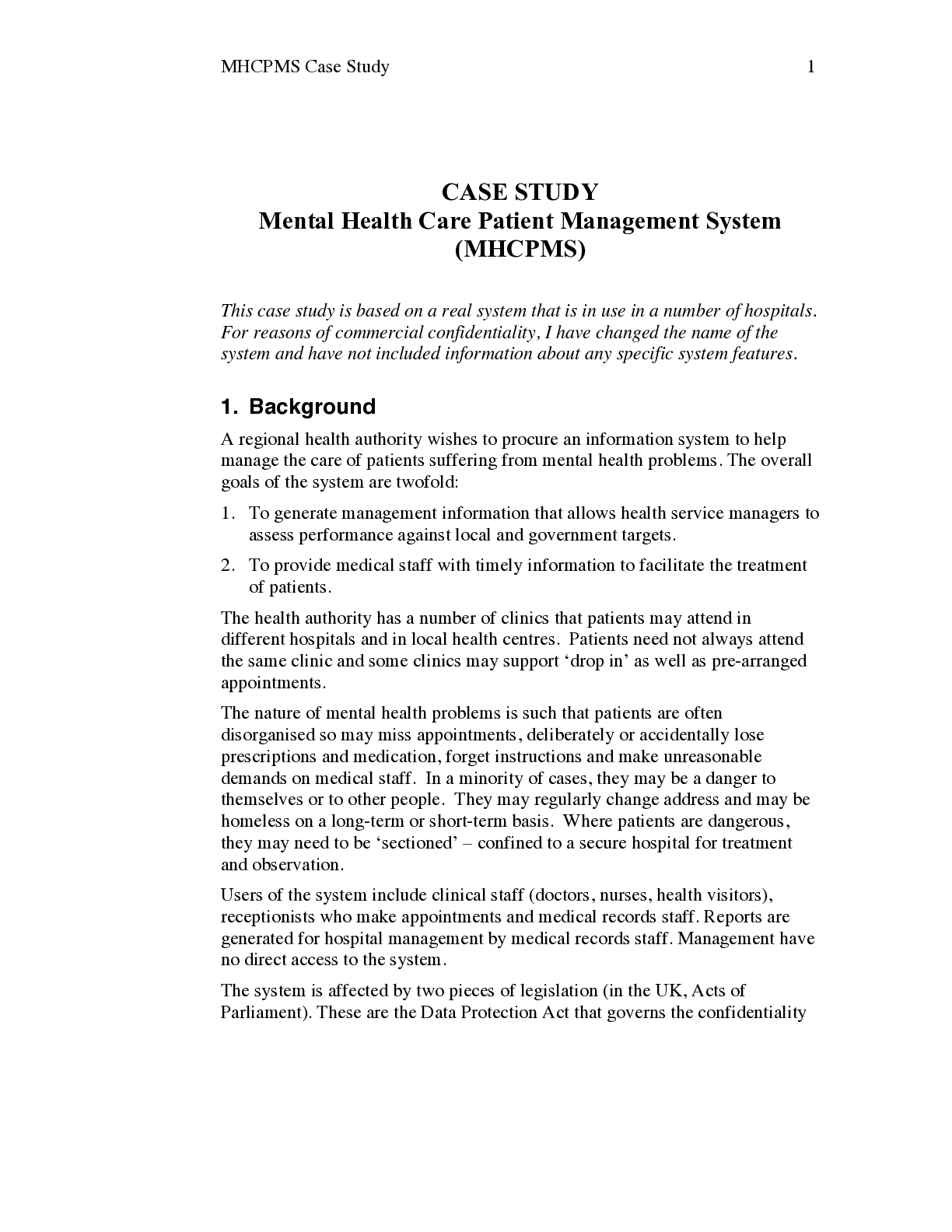
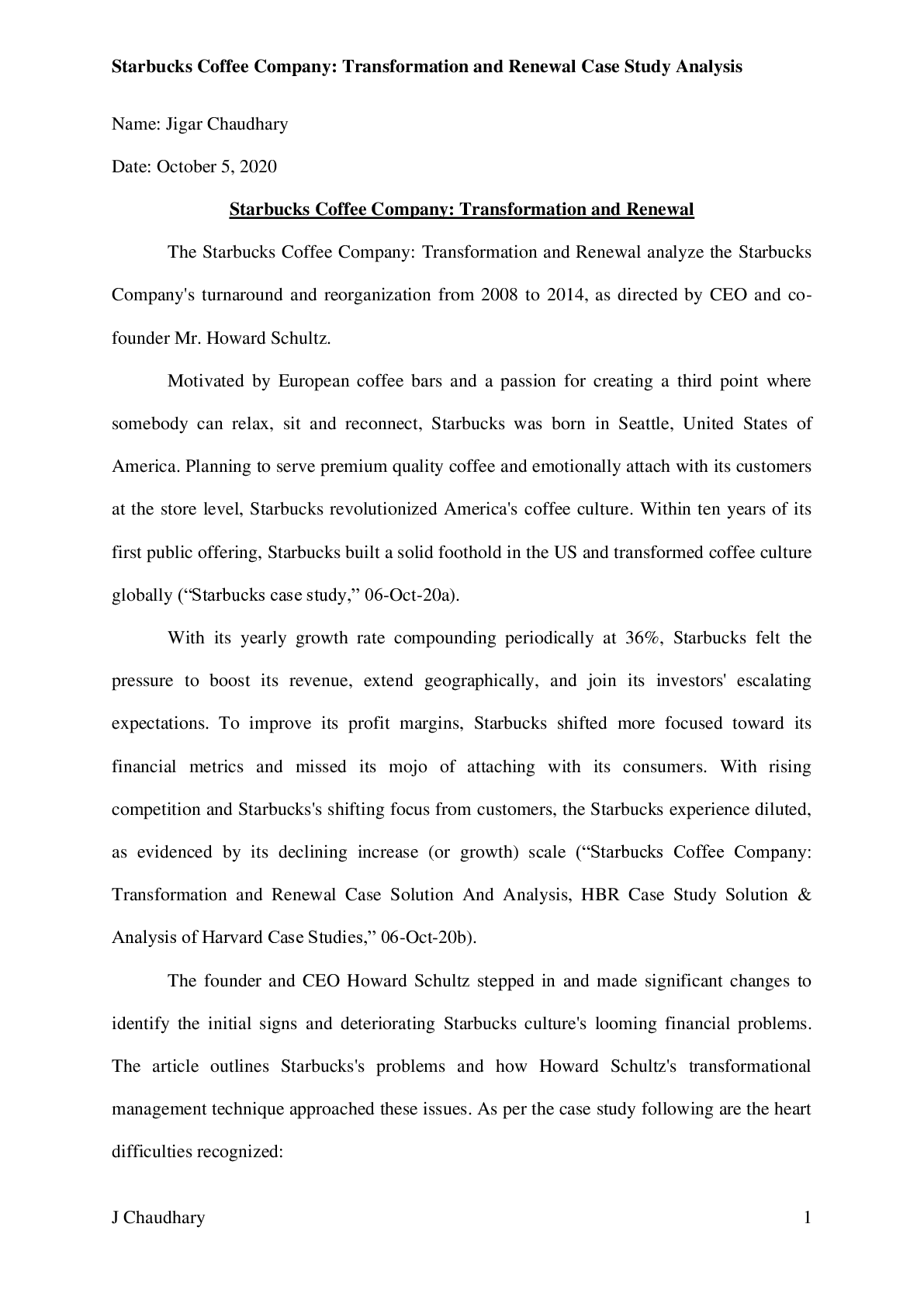
BioChemistry > CASE STUDY > Introduction to Biochemistry and Molecular Biology Case Study BCMB 3100 31276 (All)
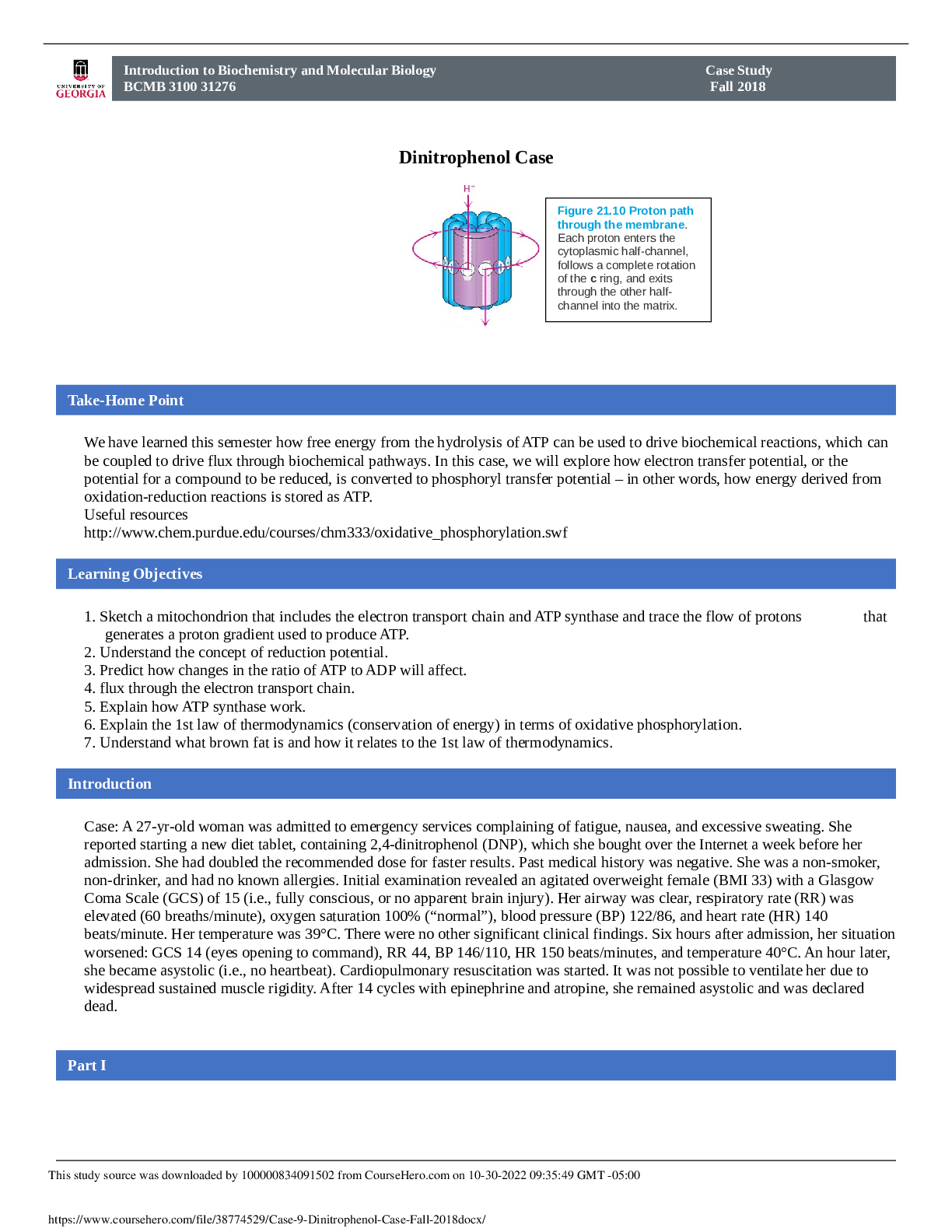
Introduction to Biochemistry and Molecular Biology Case Study BCMB 3100 31276
Document Content and Description Below
Last updated: 4 years ago
Preview 1 out of 5 pages
Instant download
Buy this Document to get the Full Access Instantly
Provided by Students Who Aced it
We Verify Document Content to Gurantee Accuracy
Reviews( 0 )
Document information
Connected school, study & course
About the document
Uploaded On
Oct 30, 2022
Number of pages
5
Written in
All

Additional information
This document has been written for:
Uploaded
Oct 30, 2022
Downloads
0
Views
140
Topic Tags
Recommended For You
Get more on CASE STUDY »
Case 9 - Dinitrophenol Case Spring 2019 University Of Georgia...
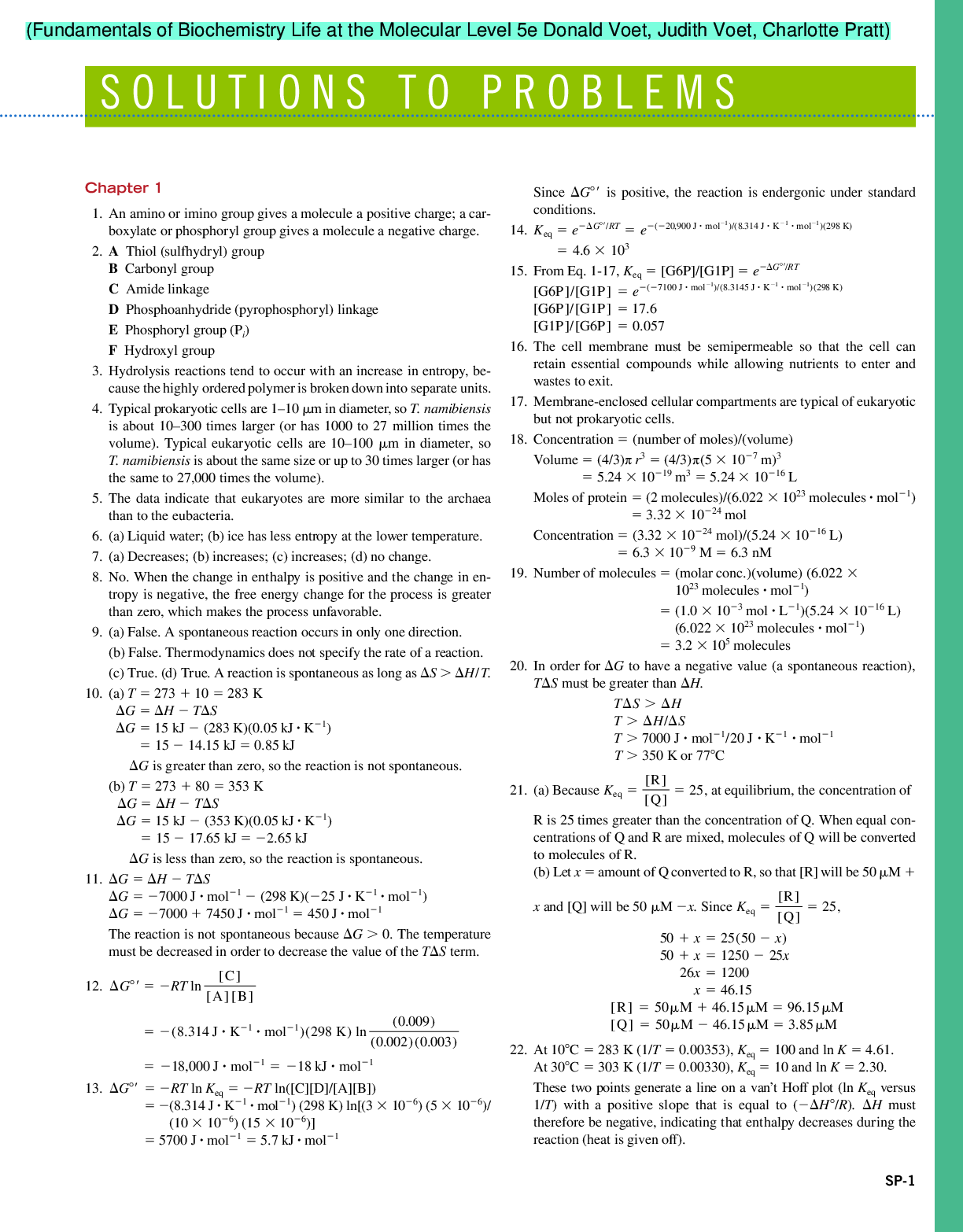
Fundamentals of Biochemistry Life at the Molecular Level 5e Do...

Fundamentals of Biochemistry Life at the Molecular Level 5e Do...

Fundamentals of Biochemistry: Life at the Molecular Level, 5th...
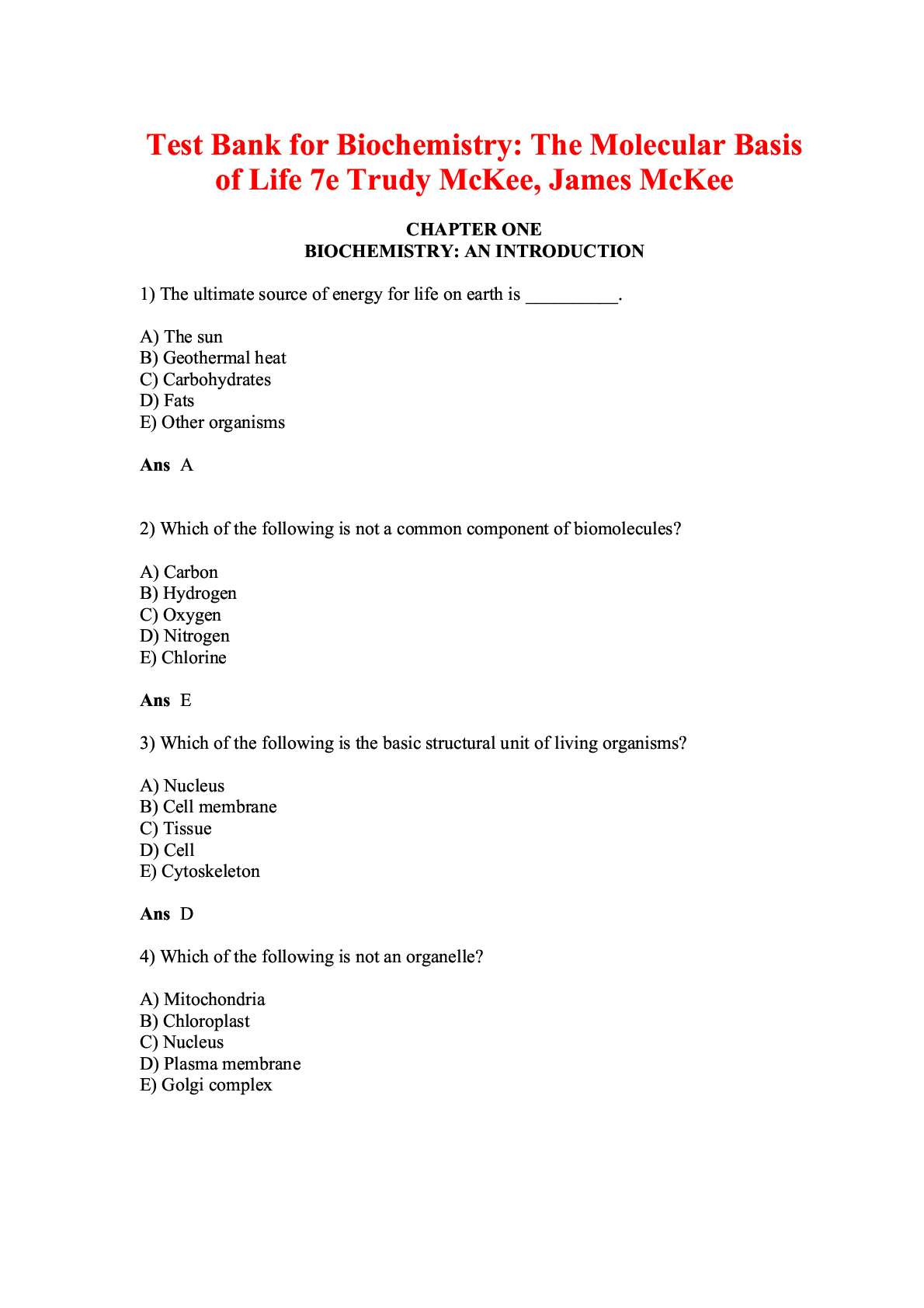
Test Bank for Biochemistry: The Molecular Basis of Life 7th Ed...
SOLUTIONS MANUAL for Biochemistry 1st Edition by Roger Miesfel...
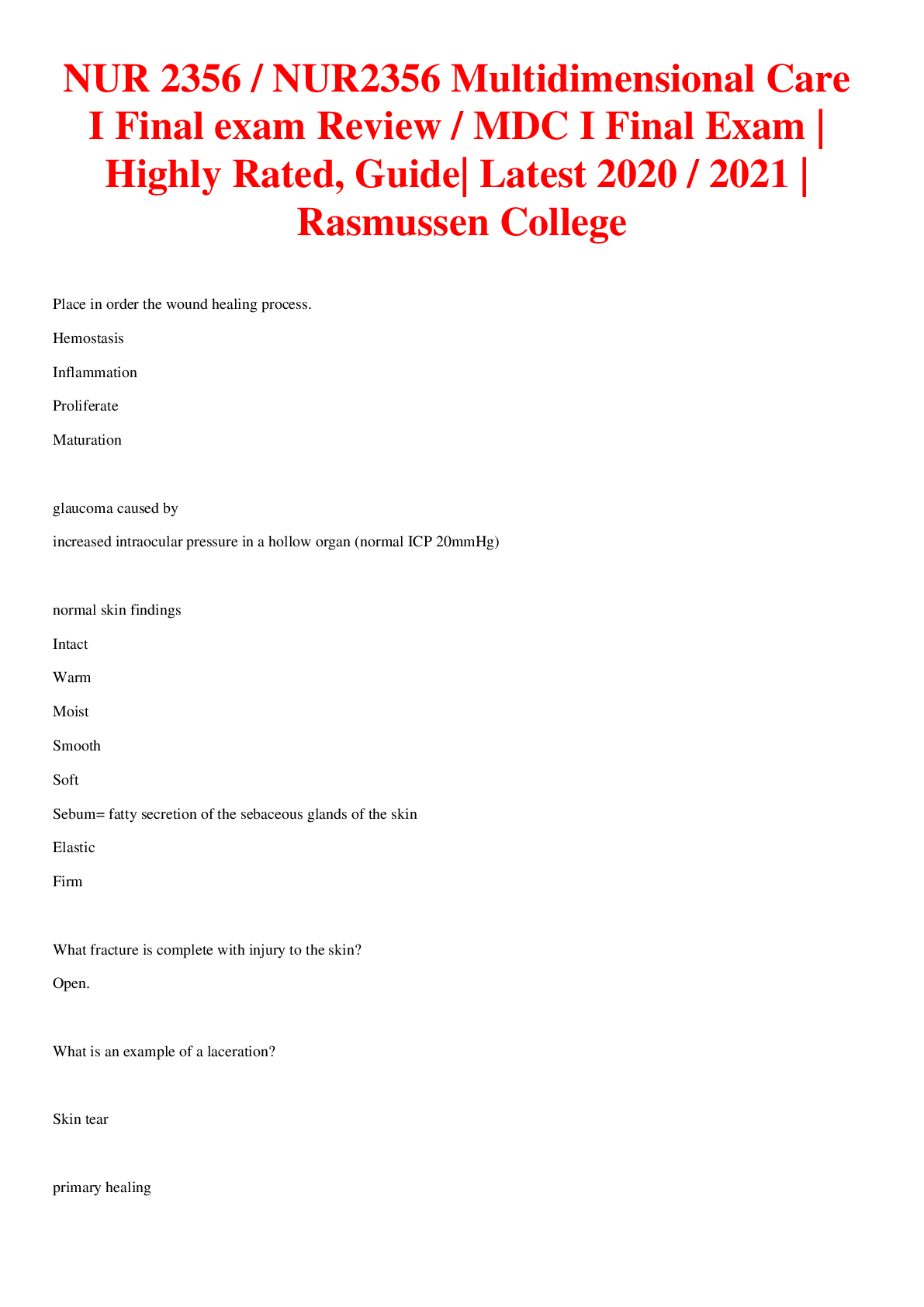
NUR 2356 - NUR2356 Multidimensional Care I Final exam Review /...
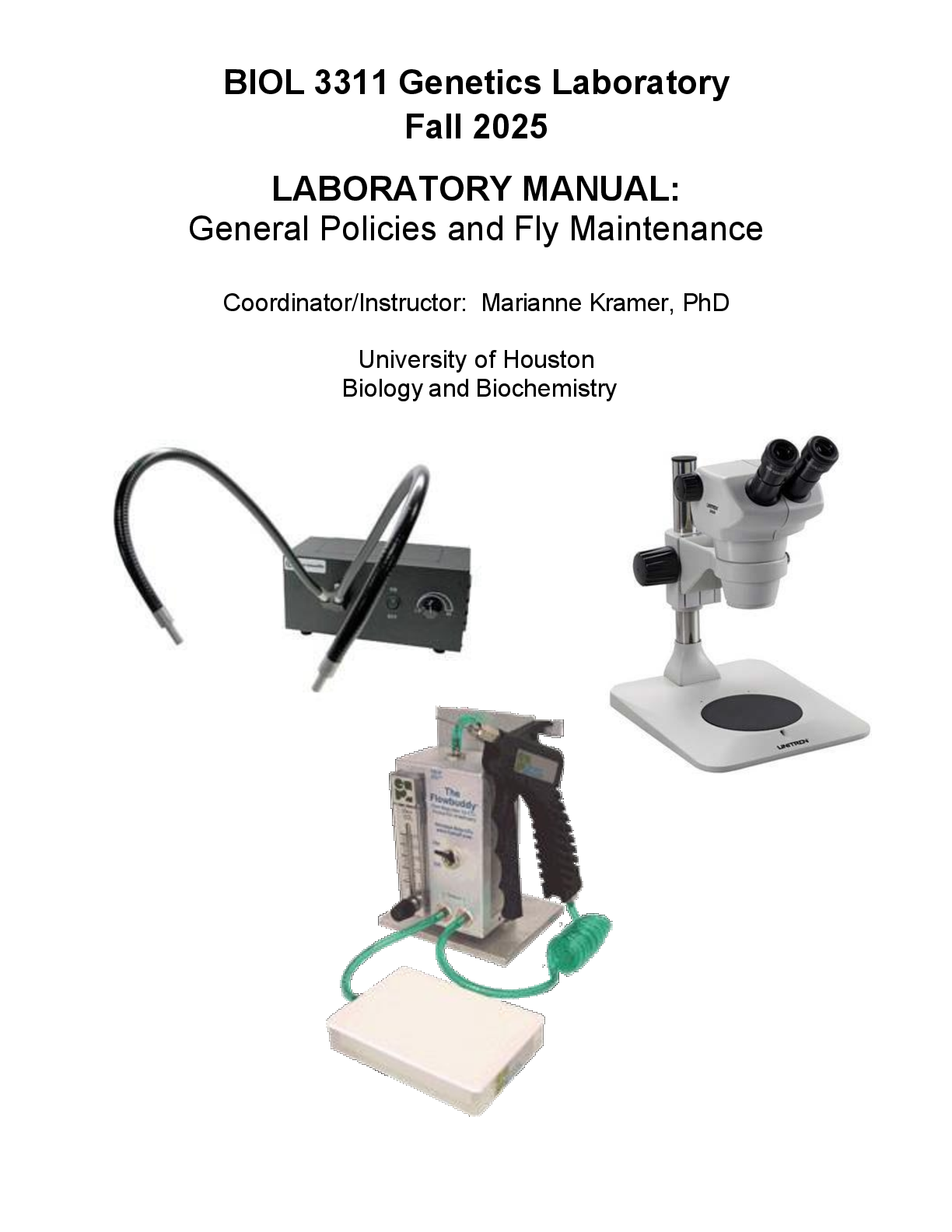
Exam #3 PN 2 Know what the left temporal lobe of brain affects...

Summary PN 2 STUDY REVIEW FOR FINAL EXAM (complete solution gu...



BIOCHEM C785 Kaleys Comprehensive Study Guide final (Completed...

.png)