Material Science > QUESTIONS & ANSWERS > FINAL REVIEW Stony Brook University ESG 332 (All)
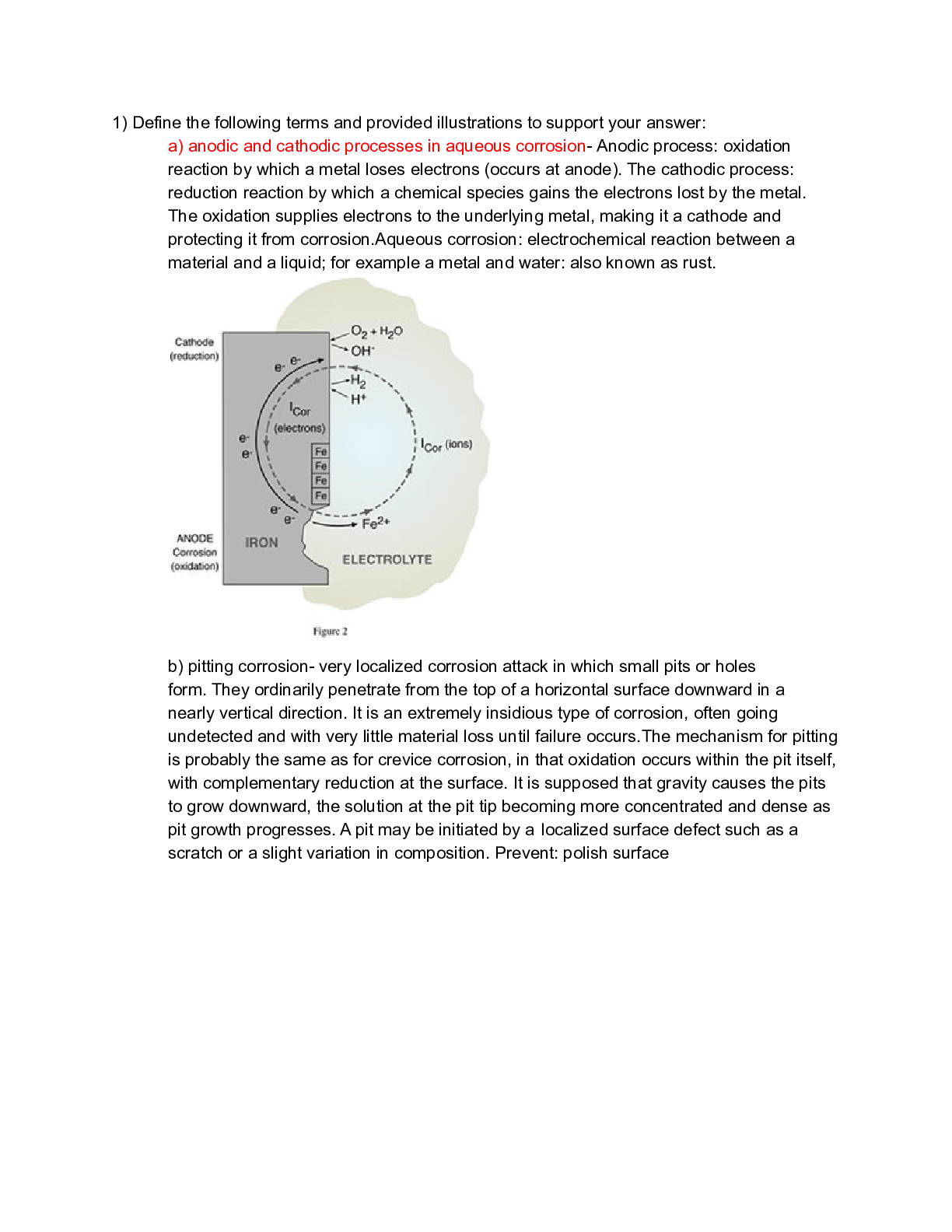
FINAL REVIEW Stony Brook University ESG 332
Document Content and Description Below
Last updated: 3 years ago
Preview 1 out of 22 pages
Instant download

Buy this Document to get the Full Access Instantly
Provided by Students Who Aced it
We Verify Document Content to Gurantee Accuracy
Reviews( 0 )
Document information
Connected school, study & course
About the document
Uploaded On
Dec 13, 2022
Number of pages
22
Written in
All

Additional information
This document has been written for:
Uploaded
Dec 13, 2022
Downloads
0
Views
177
Topic Tags
Recommended For You
Get more on QUESTIONS & ANSWERS »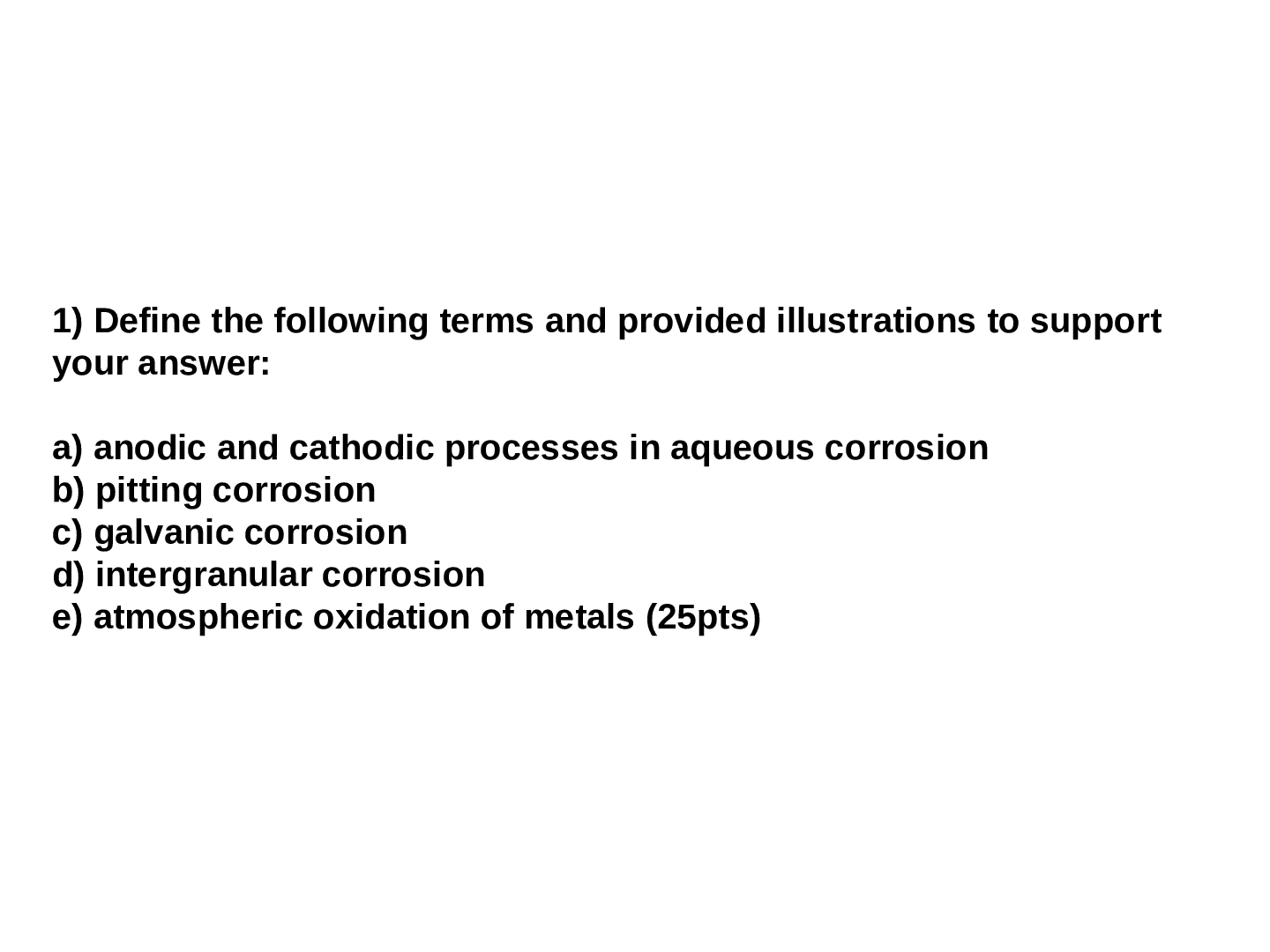
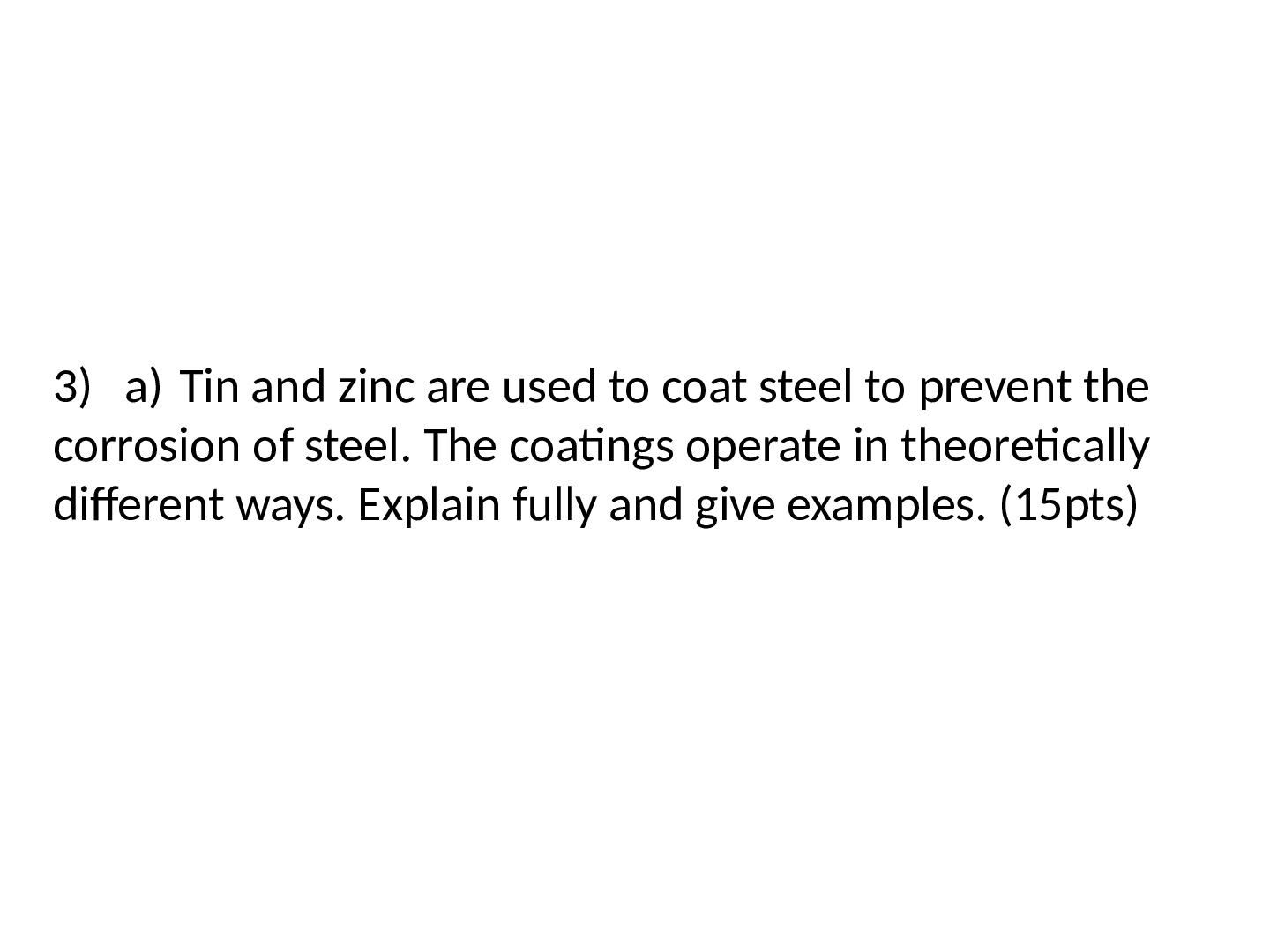
Midterm #3 Questions 3-6 - Stony Brook University ESG 332

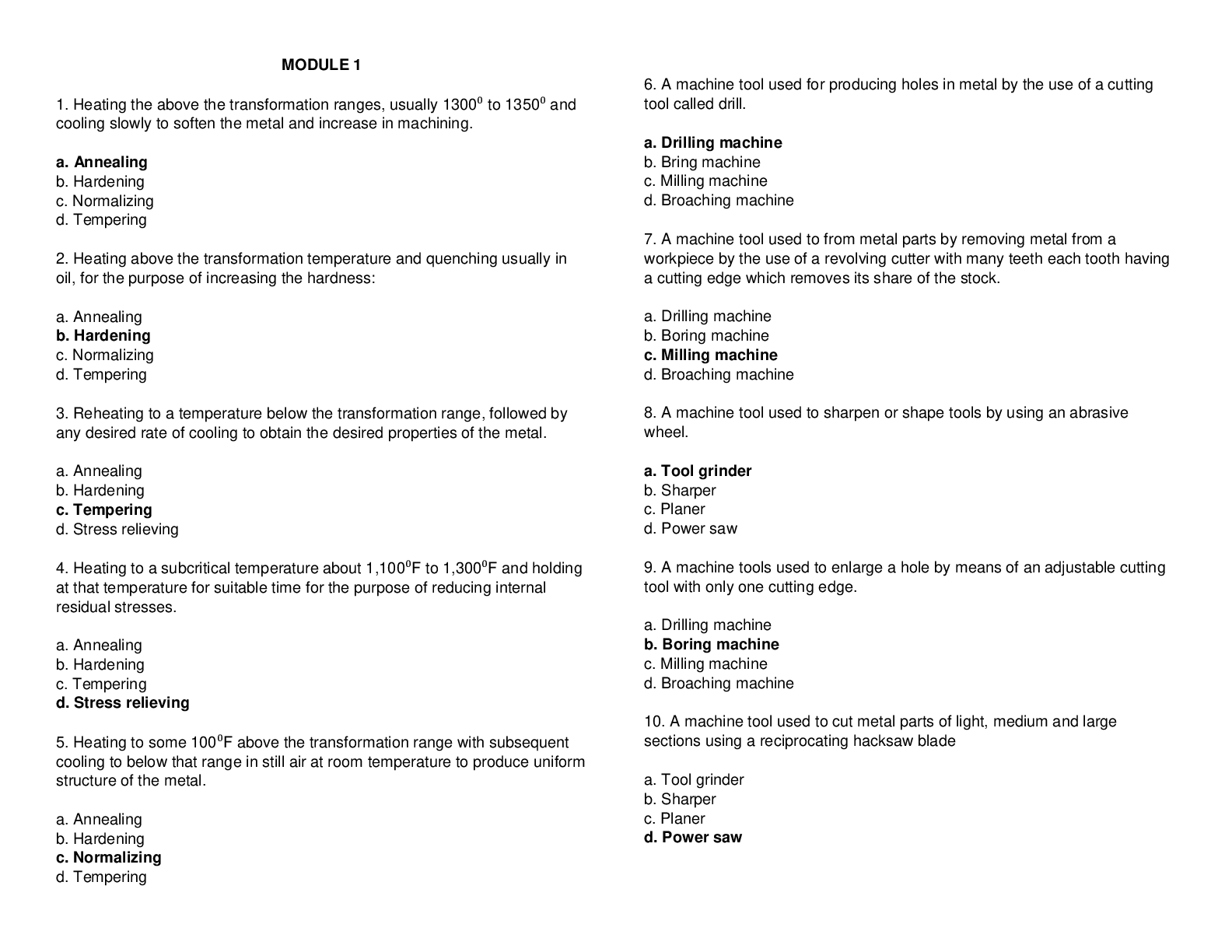
Module-1-5 MATERIAL SCIENCE < 100 QUESTIONS WITH 100% CORRECT...

Introduction to Materials Science and Engineering A Guided Inq...

Fundamentals of Materials Science and Engineering An Integrate...
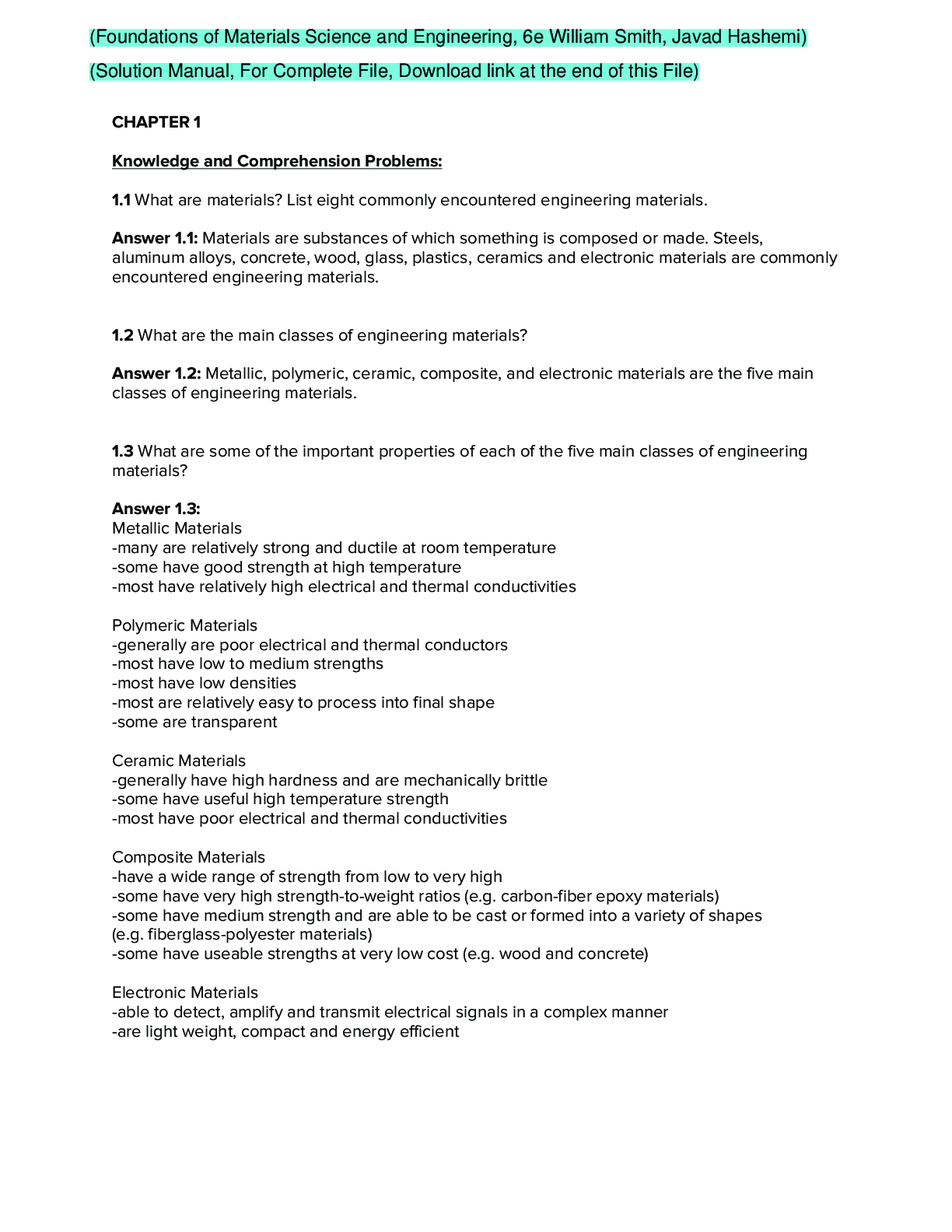
Foundations of Materials Science and Engineering, 6th Edition...
eBook Silicon, From Sand to Chips 2. Microelectronic Chips, So...
eBook Pavement Design and Materials 2nd Edition By A.T. Papagi...


Science Review ALL ANSWERS 100% CORRECT SPRING FALL-2022/2023...
.png)
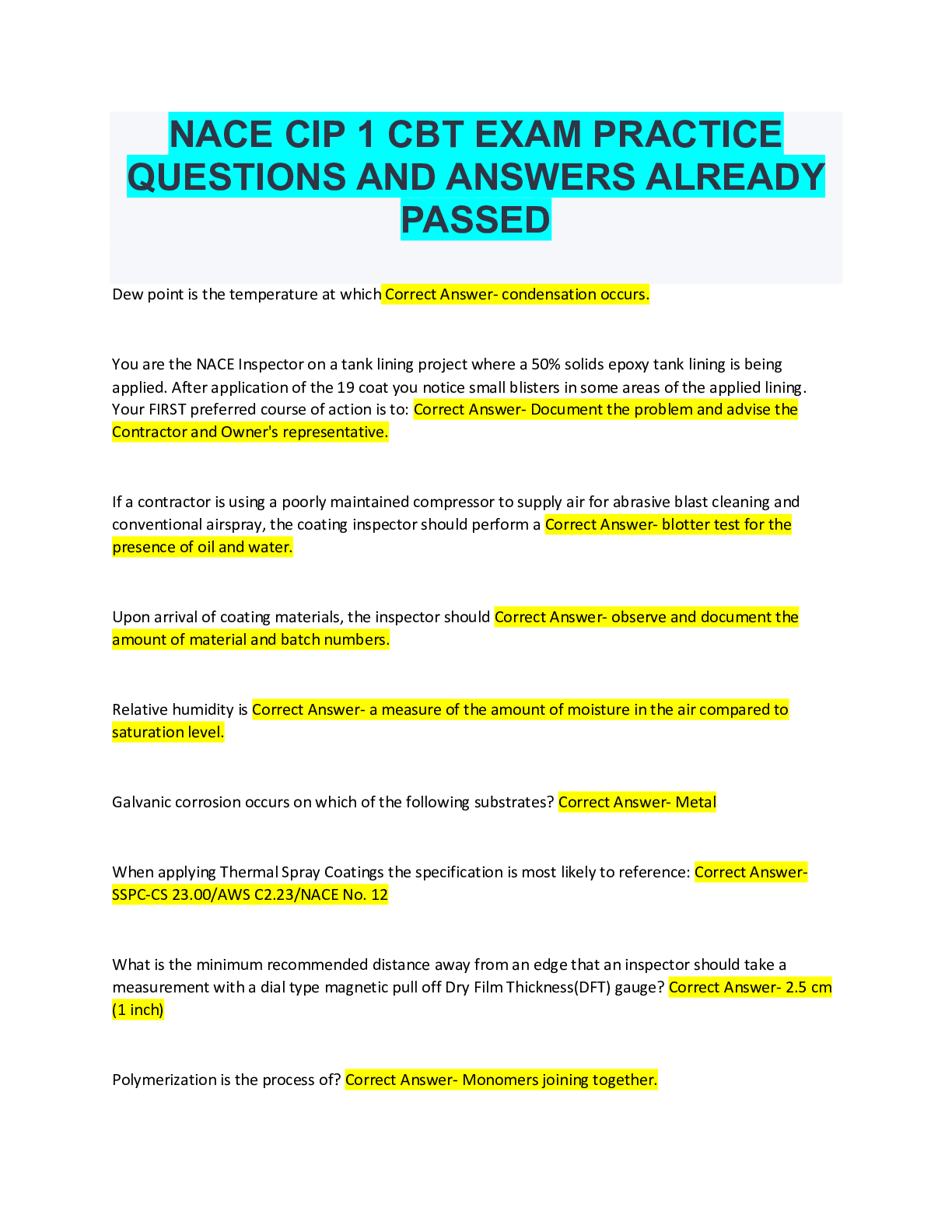
NACE CIP 1 CBT EXAM PRACTICE QUESTIONS AND ANSWERS ALREADY PAS...

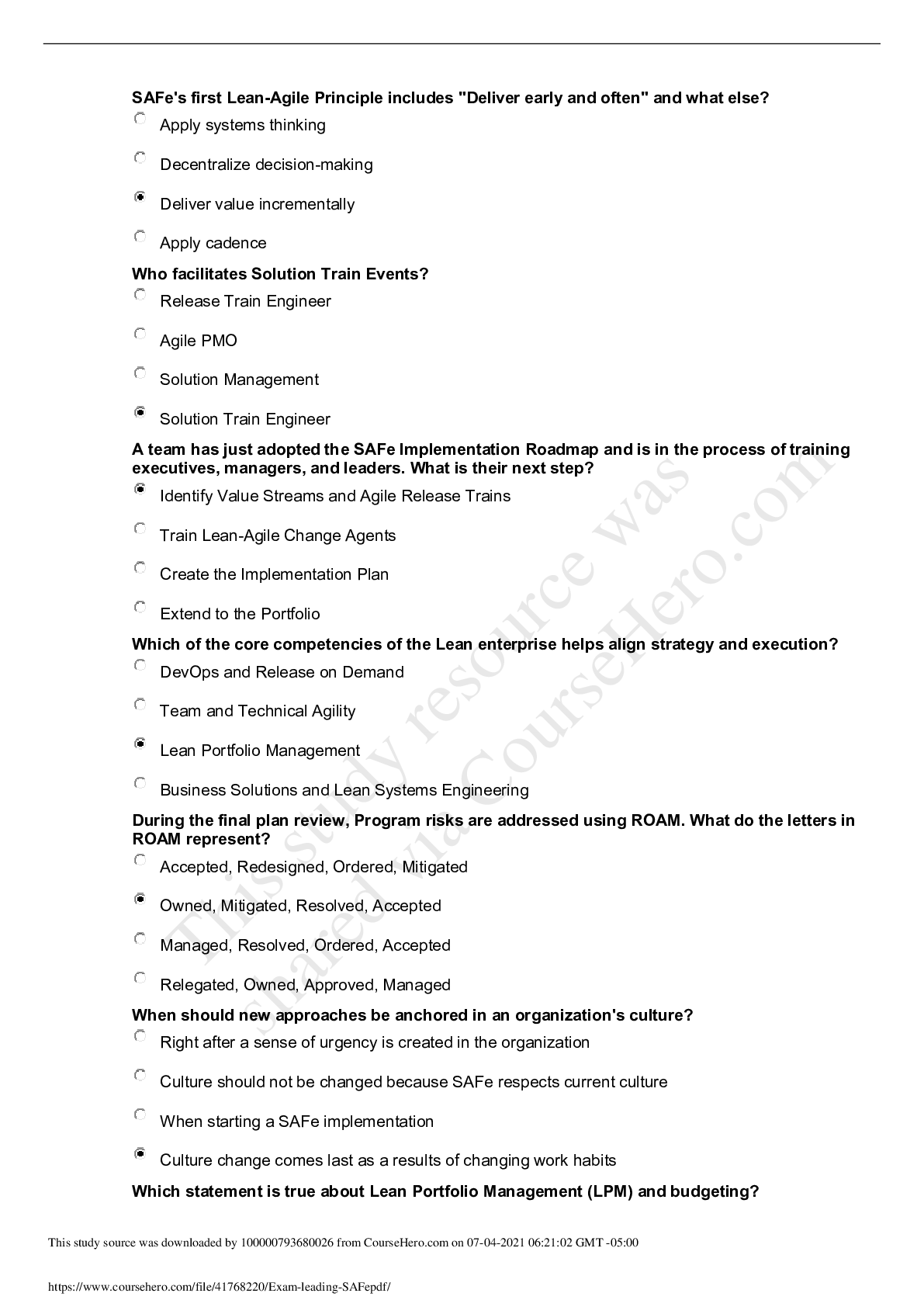
European University at Saint Petersburg MATH 101 Exam leading...




.png)


.png)


