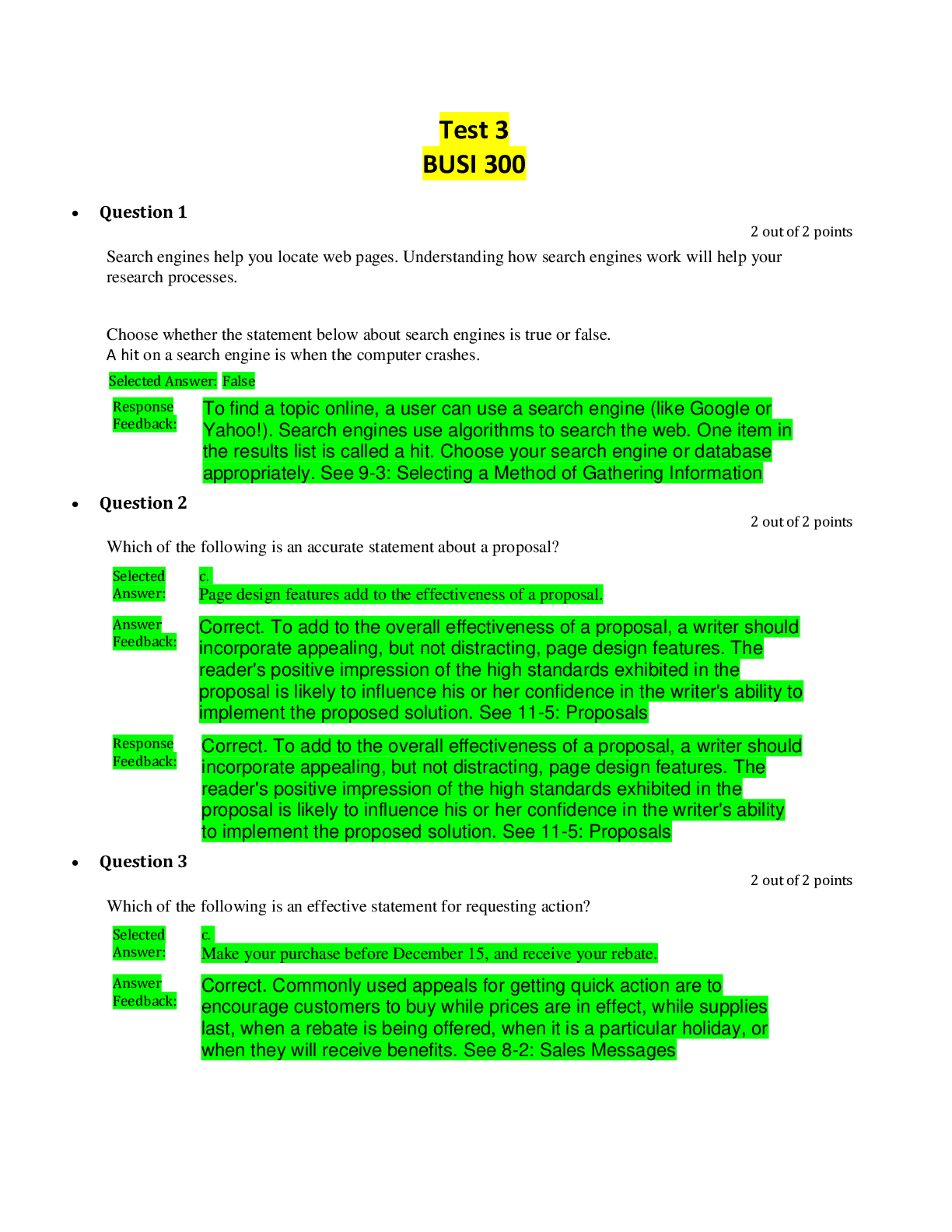
Counseling > Quiz > HSCO 509 Quiz 1; (Set 1) Latest, Liberty University answers complete solutions. (All)
HSCO 509 Quiz 1; (Set 1) Latest, Liberty University answers complete solutions.
Document Content and Description Below
Last updated: 1 year ago
Preview 1 out of 4 pages
Instant download
Buy this Document to get the Full Access Instantly
Provided by Students Who Aced it
We Verify Document Content to Gurantee Accuracy
Reviews( 0 )
Document information
Connected school, study & course
About the document
Uploaded On
Feb 24, 2020
Number of pages
4
Written in
All

Additional information
This document has been written for:
Uploaded
Feb 24, 2020
Downloads
0
Views
267
Topic Tags
Recommended For You
Get more on Quiz »
HSCO 509 Quiz 2 (Set 2) Liberty University answers complete so...

HSCO 509 Quiz 2 ; Liberty University answers complete solution...

HSCO 509 Quiz 3; Liberty University answers complete solutions...

HSCO 509 Quiz 4 Liberty University answers complete solutions,...


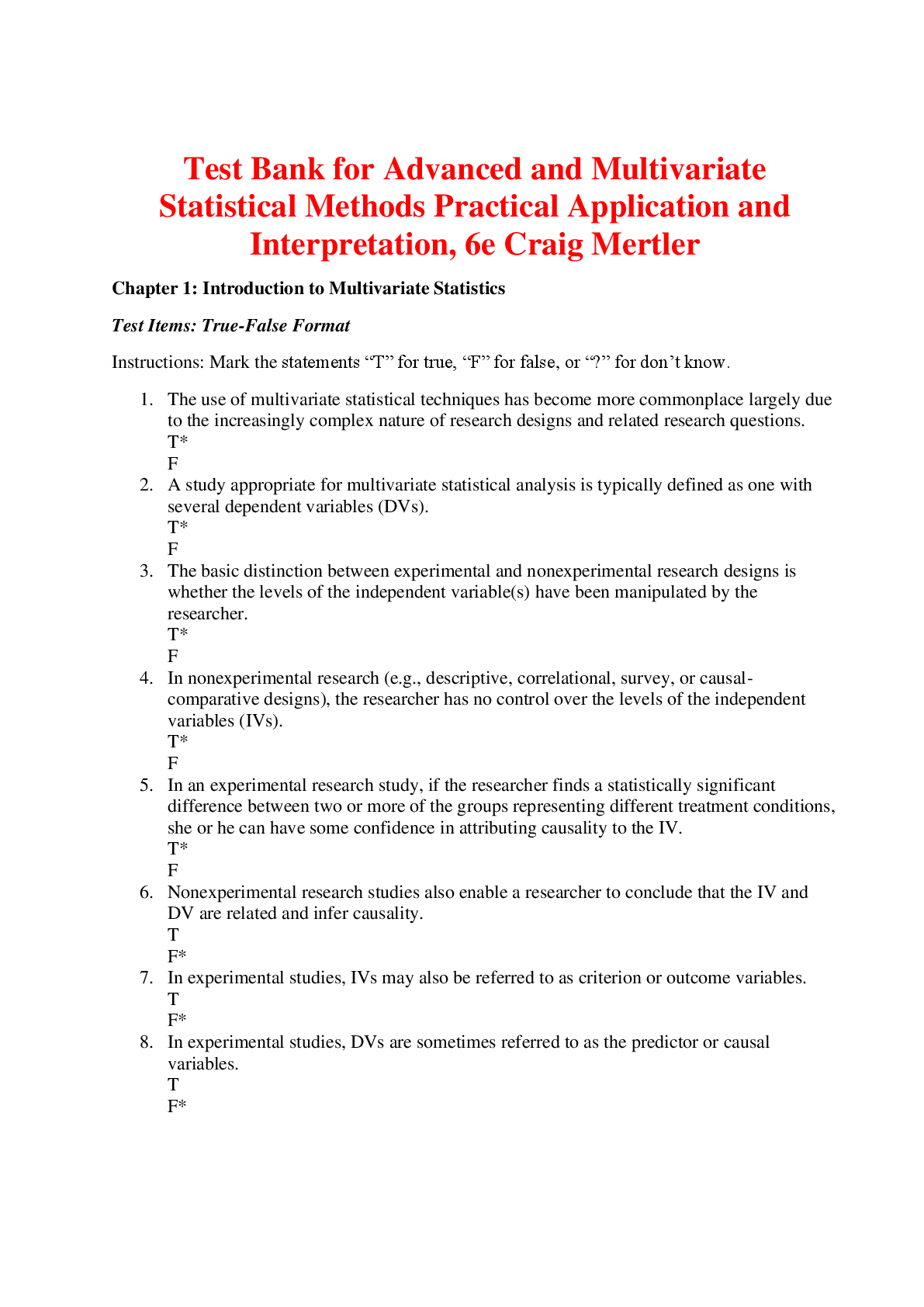
Test Bank for Advanced and Multivariate Statistical Methods Pr...
Addressing Cultural Complexities in Counseling and Clinical Pr...
Using Mental Imagery in Counselling and Psychotherapy A Guide...
Learning the Art of Helping Building Blocks and Techniques 8th...
Solution Manual for Theory and Practice of Counseling and Psyc...
Test Bank for Introduction to Corrections 3rd Edition By Rober...
eBook Abnormal Psychology An Integrative Approach 8th Edition...
eBook (EPUB) Clinical Mental Health Counseling 1st Edition By...
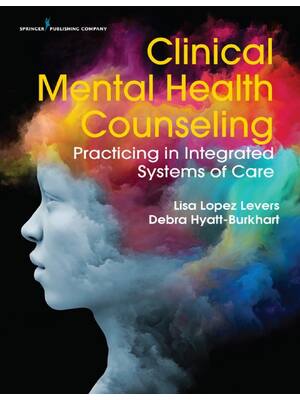
eBook (EPUB) Clinical Mental Health Counseling 1st Edition By...
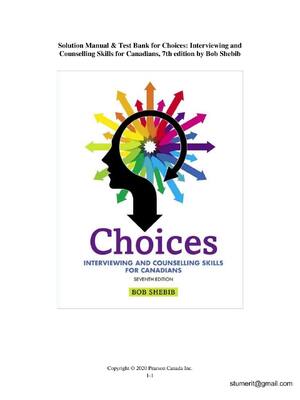
Solution Manual & Test Bank for Choices: Interviewing and Coun...
Instructor’s Manual and Test Bank for Foundations of Group Cou...
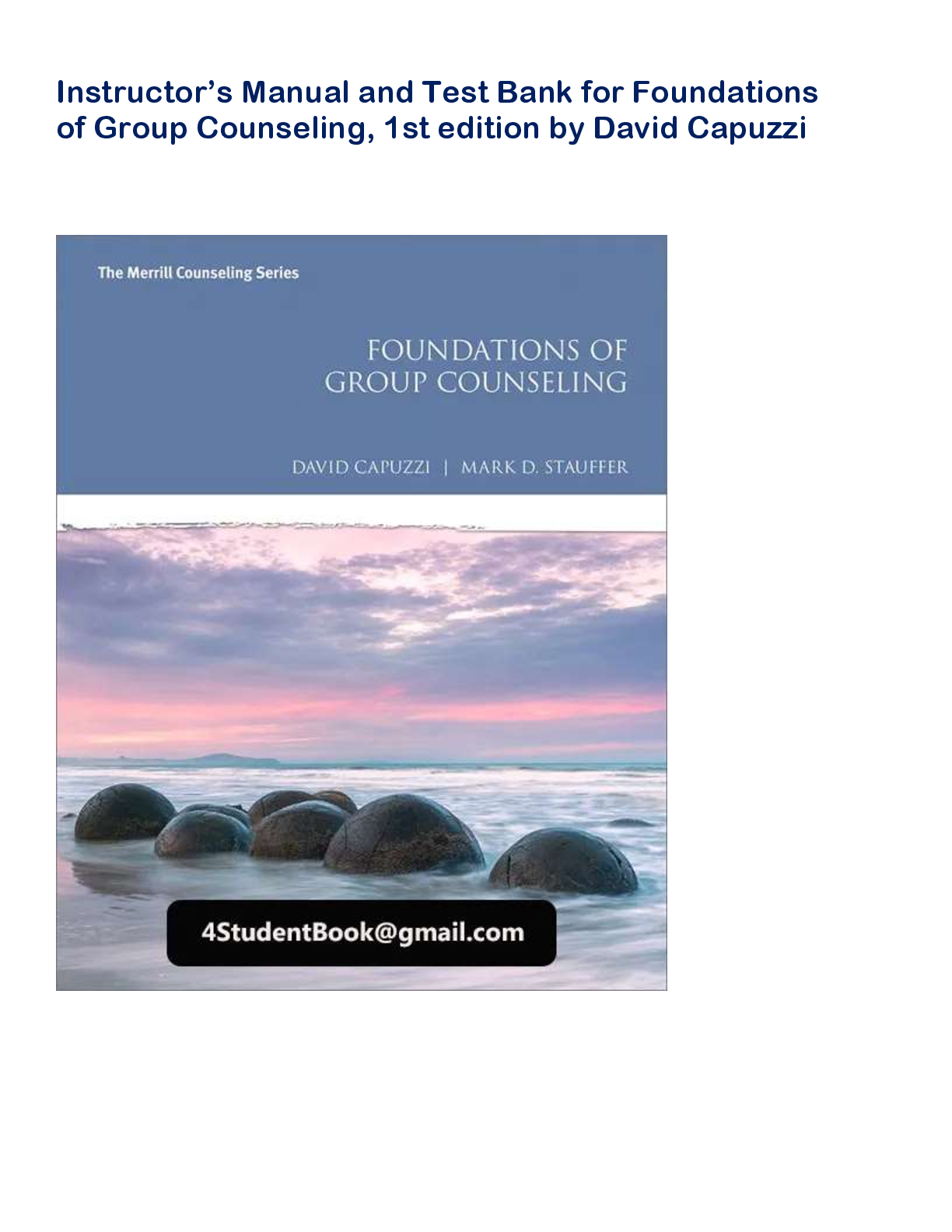
Instructor’s Manual and Test Bank for Foundations of Group Cou...