NURSING > EXAM > 2024 ATLS Module 12 Trauma in Pregnancy & Intimate Partner Violence Latest Questions With Complete G (All)
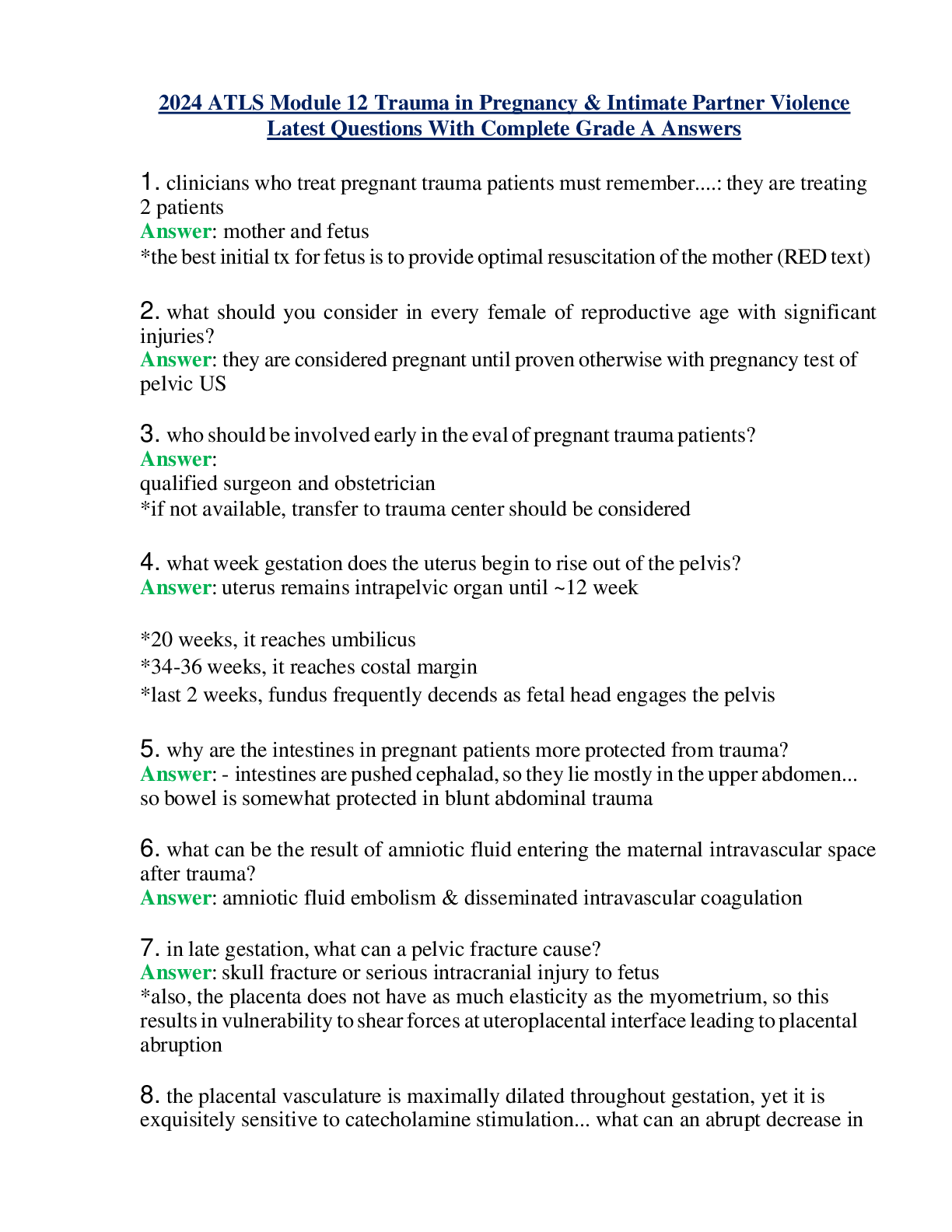
2024 ATLS Module 12 Trauma in Pregnancy & Intimate Partner Violence Latest Questions With Complete Grade A Answers
Document Content and Description Below
Last updated: 2 years ago
Preview 1 out of 5 pages
Instant download
Buy this Document to get the Full Access Instantly
Provided by Students Who Aced it
We Verify Document Content to Gurantee Accuracy
Reviews( 0 )
Document information
Connected school, study & course
About the document
Uploaded On
Apr 11, 2024
Number of pages
5
Written in
All

Additional information
This document has been written for:
Uploaded
Apr 11, 2024
Downloads
0
Views
73
Topic Tags
Recommended For You
Get more on EXAM »
NUR 2063 / NUR2063 Essentials of Pathophysiology Exam 1 Review...
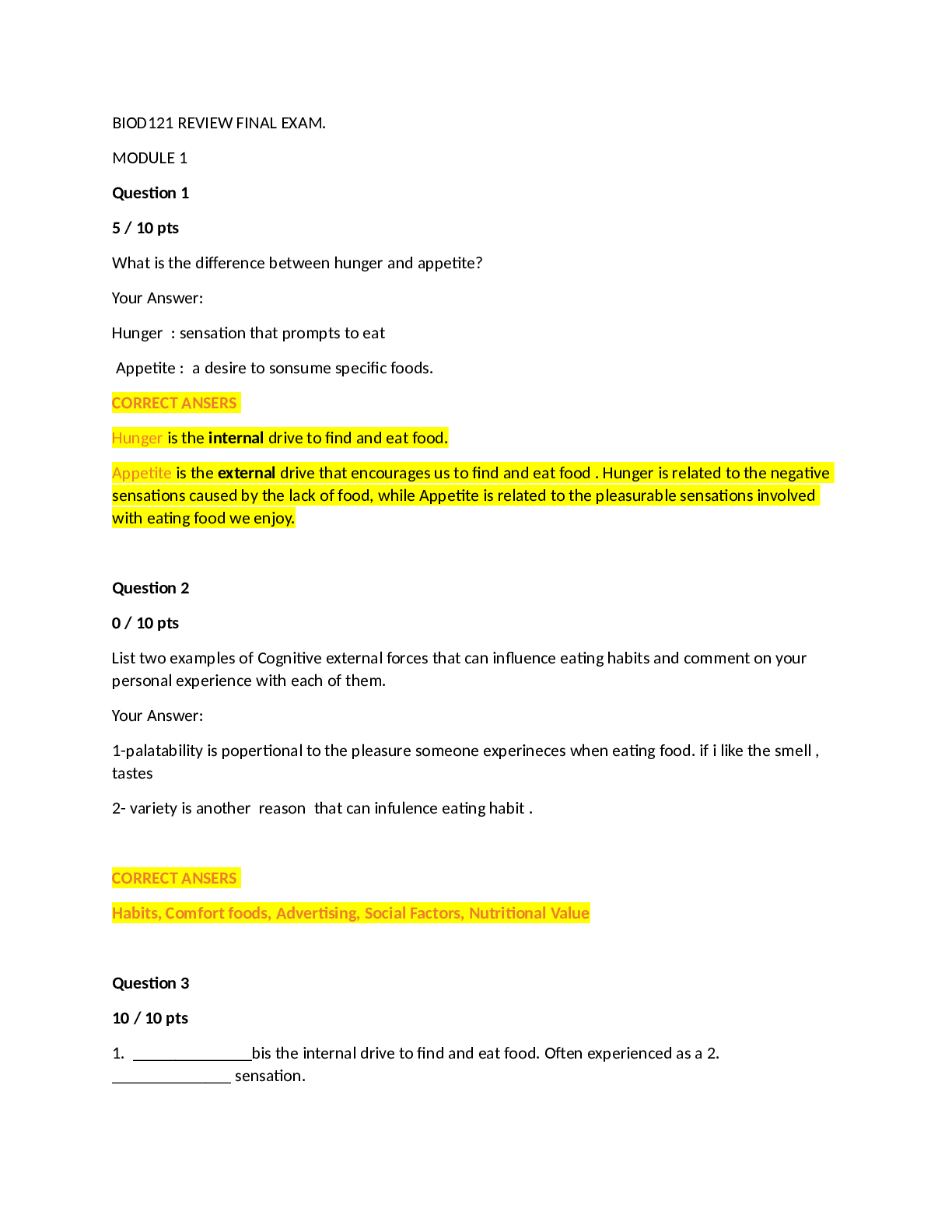
BIOD121 REVIEW FINAL EXAM MODULE 1 2 3 WITH ALL QUESTIONS AND...
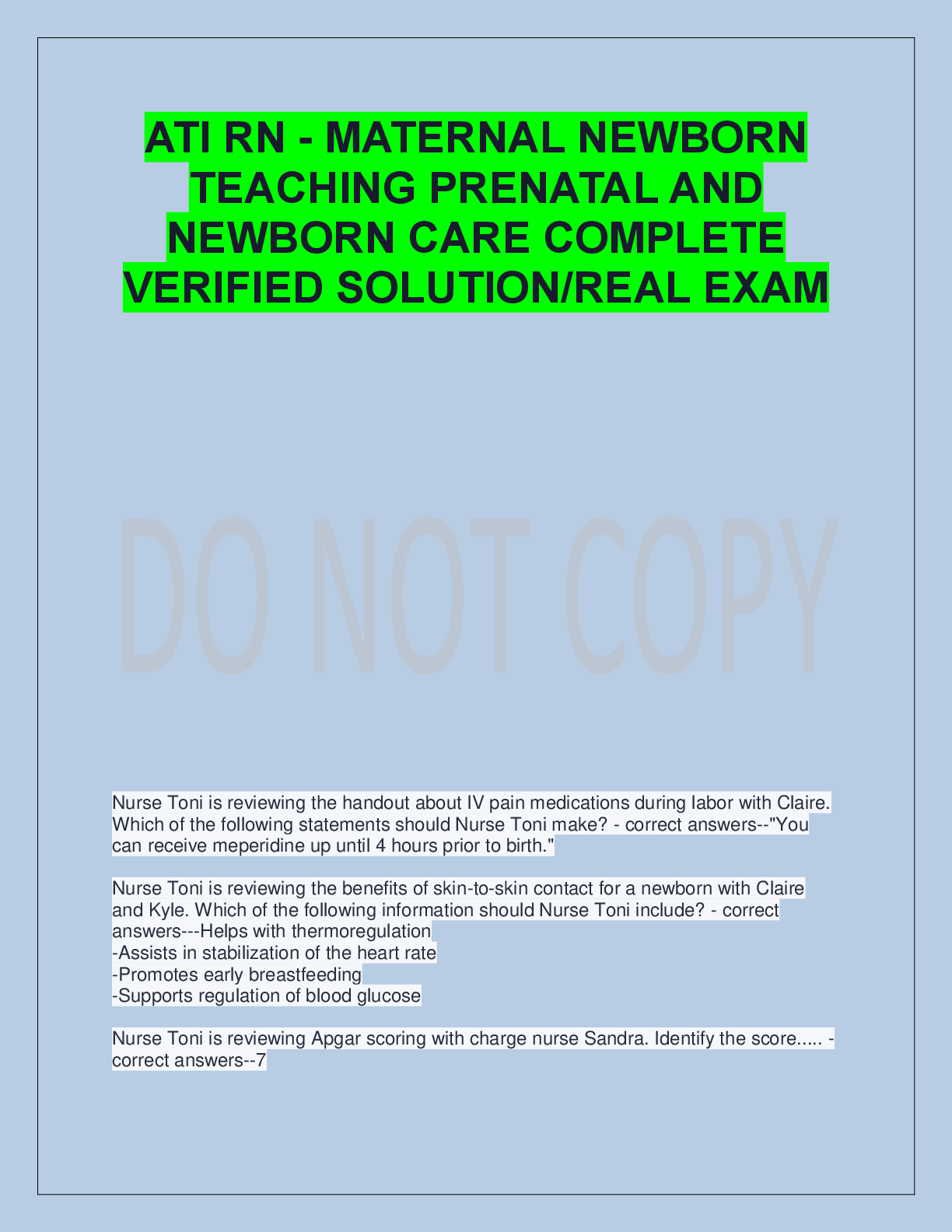
BIOD 152 MODULE 1.2.3 EXAM – PORTAGE LEARNING 2024/2025 (GRA...
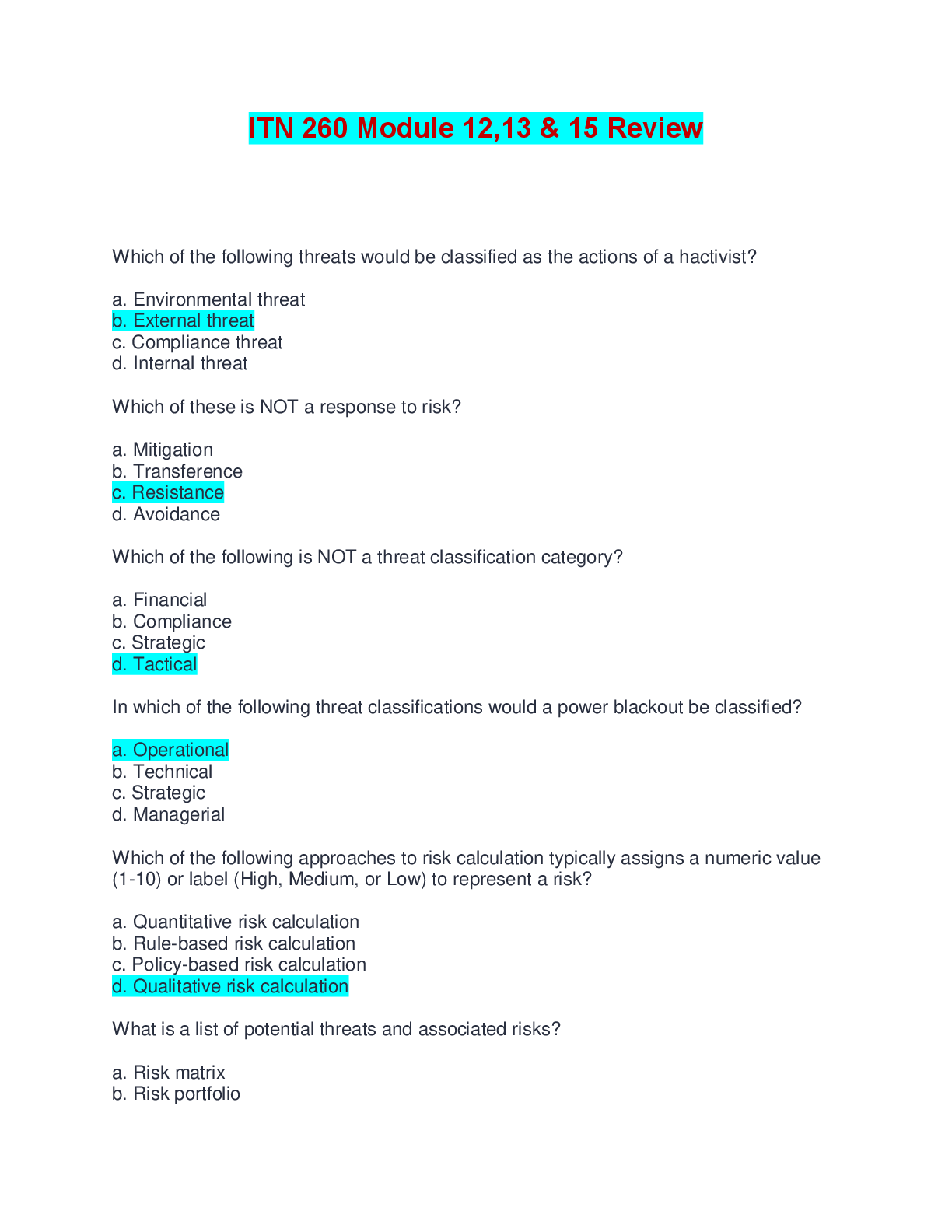
ITN 260 Module 12,13 & 15 Review | Questions and Answers
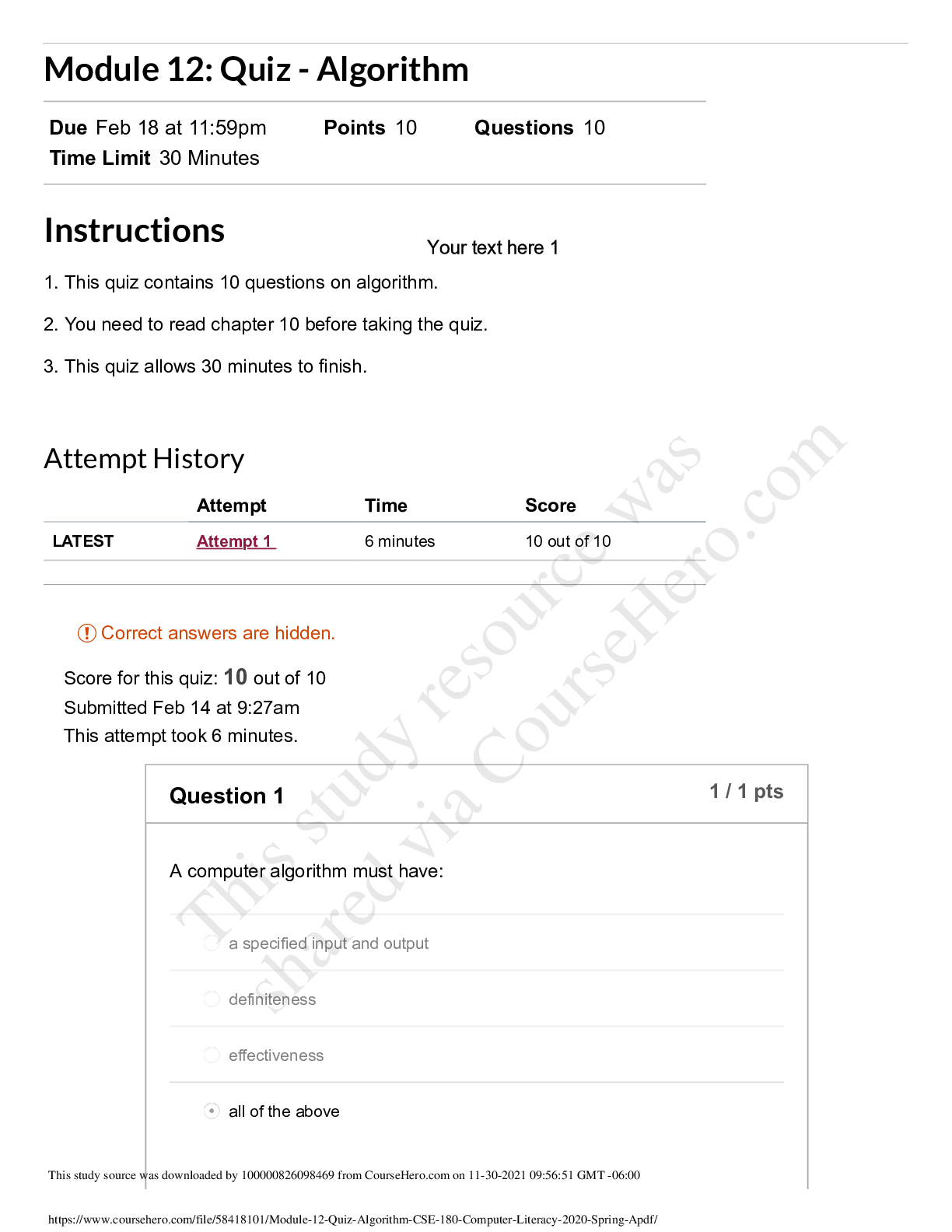
CSE 180 Module 12_ Quiz - Algorithm_ CSE 180_ Computer Literac...

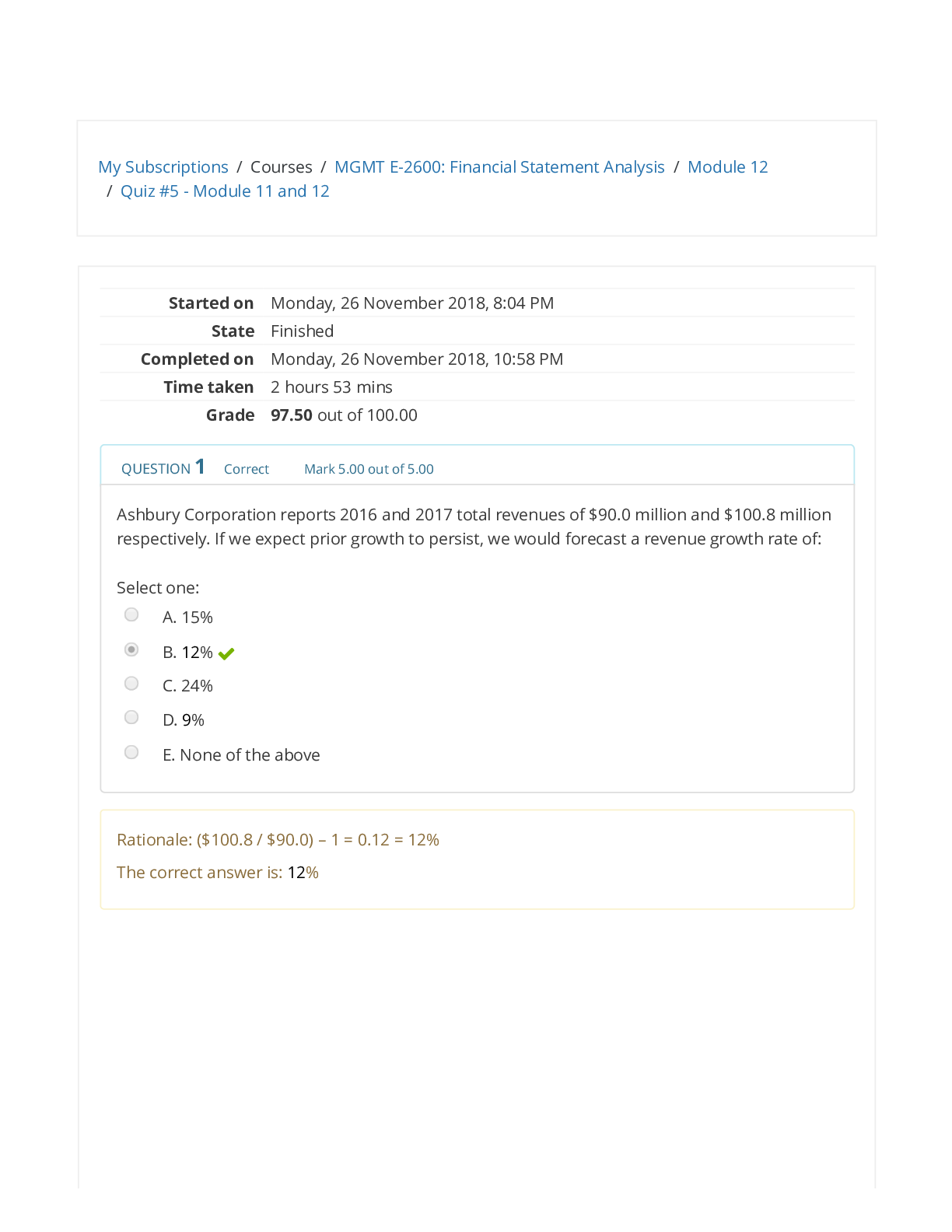
MGMT E-2600: Financial Statement Analysis / Module 12. Grade 9...

BUS C718 Module Quizzes Module 1 to Module 12 Western Governor...


Arizona State University - BIO 181 Module 12 Self-Check Genera...
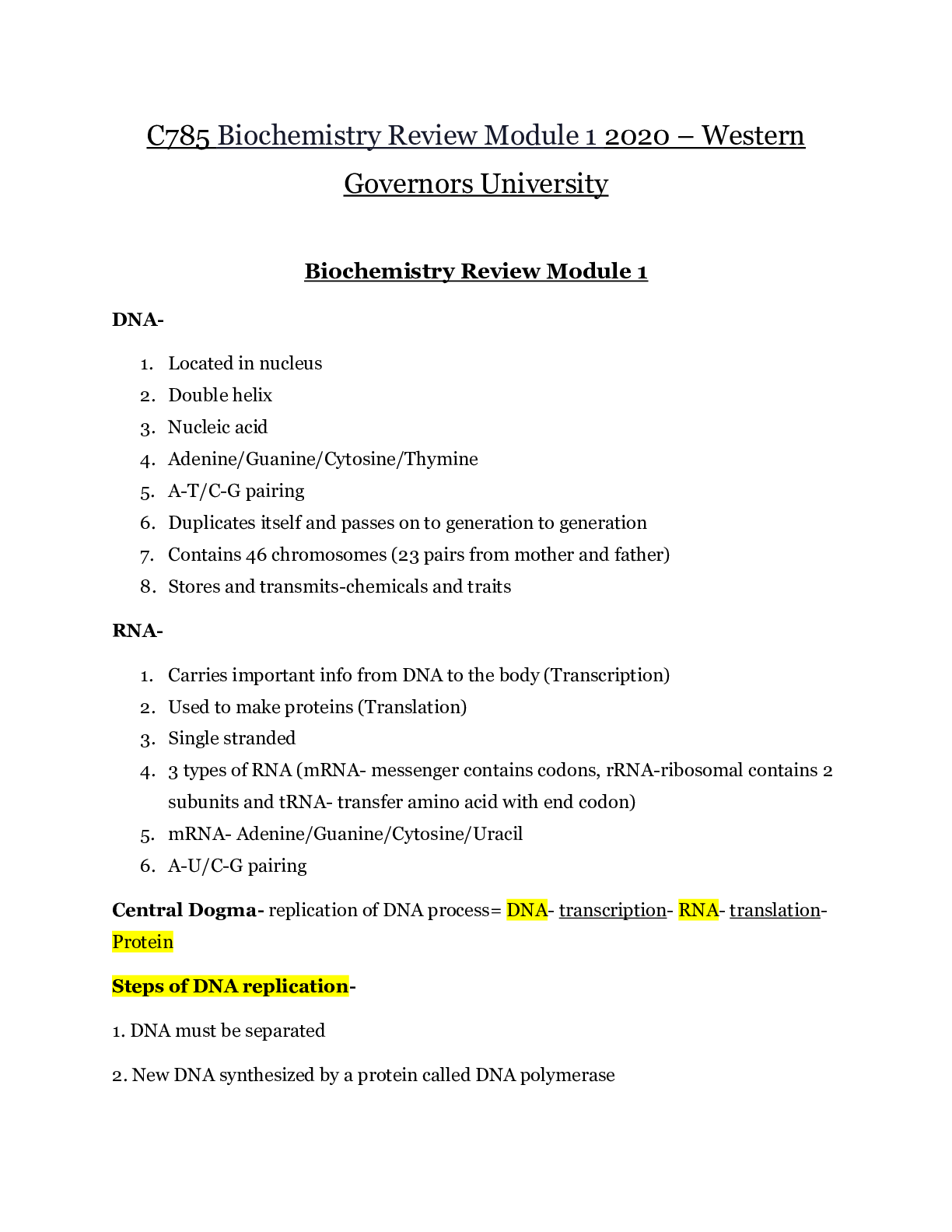
C785 Biochemistry Review Module 1 2020 | Biochemistry Review M...
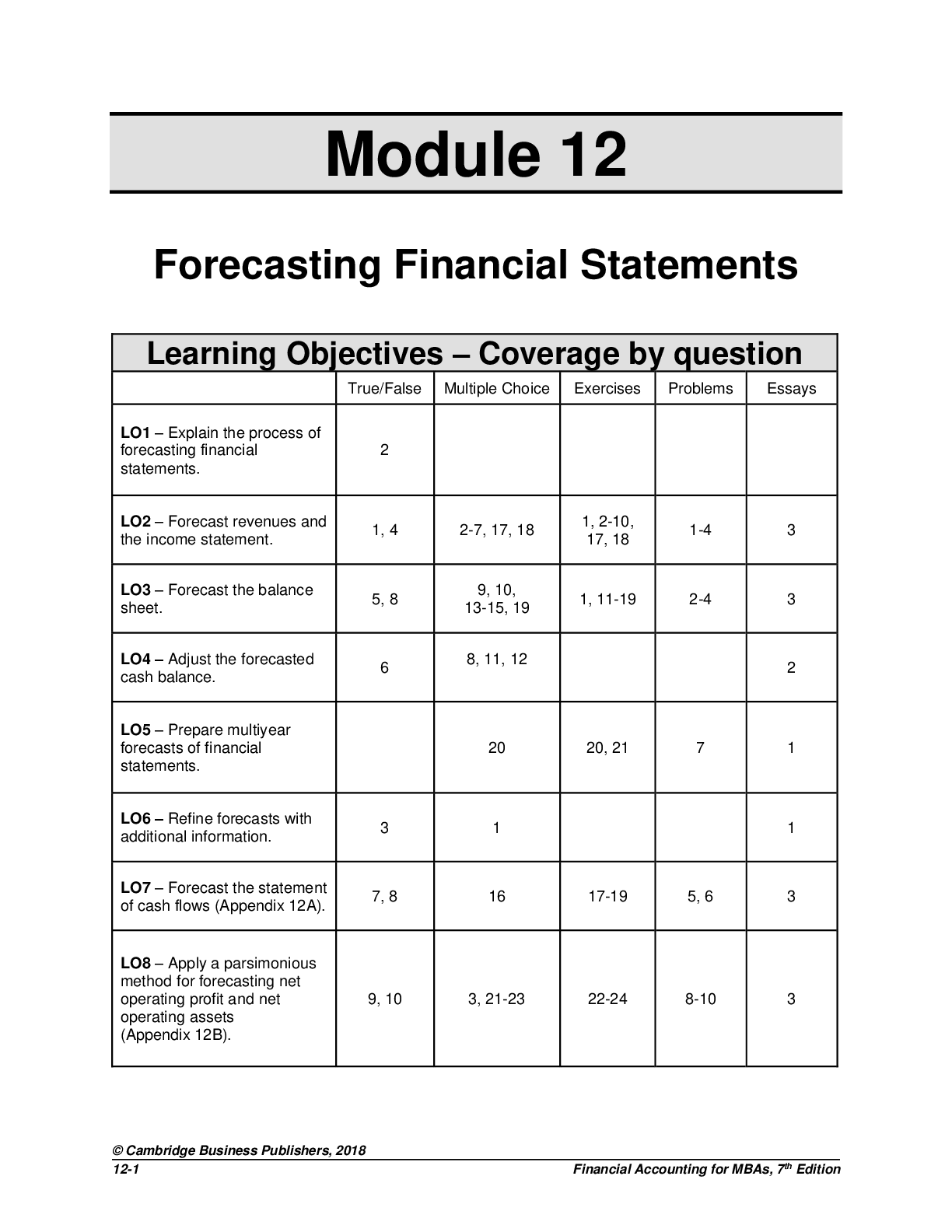
Famba 7e Test Bank Mod12_091117. Module 12 Forecasting Financi...
.png)
Finman4e Test Bank Mod12 051614. Module 12 Analyzing and Valui...
D099 / Sales Management – Module 12 Notes (Western Governors U...
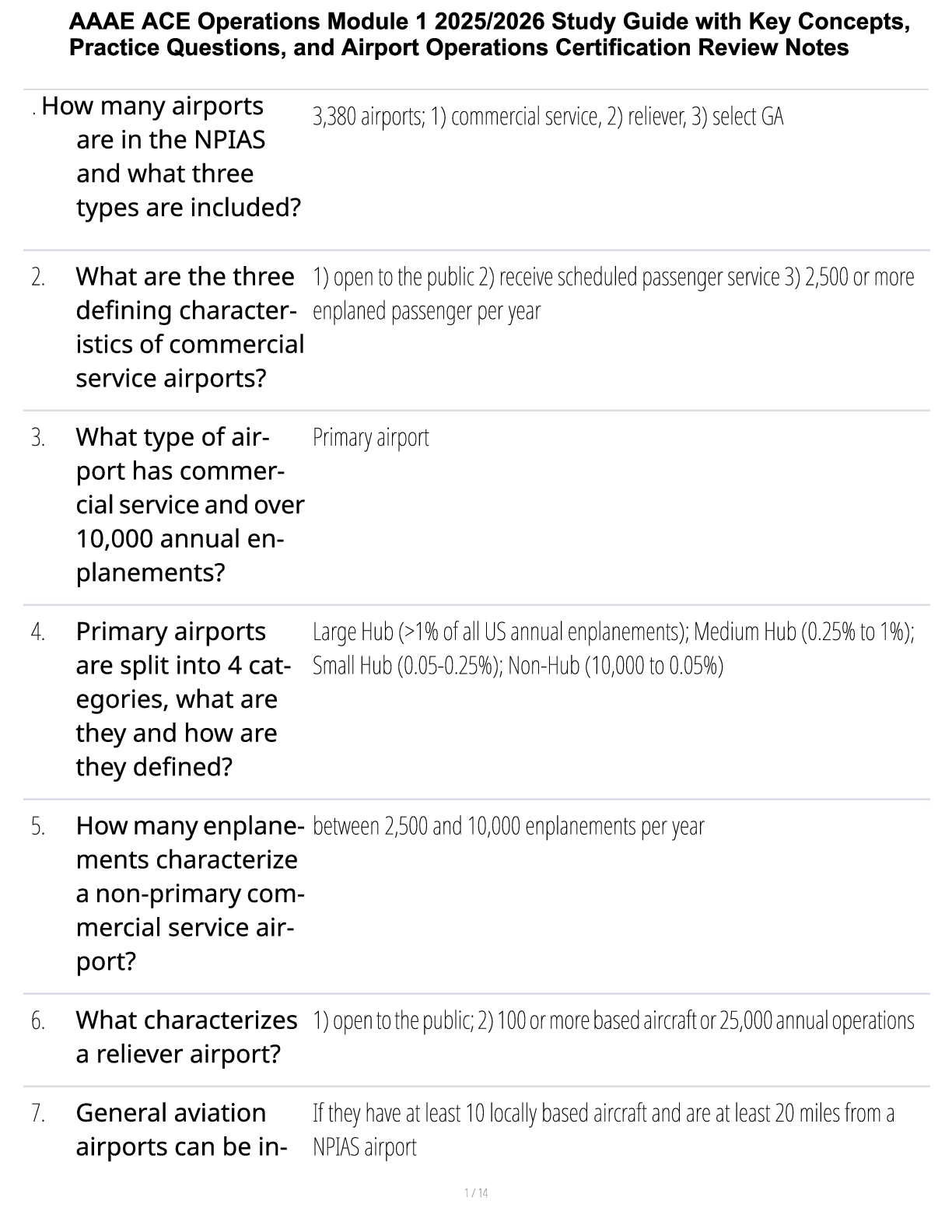
AAAE ACE Operations Module 1 2025/2026 Study Guide with Key Co...