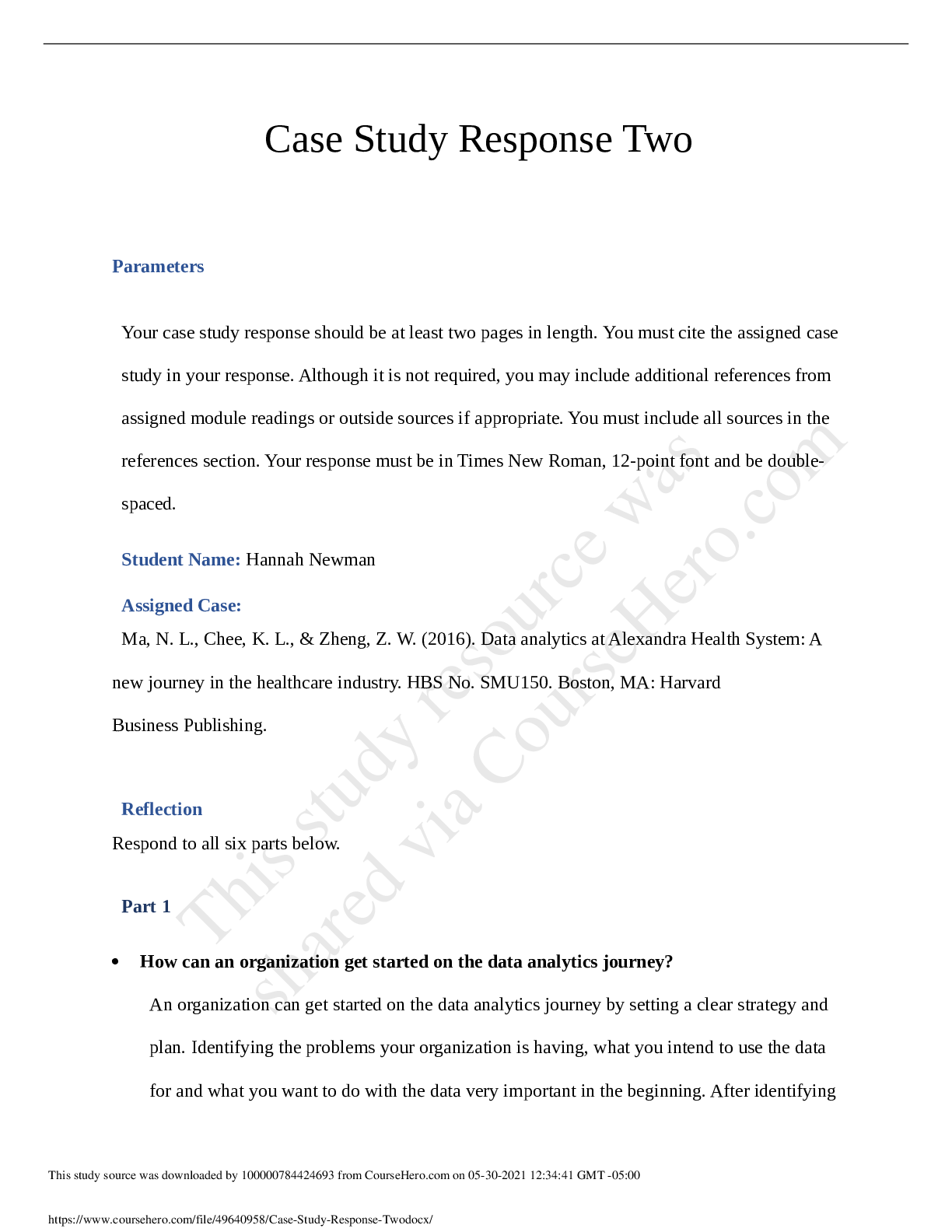
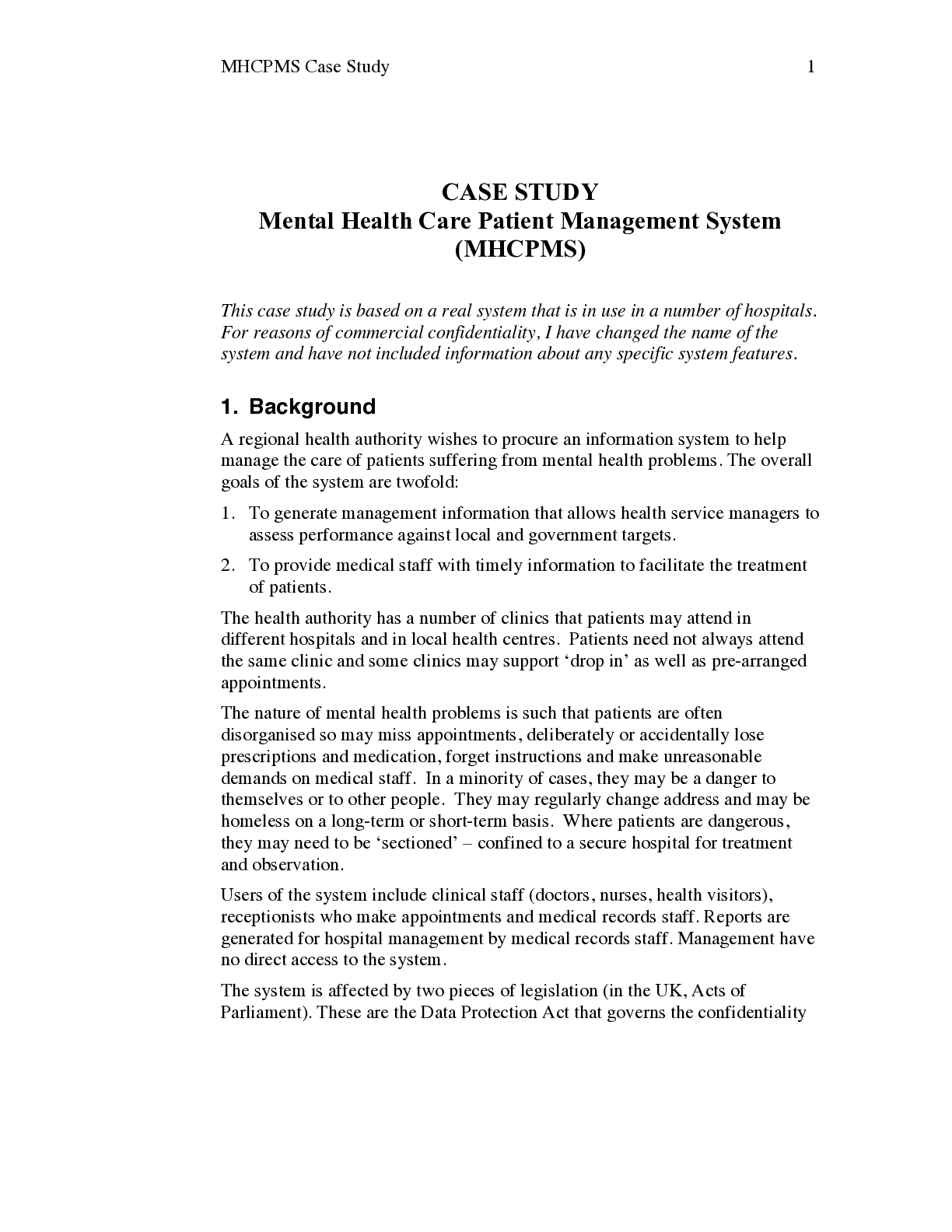
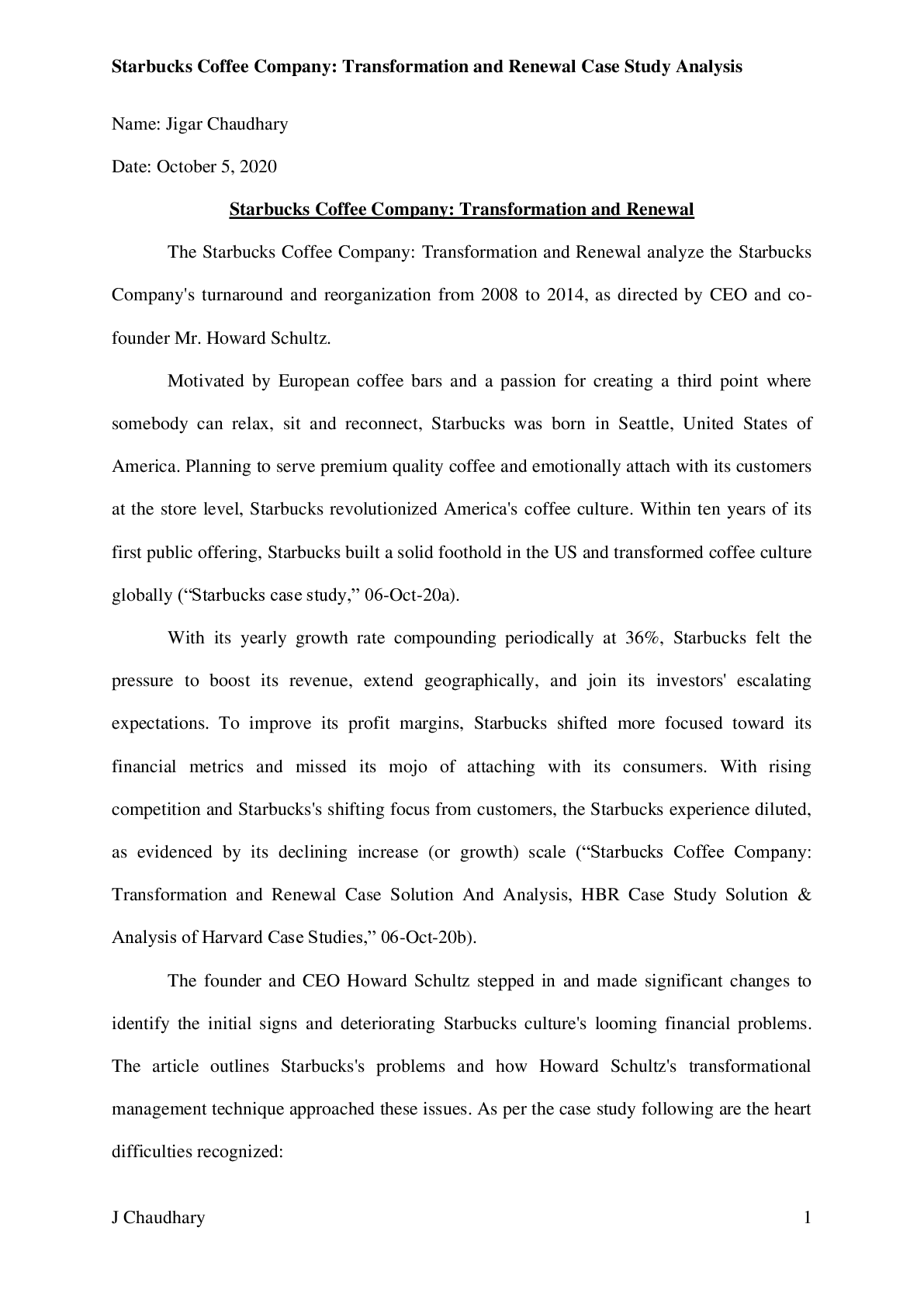
Business > CASE STUDY > Broward College - MAN 3240Case Study 2 preparing jobs that fail to satisfy (All)
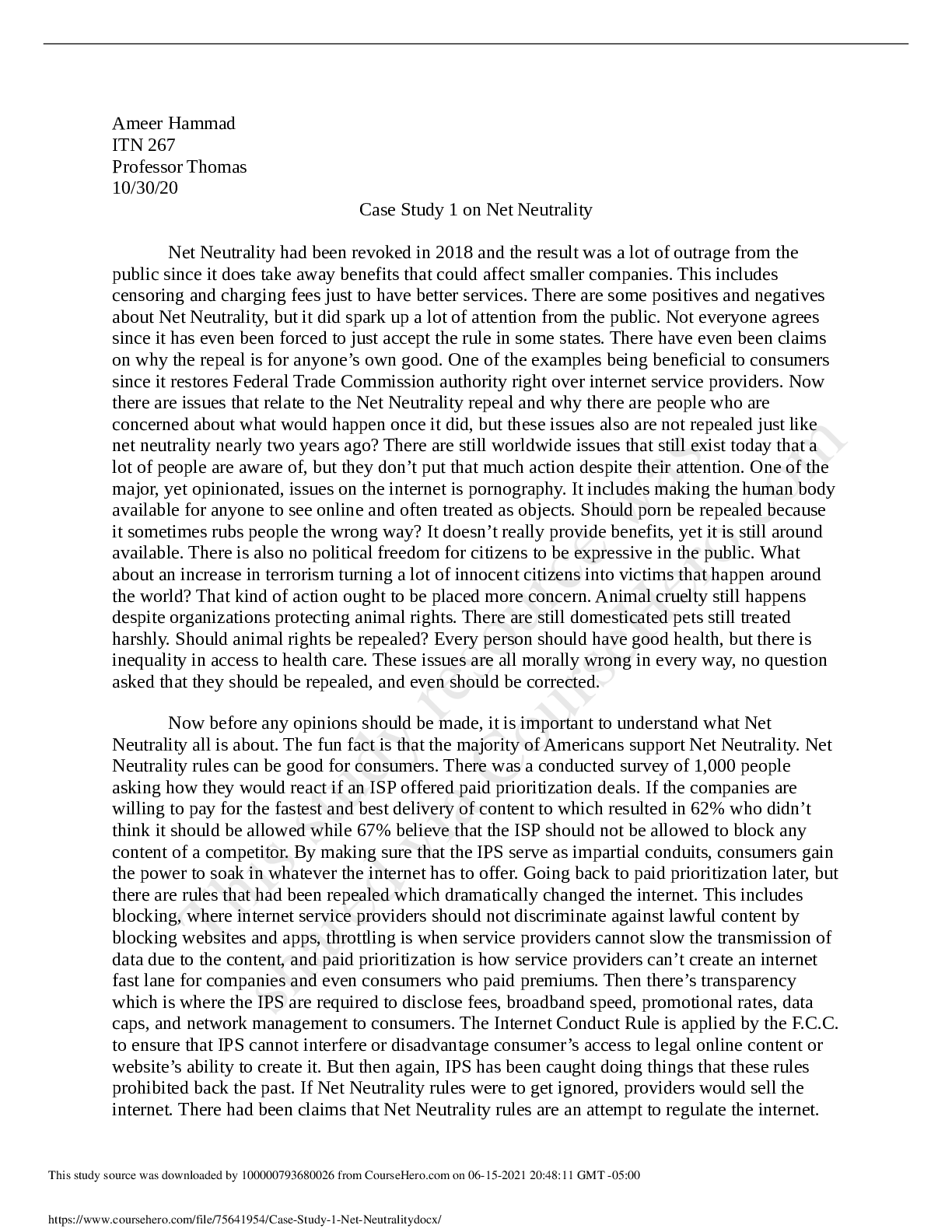
Broward College - MAN 3240Case Study 2 preparing jobs that fail to satisfy
Document Content and Description Below
Last updated: 3 years ago
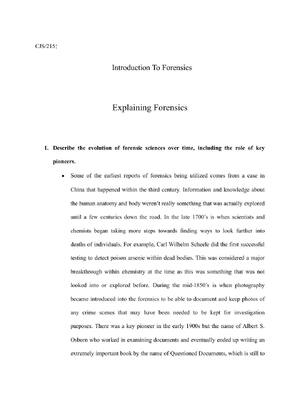
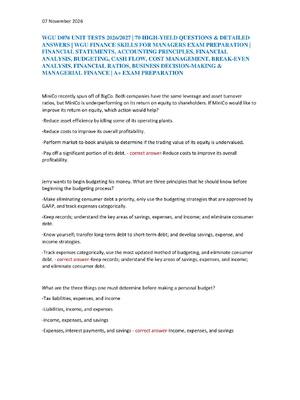
Preview 1 out of 6 pages
Instant download
.png)
Buy this Document to get the Full Access Instantly
Provided by Students Who Aced it
We Verify Document Content to Gurantee Accuracy
Reviews( 0 )
Document information
Connected school, study & course
About the document
Uploaded On
Mar 29, 2021
Number of pages
6
Written in
All

Additional information
This document has been written for:
Uploaded
Mar 29, 2021
Downloads
0
Views
101
Topic Tags
Recommended For You
Get more on CASE STUDY »
Test Bank for Labour Relations 6th Canadian Edition by Larry S...

Test Bank For Vander's Human Physiology 16th Edition By Eric W...

Test Bank For Federal Tax Research 13th Edition By Roby Sawyer...
Test Bank for Diversity in Organizations 5th Edition By Myrtle...

Test Bank for Biology Today and Tomorrow With Physiology 6th E...
TEST BANK for Understanding Business 12th Edition by William N...

Finance for Executives 5th Edition by Gabriel Hawawini, Claude...

POLI-330N I Have a Dream That Black Lives Will Matter Chambe...


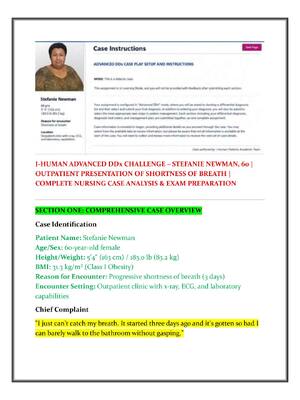
I-HUMAN ADVANCED DDx CHALLENGE – STEFANIE NEWMAN, 60 | OUTPAT...
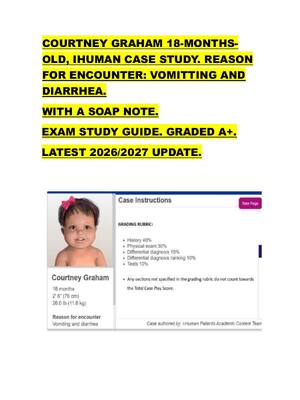
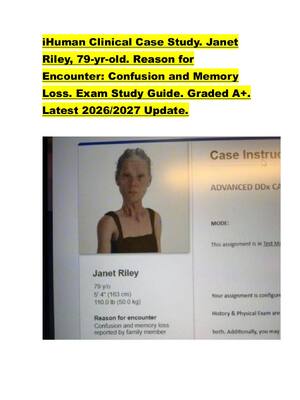
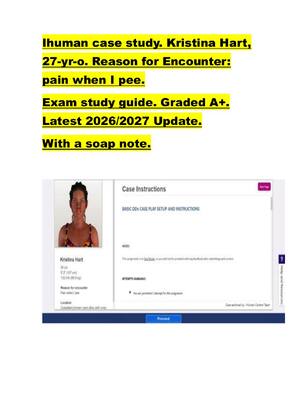
Ihuman case study. Kristina Hart, 27-yr-o. Reason for Encount...


.png)