Computer Science > STUDY GUIDE > Georgia Institute Of Technology CS 6476Answers. (All)
Georgia Institute Of Technology CS 6476Answers.
Document Content and Description Below
Last updated: 4 years ago
Preview 1 out of 14 pages
Instant download
Buy this Document to get the Full Access Instantly
Provided by Students Who Aced it
We Verify Document Content to Gurantee Accuracy
Reviews( 0 )
Document information
Connected school, study & course
About the document
Uploaded On
May 27, 2021
Number of pages
14
Written in
All

Additional information
This document has been written for:
Uploaded
May 27, 2021
Downloads
0
Views
92
Topic Tags
Recommended For You
Get more on STUDY GUIDE »
Concepts of Programming Languages 12th Edition By Robert W. Se...
Introduction to Programming with Java A Problem Solving Approa...
Introduction to JavaScript Programming with XML and PHP 1st Ed...

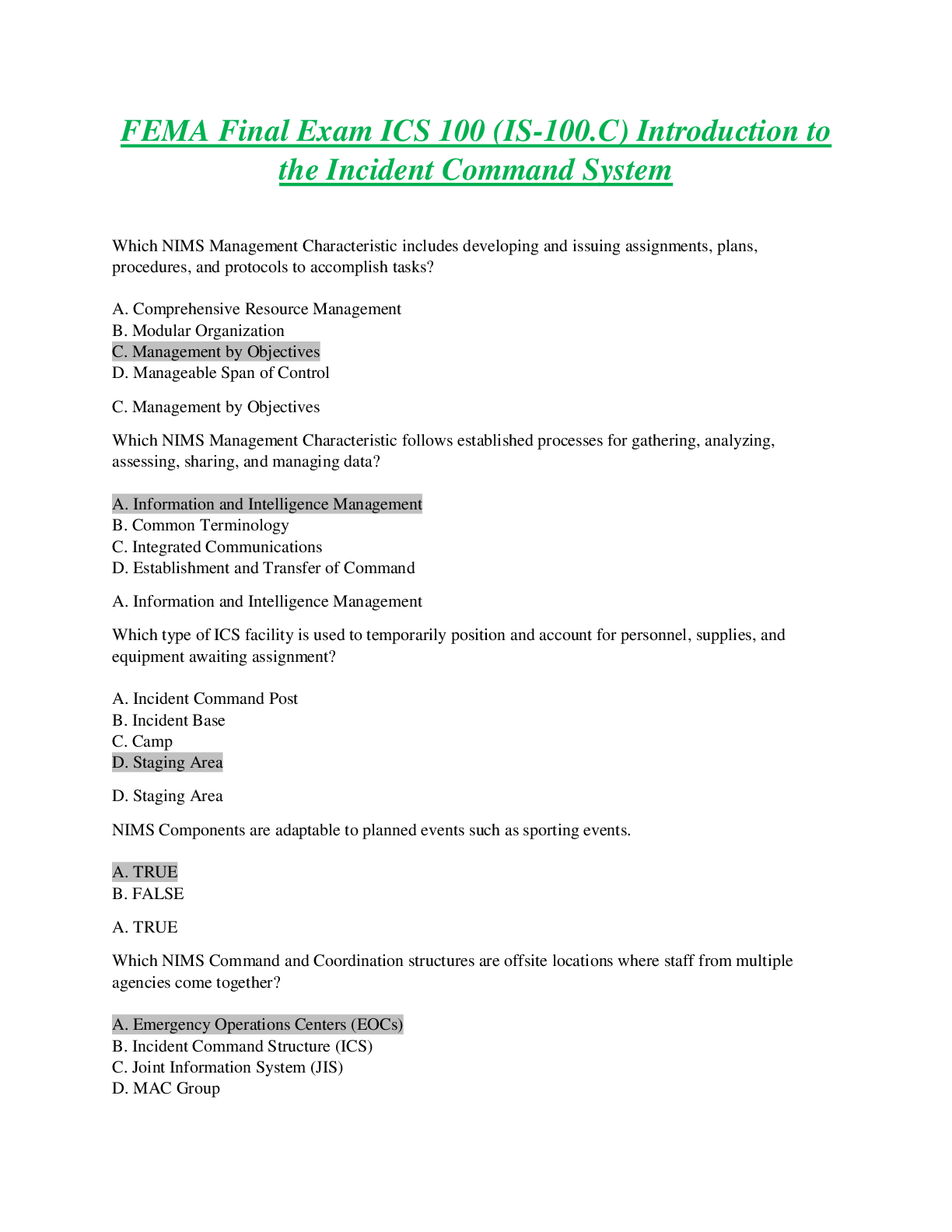
FEMA Final Exam ICS 100 (IS-100.C) Introduction to the Inciden...
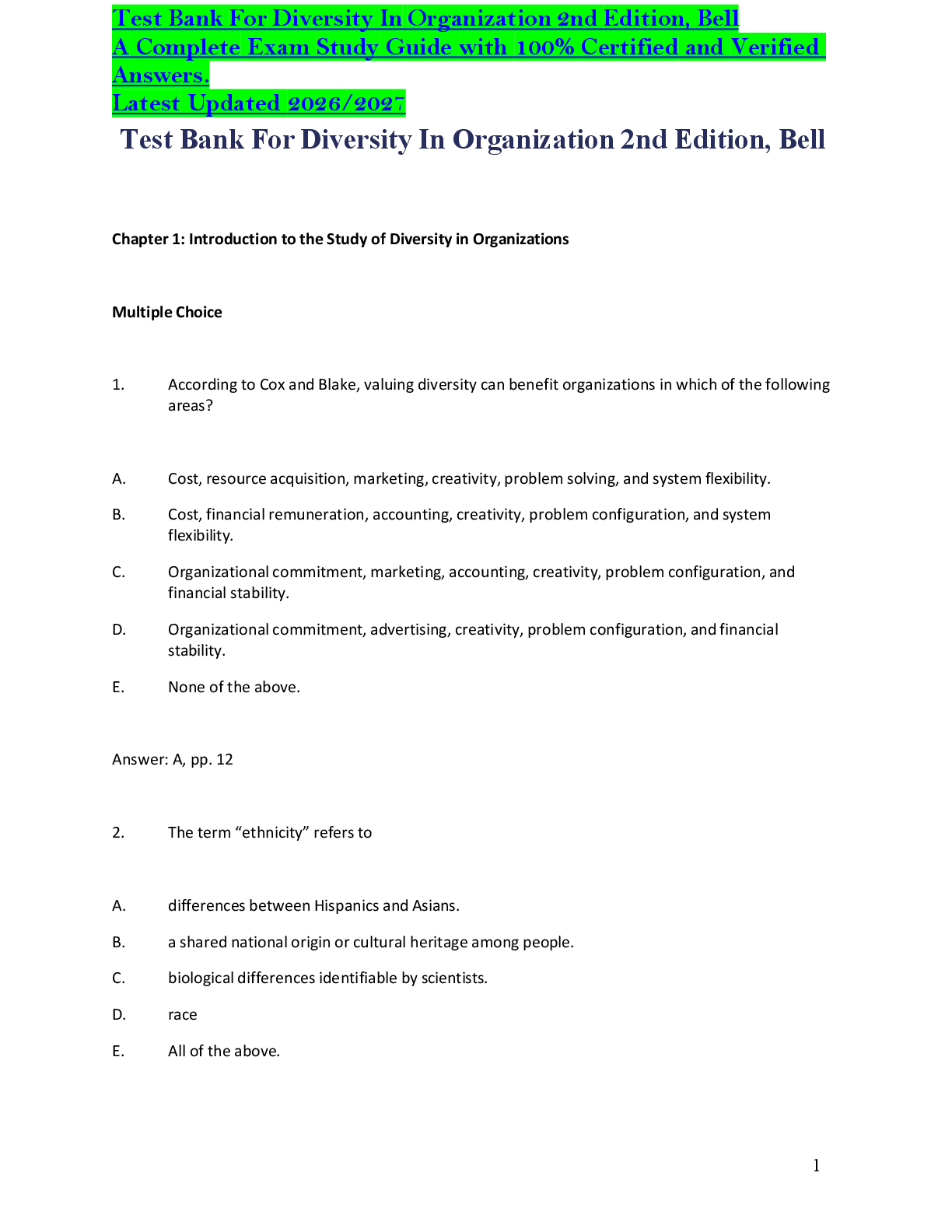
Test Bank For Diversity In Organization 2nd Edition, Bell A Co...

[eTextbook] [PDF] CompTIA Network+ Guide to Networks 9th editi...