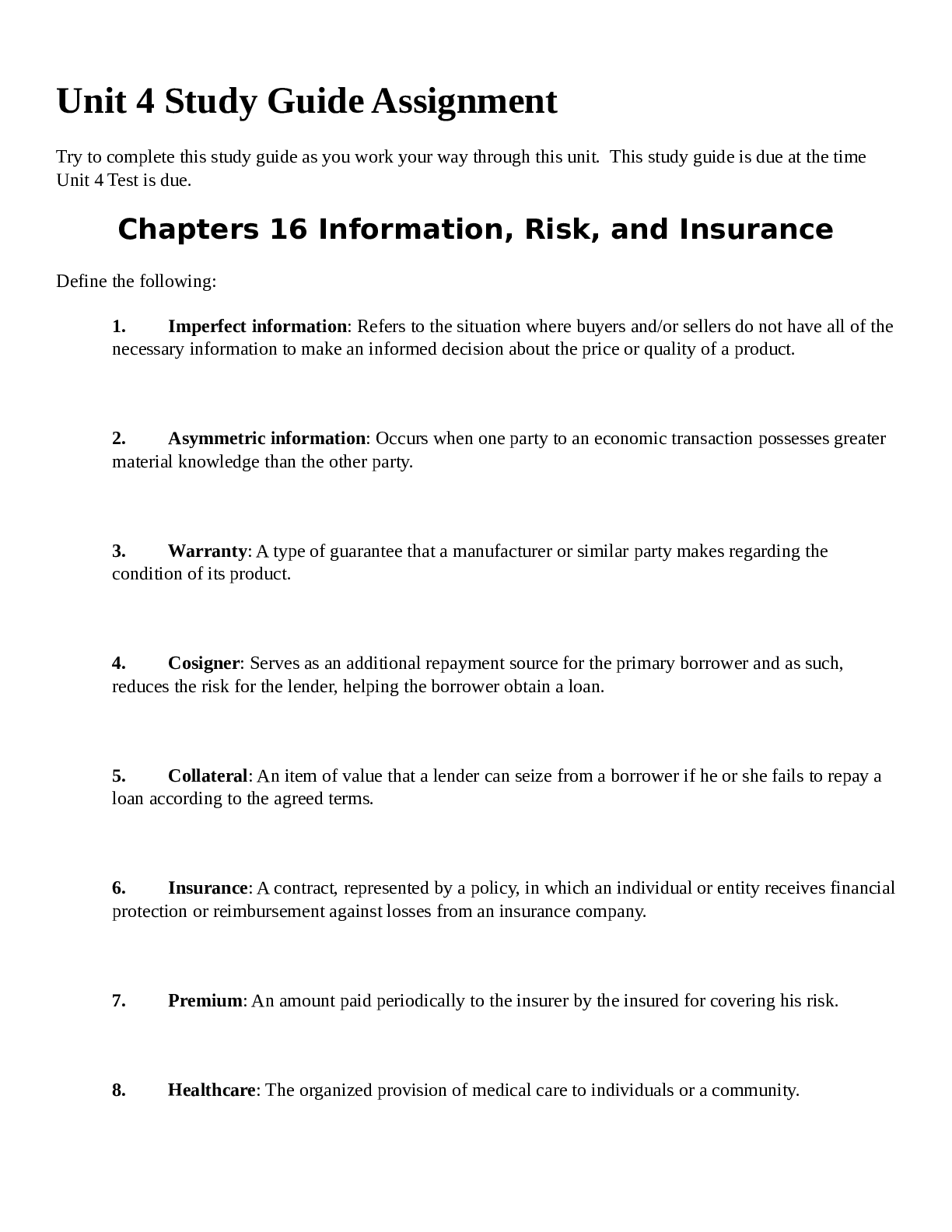
History > STUDY GUIDE > University of FloridaMAN 6636MAN 6636 Study Guide (All)
University of FloridaMAN 6636MAN 6636 Study Guide
Document Content and Description Below
Last updated: 7 months ago
Preview 1 out of 11 pages
Instant download

Buy this Document to get the Full Access Instantly
Provided by Students Who Aced it
We Verify Document Content to Gurantee Accuracy
Reviews( 0 )
Document information
Connected school, study & course
About the document
Uploaded On
Jul 08, 2021
Number of pages
11
Written in
All

Additional information
This document has been written for:
Uploaded
Jul 08, 2021
Downloads
0
Views
116
Topic Tags
Recommended For You
Get more on STUDY GUIDE »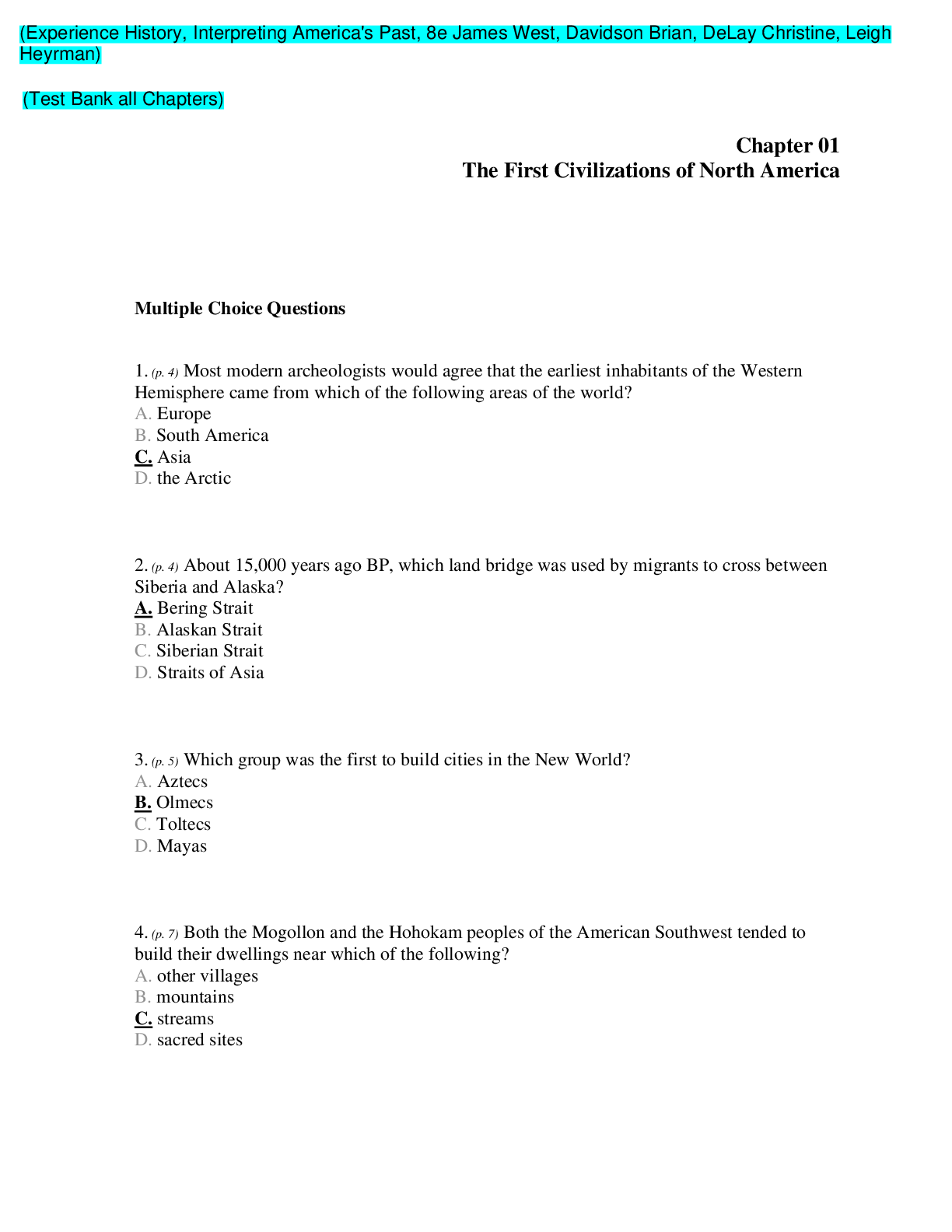
Experience History, Interpreting America's Past, 8e James West...
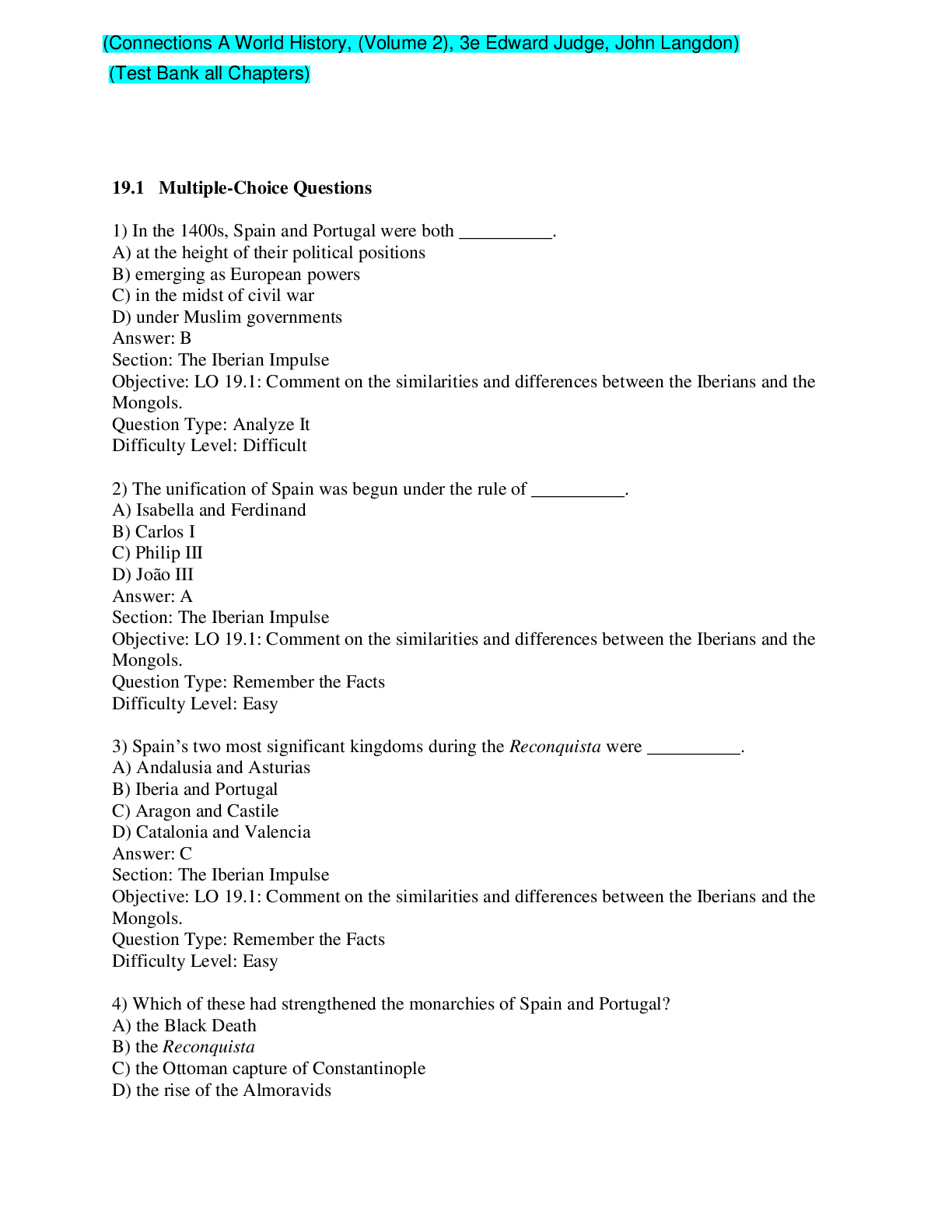
Connections A World History, Volume 2, 3e Edward Judge, John...
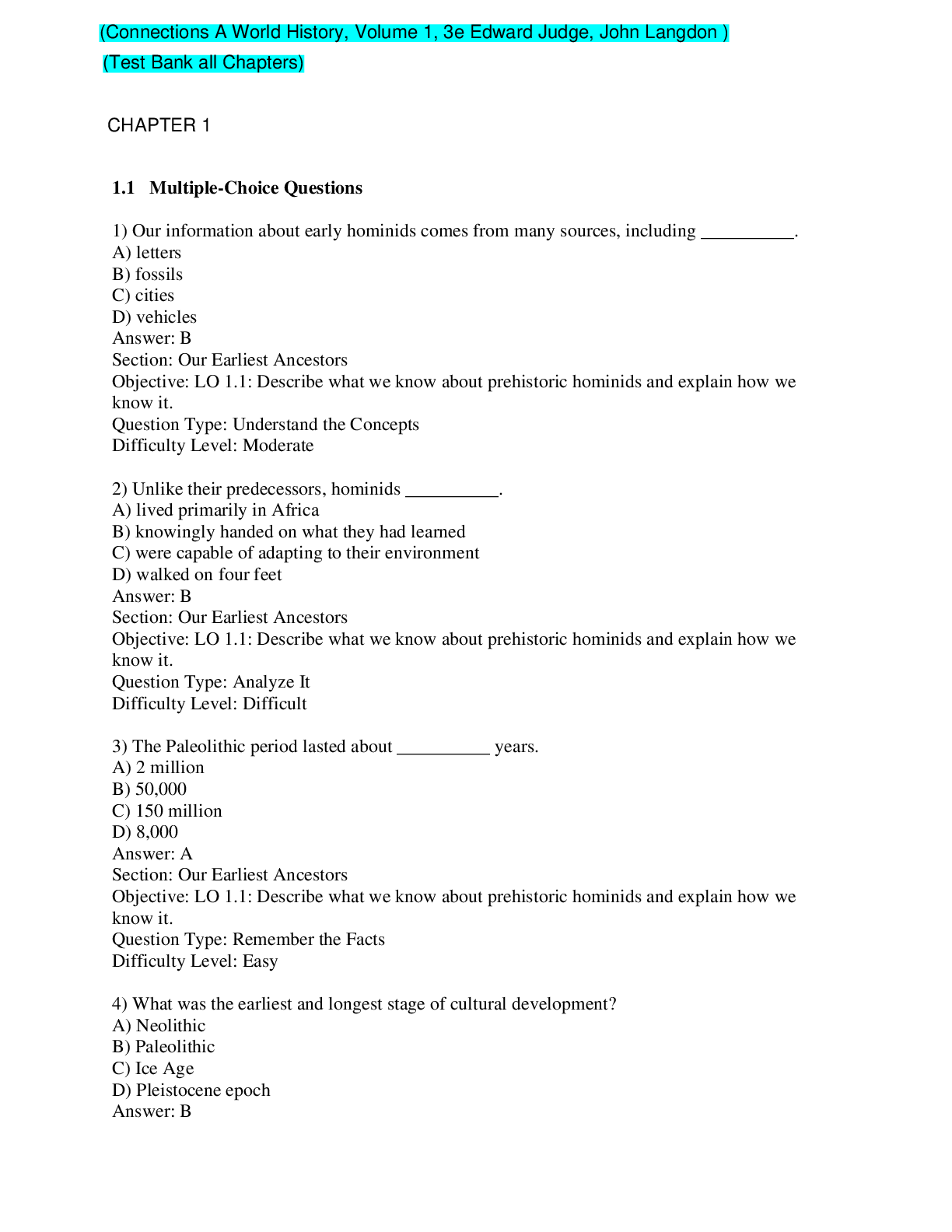
Connections A World History, Volume 1, 3e Edward Judge, John L...

eBook [PDF] A Modern History of Materials From Stability to Su...