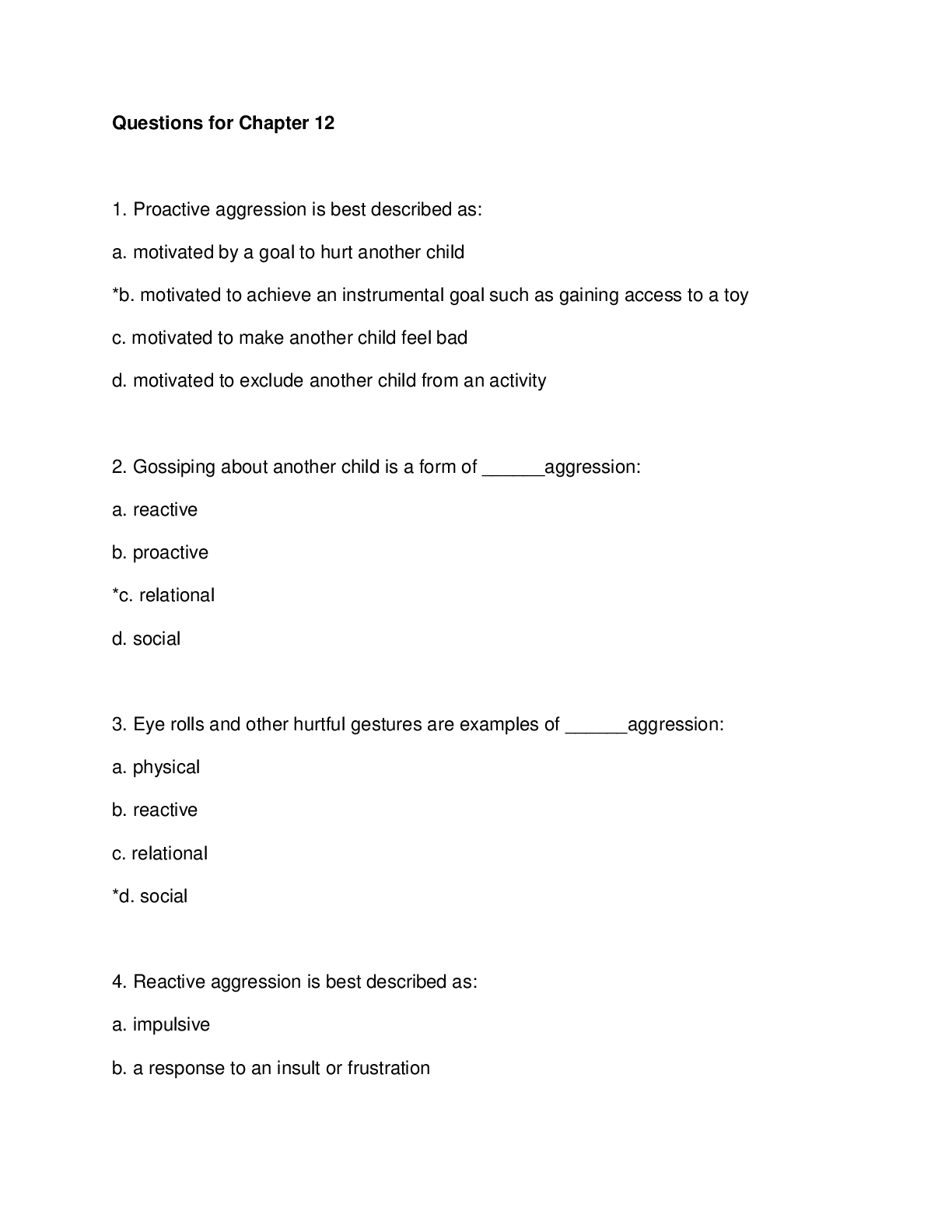
1. People or firms use one currency to purchase another currency at the _______________________.
A. international currency exchange
B. foreign exchange market
C. foreign currency exchange
D. international parity ma
...
1. People or firms use one currency to purchase another currency at the _______________________.
A. international currency exchange
B. foreign exchange market
C. foreign currency exchange
D. international parity market
:
:
2. The _____________ is an example of a large-scale common currency.
A. euro
B. dollar
C. pound
D. franc
:
:
3. What do the economies of Greece, Ireland and Germany all share?
A. they pegged their various currencies
B. they unpegged their various currencies
C. a common currency
D. floating rate currencies
:
:
4. When Mataeo buys Euros through _________________________, he will use his U.S. dollars to pay for them.
A. the foreign exchange market
B. the currency exchange market
C. a floating exchange market
D. foreign currency market
:
:
5. Foreign direct investment is the term used to describe purchases of firms in another country that involve ______________________.
A. internationally traded goods across countries
B. using another currency
C. taking a management responsibility
D. the exchange rate market
:
:
6. If the Canadian dollar is strengthening, then:
A. it has been unpegged from other currencies.
B. Canada has adopted a hard peg policy.
C. Canada has purchasing power parity.
D. it has appreciated in terms of other currencies.
:
:
7. A depreciating U.S. dollar is ________________ because it is worth ___________ in terms of other currencies.
A. strengthening; more
B. weakening; less
C. a problem for exporters; less
D. beneficial to importers; more
:
:
8. ________________________ equalizes the prices of internationally traded goods across countries.
A. The foreign exchange rate
B. A floating exchange rate
C. Purchasing power parity
D. An international parity rate
:
:
9. If government policy allows a country's currency to be determined in the exchange rate market, then that currency will be subject to:
A. a hard peg policy.
B. purchasing power parity.
C. depreciation.
D. a floating exchange rate.
:
:
10. When a government uses a ______________ exchange rate policy, it usually allows the exchange rate to be set by the market.
A. PPP
B. soft peg
C. hard peg
D. currency
:
:
11. For firms engaged in international lending and borrowing, ____________________ can have an enormous effect on profits.
A. swings in exchange rates
B. trade-offs and risks
C. foreign portfolio investment
D. foreign direct investment
:
:
12. Exchange rates are an effective way to analyze the price of one currency in terms of another currency with _________________________.
A. distinctive trade-offs and risks
B. exchange rate policy
C. monetary policy
D. the tools of demand and supply
:
:
13. The _____________________________ is the largest market in the world economy.
A. international exchange market
B. foreign exchange market
C. foreign currency market
D. international currency market
:
:
14. One of the following groups is not participating in the foreign exchange markets. Which one?
A. Boston business firms trading goods and services with firms in France
B. international investors buying bonds issued by a German car manufacturing firm
C. an Iowa travel firm that arranges vacation tours for local seniors to Hawaii
D. international investors buying part-ownership of a mining operation in Afghanistan
:
:
15. The most commonly traded currency in foreign exchange markets is the:
A. euro.
B. U.S. dollar.
C. Chinese yuan.
D. British pound.
:
:
16. Which of the following is no longer one of the most commonly traded currencies in foreign exchange markets?
A. U.S. dollar
B. British pound
C. Japanese yen
D. French franc
:
:
17. If 112 Japanese yen purchased $1.00 U.S. in 2008 and 83 Japanese yen purchased $1.00 U.S. in 2009, then:
A. the dollar depreciated against the yen.
B. the dollar appreciated against the yen.
C. the yen depreciated against the dollar.
D. the yen weakened against the dollar.
:
:
18. If 1000 Mexican pesos could buy $1.00 U.S. dollar in 2006 and 87 U.S. dollars in 2010, then:
A. the dollar depreciated against the peso.
B. the peso appreciated against the dollar.
C. the dollar strengthened against the peso.
D. the peso strengthened against the peso.
:
:
19. If $1.00 U.S. bought $1.40 Canadian dollars in 2006 and in 2010 it bought $1.00 Canadian dollar, then;
A. the U.S. dollar appreciated against the Canadian dollar.
B. the Canadian dollar weakened against the Canadian dollar.
C. the U.S. dollar strengthened against the Canadian dollar.
D. the Canadian dollar appreciated against the U.S. dollar.
:
:
20. In 2010, 100 Japanese yen purchased .88 U.S. dollars and in 2013, it purchased .93 U.S. dollars. How much was 1 U.S. dollar worth in Japanese yen, in 2010 and 2013?
A. 2010: 88 yen, 2013: 93 yen
B. 2010: 100 yen, 2013: 114 yen
C. 2010: 113.6 yen, 2013: 107.5 yen
D. 2010: 112.4 yen, 2013: 105.3 yen
:
:
Category: Apply
21. In 2010, $1.00 U.S. bought 8.24 Chinese yuan and in 2012 it bought 6.64 Chinese yuan. How many U.S. dollars could 1 Chinese yuan purchase in 2010 and 2012?
A. 2010: .12 U.S. dollars; 2012: .15 U.S. dollars
B. 2010: 1.2 U.S. dollars; 2012: 1.5 U.S. dollars
C. 2010: .82 U.S. dollars; 2012: .66 U.S. dollars
D. 2010: .15 U.S. dollars; 2012: .11 U.S. dollars
:
:
Category: Apply
22. In 2010, 1 Canadian dollar cost .56 British pounds and in 2012 it cost .63 British pounds. How much would 1 British pound purchase in Canadian dollars in 2010 and 2012?
A. 2010: 1.78 dollars, 2012: 1.57 dollars
B. 2010: 1.79 dollars, 2012: 1.59 dollars
C. 2010: 1.87 dollars, 2012: 1.65 dollars
D. 2010: 1.97 dollars, 2012: 1.75 dollars
:
: The numbers in the answer key for this question have been rounded off.
Category: Apply
23. In 2009, 1 U.S. dollar purchased 1400 Korean won and in 2013 it purchased 900 Korean won. How much did 1000 Korean won cost in U.S. dollars in 2009 and 2013?
A. 2009: .84 dollars, 2013: 1.09 dollars
B. 2009: .72 dollars, 2013: 1 dollar
C. 2009: .83 dollars, 2013: 1.12 dollars
D. 2009: .71 dollars, 2013: 1.11 dollars
:
: The numbers in the answer key for this question have been rounded off.
Category: Apply
24. In 2010, 1 Swiss franc cost .56 British pounds and in 2012 it cost .51 British pounds. How much would 1 British pound purchase in Swiss francs in 2010 and 2012?
A. 2010: 1.79 francs, 2012: 1.96 francs
B. 2010: 1.78 francs, 2012: 1.98 francs
C. 2010: 1.71 francs, 2012: 2.00 francs
D. 2010: 1.73 francs, 2012: 1.97 francs
:
: The numbers in the answer key for this question have been rounded off.
Category: Apply
25. Which of the following is an example of a pegged currency?
A. U.S. dollar
B. British pound
C. Euro
D. Chinese yuan
:
:
26. Portfolio investments are often made based on beliefs about how _______________ are likely to move in the near future.
A. interest rates
B. foreign investment tax rates
C. exchange rates or rates of return
D. bond rates and interest rates
:
:
27. If American Airlines were to purchase Malaysian Airlines, it would likely have ______________________________ in mind.
A. beliefs about how exchange rates will move in the near future
B. a longer-term horizon
C. beliefs about how rates of return will move in the near future
D. a shorter-term horizon
:
:
28. Which of the following denotes a common misunderstanding about exchange rates?
A. an appreciating currency must be better than a stronger currency
B. a depreciating currency must be better than an appreciating currency
C. a weaker currency must be better than a stronger currency
D. an appreciating currency must be better than a depreciating currency
:
:
29. Movements in exchange rates can have a powerful effect on incentives to export and import, and thus on ________________ in the economy as a whole.
A. aggregate supply
B. aggregate demand
C. direct investments
D. portfolio investments
:
:
30. From a macroeconomic point of view, increases in ____________ are an addition to aggregate demand, while increases in ___________ are a subtraction from aggregate demand.
A. rates of return; exchange rates
B. exchange rates; rates of return
C. exports; imports
D. imports; exports
:
:
31. Expansionary monetary policy lowers ______________, and increases demand for investment and consumer borrowing, which shifts aggregate demand to the ________________.
A. interest rates; right
B. rates of return; left
C. rates of return; right
D. exchange rates; left
:
:
32. A ______________________ monetary policy can be used to decrease aggregate demand because it _____________ exports and _________________ imports .
A. tight; stimulates; reduces
B. loose; stimulates; reduces
C. expansionary; reduces; stimulates
D. contractionary; reduces; stimulates
:
:
33. If the U.S. government uses an expansionary monetary policy to reduce interest rates, then it will:
A. lead to higher imports and lower exports.
B. cause the exchange rate for U.S. currency to depreciate.
C. lower levels of consumption and investment.
D. cause the exchange rate for U.S. currency to appreciate.
:
:
34. Referring to the diagram above, which of the following statements is true?
A. Monetary policy that increases the money supply also increases the level of potential GDP.
B. Tight monetary policy expands the economy by increasing the level of potential GDP.
C. This contractionary monetary policy shift will also affect exchange rates for both imports and exports.
D. This expansionary monetary policy shift also includes the effect of exchange rates on exports and imports.
:
:
Category: Evaluate
35. Suppose the diagram above refers to a situation where investors in the US are looking to Japan as a place where they should invest for a future high rate of return, while Japanese investors are looking to lower their investments in the US. The combined effect will
A. shift the demand curve out, the supply curve shifts in and the value of the dollar decreases.
B. shift the supply curve out, the demand curve shifts in and the value of the dollar increases.
C. shift the demand curve out, the supply curve shifts in and the value of the dollar increases.
D. shift the supply curve out, the demand curve shifts in and the value of the dollar decreases.
:
:
36. A central bank must be concerned about whether a large and unexpected ___________________________ will drive most of the country’s existing banks into bankruptcy.
A. exchange rate appreciation
B. interest rate increase
C. exchange rate depreciation
D. increase in foreign investments
:
:
37. If a central bank focuses on preventing either high inflation or deep recession by using low and reasonably steady interest rate policy, then:
A. foreign investment will increase significantly.
B. exchange rates will have less reason to vary.
C. domestic investments in foreign businesses will decrease.
D. government will intervene to peg the nation's currency.
:
:
38. A soft peg policy typically allows the exchange rate to move up and down by relatively small amounts in _________________, but seeks to avoid extreme short-term fluctuations.
A. the market exchange
B. the medium run
C. the long run
D. the short run
:
:
39. If a government uses monetary policy to alter the exchange rate, then it cannot at the same time use monetary policy to address issues of ______________________.
A. inflation or recession
B. purchases or sales of foreign currencies
C. how currency speculators react to rumors
D. extreme short-term fluctuations
:
:
40. Why would an expansionary monetary policy no longer be available to combat recession for a country that has pegged its exchange rate?
A. inflation or recession must be ignored in order to focus on its soft peg
B. it would appreciate the country's currency and break its hard peg
C. it would depreciate the country's exchange rate and break its hard peg
D. it will use up all its reserves of international currency to buy its own currency
:
:
41. A __________________________ policy in which the government almost never acts to intervene in the exchange rate market will look a great deal like a floating exchange rate.
A. pegged exchange rate
B. loose exchange rate
C. hard peg exchange rate
D. soft peg exchange rate
:
:
42. Governments that attempt to intervene in exchange rate markets through soft pegs or hard pegs:
A. risk causing even greater fluctuations in foreign exchange markets.
B. will save an economy that consistently fails at achieving the main economic goals.
C. gain the power to use monetary policy to focus on domestic inflations.
D. gain the power to use monetary policy to focus on domestic recessions.
:
:
43. Short run speculation in currencies can create ________________________, at least for a time, where an expected appreciation leads to a stronger currency and vice versa.
A. low inflation rates
B. high inflation rates
C. a self-fulfilling prophecy
D. a decrease in the supply side
:
:
44. A soft peg exchange rate may create additional _______________ as exchange rate markets try to anticipate when and how the government will intervene.
A. volatility
B. trade-offs
C. demand side effects
D. exchange rate zones
:
:
45. If a nation merges its currency with another nation to create a single currency, what must it give up?
A. the ability to purchase currency in foreign exchange markets
B. the ability to determine its own nationally-oriented monetary policy
C. the ability to fight recessions and control inflations
D. the ability to sell currency in foreign exchange markets
:
:
46. The Canadian dollar will most likely strengthen against the U.S. dollar if:
A. U.S. interest rates rise due to exchange rate policies.
B. interest rates in Canada fall due to exchange rate policies.
C. the Canadian inflation rate becomes extremely low.
D. the Canadian dollar is below the PPP exchange rate.
:
:
47. A stronger euro is less favorable for:
A. German tourists traveling abroad.
B. American tourists traveling in France.
C. Canadian firms selling in Germany.
D. Canadian investors with money investments in Germany.
:
:
48. A stronger British pound is beneficial for:
A. U.S. exchange students studying in Britain with a U.S. scholarship.
B. British firms selling goods and services in Canada.
C. British investors who have invested money in Australia.
D. exchange students with a British scholarship studying in Canada.
:
:
49. If the U.S. dollar weakens, which of the following parties will benefit?
A. countries exporting to the U.S.
B. Australian firms selling in the U.S.
C. U.S firms selling in Europe
D. Japanese investors who have money in the U.S.
:
:
50. If Australia's exchange rate is stronger than the PPP rate for several years, which of the following will likely result?
A. its imports will increase
B. its exports will increase
C. aggregate demand will increase
D. trade deficit will decrease
Essay Questions
1. List the groups of people or firms that would be considered by an individual wanting to develop an intuitive sense of how demand and supply operate in foreign exchange markets.
2. Identify the choices that all countries must make with respect to their exchange rates, as well as the outcomes that will be commonly experienced by all exchange rate policy choices.
3. Discuss portfolio investments, including what they are linked to, what they are based on, and methods used to protect the investment from risk of loss.
4. Briefly describe how the foreign exchange market works. Include a discussion of the behind-the-scenes workings and provide an indication of the size of transactions that can be involved.
5. Briefly discuss the motivation for investment including a description of what it is, how it affects demand and supply, and currency valuations.
6. Identify the exchange rate that equalizes the prices of internationally traded goods across countries and briefly discuss the main functions this exchange rate serves.
7. Briefly explain why a central bank will be concerned about the exchange rate.
8. Identify the main responsibilities of a central bank and what it must be concerned about.
9. Identify the firms that would be most concerned about exchange rates and explain the reasons for their concerns.
10. International financial investors are moving funds from Talona to other countries. This depreciation is causing even more disenchantment with this Talona's currency. Describe the affects will this have on the supply and demand curves for this currency on the foreign exchange markets?
[Show More]


 answers.png)
.png)
.png)




![Preview of eBook [PDF] Citizenship, Culture and Coexistence Trends and Dynamics 1st Edition By Clara](https://browseimages.nyc3.digitaloceanspaces.com/paper-images/2024/Aug/31/2fnhh0Wn2024-08-31-12-1066d2ddf558226.png)
![Preview of eBook [PDF] Circular and Transformative Economy 1st Edition By Luxon Nhamo, Sylvester Mpan](https://browseimages.nyc3.digitaloceanspaces.com/paper-images/2024/Aug/31/KE9SinmX2024-08-31-01-1666d2ed7330932.png)