Business > CASE STUDY > Exam 1 Key Concepts.docx Exam #1 Key Concepts Ch. 1 Evidence-Based Assessment: Please r (All)
Exam 1 Key Concepts.docx Exam #1 Key Concepts Ch. 1 Evidence-Based Assessment: Please r
Document Content and Description Below
Last updated: 3 years ago
Preview 1 out of 6 pages
Instant download

Buy this Document to get the Full Access Instantly
Provided by Students Who Aced it
We Verify Document Content to Gurantee Accuracy
Reviews( 0 )
Document information
Connected school, study & course
About the document
Uploaded On
Jul 24, 2022
Number of pages
6
Written in
All

Additional information
This document has been written for:
Uploaded
Jul 24, 2022
Downloads
0
Views
95
Topic Tags
Recommended For You
Get more on CASE STUDY »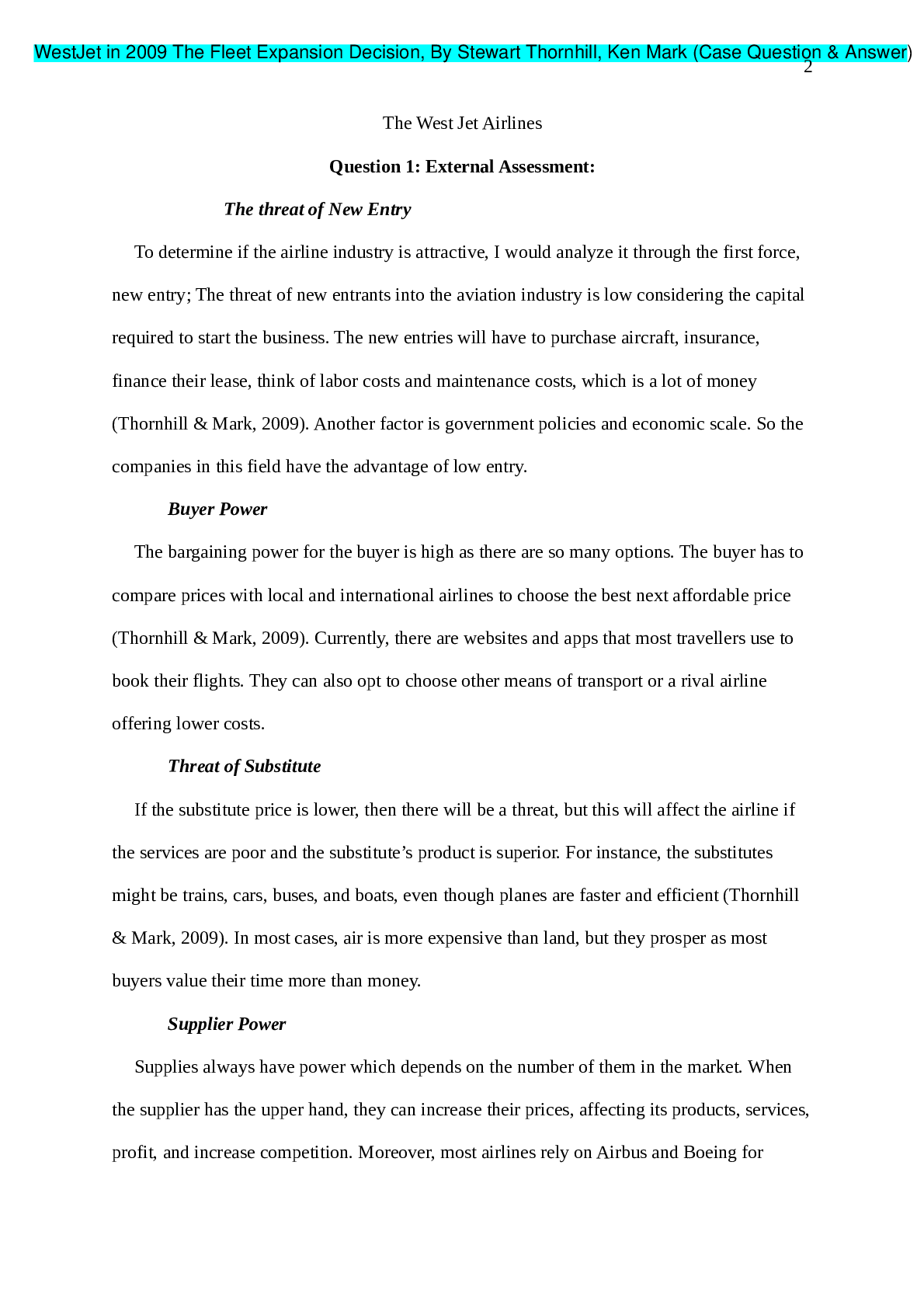
WestJet in 2009 The Fleet Expansion Decision, By Stewart Thorn...
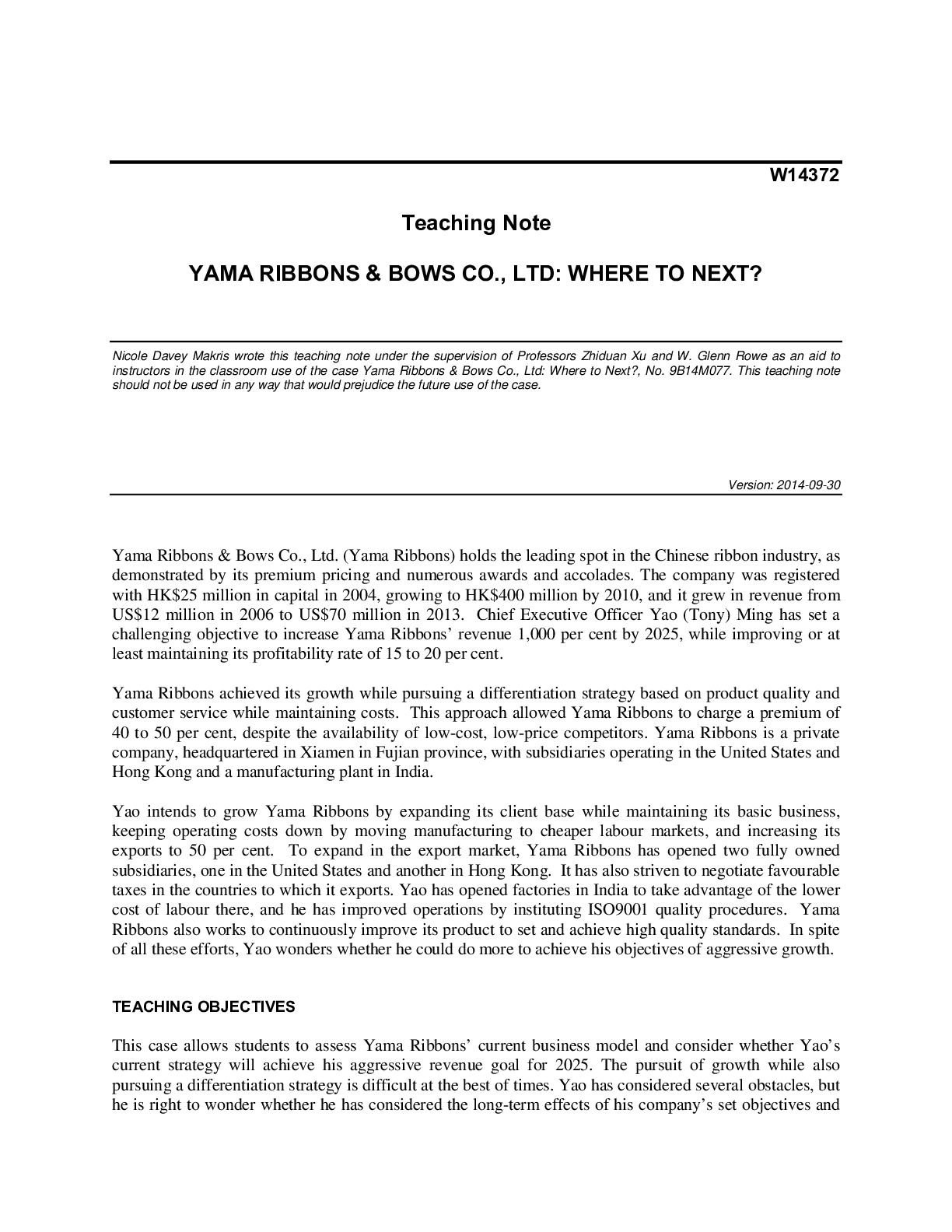
Yama Ribbons & Bows Co., Ltd. Where to Next, By Zhiduan Xu, Gl...
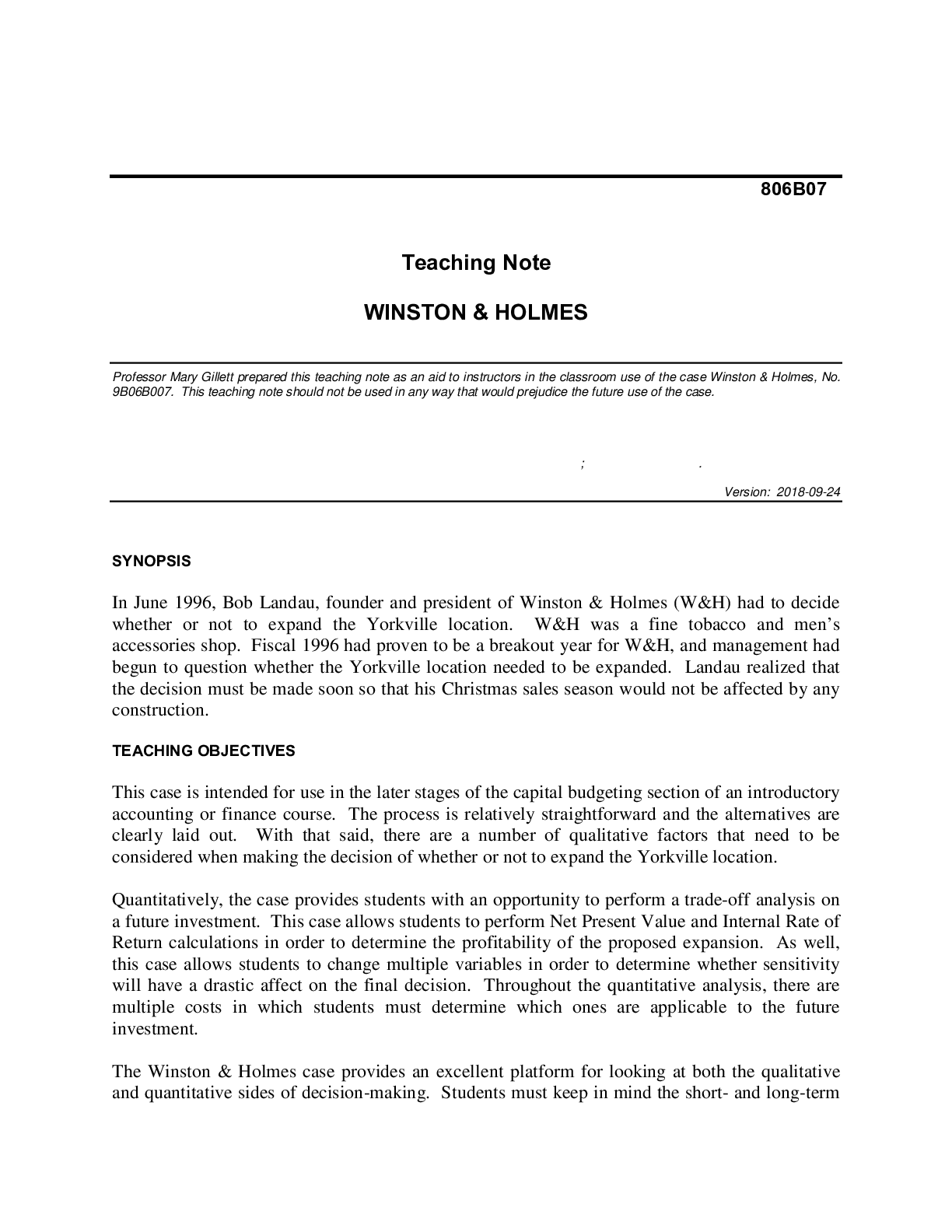
Winston & Holmes, By Mary Heisz, Jason Landau (Case Notes/ Ans...
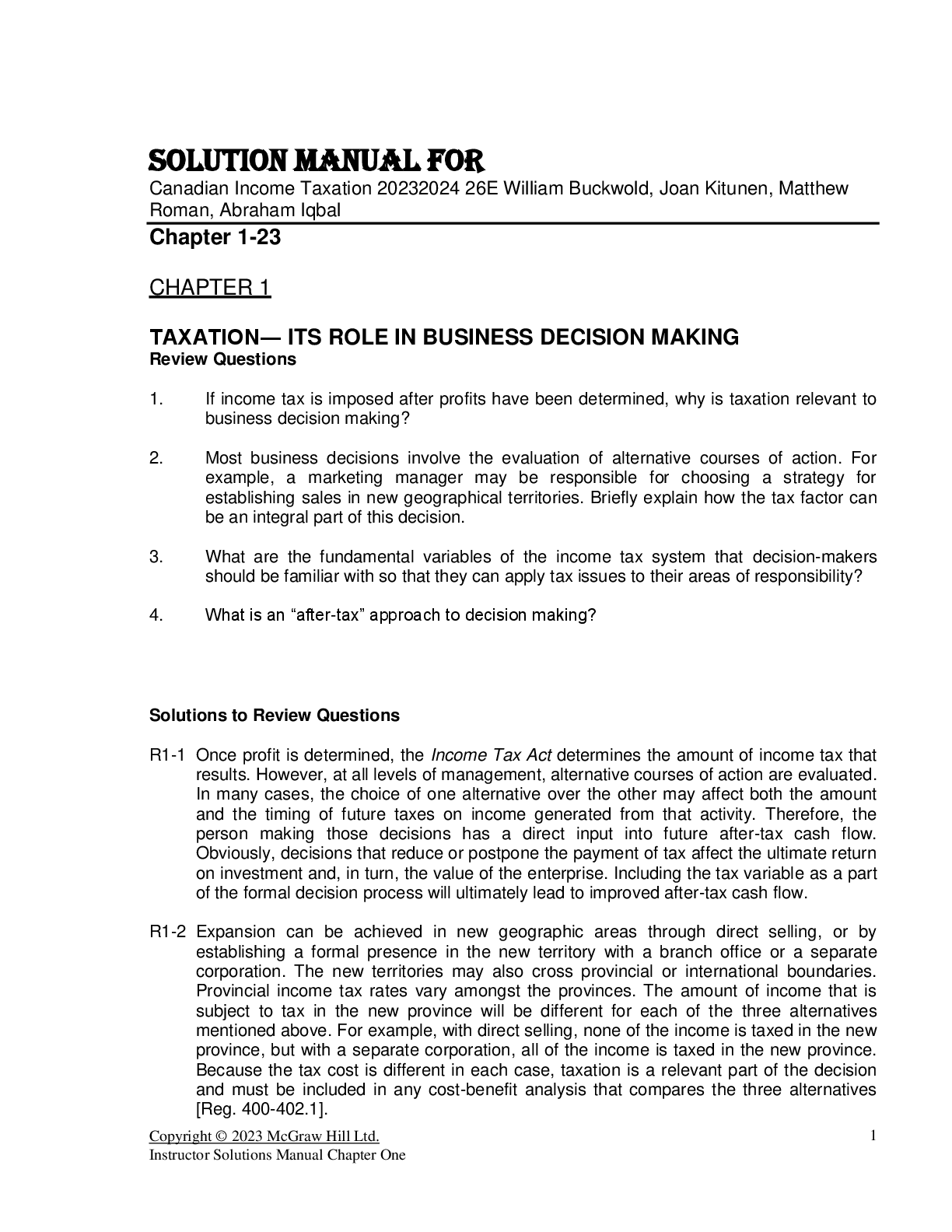
Solution Manual for Canadian Income Taxation 20232024 26th Edi...
Instructor Solution Manual For Strategic Management Creating C...

BUSINESS 1007 | Managers utilize organizational resources such...

OCR GCE New Business H431/03: The global business environment...

OCR GCE New Business H431/02: The UK business environment Adva...