Business > CASE STUDY > C721 Change Management PA C721 Change Management C721 Change Management PA A.Discuss th (All)
C721 Change Management PA C721 Change Management C721 Change Management PA A.Discuss th
Document Content and Description Below
Last updated: 4 years ago
Preview 1 out of 5 pages
Instant download

Buy this Document to get the Full Access Instantly
Provided by Students Who Aced it
We Verify Document Content to Gurantee Accuracy
Reviews( 0 )
Document information
Connected school, study & course
About the document
Uploaded On
Jul 31, 2022
Number of pages
5
Written in
All

Additional information
This document has been written for:
Uploaded
Jul 31, 2022
Downloads
0
Views
219
Topic Tags
Recommended For You
Get more on CASE STUDY »
C721 – Change Management C721 – Change Management A.Disc...
.png)
C721 – Change Management (2) C721 – Change Management A. ...

C721 Discuss the need for change for the company C721 – Cha...
(WGU C721) MGMT 4400 - Change Management - Objective Assessmen...

(WGU C721) MGMT 4400 Change Management Final Assessment Guide...
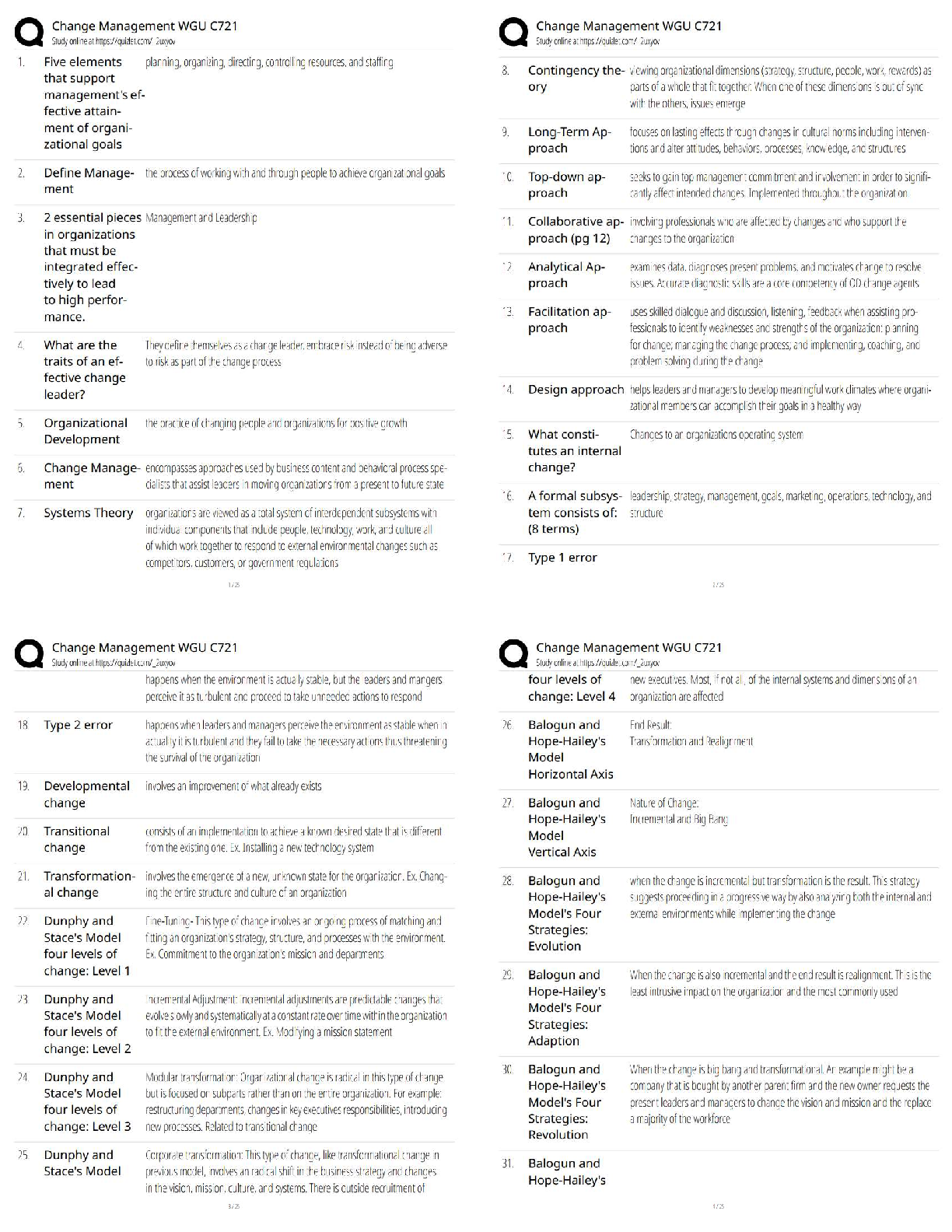
WGU C721 Change Management New Version / 2025 Update / Study...
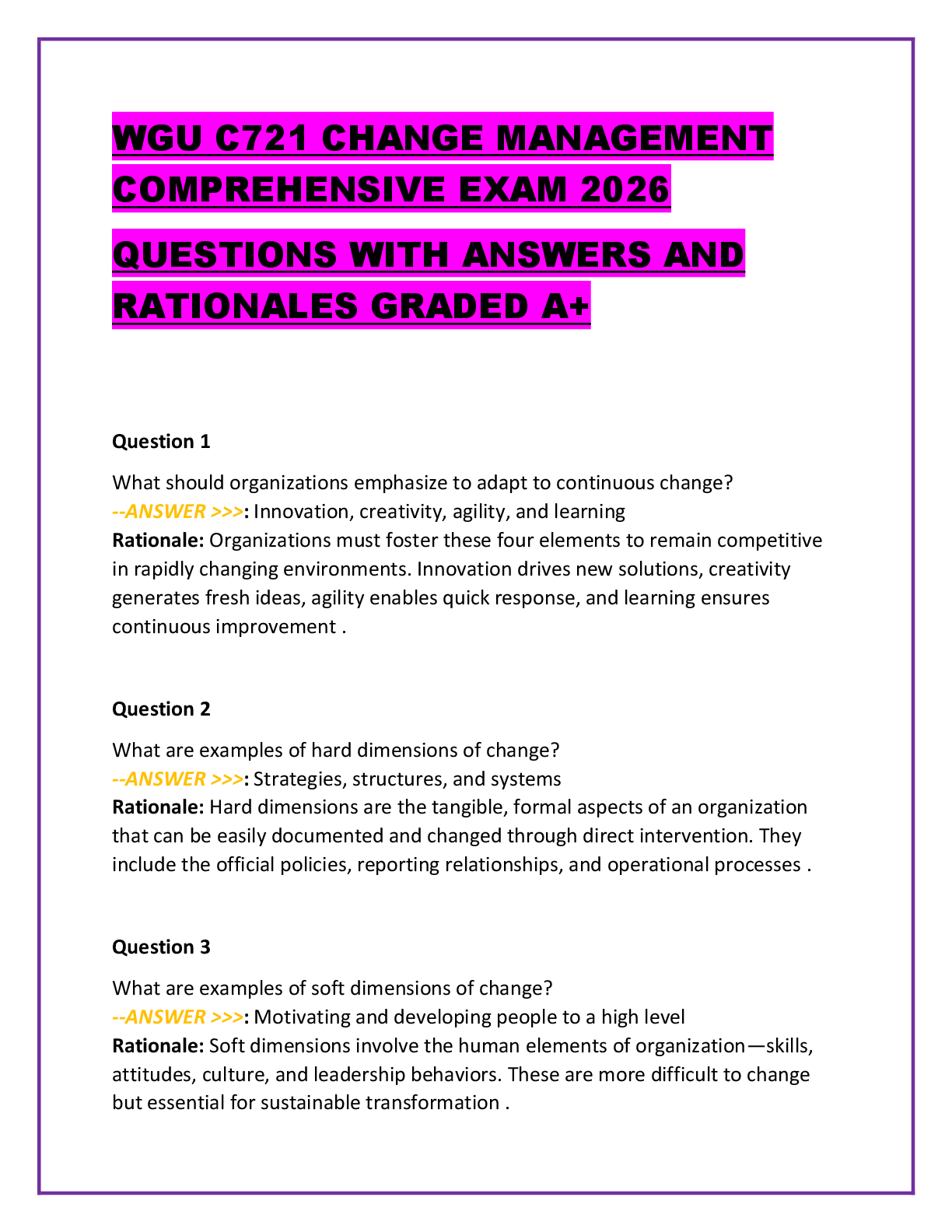
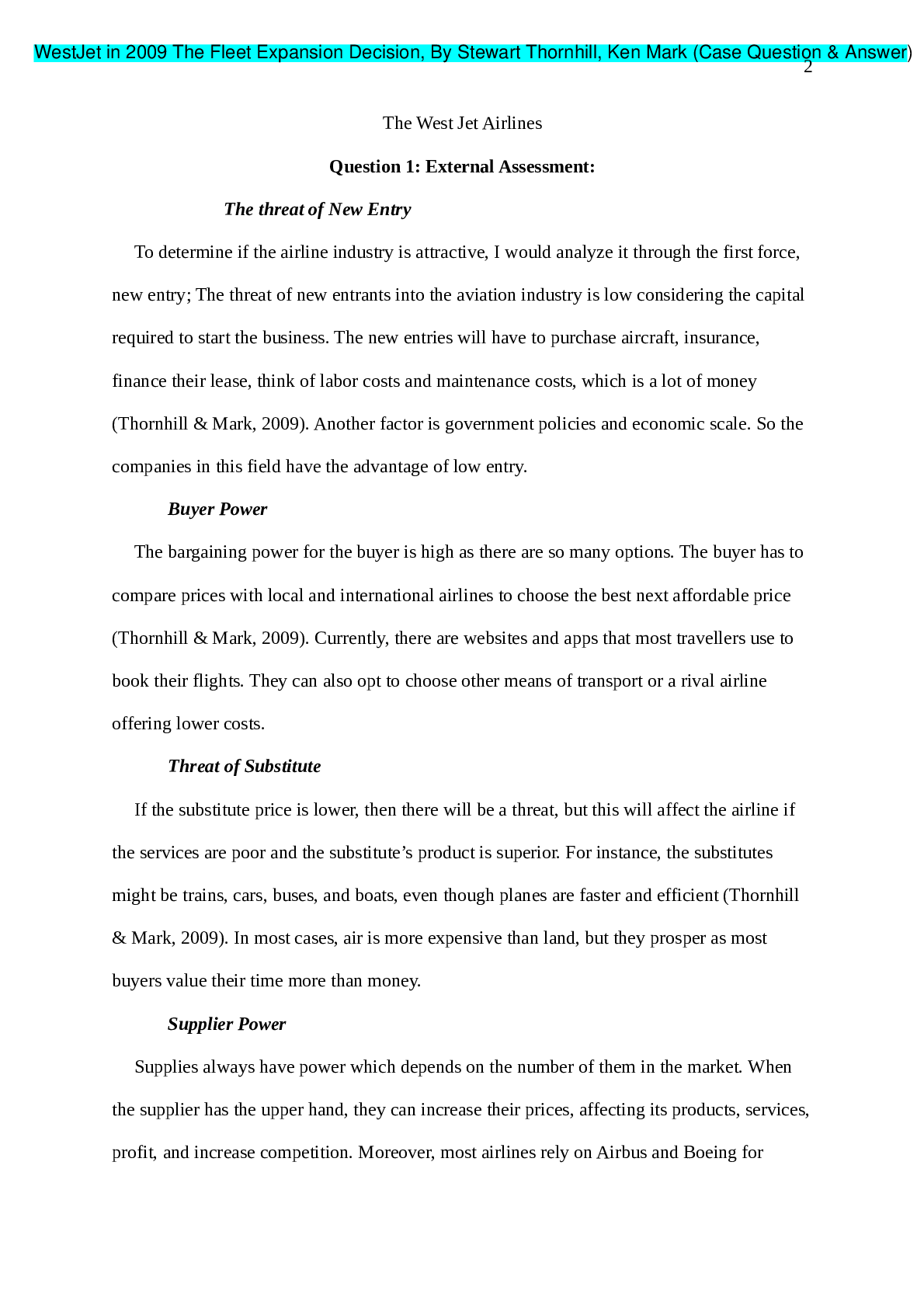
WestJet in 2009 The Fleet Expansion Decision, By Stewart Thorn...
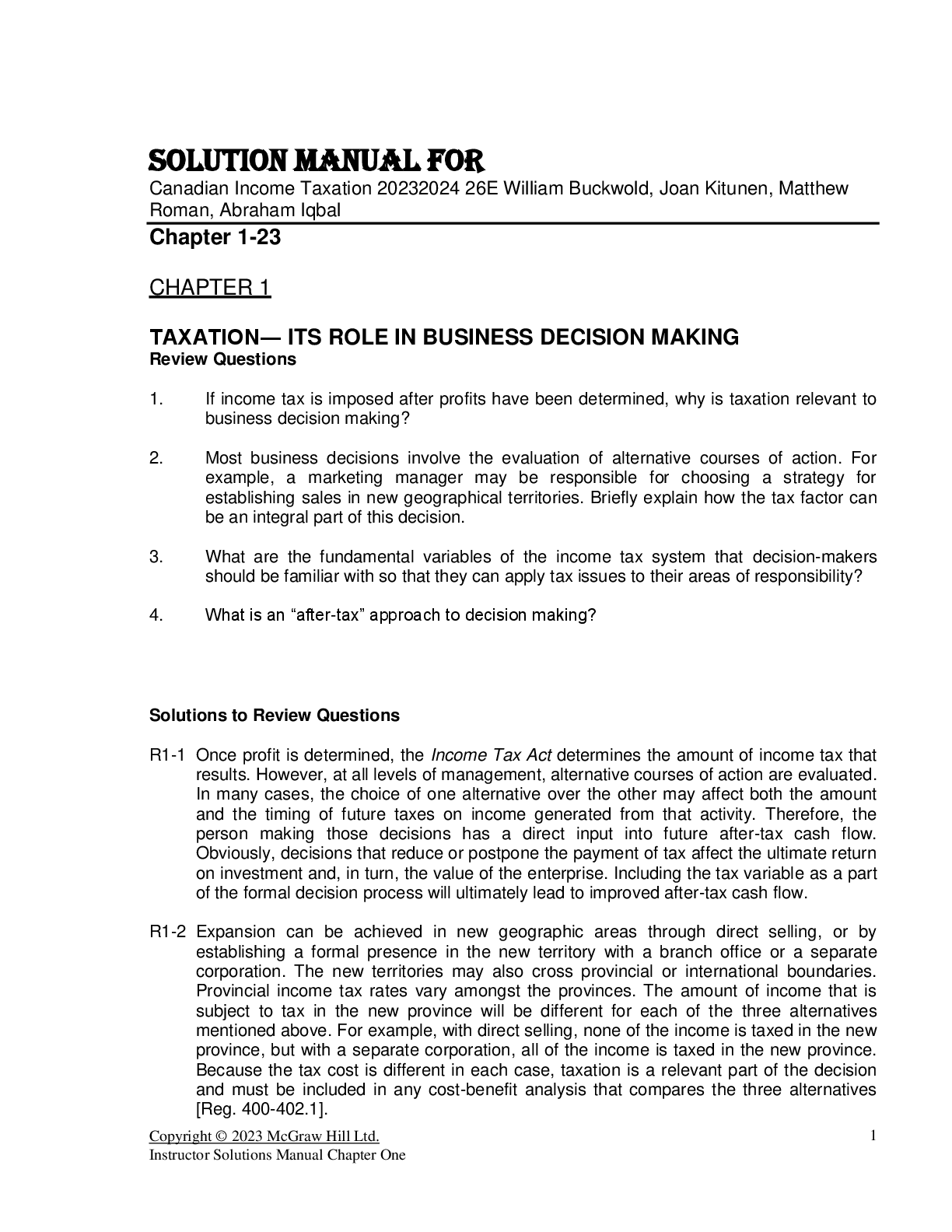
Solution Manual for Canadian Income Taxation 20232024 26th Edi...
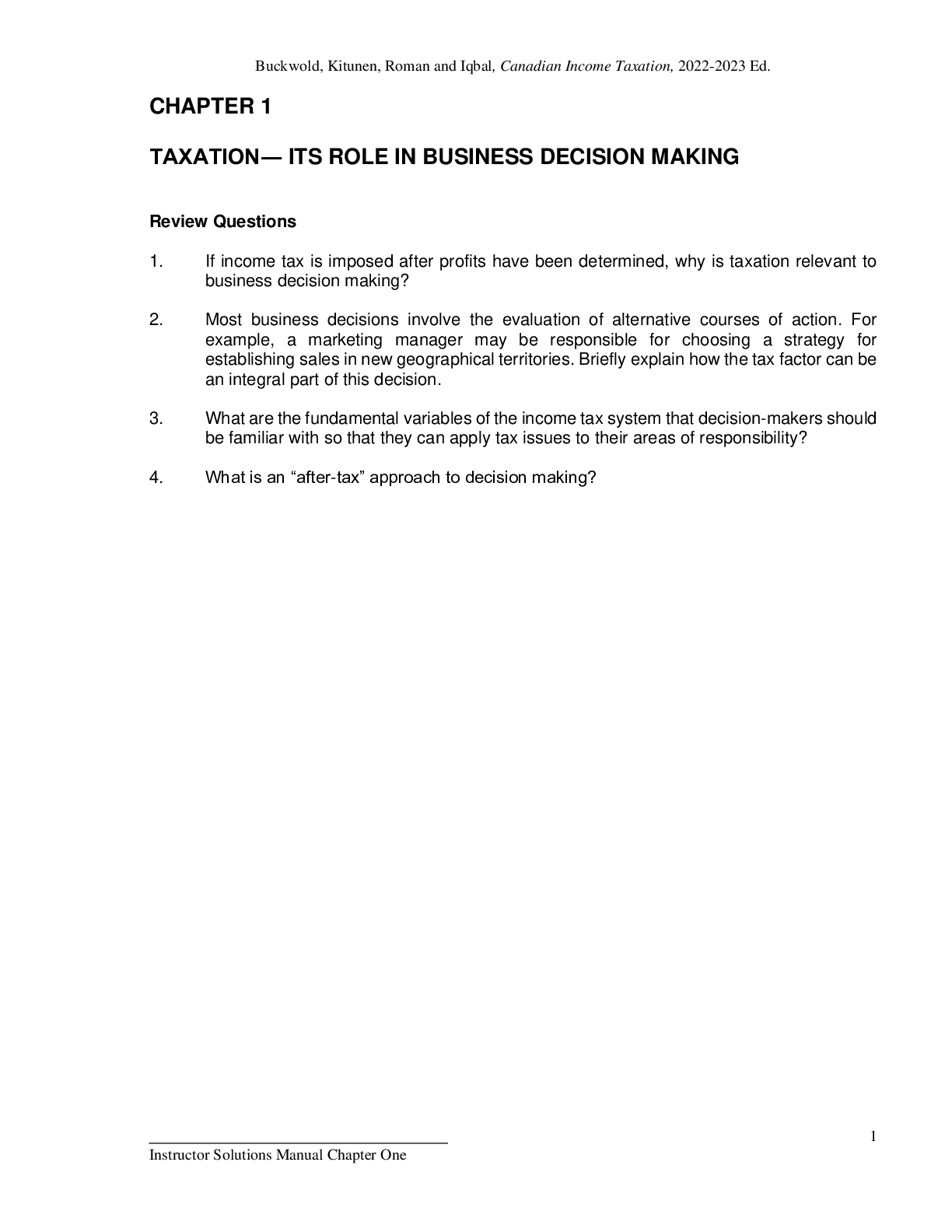
Solution Manual for Canadian Income Taxation (2022-2023) 25th...
Solutions Manual for Business Research Methods, 5th Edition By...